Addressing Disability and Poverty in Brunei
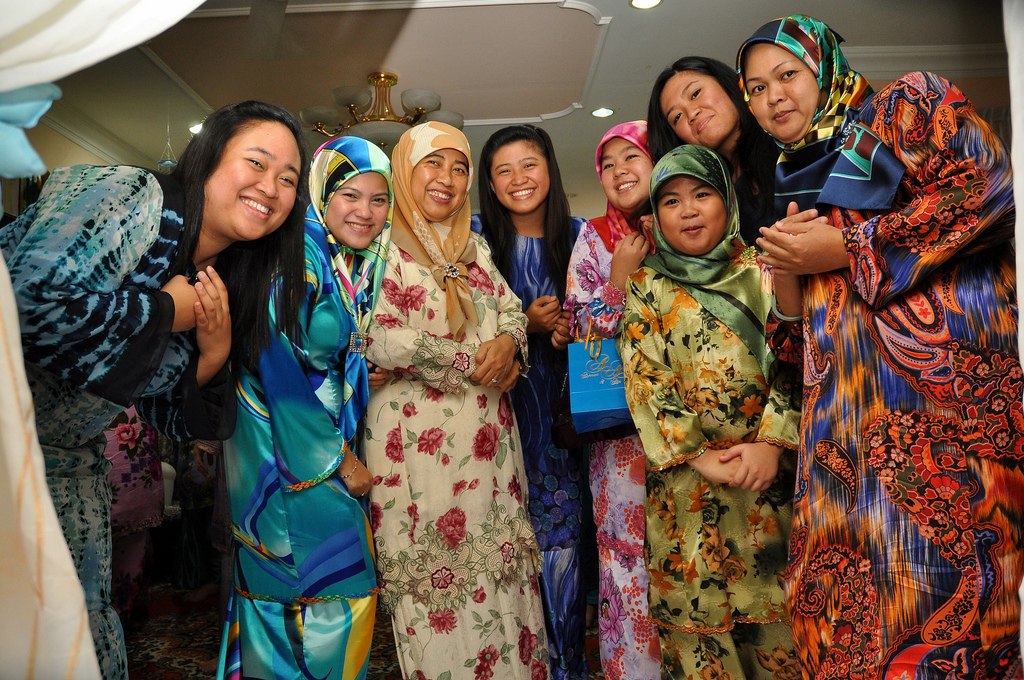 Disability and poverty in Brunei is an emerging challenge despite the country’s high-income status. While Brunei provides universal health care and generous welfare programs, persons with disabilities (PWDs) continue to face systemic barriers that limit their full participation in society. The issues of limited employment, infrastructure gaps and social stigma persist yet new government and community initiatives show promise.
Disability and Poverty in Brunei: A Structural Link
According to the ASEAN Disability Forum, about 1% of Brunei’s population, roughly 4,100 people, live with a disability. Although the absolute poverty rate in Brunei is low, many PWDs face ‘relative poverty’ which relates to a lack of access to education, jobs and digital resources. A 2021 study by Universiti Brunei Darussalam revealed that PWDs face structural exclusion in both the labor market and education system, especially in rural areas. These limitations create a cycle of economic hardship that persists despite national wealth. Disability and poverty in Brunei must be understood as interconnected issues, where inclusion gaps not income levels contribute to vulnerability.
Welfare Programs and Legal Support
Brunei ratified the UN Convention on the Rights of Persons with Disabilities in 2016, marking a turning point in its legal commitment to PWD rights. Under the Welfare Assistance Act, PWDs with an “OKU card” (Orang Kelainan Upaya) are eligible for monthly financial support. As of early 2025, more than 3,800 PWDs hold the OKU card. In addition, more than 1,600 caregivers receive monthly care allowances, reflecting the government’s efforts to expand its safety net. However, challenges remain. Many PWDs struggle to find suitable jobs or gain access to inclusive education. Accessible infrastructure and digital equity also lag behind policy goals.
Recent Progress in Policy and Practice
Brunei’s 12th National Development Plan introduced “Different Abilities Design Guidelines” to make public buildings more accessible. The Ministry of Finance and Economy has pledged more than 4 billion Brunei dollars toward more than 300 national projects, including improvements in housing, education and health care.
In a 2025 New Year address, His Majesty Sultan Hassanal Bolkiah reaffirmed the nation’s commitment to leaving no one behind. He specifically emphasized the rights of persons with disabilities to live in dignity and self-reliance. Many advocacy groups, including SMARTER Brunei, an autism awareness nonprofit organization, welcomed his remarks.
In December 2024, the “Embrace Differences” campaign launched with support from public and private sectors. The initiative provides children with autism access to tablets and e-learning modules, helping bridge the digital divide in schools.
The Road Ahead
Despite these advances, more work remains. Less than 10% of working-age PWDs in Brunei are employed in the formal economy, according to the ASEAN Post. Creating inclusive hiring practices and investing in vocational training can help reduce reliance on welfare and foster economic independence.
Muhammad Hamzi, president of the Brunei Darussalam National Association of the Blind, explained, “The primary issue is awareness, particularly regarding the challenges PWDs face in the workplace, which includes relevant training programs.”
Education reform is equally critical. While digital learning efforts are expanding, only a few schools offer inclusive classrooms. Training teachers in disability awareness and scaling up assistive technologies could help to ensure children with disabilities are not left behind.
In underserved areas, community-based outreach through mosques, clinics and village councils can help identify and support PWDs who may not be registered for official aid. These local efforts can also reduce stigma and raise public understanding.
– Charlie Wood
Charlie is based in Liversedge, UK and focuses on Global Health for The Borgen Project.
Photo: Wikimedia Commons
