Innovations in Poverty Eradication in Panama
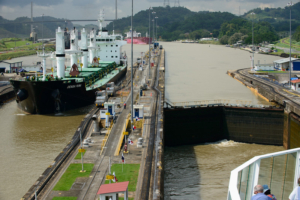 Panama is one of the most prosperous trade hubs in the world’s economy. The Panama Canal drew in 210.3 million tons of cargo in 2024 and is an important part of the United States of America’s trade operations. Panama has also faced significant problems with poverty in the region. The UNICEF annual report 2020 reported that the poverty rate is 41.4% in rural areas, while it is 11% in urban areas. This level of poverty hits children the hardest, as 32.8% of children grow up multidimensionally poor.
Programs in poverty eradication in Panama have grown over the past few decades, thanks to the Panamanian government, creating innovative approaches to improve the lives of its citizens, such as increasing jobs for the nation and social programs such as the Universal Educational Social Assistance Program (PASE-U) and the Panamá Solidario emergency program. Despite these advancements, the region faces challenges, particularly in addressing income inequality.
Job Creation and Economic Prosperity
Panama’s rapid economic growth has been a cornerstone of its poverty reduction efforts. Between 1990 and 2019, the country’s economy grew at an average rate of 5.8% annually, thanks to the usage of the Panama Canal. This pace significantly outpaced the regional average of 2.6%. This growth has translated into improved labor conditions for the people of Panama, with mean hourly real wages increasing by 60%, the employment rate rising from 48% to 63% and women’s labor force participation increasing from 34.1% to 55.5%. This increase in jobs has decreased the number of people living in poverty in Panama, plummeting from 50.2% in 1989 to 12.9% in 2021.
This is just one step in poverty eradication in Panama, as giving people jobs and positive economic growth in a country can hopefully help all classes of people in Panama, not just the wealthy business owners.
Social Protection Programs
Innovative social protection programs have been a crucial strategy to poverty eradication in Panama. The Universal Educational Social Assistance Program (PASE-U) and the Panamá Solidario emergency program are notable examples. Starting in 2020, the PASE-U objectives are to prevent school dropout, raise enrollment and school attendance rates and motivate to strengthen academic improvement. This is done by a government allowance to students who continue to pursue education, with the benefits of 270 PAB for primary school students, 360 PAB for presecondary school students and 450 PAB for secondary school students (PASE-U).
Panamá Solidario’s emergency program prioritized the purchase of local production from both agribusinesses and producers, for the manufacture of bags and delivery of products of agricultural and livestock origin. This program aimed to continue economic production in light of the COVID-19 pandemic. The results of the program were widely successful, as the nation delivered more than 6 million bags of meals until January 2021. About 2.1 million physical bonds and 4.7 million digital vouchers were credited to continue economic growth. The Panamá Solidario would support more than 1.6 million Panamanians during the COVID-19 pandemic, maintaining economic growth.
Addressing Inequality
Despite these achievements in addressing poverty reduction, Panama continues to grapple with significant income inequality. The country ranks third in South America and Central America for income disparity, with the poorest 20% earning just 1.2% of the total labor income, while the wealthiest 20% claim 32.7%. Geographic disparities are also pronounced, with poverty rates being higher in the rural areas of the region, compared to urban areas. Indigenous communities face even greater challenges, with 69.4% living in poverty and limited access to basic services such as education and health services.
Future Directions
Progress is still occurring, as the World Bank Group’s Poverty and Equity Assessment of Panama suggests that Panama must prioritize policies that expand access to basic services, improve job quality, enhance human capital and promote household resilience in the long run. Addressing the structural challenges that perpetuate inequality for the people of Panama will be essential for achieving shared prosperity.
Panama’s strides towards poverty eradication are a testament to the power of innovative approaches and sustained economic growth. While challenges remain, the country’s commitment to improving the lives of its citizens offers a long-term goal for a more equitable and prosperous future for the people of Panama.
– Dylan Fly
Dylan is based in Detroit, MI, USA and focuses on Business and Politics for The Borgen Project.
Photo: Flickr
