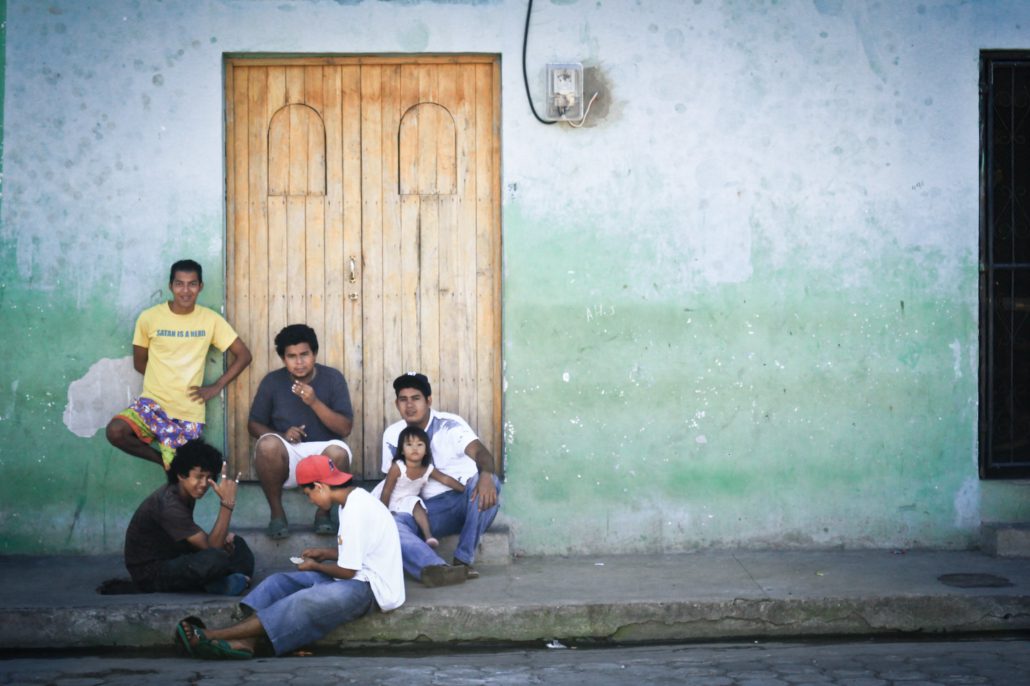
 Nicaragua remains one of Central America’s poorest countries. In 2016, 24.9% of Nicaraguans were living below the poverty line, a significant decline from 45.8% in 2001, according to the Pan American Health Organization (PAHO). From 2000 to 2022, Nicaragua achieved an 18% increase in its Human Development Index (HDI), rising from 0.563 to 0.669. Despite this progress, Nicaragua still ranks 32nd out of 35 countries in North and South America in HDI as of 2022, illustrating persistent development challenges. Limited access to clean water, food insecurity, malnutrition and inadequate access to health care and education mark poverty in Nicaragua, according to the World Food Programme (WFP).
The United States Agency for International Development (USAID) has played a critical role in improving well-being in Nicaragua for decades. USAID programs in Nicaragua have supported key initiatives aimed at expanding access to health care and education, strengthening civic institutions and promoting economic growth and stability. However, recent cuts to USAID funding have hindered the progress of many of these initiatives, both in Nicaragua and in other low-and middle-income countries. The gains in personal well-being across Nicaragua throughout the past decade highlight the importance of sustained foreign aid for developing nations. Below are three examples of how USAID programs in Nicaragua have contributed to improving well-being in the country.
Improving Health Care
Over the past decade the Nicaraguan government has committed to improving its health sector programs, a commitment that has steadily strengthened the country’s health care system. These efforts have contributed to improvements in life expectancy, reductions in child mortality rates and higher immunization coverage across the country, according to the World Bank Group.
Although improvements have occurred, significant challenges remain, particularly in rural areas. While the Nicaraguan government offers universal free health care to all citizens, however, unequal distribution of medical supplies and health care personnel leaves many communities underserved, according to Bridge of Life.
In 2019, Salesian Missions, with the help of USAID funding, began constructing a medical clinic for impoverished Nicaraguans living in the cities of EstelÍ, Madriz and Nueva Segovia. The facility has since been completed and offers “high-quality obstetrics, pediatrics and gynecology services,” according to Salesian Missions.
Improving Education
Bettering education and literacy rates has long been a priority of the Nicaraguan government. However, the country still lags behind other low-middle income countries in terms of adult literacy rate—ages 15+. As of 2015, Nicaragua’s literacy rate for individuals aged 15 years or older was 78% for both men and women, notably lower than the median rate of other low-middle income countries, according to the National Education Profile.
Furthermore, a large percentage of school-aged children in Nicaragua do not attend primary or secondary school. In 2015, 18% of primary school-aged children were not attending school, and this figure rose to 43% among secondary school-aged children. Rates of out-of-school children were significantly higher in rural areas compared to urban locations, according to the National Education Profile.
USAID also launched the Community Action for Reading and Security (CARS) program, which improved early-grade literacy along Nicaragua’s Caribbean Coast. Across a six year span, the program reached more than 26,000 students and raised reading fluency in early-grade learners. CARS also helped local leaders design and carry out “community action plans” to support long-term education and development, according to DevTech.
Promoting Democracy and Civic Contribution
Nicaragua has long been affected by government mismanagement and dishonest administrations. Corruption and disregard for the rule of law has pushed Nicaragua into political disasters which have had harsh effects on Nicaraguans, according to Global Liberty Alliance. This rocky political history illustrates the necessity of programs to strengthen political transparency and effectiveness.
In 2009, USAID awarded grants to 31 civil society organizations in Nicaragua to promote voter registration, voter education and civic outreach. USAID also trained more than 700 Nicaraguans in anti-corruption practices and taught more than 350 journalists how to improve news quality and access public records, according to the United States Department of State.
USAID also promoted the Citizen Participation Ordinance, which four Nicaraguan municipal councils adopted in 2009. The Ordinance strengthened the role of civil society—community groups, NGOs and everyday people—in helping to shape local projects and policies.
Fostering Economic Growth
USAID helped Nicaragua take advantage of opportunities offered by the Dominican Republic-Central America Free Trade Agreement (CAFTA-DR). As a result, in the 2009 fiscal year, more than 9,000 Nicaraguans increased their sales in local, regional and international markets.
USAID organized training sessions covering “commodity-specific export opportunities, best practices and economic conditions favoring the country,” according to the United States Department of State. More than 2,000 people attended with nearly half of the attendees being women.
Looking Ahead
USAID programs in Nicaragua have directly improved personal well-being by investing in education, health care, civic engagement and economic opportunity. But if funding cuts continue, these gains could be lost entirely. These examples highlight why sustained U.S. foreign aid remains a necessity for Nicaragua and other developing countries working to build a more stable and prosperous future.
– Jordan Venell
Jordan is based in Edina, MN, USA and focuses on Technology and Global Health for The Borgen Project.
Photo: Flickr

Can the Private Sector Replace USAID?
Additionally, nonprofit investment funds like Acumen, which focuses on renewable energy in the developing world, can help mitigate the rippling effect of suspending the tens of billions awarded to international organizations on the ground fighting poverty.
The Scale of USAID’s Impact and Its Absence
Before the USAID cuts and freezes, the U.S. provided $64 billion of the $223 billion in international aid. These funds go to a network of governments, international organizations and on-the-ground partners. Roughly half of the $64 billion is administered through USAID. Most of this is distributed through local and international partners. The cuts are likely to force these partners to look for other donors.
USAID’s work has had measurable success: saving six million lives from malaria by 2017 and contributing to the elimination of wild poliovirus in 2020. However, despite those achievements, USAID is under threat. USAID efforts were initially frozen for 90 days starting in January, which was then extended another 30 days. Unfortunately, these cuts are here to stay, despite their devastating effects on communities worldwide.
Can the Private Sector Replace USAID?
Making the private sector replace USAID will be incredibly difficult. Rob Nabors, the North America director for the Gates Foundation, explained, “There is no foundation — or group of foundations — that can provide the funding, workforce capacity, expertise or leadership that the United States has historically provided to combat and control deadly diseases and address hunger and poverty around the world.”
Still, a coalition of governments, NGOs and development investors is working to step in. The IDA is a coalition of 175 countries that periodically evaluates budget priorities to help relieve poverty and assist developing countries in growing their economy. Fifty different countries currently operate as donors. Late last year, IDA donors helped secure $100 billion for the impoverished groups in developing countries.
IDA can assist in achieving many of the goals of USAID, like connecting hundreds of millions of people in Africa to reliable electricity. IDA’s model has also helped 35 countries graduate into developed countries that can act as donors, such as South Korea, highlighting what international aid can accomplish.
The Role of Philanthropy and Development Finance
Additionally, private organizations can help alleviate the harm from the recent cuts. One of the main issues is coordination and focusing funds where they can help the most. The Center for Global Development organization helps host Project Resource Optimization (PRO). Led by former USAID employees, PRO helps donors prioritize the most effective projects. Robert Rosenbaum, an independent consultant for PRO and former USAID staffer, notes, “Private philanthropy cannot replace bilateral aid, but it can lead the way in demonstrating what the future of development should look like: simpler, more transparent and relentlessly focused on results.”
Lastly, international finance can play a major role in replacing USAID. Investors like Nimrod Gerber, a managing partner at Vital Capital, see the freeze as a potential opportunity for a more effective and sustainable funding strategy for humanitarian projects. One of the main ways development investors could assist is by directing the hundreds of billions in African pension funds into projects that return on investment and improve the quality of life of people on the ground.
The Open Road Alliance (ORA) is a great example of this model. The ORA funds loans to organizations, both corporations and NGOs, in the developing world. These function as bridge loans to survive a sudden and unexpected funding crisis, like budget cuts. One of the projects the ORA funded was OnePower, which created electrical mini-grids in rural Lesotho. Not only did this provide increased health care access, but it also paid back its investors. Usually, investors get anywhere between a 2% and 4% return.
A Shift, Not a Replacement
Completely replacing USAID is not a reasonable goal. The ideal is for the U.S. to regain its place as the go-to coordinator and donor of international aid. However, this crisis has allowed many other governments, NGOs and financiers to create inventive ways to fill the gaps.
– Joseph Laughon
Photo: Wikimedia Commons
Educational Success in Sobral
The Beginning
In 1997, the leaders of Brazil decided to invest in children’s literacy. The newly elected mayor of Sobral, Cid Gomes, implemented various reforms to aid in this endeavor. Despite improvements in enrollment numbers and building quality, the learning ability of the students did not improve. An assessment in 2000 stated that 48% of second-graders could not read, according to Harvard Kennedy School.
Rather than hide this assessment, the municipal government shared the results with the community, promising a goal of 100% literacy for children leaving their second year of primary school. Three years later, an assessment revealed a 91% increase in children being able to read with ease, Harvard Kennedy School reports. This sudden rise from the bottom rank three years ago was due to Sobral’s realization that reform must start from the bottom up
The Approach
To achieve educational success in Sobral, the municipality took on an “iterative adaptation approach” to teaching. An iterative adaptation approach means breaking down complex problems, taking action, reflecting on the results and then adapting the approach based on what is learned. This dynamic approach to reform helped Sobral realize where their efforts were necessary: the teachers.
The first step in aiding the teachers with this educational reform was to let teachers into the conversation. A behavioral studies approach allowed the municipality to understand what teachers faced in their classrooms and offer not only autonomy for the educators but incentives as well. High-performing teachers are recognized and promoted to help in the selection and training processes of new teachers, while non-performing teachers and principals are removed, according to the World Bank. In addition to recognition, principals and teachers received bonus payments from the government if their students met the desired goals.
Incentives were an important step in helping teachers improve, but the municipality realized that practical help was equally important. Teachers received structured lesson plans, monthly professional development and feedback from classroom observations, the World Bank reports. In short, teachers had clear expectations and received the tools to meet those expectations.
Another important factor in Sobral’s success was data. Municipalities conducted diagnostic learning assessments twice a year to gather data on the foundational literacy and numeracy skills of students. This data helped Sobral focus on what schools needed assistance with and revise their strategy to aid them. In addition to learning assessments, a biannual national assessment helped promote accountability among schools. When Sobral showed growth, political support for the reform efforts increased.
Improving Education
Educational success in Sobral has become the model for other Brazilian municipalities, largely due to the education of the teachers. Clear and concise training for teachers is the key to improving how they navigate the classroom. Around the world, countries are starting to adopt reform that begins with understanding the abilities and struggles of the people who shape the classrooms and having conversations to recognize what they need to succeed.
– Matthew Perduk
Photo: Flickr
USAID Programs in Nicaragua
The United States Agency for International Development (USAID) has played a critical role in improving well-being in Nicaragua for decades. USAID programs in Nicaragua have supported key initiatives aimed at expanding access to health care and education, strengthening civic institutions and promoting economic growth and stability. However, recent cuts to USAID funding have hindered the progress of many of these initiatives, both in Nicaragua and in other low-and middle-income countries. The gains in personal well-being across Nicaragua throughout the past decade highlight the importance of sustained foreign aid for developing nations. Below are three examples of how USAID programs in Nicaragua have contributed to improving well-being in the country.
Improving Health Care
Over the past decade the Nicaraguan government has committed to improving its health sector programs, a commitment that has steadily strengthened the country’s health care system. These efforts have contributed to improvements in life expectancy, reductions in child mortality rates and higher immunization coverage across the country, according to the World Bank Group.
Although improvements have occurred, significant challenges remain, particularly in rural areas. While the Nicaraguan government offers universal free health care to all citizens, however, unequal distribution of medical supplies and health care personnel leaves many communities underserved, according to Bridge of Life.
In 2019, Salesian Missions, with the help of USAID funding, began constructing a medical clinic for impoverished Nicaraguans living in the cities of EstelÍ, Madriz and Nueva Segovia. The facility has since been completed and offers “high-quality obstetrics, pediatrics and gynecology services,” according to Salesian Missions.
Improving Education
Bettering education and literacy rates has long been a priority of the Nicaraguan government. However, the country still lags behind other low-middle income countries in terms of adult literacy rate—ages 15+. As of 2015, Nicaragua’s literacy rate for individuals aged 15 years or older was 78% for both men and women, notably lower than the median rate of other low-middle income countries, according to the National Education Profile.
Furthermore, a large percentage of school-aged children in Nicaragua do not attend primary or secondary school. In 2015, 18% of primary school-aged children were not attending school, and this figure rose to 43% among secondary school-aged children. Rates of out-of-school children were significantly higher in rural areas compared to urban locations, according to the National Education Profile.
USAID also launched the Community Action for Reading and Security (CARS) program, which improved early-grade literacy along Nicaragua’s Caribbean Coast. Across a six year span, the program reached more than 26,000 students and raised reading fluency in early-grade learners. CARS also helped local leaders design and carry out “community action plans” to support long-term education and development, according to DevTech.
Promoting Democracy and Civic Contribution
Nicaragua has long been affected by government mismanagement and dishonest administrations. Corruption and disregard for the rule of law has pushed Nicaragua into political disasters which have had harsh effects on Nicaraguans, according to Global Liberty Alliance. This rocky political history illustrates the necessity of programs to strengthen political transparency and effectiveness.
In 2009, USAID awarded grants to 31 civil society organizations in Nicaragua to promote voter registration, voter education and civic outreach. USAID also trained more than 700 Nicaraguans in anti-corruption practices and taught more than 350 journalists how to improve news quality and access public records, according to the United States Department of State.
USAID also promoted the Citizen Participation Ordinance, which four Nicaraguan municipal councils adopted in 2009. The Ordinance strengthened the role of civil society—community groups, NGOs and everyday people—in helping to shape local projects and policies.
Fostering Economic Growth
USAID helped Nicaragua take advantage of opportunities offered by the Dominican Republic-Central America Free Trade Agreement (CAFTA-DR). As a result, in the 2009 fiscal year, more than 9,000 Nicaraguans increased their sales in local, regional and international markets.
USAID organized training sessions covering “commodity-specific export opportunities, best practices and economic conditions favoring the country,” according to the United States Department of State. More than 2,000 people attended with nearly half of the attendees being women.
Looking Ahead
USAID programs in Nicaragua have directly improved personal well-being by investing in education, health care, civic engagement and economic opportunity. But if funding cuts continue, these gains could be lost entirely. These examples highlight why sustained U.S. foreign aid remains a necessity for Nicaragua and other developing countries working to build a more stable and prosperous future.
– Jordan Venell
Photo: Flickr
HPV Self-Test Kits: Cervical Cancer Screening in El Salvador
A Promising Alternative: Self-Collection
To combat this gap in gynecological care, the Salvadoran Ministry of Health partnered with Basic Health International to pilot self-collected HPV testing in rural areas. In the Cervical Cancer Prevention in El Salvador (CAPE) study, more than 500 women participated in self- and provider-based screening. Many preferred self-sampling, citing privacy, comfort and ease of use. This low-cost alternative has the potential to transform cervical cancer screening in El Salvador, especially for women who were under-screened or had never received a cervical exam.
Self-collection allows women to collect cervico-vaginal samples, often at home, using a small brush. This eliminates the need for a speculum exam. Additionally, this is a game-changer for women in rural areas where clinics are far away and stigma around pelvic exams runs deep. In surveys, nearly 40% of participants preferred self-collection and most of those said they would choose it again for future screenings.
Integrating Self-Tests Into National Guidelines
Thanks to strong evidence from pilot studies and advocacy by public health leaders, El Salvador became one of the first countries in the region to integrate HPV testing into its national cervical cancer screening guidelines. This includes the option for women to collect their own samples, a move that improves access and encourages early detection.
The Ministry of Health is committed to screening 70% of eligible women by 2030, which aligns with the World Health Organization’s (WHO) global elimination strategy. Furthermore, the inclusion of HPV self-collection in national policy marks a critical step toward expanding cervical cancer screening in El Salvador to reach the WHO’s 2030 elimination targets.
Scaling up Nationwide
Since self-collection was introduced, cervical cancer screening in El Salvador has grown rapidly. The country has trained more than 4,500 health care workers and screened more than 145,000 women. Screen-positive women are offered treatment at one of 74 centers across the country. Innovations like self-sampling and portable thermal ablation devices are helping to make these services more accessible and affordable, particularly for women in hard-to-reach areas.
A Model for Other Countries
El Salvador’s success shows how simple, scalable innovations can dramatically increase access to life-saving care. Indeed, by removing logistical, financial and cultural barriers, HPV self-collection empowers women to prioritize their health on their terms. As other low and middle-income countries seek to meet the WHO’s 2030 targets, El Salvador’s model offers hope and a blueprint for equitable cancer prevention.
– Anna Chiaradonna
Photo: Wikimedia Commons
Fighting Climate Impacts on Refugees with CRRF
Climate Impacts in Sudan, Bangladesh and Jordan
Rohingya refugees in Bangladesh, Syrian refugees in Jordan and refugee camps in Sudan specifically have noted recent environmental disasters threatening human lives. In 2021, Cox’s Bazar, Bangladesh and Alganaa camp in Sudan reported the destruction of structures and several deaths due to flooding.
U.N. Secretary-General António Guterres expressed concern about Cox’s Bazar being on the “front lines of the climate crisis,” as it is the world’s largest refugee settlement. The camp faces year-round instability, from fire-prone summers to a dangerous monsoon season. Similarly, South Sudanese refugees had only lived in the Alganaa camp for a month before floods hit Sudan’s White Nile region. Historically, the lack of environmental studies across Africa has led to the suboptimal placement of refugee camps.
In Jordan, the Za’atari refugee camp is the largest shelter for displaced Syrians in the world. The camp faces extreme cold in the winters in addition to its dry, hot summers. Despite Syrian refugees’ economic resilience through creating many successful businesses in the Za’atari market, a fraction of refugees hold work permits for other sectors, causing further economic uncertainty during climatic events.
All three camps face diverse climate impacts on refugees and preemptive mitigation responses from host countries have been minimal due to political circumstances.
Uganda’s Comprehensive Refugee Response Framework
The United Nations Refugee Agency (UNHCR) has recognized Uganda’s Comprehensive Refugee Response Framework (CRRF) as a key model for promoting refugee self-reliance. It addresses economic challenges by providing land for housing and farming, which in turn helps tackle social issues like access to education and skill development. The CRRF is a model that benefits host countries by stimulating the economy and strengthening agricultural networks through refugee settlement. It also supports the economic well-being of vulnerable populations and helps prevent overcrowding in refugee camps.
Despite the benefits of Uganda’s resettlement model, some refugee settlements still face climate-related damage that threatens agricultural livelihoods. To address this, UNHCR has proposed climate-resilience initiatives that promote low-carbon development in refugee-hosting areas. Implementing additional frameworks like Nationally Determined Contributions (NDCs) and National Adaptation Plans (NAPs) is also essential to reduce climate risks for refugees.
Although it would not be possible to provide land in countries with a high population density, like Bangladesh, it is still ideal for such governments to expand their use of NDCs and NAPs in other ways. Bangladesh’s existing climate finance strategies under its NDCs offer a foundation for strengthening protections for vulnerable groups.
UNHCR Pilot Program: Refugee Environmental Protection Fund
First piloted in Uganda, the Refugee Environmental Protection Fund (REPF) directly involved refugees in climate initiatives. It supports reforestation, energy access and clean cooking programs to “link refugees and host communities to the global carbon market.”
As of 2025, the Fund is looking to expand into countries like Bangladesh and Sudan, though the possibility of implementation will take longer to assess. Additionally, the refugee crisis in Jordan is not currently assigned to the initiative. Combining REPF with the CRRF could help refugees gain independence, achieve economic growth and mitigate climate impacts.
– Aliyah Omar
Photo: Unsplash
The Realities of Disability and Poverty in Honduras
A study that the U.S. The Department of Education in Honduras did found that 82% of individuals with disabilities lived below the poverty line. These numbers emphasize the urgent need to build inclusive systems that address both equity and accessibility.
A Brief History
The Republic of Honduras, historically known as the “banana republic,” gained independence in 1821. Despite achieving sovereignty, Honduras became a dominant exporter of bananas under the influence of the United Fruit Company, which played a role in shaping the country’s geopolitics. Institutional corruption followed for decades, with government officials embezzling funds intended for health and public infrastructure.
Today, many citizens still survive on less than $1.90 a day. This entrenched poverty continues to deepen the prevalence of those disabled across the country.
Where Disabilities Commence: Environmental Roots
Rural regions in Honduras remain among the most underserved. Poor infrastructure, unsafe drinking water and inadequate health care services contribute to the emergence of preventable disabilities. For example, chronic malnutrition–linked to stunted growth–is seen in more than 23% of children in Honduras.
Disease outbreaks also worsen existing health conditions. A study in the National Library of Medicine found that 1.6% of infants born to mothers with Zika virus developed microcephaly – a severe neurological condition– at birth. These cases reflect the systemic neglect and environmental vulnerability present across the country.
Crime, Trauma, Oppressed
An even higher rate of crime and widespread violence compounds high rates of poverty and disability in Honduras. Women and children face challenges such as sexual violence, forced gang recruitment and displacement. One woman told the Norwegian Refugee Council, “I want to live normally and in peace,” further emphasizing how those oppressed want a life free of crime and persecution within their cities.
Powerful criminal organizations like Barrio 18 hold an insurmountable amount of power, often surpassing local governance. As a result, law enforcement and legal systems are often deeply compromised. The unchecked violence especially targets vulnerable groups. Human Rights Watch reports that people with disabilities are frequently among those experiencing this cycle of abuse.
Silenced Stories: The Media’s Attention and Role
Mainstream media often overlooks these human rights crises. The reason lies in the country’s deep suppression of journalism and press freedom. Al Jazeera reports that journalists who expose state corruption face threats, physical harm and abusive legal proceedings.
This has drawn attention to former president Juan Orlando Hernandez, accused of prioritizing multinational corporations over domestic welfare. These media restrictions continue to shield injustices from international attention and allow abuses to continue unchallenged.
Resist and Rebuild
Despite ongoing challenges, Hondurans continue to resist and rebuild. The country receives one of the highest numbers of asylum seekers globally, yet remains one of the poorest.
Organizations like CUPEDO, a religious led corporation, are stepping in to change that. CUPEDO focuses on increasing access to education, health care and vocational training for people with disabilities. Its “Women in Development” program empowers women to earn an income safely, helping them avoid dangerous migration or exploitative labor. Since its launch, it has reached thousands of women in western Honduras.
While the impact of grassroot organizations is vital, they cannot resolve these issues alone. As long as corruption, diseases and poverty persist, millions of Hondurans will remain trapped in inadequate conditions with little opportunity to rise above them. International governments, NGOs and institutions must expand aid, strengthen the anti-corruption framework and protect human rights.
A Nation Worth Fighting For
As the aroma of pupusa and the melodies of Aurelio Martinez play across bustling plazas, one must remember that disability and poverty in Honduras does not solely define its people. The country holds a rich cultural heritage and resilient spirit worth celebrating and supporting.
Addressing injustices and poverty is not merely a political responsibility; it is a human one. By amplifying marginalized voices, supporting grassroots organizations, contacting representatives and spreading awareness, one can contribute to a future where Hondurans have the opportunity to thrive with dignity and opportunity.
– Anne Isimbi
Photo: Unsplash
UNHCR and TECNO: Empowering Young Refugees
UNHCR Initiatives
The UNHCR aims to inspire disadvantaged students to achieve their true potential through its two successful initiatives. The Primary Impact Initiative focuses on increasing access to primary education, ensuring a safe and supportive learning environment, improving education quality and promoting inclusive education policies. Indeed, since 2023, the program has supplied primary education access to 431,000 displaced children, of whom nearly half were female. In both camps and urban areas, the initiative reached 1,029 primary schools.
The DAFI program offers qualified refugee students an opportunity to earn an undergraduate degree in their country of asylum or home country. The program, which has been ongoing for three decades, remains the foundation of the UNHCR’s strategy to achieve more enrolment of refugees in higher education.
In 2023, 7,890 refugees from 54 countries of origin were enrolled in higher education. Since 1992, the program has supported more than 27,200 young refugees.
Impact of the Partnership
The partnership between TECNO and UNHCR first began in 2020, focusing on providing quality education to refugee children and young people in Africa. However, over the past years, the partnership has reached 40 DAFI scholars and 17,370 refugee children. With this collaboration, the UNHCR focuses on enrolling more than 55,000 children in primary schools in camps located in Dadaab and Kakuma over the next four years.
Kenya is the fifth-largest refugee-hosting country in Africa, with 774,370 refugees and asylum seekers as of May 2024, according to African Business. Kenya’s refugee camps, Dadaab and Kakuma, house more than 217,000 school-aged refugee children. TECNO’s support will benefit over 7,000 children in Kenya, helping them achieve their potential. It is already helping the UNHCR’s efforts to improve educational outcomes for children in Kenya with the financial support from TECNO, which goes into hygiene kits, infrastructure construction, scholastic materials and resources for teachers.
Conclusion
“TECNO is dedicated to giving back to local communities in Africa …. We believe that education is the key to changing the destiny for refugee children,” said Jack Guo, general manager of TECNO, showing that the initiatives have a true impact with the aid of a leading technology brand like TECNO.
This extended partnership between UNHCR and TECNO showcases the power of investing in education for refugees, offering them a chance to achieve their potential like any other young person in the world. Additionally, it shows a commitment to shaping the world into a more accessible place for people of all ages, backgrounds, and nationalities, which is encouraging for other organisations that take inspiration from the works of UNHCR and use it to motivate more positive change in the world.
– Amaira Katyal
Photo: Flickr
HIV/AIDS in Seychelles and the National Strategic Plan
In the case of HIV/AIDS in Seychelles, the high-risk groups for increased HIV transmission include sex workers, intravenous drug users, migrant workers, adolescents and men who have sex with men. In the past, the local government in cooperation with international organizations, have taken up initiatives towards combating the spread of HIV among the local population. The Seychelles government has termed these the National Strategic Plans (NSPs) which are emblematic of the country’s response to the disease over the last 20 years. Here is some information about the plans.
Information About the National Strategic Plans (NSPs)
The Success of Addressing HIV/AIDS in Seychelles
Seychelles has almost completely eliminated extreme poverty, which contrasts with many other African countries. Per a recent report by the World Bank as of April 2025, the unemployment rate is only at 3.2%. However, multidimensional poverty remains an issue, since socioeconomic disparities exist due to factors such as teenage pregnancy and substance abuse. These are key factors that not only increase relative poverty rates and standards of living, but also are key drivers of HIV transmission, since they make up the populations experiencing the concentrated epidemic. The NSPs have specifically been implemented to target these vulnerable populations. A few initiatives that are part of these NSPs that have gone toward addressing the HIV/AIDS epidemic include youth-friendly health services with access to post exposure prophylaxis (PEP), and condoms and community-based interventions for youth experiencing drug abuse.
Looking Ahead
While Seychelles continues to face its concentrated AIDS epidemic, its strong governmental stance, international cooperation and commitment to short-term goals are strong indicators for the future of HIV prevention and care in the country.
– Nikhil Kumar
Photo: Flickr
Zimbabwe’s Friendship Bench
Mental Health Landscape in Zimbabwe
Zimbabwe’s road to its current mental health crisis took shape from years of trauma, from colonial history to the long fight for independence. Over time, socio-economic challenges, including hyperinflation, rampant unemployment and a failing health system, have deepened the emotional toll. As of 2021, the country faces one of the highest suicide rates in the world (23.6 per 100,000), alongside widespread depression and post-traumatic stress. With just 18 psychiatrists serving a population of 17 million, mental health care in Zimbabwe has been inaccessible for most and barely recognized.
The Birth of the Friendship Bench
The Friendship Bench began with a simple idea. Dr. Dixon Chibanda, a psychiatrist working in Harare, realized that Zimbabwe’s mental health crisis needed something different from more doctors. So, he turned to a deeply rooted tradition in Zimbabwean culture: the matriarchs of the community.
In 2006, psychiatrist Dr. Dixon Chibanda partnered with local health authorities to train a group of elderly women, many of whom had no formal education in mental health, in a simple yet effective form of therapy called Problem-Solving Therapy (PST). These women, affectionately known as the “grandmothers,” were among the few people with the time and willingness to serve as lay health workers, especially given the country’s severe shortage of mental health professionals. By shifting the model to rely on available, community-rooted personnel, something positive began to take shape.
Sitting on brightly painted benches outside local clinics, these grandmothers became trusted figures in their neighborhoods. They offered more than advice, they listened. Through open, empathetic conversations rooted in cultural familiarity, they used behavioral therapy techniques to address kufungisisa—a Shona term that translates loosely to “thinking too much” and often describes depression or deep emotional distress. Their approach was grounded in traditional values like kusimudzira (to uplift), kuvhurika pfungwa (opening up the mind) and kusimbisa (to strengthen). These weren’t just abstract ideas; they were culturally resonant tools for healing.
Clinical trials showed that after just a few sessions on the bench, 98% of people who had previously considered suicide were no longer suicidal six months later. People who arrived feeling hopeless left with a sense of dignity, strength and direction.
Taking a Digital Leap
The pandemic could have halted the progress of the Friendship Bench, but instead, it propelled it into a new era. With Zimbabwe’s already impressive mobile phone penetration (90% of the country has access), the grandmothers began reaching out through WhatsApp and voice calls, extending their therapy services to people who could not make it to a physical bench.
The shift kept the spirit of Zimbabwe’s Friendship Bench intact. This digital pivot meant that counselling could reach those in remote villages, women unable to leave their homes and even young people navigating mental health challenges in crowded urban centers. Unexpectedly, it also helped improve communication between the grandmothers and their supervisors, strengthening the support system behind the scenes. What started as a grassroots intervention under a tree had quietly evolved into a scalable, hybrid model.
A Model for Accessible Global Mental Health
As of 2025, more than 2,000 grandmothers in Zimbabwe are delivering therapy to at least 500,000 people across the 11 provinces. But the model has not stopped at the country’s borders. It is currently in more than nine countries, including Kenya, Malawi and even the United States (U.S.), with each country tailoring the approach to its own cultural and social contexts. Yet wherever it goes, the core stays the same: community-led care, empathy, accessibility and the belief that healing can begin with a simple conversation.
Scaling Zimbabwe’s Friendship Bench
According to experts, scaling the Friendship Bench model further will depend on strong collaboration between Zimbabwe’s government, local health authorities and international partners. Sustaining the program’s momentum could mean finding smart ways to integrate it into existing public health and technology infrastructures.
The mobile phone industry, for example, offers real potential, not just for reaching clients, but for training grandmothers, supervising their work, collecting data and enabling real-time support through virtual platforms. By continuing to build on what’s already available, the Friendship Bench could go even further, reaching more people, in more places, with the same message: healing doesn’t have to be out of reach. By adapting an age-old tradition of community care to the digital age, Zimbabwe has created a model for mental health that could potentially be replicated globally.
– Sriya Regulapati
Photo: Friendship Bench
Digital Libraries In Yemen Are Rebuilding Education
However, alongside massive initiatives, there is a smaller yet effective solution that is arising from the rubble. Digital libraries, libraries that offer educational resources from the cloud, in Yemen, are slowly giving education back to Yemeni children, a right that has been denied for so long.
The Crisis
Ever since conflicts started in the Yemen region, more than 2 million Yemeni children do not have access to education and have had to leave school. Education in Yemen faces both infrastructure issues due to the destruction of buildings and economic issues, as the economy of Yemen grapples with war.
The situation was dire as teachers were seen displaced from their classrooms, and the lack of supplies made the learning process nearly impossible. Additionally, a crucial piece of education infrastructure, electricity, is scarce, leaving even more educational initiatives out of reach for students.
However, digital libraries in Yemen offer a unique solution that provides a step towards the right direction.
A Solution
Digital libraries in Yemen offer a gold mine of offline and rewarding educational content. Initiatives like Rumie and Worldreader preload these digital libraries onto low-cost tablets or mobile phones that provide language books, STEM lessons and more.
These apps all run on affordable mobile devices, which students can update via Bluetooth or micro-SD card transfer, without requiring internet or electricity. Through these devices, students in Yemen are able to gain access to crucial pieces of literature or educational materials that they would have not been able to without digital libraries in Yemen.
The Impact
Long-term solutions are difficult, yet smaller solutions, such as digital libraries, provide a step in the right direction. By restoring access to education, these digital libraries can give opportunities to children to regain daily reading practice. This reduces dropout rates in a time of conflict, and digital libraries in Yemen serve as a temporary solution in an ongoing issue.
With that in mind, more initiatives just like digital libraries in Yemen not only provide a face-value impact to students in Yemen but a further motive for other organizations to put their part within the region.
While a single tablet may be able to serve a couple of children, a single tablet also encourages other organizations to provide more tablets. Through these impacts, digital libraries provide an exponential step towards restoring the educational rights of Yemen.
Restoring education in Yemen could have broader impacts on the economic crisis, conflict crisis, and general wellbeing of the Yemeni population. With the time being, digital libraries in Yemen and other initiatives will continue to serve children and Yemen as a whole.
– Kallen Zhou
Photo: Flickr