Educational Success in Sobral
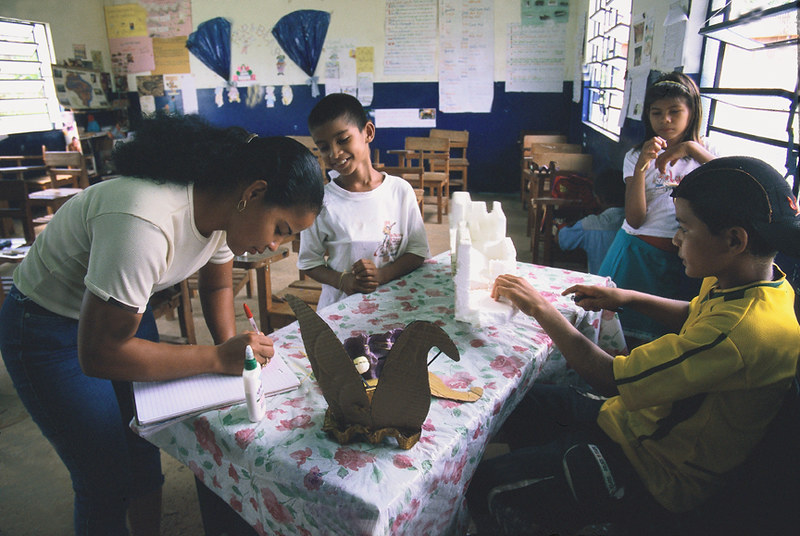 Located in the northeastern state of Ceará, the fifth-poorest state in Brazil, Sobral has shot up from the lowest-ranking municipality to the highest in educational success. This educational success in Sobral, 25 years in the making, is thanks to the efforts of the city that have spanned many mayors and secretaries of education.
The Beginning
In 1997, the leaders of Brazil decided to invest in children’s literacy. The newly elected mayor of Sobral, Cid Gomes, implemented various reforms to aid in this endeavor. Despite improvements in enrollment numbers and building quality, the learning ability of the students did not improve. An assessment in 2000 stated that 48% of second-graders could not read, according to Harvard Kennedy School.
Rather than hide this assessment, the municipal government shared the results with the community, promising a goal of 100% literacy for children leaving their second year of primary school. Three years later, an assessment revealed a 91% increase in children being able to read with ease, Harvard Kennedy School reports. This sudden rise from the bottom rank three years ago was due to Sobral’s realization that reform must start from the bottom up
The Approach
To achieve educational success in Sobral, the municipality took on an “iterative adaptation approach” to teaching. An iterative adaptation approach means breaking down complex problems, taking action, reflecting on the results and then adapting the approach based on what is learned. This dynamic approach to reform helped Sobral realize where their efforts were necessary: the teachers.
The first step in aiding the teachers with this educational reform was to let teachers into the conversation. A behavioral studies approach allowed the municipality to understand what teachers faced in their classrooms and offer not only autonomy for the educators but incentives as well. High-performing teachers are recognized and promoted to help in the selection and training processes of new teachers, while non-performing teachers and principals are removed, according to the World Bank. In addition to recognition, principals and teachers received bonus payments from the government if their students met the desired goals.
Incentives were an important step in helping teachers improve, but the municipality realized that practical help was equally important. Teachers received structured lesson plans, monthly professional development and feedback from classroom observations, the World Bank reports. In short, teachers had clear expectations and received the tools to meet those expectations.
Another important factor in Sobral’s success was data. Municipalities conducted diagnostic learning assessments twice a year to gather data on the foundational literacy and numeracy skills of students. This data helped Sobral focus on what schools needed assistance with and revise their strategy to aid them. In addition to learning assessments, a biannual national assessment helped promote accountability among schools. When Sobral showed growth, political support for the reform efforts increased.
Improving Education
Educational success in Sobral has become the model for other Brazilian municipalities, largely due to the education of the teachers. Clear and concise training for teachers is the key to improving how they navigate the classroom. Around the world, countries are starting to adopt reform that begins with understanding the abilities and struggles of the people who shape the classrooms and having conversations to recognize what they need to succeed.
– Matthew Perduk
Matthew is based in Chantilly, VA, USA and focuses on Good News and Global Health for The Borgen Project.
Photo: Flickr
