The Realities of Disability and Poverty in Honduras
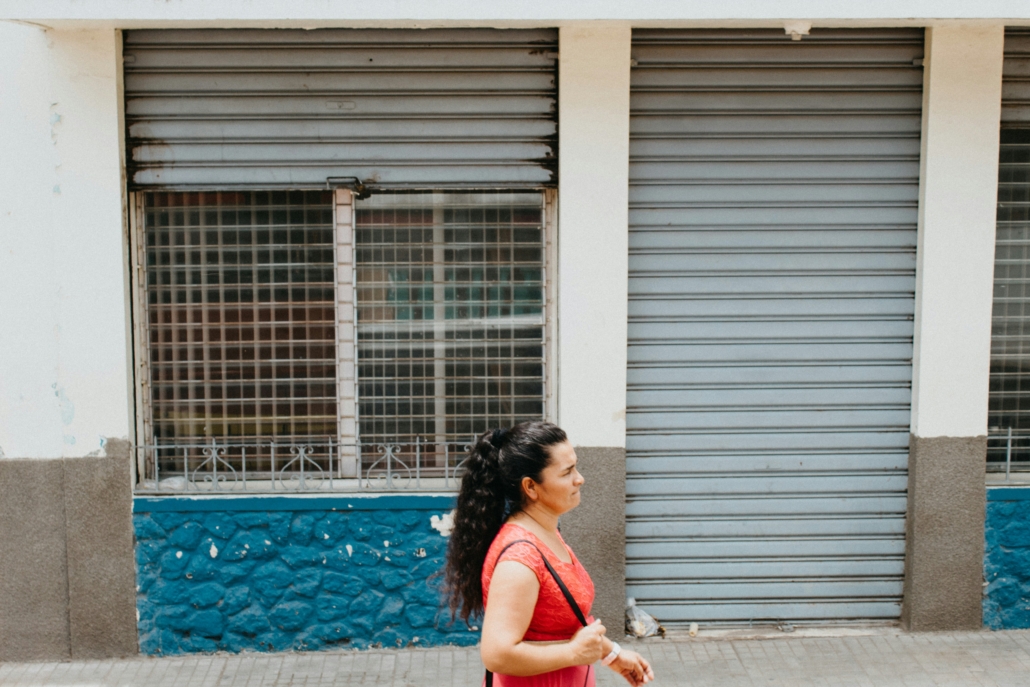 From the bustling capital of Tegucigalpa to the city of La Lima where Oro Lencas line the streets, the harsh realities of disability and poverty in Honduras often overshadow the warmth of home. As the second poorest country in Central America, Honduras faces staggering socioeconomic challenges. As the World Bank reported, more than 48.3% of the population lives below the poverty line. These unlivable conditions contribute directly to the growing rates of physical and cognitive impairments.
A study that the U.S. The Department of Education in Honduras did found that 82% of individuals with disabilities lived below the poverty line. These numbers emphasize the urgent need to build inclusive systems that address both equity and accessibility.
A Brief History
The Republic of Honduras, historically known as the “banana republic,” gained independence in 1821. Despite achieving sovereignty, Honduras became a dominant exporter of bananas under the influence of the United Fruit Company, which played a role in shaping the country’s geopolitics. Institutional corruption followed for decades, with government officials embezzling funds intended for health and public infrastructure.
Today, many citizens still survive on less than $1.90 a day. This entrenched poverty continues to deepen the prevalence of those disabled across the country.
Where Disabilities Commence: Environmental Roots
Rural regions in Honduras remain among the most underserved. Poor infrastructure, unsafe drinking water and inadequate health care services contribute to the emergence of preventable disabilities. For example, chronic malnutrition–linked to stunted growth–is seen in more than 23% of children in Honduras.
Disease outbreaks also worsen existing health conditions. A study in the National Library of Medicine found that 1.6% of infants born to mothers with Zika virus developed microcephaly – a severe neurological condition– at birth. These cases reflect the systemic neglect and environmental vulnerability present across the country.
Crime, Trauma, Oppressed
An even higher rate of crime and widespread violence compounds high rates of poverty and disability in Honduras. Women and children face challenges such as sexual violence, forced gang recruitment and displacement. One woman told the Norwegian Refugee Council, “I want to live normally and in peace,” further emphasizing how those oppressed want a life free of crime and persecution within their cities.
Powerful criminal organizations like Barrio 18 hold an insurmountable amount of power, often surpassing local governance. As a result, law enforcement and legal systems are often deeply compromised. The unchecked violence especially targets vulnerable groups. Human Rights Watch reports that people with disabilities are frequently among those experiencing this cycle of abuse.
Silenced Stories: The Media’s Attention and Role
Mainstream media often overlooks these human rights crises. The reason lies in the country’s deep suppression of journalism and press freedom. Al Jazeera reports that journalists who expose state corruption face threats, physical harm and abusive legal proceedings.
This has drawn attention to former president Juan Orlando Hernandez, accused of prioritizing multinational corporations over domestic welfare. These media restrictions continue to shield injustices from international attention and allow abuses to continue unchallenged.
Resist and Rebuild
Despite ongoing challenges, Hondurans continue to resist and rebuild. The country receives one of the highest numbers of asylum seekers globally, yet remains one of the poorest.
Organizations like CUPEDO, a religious led corporation, are stepping in to change that. CUPEDO focuses on increasing access to education, health care and vocational training for people with disabilities. Its “Women in Development” program empowers women to earn an income safely, helping them avoid dangerous migration or exploitative labor. Since its launch, it has reached thousands of women in western Honduras.
While the impact of grassroot organizations is vital, they cannot resolve these issues alone. As long as corruption, diseases and poverty persist, millions of Hondurans will remain trapped in inadequate conditions with little opportunity to rise above them. International governments, NGOs and institutions must expand aid, strengthen the anti-corruption framework and protect human rights.
A Nation Worth Fighting For
As the aroma of pupusa and the melodies of Aurelio Martinez play across bustling plazas, one must remember that disability and poverty in Honduras does not solely define its people. The country holds a rich cultural heritage and resilient spirit worth celebrating and supporting.
Addressing injustices and poverty is not merely a political responsibility; it is a human one. By amplifying marginalized voices, supporting grassroots organizations, contacting representatives and spreading awareness, one can contribute to a future where Hondurans have the opportunity to thrive with dignity and opportunity.
– Anne Isimbi
Anne is based in Albuquerque, NM, USA and focuses on Global Health for The Borgen Project.
Photo: Unsplash
