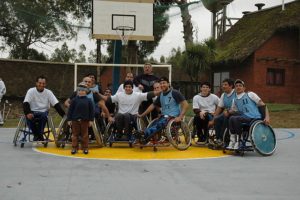
 In Uruguay, people with disabilities face social and economic barriers that limit their opportunities and quality of life. Despite the country’s relatively strong social safety net, poverty, unemployment and exclusion disproportionately affect individuals with disabilities. The intersection of disability and poverty in Uruguay reveals structural challenges, policy gaps and limited access to opportunities. A deeper understanding of these overlapping issues in Uruguay can help identify both the barriers and possibilities for advancing inclusion and equity.
Correlation Between Disability and Poverty in Uruguay
As of 2023, only 6.7% of Uruguay’s population lives below the international poverty line of $6.85 per person per day (2017 PPP), making it one of the countries with the lowest poverty rate in Latin America– a level that has remained relatively stable since 2014.
Uruguay’s economy experienced a 3.1% growth in 2024, fueled by strong export performance and increased private consumption, alongside strengthening the labor market and controlling inflation within the Central Bank of Uruguay’s target range. While the country enjoys its overall economic and social stability, persistent structural challenges limit progress in addressing key development divides.
Notably, poverty remains disproportionately high among children, adolescents, individuals with disabilities and individuals of the Afro-descendant background. Approximately 16% of Uruguay’s population reports living with some form of disability, totaling to 542,080 people. Along with the greater risk of poverty, these groups face heightened vulnerability in forms of discrimination and broader socioeconomic challenges.
On the other hand, Uruguay stands out as one of the first countries in the Americas to incorporate personal assistance for individuals with disabilities into its national care system.
Personal Assistance
In 2024, the Inter-American Development Bank (IDB) committed to a $10 million loan and an additional $2.5 million in non-reimbursable funds to make quality care services for those with disabilities or dependency, more easily accessible. However, the Personal Assistant Program remains limited in scope and does not yet reach all those who need support to live independently.
Significant gaps persist in the availability and accessibility of services. Assistance is restricted by age, provided only to individuals aged 29 and under or 80 and over, all while being limited to a set number of hours. As a result, many people with disabilities cannot access the support necessary for daily living.
Participants in Uruguay’s Personal Assistant Program receive government aid to hire a personal assistant for no more than 80 hours per month. The amount is determined based on the severity of the individual’s disability, their level of dependency and the income of the user and immediate family.
Inadequacies
Human Rights Watch found that the 80-hour monthly limit is inadequate to meet the demands of essential daily activities. For example, if an individual was employed at a job that started at 9:00 am, but their personal assistant cannot arrive to help them prepare, they may be unable to maintain employment– an everyday consequence of the systemic challenges linking disability and poverty in Uruguay.
While the government covers the wages and social benefits for personal assistants, users are responsible for severance payments if they terminate the service after three months of use which can pose a financial burden.
Individuals who rely on personal assistants have limited options for addressing labor disputes, as labor courts are the sole mechanism for resolving such conflicts. Despite often facing financial hardship, individuals must cover their own legal expenses, while the government provides legal representation for the personal assistants. This imbalance not only places an added strain on those in need of care but also increases the potential for service issues and mistreatment without proper accountability.
Multidimensional Poverty Index in Uruguay
Nevertheless, Uruguay’s efforts to gain more knowledge about poverty and its effects does not go unnoticed. The Uruguay Multidimensional Poverty Index (MPI) provides a comprehensive understanding of poverty within the country. This tool distinguishes the specific regions and demographic groups most impacted by poverty, while also analyzing how multiple variables contribute to people’s overall experience of poverty. The MPI’s primary purpose is to offer strategic insights that ensure inclusive progress, aiming to reduce poverty and inequality without leaving anyone behind.
According to the multidimensional poverty headcount – which considers deprivations across education, employment, health and living standards – disability and poverty in Uruguay are closely tied. Poverty rates vary significantly based on the levels of functional difficulty. Among people with severe functional difficulties, 41% experience multidimensional poverty. This rate drops to 25% for those with moderate difficulties and just 8% for individuals without any functional limitations.
It is important to note that the MPI does not replace the traditional measurement of monetary poverty; instead, it supports them by enhancing the precision of public policies designed to combat poverty. By measuring multidimensional poverty the government can better shape strategies, policies and programs that address the diverse facets of poverty and improve support for the groups most in need.
Alongside Uruguay’s government initiatives, there are dynamic networks of organizations passionately working to combat poverty and empower people with disabilities in Uruguay. Here are some organizations addressing disability and poverty in Uruguay.
Disability Support International
The organization started in 2016, focuses on development by partnering with communities to build resilience and promote inclusion. It works to strengthen local capacity, especially for people with disabilities, aiming to create more equitable and sustainable outcomes in vulnerable areas. It now works all over the world including Africa, Asia, the Caribbean, Europe, the Middle East, Oceania and the Americas. Through Disability Support International (DSI), Asociación Down Del Uruguay is a program that works with children and adults with down syndrome. It provides family support, vocational training, recreation and workplace opportunities in addition to promoting inclusion of people with down syndrome, advocacy and inclusive education.
Through the Labor Inclusion Program by Asociación Down Del Uruguay, about 30 people with down syndrome have permanent employment. Many people believe that individuals with Down syndrome are incapable of working or living independently. The Asociación Down Del Uruguay believes that “working and receiving fair compensation is a right and a necessity for all people, with or without disabilities.” Workforce inclusion empowers individuals with down syndrome by fostering confidence and creating spaces where their unique strengths and contributions are recognized and valued.
UNICEF
Since 1956, UNICEF has provided humanitarian and developmental aid to children worldwide. It works to support Uruguay in making sure all children and adolescents can access quality education. A big part of its focus is on students with disabilities and teenagers in general, helping them stay in school, do better academically and eventually graduate so they can fully participate in society and enter the workforce.
UNICEF supported the National Public Administration to expand the Return to Education Programme. This initiative partners with local communities to offer tailored support to adolescents who are at high risk of leaving school early. The success led to its integration into Uruguay’s national policy on “education trajectories,” co-funded by the government and UNICEF. As part of its efforts, it trained 500 teachers in literacy instruction, developed a Socio-Educational Support Guide and prepared 150 mentors to assist students as they navigate their educational paths.
Looking Ahead
Organizations such as the Personal Assistant Program, Asociación Down Del Uruguay and Return to Education Programme are helping to drive meaningful change by promoting inclusion, independence and equal opportunity for people with disabilities in poverty. Through the work of the Uruguayan government and organizations like these, they challenge the social and economic barriers that often trap individuals in cycles of poverty and exclusion. These initiatives demonstrate that with targeted support, inclusive policies, and community engagement, it is possible to improve the quality of life and expand opportunities for people with disabilities living in poverty in Uruguay.
– Gabriella Luneau
Gabriella is based in Raleigh, NC, USA and focuses on Good News and Global Health for The Borgen Project.
Photo: Flickr

Namibia’s Resilience: USAID Programs in Namibia
About HIV/AIDS in Namibia
HIV/AIDS is particularly prevalent in Southern Africa, with Namibia having a high rate, as there are 210,000 cases, of whom 7,700 are children. Young girls and women, sex workers, men who have sex with men and trans Namibians remain the most vulnerable groups at risk of HIV. Namibia has been at the forefront of controlling the epidemic, especially the massive progress in almost eliminating mother-to-child transmission rates. Through antiretroviral therapy, HIV positive pregnant and breastfeeding mothers, 96% of newborn children were born free of the disease, yet the stigma and infection rates remain a challenge and are being tackled by leading programs which focus on the vulnerable groups in Namibia’s youth.
Reach Namibia
The first of the USAID programs in Namibia is Reach Namibia. Built on the foundations of the Dreams Hope program, Reach Namibia is an extension of the original program which aims to reduce the number of HIV/AIDS infections amongst young girls. It also empowers them with social protection, education, economic skills and reproductive services, in turn dismantling the stigma of adolescent children having HIV.
While overlapping in its goals and initiatives with Dreams Hope, Reach Namibia is gender inclusive for all HIV vulnerable children. By providing extensive health and social services, the program creates short-term and long-term support, including access to medical attention and equipping them with life skills. This increases their chances of accessing education, the job market and health services.
Reach Namibia offers job training courses from plumbing and bricklaying to baking and banking. Not only does this directly increase young people’s future opportunities, but it also tackles the stigma against young victims of HIV. Instead of others defining them by their disease, they become defined as hard-working and qualified young people, who manage the disease. Additionally, the program offers internships and placements to graduates, which are structured around the realistic job market. Therefore, it has an extensive socio-economic reach as well as providing health care. Reach Namibia addresses and tackles different issues within society simultaneously while empowering the most at-risk children and developing a resilient and hard-working generation.
Lifeline/Childline Namibia
Lifeline/Childline Namibia is a child-centered crisis helpline and child wellbeing organization in Namibia. USAID Health Evaluation and Applied Research Development supports the larger national strategy for parents and caregivers. Following the 2019 Violence Against Children and Youth Survey, which demonstrated that young children experienced a form of violence, 40% of Namibian girls and 45% of boys suffered from emotional, physical and sexual abuse in their childhood.
Zelanidia de Waal, a consultant at Childline, reinforces their goal of “empowering caregivers to break cycles of violence in their families and communities.” As such, Childline goes beyond the family structures, encouraging the communities of caregivers gives vulnerable children an outlet and support system outside of their homes. Between 2021 and 2023, Childline achieved a 51% response rate and showed continuous operational progression alongside increased referrals from government entities, reinforcing its collaborative efforts. For parents and caregivers, Childline provides information booklets which address parenting support, communications, gender norms, social media safety and child protection. Service providers distribute these resources and have an equal responsibility to supply caregivers with the necessary information and education. Ultimately, this will create a safer future for Namibia’s youth.
The Integrated Childhood Development Program
The Integrated Childhood Development Program (ICDP) prepares children for their transition from foundational learning to formal education. Namibia faces a significant challenge with many children failing to meet appropriate age learning levels. This is especially difficult for children with physical or educational disabilities or children who come from rural or disadvantaged backgrounds. ICDP specifically targets these vulnerable groups.
With an emphasis on early investment, the program highlights that “children aged 0-8 years are essential and highly effective.” The importance of addressing all stages of early development is highlighted, not just regarding education but by children’s emotional, social and speech development as well. UNICEF conducted the program’s research and worked with parents across Namibia to get direct access and insights, making the program relevant, accurate and trustworthy. From 2016-2022, UNICEF states that at least 50% of children entering Grade 1 went on to attend primary school. ICDP relies on a collaborative effort involving the government and communities, the private sector and parents. The comprehensive approach effectively ensures that early child development and education remain inclusive and empower vulnerable children across the country.
Looking Ahead
All three USAID programs in Namibia target different aspects of a child’s development from their early stages to their entry into higher education and the workforce. With a concentration on the vulnerable groups, Namibia and USAID’s efforts to reduce their exposure to HIV/AIDS, increase their access to education and develop their future prospects has been effective. In particular, the focus on parent-driven research and collaboration, addresses systemic issues. While creating relevant initiatives which are trustworthy, both vulnerable children, parents, caregivers and communities are able to access and act to protect and empower disadvantaged children across Namibia.
– Jule Riemenschneider
Photo: Unsplash
AfCFTA: Africa’s Path to Economic Growth and Unity
Breaking the Cycle of Poverty and Dependency
As of 2019, 478 million Africans were living in extreme poverty, with another 58 million just above the poverty line. Many reside in one of the 45 countries whose economies rely heavily on the export of raw materials. Wealthy nations buy these primary goods, use them to manufacture finished products, and then sell those products back to African countries at premium prices. This cycle leaves these countries poor and highly vulnerable to fluctuations in global demand.
Recognizing Africa’s historical disadvantages as well as its immense potential for economic growth, the African Union established AfCFTA in 2018. The agreement aims to unite the 55 member states and the approximately 1.3 billion people living within them into a single market for goods and services. Now, four years after its official launch in 2021, AfCFTA has made considerable progress toward achieving its founding goals of increasing intra-regional trade and making Africa more competitive in the global marketplace.
Progress, Innovation and Real Impact
By 2024, 49 of the 55 signatories had ratified the agreement, and 19 countries had enacted tariff reductions into national law. These actions mark a key step toward facilitating an economically integrated Africa, where intra-continental trade accounts for much more than the current low rate of 14.9%. According to World Bank estimates, full implementation of AfCFTA could increase the total economic output of African countries by $450 billion and add $76 billion to the global income by 2035.
Beyond trade policy, AfCFTA includes initiatives which aim to support its broader economic and social objectives. The Pan-African Payment and Settlement System (PAPSS), launched in 2022, allows for instant and secure payments between African countries, reducing costs and increasing trade efficiency. Meanwhile, the Protocol on Women and Youth in Trade promotes networking, mentorship, and market training, making AfCFTA the first trade agreement to legally protect the interests of these two marginalized groups.
Making a Difference
Although the implementation of AfCFTA has been gradual due to the complexities of coordinating trade policies among 55 distinct states, it has already begun to make a meaningful difference in the lives of Africans. Briggette Harrington, owner of Igire Coffee, was the first to receive an AfCFTA certificate of origin for Rwanda. Benefiting from the agreement’s trade advantages, Harrington increased her exports from 150 bags to 400 bags of coffee. She is just one example of how a unified African market can benefit small businesses across the continent.
The Road to Success
Ultimately, AfCFTA’s path forward is promising but uncertain. Success will require member states to achieve regulatory harmonization, balance their various needs, and ensure that the benefits of trade are equitably distributed. What is unquestionable, however, is what Africa stands to gain. If fully realized, AfCFTA could unlock Africa’s vast economic potential, pulling 30 million people out of extreme poverty, according to the World Bank.
– Caroline Clark
Photo: Flickr
Ability and Barriers: Disability and Poverty in Uruguay
Correlation Between Disability and Poverty in Uruguay
As of 2023, only 6.7% of Uruguay’s population lives below the international poverty line of $6.85 per person per day (2017 PPP), making it one of the countries with the lowest poverty rate in Latin America– a level that has remained relatively stable since 2014.
Uruguay’s economy experienced a 3.1% growth in 2024, fueled by strong export performance and increased private consumption, alongside strengthening the labor market and controlling inflation within the Central Bank of Uruguay’s target range. While the country enjoys its overall economic and social stability, persistent structural challenges limit progress in addressing key development divides.
Notably, poverty remains disproportionately high among children, adolescents, individuals with disabilities and individuals of the Afro-descendant background. Approximately 16% of Uruguay’s population reports living with some form of disability, totaling to 542,080 people. Along with the greater risk of poverty, these groups face heightened vulnerability in forms of discrimination and broader socioeconomic challenges.
On the other hand, Uruguay stands out as one of the first countries in the Americas to incorporate personal assistance for individuals with disabilities into its national care system.
Personal Assistance
In 2024, the Inter-American Development Bank (IDB) committed to a $10 million loan and an additional $2.5 million in non-reimbursable funds to make quality care services for those with disabilities or dependency, more easily accessible. However, the Personal Assistant Program remains limited in scope and does not yet reach all those who need support to live independently.
Significant gaps persist in the availability and accessibility of services. Assistance is restricted by age, provided only to individuals aged 29 and under or 80 and over, all while being limited to a set number of hours. As a result, many people with disabilities cannot access the support necessary for daily living.
Participants in Uruguay’s Personal Assistant Program receive government aid to hire a personal assistant for no more than 80 hours per month. The amount is determined based on the severity of the individual’s disability, their level of dependency and the income of the user and immediate family.
Inadequacies
Human Rights Watch found that the 80-hour monthly limit is inadequate to meet the demands of essential daily activities. For example, if an individual was employed at a job that started at 9:00 am, but their personal assistant cannot arrive to help them prepare, they may be unable to maintain employment– an everyday consequence of the systemic challenges linking disability and poverty in Uruguay.
While the government covers the wages and social benefits for personal assistants, users are responsible for severance payments if they terminate the service after three months of use which can pose a financial burden.
Individuals who rely on personal assistants have limited options for addressing labor disputes, as labor courts are the sole mechanism for resolving such conflicts. Despite often facing financial hardship, individuals must cover their own legal expenses, while the government provides legal representation for the personal assistants. This imbalance not only places an added strain on those in need of care but also increases the potential for service issues and mistreatment without proper accountability.
Multidimensional Poverty Index in Uruguay
Nevertheless, Uruguay’s efforts to gain more knowledge about poverty and its effects does not go unnoticed. The Uruguay Multidimensional Poverty Index (MPI) provides a comprehensive understanding of poverty within the country. This tool distinguishes the specific regions and demographic groups most impacted by poverty, while also analyzing how multiple variables contribute to people’s overall experience of poverty. The MPI’s primary purpose is to offer strategic insights that ensure inclusive progress, aiming to reduce poverty and inequality without leaving anyone behind.
According to the multidimensional poverty headcount – which considers deprivations across education, employment, health and living standards – disability and poverty in Uruguay are closely tied. Poverty rates vary significantly based on the levels of functional difficulty. Among people with severe functional difficulties, 41% experience multidimensional poverty. This rate drops to 25% for those with moderate difficulties and just 8% for individuals without any functional limitations.
It is important to note that the MPI does not replace the traditional measurement of monetary poverty; instead, it supports them by enhancing the precision of public policies designed to combat poverty. By measuring multidimensional poverty the government can better shape strategies, policies and programs that address the diverse facets of poverty and improve support for the groups most in need.
Alongside Uruguay’s government initiatives, there are dynamic networks of organizations passionately working to combat poverty and empower people with disabilities in Uruguay. Here are some organizations addressing disability and poverty in Uruguay.
Disability Support International
The organization started in 2016, focuses on development by partnering with communities to build resilience and promote inclusion. It works to strengthen local capacity, especially for people with disabilities, aiming to create more equitable and sustainable outcomes in vulnerable areas. It now works all over the world including Africa, Asia, the Caribbean, Europe, the Middle East, Oceania and the Americas. Through Disability Support International (DSI), Asociación Down Del Uruguay is a program that works with children and adults with down syndrome. It provides family support, vocational training, recreation and workplace opportunities in addition to promoting inclusion of people with down syndrome, advocacy and inclusive education.
Through the Labor Inclusion Program by Asociación Down Del Uruguay, about 30 people with down syndrome have permanent employment. Many people believe that individuals with Down syndrome are incapable of working or living independently. The Asociación Down Del Uruguay believes that “working and receiving fair compensation is a right and a necessity for all people, with or without disabilities.” Workforce inclusion empowers individuals with down syndrome by fostering confidence and creating spaces where their unique strengths and contributions are recognized and valued.
UNICEF
Since 1956, UNICEF has provided humanitarian and developmental aid to children worldwide. It works to support Uruguay in making sure all children and adolescents can access quality education. A big part of its focus is on students with disabilities and teenagers in general, helping them stay in school, do better academically and eventually graduate so they can fully participate in society and enter the workforce.
UNICEF supported the National Public Administration to expand the Return to Education Programme. This initiative partners with local communities to offer tailored support to adolescents who are at high risk of leaving school early. The success led to its integration into Uruguay’s national policy on “education trajectories,” co-funded by the government and UNICEF. As part of its efforts, it trained 500 teachers in literacy instruction, developed a Socio-Educational Support Guide and prepared 150 mentors to assist students as they navigate their educational paths.
Looking Ahead
Organizations such as the Personal Assistant Program, Asociación Down Del Uruguay and Return to Education Programme are helping to drive meaningful change by promoting inclusion, independence and equal opportunity for people with disabilities in poverty. Through the work of the Uruguayan government and organizations like these, they challenge the social and economic barriers that often trap individuals in cycles of poverty and exclusion. These initiatives demonstrate that with targeted support, inclusive policies, and community engagement, it is possible to improve the quality of life and expand opportunities for people with disabilities living in poverty in Uruguay.
– Gabriella Luneau
Photo: Flickr
STEMINC Transforming STEM Education in Ghana
The Significance of STEM
Around the globe, STEM fields are engines of innovation, economic growth and job creation. For developing countries like Ghana, investing in STEM is not just about keeping up with the digital age, it’s about tackling youth unemployment, improving health care, strengthening infrastructure and reducing poverty. According to the World Bank, enhancing STEM skills across Africa can power economic growth and innovation in sectors like green energy, climate resilience, cybersecurity and health systems.
The Ghanaian government has recognized this through recent policy reforms, including the construction of STEM-focused senior high schools and curriculum upgrades that integrate coding and robotics. However, access to quality STEM education is still a privilege, not a guarantee, especially for students in underserved and rural areas. According to Africa Education Watch, only 2% of deprived basic schools in Ghana have functioning ICT labs, compared to just 8% in better-endowed schools, severely limiting students’ ability to engage with STEM subjects.
According to the United Nations Educational, Scientific and Cultural Organization’s (UNESCO) 2023 Global Education Monitoring Report, only about 47% of primary schools, 50% of lower-secondary schools and 65% of upper-secondary schools in Sub‑Saharan Africa have internet access. This highlights significant gaps in basic Information and Communication Technology (ICT) infrastructure in the region. Even in urban areas, disparities persist along gender and socio-economic lines, with girls and low-income students often left behind.
The Role of STEMINC: Equity Through Innovation
Founded to address ongoing challenges, STEM Inclusion Ghana (STEMINC) is a nonprofit on a mission: to democratize STEM education for all Ghanaian students regardless of background, gender, or location. Through a growing number of projects, STEMINC offers hands-on training in coding, robotics and Internet of Things (IoT) technologies. It provides teacher support and digital resources to build classroom capacity, hosts community workshops to demystify STEM and inspire student curiosity and runs gender-inclusive programs to ensure girls have equal opportunities to explore and succeed in STEM fields.
The organization’s model brings STEM to the student, rather than the student to STEM. Whether it’s hosting robotics competitions in underserved districts or providing offline coding kits for schools with no internet, STEMINC meets learners where they are. STEMINC staff emphasize that STEM initiatives can be life-changing for students who previously had no exposure to computing, many go on to build websites or code robots, illustrating real transformation
The Challenge Beneath the Progress
Despite the momentum so far, systemic barriers remain. According to the 2024 Africa Education Watch Policy Brief, just 13% of public junior high schools in Ghana have functional ICT facilities and many teachers still lack formal training in digital tools. Electricity access in schools remains below 50% in a deprived district. For students, a lack of role models, peer encouragement or even access to basic tools like calculators or computer labs can discourage continued STEM participation, especially for girls. Cultural expectations and economic pressures add another layer, making early dropout rates and career redirection common among even promising young learners.
Looking Ahead
“The African continent holds a huge potential to transform its education sector and labour market through science, technology and innovation. We need to unlock the potential of STEM education across Africa. And African girls represent the greatest untapped population to become the next generation of innovators,” said Stefania Giannini, UNESCO Assistant Director-General for Education.
According to UNESCO’s 2023 Global Education Monitoring (GEM) Report on Technology in Education, equitable access to technology in schools is essential to progress toward SDG 4 and broader educational outcomes. Speaking at the Ghana Philanthropy Conference in 2023, the Country Director of the Global Volunteers Corps (GVC), Ms. Ackah, emphasized the need for grassroots efforts. “We believe that every action, no matter how small, can have a ripple effect, touching the lives of individuals and communities far beyond our immediate reach. When we volunteer, we become agents of change,” Ackah said.
– Dela Michel
Photo: Flickr
Updates on SDG 1 in Ethiopia: Progress Toward Ending Poverty
Updates on SDG 1 in Ethiopia
The most recent data indicates that Ethiopia is on track in reducing extreme poverty. As of 2024, the proportion of people living on less than $2.15 per day has dropped to 14.01%, according to worldpoverty.io. A decade ago, this figure was much higher. The number of people living under the $3.65 threshold has also decreased significantly—from 72.79% in 2014 to 37.77% in 2024. These numbers reflect consistent efforts to improve access to basic services, employment and rural development.
Government programs like the Productive Safety Net Program (PSNP) have played a key role. Established in 2005, the PSNP provides food or cash in exchange for public work to millions of food-insecure households, helping them avoid selling assets during times of crisis.
Public Health and SDG 1
Improved health care directly supports SDG 1 by reducing the financial burden of illness. Ethiopia has made significant strides in maternal health and HIV prevention. For example, new adult HIV infections fell to just 0.08 per 1,000 people in 2022, thanks to expanded education, free testing services and access to antiretroviral therapy. Maternal health has improved due to wider coverage of prenatal services and an increase in skilled birth attendants.
Gender Equality and Poverty Reduction
Gender inequality remains a root cause of poverty, including in the labor force. But there are positive updates on SDG 1 in Ethiopia when it comes to empowering women. In 2023, women occupied 41.3% of parliamentary seats—up from just 2% in 2000. The female-to-male labor force participation rate rose to 87.05%, showing progress toward economic equality.
Still, women – especially in rural areas – face higher unemployment, limited access to land and greater exposure to unpaid labor. Government initiatives and NGO-led training programs have been essential in boosting financial literacy and entrepreneurship among women. For instance, the Adult and Non-Formal Education Association in Ethiopia (ANFEAE) launched the “Literacy Plus” program in 2008, training more than 6,200 rural women in basic business and income-generating skills.
Responsible Waste Management and Urban Poverty
Ethiopia has also made progress in responsible consumption and production, an important component in fighting urban poverty. Ethiopia now meets its targets for managing municipal, plastic and electronic waste.
In Addis Ababa, TechnoServe’s LIWAY initiative collaborated with the city cleaning agency to launch more than 580 micro-enterprises run by women and youth. These small businesses collected more than 41,800 tonnes of paper and plastic in the year 2023 alone, generating nearly $10 million in revenue while providing regular income opportunities to vulnerable groups. In a related project started earlier, 125 micro-enterprises involving 1,250 members were established; 70% remained active after a year, and half saw a rise in income. By 2021, 117 micro‑enterprises had collected 7,000 tonnes of paper and generated $400,000 in sales, creating employment for more than 2,200 women and young people.
Climate Vulnerability and Poverty
Changing weather remains a challenge that exacerbates poverty. In Ethiopia, erratic rainfall and prolonged droughts damage crops, displace rural families and reduce food security. While the country is making progress in reducing its own carbon emissions, vulnerability to climate-related shocks still poses a serious threat to SDG 1.
Integrating climate resilience into poverty alleviation programs is therefore essential. Projects like the Climate Investment Funds’ $500 million resilience initiative and the expansion of Ethiopia’s early warning systems offer promising solutions. Additionally, Ethiopia’s Drought Resilience and Sustainable Livelihoods Program, which launched in 2013, has helped rehabilitate degraded land, improve water access, and enhance food security for pastoralist communities in drought-prone areas. Lately, a new financial support for “lowlands livelihood resilience,” continues to scale the drought resilience efforts for about 3 million pastoralists and agro-pastoralists.
Looking Ahead
Updates on SDG 1 in Ethiopia reveal steady progress, especially in reducing poverty, improving gender equality and expanding access to health services. Continued investment in climate resilience, sustainable waste systems and inclusive policies will be key to ensuring that no one is left behind.
– Alexandra Diallo-Scholler
Photo: Flickr
Kodak Black’s Philanthropy Prints a Brighter Future
From Struggle to Spotlight
Born and raised in the Florida Pompano Beach projects, Kodak Black faced poverty, crime and violence at an early age. Growing up, Black’s life was marked by instability and frequent run-ins with the law. However, Black turned to music to escape, express himself and earn an income. His first hit, “No Flockin,” dropped in 2014 and got his foot in the industry door, launching a career that would take him from local to global.
As the spotlight shone bright on him, he never lost sight of where he came from. The harsh realities of his upbringing shaped him and instilled a yearning to give back. Indeed, for Black, philanthropy isn’t a headline; it is a mission to help those in a place he once occupied.
Hydrating Haitians
Black’s parents are Haitian immigrants and his heritage has influenced his desire to help this community. Indeed, the struggles of the Haitian people are similar to those Black faced as a child. This connection influences him to help and his platform enables him.
In 2022, Black spent $50,000 to help hydrate Haiti, providing 35,000 bottles of clean water. Each bottle was labeled “last.” According to Black’s lawyer, Bradford Cohen, the label symbolized Kodak’s intention: “Kodak wants this to be the last time anyone in Haiti goes without water.”
The Mission Keeps Growing
Black’s impact doesn’t stop there, as he supports orphanages and food banks in Haiti. He even joined other artists for a benefit concert after the devastating earthquake that hit the country in 2021. His actions show he’s thinking globally, focused on helping people in places where poverty is extreme and resources are limited.
Black’s philanthropy stands out because of how direct and heartfelt it is. He doesn’t rely on big organizations or flashy campaigns. He sees a need and he steps in. This kind of hands-on giving shows that he’s not doing it for attention but because he truly cares.
A Legacy of Hope
Kodak Black’s philanthropy is building a legacy that goes far beyond music. Indeed, he’s showing that even someone who has faced pain and controversy can rise and become a force for good. His efforts in Haiti are just the beginning of what could become a powerful movement to fight poverty in struggling countries worldwide.
For Black, giving back isn’t just a project; it’s a way for him to help others the way he once needed to be helped. His impact on the people of Haiti shows his character and vow not to forget where he came from. Furthermore, Black’s help is more than just water or supplies. His efforts show that someone sees them, cares about them and is willing to fight for a better future.
– Marissa Schoth
Photo: Wikimedia Commons
Polio in India: The Impacts of the 2025–2026 GPSAP
The last known case in India was in Howrah, West Bengal, in 2011. India was officially declared polio-free in 2014 by the World Health Organization (WHO). Polio has affected people in India in both the past and present, with many still living with lifelong complications from the disease, such as paralysis in children.
How It Became a National Issue
Polio in India became widespread due to poor hygiene, including the use of unclean water and limited sanitation infrastructure in rural communities. Contaminated water contributes to unhygienic conditions, often because people live in poverty and environments that harm their health.
Many cannot escape these conditions, surviving on less than $3.25 a day. Statistics show that between 1993 and 2004, India had an average poverty rate of 96.8%, with more than half the population lacking access to clean water and proper sanitation facilities.
How the GPSAP 2025-2026 Will Benefit India
Over the past decade, the country has taken many steps to prevent polio from re-emerging as a major issue. These efforts include making vaccines more accessible, reducing poverty rates and improving access to clean water. The Global Polio Surveillance Action Plan (GPSAP) 2025–2026 focuses on timely detection, allowing cases of polio in specific areas of India to be identified immediately. One strategy for eradicating polio involves stool testing. If a potential virus is detected, the goal is to prevent delays in identifying and responding to cases.
The second step of action involves researching gender differences, specifically, how men and women may experience different symptoms of polio and how these differences could affect them or their children. Participants would be divided by gender and age, with men and women separated and children younger and above the age of 15 for testing. Research suggests that men may be at risk of transmitting polio through sexual intercourse. At the same time, women face an increased risk during pregnancy, especially in areas with limited health care access.
If Polio Is Eradicated, Why Take These Measures?
Although polio has been eradicated in India, it has not been eliminated in all countries. Since a virus causes polio, it can spread across borders through contaminated water, saliva or other bodily fluids. The GPSAP 2025–2026 plan is important because it helps ensure that polio does not return to India. If a case does emerge, strict measures will be taken to prevent its reestablishment in the country.
– Erin Lee
Photo: Pixabay
Strides to Lower The Gender Wage Gap in Yemen
Gender Wage Gap in Yemen
The World Bank data for Yemen shows that only 4.9% of women are in the labor force. Only 54% of women are literate, which indicates that women are not receiving proper education. To go along with this, 41.9% of girls complete lower secondary school compared to 55.7% of boys. Even if women can participate in the workforce, more than half of them are in a vulnerable employment position. This means that they do not have protection against any economic shocks, making them more likely to fall into poverty. Because of this, only 4.5% of women hold senior and middle management positions, the lowest amount in all economies.
The UNDP’s Efforts to Promote Gender Equality in Yemen
Yemen has launched the Strengthening Institutions and Economic Resilience in Yemen (SIERY) project to not only promote gender inclusivity but also help educate women and teach them the necessary skills to enter the labor force. With economic resilience, they can create more jobs and provide a stable economy, leaving women less vulnerable to market crashes.
In its efforts to support women and youth, UNDP helped build schools along with maternity and children’s hospitals. The organization has also installed solar power systems so young women can receive a proper education, leading to more women being educated in a safe environment. To help women in the workforce, the UNDP has helped more than 80 women build businesses via grants and loans, allowing them to be self-sustaining for their families, leading to a better quality of life. The business these women have created for themselves: Sesame products.
Sesame Processing Changed Women’s Lives
Among the UNDP’s interventions was giving women the opportunity to learn how to process sesame and create products from it. The UNDP states that “The curriculum included modules on food processing, sesame oil extraction, soap and scrub making, sesame paste (tahini) production, branding, packaging, and foundational business skills,” giving them the tools to not only make a living, but to boost the economy as well.
Sara, a woman who was displaced because of conflict in Yemen, has become the breadwinner for her family. She said, “The course also gave me confidence to start my own small business to support my family and offer high-quality local products to the community.” This gave her the ability to support her family and community at the same time.
Fatima, a mother of three, stated: “…we are using locally grown sesame, rather than relying on imported raw materials. I have already started making soaps and creams at home, and the response has been very positive.” This shows how this program has created a long-term business for women to stay in the workforce.
Shaimaa shared, “My business is allowing me to earn an income, support my family and meet market demand for quality sesame products.” This supports the UNDP’s mission to create a more stable economy along with meeting supply and demand. The sesame is also local, ensuring that the women do not have to rely on imports. The UNDP’s SIFEY project has given countless women and children education, jobs, and safety, leading them to live better and more fulfilling lives.
Next Steps: A Conflicted Future
Humanitarian aid is still crucial in Yemen due to its civil war. The Human Rights Watch states how “only 21 of 88 wells linked with Taizz’s public water supply network are operational,” which has led citizens to pay enormous fees for clean water access, or try to harvest rain water that could be riddled with diseases.
The war has led women and men alike to be unemployed and displaced. However, women are continuing to receive education, which has helped reduce the gender wage gap in Yemen, giving them have a stable source of income for their families. For Yemeni women, the future is clouded, but having resources for education and employment can help them wade through rough waters.
– Alexis Thomas
Photo: Flickr
Addressing Disability and Poverty in Grenada
Poverty in Grenada
The citizens of Grenada, an island country in the Caribbean, have a high risk of facing poverty because of the country’s infrastructure, access to programs and aid, heavy reliance on food and oil imports and the climate they are in. Grenada is a developing country that has put more money into its industries to create more jobs and reduce its reliance on Grenada’s goods. But because they are in the hurricane belt, the destructive weather can affect these people and industries. In the early 2000s, Hurricane Ivan and Emily damaged agriculture in the rural areas.
In 2008, the poverty rate was at 37.7%, an increase from the 32% in 1998, most likely due to the hurricanes’ damage to land and businesses as people were without jobs. Meanwhile, in 2018, the rates of poverty decreased to 25%. The extreme poverty rate has been on a more significant decline, going from 12.9% in 1998, 2.4% in 2008, but unfortunately rising to 3.4% in 2018.
Tourism and Poverty
Besides agriculture, Grenada has boosted its tourism industry. Tourism contributed about 40% to the GDP. Grenada’s government improved this industry, adding in more jobs and enhancing the island’s economy. In 2014-2019, this helped decrease the rate of poverty and extreme poverty. However, in 2020, the tourism industry rapidly declined because of the COVID-19 pandemic. Many people were without jobs or income, and most likely fell into poverty.
The Living Conditions in Grenada Report comes directly from the World Bank Group and the Central Statistical Office of Grenada. These organizations created this report in 1998 to report poverty, equity and living conditions, as well as measure Grenada’s Consumer Price Index. The latest report is from 2018 and the next will be in 2028. Although not the most current information, it is being used for reporting, comparing and measuring Grenada’s need for aid.
Poverty and Citizens With Disabilities
Individuals with disabilities, as well as their families, have a higher susceptibility to poverty. This vulnerable group has a strained ability to uphold a job/income. In some cases, the individual’s disability prevents them from important actions like walking, which is a movement needed for agriculture and tourism. In 2021, 551 people could not walk, making their lives harder and decreasing the number of jobs they can work in.
Some children with disabilities, physical or psychological, struggle to stay in school. These issues make it harder for the student to participate and graduate. Only about 23% of children with disabilities graduate from secondary school. Lack of education leads to a lack of jobs and opportunities. The lack of income can further hurt the individual and family. There is a need to help people who live with disability and poverty in Grenada.
Care and medical treatment for certain disabilities can be expensive and could be detrimental to the household’s income. Some families cannot afford care. People with disabilities also experience exclusion. For example, Article 25 of Grenada’s Constitution from 1973 determined that a person cannot run to be a senator if they are unable to speak. Those who cannot verbally communicate cannot sit on the board, further propelling the disproportionalities.
Fighting Poverty in Grenada
The Grenadian government has signed the 2030 Agenda for Sustainable Development and the Sustainable Development Goals (SDGs) to ensure everyone is included while eradicating poverty globally and locally. The government has also enforced the Education Act in 2002, making educational programs that are specifically tailored to individuals with intellectual, communicative, behavioral and/or physical disabilities.
Along with the government, a few nonprofits have been aiding Grenada. Kingdom Workers is directly combating poverty and unemployment by hosting a few events geared towards making education more accessible, like Sensory Day. This event, hosted at the end of 2020, included crafts, toys and specific instructors teaching children with developmental disabilities on ways to communicate, boosting their motor skills.
Kingdom Workers has also provided programs that teach instructors and family members on how to take care of children with developmental disabilities. The understanding of how to treat, teach and communicate with these children further includes them in school. It provides a space where they feel comfortable while learning.
Looking Ahead
Grenada and its economy has improved from where it was in 1998 when The Living Conditions in Grenada Report first began. The overall rate of poverty and extreme poverty in Grenada has decreased. More citizens have jobs, there are more resources to improve the lives of persons with disabilities and to keep them out of poverty, and the economy is growing. Although Grenada is on its way up there is still more to be done to bring the rate down and to provide even more inclusivity, making lives better for persons experiencing disability and poverty in Grenada.
– Emily Ruggiero
Photo: Wikimedia Commons
Everything To Know About Hunger in Argentina
How Argentina Reached This Point
Hunger and poverty go hand in hand. Through the 20th century, the country that was once the jewel in Latin America’s economic crown faced an endless torrent of political instability in the form of coups, populist leaders and most devastatingly a military dictatorship. This instability left the country scarred and flailing. The financial crash of 2001 immediately dispelled any hopes that the start of the 21st century would be kinder to Argentina than the back-half of the 20th had been. The results of the crash still haunt the country today.
Inflation has been the primary bugbear of the Argentine economy. In April 2024, it surpassed a staggering 289% year-on-year. The economic libertarian Javier Milei took office in December 2023 with plans to reign in the country’s out-of-control economy. His strict austerity measures have helped pull back inflation to a five-year low, now under relative control (by Argentine standards), with prices going up just 1.5% in May. But as state spending tightened, poverty rose, as did hunger in Argentina.
In the first half of 2024, the number of Argentines living in poverty reached 52.9%, up from 41.7% in the back half of the previous year. Indec reported that the Basic Food Basket (BCA) rose by 18.6% in January 2024 and by 296.4% over the previous twelve months –– outpacing overall inflation, which stood at 254.2% over the same period. Meanwhile, the Neighborhood Price Index (IBP) from the Social, Economic and Citizen Policy Research Institute (ISEPCi) indicated that food prices surged by up to 69.7% from December 2023 to March 2024. As a result, 52% of households with children reported not purchasing essential foods due to financial hardship.
Solutions
As noted, Milei’s tight monetary controls and slashing of the state have to date been a double-edged sword. Cutting inflation was much-needed, but critics claim this approach has worsened life for Argentina’s already beleaguered lower-classes. Meanwhile, organizations like Food Banks Argentina (FBA) are working to counteract hunger in Argentina. FBA is a non-profit civil association that brings together food banks across the country. It operates in all major provinces and relies on a national network of 14,000+ volunteers to coordinate logistics, food rescue and delivery.
Through food recovery and efficient distribution, FBA provides nutritious meals to those who need them most. In 2024, it delivered more than 63 million plates of food, provided support to 4,449 social organizations and prevented the emission of more than 2 million kg of CO2 by rescuing fruits and vegetables, around 45% of which are usually wasted during production and distribution.
The Results
According to the latest national figures, Argentina’s poverty rate dropped to 38.1% in the back half of 2024. Milei has claimed this as evidence that his strict economic measures are having the desired effect. As of right now, it is too soon to say if he is right.
Regardless, Argentina’s extreme poverty –– and by proxy its extreme hunger –– is not going to disappear overnight as the result of any one measure or the work of any one organization. Any long-term solution to hunger in Argentina will require a multi-pronged approach that pairs sustained economic stability with robust social safety nets and stronger support for local initiatives fighting food insecurity on the ground. Organizations like FBA will play a pivotal part in that.
– Robert Darke
Photo: Unsplash