Floating Solar Power in India
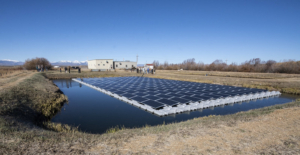 For the first time, it is predicted that energy investments in solar power will exceed oil and gas in 2025. Solar energy has become a vital way to create jobs, cut carbon emissions and accelerate economic progress. While many new solar installations are found on land, land availability in India is the lowest per capita among G20 countries. To strengthen its green energy capacity, India is turning to floating solar power.
India’s Floating Solar Revolution
India has the potential to generate 280 GW to 300 GW of electricity by installing floating solar panels and the work has already begun. The Ramagundum Floating Solar Project, which has been built over 500 acres and the Kayamkulam Floating Solar Power Plant, which can light up 26,000 households daily, were commissioned as early as 2022.
The Omkareshwar Floating Solar Project is projected to power more than 100,000 houses daily and offset carbon emissions by 1.2 million metric tons annually.
More Than Land Savings
Installing solar panels has other benefits besides land preservation, which is important to India. Floating panels operate more efficiently thanks to the cooling effect of water. Covering large areas of lakes, rivers and reservoirs with plastic solar panels also reduces water loss from evaporation, which has become more of a concern due to increased global temperatures.
Many large countries already use floating solar to generate clean, green energy and India is joining their ranks. Globally, floating solar could supply up to 50% of the world’s electricity.
In addition to advancing India’s clean energy goals, including a net-zero carbon target by 2070, the push for floating solar generates millions of new jobs annually. The renewable energy sector globally created 13.7 million jobs in 2022, rising to 16.2 million in 2023. India alone accounted for an estimated 1.02 million jobs in 2023. With the push towards floating solar panels in 2024, India’s renewable energy job numbers are expected to grow even further.
Floating Solar’s Promise and Roadblocks
India is leading the way in charging for green electricity. However, other countries like the Maldives, Bangladesh, Pakistan and Sri Lanka have been trying to adopt clean energy, particularly floating solar panels.
The cost of installing solar on land in India is cheaper than on bodies of water and there are some unclear eligibility criteria for floating solar sites, as well as a limited manufacturing capacity for floating solar equipment. There are still struggles involved in implementing floating solar technology.
Final Remarks
India depends heavily on its land for agriculture, mining and other vital economic activities. Discovering India could use its abundant bodies of water for floating solar power, rather than sacrificing precious land, was a breakthrough. This approach is generating much-needed energy, cutting CO₂ emissions, reducing evaporation from critical water sources and creating valuable jobs nationwide.
– Gregory Walker
Gregory is based in York, PA, USA and focuses on Technology and Solutions for The Borgen Project.
Photo: Flickr
