 Tourism has long been a vital source of income for many nations, supporting infrastructure, employment and development. Tourism provides a unique opportunity for developing nations facing poverty or economic instability to diversify income sources. As global travel rebounds following the pandemic, countries like Georgia, Mozambique, Kenya and Sudan stand at a crossroads, each with untapped potential and lessons from other nations where tourism has greatly benefited the economy.
Georgia: A Model of Strategic Diversification
Nestled between Europe and Asia, Georgia has emerged as a rising star in tourism by leveraging its rich cultural heritage, wine traditions and dramatic landscapes. Georgia’s Tourism Strategy 2015–2025 focuses on diversifying markets, improving service quality and creating niche experiences that appeal to high-value travelers.
The strategy has eight strategic objectives to promote tourism growth in the region. They include respecting, enhancing and protecting Georgia’s natural and cultural heritage. Also, to strengthen competitiveness, through the delivery of world-class visitor services to promote the region. Key initiatives:
- Investment in infrastructure and hospitality training.
- Strategic marketing to attract visitors from Russia, Turkey and the European Union.
- Creation of unique and authentic visitor experiences of Georgian Culture.
Georgia’s success lies in its ability to package authenticity with accessibility, making it a country of economic potential to elevate its tourism profile.
Mozambique: Unlocking Coastal and Eco-Tourism Potential
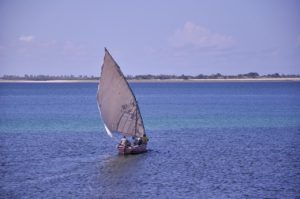
Mozambique boasts more than 1,500 miles of pristine coastline, vibrant marine life and rich cultural diversity. Yet, despite welcoming around two million tourists annually, the country’s tourism sector contributes just 4% to its gross domestic product (GDP) in 2024.
The Strategic Tourism Development Plan (STDP), approved in 2015, aims to change that by positioning Mozambique as a premier African destination. Core strategies of the plan include:
- Developing eco-tourism and community-based lodges.
- Reinforcing leisure tourism and further strengthening business tourism.
- Enhancing infrastructure in conservation areas like Gorongosa and Quirimbas.
- Promoting investment through incentives and public-private partnerships.
Mozambique’s challenge is balancing growth with sustainability. Focusing on low-impact, high-value tourism can protect its natural assets while boosting local economies, attracting tourists to enjoy the beautiful sights the country has to offer.
Kenya: From Safari Stronghold To Diversified Destination
Kenya has long been associated with safari tourism, attracting millions to its famous parks and reserves. However, the country’s National Tourism Strategy 2025–2030 aims to expand its appeal by investing in niche markets such as sports tourism, agri-tourism and cultural experiences.
This strategy aims to enhance the contribution of Kenya’s tourism sector to the economy through effective development, management and marketing in partnership with stakeholders. Highlights of Kenya’s National Tourism Strategy:
- Targeting five million annual visitors by 2030.
- 12% contribution of tourism to GDP.
- Enhancing domestic tourism and regional connectivity.
- Promoting sustainability and resilience through green financing and safety protocols.
- Kenya’s strength lies in its brand reputation and biodiversity, but its future depends on regional innovation. Embracing transformation and continuous investment in the tourism sector can ensure that tourism benefits all parts of society.
Conclusion
Tourism is more than a leisurely pursuit; it’s a lifeline for transformation. Tourism becomes an engine of inclusion and innovation for developing nations confronting poverty and instability, not just lifting economies, but elevating voices. As travelers increasingly seek deeper, more immersive experiences, destinations like Georgia, Mozambique and Kenya hold the power to redefine what meaningful exploration truly means.
With long-term strategies and community-focused planning, these countries stand ready to turn landscapes into legacies and history into hope. Tourism growth here isn’t just about numbers; it’s about connection, empowerment and rewriting global narratives. And as the world watches, it may discover that the most compelling journeys enchant travelers and uplift the people who make those experiences possible.
– Dylan Fly
Dylan is based in Detroit, MI, USA and focuses on Business and New Markets for The Borgen Project.
Photo: Flickr

Stop TB Partnership Takes Action With RESPECT
Overview of Project RESPECT
The Stop TB Partnership, in collaboration with Unitaid, is leading the Reshaping People-Centric Empowered Community-led DR-TB Treatment (RESPECT). DR-TB refers to drug-resistant tuberculosis. The project focuses on mobilizing and strengthening the role of TB-affected communities and civil society to increase the demand for and uptake of DR-TB services and tools.
Community Engagement and Target Regions
RESPECT plans to use the Stop TB Partnership’s Challenge Facility for Civil Society (CFCS) to boost community engagement and demand for DR-TB services and tools in Cameroon, the Democratic Republic of the Congo, India, Moldova and Pakistan. The project also supports national networks in advocating for budgets and policies, promoting literacy and stigma reduction initiatives and conducting community-led monitoring to enhance accountability. Other consortium partners will join the Stop TB Partnership’s efforts to advance this work at the country level.
Funding and Treatment Shift
The Stop TB Partnership will implement RESPECT alongside other programs as part of a $15.3 million investment from Unitaid to strengthen DR-TB action in 16 countries. The initiative aims to empower those most affected and increase demand for, address barriers to and improve access to new World Health Organization (WHO) treatment regimens for DR-TB. These new regimens replace older treatments that could last up to two years and required painful injections.
Goals and Impact
Project RESPECT seeks to have a transformative impact on DR-TB care by identifying and removing barriers to life-saving diagnosis and treatment. According to Dr. Philippe Duneton, Executive Director of Unitaid, “Too often, the latest innovations in drug-resistant TB testing and treatment do not reach populations that need them. Community networks can help us to reach beyond the health care system and drive demand, reduce stigma and ensure equitable access to the latest tools.” The project also aims to raise awareness and build the capacity of communities through community-led monitoring, training, advocacy and communication tools. These resources will ensure the creation of literacy and communication materials tailored for affected communities and local governments.
Looking Ahead
TB has a reputation as a contagious but curable disease. The Stop TB Partnership is working to reinforce this globally through RESPECT and other initiatives. DR-TB poses a serious public health threat in low- and middle-income countries (LMICs) and recent developments in DR-TB treatments have led to World Health Organization (WHO)-recommended regimens that can cut treatment time and costs in half. However, adoption of these new treatment regimens has been slow in many LMICs. Through RESPECT, Unitaid will implement mechanisms that drive demand and create solutions tailored to community needs. The project will also develop and share tools and resources to strengthen community engagement and improve the overall response to DR-TB. This approach aims to improve health outcomes and reduce TB-related stigma and discrimination and will be complemented by the Stop TB Partnership’s work in other countries.
– Abirame Shanthakumar
Photo: Flickr
3 Opportunities Created By Renewable Energy in Seychelles
Seychelles’ Renewable Energy Goal
According to the World Bank, Seychelles has the highest Gross National Income (GNI) per capita in Africa. The small African nation boasts an impressive renewable energy goal of reaching 15% by 2030 and 50% by 2050. This change impacts far more than Seychelles’ carbon footprint. Without the means to produce their own energy, local communities are at the mercy of fluctuating import costs of energy and fuel, which support important vehicles, like cars and boats. For a country with an economy driven primarily by fishing and tourism, the shift towards renewable energy has the potential to decrease poverty through economic growth and increase job opportunities related to energy initiatives.
The Dangers of Fossil Fuels
Experts have linked air pollution due to the burning of fossil fuels, such as the use of diesel-fueled vehicles, to respiratory and cardiovascular diseases, lung cancer, diabetes, neurological disorders and adverse pregnancy outcomes. To address the effects of biodiversity loss and pollution, Seychelles entered a more than two-decade long partnership with the United Nations Environment Programme (UNEP). This partnership has helped the country mitigate greenhouse gases and both land and marine pollution. According to Seychelles’ Minister of Agriculture, Climate Change and Environment, Flavien Joubert, “The programmes that UNEP has been operating over the past years have really contributed to the success of Seychelles that we see today.”
The Creation of Solar Farms
Due to Seychelles’ lack of natural oil reservoirs and limited space for development, the government announced the creation of floating solar farms on uninhabited islands. “The Seychelles import three times more oil than they need so that they can support internal activities as well as boats and airplanes that travel to and from the islands,” Forbes reports. In 2024, the country secured a $15 million loan from the World Bank to support key environmental challenges, including its progressive energy initiatives. Naadir Hassan, Minister of Finance, National Planning and Trade of Seychelles, explains, “This support will help Seychelles strengthen financial stability and the business environment, improve fiscal management, and address important environmental and social challenges.” As with other island nations, access to energy sources is crucial for survival, especially due to an increased risk of extreme weather events.
3 Opportunities That Renewable Energy in Seychelles Created
Looking Ahead
The precedent that Seychelles has set is an environmentally conscious feat that serves as an example to the world. Not only is the investment in renewable energy production in Seychelles beneficial to the health of our environment, it increases opportunities to better our communities.
– Jamaya Newton
Photo: Unsplash
How NGOs Are Saving Refugee Education in Lebanon
A Struggling System
Lebanon hosts one of the highest refugee per‐capita ratios in the world, with nearly 1.5 million Syrians and hundreds of thousands of Palestinians. Public schools remain overwhelmed and under-resourced. The “second shift” program designed for Syrian refugees has repeatedly suffered denial of access due to arbitrary closures, delayed enrollment and restrictive local policies. Host-country mandates like certifying prior education or having official residency documents block thousands from enrolling. In 2021, only about 40% of school-age Syrian refugees in Lebanon were in formal education, while nearly 200,000 had never attended school.
Grassroots Innovation: What NGOs Are Doing
By addressing the trauma and lived experiences of displaced children, NGOs are revolutionizing refugee education in Lebanon. Basmeh & Zeitooneh run community centers and offer nonformal education and psychological support for refugee children. Through holistic education, the organization combats child labour and early marriage. Save the Children reports that Lebanon hosts more than 660,000 school‑age Syrian refugees, with at least half out of school, launching a hybrid learning program by distributing tablets, running virtual classrooms and providing mental health resources.
INARA has provided rapid-response medical and mental health support to displaced children in Lebanon, and occasionally offers informal educational services as part of holistic care. These NGOs ensure that academic progress is never separated from emotional well-being — a critical consideration for trauma-exposed youth. They also highlight how grassroots innovation is reshaping refugee education in Lebanon, especially for those left out of formal systems. The impact of NGOs in Lebanon is far-reaching, demonstrating what inclusive, community-led education programs can look like worldwide.
Looking Ahead
According to the United Nations High Commissioner for Refugees (UNHCR), refugee children who access education are more likely to avoid child labor, forced marriage and recruitment by armed groups. Hence, when refugee children are denied education, cycles of poverty and instability become entrenched, putting future generations at risk. But when they are given the tools to learn — through organizations that understand their specific needs — they have a chance not just to survive, but to thrive. Sustaining the progress so far will require continued support for grassroots solutions, collaboration with the Lebanese government to strengthen education policies and a shared commitment to protecting refugee education in Lebanon.
– Riddhi Sharma
Photo: Flickr
Elderly Poverty in Kyrgyzstan: Challenges and Solutions
About Elderly Poverty in Kyrgyzstan
One can trace the roots of elderly poverty in Kyrgyzstan back to the collapse of the Soviet Union, which disrupted pensions, healthcare systems and social services across the region. Many seniors today contributed to the workforce for decades but now receive pensions that fail to keep pace with inflation. The country’s fragile economy — which is reliant on agriculture, gold exports and remittances — leaves little room for robust social spending.
Meet Vera Geykina, a 76‑year‑old widow in Bishkek who joined a theater project to raise awareness about elder abuse. Despite being active in her community, her pension barely covers her medication and heating bills. Vera’s story reflects the daily struggles many seniors face in Kyrgyzstan, where public health care access is strained, and personal savings are often depleted within years of retirement.
In rural regions, elderly people often depend on remittances sent by family members working abroad. Migration shifts and economic downturns make these payments unreliable. The World Bank reports that remittances once accounted for more than 30% of Kyrgyzstan’s GDP — underscoring just how dependent households are on this income. However, families often migrate out of necessity, leaving elderly parents behind without consistent physical or emotional support.
Health care poses another severe challenge. According to the UNFPA, elderly Kyrgyz citizens — especially women — face higher rates of chronic diseases like hypertension, diabetes and arthritis. However, many cannot afford medications or procedures. Rural clinics are often underfunded, lacking specialists or necessary equipment, while private health care remains out of reach for most pensioners.
Solutions
Despite these hardships, there are promising solutions underway. HelpAge International operates community programs offering financial aid, food deliveries, health care access and legal support for older adults. The Kyrgyz government has also introduced pension adjustments, with the latest raising the average pension to 10,547 soms. Additionally, the Babushka Adoption Foundation connects elderly people without families to international sponsors, providing $10 or more per month — nearly doubling some seniors’ minimum pensions.
– Meral Ciplak
Photo: Pixabay
Disability and Poverty in Saudi Arabia
In 2021, 13.6% of the population in Saudi Arabia lived in poverty. Meanwhile, back in 2010, the poverty rate among the population was 18.2%. In this drop, about 483,000 people came out of poverty in Saudi Arabia.
Disability and Poverty in Saudi Arabia
About 7.1% of the Saudi population have some form of disability. However, according to the Saudi General Authority for Statistics, about 10% of the Saudi population reported some form of disability in 2017. In addition, a study showed that about 48.6% of men with disabilities are unemployed compared to 11.5% of men who do not have disabilities. Meanwhile, the unemployment rate for women with disabilities is 75.3%, while the unemployment rate for women with disabilities is 32.8%. These statistics highlight the importance of understanding how disability intersects with wider economic and social problems, such as poverty.
People with disabilities face a higher risk of falling into poverty in Saudi Arabia. In most countries around the world, disabled people often rely on the support of their family. In Saudi Arabia, another factor that can cause a person to fall into poverty is a denial of certain opportunities and/or employment opportunities. For example, someone by the name of Mariam Al-Sulami had cerebral palsy, which affected her to the point that it prevented her from attending school everyday. But due to the high motivation and her high GPA and grades, she hoped to get into medicine and dreamed of becoming a doctor. Authorities rejected her medical school application, due to deeming her “medically unfit,” so that is when she decided to take up the path of studying business administration.
Promoting Inclusivity
Saudi Arabia’s ambition toward inclusivity for people with disabilities. The first ever legislation for people with disabilities in KSA passed in 1987. According to an article by Maher S. Al-Jadid, “The LD contains important provisions that assurance persons with disabilities rights equal to those of other people in society.” Additionally, the Tawafuq program is an employment program that ensures that people with disabilities get the employment they need. The Saudi Human Resources Development Fund launched the program in 2014, which is tasked with ensuring that people are able to receive employment opportunities and the support they need. Meanwhile, the Moowaama program aims to expand the number of companies capable of employing people with disabilities. The Mowaama program encourages private companies to help people with disabilities, and to consider it their duty to the country while making their workplaces more inclusive.
The Tawafuq program has registered more than 648,000 people with disabilities with 62,728 people with disabilities being placed into employment, among many other figures that displayed increasing employment for people with disabilities. On the other hand, the Moowaama program has no public number of hires disclosed but one can see its impact by the 150 companies earning Moowaama certifications, reaffirming its efforts into creating a workspace that is disability-inclusive.
Looking Ahead
Although there are still struggles and obstacles in the way of people experiencing disability and poverty in Saudi Arabia, the Saudi government has introduced programs to ensure people with disabilities can access the tools and opportunities to thrive.
– Majida Mohamed
Photo: Pixabay
Everything To Know About Poverty in Barbados
Where Poverty Lies
Poverty in Barbados, in contrast with the average poverty rate of 29% for Latin American and Caribbean countries, is at roughly one-third of the average, with 11.1% of Barbadians living below the international upper middle-income country poverty line of $6.85 as of 2016. Some of these causes lie within economic dependency, race, income and gender inequalities and limited access to the justice system. This has been detrimental to people who have been in poverty for many years, with some instances stemming from before Barbados was a free nation.
One such way things have improved is in regards to people in Barbados seeing poverty as less of an issue today, with an estimated 9.2% of Barbadians living below the poverty line, even as COVID-19 rolled through globally. Barbados’s Gini index, or the measure of income inequality for a nation, is at 34.1%. This number is one of the lowest figures for Latin American and Caribbean countries, and is well below the threshold for high inequality of 40%. One issue lies within this figure, however.
There are some differences in population groups, with poverty being more prevalent among women and girls, and even more so in regards to female-led households. The level of multidimensional poverty, or poverty that takes in monetary state, education and basic infrastructure is also critically low, only coming in at 0.3%. Still, 4.1% of the population lacked access to basic sanitation, and 3% lacked access to electricity. Life in poverty means not having access to basic necessities. There have been instances of people needing to move to homeless shelters out of rundown houses due to a lack of income. These people end up needing clothes, food and even counselling in some cases.
Solutions
There has been significant improvement regarding poverty in Barbados. As of 2025, out of 184 countries, Barbados is 36th in regards to economic freedom, putting them at a moderately free status, and putting them above the world average. Despite the poverty that Barbados is facing, it is quite well off as a whole, boasting one of the Caribbean’s highest incomes per capita.
The United Nations Development Program (UNDP) took a vested interest in helping Barbados with the issues they face regarding poverty, and under this umbrella, the UN’s Multi-Country Office got to work in regards to poverty, establishing the Poverty and Governance cluster in 2020. This cluster works with the intent to achieve the Sustainable Development Goals (SDGs) that each country sets out to achieve, implementing programs intended to help countries and keeping track of support that countries may need. Poverty reduction is a key point for this cluster.
There are a few projects that are at the forefront for Barbados. One such example of this is the PACE Justice project, which is the improvement of the justice system as a whole, elevating the system itself from being devoid of resources to process criminal proceedings to being able to increase the efficiency of the justice system as a whole. Another project that Barbados is taking part in is the Universal Adaptive Social Protection – SDG Fund Joint Program. This program began in 2020, and aims to protect the society of Barbados by improving institutional capacities, developing financial strategies for sustainability, and mitigating risk alongside utilizing social protection for vulnerable populations in need. As recent as the end of 2021, the implementation of these goals was at 84%.
Looking Ahead
Barbados, despite still struggling with some poverty issues, is in a very good spot as a result of the United Nations and the programs that it participates in. These programs aim to lessen the blow of poverty, and help the development of the country in the long term. Barbados is also in a good spot due to the economic freedom that they have developed over time. This all combines into a country that is not without its issues in facing poverty, but is well off in the long run with how they handle poverty.
– Amari Jennings
Photo: Flickr
Poverty and Infant Dairy Intake in Chile: A Nutritional Inequality
Poverty not only affects access to education and health care, but it can even decide infant dairy intake during a critical moment of their development. In this article, poverty and its effects on infants will be highlighted, along with how current health programs are combating this issue.
Importance of Dairy in Infant Nutrition
Infant dairy intake in Chile, as well as everywhere else, is important because it supports key aspects of development. Dairy foods and milk are rich in vitamins and calcium, which are essential for brain development and bone growth. Later down the line, consuming essential minerals and vitamins from dairy could prevent bone-related diseases later on. Nutrition at this age during infancy lays the foundation for healthy growth in childhood, adolescence and beyond.
A study found that Chilean children had deficiencies in Vitamin D, as well as in other major minerals like calcium, iron, zinc and copper. This fact is found in overweight children as well. This suggests malnutrition is not just present in underweight children, but in overweight children as well. Poor dietary habits, as well as nutritional needs being unmet lead to deficiencies in vitamins and minerals, resulting in long-term health consequences.
Why Do Infants Have Low Dairy Intake?
The infant dairy intake in Chile can be hindered by a variety of reasons. Some infants have Cow’s Milk Allergy (CMA), which could create symptoms such as vomiting, diarrhea, eczema or other severe symptoms. Recent studies in fact show that there is a prevalence of 4.9% in Chile, diagnosed with CMA.
Cost and access are also big reasons. Formula, milk, dairy, or even healthy foods in general could very well be too expensive or hard to access in some areas, particularly in low-income communities. Constraining even regular dietary intake from infancy and after.
Public Health Programs
By the 1970s, the National Supplementary Feeding Program (PNAC) served around 650,000 mothers and infants. Junta Nacional de Auxilio Esoclar y Becas (JUNAEB) later took up the role of tending to mothers and infants, primarily in serving lunches and breakfasts in public schools until today.
Chile Crece Contigo (ChCC) is a child development program that is nationwide, providing essentials like nutritional support to help be the bridge between infants and development. About 2 million pregnant mothers were part of the ChCC, with 1.6 million boys and girls born, while also distributing more than 1 million packages of clothing and essentials. In the last 10 years, ChCC has been working, enabling higher levels of infant diary intake in Chile.
The Future
Poverty in the country of Chile is continuing to make life harder for infants, due to a lack of access or the inability to consume dairy. Unequal access to nutritional foods and/or drinks directly impacts infants’ long-term health, and can very well stunt the growth of a child. Thankfully, current health programs in Chile have fought and will continue to fight the battle of ensuring infants get the nutrition they need to prosper into healthy children.
– Majida Mohamed
Photo: Flickr
Tourism in Developing Nations: Which Countries Are Advancing?
Georgia: A Model of Strategic Diversification
Nestled between Europe and Asia, Georgia has emerged as a rising star in tourism by leveraging its rich cultural heritage, wine traditions and dramatic landscapes. Georgia’s Tourism Strategy 2015–2025 focuses on diversifying markets, improving service quality and creating niche experiences that appeal to high-value travelers.
The strategy has eight strategic objectives to promote tourism growth in the region. They include respecting, enhancing and protecting Georgia’s natural and cultural heritage. Also, to strengthen competitiveness, through the delivery of world-class visitor services to promote the region. Key initiatives:
Georgia’s success lies in its ability to package authenticity with accessibility, making it a country of economic potential to elevate its tourism profile.
Mozambique: Unlocking Coastal and Eco-Tourism Potential
Mozambique boasts more than 1,500 miles of pristine coastline, vibrant marine life and rich cultural diversity. Yet, despite welcoming around two million tourists annually, the country’s tourism sector contributes just 4% to its gross domestic product (GDP) in 2024.
The Strategic Tourism Development Plan (STDP), approved in 2015, aims to change that by positioning Mozambique as a premier African destination. Core strategies of the plan include:
Mozambique’s challenge is balancing growth with sustainability. Focusing on low-impact, high-value tourism can protect its natural assets while boosting local economies, attracting tourists to enjoy the beautiful sights the country has to offer.
Kenya: From Safari Stronghold To Diversified Destination
Kenya has long been associated with safari tourism, attracting millions to its famous parks and reserves. However, the country’s National Tourism Strategy 2025–2030 aims to expand its appeal by investing in niche markets such as sports tourism, agri-tourism and cultural experiences.
This strategy aims to enhance the contribution of Kenya’s tourism sector to the economy through effective development, management and marketing in partnership with stakeholders. Highlights of Kenya’s National Tourism Strategy:
Conclusion
Tourism is more than a leisurely pursuit; it’s a lifeline for transformation. Tourism becomes an engine of inclusion and innovation for developing nations confronting poverty and instability, not just lifting economies, but elevating voices. As travelers increasingly seek deeper, more immersive experiences, destinations like Georgia, Mozambique and Kenya hold the power to redefine what meaningful exploration truly means.
With long-term strategies and community-focused planning, these countries stand ready to turn landscapes into legacies and history into hope. Tourism growth here isn’t just about numbers; it’s about connection, empowerment and rewriting global narratives. And as the world watches, it may discover that the most compelling journeys enchant travelers and uplift the people who make those experiences possible.
– Dylan Fly
Photo: Flickr
How Land Titles in Ecuador Help Rural Families Escape Poverty
Ecuador has adopted the National System for Information and Management of Rural Lands and Technological Infrastructure (SigTierras), a program that increases the land titles in Ecuador.
The Problem: Land Insecurity in Ecuador
More than 60% of plots in Ecuador were informally held as of the early 2000s. This was particularly common in Indigenous and smallholder farming communities and with female landholders. This considerably harms families as they routinely face the risk of eviction and land disputes, as they have no legal protection. They can also not use their land as collateral, which prevents access to credit or farm loans. Their informal ownership and the risks that entail also discourage long-term investment and sustainable land practices.
Land insecurity often works predominantly against women and worsens gender inequality. This usually means that women have less decision-making power in the household, worsening the nutrition and general welfare of the household, as women tend to make decisions beneficial to the household. The lack of robust land titles in Ecuador ultimately reinforces poverty.
The Solution: Ecuador’s SigTierras Program
Ecuador launched SigTierras, a rural land-titling and cadastral mapping program in 2010 to address the issue of land insecurity. It received financial support ($90 million) from the Inter-American Development Bank (IDB). The program maps rural plots and digitizes land records. This helps resolve boundary disputes and issues legal titles, increasing the number of land titles in Ecuador.
The program focuses on the underserved rural areas with a high rate of informal landholding. It targets smallholder farmers, Indigenous communities, and impoverished rural families in these areas.
The Impact
Since its inception, SigTierras has helped formalize thousands of rural land parcels across Ecuador. By the end of its implementation period, the program had successfully issued 39,267 legal land titles, improving tenure security for many rural households. This process has contributed to increased agricultural income, better access to credit, expanded government services, and higher levels of farm investment.
The program also had a notable impact on women’s empowerment. Through joint land titling, SigTierras enhanced women’s legal standing and bargaining power within households and rural communities. This has led to better household food security and nutrition outcomes.
Conclusion
The success of increasing the number of land titles in Ecuador through SigTierras shows that land rights are essential to reducing poverty long-term and can transform lives, especially for women and rural families. It also provides a replicable and scalable model for other countries with high informal land use. The program indicates that with targeted public policy and international support, systemic poverty issues like land insecurity can be solved.
– Seun Adekunle
Photo: Wikimedia Commons
Russia’s Kleptocracy: Domestic Consequences of Corruption
Russia’s Kleptocracy
President Vladimir Putin used a recruitment base of KGB veterans (or the siloviki) to fill top posts in the executive branch and the economy. Some run law enforcement agencies – Ministry of Interior (MVD) and Federal Security Service (FSB). Others manage state-owned companies in the energy sector, banking and transportation. The silovarchs use coercive capacities and criminal connections to target businesses and extract corrupt rents.
Putin also dueled out advantages to close friends from childhood, the Ozero dacha cooperative and hobbies. These oligarchs own firms that benefit from state contracts and the public procurement system. Gennady Timchenko and the Rotenberg brothers obtained a fortune building pipelines for Gazprom.
Russia’s kleptocracy not only relies on elite control over state resources, but the lack of rule of law. The Kremlin keeps everyone in permanent legal jeopardy to maintain control. As the regime encourages bureaucrats and businessmen to engage in corrupt schemes, private eyes gather kompromat (evidence of legal wrongdoing) to hold over their heads.
Inequality and Social Policy
Even autocrats care about popular opinion. Social policy is an important tool to win elections. In the run-up to the 2012 presidential election, Putin promised to improve social well-being, build more schools and limit utility expenses, among other things. The Russian newspaper Vedomosti detailed areas the regime fell short. After five years, the number of people below poverty increased by several million, the number of schools declined by 7,000 and costs for heating and electricity rose by 50%.
Corruption adversely impacts economic growth and welfare provisions. The lucrative public procurement system, in which the government hands out state contracts on a non-competitive and personal basis, leads to lower quality of infrastructure and public services. Corruption can also distort the make-up of expenditures. It incentivizes bureaucrats to choose expenditures that provide the best opportunity for self-enrichment. It is easier to collect substantial bribes on large infrastructure projects than on textbooks or teacher salaries.
Anti-Government Protests
The mobilizing potential of inadequate social policy and fraud manifested in 2011 and 2012. The massive anti-government protests put pressure on the Kremlin to fight corruption. Putin launched an anti-corruption drive in 2012. The Kremlin targeted low-level officials and elites with punitive action. Some high profile prosecutions were carried out in the national and regional arenas. The government also attempted to clean up petty corruption in the public sector. They implemented a reduction in the discretion of service providers and harsher penalties for offenders. The performative nature of these measures limited any real impact on corruption.
Russia’s kleptocracy endures. Russia scored 22 on the Corruption Perceptions Index (CPI) in 2023, where 100 means a very clean public sector. The practice of reiderstvo (illegal business raids) grew by 135% in 2019 compared to the previous year. The number of malicious criminal prosecutions of entrepreneurs increased between 2014 and 2019, as well as mistrust in law enforcement and courts.
Positive Role of Civil Society
Opposition leaders and civil society do exist and function in Russia. Activist Alexey Navalny founded the nonprofit Anti-Corruption Foundation (FBK) in Russia to fight rampant kleptocracy. FBK produced powerful and evidence-based documentaries on YouTube. “A Palace for Putin” video generated millions of views.
When law enforcement did not investigate the attempted murder of Navalny in 2020, investigative journalists filled the accountability void. Reporters from Bellingcat and Russia’s The Insider stepped forward to expose government wrongdoing.
Transparency International Russia (TI-Russia) uses non-partisan and non-political activities to fight corruption. The movement believes a government crackdown on corruption is not a substitute for independent scrutiny. TI-Russia holds education workshops, designs artwork to teach citizens how to say no to bribes and works with students to find innovative solutions.
After the invasion of Ukraine in 2020, the crackdown on independent media and opposition actors tightened. The government declared more than 40 journalists and news outlets “foreign agents” in 2021.
Corruption can reduce economic growth and effective social spending, increasing poverty and income inequality. Even in a repressive environment, Russia’s determined civil society continues to fight kleptocracy. With a sustained grassroot effort, the momentum for a more equitable Russia can grow.
– Alessandra Lewis
Photo: Flickr