How Solar Energy is Transforming Rural Africa
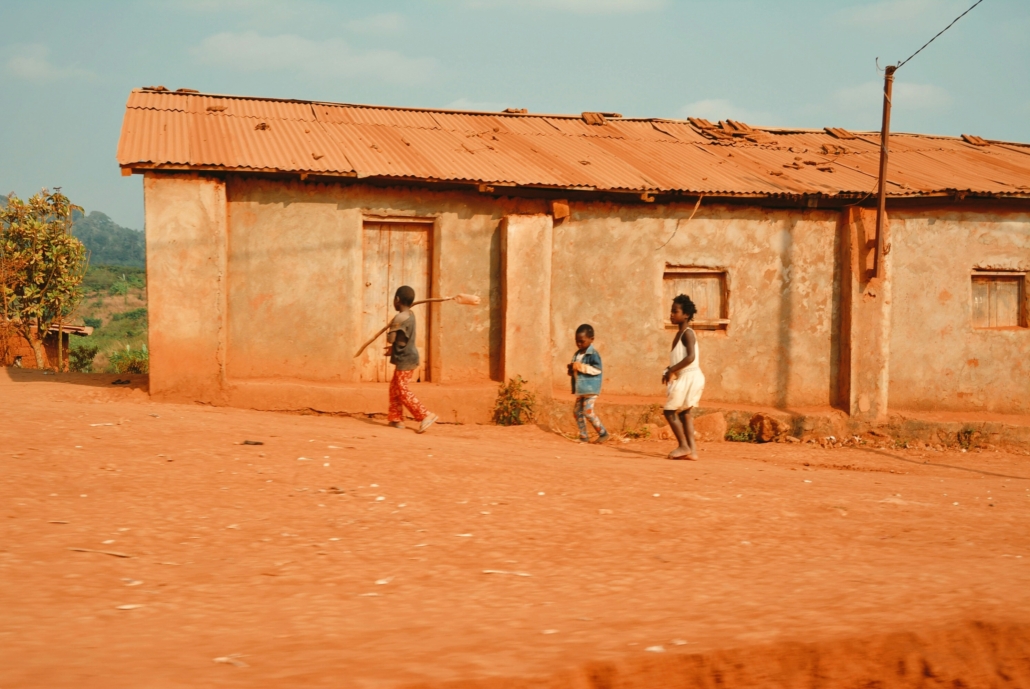 Solar power is delivering more than just electricity across rural Africa, it provides education, health care access and economic opportunity in communities long left in the dark. In many remote parts of sub-Saharan Africa, sunset often means the end of the day. Without reliable access to electricity, millions of families are forced to live and work in darkness. However, solar energy is transforming Africa by changing that reality. Affordable, off-grid solar solutions are lighting up homes, schools and clinics, offering clean energy where traditional power grids have not reached. These solutions are not just providing light, they are transforming lives.
How SolarAid Is Making a Difference
Founded in 2006, the U.K.-based nonprofit SolarAid is a leading organization working to bring solar lighting to underserved areas. Through its social enterprise, SunnyMoney, it has distributed more than 2.2 million solar lights across Malawi and Zambia. These lights are safe, affordable alternatives to kerosene lamps and candles, which are not only expensive but also harmful to health.
By 2024, SolarAid’s efforts had positively impacted more than 10 million people, helping children study at night and families save money on fuel. In total, its work has helped communities avoid more than $400 million in energy-related expenses.
“When the sun goes down solar light extends the day” said SolarAid CEO John Keane in a 2023 interview with The Guardian. “That means more study time for children, more productivity and less dependence on harmful kerosene.”
Improving Rural Health Care
Solar energy is transforming rural Africa by aiding health care in off-grid communities. Since 2014, Let There Be Light International (LTBLI) has brought solar lighting systems to clinics and homes in rural Uganda. As of 2023, the organization had provided more than 6,000 solar systems to underserved areas.
These solar-powered clinics can now safely carry out nighttime deliveries, store vaccines and provide emergency care. In one example from Kayunga District, maternal deaths decreased by 45% between 2018 and 2022 thanks to better lighting and solar refrigeration for medicine.
Fueling Local Economies
In Tanzania, solar company Mobisol has installed more than 150,000 solar home systems in rural areas. These systems provide power for lighting, mobile phone charging and small appliances, helping people start income-generating activities such as phone charging stations and barbershops. Mobisol’s work has improved the lives of 750,000 people while reducing carbon emissions by an estimated 150,000 tons.
In countries like Kenya, Nigeria and Ethiopia, d.light is helping families access solar energy through a pay-as-you-go model. Founded in 2007, the company lets users pay in small, mobile-money installments. By 2023, it had reached more than 150 million people globally, including 35 million in Africa.
“Our goal is to transform the lives of a billion people with sustainable products by 2030” said d.light co-founder Sam Goldman in a 2022 interview with Reuters.
Empowering Women and Young People
Solar power is also creating job opportunities, especially for women and youth. In Senegal, the Barefoot College Africa program has been training rural women, many of them grandmothers, as solar engineers since 2012. Known as “Solar Mamas” these women install and maintain solar systems in their villages. So far, more than 1,500 women across 93 villages have received training, bringing electricity to more than 200,000 people.
Meanwhile, in Nigeria, youth-led solar startups like Arnergy and Havenhill Synergy are training and employing technicians to install and maintain solar equipment. These growing companies are contributing to both energy access and youth employment in underserved regions.
Looking Ahead
Solar energy is transforming rural Africa by not only providing electricity but also delivering opportunities. From improving health care to supporting education and fueling local businesses, solar power is proving to be a practical, affordable and life-changing solution for communities living off the grid. With millions already benefiting from these programs and more projects underway, solar power continues to shine a path toward lasting development across the continent.
– Tonia Uzor
Tonia is based in Lagos, Nigeria and focuses on Good News for The Borgen Project.
Photo: Unsplash
