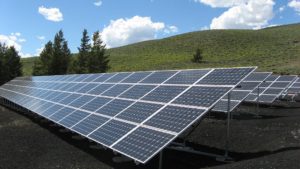
 The island nation of Cuba, located in the Caribbean, is at a critical juncture in its energy development. Cuba has considerable renewable energy resources, including sunlight, wind and biomass. However, its energy grid relies heavily on imported fossil fuels, especially from Venezuela, making it vulnerable to price volatility, geopolitical changes and concerns over energy security.
Renewable energy in Cuba has the potential to be about more than just technology; it can offer economic independence, a climate-resilient future and sustainable development opportunities in a country where energy development has long been constrained by existing energy infrastructure and a lack of foreign investment options.
Renewable Energy in Cuba
Currently, renewable energy sources contribute to less than 5% of Cuba’s total electricity generation. This is incredibly low compared to the government’s target of 24% renewable energy generation by 2030. Cuba’s energy infrastructure remains outdated, inefficient and frequently experiences breakdowns. The result is regular blackouts and, in rural areas particularly, energy poverty complicating any efforts for economic activity and the modernization of living standards.
Notably, Cuba has significant untapped solar capacity, receiving an average of 5.4 kWh/m2 per day and significant capability in wind, biomass and small hydro. The potential for real transformation is incredible. However, the challenge is fostering the conditions to attract investment, skills, capabilities and partnerships to harness that potential.
For investors, Cuba’s renewable energy sector is a largely untapped multibillion-dollar market that could encourage local job development, reduce carbon emissions and modernize the energy grid. If successful, Cuba could gain some degree of economic sovereignty through a low-carbon energy project.
However, foreign investors face numerous complications and sometimes, impenetrable obstacles, including red tape, legal uncertainty and financing. Furthermore, U.S. sanctions present an additional layer of difficulty in exploring partnership possibilities, which, in many cases, innovative financing and creative partnerships can help to advance projects.
Public-Private Partnerships Gaining Traction
In light of these challenges, there are hopeful signs on the horizon. Public-private partnerships (PPPs) are starting to emerge. These partnerships allow foreign firms to contribute equity and technology as partners with the Cuban state-owned enterprise. New financing options, including green bonds and blended finance models, may provide a pathway to mitigate the risks of investing in Cuba’s renewable energy market.
Cross-border projects, particularly with European countries and Latin American neighbors, demonstrated a potential for scaling renewable projects. For example, Spanish and Chinese firms have engaged in various levels of partnership with Cuba, committing to constructing solar parks and wind farms. These cross-border collaborations have revived the feasibility of industrial-scale renewable energy projects across the Cuban landscape.
What Cuba Needs for a Successful Energy Transition
Interviews with Cuban engineers and energy policy specialists suggest that Cuba’s transformation to renewable energy will depend on three factors. The first is regulatory reform, which could streamline the approval of renewable energy projects by dealing with the current layers of licensing and approval that can be cumbersome.
The second relates to financing mechanisms, which may require the government to establish ways to de-risk investments for foreign entities interested in participating in the energy transformation. Third is capacity building, which includes developing a local skilled workforce.
There are lessons that Cuba can learn from other emerging economies, such as Costa Rica’s remarkable transition to renewables to achieve 99% of its electricity from renewables and Uruguay’s successful public-private partnerships.
Socioeconomic Benefits of a Greener Grid
Cuba’s renewable energy implications extend beyond electricity. From a microeconomic perspective, a greener grid could mean lower household costs. This could have a ripple effect in reducing risk from air pollution-related health outcomes, creating thousands of new jobs in installation, maintenance and manufacturing.
From a macroeconomic perspective, decentralized power using solar and biomass could facilitate reliable access to power in rural regions. It could unlock local economic development through agricultural growth, small and micro-enterprises development and improve educational delivery.
In urban agglomerations like Havana and Santiago de Cuba, renewable-powered public transit, such as electric vehicles or other clean energy systems, offers a promising shift in urban mobility. Paired with new energy-efficient infrastructure designed to meet local environmental conditions, these developments could significantly transform both the economy and the environment in these regions.
Yet, any sustained progress will rely on long-term commitments and funding. Most of Cuba’s renewable energy projects are funded through one-off grants, pilot programs or developmental loans and lack funding to assist with continued operational costs. Cuba could struggle to reach its renewable energy commitments and aims without stable policy frameworks and continued periodic financial assistance from rich states and multilateral institutions.
Conclusion
Cuba’s renewable energy sector may be nascent, but the possibilities are considerable. Through the appropriate policy alterations, financial instruments and international arrangements, Cuba may become a model of clean energy development in the Caribbean. The opportunities remain largely unrealized, coolly waiting for much political, economic and technological convergence, potentially to reshape Cuba’s energy future.
– Sophia Scelza
Sophia is based in Lindenhurst, NY, USA and focuses on Business and Global Health for The Borgen Project.
Photo: Pxhere

Addressing Child Marriage in Chad With Education and Reform
Correlation Between Child Marriage and Poverty in Chad
Research highlights a strong link between child marriage and poverty. In Chad, this practice is more prevalent among the lowest-income communities: girls from households facing the greatest economic challenges have more than triple the likelihood of marrying before 18 than those in the wealthiest group. The World Bank further emphasizes that economic hardship and limited educational opportunities drive child marriage. This cycle deprives girls from building secure futures, trapping entire families in economic hardship for generations.
Government and Policy Reforms to End Child Marriage in Chad
Policy changes, local initiatives and Non-Governmental Organizations (NGOs) are making meaningful progress in reducing child marriage in Chad. As part of the 2023 Universal Periodic Review, Chad emphasized their dedication to fostering equal rights for both men and women, and prioritizing academic opportunities for girls and their participation within schools.
The Sahel Women’s Empowerment and Demographic Dividend (SWEDD), is a collaborative effort between the World Bank Group and United Nations, aiming to narrow the gender gap and back efforts to help girls remain in or re-enter education.
The program’s transformative effect is clear, having already achieved:
Strengthening Laws and Birth Registration
Policy reforms have paved the way for change, and these efforts are now being reinforced through improved legal protections and birth registration efforts. At the High Level Political Forum in 2019, Chad confirmed the implementation of a revised statutory marriage age, raising it from 16 years to 18 years.
In February 2019, Chad’s government worked alongside the Organization of African First Ladies and United Nations to launch a fully funded plan to eradicate underage marriage. There were six key components of the strategy:
In 2023, Chad implemented a new constitution that bolstered legal safeguards for women and girls, prohibiting harmful practices like genital mutilation and child marriage. Minister of Justice, Yousoff Tom underlined the commitment of the Chadian government, stating “since ratifying the convention in 1995, Chad had worked tirelessly to eradicate discrimination against women.”
With the assistance of the UN, Chad has strengthened birth documentation systems through the opening of registration offices, a crucial step in preventing age falsification. Legal authorities now travel to refugee settlements to deliver new copies of birth records, strengthening the government’s ability to verify age with precision, closing the loopholes that once left girls vulnerable.
Chad’s Push for Girls’ Education
Chad has made notable progress in ensuring girls remain in education. The 2024 expansion of the Women’s Empowerment and Demographic Dividend not only worked to prevent violence against girls, but also strengthened access to education. The impacts of the initiative were clear, allowing 127,000 girls to receive academic and financial assistance.
Such measures are vital, just 12% of those who graduate from secondary school end up married before reaching age 18, in contrast to 76.5% of girls that have no education.
These reforms are already showing results, with the percentage of girls attending primary school climbing to 83% in 2024. To further advance girls’ education, Chad’s government imposed penalties on schools that denied admission to pregnant students, to safeguard young mothers’ rights to continue their studies and improve their economic prospects.
The Chadian government also created a ministry dedicated to women’s affairs to embed women’s needs and interests into the frameworks of all state-led initiatives. The Positive Parenthood Program works to challenge harmful gender norms while also expanding centers that offer medical and legal assistance to victims.
How Local and Global Groups Are Driving Change
Founded in 2011, Girls Not Brides brings together organizations from around the world to expand opportunities for girls and women and fight against early marriage. Girls not Brides spans almost 100 countries, successfully linking hundreds of groups together who each contribute to reaching the collective goal of preventing child marriage, and empowering and safeguarding girls. Girls not Brides has 10 member organizations working in Chad to tackle the underlying factors fueling child marriage through public engagement, educational initiatives and support services for girls.
Cellule de Liaison des Associations Féminines (CELIAF) is a further example of a coalition fighting for the rights and safety of girls in Chad. CELIAF consists of more than 450 Non-Governmental Organizations, who together, are working to end all forms of inequality faced by women, through strengthening their role within society. According to Peace Direct, CELIAF plays a key role in bringing together women’s advocacy groups in Chad, with their work impacting 16,000 women. Additionally, from 2012 to 2016 CELIAF launched a women’s empowerment initiative that focused on enhancing female participation in peacebuilding. Through linking grassroots organizations, advancing leadership opportunities and championing women’s perspectives, CELIAF effectively lays the groundwork for social change and combats damaging practices like child marriage.
Looking Ahead
Chad continues to face one of the highest child marriage rates globally, but change is on the way. Indeed, through policy changes, expanded educational opportunities and the commitment of local and international organizations, measurable progress has been made. From increasing the legal age of marriage and enhancing birth registration systems, to providing educational support and guidance to young girls, these efforts are empowering women and equipping the, with the tools to shape their own futures.
– Ciara Moore
Photo: Wikimedia Commons
3 Ways USAID Programs in Mali Are Changing Lives
U.S. assistance in Mali has allowed the pursuit for peace and stability; there have been major investments towards the healthcare system, agriculture, education and peacebuilding. Despite the recent cuts made to USAID’s funding, there are still efforts being made to retain relations between the states. USAID’s Country Development Cooperation Strategy for 2022-2026 represents the commitment towards providing humanitarian assistance while aligning with Mali’s national interests and plans. Thus, it is important to highlight the preexisting successes and the progress made due to USAID programs in Mali.
1. Boosting Food Security Through Feed the Future
In Mali, 1.6 million people or 6% of the population suffer due to acute food insecurity. USAID’s Feed the Future program in Mali makes an effort to improve the livelihoods of people improving food security and creates income and food opportunities for Malians, by boosting millet, rice and livestock production. Farmers gain access to improved seeds, livestock care and markets. Furthermore, these programs tackle malnutrition through prevention; investments into Mali’s agricultural systems will open economic opportunities for Malian people, who typically migrate away from the country for work, as there are newfound opportunities in their own nation. This program allows USAID to invest into Mali, allowing them to build themselves from the ground up and become self-sufficient to combat issues with malnutrition and food insecurity, and in the future, they will be able to thrive without foreign intervention.
2. Improving Health
In 2021, more than 60% of Mali’s deaths were due to communicable, maternal or perinatal and nutritional issues. However, this number should ultimately improve due to investments and more attention to the health care system and facilities.
Launched in 2020, and receiving a 16-month extension in 2024, USAID funded the Mali Health Systems Strengthening, Governance and Finance project (HSS) which had the goal of empowering Mali’s plan, management and financing of its own health care system. This project focused on multiple regional and national developments for the health care system, and has provided training for 26 health districts and more than 700 facilities. USAID supported them by also improving supply chain management, data monitoring and providing essential supervision for the improvements being made. By improving the governance of healthcare systems and management, it improves the health outcomes for the region and allows under-resourced regions to thrive on their own. Thus, once there is a transition of power, local organizations will be well equipped.
3. Strengthening Governance and Stability
Due to the challenges with civil conflict, there is often mistrust between local governments and communities. The USAID Mali Peacebuilding, Stabilization and Reconciliation (PSR) Program worked on building resilience of 43 communes so they could address violence and extremism. To build trust between the state and local communes, USAID approached it in a nuanced way to encourage multi-actor participation in commune decisions, the use of citizen voice and inclusive decision making. The PSR program’s training module on decentralization is in use for the national center for community training. Thus, there is more active collaboration between citizens and the state, creating more trust towards the government and improves state legitimacy.
Looking Ahead
Overall, USAID programs in Mali have provided the funding and opportunities to improve nutrition, health and governance. The programs in place will ideally give Mali the strength and facilities to eventually become self-sufficient and no longer need the foreign intervention from USAID.
Through the Feed The Future program, it creates economic opportunities by creating jobs in agriculture, and it also provides the natural resources to feed the nation. The HSS program provides training and the facilities to allow the healthcare system to thrive. Finally, the PSR program works on improving relations between the government and civilians, which would reduce the mistrust of the government whilst incorporating the civic voice into governmental decisions.
Despite the hardships Mali has been facing, its GDP growth has been steadily increasing; estimates placed it at 4% in 2024 and part of its growth has been due to agriculture and services. USAID programs in Mali have undoubtedly provided several benefits to the country.
– Aaida Nuren
Photo: Flickr
How India’s Sustainable Goals are Combating Poverty
Significant progress has also been made in climate commitments made by India during the Paris Agreement in 2015. The link between making sustainable decisions and reducing poverty is very apparent when looking at recent data from India.
The Progression of India’s Climate Commitments
Non-fossil fuel capacity is currently one of India’s climate commitments. By the year 2030, India hopes to ensure half of the country’s energy is derived from renewable sources. Remarkably, India met this goal in 2024. Around 50% of the country’s installed capacity is sourced from wind, solar, hydro and nuclear sources. However, only 28% of electricity used in India is derived from non-fossil fuel sources. While India has met its initial target, it is still working toward making better use of sustainable energy sources.
India has also committed to increasing carbon sinks. A carbon sink is something that releases less carbon into the atmosphere than it absorbs. India’s goal is to use forests and trees to make an extra 2.5-3 billion tonnes of carbon sink. By 2021, India had managed to create an additional 2.29 billion tonnes of carbon sink.
Each year, there has been an increase of 150 million tonnes. However, there are some worries about the sustainability of carbon sinks. There is an anxiety surrounding the imbalance of monoculture plantations compared to naturally occurring forests. The concern surrounds their impact on ecology and whether their success can be sustained during a period of urbanization and pressure of land use.
Further, India has focused on its emissions intensity as part of its climate commitments. The government hopes to have a 45% reduction in emissions from its gross domestic product (GDP) by 2030. By the year 2020, India had already reached a 36% reduction. However, there is a significant lack of data beyond 2020 on emission reduction in India. Therefore, progress cannot be successfully monitored despite being on track to meet the goals of the group five years ago.
Impacts on Poverty Reduction
Over the course of the last 10 years, more than 240 million people have escaped from poverty within India. Furthermore, from 2015, the number of people with social protection coverage has increased by twice as much. These figures were displayed at the Voluntary National Review and reflect how India’s sustainable goals are combating poverty. India’s showcase at this review was a product of conversations with marginalized groups within its country. These groups include tribal groups, ensuring their needs are also being met.
India presented a short film during its VNR, highlighting its progress on the SDGs. The video showed how the country raised its SDG index score from 60 to 71. It also detailed efforts to ensure food security for more than 800 million people and the delivery of more than 2.2 billion vaccine doses. The film concluded with India’s core vision: “A sustainable future where no one is left behind.”
Looking to the Future
Working sustainably can improve a country’s economy and create a better future for its citizens. If India hopes to continue its remarkable progress, there are a few elements it can focus on. However, recent data support how India’s sustainable goals are combating poverty. As progress continues to increase, there is the hope of a future with little to no poverty.
– Katie Gray
Photo: Flickr
A New Era Begins: Google’s $37 Million AI Fund to Africa
Food Security Initiative
Out of the $37 million, Google committed $25 million to the AI Collaborative: Food Security Initiative. The AI collaborative funds will support AI tools designed to improve hunger forecasting, support smallholder farmers and strengthen crop resilience. In many countries, the population depends on farming to survive. This initiative will develop tools that will predict hunger, enhance cropping systems, climate-related crop threats and help address farming inefficiencies. This AI fund for Africa aims to strengthen food systems and improve the livelihood of farmers in the face of worsening economic and environmental shocks. With the AI Collaborative initiative, communities and farmers can have an increased income and malnutrition reduction.
AI Education and Safety Programs
Google is also committing $7 million toward AI education and safety programs across Ghana, Kenya, Nigeria and South Africa. AI education for young people could prepare them for higher-paying jobs. Not only is Google donating to AI education, but it is also offering 100,000 Google Career Certificate scholarships for students. The program expands access for Africans to participate in the digital economy.
Masakhane African Languages AI Hub
The Masakhane African Languages AI Hub is receiving $3 million for enhancement. The AI Hub will use the funding to create databases, translation models and voice technologies to ensure that AI systems represent African languages in the digital world. This new processing tool will support more than 40 African languages. Language barriers are a challenge for some African communities and often exclude them from opportunities. This translation method will allow for better communication for Africans looking into education, health care and finance.
AI Research
Google is also giving $1 million each to two institutions for AI research. The University of Pretoria’s AfriDSAI and Wits MIND Institute in South Africa will receive funding for advanced AI studies. The grants to the institutes will support graduate students and researchers in contributing to shaping global AI development. The initiative positions Africa to play a greater role in the global AI conversation.
Road Ahead
Google’s recent donation expands the tools available to address poverty in Africa. This technological advancement provides a road to systematic change. The use of AI could help address some of Africa’s biggest issues, like food insecurity, unemployment and underrepresentation. While poverty remains a significant challenge, AI initiatives supported by Google represent a step toward long-term solutions.
– Emily Herlehy
Photo: Pixabay
Unlocking the Future of Renewable Energy in Cuba
Renewable energy in Cuba has the potential to be about more than just technology; it can offer economic independence, a climate-resilient future and sustainable development opportunities in a country where energy development has long been constrained by existing energy infrastructure and a lack of foreign investment options.
Renewable Energy in Cuba
Currently, renewable energy sources contribute to less than 5% of Cuba’s total electricity generation. This is incredibly low compared to the government’s target of 24% renewable energy generation by 2030. Cuba’s energy infrastructure remains outdated, inefficient and frequently experiences breakdowns. The result is regular blackouts and, in rural areas particularly, energy poverty complicating any efforts for economic activity and the modernization of living standards.
Notably, Cuba has significant untapped solar capacity, receiving an average of 5.4 kWh/m2 per day and significant capability in wind, biomass and small hydro. The potential for real transformation is incredible. However, the challenge is fostering the conditions to attract investment, skills, capabilities and partnerships to harness that potential.
For investors, Cuba’s renewable energy sector is a largely untapped multibillion-dollar market that could encourage local job development, reduce carbon emissions and modernize the energy grid. If successful, Cuba could gain some degree of economic sovereignty through a low-carbon energy project.
However, foreign investors face numerous complications and sometimes, impenetrable obstacles, including red tape, legal uncertainty and financing. Furthermore, U.S. sanctions present an additional layer of difficulty in exploring partnership possibilities, which, in many cases, innovative financing and creative partnerships can help to advance projects.
Public-Private Partnerships Gaining Traction
In light of these challenges, there are hopeful signs on the horizon. Public-private partnerships (PPPs) are starting to emerge. These partnerships allow foreign firms to contribute equity and technology as partners with the Cuban state-owned enterprise. New financing options, including green bonds and blended finance models, may provide a pathway to mitigate the risks of investing in Cuba’s renewable energy market.
Cross-border projects, particularly with European countries and Latin American neighbors, demonstrated a potential for scaling renewable projects. For example, Spanish and Chinese firms have engaged in various levels of partnership with Cuba, committing to constructing solar parks and wind farms. These cross-border collaborations have revived the feasibility of industrial-scale renewable energy projects across the Cuban landscape.
What Cuba Needs for a Successful Energy Transition
Interviews with Cuban engineers and energy policy specialists suggest that Cuba’s transformation to renewable energy will depend on three factors. The first is regulatory reform, which could streamline the approval of renewable energy projects by dealing with the current layers of licensing and approval that can be cumbersome.
The second relates to financing mechanisms, which may require the government to establish ways to de-risk investments for foreign entities interested in participating in the energy transformation. Third is capacity building, which includes developing a local skilled workforce.
There are lessons that Cuba can learn from other emerging economies, such as Costa Rica’s remarkable transition to renewables to achieve 99% of its electricity from renewables and Uruguay’s successful public-private partnerships.
Socioeconomic Benefits of a Greener Grid
Cuba’s renewable energy implications extend beyond electricity. From a microeconomic perspective, a greener grid could mean lower household costs. This could have a ripple effect in reducing risk from air pollution-related health outcomes, creating thousands of new jobs in installation, maintenance and manufacturing.
From a macroeconomic perspective, decentralized power using solar and biomass could facilitate reliable access to power in rural regions. It could unlock local economic development through agricultural growth, small and micro-enterprises development and improve educational delivery.
In urban agglomerations like Havana and Santiago de Cuba, renewable-powered public transit, such as electric vehicles or other clean energy systems, offers a promising shift in urban mobility. Paired with new energy-efficient infrastructure designed to meet local environmental conditions, these developments could significantly transform both the economy and the environment in these regions.
Yet, any sustained progress will rely on long-term commitments and funding. Most of Cuba’s renewable energy projects are funded through one-off grants, pilot programs or developmental loans and lack funding to assist with continued operational costs. Cuba could struggle to reach its renewable energy commitments and aims without stable policy frameworks and continued periodic financial assistance from rich states and multilateral institutions.
Conclusion
Cuba’s renewable energy sector may be nascent, but the possibilities are considerable. Through the appropriate policy alterations, financial instruments and international arrangements, Cuba may become a model of clean energy development in the Caribbean. The opportunities remain largely unrealized, coolly waiting for much political, economic and technological convergence, potentially to reshape Cuba’s energy future.
– Sophia Scelza
Photo: Pxhere
How Bolivia’s Ineffective Education System Is Failing Its Children
The Roots of the Crisis
Bolivia has the lowest GDP per capita in South America, at just $4,000. This economic reality directly impacts education, especially in rural and indigenous communities. Students in rural areas complete an average of only 4.2 years of schooling before dropping out to support their families, compared to 9.4 years in urban areas.
Data from the Bolivian Campaign for the Right to Education (CBDE) shows that most students struggle with basic literacy and comprehension. About 70% of third graders and 80% of sixth graders cannot interpret or reflect on written texts. Math and science performance is similarly low, with most students scoring at the lowest levels and unable to apply fundamental concepts.
Data from the World Bank shows that over time, Bolivian children are not completing secondary education courses, while fewer and fewer students enroll in primary education. Bolivia’s ineffective education system fails to equip students with even the most basic skills, leaving them unprepared for higher education and the workforce.
The country’s education system also suffers from a mismatch between what students learn and what the labor market demands. This makes it one of the significant catalysts for an ever-growing wealth disparity. Many graduates find themselves ill-equipped for Bolivia’s dominant agriculture, mining and construction industries, which favor hands-on experience over formal education.
Poverty and Education: A Repeating Cycle
The lack of education in Bolivia is both a cause and a consequence of poverty. Children who leave school early often enter informal labor markets with little opportunity for upward mobility. This keeps a cycle going where families stay trapped in poverty, unable to invest in their children’s futures and it continues for generations. Similar patterns are seen in other countries facing economic struggles.
Several studies have found a strong correlation between education and poverty reduction. Higher levels of education significantly decrease the probability of being impoverished and reduce income inequality. Yet, Bolivia’s ineffective education system fails to deliver these benefits to its vulnerable populations.
Government Efforts and Community Initiatives
Bolivia has tried to make notable efforts to reform its education system. The 1994 education reform aimed to decentralize funding, improve teacher training and expand intercultural bilingual education. These reforms were designed to address the diverse needs of Bolivia’s population, especially in rural and indigenous areas. While efforts to mainstream Indigenous languages in education and reform teaching methods yielded encouraging results, other challenges hinder broader school progress.
In 2010, the Bolivian government enacted the Avelino Siñani–Elizardo Pérez Education Law. This law redefined the country’s educational framework by establishing an educational system rooted in cultural diversity, social inclusion and lifelong learning principles. Rather than using the term “lifelong learning,” the law emphasizes “alternative education,” which serves youth and adults seeking to continue their studies outside the conventional educational system given to them.
The law also promotes education as a fundamental human right and an integration into intercultural and multilingual approaches to strengthen social cohesion, especially among indigenous communities. The holistic approach aimed to democratize access to education and align learning with Bolivia’s social and cultural realities.
Organizations like CHOICE Humanitarian have also taken action to fill gaps. CHOICE Humanitarian has built schools with solar panels, internet access and ecological classrooms that double as greenhouses, providing education and nutrition to students in remote areas. Despite these efforts, Bolivia’s ineffective education system struggles with implementation, consistency and scalability, especially in underserved regions.
The Path Forward
Bolivia’s ineffective education system is complex, rooted in historical inequalities and economic hardship. Yet, the country can pave the way for a brighter future with sustained investment, community involvement and policy reform. In this future, every child can learn, grow and contribute to a prosperous Bolivia.
– Dylan Fly
Photo: Flickr
Belize’s National Healthy Start School Feeding Program
How the National Healthy Start School Feeding Program Began
Before the NHSFP, a catering system provided school lunches. Private contractors or catering companies prepared meals off-site and then delivered the food. Many schools also had cafeterias where private vendors prepared and sold food to students. These catering companies followed some guidance but were free to prepare whatever food they wanted, regardless of quality or nutritional value. The lack of oversight often resulted in meals that were low in nutrients, contributing to health issues among students and offering no support for the local agricultural sector.
Schools now prepare fresh meals on-site. National menu handbooks with standardized nutrition requirements, developed by a team of nutritionists, ensure all children get healthy meals regardless of income level. The new program encourages schools to purchase food directly from local farmers, which boosts the local economy and provides fresher ingredients. The program has also trained all staff in food safety and nutrition, ensuring students get nutritious meals so they can focus on learning.
Fueling Academic Success
There are now two years’ worth of data on the Impact of Belize’s NHSFP. Some schools participating in the program reported increased student enrollment and decreased absences. School principals and educators have noted that healthy meals allow students to be more focused in class and have more energy to learn.
The program’s success has also spurred the development of a broader National School Food and Nutrition Policy to guide all schools. The program has also provided substantial training to school cooks and administrators since its start, ensuring they know how to do their jobs properly and safely.
Funding the NHSFP
The government of Belize funds the program, with the Ministry of Education, Culture, Science and Technology managing and disbursing funds to schools to purchase food provisions. Additionally, international grants are a major contributor to the NHSFP’s funding and the government of Taiwan is a substantial supporter.
Mexico is another major contributor to the program, with its Mexican Agency for International Development Cooperation (AMEXCID) partnering with the Food and Agriculture Organization of the United Nations (FAO) to provide financial and technical support. This support, which was key to the program’s design and sustainable model, has been crucial to the program’s success, installing new school kitchens, providing appliances and training school staff.
The Next Serving
What began as a small pilot program has quickly expanded into a national initiative to ensure every student in Belize can be hunger-free while in school. The scaling up of this program in stages is a testament to its effectiveness. The long-term impact of Belize’s NHSFP may soon be an example to the rest of the world, showing the importance of this issue and its influence on the success of a nation.
– Jeff Mathwig
Photo: Pxhere
Seed Ball Technology Reforestation in the Sahel is Restoring Land
How Seed Ball Technology in the Sahel Works
Seed ball technology involves encasing seeds in clay, compost and sometimes natural fertilizers. These balls protect seeds from pests, birds and harsh environmental conditions until they germinate. When scattered on land, seed balls absorb rainwater, enabling seeds to sprout without intensive farming or irrigation.
Locals mix native seeds, such as pearl millet or sorghum, with clay and compost to form seed balls. They scatter these balls across barren land during the rainy season. The seed ball protects seeds and retains moisture long enough for germination. Researchers in Senegal reported more than 95% emergence rates in on-station trials for pearl millet seed balls.
Supporting Smallholder Farmers and Boosting Yields
Development projects in the Niger Republic use seed ball technology to help subsistence farmers. Programs reduce crop failure risk by improving seedling survival with minimal seed use. Trials revealed that mineral-enhanced seed balls boosted root growth by 227%. It also increased shoot biomass, laying the foundation for improved panicle yield in staple crops.
Partnerships Driving Adoption and Scaling
Organizations such as farmer federations, like the Gaskiya Federation of Maradi Farmers Unions in the Niger Republic, help disseminate seed ball technology, supported by research teams funded by groups like the McKnight Foundation. The approach relies on simple local inputs, making it affordable and appropriate for remote areas.
The Great Green Wall initiative aims to restore millions of hectares across the Sahara-Sahel. While large-scale tree planting faces logistical hurdles, seed ball methods offer a complementary and rapid restoration option. The technology helps deliver vegetation in tough terrain and reinforce ecosystem resilience.
Empowering Youth and Community Engagement
In Ethiopia, social enterprises led by young innovators apply seed ball dispersal methods to restore degraded lands and promote sustainable agriculture. These efforts engage local communities, boost vegetation cover and create green livelihoods in arid zones.
Seeding Hope Across the Sahel
The success of seed ball technology in the Sahel is not only about germinating plants but about shifting what’s possible for communities living on the edge of the desert. Turning degraded land into productive fields helps farmers secure food, preserve biodiversity and reduce migration pressures.
Its simplicity allows it to spread quickly without heavy machinery or expensive inputs, making it a practical tool in the fight against desertification. Governments, NGOs and research teams are investing in scaling this approach. Seed balls could become a cornerstone for ecological resilience and economic stability across the Sahel’s most vulnerable regions.
– Hayden Chedid
Photo: Flickr
Education Programs Cuts Child Labor in Peru
Persistent Poverty and Its Impact on Child Labor
Poverty remains a key driver of child labor in Peru. While the country has made significant progress in reducing poverty, dropping from 58.7% in 2004 to 20.5% in 2018, significant challenges remain. Millions were lifted out of poverty through economic growth and policy reform, yet recent setbacks highlight how fragile these gains are. In 2022, poverty rose amid the pandemic and the number of child laborers increased by roughly 210,000 compared to 2019, reaching 870,000 children and adolescents nationwide.
The issue has deep roots. In 2013, nearly 1.8 million children aged 5 to 17 were working, almost one in four nationwide. More than half of these working children in the 5–13 age bracket came from impoverished households, compared to just 27% of their nonworking peers. Child labor in Peru is concentrated in agriculture, fishing and mining, with rural children disproportionately affected. They are also far more likely to balance school with work than their urban counterparts (39.6% vs. 9.5%).
Bilingual Education’s Strong Effects
Peru’s bilingual education reform has had a notable impact on child labor, especially among indigenous children. A study using data from the Young Lives Study and a difference-in-difference analysis found that access to education delivered in indigenous languages reduced the likelihood of child labor by 12 to 18 percentage points for those children.
Conditional Cash Transfers Encourage Schooling
Peru’s conditional cash transfer program, JUNTOS, launched in 2005, provides families with regular financial support of about $30. The program requires children to attend school and receive basic health checkups. These transfers help alleviate the immediate economic pressures that push children into labor and support human capital development.
One evaluation found that such social protection mechanisms are among the most effective means to promote schooling and thus curb child labor over the long term.
Boosting Education Through Information Campaigns
The Ministry of Education, in collaboration with researchers from Innovations for Poverty Action (IPA) and the Abdul Latif Jameel Poverty Action Lab (J-PAL), piloted two low-cost interventions to inform families about the return to education. These included telenovela-style videos and an interactive tablet app used in schools.
The results were promising: the video series reduced two-year dropout rates by 1.8 percentage points (an 18.85% decrease) in urban areas and families updated long-term educational plans, becoming 10% more likely to aim for higher education. Effects on child labor were mixed: the video reduced child labor by 15% among urban girls, while the app reduced child labor by 7% among rural sixth graders.
Conclusion: Education as a Beacon of Hope
Peru’s concerted efforts, from bilingual schooling and cash transfers to informational campaigns, yield tangible progress in reducing child labor and expanding educational access. Especially in marginalized communities, these strategies are key to breaking the intergenerational cycle of poverty. Sustained investment and scaling up successful interventions offer a powerful path forward toward safeguarding children’s rights and building a more equitable future.
– Alexander Broermann
Photo: Flickr
Addressing Inequality: Tax Justice in Kenya
Globally, wealthy individuals and corporations enable Illicit Financial Flows (IFFs), resulting in a loss of $1 trillion in 2022 alone. Advocate groups challenge this disparity as it largely contributes to poverty and degrades social welfare. Taxes proposed in the 2024 finance bill were seen as unfavorable to impoverished and middle-class people, possibly widening this gap further and proving the need for tax justice in Kenya.
United Nations’ Convention on International Tax Cooperation
Wealth disparities and illegal wealth extraction in the Global South often enrich Western corporations. The Tax Justice Network researches these illicit financial outflows, which hamper economic development. The organization has also lobbied for stronger global tax policies to promote social development and tax justice in vulnerable countries.
One of its major global concerns is the United Nations (U.N.) Convention on International Tax Cooperation, which seeks to close gaps in the international tax system and help countries recover stolen revenue. The Convention also aims to address tax abuses in cross-border systems and resolve international tax disputes equitably.
Kenyan delegates and other leaders of the African Group were the first to push for the U.N. Convention. The African Group’s concerns in advancing the Convention stem from the unequal distribution of wealth between developing and Western nations and corporate-driven wealth disparities within the Global South.
Social and Wealth Inequality
Oxfam asserts that the number of millionaires in Kenya will grow by more than 80% in the next 10 years. If current rates of inequality continue, it could result in millions of people living in extreme poverty in a similar time frame. Poverty rates in Kenya are higher in rural areas and areas of lower economic growth.
The World Bank Group highlights this uneven distribution as a vulnerability. Indeed, its reports suggest evaluating tax spending and fiscal policy to support poverty reduction. Accountability organizations like the National Taxpayers Association (NTA) in Kenya also work toward this goal.
The NTA supports local endeavors to rebalance social service provisions. The organization supports researching, monitoring and evaluating tax issues and development programs, as well as analyzing policy and legislation. Locally taking charge in the fight for tax justice in Kenya, the independent organization hopes for accountability from the government against economic inequality.
The Challenges Ahead
From 2025 to 2027, the U.N. Tax Convention negotiations will deliberate on multilateral platforms to address global wealth inequalities. Having only completed the organizational phase, member states need to continue talks and vote to pass issues before consideration from the U.N. General Assembly.
Analysts at the Tax Justice Network assert that lower-income countries can be negatively impacted through bilateral tax treaties if equitable terms are not met. The U.N. Convention is one attempt to avoid this, making global trade equitable and reversing many years of richer economies unilaterally dictating global economic agendas.
– Aliyah Omar
Photo: Wikimedia Commons