3 Ways USAID Programs in Mali Are Changing Lives
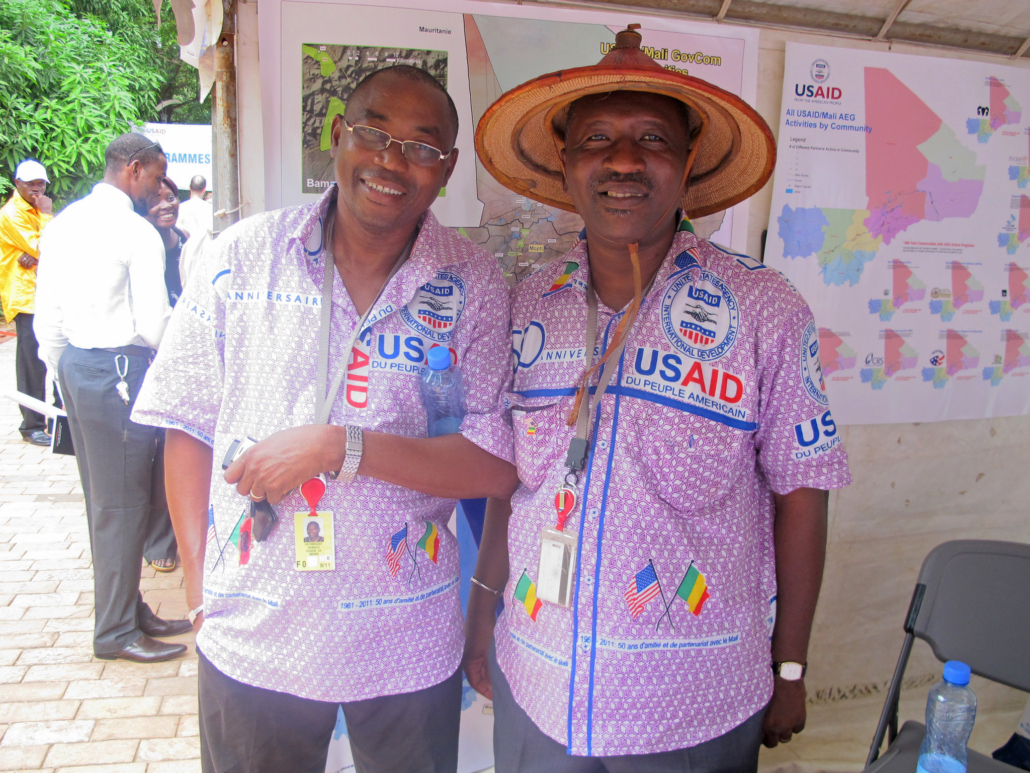 Mali has a complicated relationship with recurring challenges such as climate crisis’ and conflict-driven violence. Whether it be due to the shocks of extreme heat and floods, or the violence from armed forces within different villages, USAID programs in Mali have benefited Malians greatly, with more than a third of the population being in need of humanitarian assistance.
U.S. assistance in Mali has allowed the pursuit for peace and stability; there have been major investments towards the healthcare system, agriculture, education and peacebuilding. Despite the recent cuts made to USAID’s funding, there are still efforts being made to retain relations between the states. USAID’s Country Development Cooperation Strategy for 2022-2026 represents the commitment towards providing humanitarian assistance while aligning with Mali’s national interests and plans. Thus, it is important to highlight the preexisting successes and the progress made due to USAID programs in Mali.
1. Boosting Food Security Through Feed the Future
In Mali, 1.6 million people or 6% of the population suffer due to acute food insecurity. USAID’s Feed the Future program in Mali makes an effort to improve the livelihoods of people improving food security and creates income and food opportunities for Malians, by boosting millet, rice and livestock production. Farmers gain access to improved seeds, livestock care and markets. Furthermore, these programs tackle malnutrition through prevention; investments into Mali’s agricultural systems will open economic opportunities for Malian people, who typically migrate away from the country for work, as there are newfound opportunities in their own nation. This program allows USAID to invest into Mali, allowing them to build themselves from the ground up and become self-sufficient to combat issues with malnutrition and food insecurity, and in the future, they will be able to thrive without foreign intervention.
2. Improving Health
In 2021, more than 60% of Mali’s deaths were due to communicable, maternal or perinatal and nutritional issues. However, this number should ultimately improve due to investments and more attention to the health care system and facilities.
Launched in 2020, and receiving a 16-month extension in 2024, USAID funded the Mali Health Systems Strengthening, Governance and Finance project (HSS) which had the goal of empowering Mali’s plan, management and financing of its own health care system. This project focused on multiple regional and national developments for the health care system, and has provided training for 26 health districts and more than 700 facilities. USAID supported them by also improving supply chain management, data monitoring and providing essential supervision for the improvements being made. By improving the governance of healthcare systems and management, it improves the health outcomes for the region and allows under-resourced regions to thrive on their own. Thus, once there is a transition of power, local organizations will be well equipped.
3. Strengthening Governance and Stability
Due to the challenges with civil conflict, there is often mistrust between local governments and communities. The USAID Mali Peacebuilding, Stabilization and Reconciliation (PSR) Program worked on building resilience of 43 communes so they could address violence and extremism. To build trust between the state and local communes, USAID approached it in a nuanced way to encourage multi-actor participation in commune decisions, the use of citizen voice and inclusive decision making. The PSR program’s training module on decentralization is in use for the national center for community training. Thus, there is more active collaboration between citizens and the state, creating more trust towards the government and improves state legitimacy.
Looking Ahead
Overall, USAID programs in Mali have provided the funding and opportunities to improve nutrition, health and governance. The programs in place will ideally give Mali the strength and facilities to eventually become self-sufficient and no longer need the foreign intervention from USAID.
Through the Feed The Future program, it creates economic opportunities by creating jobs in agriculture, and it also provides the natural resources to feed the nation. The HSS program provides training and the facilities to allow the healthcare system to thrive. Finally, the PSR program works on improving relations between the government and civilians, which would reduce the mistrust of the government whilst incorporating the civic voice into governmental decisions.
Despite the hardships Mali has been facing, its GDP growth has been steadily increasing; estimates placed it at 4% in 2024 and part of its growth has been due to agriculture and services. USAID programs in Mali have undoubtedly provided several benefits to the country.
– Aaida Nuren
Aaida is based in London, UK and focuses on Good News for The Borgen Project.
Photo: Flickr
