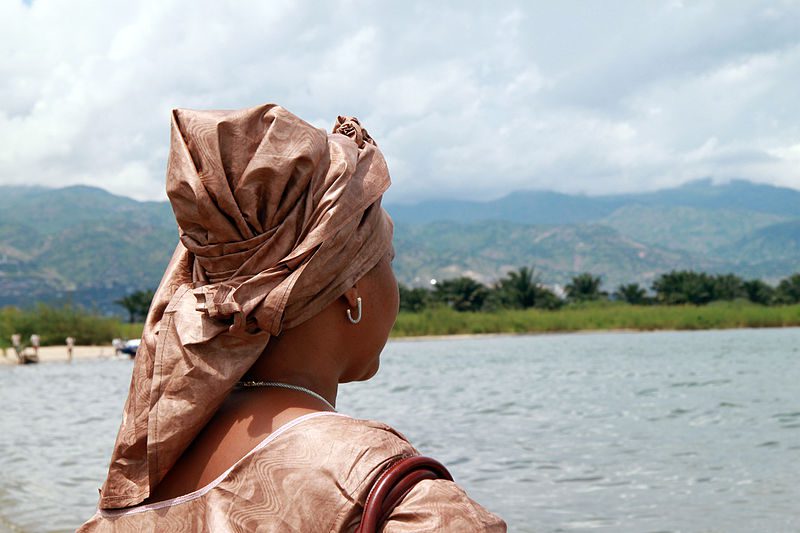
Located in Africa’s southeastern region, Burundi, a heart-shaped nation bordering Lake Tanganyika and Rwanda, is one of the poorest countries in the world. With a poverty rate of nearly 75 percent, the nation is largely underdeveloped. In terms of women’s rights, life in Burundi could be better, as many of the country’s citizens cling to discriminatory perspectives that hold their women back. Despite this, the country has made great strides toward cultivating a more equal nation, such as in 2005 when it included gender equality in its reformed Constitution.
Pregnancy and Sexual Health
In Burundi, discussing sex is generally viewed as a taboo subject. Without the occurrence of these necessary conversations, sexual education is often replaced by false information, and many of the country’s citizens fail to understand their own bodies; an issue most dangerous when it comes to young women and girls. Without knowing the way their bodies work, many Burundian women experience unplanned extramarital pregnancies, and because of Burundi’s negative prejudice toward non-marital pregnancy, many of these girls are often ostracized from their communities, kicked out of their homes and forced out of their schools.
Pamella Mubeza, a native to Burundi, fell victim to this system at a young age. Though, after seeing the prevalence of her issue among other Burundian women, she began an organization known as l’Association des mamans célibataires (the Organisation for Single Mums). Through the organization, Mubeza travels to some of the most impoverished places in the city of Bujumbura, such as Kinyankonge and Kinama, and works with young single mothers to not only re-enroll them in school but to rebuild the self esteem their homeland formerly shamed out of them. By 2019, Mubeza’s organization was able to re-enroll 40 young women in schooling and instilled 250 with a newfound desire to learn.
CARE Burundi, a non-profit organization that works to improve the impoverished realities of women and young girls, is also working to help solve the issue. In 2016, the organization launched an initiative known as the Joint Programme, a 4-year-long project that provides Burundian girls with comprehensive sexual and reproductive education through a comprehensive sexuality education (CSE) curriculum called “The World Starts with Me” (WSWM). The program educates young women about their rights and their bodies, and after its first year of implementation, it was taught in 76 Burundian schools and educated 6,007 young women.
Access to female hygiene products is another one of Burundi’s sexual health problems. With sanitary napkins costing up to 2,000 Burundian francs and the country regarding menstrual periods as shameful, many of the nation’s women turn to unhygienic sources, such as grass and plastic bags, during their menstrual cycles. However, the Organisation for Single Mums is working to combat the problem, as they hand out 1,500 free sanitary napkins to Burundian women each month.
Gender-Based Violence
Sexual violence against women is a growing problem in Burundi. With nearly 23 percent of Burundian women experiencing sexual abuse, and 50 percent of these victims being under the age of 13, the prevalence of gender-based violence in Burundi is undeniable.
Due to the nation’s connection between shame and sexuality, many sexual abuse cases often go unreported, so the number of women experiencing them is likely much higher.
However, through the help of UNICEF and NGO partner Caritas Burundi, Burundian sexual violence is being challenged. Through an initiative known as the Giriteka project, UNICEF and Caritas Burundi are bringing together the nation’s doctors, psychologists, nurses, community leaders, local authorities and religious leaders and teaching them how to best care for their nation’s sexually abused women. From training psychologists on how to prevent gender-based violence to working with religious leaders on how to direct victims toward help, thanks to these organizations, women’s rights in Burundi are not only being protected but defended.
Economic Opportunity
When it comes to the workforce, Burundian women make up 90 percent of the country’s food and export jobs and with 55.2 percent of the nation’s workforce being female, Burundian women are making substantial contributions toward the advancement of their national economy.
However, this same level of equality cannot be seen in the country’s distribution of land.
Access to property ownership is the largest barrier Burundian women face when seeking economic equality. While 80.2 percent of the country’s people own land, women make up only 17.7 percent of them since the country lacks proper legislation that prohibits male succession traditions from overriding women’s rights.
Public opinion may be partly responsible for these discriminatory practices since 57 percent of the nation’s people believe women and men should not have equal land rights when it comes to inheritance.
Despite this prejudicial reality, U.N. Women is making women’s pathway to land ownership easier by providing them with monetary loans.
Also, the Zionist Organization of America has created an initiative meant to advocate for female land rights in Burundi by urging the nation’s women who do own land to register it.
By working at the community level, these organizations are advocating for the economic endeavors of Burundian women, and actively challenging the misogynistic gender norms that have been placed upon these their lives.
While women’s rights in Burundi are far from equal, the good news is that great work is being done to better them. Thanks to organizations like U.N. Women and initiatives such as the Giriteka project, women in Burundi are not only being cared for but heard. By advocating for women’s rights, these organizations are not only providing Burundi’s women with the freedom to hope for a better life but also to live one.
– Candace Fernandez
Photo: Flickr

The Fight to Eliminate Polio in Pakistan and Afghanistan
In 1988, polio existed in more than 100 countries and infected close to 1,000 children daily. Due to advocacy efforts and the implementation of preventable vaccinations, cases of polio have significantly dropped at a rate of 99 percent. In 1988, about 350,000 children had polio while statistics indicated that in 2017, only 22 documented illnesses existed. However, children are still struggling as Pakistan and Afghanistan attempt to eliminate polio their countries.
Children are most vulnerable to contracting polio between birth and age five. One in 200 contagions result in irreparable paralysis, most commonly in the legs; five to 10 percent of those infected die from this disease due to the disabling of their breathing muscles.
Most children that are living with polio do not experience manifestations; however, polluted water and food can still spread the disease. Polio is preventable through several doses of vaccinations, but there is no treatment.
Modernized Vaccines to Prevent Polio
In 2013, all countries began to implement one dose of the new vaccines and terminate the use of the oral vaccines by 2018, which the Polio Eradication & Endgame Strategic Plan instructed.
In order to eliminate polio in Pakistan and Afghanistan, the Polio Eradication and Endgame Strategic Plan is terminating the administrations of oral vaccines which only protected against type 2 of the virus; instead, Afghanistan and Pakistan are implementing doses of the inactivated polio vaccine, which should be more effective in preventing the disease as it prevents all three types of polio. The modern vaccine can also enhance immunity and inhibit further epidemics of polio.
Efforts to Eliminate Polio in Pakistan and Afghanistan
In 2018, The Ministry of Public Health in Afghanistan partnered with UNICEF and The World Health Organization to initiate the country’s third nation-wide polio vaccination campaign. Nearly 9.9 million children below age five received the vaccination.
Regions such as Kandahar, Helmand, Uruzgan and Zabul contained nearly 1.2 million children who did not have access to the vaccine. However, this past program and future programs will ensure that these children can also receive the necessary dosages.
Vaccinated children also received Vitamin A capsules to strengthen their immunity and decrease diarrhea. This also strengthened their immune systems from respiratory infections. Immunity can increase their chances of survival by nearly 24 percent. Nearly 70,000 health workers visited every household to administer vaccinations. This was to ensure that other children received the preventable medication as well. Because polio is contagious, each family’s chances of surpassing the disease increases if every child receives a vaccination.
In Pakistan, the number of polio infections is at a low rate. Further, improved immunity has also begun to increase. While this country has made progress in battling polio, many children have not received the preventable vaccines in high-risk areas. Therefore, Pakistan has begun to implement various solutions such as customized vaccines. Additionally, the country has partnered with the Emergency Operations Centers to administer effective prevention techniques.
Polio is most common in Karachi as well as the federally administered tribal areas, the Quetta block and the Khyber-Peshawar corridor. While the disease is highly present in these areas, other areas nationwide are susceptible to contracting the virus due to travel and migration.
The Partnership Between Pakistan and Afghanistan
To eliminate polio in Pakistan and Afghanistan, the two nations plan on partnering to identify children who are vulnerable to the disease and provide vaccinations, while also administering health campaigns to promote advocacy about the prevention of polio. Environmental surveillance has discovered the presence of polio. This serves as evidence that children with weaker immune systems are present in these areas. Consequently, this enables the disease to grow and infect other children.
– Diana Dopheide
Photo: Flickr
The Biggest Global Issues Facing Humankind
Hundreds of millions of people around the world experience insufficient living conditions due to environmental factors, displacement, disease, poverty or some combination of the four. Here is a list of the biggest global issues that plague humankind.
The Biggest Global Issues Facing Mankind
1. Food and Malnutrition
Food and nutrition are essential for just about every life form on the planet, especially humankind. Although countries such as China, India, Brazil and the United States produce vast amounts of food for the world, about one in nine people will not eat enough food today. Malnourishment leads to the inability of about 795 million people to lead active and healthy lives around the globe.
Malnutrition leads to poor health and can stunt development in education and employment. According to The Food Aid Foundation, 66 million school-aged children will go to school hungry today. Consistent hunger in schools is linked to a lack of concentration.
World hunger has decreased by about 219 million people within the past two decades. It is through the innovative and ambitious work of organizations like the World Food Programme, in partnership with governments and communities, that the world can fill empty stomachs and provide communities with the resources to fill their own stomachs without aid, overtime.
The World Food Programme provides the Home Grown School Feeding Programme to counter the effects of consistent hunger in schools. One model of the Home Grown School Feeding Programme in Kenya provides school meals to over 600 million schoolchildren. The organization purchases the meals from local farmers which helps boost Kenya’s agriculture-dependent economy. Constant meals in school serve as an incentive for poor families to send their children to school every day and enhance the quality of children’s education by reducing hunger.
2. Access to Clean Water
Water covers about 70 percent of planet Earth. Inadequate water supply, water supply access and lack of sanitation kill millions of people annually. Used for drinking and hygiene practices, lack of water sanitation is a leading cause of child mortality around the world.
Two days of the year educate the world about one of the biggest global issues facing humankind: the global water crisis. World Water Day and World Toilet Day are reminders that 700 million people around the globe could be facing displacement due to decreased access to fresh water by 2030. Severe droughts are a major reason for displacement. When there is no more water for drinking or for crops and livestock, people must leave their homes in search of a place where there is an adequate supply of water.
Within the past two decades, the percentage of countries without basic sanitation services decreased by 17 percent. Forty countries are on track to receive universal basic sanitation services by the year 2030. In the meantime, 88 countries are progressing too slowly in their sanitation advancements and 24 countries are decreasing in their advances toward universal sanitation coverage.
The Water Project is committed to providing safe water to Africa. It builds wells and dams to provide access to safe water. The project also delivers improved technology for more sanitary toilets that keep flies away. The Water Project provides and monitors 157 water projects in Sierra Leone including wells, dams and sanitary toilets. The Water Project builds these projects in schools and communities in the Port Loko region of Sierra Leone, serving some 7,000 Sierra Leoneans. The Water Project’s save water initiative impacts over 40,000 people on the continent of Africa.
3. Refugee Crisis
The refugee crisis is one of the biggest global issues facing humankind today. Refugees are seeking asylum from persecution, conflict and violence. A grand total of 68.5 million people have been forcibly displaced from their home countries. Some 54 percent of those displaced are children.
Developing countries host a third of the world’s refugees. Many refugees reside in the neighboring countries of those they left behind. Turkey, Jordan, Pakistan and Lebanon lead the world in hosting refugees.
Asylum seekers from Syria, Democratic Republic of Congo and South Sudan continuously flee ongoing persecution, conflict and violence in their home countries. More recently, four million Venezuelans have fled their home country, 460 thousand of whom are seeking asylum in Spain, Central America and North America.
Venezuelans are fleeing dire political unrest and hyperinflation. Shortages in food, water, electricity and medicine also afflict the country. The Red Cross now provides at least $60 million worth of aid to Venezuela, reaching at least 650,000 Venezuelans. The World Vision Organization delivers aid to Venezuelan refugees in Venezuela’s neighboring countries. For example, in Colombia, World Vision provides economic empowerment, education, food and health essentials to some 40,000 refugees.
4. AIDS Epidemic
Acquired immunodeficiency syndrome (AIDS) is a longstanding global issue. With at least 36.9 million AIDS or HIV (the virus that causes AIDS) infections around the world, the disease is one of the biggest global issues facing humankind. Since 2004, AIDS-related deaths have been reduced by over half. In 2004, almost two million people worldwide died of AIDS-related illnesses, compared to 940,000 in 2017.
Organizations like the International AIDS Society, UNAIDS, Kaiser Family Foundation and PEPFAR are dedicated to stopping the spread of HIV/AIDS. These organizations help to ensure that infected people have access to treatment and the opportunity to live healthy lives. Adolescent girls and young women (AGYW) are 14 times more likely to contract HIV than boys. The DREAM initiative by PEPFAR and partners prioritizes the safety of AGYW against new HIV infections. PEPFAR is reaching at least 144,000 AGYW in Kenya, one country where HIV infections are most prevalent.
Although there is currently no cure, UNAIDS has a Sustainable Development Goal of bringing the number of new HIV infections down to zero by the year 2030. The Kaiser Family Foundation conducts research and analyzes data regarding U.S. AIDS policy and funding, both domestic and globally. It serves as a source of information about AIDS and other global health issues for U.S. policymakers and the media.
5. Eradicating Poverty
Poverty is the lack of income necessary to access basic everyday needs and/or living below a specific country’s standard of living. Living in poverty can result in malnutrition, poor health, fewer opportunities for education and increased illness. With an estimated 783 million people living in poverty, eradicating poverty is one of the biggest global issues facing humankind.
Malnutrition, contaminated water, the refugee crisis and the AIDS epidemic all contain some aspects of poverty. Organizations like the United Nations and the Bill and Melinda Gates Foundation focus on sustainable development strategies to alleviate global poverty. The number of people living in poverty has decreased by half, thanks to the U.N.’s Millennium Development Goals. The Millennium Development Goals have lifted at least one billion people out of extreme poverty within the last two decades.
The Gates Foundation is proving that poverty can be ameliorated through Agricultural Transformation. Increasing a country’s food production can counter malnutrition and boost the country’s economy by increasing farmer’s crop productivity. Poverty in Ethiopia has decreased by at least 45 percent since the Gates Foundation first started investing in agricultural development there in 2006. Ethiopia, one of the poorest countries in the world, is witnessing an overall increase in its economy.
With the help of innovative organizations partnered with governments, the world is implementing practical techniques to help eliminate hunger, water scarcity, AIDS/HIV and poverty from the list of the biggest global issues facing humankind. Eliminating these problems will improve the living conditions of millions of people around the world, including refugees and internally displaced people.
– Rebekah Askew
Photo: Flickr
Nigerian Dance Company Makes a Difference
People primarily consider dance a form of art or entertainment, but this Nigerian dance company is using dance to make a difference and better its community, as well as provide the determination and focus for the younger population. QDanceCenter is a dance studio, touring dance group and community development center all in one. It has received international recognition for touring and performing shows that focus on a variety of current socio-cultural, personal and political topics.
History and Mission of QDance
Qudus Onikeku, an internationally acclaimed choreographer and dancer, founded QDance in 2014. QDance started as a way to promote dance and tradition in the Lagos community. Onikeku also realized the need for employment and personal development opportunities and decided that fighting unemployment would be a major goal of the center as well. It now works with dancers and non-dancers and provides many employment and internship opportunities throughout Nigeria and the rest of the African continent.
QDance has a mission of “embracing creativity and innovation as a way of life.” It places high importance on innovation, using it as a means to create a goal, generate creative ideas, follow through on development and practical application and make it deliver real value and products. The QDance philosophy combines art and business to create a social enterprise and works with young people primarily in order to keep striving for the future of the center. QDanceCenter believes that dance is a business and employs not only dancers but also non-dancers who ensure that all the content and intellectual properties QDance produces returns an income. Its primary focus is to make sure that the center can continue to pay employees as well as continue to tour and perform.
Dance to Make a Difference
With over 203 million people in Nigeria, 19.81 percent of the population is between the ages of 15 and 24. Of that number, 12.4 percent of the people within that age range do not have employment and are dealing with homeless issues. QDance is trying to make a difference both in the world of dance and within its own community. Currently, the Nigerian dance company employs nine full-time positions, 150 part-time positions, 20 internship opportunities and 230 indirect/outside jobs. Although it focusses primarily in Nigeria, it has made an impact in nearly 50 countries.
Onikeku considers QDance to be comprised of change-makers and says that they “have to be willing to attack something that society’s failing woefully at.” One of the other major focuses of QDance is working with dancers and artists living with disabilities. The center provides a platform for all dancers, based on talent and regardless of ability or disability. To date, QDance has trained over 100 young dancers, including those disabilities. It has amassed over 10,000 active followers and has worked with over 200 artists.
By providing employment opportunities for both dancers and non-dancers, QDanceCenter has been able to provide an income to hundreds of people as well as make a positive impact on the Lagos community in the past five years. In addition, the international community has recognized the work and talent of the center and its dancers, with many clients and artists located outside of Nigeria. Through these continued efforts, the Nigerian dance company is using dance to make a difference in the community by fighting against poverty and unemployment. Over the next several years, the organization will have helped many more people follow a passion, receive a steady income and foster a sense of community and development over an international following.
– Jessica Winarski
Photo: Flickr
Producing Energy in Africa with Waste
Africa is a large continent containing a surplus of mineral resources, fossil fuels, metallic ores and other biological resources. Despite this abundance of natural resources, Africa’s economy still struggles to thrive. Most of the country’s economy comes from agriculture and sustenance farming which occupies 60 percent of the population.
Background
The Bill & Melinda Gates Foundation works to reduce inequality around the globe. Work includes advances in health conditions, decreasing infant mortality rates and empowering the poorest. The foundation is also working towards bringing more electricity to Africa. Currently, it is projected that there are 500 thousand people with no power. However, there is evidence of improvement as 600 million people were without electricity in 2014.
Ken Silverstein, senior Forbes contributor writes that by 2050, Africa’s population and the economy will grow. The country’s population expects to see an increase from 1.1 billion to 2 billion and the economy by 10 percent a year.
The growth in population, economy and electricity will aid Africa immensely, but it also brings new projections for how much energy the country will need. Silverstein also records that “the International Energy Agency, sub-Saharan Africa will require $400 billion by 2035 to modernize its energy foundation.” The Bill & Melinda Gates Foundation and the United Nations (UN) are planning a project in response to this.
Initiated Projects for Sustainability
The UN has initiated the Sustainable Energy for All project. The program works with government figureheads, businesses and the civil sector to works towards Sustainable Development Goal 7 (SDG7). The project “empowers leaders to broker partnerships and unlock finance to achieve universal access to sustainable energy.”
In line with the goal of achieving SDG7, The Bill & Melinda Gates Foundation instituted the Breakthrough Energy Venture. The Breakthrough Energy Venture is an investment lead fund whose aim is to “make sure that everyone on the planet can enjoy a good standard of living, including basic electricity, healthy food, comfortable buildings, and convenient transportation, without contributing to climate change.”
These projections signify more energy in Africa and a higher rate of demand for energy. Both projects, by the UN and The Gates Foundation, are aware of the harm that the rising demand for energy will have. More energy creates more waste, and these projects are working towards a cleaner planet as well as providing energy to the world.
Waste-to-Energy
A type of biomass referred to as waste-to-energy uses garbage to provide electricity and heat. Alternatives include burning or recycling the garbage, but providing clean energy to Africa is the number one priority.
Electricity issues in South Africa have led to “brownouts” that was thing preventing a transmission grid loss. The country’s provider, Eskom also cannot meet demands. There are hopes that waste-to-energy will be the solution to problems like these. The Climate Neutral Group introduces the Joburg Waste to Energy offset project.
The project will clean up Johannesburg municipal sites as well as provide clean electricity. The Climate Neutral Group hopes to use the waste and methane gas from the hazardous municipal landfill site and transforming it into energy. It is anticipated that there will be a 19MW of electricity produced. This is enough to power 16,500 medium households.
The Gates Foundation, the UN and the Climate Neutral Group are placing a strong focus on improving energy in Africa. They are taking it one step further by helping provide electricity and energy through waste in partnership with other organizations such as the UN.
– Jade Thompson
Photo: Flickr
Cacay Oil: Colombia Creates Sustainable Incomes
Amongst the incredible array of biodiversity which stems from the Amazon grows a small green fruit, the Cacay nut. A Google search for Cacay oil generates dozens of reviews by beauty blogs and skincare gurus who have tested the product. But what is Cacay and what makes it so special?
The Cacay Nut’s Uses
The Cacay nut, which is similar in size and color to lime from the outside, has three smaller nuts on the inside. The fruit grows on trees in Colombia and has a plethora of uses. People can use every part of the fruit, and this fact makes it a sustainable crop because there is no waste. It has a high nutritional value containing over 40 percent protein, all the essential amino acids and omega 3, 6 and 9. People can use the peel for compost or animal food, while the shell’s slow combustion properties make it a great source of biofuel. One can also make nut milk from the Cacay nut, which can serve as an animal milk substitute.
People mostly covet the Cacay nut for its beauty and cosmetic benefits. The oil from it contains 50 percent more vitamin E than argan oil, which is essential for skin moisturization. Additionally, it contains a high retinol and collagen content, which reduces signs of ages and smooth fine lines and wrinkles.
Kahai Lifts Families Out of Poverty
Kahai, a Colombian-based company, has made it its mission to share the benefits of Cacay with the world and lift up the people who grow it as well. It sells Cacay oil for its incredible health and skin benefits and is the first to do so on such a large scale. Thus far, the organization has exported over three tons of Cacay oil worldwide. Kahai hopes that Cacay will take the place of many illicit crops that were previously a driving cause of deforestation across the region. The potential economic opportunities that farming Cacay will bring should motivate farming communities in Colombia to preserve their forests and plant thousand of more trees.
Kahai’s location in Bogota D.C., Colombia, is home to many impoverished peasant farming families. Because Kahai is seeking to farm the fruit on a commercial scale, it will utilize plantation-style harvesting. This has created over 200 jobs with sustainable incomes for the peasant families in this conflict-torn area. There is also the potential for upward growth within the company, with individuals who began working entry-level jobs now holding management positions.
Kahai’s Recent Initiative
Kahai’s recently launched initiative with the World Bank’s BioCarbon Fund Initiative for Sustainable Forest Landscapes may also assist in both the sustainability efforts and the community development efforts. The initiative’s goal is to partner with the government and privately-owned corporations in the region to provide payment for communities who reduce their emissions and demonstrate environmentally-friendly farming practices. This will further encourage this positive development and further support the local economy.
As the benefits of Amazonian gold become more apparent to the rest of the world, Kahai and its employees will reap the economic benefits as the first large-scale Cacay oil farming operation. It is the organization’s hope that farming villages that operate under sustainable practices and receive consistent sustainable incomes will only grow stronger.
– Gina Beviglia
Photo: Flickr
How Chlorhexidine is Lowering Infant Mortality
Countries Adopting Chlorhexidine
Because it is relatively cheap, easy to manufacture and proven to be effective, around 30 nations throughout Africa and Asia either expressed interest in the antiseptic or have begun working with USAID to integrate the antiseptic into their healthcare system over the past several years.
Case Study: Nepal
Nepal was the first nation to implement the treatment back in 2011. It has since reduced the likelihood of infant illness and mortality by 34 percent. The success in Nepal is what inspired a chain-reaction that lead to the antiseptic being adopted into a variety of different countries—but the success of the disinfectant did not come without its challenges.
Before Chlorhexidine was initiated into their health system, the World Health Organization (WHO) recommended that the nation adopt a dry care system to treat the umbilical cord; this system required that the mother keep her child’s umbilical stump clean and dry until the stump fell off on its own while she kept an eye out for any signs of infection.
Due to cultural barriers, this suggestion was not followed. USAID said that mothers in Nepal had been used to routinely applying unsanitary substances such as turmeric, ash, cow dung or a mercury-based red cosmetic powder used by Hindu women to the umbilical stump by hand. Thankfully Nepal has been impressed with the results Chlorhexidine has supplied but the earlier setbacks in treatment shed an important light for USAID and its partners on how complex assimilating a scientifically safe treatment into impoverished nation’s culture can actually be.
Today, both single-dose tubes of the antiseptic are freely distributed to all expecting mothers in their eighth month of pregnancy and a one-on-one training session explaining how to safely apply the gel after cutting the umbilical cord.
Case Study: Pakistan
Pakistan implemented the treatment in 2014. Pakistan reportedly has the third-highest newborn mortality rate in the world, with umbilical cord infections serving as the second leading cause of death to Pakistani newborns. Seeing as Pakistan is a much larger and complex country, it faced a different set of challenges than Nepal when it came to making the antiseptic widespread.
There were some cultural barriers to overcome in Pakistan as well—many Pakistani women used to treat umbilical cords with surma, a lead-based concoction)—but the main challenge the nation had to overcome was to bring together all the government and private offices working towards a Chlorhexidine treatment program independently. To convene all of these health offices together and collaborate on an implementation plan was no small feat and took around a full year, and then the plans were formally adopted another year later, in 2016.
Of course, Chlorhexidine comes with its own set of risks. Although it has been found to reduce infections, it has also been discovered to cause rashes and burns on some skin types. Even so, the use of Chlorhexidine in both Nepal and Pakistan shows that although the process of assimilating treatment is not always easy or quick, it yields hopeful results that encourage nations in the surrounding areas to adopt the life-saving drug as well.
– Haley Hiday
Photo: Flickr
10 Facts About Corruption in Cuba
Ever since the small Caribbean nation of Cuba became a nation in 1902, corruption at all levels of its society has plagued it. From the face of the nation to the small-time citizen, corruption impacts almost every person in Cuba.
Cuba has suffered over a century of corrupt government officials, businessmen and everyday citizens taking advantage of the already impoverished nation. Cuba has formed policies in an attempt to stop the trends that so many are familiar with, but the country needs to do more. Here are 10 facts about corruption in Cuba including its history and what the country is doing to combat it.
10 Facts About Corruption in Cuba
Despite a long history of corruption in Cuba, the new leadership is taking steps to combat corruption on the island nation. Corruption in Cuba still exists today but data shows that the country is heading in the right direction. Only time will tell if the newly implemented policies will have a positive impact on the Cuban people.
– Sam Bostwick
Photo: Flickr
What To Do With Wasted Medical Supplies
The United States generates over two million tons of wasted medical supplies each year. Facilities do not use many of these supplies such as unexpired medical supplies and equipment. People even throw away completely usable, albeit expired medical supplies. This surplus exists because of hospital cleaning policies, infection prevention guidelines and changes in vendors. Additionally, because equipment must always be ready, replacements are always in order. As such, in the U.K., medical facilities replace equipment before the old versions are out of commission. Waste ranges from medicine to operating gowns, all the way to hospital beds and wheelchairs. Beyond consumables like medicine and one-time supplies like syringes, the need to replace before equipment is sub-optimal leaves a margin for waste on big-ticket items like MRIs.
Many hospitals have dumped their garbage from the reception and operating rooms along with usable medical surplus into incinerators. Although this burning is a source of many pollutants, it is still common practice in many developing countries.
This issue of medical supply waste intertwines deeply with a lack of access to medical equipment in the developing world. While developed countries live in a world of sterile excess, developing countries and remote villages with little access to suitable equipment to meet their needs suffer.
How Does this Waste Relate to Poverty?
People view access to the level of health care service in the developed world as the standard rather than a privilege. In places of poverty like Kivu, Democratic Republic of Congo, facilities are in desperate need of supplies and equipment to treat patients in their region.
Inadequate provisions leave patients on the floor or in out-of-date hospital beds paired with another patient. In the DRC, rape is a common weapon of war. The U.N. Human Rights Security Council passed a resolution that described the problem as “a tactic of war to humiliate, dominate, instill fear in, disperse and/or forcibly relocate civilian members of a community or ethnic group.” Many of the patients at the doorstep of Burhinyi Central Hospital are suffering from rape-related ailments. Some examples are HIV/AIDS, fistulas, bladder and intestinal damage and infections. Without the necessary equipment to handle such cases, impoverished areas, which are already more prone to injury and disease, deteriorate.
How Can it be Fixed?
Again, the issue of wasted medical supplies id deeply connected to poverty. In fact, they are complementary. The solution lies in moving the surplus from areas of excess to people in need. This reduces the waste in developed countries by giving supplies to hospitals that need them. Therefore, one can convert wasted medical supplies to usable surplus.
There are many NGOs like Medshare and Supplies Over Seas (SOS) that follow this process. These nonprofits operate based on collecting, sorting and sending the usable medical surplus to hospitals in need.
SOS has a container shipment program that sends cargo containers filled with medical supplies. These containers would have otherwise ended up in the landfill. A typical container contains six to eight tons. Its medical contents value conservatively at $150,000-$350,000. Since 2014, SOS has shipped containers to 20 countries in need.
A volunteer at Medshare outlined her experience working with surplus medical supplies, saying that, “It was shocking how much waste there actually was. Warehouses full of totally usable stuff all ready to be thrown away.” She added, “[she] sorted through things like syringes and gauze packets which were all put into huge containers for hospitals that need it. It feels like a difference is being made.”
Stop Wasting and Start Donating
Wasted medical supplies and impoverished areas without access to proper medical equipment are issues that people can resolve simultaneously by salvaging usable supplies and equipment that were ready to go to landfill and sending them to communities in need. Regarding medical waste and poverty, the best solutions occur when those who have more give to those who have less.
– Andrew Yang
Photo: Flickr
How the Breakdown of the Nuclear Deal has Affected Poverty in Iran
As the relationship between Iran and the U.S. deteriorates, Iran’s quality of living is plummeting, the cost of living is soaring and Iranian citizens are feeling the pressure.
Since the dissolution of the Joint Comprehensive Plan of Action, more commonly known as the Iran Nuclear Deal, in May 2018, extreme hardship has hit the West Asian country. Economic sanctions that the nuclear agreement thwarted are in place again and are damaging Iran’s oil and precious metal sectors, handicapping the country’s export potential.
The primary component of the economic decline is the dent that sanctions are making in the oil sector–which, according to the World Bank, accounts for two-thirds of Iran’s economic growth.
Post-Breakdown Economic Turmoil
Iran’s oil production has already fallen steadily every month since the breakdown of the nuclear deal, according to the U.S. Energy Information Administration, and the resulting impact on the economy is devastating. In April 2019, the World Bank reported that Iran’s economic growth slowed to 1.8% in the first quarter of 2018/2019–down by 4.6% from the previous year. Compounded with years of corruption and mishandling of public funds, the breakdown of the nuclear deal has positioned the Iranian economy in a state of stagflation (negative GDP growth) estimated to continue until April 2020.
Compounding the decline in GDP, the national currency has depreciated by around 60% on the U.S. dollar. An IMF senior official revealed that the inflation rate could reach 40% by the end of 2019. This economic turmoil has reduced accessibility to living essentials, increased societal instability and swelled poverty rates.
Increased Poverty
The World Bank reports that the upper-middle-class poverty rate, which is classified as at or under $5.50 PPP (Purchasing Power Parity), is at an estimated 11.6% for 2018/2019 and forecasted to grow to 12.6% in 2019/2020.
It is essential to note that $5.50 PPP is not a daily income. That figure is usually much lower. According to the Global Basic Income Foundation, PPP is the amount a person can afford to spend on any given day, taking into account both earnings and savings. To put this into perspective, 11.6 percent of people in Iran could not afford to buy something today that costs $5.51.
Higher Prices
With the reimposed sanctions resulting from the breakdown of the nuclear deal, accessibility to living essentials is rapidly shrinking. Even humanitarian organizations struggle to acquire adequate supplies to carry out their work due to soaring prices.
A recent report from the Statistical Centre of Iran revealed eye-opening inflation statistics. Between 2018 and 2019, the price of food and drink increased by 43.5%, clothing and footwear by 33.9%, housing and utilities by 18.2% and health and medical services by 18.8 percent. The overall Consumer Price Index is up by 30.6%.
The amalgam of decreasing wages and currency devaluation is restricting Iranian citizens’ ability to acquire necessities. The World Bank expects Iran’s poverty rate to rise to 12.8% by 2021.
Humanitarian Response
With poverty levels rising in Iran, humanitarian agencies are stepping up to meet the need. Moms Against Poverty is a nonprofit organization that is working to alleviate poverty in Iran through hunger relief, education and orphan care. Since the breakdown of the nuclear deal, Iran has had a 6.3 magnitude earthquake and major flooding. Moms Against Poverty provided natural disaster victims with food, water and blankets, distributed safe heaters and helped rebuild and furnish health clinics and pre-schools in the flooded areas. The organization also funded 2,000 food baskets for the Persian New Year across three Iranian provinces.
The breakdown of the nuclear deal has been economically painful for Iran. Tensions have only risen since the reimposition of sanctions and, as of now, show no signs of alleviating. There have already been multiple conflicts between the U.S. and Iran in the Strait of Hormuz, Iran’s main shipping route, since the breakdown.
Organizations like Moms Against Poverty provide some poverty relief and help the quality of life for many citizens. However, relief on a nationwide scale could be achieved if U.S.-Iran relations are restored or if Iran can boost its economic growth and halts the devaluation of the national currency. For now, the citizens of Iran are feeling the pressure.
– Zach Brown
Photo: Flickr
The Importance of Women’s Rights in Burundi
Located in Africa’s southeastern region, Burundi, a heart-shaped nation bordering Lake Tanganyika and Rwanda, is one of the poorest countries in the world. With a poverty rate of nearly 75 percent, the nation is largely underdeveloped. In terms of women’s rights, life in Burundi could be better, as many of the country’s citizens cling to discriminatory perspectives that hold their women back. Despite this, the country has made great strides toward cultivating a more equal nation, such as in 2005 when it included gender equality in its reformed Constitution.
Pregnancy and Sexual Health
In Burundi, discussing sex is generally viewed as a taboo subject. Without the occurrence of these necessary conversations, sexual education is often replaced by false information, and many of the country’s citizens fail to understand their own bodies; an issue most dangerous when it comes to young women and girls. Without knowing the way their bodies work, many Burundian women experience unplanned extramarital pregnancies, and because of Burundi’s negative prejudice toward non-marital pregnancy, many of these girls are often ostracized from their communities, kicked out of their homes and forced out of their schools.
Pamella Mubeza, a native to Burundi, fell victim to this system at a young age. Though, after seeing the prevalence of her issue among other Burundian women, she began an organization known as l’Association des mamans célibataires (the Organisation for Single Mums). Through the organization, Mubeza travels to some of the most impoverished places in the city of Bujumbura, such as Kinyankonge and Kinama, and works with young single mothers to not only re-enroll them in school but to rebuild the self esteem their homeland formerly shamed out of them. By 2019, Mubeza’s organization was able to re-enroll 40 young women in schooling and instilled 250 with a newfound desire to learn.
CARE Burundi, a non-profit organization that works to improve the impoverished realities of women and young girls, is also working to help solve the issue. In 2016, the organization launched an initiative known as the Joint Programme, a 4-year-long project that provides Burundian girls with comprehensive sexual and reproductive education through a comprehensive sexuality education (CSE) curriculum called “The World Starts with Me” (WSWM). The program educates young women about their rights and their bodies, and after its first year of implementation, it was taught in 76 Burundian schools and educated 6,007 young women.
Access to female hygiene products is another one of Burundi’s sexual health problems. With sanitary napkins costing up to 2,000 Burundian francs and the country regarding menstrual periods as shameful, many of the nation’s women turn to unhygienic sources, such as grass and plastic bags, during their menstrual cycles. However, the Organisation for Single Mums is working to combat the problem, as they hand out 1,500 free sanitary napkins to Burundian women each month.
Gender-Based Violence
Sexual violence against women is a growing problem in Burundi. With nearly 23 percent of Burundian women experiencing sexual abuse, and 50 percent of these victims being under the age of 13, the prevalence of gender-based violence in Burundi is undeniable.
Due to the nation’s connection between shame and sexuality, many sexual abuse cases often go unreported, so the number of women experiencing them is likely much higher.
However, through the help of UNICEF and NGO partner Caritas Burundi, Burundian sexual violence is being challenged. Through an initiative known as the Giriteka project, UNICEF and Caritas Burundi are bringing together the nation’s doctors, psychologists, nurses, community leaders, local authorities and religious leaders and teaching them how to best care for their nation’s sexually abused women. From training psychologists on how to prevent gender-based violence to working with religious leaders on how to direct victims toward help, thanks to these organizations, women’s rights in Burundi are not only being protected but defended.
Economic Opportunity
When it comes to the workforce, Burundian women make up 90 percent of the country’s food and export jobs and with 55.2 percent of the nation’s workforce being female, Burundian women are making substantial contributions toward the advancement of their national economy.
However, this same level of equality cannot be seen in the country’s distribution of land.
Access to property ownership is the largest barrier Burundian women face when seeking economic equality. While 80.2 percent of the country’s people own land, women make up only 17.7 percent of them since the country lacks proper legislation that prohibits male succession traditions from overriding women’s rights.
Public opinion may be partly responsible for these discriminatory practices since 57 percent of the nation’s people believe women and men should not have equal land rights when it comes to inheritance.
Despite this prejudicial reality, U.N. Women is making women’s pathway to land ownership easier by providing them with monetary loans.
Also, the Zionist Organization of America has created an initiative meant to advocate for female land rights in Burundi by urging the nation’s women who do own land to register it.
By working at the community level, these organizations are advocating for the economic endeavors of Burundian women, and actively challenging the misogynistic gender norms that have been placed upon these their lives.
While women’s rights in Burundi are far from equal, the good news is that great work is being done to better them. Thanks to organizations like U.N. Women and initiatives such as the Giriteka project, women in Burundi are not only being cared for but heard. By advocating for women’s rights, these organizations are not only providing Burundi’s women with the freedom to hope for a better life but also to live one.
– Candace Fernandez
Photo: Flickr