 In Ghana, poverty is a significant issue, with around 24.2% of the national population living below the poverty line. Additionally, around 6.9 million people live in extreme poverty as of 2024. Ghana has a population of around 34.4 million and has many different issues, including economic instability, climate hazards and high inflation.
Northern Ghana is specifically impacted, due to its lack of adequate infrastructure, non-agricultural job opportunities and gender inequality. Living standards also worsen due to high inflation, limited government spending and weak economic growth. Approximately 64.6% of rural populations in Ghana experience multidimensional poverty compared with 27% of urban populations.
Many inequalities exist between men and women; the richest man could earn more in a month than the most impoverished woman could in 1,000 years.
Book Access in Ghana
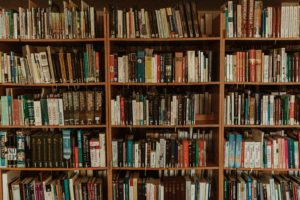
In Ghana, access to books is limited, especially in rural areas. Many rural communities face significant barriers to literacy and have fewer educational resources than those in urban areas. Challenges include a lack of libraries, limited resources and facilities and schools that often lack basic learning materials such as stationery, textbooks and computers.
Only around 11% of schools in Ghana have functional libraries; in rural areas, only one library exists for 500,000 residents. Books available to people in Ghana can be costly and often have low availability. Outside of basic textbooks, there are not many books that Ghanaians can purchase.
Due to limited parental involvement, many children also lack access to books at home. Additionally, many rural areas in Ghana lack reliable internet and electricity, preventing students from accessing digital resources when learning.
Ghana Library Authority Initiatives
The Ghana Library Authority has launched several innovative programs that use modern and traditional methods to help children in Ghana start reading and learning. Strategies include mobile book vans, which can deliver shelves of stories to communities in need.
The Ghana State Book Project is an initiative that aims to create a comprehensive state book for each of Ghana’s traditional states. It seeks to document their unique traditions, histories, royal families and cultural practices. It has already produced several state books and plans to cover all traditional areas of Ghana.
Book Donations and Distribution Efforts
Books for Africa (BFA) also worked with BetterWorld Trust to distribute a 40-foot container of supplementary books to Ghana Book Trust (GBT) to distribute in Ghana. These books were then distributed to community libraries, orphanages and school libraries. They were also often used as prizes for schools that organized reading competitions.
GBT distributed the books across the country, with each beneficiary receiving 500 books, bringing the total donated to 18,000. The organization sources books from North America to promote a reading culture in Ghana. Over the past eight years, it has imported 35 40-foot containers of books, including 14 containers of children’s books and novels, totaling more than 590,300 books distributed.
GBT collaborates with Books for Africa and organizations and foundations in the U.S. to donate books to schools, community libraries, orphanages and children’s hospital wards.
Digital Reading and Global Partnerships
The Ghana Library Authority has also partnered with tech companies such as Vodafone and Worldreader to create digital e-libraries and make hundreds of books available on smartphones and tablets for children to read. Worldreader is a nonprofit organization that helps children access and read digital books through mobile phones, tablets and e-readers.
Team4Tech is helping Worldreader bring e-readers to elementary schools in Kwaebibirem, Ghana. The groups provide e-readers and train children to use them for digital reading in the classroom. They also enable parents and students to access reading opportunities on any device through a digital reading app called BookSmart. Through this application, Worldreader provides free access to thousands of books and learning materials for people of all ages in Ghana.
Conclusion
Many children in Ghana are positively impacted by this newfound access to books. It helps them improve their literacy, strengthen their educational background and gain the tools to fight poverty through education.
By providing diverse learning materials that meet the needs of individuals with varying reading levels and interests, these organizations are helping students in Ghana broaden their academic abilities. They also help students develop critical thinking skills and foster a love for reading at a young age.
– Madyn Lewis
Madyn is based in Chicago, IL, USA and focuses on Good News and Global Health for The Borgen Project.
Photo: Unsplash

Everything You Need To Know About Poverty in Malaysia
Current Poverty Landscape
Who Is Being Left Behind?
Root Causes of Persistent Inequality
Government Strategies and Frameworks
How Global Advocates Can Help
Conclusion
Malaysia’s battle against poverty has made remarkable progress. Yet, systemic inequities continue to constrain its most vulnerable citizens, particularly within Indigenous communities. By advocating for updated poverty measurement, better policy implementation and inclusive participation, global partners such as nonprofit organizations can support Malaysia in translating its commitment to shared prosperity into real change. This also helps ensure that no one is left behind.
– Paige Javor
Photo: Flickr
Federer and Kolisi Expand Early Learning in Southern Africa
The partnership is crucial, as millions of children in Southern Africa face educational barriers threatening their future. While in South Africa, Federer and Kolisi took part in a public event promoting the importance of early education. They also toured Salani Primary School in Mpumalanga, where they met students and teachers and saw the foundation’s work in action. In addition, they encouraged business leaders to collaborate on expanding early learning opportunities by 2030.
The Urgency: A Learning Crisis in Southern Africa
Educational opportunities remain limited across the region; therefore, access to schooling is a significant obstacle for many communities. According to the World Bank, by 2030, around 66 million young people in both Eastern and Southern Africa may not be enrolled in school.
Furthermore, the same report discovered that reading remains out of reach for most children in sub-Saharan Africa, where about 90% cannot read fluently by age 10, deepening educational inequalities for millions. A further World Bank study underlined the link between low education and poverty, with findings suggesting that just one additional year of schooling can improve earnings by 12.4% in the region.
Assessing these challenges, the World Bank Vice President underlined the power of education, stating that “enhancing education is undoubtedly the most effective development solution.” This data highlights the crucial importance of investing in early childhood education, as it plays a key role in disrupting patterns of poverty across Southern Africa.
Investing in Early Learning in Six Southern African Nations
Established in 2003, the Roger Federer Foundation supports initiatives that broaden opportunities for early education across six Southern African nations: Lesotho, South Africa, Zambia, Zimbabwe, Namibia and Malawi. Federer’s foundation seeks to boost school participation and ensure children remain in education by supporting and investing in grassroots initiatives and partnering with locally led projects.
The nonprofit has invested millions into initiatives that expand educational opportunities, improve educational facilities, develop teacher skills and provide schools with vital resources. Thus far, Federer’s foundation has transformed learning opportunities for more than 3.1 million children, opening doors to possibilities that once seemed unimaginable.
How Early Education Opens Pathways Out of Poverty
The importance of Federer and Kolisi’s work is undeniable, as initiatives focused on early learning in Southern Africa are proving to transform children’s futures. A joint 2012 study by the World Bank and Save the Children reported that access to early learning in rural Mozambique led to a 24% increase in primary school enrollment. This was compared to children who lacked such opportunities.
The program equipped children with essential early skills, preparing them to excel academically as they advanced through school. Such studies outline the importance of initiatives like Federer and Kolisi’s, which generate lasting change through providing young people with the tools to break the cycle of poverty.
Empowering the Next Generation To Break Poverty Cycles
Federer and Kolisi’s efforts demonstrate how investments in early learning in Southern Africa can improve lives and create opportunities to escape poverty. Through empowering community-based programs, equipping educators and investing in learning spaces, their initiatives enable millions of children to embrace opportunities that once felt beyond their grasp, to create sustainable, secure futures.
As evidence continues to prove, access to effective early learning places key building blocks for future success and financial stability. With projects like these transforming futures, Southern Africa is opening doors to incredible opportunities for future generations.
– Ciara Moore
Photo: Wikimedia Commons
Causes and Solutions to Hunger in Kenya
Poverty and Hunger in Kenya
Poverty manifests in many ways, including hunger. Around 30% of Kenya’s population lives in poverty. Households headed by women have a poverty rate of 35.3%. Male-headed households, in comparison, have a poverty rate of 32.6%. According to the Kenya Poverty Report, a third of the children in Kenya are food poor. Poverty rates for youth are higher in rural areas. According to the WFP, 29% of the children in rural Kenya are stunted due to malnutrition.
The causes of poverty in Kenya include natural disasters and economic shocks. Lower-than-average rainfall has affected Kenya’s agricultural and pastoral areas for several years. This drought has affected livestock as well as crop production. On the other end of the pendulum, flooding destroyed whole towns and villages, displacing more than 280,000 people. It killed more than 260 people in 2024. Livestock and other crops were lost.
These climate crises affect adequate food availability, increasing prices and sending more people toward poverty. Another factor affecting Kenya’s ability to feed its people is the conflict in Ukraine. Kenya is dependent on fertilizer imported from Russia. When the conflict began, Russia no longer sent fertilizer to Kenya. COVID-19 also affected Kenya’s economy, as it relies heavily on tourism.
The Kenyan government has committed to addressing the problem through agriculture. It has lifted the ban on open cultivation of genetically modified crops, eased food import restrictions and imported animal feed to reduce hunger in Kenya.
Boosting Kenyan Agriculture and Food Security
The Borgen Project interviewed Sterling Brown, a senior at Southern University majoring in Agricultural Business. He traveled to Kenya to learn about different agricultural methods and share knowledge with local farmers. According to Brown, agriculture is the largest sector of the Kenyan economy. He highlights the following solutions to address food insecurity and hunger in Kenya:
In addition to the farming practices highlighted above, he and his team encouraged local farmers in Chuka and East Chuka, Kenya, to export their native crops, including avocados. This could boost their economy and provide another path out of poverty. They also held workshops and provided rootstocks, demonstrating how to plant and maintain them.
Brown is part of a program called the 1890 Center of Excellence, a collaboration between Southern University, the University of Arkansas-Pine Bluff (UAPB), Chuka University and Kenyatta University in Kenya. According to Brown, this collaboration, combined with the Kenyan government’s interventions, new sustainability mandates and significant agricultural investment, is a step in the right direction.
– Danielle Milano
Photo: Pexels
Ghana Library Authority: Reading Fights Poverty in Ghana
Northern Ghana is specifically impacted, due to its lack of adequate infrastructure, non-agricultural job opportunities and gender inequality. Living standards also worsen due to high inflation, limited government spending and weak economic growth. Approximately 64.6% of rural populations in Ghana experience multidimensional poverty compared with 27% of urban populations.
Many inequalities exist between men and women; the richest man could earn more in a month than the most impoverished woman could in 1,000 years.
Book Access in Ghana
In Ghana, access to books is limited, especially in rural areas. Many rural communities face significant barriers to literacy and have fewer educational resources than those in urban areas. Challenges include a lack of libraries, limited resources and facilities and schools that often lack basic learning materials such as stationery, textbooks and computers.
Only around 11% of schools in Ghana have functional libraries; in rural areas, only one library exists for 500,000 residents. Books available to people in Ghana can be costly and often have low availability. Outside of basic textbooks, there are not many books that Ghanaians can purchase.
Due to limited parental involvement, many children also lack access to books at home. Additionally, many rural areas in Ghana lack reliable internet and electricity, preventing students from accessing digital resources when learning.
Ghana Library Authority Initiatives
The Ghana Library Authority has launched several innovative programs that use modern and traditional methods to help children in Ghana start reading and learning. Strategies include mobile book vans, which can deliver shelves of stories to communities in need.
The Ghana State Book Project is an initiative that aims to create a comprehensive state book for each of Ghana’s traditional states. It seeks to document their unique traditions, histories, royal families and cultural practices. It has already produced several state books and plans to cover all traditional areas of Ghana.
Book Donations and Distribution Efforts
Books for Africa (BFA) also worked with BetterWorld Trust to distribute a 40-foot container of supplementary books to Ghana Book Trust (GBT) to distribute in Ghana. These books were then distributed to community libraries, orphanages and school libraries. They were also often used as prizes for schools that organized reading competitions.
GBT distributed the books across the country, with each beneficiary receiving 500 books, bringing the total donated to 18,000. The organization sources books from North America to promote a reading culture in Ghana. Over the past eight years, it has imported 35 40-foot containers of books, including 14 containers of children’s books and novels, totaling more than 590,300 books distributed.
GBT collaborates with Books for Africa and organizations and foundations in the U.S. to donate books to schools, community libraries, orphanages and children’s hospital wards.
Digital Reading and Global Partnerships
The Ghana Library Authority has also partnered with tech companies such as Vodafone and Worldreader to create digital e-libraries and make hundreds of books available on smartphones and tablets for children to read. Worldreader is a nonprofit organization that helps children access and read digital books through mobile phones, tablets and e-readers.
Team4Tech is helping Worldreader bring e-readers to elementary schools in Kwaebibirem, Ghana. The groups provide e-readers and train children to use them for digital reading in the classroom. They also enable parents and students to access reading opportunities on any device through a digital reading app called BookSmart. Through this application, Worldreader provides free access to thousands of books and learning materials for people of all ages in Ghana.
Conclusion
Many children in Ghana are positively impacted by this newfound access to books. It helps them improve their literacy, strengthen their educational background and gain the tools to fight poverty through education.
By providing diverse learning materials that meet the needs of individuals with varying reading levels and interests, these organizations are helping students in Ghana broaden their academic abilities. They also help students develop critical thinking skills and foster a love for reading at a young age.
– Madyn Lewis
Photo: Unsplash
Mexico’s Fight Against Poverty: Wage Increases and Welfare
While there is still much more work to do, Mexico’s progress shows how much effort can make a difference in the global fight against poverty and inequality.
A Historic Decline
Between 2022 and 2024, more than 8.3 million people were lifted out of poverty. According to AP News, this was an 18% drop nationally and the extreme poverty rate declined by nearly 23%. A country long affected by economic inequality, the turnaround in the last decade has been unprecedented.
Since 2018, more than 13.4 million Mexicans have escaped poverty, a 26% overall reduction. Experts attribute this success to higher wages, increased welfare programs and the government focusing more on vulnerable populations in both rural and urban areas.
Wages at the Center
One of the biggest policies behind the shift is the increase in the national minimum wage. It reached an all-time high of $20.76 per day in 2025. For decades, Mexican workers’ earnings failed to keep pace with inflation.
This resulted in much of the working class being stuck in cycles of poverty despite constantly working and contributing to the growing economy. Former President Andrés Manuel López Obrador made it a priority to increase wages to reverse that issue. Since the increase, many families have gained reliable and consistent access to food, school and health care, leading to lower child malnutrition rates.
Welfare Programs
Along with the wage hikes were expanded social programs. Senior citizens now have universal pensions, Indigenous communities have targeted assistance and low-income students are eligible for stipends. These programs have created safety nets that have helped reduce child labor, increased school enrollment and improved access to medical care.
The “Sembrando Vida” (Sowing Life) minimum wage. directly supports farmers by paying them to plant trees and restore lost land. This has given rural workers a steady income. It has also addressed environmental concerns. Other programs targeted the younger population, offering scholarships to encourage education and raise retention rates.
Global Context and Looking Ahead
Mexico’s progress reflects a broader Latin American trend. Other countries, like Brazil, have had success with similar programs. Mexico’s model adds another layer, coupling wage increases with welfare expansion. This dual approach could become the blueprint for other struggling nations looking at how to address their own poverty.
Mexico’s path has continually produced lasting benefits: millions of healthier families, more educated individuals and more financial stability. Experts say these improvements are not only a benefit for households but could also strengthen democratic stability because citizens feel supported by their government.
Mexico’s story proves that targeted policy enhancements can directly and quickly cause change. A country plagued by inequality has shown that this progress is both a milestone and a challenge for its future leaders to follow suit: continue building and adding to the legacy of one of Mexico’s biggest fights against poverty in history.
– Brody L. Gates
Photo: Wikimedia Commons
Disability and Poverty in The Gambia: Pathways To Change
Cycle of Poverty and Exclusion
Before 2020, The Gambia’s poverty rate had been gradually declining, from 48.6% in 2015 to 45.8% in 2019, with the help of small increases in tourism and construction. Analysts predict the nation’s poverty rate would have decreased by more than 3% by 2020 if not for the COVID-19 pandemic. However, those advances were undone by the pandemic, which caused the poverty rate to rise by 4.8%.
According to a household study conducted in 2020-21, 53.4% of Gambians or around 1.1 million individuals, could not afford the necessities of life. Even though access to health care and education has improved since 2015, more than half of the population still lives in poverty due to the economic shock.
Barriers in Education and Work
One major issue in The Gambia is the shortage of skilled teachers in the educational system. According to a 2021 World Bank assessment, only 57% of primary school teachers are trained, meaning many lack the skills to deliver effective education. Larger class sizes and higher student–teacher ratios, resulting from this shortage, have made it even more difficult to provide individualized attention and support.
This hits learners with disabilities hardest: lacking skilled instruction and support, they struggle to complete schooling, leaving them with lower employment rates. The 2022-23 Gambia Labor Force Survey reports that only 32.8% of persons with disabilities participate in the labor force compared to 44.1% of those without. Employment prospects skew lower for them, too. Without skilled teaching to build real learning and life skills, people living with disabilities struggle to access jobs and escape the poverty trap.
Health Care Challenges
It is estimated that 120,000 Gambians have mental illness, but 90% of them do not receive treatment. The nation only runs one outpatient clinic and one psychiatric hospital, Tanka Tanka, all located close to the capital. Outside these hospitals, a mobile community team that makes scheduled visits to rural health centers provides most of the mental health support.
Although The Gambia has a national policy and strategy aimed at exploring mental health services, most rural and urban people still lack access to care, despite the recent addition of similar teams by specific urban clinics.
Local and Global Partners Step In
The Gambian National Assembly approved the Persons with Disability Bill in July 2021 and President Adam Barrow signed it into law the following month. The measure, the result of nearly a decade of advocacy, safeguards the rights of people with disabilities in health care, education, employment, social support, rehabilitation and accessibility.
The law also brings The Gambia into compliance with the United Nations Convention on the Rights of Persons with Disabilities, which the country ratified in 2015. The convention requires states to provide equal legal protection, ensure full enjoyment of fundamental freedoms and eliminate discriminatory laws and practices.
On October 25–26, 2023, the Sir Dawda Kairaba Jawara International Conference Center hosted a two-day forum on disability rights, organized by The Gambia Federation of the Disabled and the National Human Rights Commission. In reviewing the implementation of the Persons with Disabilities Act of 2021, officials and activists highlighted both progress made and challenges that persist.
The organizers urged government organizations to incorporate disability problems in The Gambia into all programs and services, stating that those with disabilities still experience poverty, discrimination and abuse.
Takeaway
Despite setbacks from the pandemic and persistent barriers in education and health care, The Gambia has taken steps toward change. The 2021 Persons with Disabilities Act guarantees equal health, education and employment rights. Advocates say progress is slow. However, recent forums highlight growing moments to address discrimination and expand opportunities, offering hope for a more inclusive future.
– Joshua Pettis
Photo: Flickr
Malaria in South Korea: Poverty’s Hidden Role
This strain hadn’t been prevalent outside of military officials since the ’90s. However, officials and citizens are rallying together to fight for accessible health care and transportation options in rural areas.
Malaria’s Borderland Comeback
The return of Plasmodium vivax malaria in 1993 had spread mainly among soldiers stationed along the DMZ. Studies estimate that 60% and 90% of cases during this period were young men in their early 20s performing mandatory service near the northern edge of Gyeonggi Province, alongside the DMZ. These troops often lived outdoors in field conditions, which increased their exposure to infected mosquitoes.
Since then, malaria in South Korea has persisted in the regions surrounding the border, making the borderland a place vulnerable to disease due to its limited resources and health care. Today, rural civilians and military personnel make up most new cases of malaria. Farms and rice paddies serve as breeding grounds for mosquitoes.
As of August 2025, South Korea reported 373 malaria cases and health officials project the number will rise as the peak season continues through September. Since infected mosquitoes refuse to stop at the border between North and South Korea, transmission continues unchecked as they travel into rural South Korean cities.
Rice Paddies: Perfect Breeding Ground for Mosquitoes
Rice paddies provide perfect breeding grounds for Anopheles mosquitoes, the primary sources of malaria in South Korea. Research shows that more than 50% of Anopheles sinensis larvae are discovered in rice paddies near the western DMZ region, including areas like Ganghwa and Paju. These flood-prone plains and rice fields provide an ideal environment for mosquitoes to breed and spread throughout rural South Korea.
Malaria transmission is especially widespread near border villages, such as Wolgot‑myeon in Gimpo‑si and Naega‑myeon in Ganghwa‑gun. This highlights the urgent need for resources to combat the growing health crisis as malaria spreads in these rural communities.
Poverty: The Quiet Catalyst
Poverty, poor housing and health care gaps drive the spread of malaria in South Korea, reminding us that this is not just a mosquito problem. Malaria outbreaks are inequality crises that demand urgent solutions.
The Malaria Trap
Malaria in South Korea not only threatens health but also directly impacts the livelihoods of the rural cities along the DMZ. A review found that families bear most of malaria’s economic burden, accounting for an average of 71% of the total costs, including lost wages and health care expenses. Each infection forces workers to miss days in the fields, reduces wages and drains already limited household resources.
Even under universal health care, costs for medication, hospital visits and transportation weigh heavily on those infected with malaria, as many rural cities don’t have health care facilities available. Although the public transportation system in South Korea is well-developed, vulnerable populations are disproportionately affected by transportation costs to health care facilities.
Globally, malaria traps low-income families in a vicious cycle: illness reduces income, limiting access to transportation, health care and medicine, which in turn makes preventing future infections harder. Experts call this the “malaria trap” because it keeps people in a never-ending loop.
Groups Tackling Malaria in South Korea
Tackling malaria in South Korea requires more than mosquito control and pesticides. The fight demands coordinated efforts between government agencies, international organizations and community-based groups. Several agencies and organizations are working to contain malaria near the DMZ, which is proving difficult to change overnight.
Additionally, the South Korean government has implemented a five-year plan to eradicate the disease. The strategy focuses on ensuring that everyone can access malaria testing and treatment. It also emphasizes monitoring and evaluating the spread of the disease. The plan also aims to build a network linking public agencies, private organizations and the military to coordinate efforts and contain malaria transmission in South Korea.
Conclusion
The resurgence of malaria in South Korea demonstrates that gross domestic product rankings or international borders cannot deter infectious diseases. The parasite thrives wherever poverty leaves people vulnerable, especially near a Korean rice paddy under the shadow of the DMZ.
Local and global organizations have driven significant progress, but expanding access to health care and medicine in South Korea’s rural communities will have the most profound impact. To eliminate malaria for good, South Korea and its partners must continue fighting mosquitoes and the inequality that allows the disease to persist.
– Nicole Fernandez
Photo: Wikimedia Commons
Solar Water Projects Bring Brazil and Peru Clean Water
Since 2022, projects like the Huni Kuin “Mothers of the Amazon” initiative and Munduruku-led community systems have provided clean, safe water to entire villages in Brazil and Peru. These efforts are cutting down waterborne diseases and freeing women and children from hours of daily walks to unsafe sources.
The innovation is more than technical; it is deeply cultural. By combining ancestral knowledge of the rivers with renewable energy expertise, Indigenous leaders are shaping solutions that respect tradition and modern science. This approach not only restores health and dignity to their communities but also builds resilience in the face of climate threats like droughts and flooding, which are increasingly common in the Amazon.
From Scarcity to Security
Before these projects, waterborne illnesses, diarrhea and parasites were widespread in many Amazonian villages, especially among children. Dependence on untreated rivers left communities vulnerable to mining, agriculture and waste pollution. Women and children often spend several hours each day collecting unsafe water, losing time for school, work or cultural activities.
Now solar-powered purification units filter and store clean water directly in the community, reducing illness and allowing families to thrive. Villagers report fewer medical emergencies and stronger school attendance among children. The systems are also built to be locally maintained with Indigenous technicians trained to manage repairs, ensuring long-term sustainability.
Technology Rooted in Tradition
While the equipment is modern, adoption is guided by Indigenous governance. In Ecuador’s Amazon, the Achuar deliberately chose solar power through communal processes. They consult elders and hold guayusa tea ceremonies to guide the adoption of solar-powered boats. Similarly, Waorani, Kofan, Siona and Siekopai communities built and maintained their own rainwater systems. These models ensure technology complements cultural practices and strengthens sovereignty by keeping decisions in Indigenous hands rather than outside aid.
The combination of solar energy and traditional stewardship highlights a larger truth: technology is most powerful when adapted to local realities. For these Amazonian communities, the solar systems are not just machines but symbols of resilience, bridging old and new in a way that protects people and ecosystems.
A Future of Water Justice
NGOs are partnering with more villages across the Amazon Basin to bring these solar and water systems everywhere over the next decade. Governments in Brazil and Peru are paying attention and considering how this Indigenous-led model could shape national clean water access policies for rural and Indigenous communities.
For communities that have historically been left out of infrastructure planning, this change represents more than access to water; it means justice. Clean water powered by the sun and led by Indigenous leadership proves that dignity and sustainability can flow hand in hand.
– Marina Martin
Photo: Flickr
Human Rights: Remedying the South African Grant Algorithms
However, significant programs like the Social Relief of Distress (SRD) R370, a grant in which eligible South African citizens and refugees receive a stipend of $21.2 per month, are increasingly administered by grant algorithms that deny qualified recipients grants for basic goods and welfare accommodations.
Inception of the Social Relief of Distress Grant
In a first attempt to remedy this, the South African Social Security Agency (SASSA) responded to the pandemic’s tumultuous economic conditions by launching an Economic Reconstruction and Recovery plan. The plan included measures to address the social distress caused by the pandemic.
By 2023, social grants served as the primary form of income for working-age South Africans living at the extreme poverty level, individuals who would otherwise collect a maximum of $40 per month in means. The stipend is available to any unemployed South African of working age. However, many eligible residents encounter demographic obstacles that make acquisition nearly impossible.
Barriers To Grant Approval
For one, the platform, which largely benefits inhabitants of rural areas populated by native speakers, is strictly available in English. Applications are only received digitally, requiring impoverished individuals to acquire a device for submission.
To receive the SRD grant, an individual’s maximum income may not exceed 624 ZAR ($35.21), significantly below the food poverty threshold. The SRD grant is administered by a digital grant algorithm that scans bank accounts and flags any indication of income.
The Automated Means Test
This process, known as the Automated Means Test, rejects qualified applicants whose accounts possess erroneous means that may not reflect sustainable income. One such miscontextualization of funds perpetually influences Brenda Mtshali, a widow and tomato vendor who scarcely makes enough to support her six children.
In her case, the grant algorithm disqualified her from benefaction, falsely arguing that her account contained a loan. In addition to this invasion of personal and financial data, the detection software misinterprets miscellaneous funds as “means” that exceed an already underrepresentative poverty threshold.
Since the inception of the Automated Means Test, the number of grant beneficiaries has decreased from 10.9 million to eight million, despite an existing eligibility pool of approximately 17 to 18 million people. In analyzing this disparity, the Institute for Economic Justice (IEJ) identified an exclusion rate of 89.7%. Whereas failures on the Automated Means Test cause millions of rejections, the IEJ concluded that only 24% of cases should be eliminated in ethical circumstances.
Benefits of the Social Relief of Distress Grant
On the contrary, the beneficiaries of the stipend report significant increases in quality of living. “Mind the People,” a short film directed by Mozilla Africa Mradi (and available for streaming on YouTube), dissects the disparate qualification process by collecting testimony from individuals who reside in the rural Mountain View and Eldorado regions of South Africa.
Ntombizodwa, an individual who testifies in Mradi’s film, describes how the SRD grant allows her to live a “much better life,” providing access to toiletries, food and electricity that she previously lacked. Nonetheless, significant improvements in accessibility must be made to improve the efficacy of the program.
Researcher Response to Algorithmic Inequity
According to the IEJ Report, applicants should be permitted to submit documents supporting their petition for a grant and that means tests should be conducted over a longitudinal period to eliminate algorithmic error. To improve accessibility, the report suggests shifting to a hybrid and multilingual application model.
A 2024 document published by the European Union–Agence Française de Développement (EU-AFD) Research Facility on Inequalities proposed a new structure to improve the efficacy and sustainability of the former SRD model. The document recommended that SASSA use self-reported data to assess eligibility, increase grant amounts and establish grant permanence.
Conclusion
Ethical access to social grants in South Africa is not only an issue of socioeconomic disparity, but also a matter of social equity and justice. Whereas recent projects have advanced critical conversation about broken South African grant algorithms, many people remain excluded from the precise benefits that might salvage them from tragedy.
– Talia Gitlin
Photo: Flickr
Eco-Friendly Agricultural Innovations Led by Women in Kenya
Assistance From Action Against Hunger
The group partnered with Action Against Hunger to achieve its goal of creating a more sustainable agricultural system. The women began by learning the basics of crop cultivation, starting with corn and later expanded to onions and kale. Their progress faced numerous obstacles, including limited access to farming equipment and funds, as well as recurring droughts and infestations, all of which made achieving success significantly more challenging.
With the assistance of Action Against Hunger, the organization provided training on maintaining crops, pest management, rotational farming and drought-resistant seeds. It focused on eco-friendly strategies like intercropping, sunken garden beds and innovations in building a solar-powered water pump to help increase water retention during severe weather conditions. A fence was constructed to keep unwanted pests out of the crops.
Growing Success
Thanks to the hard work of these women in Kenya and with support from Action Against Hunger, the harvest successfully produced tomatoes, onions, sweet potatoes, hot peppers, kale and more. The Habsa Women’s Group earned a profit of approximately $463. This profit allowed the group to invest in improved farming tools and enhance its members’ livelihoods.
Women in Kenya often face restrictive gender roles that limit their income opportunities. Through this project, they helped reduce food insecurity and challenged these norms. Action Against Hunger further supported the Habsa Women’s Group, empowering the women to teach others about farming and nutrition.
The Village Savings and Loan Association
Action Against Hunger established the Village Savings and Loan Association (VSLA), providing women with financial literacy training and encouraging independence. With new confidence and knowledge, they learned to manage earnings, plan for the future and strengthen their community’s economic foundation.
Participating in financial decision-making enables women to earn more. It ensures most of their income supports their families, improving overall health and well-being. Building on the success of the innovations led by women in Kenya and the Habsa Women’s Group, Action Against Hunger is expanding support to nearby communities, connecting them to additional markets in Isiolo County to increase income and business reach.
The organization also aims to boost crop yields, raise profits and enable more sustainable livelihoods for women and their families.
Looking Ahead
The success of the Habsa Women’s Group shows the great potential of eco-friendly alternatives in agriculture. It seems promising that the group will continue to grow. The use of climate-smart technology will continue to spread throughout Kenya, hopefully eventually ending the ongoing food insecurity crisis with nutritious food grown by local people in the community.
– Bowie Aldrich
Photo: Unsplash