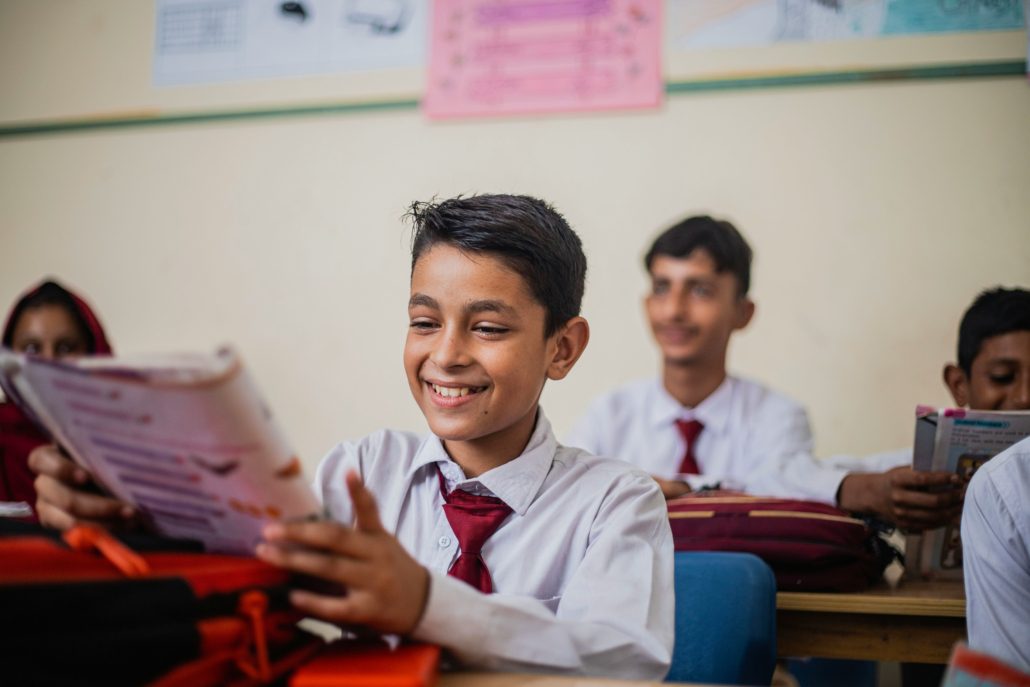
 SDG 4 focuses on quality education, promoting inclusive, equitable and lifelong learning opportunities for all. Pakistan committed to the SDGs in 2015, and since then, it has made efforts to improve the quality of education for its people; however, it continues to face serious challenges due to inequality, the high number of out-of-school children and a lack of resources.
Initial Stages
Since the successful completion of the Millennium Development Goals in 2015, the UN introduced the SDGs, a global call for action that aim to eradicate poverty, protect the environment and ensure peace and prosperity around the world.
In 2016, Pakistan’s parliament officially adopted the SDGs as the National Development Goals. The Ministry of Planning, Development and Special Initiatives internalized the SDGs. The Ministry also included them in the strategic Pakistan Vision 2025 document and established a Planning Commission. The Commission issued a National Framework to achieve its sustainability goals.
Considering Pakistan’s resource and institutional constraints, the government divided the goals into tiers. The initial framework, however, mainly focused on the federal level, with minimal participation from provinces. In both the National and Provincial Frameworks, SDG 4 remained a top-tier priority goal.
Despite initiatives, challenges remain. From gender gap disparities to poor disaster management, factors hinder the basic educational right of children across Pakistan.
School Attendance and Literacy
According to a UNICEF report of Pakistan, ‘’Pakistan stands as the state with the world’s second-highest number of out-of-school children (OOSC) population, with an estimated 22.8 million children aged 5-16 not attending school, representing 44 percent of the age group.’’ Another report, UN Pakistan Annual Report 2021, states that almost 32% of children aged between 5 to 16 are out of school, one of the highest rates globally. Meanwhile, about 53% of those children are girls, signifying the gender inequality in access to education in Pakistan.
Pakistan’s literacy rate did rise to 62.3% ( as per the 2021 consensus), but considering the population growth, around 60 million people remain illiterate. Girls in Pakistan not only have lower enrollment but also have higher dropout rates, especially when they reach adolescence. UNICEF’s National Gender Strategy (2024–2027) also highlights that more than 54% of adolescent girls in Pakistan become pregnant before turning 18, and that child marriage rates are among the highest, both of which halt education.
Literacy rates within Pakistan also show a rural-urban divide, with children in urban areas having higher access to education resources compared to their rural peers. Urban districts like Islamabad (82%) and Karachi (79%) have much higher literacy rates compared to rural districts such as Rajanpur (34%), Thatta (36%), Kohistan (26%) and Dera Bugti (1%), highlighting the disparity in access to education and learning resources between urban and rural areas.
The Effects of Conflicts and Disasters
Conflict and disasters further worsen conditions for education. For example, security and displacement in conflict-affected regions like Khyber Pakhtunkhwa and Balochistan obstruct education.
A very explicit example is the 2014 attack on the Army Public School in Peshawar (A city in the Province of Khyber Pakhtunkhwa), in which militants killed 145 people, mostly children. Gunmen systematically went from class to class and killed children and teachers. Balochistan (Khuzdar) also saw one of the deadliest attacks on a school bus carrying children. Militants killed six and injured dozens.
Systemic gaps in disaster preparedness and crises also affect the educational environment of Pakistan. The 2025 floods disrupted education for 25 million children in Punjab. In Khyber Pakhtunkhwa, the floods destroyed 860 schools, affecting the education of more than 119,000 children.
Steps Toward SDG 4 in Pakistan
The government has taken comprehensive steps towards SDG 4 in Pakistan. In February 2025, the Federal Education and Professional Training (MoFE&PT) ministry, along with UNESCO and the Pakistan Institute of Education, launched the SDG-4 Midterm Review (MTR) Report, which introduced policy reforms, increased investment and data-driven approaches that would reduce regional education disparities and accelerate progress toward SDG 4 by 2030.
In May of the same year, Pakistan and UNDP co-hosted the “Pakistan SDGs Policy Dialogue for Action,” aligning with the Uraan Pakistan economic transformation plan (a roadmap to sustainable growth). This dialogue focused on enhancing institutional coordination, data governance, financing and parliamentary oversight to fast-track SDGs progress.
The government has also adopted strategies to incorporate technology in educational environments. The Education Ministry, in compliance with UNESCO, launched an initiative that set up 40 smart classrooms for 3,000 girls in primary schools of Muzaffarabad, Bagh and Neelam Valley. This initiative also trains 100 teachers in ICT, creates modern learning environments and rehabilitates school facilities.
China is also contributing to the educational development of Pakistan. On May 28th, 2025, the Federal Ministry of Education and Professional Training (FE&PT) and the Tang International Education Group of China signed a Memorandum of Understanding (MoU) to enhance educational infrastructure in Pakistan. The Tang International Education Group will modernize 20 vocational institutes in Karachi by establishing IT and smart laboratories, and will open Centers of Excellence across Pakistan.
The Way Forward
For Pakistan to achieve its targets of SDG 4, a comprehensive approach involving various strategies and initiatives is crucial. A significant increase in public investment in education is essential to addressing infrastructure, ensuring adequate teacher training and providing learning resources. Thus, the collaborative efforts that are in place between Pakistan’s government, civil society and private sector stakeholders can address the challenges in Pakistan’s educational landscape.
– Sidra Tahir
Sidra is based in Rawalpindi, Pakistan and focuses on Technology and Politics for The Borgen Project.
Photo: Unsplash

Updates on SDG 9 in Colombia: Hydrogen, Jobs and Innovation
The 2015 Paris Agreement to reduce the rate of global warming spurred nations into modernizing their energy sources. Part of Colombia’s SDG 9, the Sustainable Development Goal (SDG) of Industry, Innovation and Infrastructure, is a commitment to reducing emissions by 51% by 2030. This is a goal it plans to achieve by transitioning to hydrogen, which it could then potentially export internationally.
Hydrogen, most commonly used in refining, fertilizers and other chemicals, also serves as a low-carbon alternative that could power small appliances and large vehicles alike. Global demand for hydrogen is likely to increase exponentially in the next two decades. Broad international interest, support and investment have the potential to create thousands of jobs to poverty-stricken regions like Cartagena, Colombia.
Close to 10 million people suffer from energy poverty in Colombia, mostly in rural areas like the Amazonía, Chocó and Orinoquía. While hydrogen is not yet an affordable alternative, mass production and naturally-occurring white hydrogen will make it a competitive alternative by 2030.
Progress for the People
The advancement of Sustainable Development Goals (SDGs) promises several benefits to Colombians, particularly the people of Cartagena, where the state-owned company Ecopetrol bases its operations.
Updates on SDG 9 in Colombia
The Colombian government has already taken several steps to advance its SDG 9, which include industry, innovation and infrastructure. As of 2025, there are 36 projects in multiple phases of progress.
Looking Ahead: SDG 9 in Colombia
Colombia has impressed the international community with its unshakeable commitment to produce and implement a low-carbon source of energy. Ecopetrol and several private investors are financing initiatives, building infrastructure and promoting scientific research.
The nation’s natural resources and strategic geographical location may prove advantageous in the race to become a major hydrogen exporter in the coming years. Moreover, the advancement of SDG 9 through the investment hydrogen industry contributes to the creation of more jobs, healthier communities, learning opportunities and overall poverty reduction for Colombians.
– Johanna Lorena Arredondo Gonzalez
Photo: Freepik
HIV/AIDS in Guatemala
HIV/AIDS Has Steadily Been Rising Since 1990
HIV/AIDS has affected the lives of more than 30,000 registered citizens in Guatemala since 1990. In 1990, the case toll was 8,000. However, in 2024, an estimated 33,000 citizens contracted HIV/AIDS. Of this 33,000, around 21,000 men and 12,000 women are living with HIV/AIDS. While homosexuality is legal, laws to protect LGBTQ+ citizens are not comprehensive. This has led to discrimination among LGBTQ+ citizens, which further stigmatizes diseases such as HIV/AIDS. According to Lokal Travel, “Despite legal acceptance, the LGBT community often faces discrimination and, in some cases, violence.” Because of this, having a disease such as HIV/AIDS can not only come with discrimination, but
also violence that could be life-threatening.
Highest Rates of HIV/AIDS
Queer men and transgender women are the most at-risk individuals to contract HIV/AIDS. This is because comprehensive sex education isn’t taught, leading to a lack of protection being used during sex. UNAIDS reports that “ the HIV prevalence rate is 22.2% among the transgender population, compared to 0.2% for the general population.” It also reports that even though rates among the general population for HIV/AIDS are beginning to decrease, transgender women are still contracting the disease at the same rate as before. This highlights the lack of protection transgender women face within healthcare in Guatemala.
Stigma Surrounding HIV/AIDS Testing Is High
Getting tested for HIV/AIDS is crucial to preventing the disease from spreading. If caught in the early stages, HIV can be managed through medication, making the person undetectable to others. However, without testing, the disease will continue to cause havoc within the person’s body. UNAIDS reports that around 47%-73% of transgender women avoid being tested due to the stigma surrounding HIV/AIDS in Guatemala. This stigma can further result in mental health issues such as anxiety and depression, forming within citizens living with HIV/AIDS in Guatemala.
HIV Clinics
According to AIDS Health, AHF has built clinics in Guatemala to help promote citizens being tested for HIV/AIDS. The clinic can offer ARV treatments to those living with HIV/AIDS in Guatemala. This helps those living with HIV/AIDS have access to life-saving treatment without having to pay a fortune. Because of this, over the past years, the clinics have performed more than 600,00 rapid tests across various settings, a monumental achievement that has been able to reduce some of the stigma surrounding HIV/AIDS and allow citizens to feel comfortable being tested and treated.
HIV/AIDS Can Affect Anyone
Miscommunication about HIV/AIDS has been raging since the 1980s. Many people hold false assumptions that only queer men can contract HIV/AIDS. However, they’re excluding a large chunk of the vulnerable population.
According to The MANGUA Project, “HIV prevalence among other vulnerable groups is 18% in people with tuberculosis (TB), 13% in prison populations, and 3.3% among youth at social risk,” showing how people who are in vulnerable positions are equally at risk for HIV/AIDS. This is important to emphasize so that HIV/AIDS can become destigmatized. It can show that anyone can contract HIV/AIDS if they are in an unsafe situation.
– Alexis Thomas
Photo: Flickr
Leading the Stride: How Argentina is Tackling Child Poverty
Economic Reforms With Social Impact
Through bold reforms, Argentina is tackling child poverty by fixing its economy. In 2024, studies showed that 52.7% of children lived in households with incomes too low to cover basic needs. The government has made smart changes to control spending, money printing and prices. These steps help families afford more, have a more stable life and a more predictable environment.
In the second half of 2024, there was a 21% increase in real household income. This allowed families to afford necessities like food, clothing and education. The income boost directly contributed to the drop in child poverty, proving that economic growth can translate to social impact with the help of government-involved policies.
It also signaled a shift in how Argentina’s leadership viewed poverty—not just as an economic issue, but as a human one. By stabilizing the economy, the government created a foundation for social programs to thrive, making delivering aid and services to needy families easier.
Policies That Matter
Economic growth alone wasn’t enough; Argentina implemented social protection policies too. These policies were focused on children and included direct cash transfers, national support and expanded access to education and health care services. Direct cash transfers were given to families to help cover basic needs like food, clothing and school supplies.
These transfers were impactful to low-income households, helping to reduce their vulnerability. Expanded access to health care services ensured children received medical attention and healthy meals. The government also improved schools by increasing enrollment rates and bridging the gap between children from different socioeconomic backgrounds.
According to UNICEF, social protection policies were essential in translating macroeconomic gains into real-life improvements for children. These initiatives were designed not only to alleviate immediate hardship but also to create long-term opportunities. Argentina is tackling child poverty by ensuring families don’t just earn more but live better.
The focus on dignity, access and opportunity has made these policies more than just temporary relief—they are building blocks for a stronger future. New classrooms were built in many regions, teachers were hired and learning materials were distributed to underserved communities. Health care outreach programs also expanded into rural areas, ensuring children in remote locations were not left behind.
The Blueprint
Argentina’s approach offers valuable lessons for other nations grappling with child poverty. It demonstrates that economic reform can create meaningful change when paired with targeted social policies. The country’s success underscores the importance of investing in children—not just as a moral imperative, but as a strategic move to build a more resilient and equitable society.
Looking Ahead
As Argentina continues its journey, it will be challenging to continue moving forward with global economic pressure on it. Long-term success will depend on the continuous investment in education, job creation and growth. Monitoring and adapting policies to meet evolving needs will be key.
If Argentina can sustain its progress, it will become a model for how other countries and economies can tackle poverty through discipline and engagement. For now, the country stands as a powerful example of what’s possible when children’s well-being is at the center of national policy.
– Marissa Schoth
Photo: Flickr
Updates on SDG 4 in Pakistan
Initial Stages
Since the successful completion of the Millennium Development Goals in 2015, the UN introduced the SDGs, a global call for action that aim to eradicate poverty, protect the environment and ensure peace and prosperity around the world.
In 2016, Pakistan’s parliament officially adopted the SDGs as the National Development Goals. The Ministry of Planning, Development and Special Initiatives internalized the SDGs. The Ministry also included them in the strategic Pakistan Vision 2025 document and established a Planning Commission. The Commission issued a National Framework to achieve its sustainability goals.
Considering Pakistan’s resource and institutional constraints, the government divided the goals into tiers. The initial framework, however, mainly focused on the federal level, with minimal participation from provinces. In both the National and Provincial Frameworks, SDG 4 remained a top-tier priority goal.
Despite initiatives, challenges remain. From gender gap disparities to poor disaster management, factors hinder the basic educational right of children across Pakistan.
School Attendance and Literacy
According to a UNICEF report of Pakistan, ‘’Pakistan stands as the state with the world’s second-highest number of out-of-school children (OOSC) population, with an estimated 22.8 million children aged 5-16 not attending school, representing 44 percent of the age group.’’ Another report, UN Pakistan Annual Report 2021, states that almost 32% of children aged between 5 to 16 are out of school, one of the highest rates globally. Meanwhile, about 53% of those children are girls, signifying the gender inequality in access to education in Pakistan.
Pakistan’s literacy rate did rise to 62.3% ( as per the 2021 consensus), but considering the population growth, around 60 million people remain illiterate. Girls in Pakistan not only have lower enrollment but also have higher dropout rates, especially when they reach adolescence. UNICEF’s National Gender Strategy (2024–2027) also highlights that more than 54% of adolescent girls in Pakistan become pregnant before turning 18, and that child marriage rates are among the highest, both of which halt education.
Literacy rates within Pakistan also show a rural-urban divide, with children in urban areas having higher access to education resources compared to their rural peers. Urban districts like Islamabad (82%) and Karachi (79%) have much higher literacy rates compared to rural districts such as Rajanpur (34%), Thatta (36%), Kohistan (26%) and Dera Bugti (1%), highlighting the disparity in access to education and learning resources between urban and rural areas.
The Effects of Conflicts and Disasters
Conflict and disasters further worsen conditions for education. For example, security and displacement in conflict-affected regions like Khyber Pakhtunkhwa and Balochistan obstruct education.
A very explicit example is the 2014 attack on the Army Public School in Peshawar (A city in the Province of Khyber Pakhtunkhwa), in which militants killed 145 people, mostly children. Gunmen systematically went from class to class and killed children and teachers. Balochistan (Khuzdar) also saw one of the deadliest attacks on a school bus carrying children. Militants killed six and injured dozens.
Systemic gaps in disaster preparedness and crises also affect the educational environment of Pakistan. The 2025 floods disrupted education for 25 million children in Punjab. In Khyber Pakhtunkhwa, the floods destroyed 860 schools, affecting the education of more than 119,000 children.
Steps Toward SDG 4 in Pakistan
The government has taken comprehensive steps towards SDG 4 in Pakistan. In February 2025, the Federal Education and Professional Training (MoFE&PT) ministry, along with UNESCO and the Pakistan Institute of Education, launched the SDG-4 Midterm Review (MTR) Report, which introduced policy reforms, increased investment and data-driven approaches that would reduce regional education disparities and accelerate progress toward SDG 4 by 2030.
In May of the same year, Pakistan and UNDP co-hosted the “Pakistan SDGs Policy Dialogue for Action,” aligning with the Uraan Pakistan economic transformation plan (a roadmap to sustainable growth). This dialogue focused on enhancing institutional coordination, data governance, financing and parliamentary oversight to fast-track SDGs progress.
The government has also adopted strategies to incorporate technology in educational environments. The Education Ministry, in compliance with UNESCO, launched an initiative that set up 40 smart classrooms for 3,000 girls in primary schools of Muzaffarabad, Bagh and Neelam Valley. This initiative also trains 100 teachers in ICT, creates modern learning environments and rehabilitates school facilities.
China is also contributing to the educational development of Pakistan. On May 28th, 2025, the Federal Ministry of Education and Professional Training (FE&PT) and the Tang International Education Group of China signed a Memorandum of Understanding (MoU) to enhance educational infrastructure in Pakistan. The Tang International Education Group will modernize 20 vocational institutes in Karachi by establishing IT and smart laboratories, and will open Centers of Excellence across Pakistan.
The Way Forward
For Pakistan to achieve its targets of SDG 4, a comprehensive approach involving various strategies and initiatives is crucial. A significant increase in public investment in education is essential to addressing infrastructure, ensuring adequate teacher training and providing learning resources. Thus, the collaborative efforts that are in place between Pakistan’s government, civil society and private sector stakeholders can address the challenges in Pakistan’s educational landscape.
– Sidra Tahir
Photo: Unsplash
Diseases Impacting Belize: A Story of Progress and Persistence
Poverty and Health in Belize
Since becoming independent in 1981, tourism has become the largest economic driver in Belize. Over the past few years, notable progress has occurred in reducing poverty with incidence rates falling from 36.5% in 2021 to 22.1% in 2024. Despite this, the intensity of deprivation among those still affected remains unchanged.
According to the Health Care Access and Quality Index, Belize ranks 55 out of 100, demonstrating visible gaps in both availability and quality of care. Rural populations in particular continue to face the greatest hardships with poverty rates as high as 67.9%. Currently, 23% of health care spending comes out of pocket, leaving low-income families struggling to gain access to essential medical services.
Strengthening Belize’s Health System
In spite of challenges, Belize achieved notable public health milestones, showing that progress is possible amidst poverty. Along with the rapid containment of the 2025 measles outbreak, the country was officially declared malaria-free in 2023.
The Belize Ministry of Health, in partnership with PAHO/WHO, launched the Strategic Plan 2025-2034 to strengthen the health system and modernize health care. This decade-long plan tackles key public health challenges to reduce diseases impacting Belize. Building on this framework, officials established public health campaigns to prevent dengue and implemented rapid immunization response teams, strengthening the nation’s ability to contain outbreaks.
These initiatives demonstrate progress towards improved health outcomes and malaria and measles are no longer a threat. However, there are several diseases that continue to pose significant concern, highlighting areas where continued efforts are essential.
Top 5 Diseases Impacting Belize
Building on Progress
With diseases impacting Belize still a major concern, efforts to address poverty and expand health care access are vital. The Cornerstone Foundation is currently a key player in those efforts. Through community-driven programs it is:
Despite these efforts, and those of other organizations, challenges remain to reduce diseases impacting Belize. Poverty is a key barrier, restricting access to proper nutrition, clean water and quality medical services. By expanding health care access, improving clinics, training health care workers and strengthening immunization and prevention programs, Belize can build on its progress and success.
Persistence and continued effort are essential to ensure health improvements for all communities. The quick containment of the 2025 measles outbreak reminds us that progress is real. Sustained commitment will bring healthier futures to all Belizeans.
– Tina Kusal
Photo: Unsplash
Whooping Cough Outbreak In South Korea: Vaccination Efforts
Whooping Cough Outbreak In South Korea
Pertussis, or the whooping cough, is a vaccine-preventable infectious disease caused by the Bordetella pertussis bacterium. This infectious disease begins with cold-like symptoms that can develop into more severe symptoms such as a prolonged, uncontrolled cough and vomiting. The cough can last anywhere from a couple of weeks to several months, earning it the nickname “the 100-day cough.”
The KDCA warns that one individual could infect up to 70 others, due to its highly transmissible nature via respiratory droplets. The DTaP vaccine is included in South Korea’s National Immunization Program (NIP), currently scheduled at 2, 4 and 6 months; between 15 and 18 months; between 4 and 6 years; for children aged 11-12; and for all pregnant women, as of 2015. However, immunization efforts have not been able to slow the outbreak, as immunity wanes after two to four years with the current DTaP vaccine.
The 2023 whooping cough outbreak in South Korea began in Gyeongsang Province, primarily linked to transmission in kindergartens, elementary schools and high schools.
Screening and Vaccination Efforts
The KDCA implemented a nationwide screening program for individuals with persistent coughs. In 2024, cases began to surge in four additional regional hotspots. By November 2024, Korea reported its first pertussis-related death since 2011, involving an infant under two months old. In 2025, children and adolescents aged 5–19 accounted for 70% of cases, as pediatric clinics across the country struggled to cope with an overwhelming number of patients. The KDCA currently encourages boosters for children aged 11-12 and all adult/elderly guardians; however, uptake has been low, as the measure has not been fully implemented in the NIP, with only 83% of 11-12 children and less than 2% of adults receiving the booster shot in 2024.
South Korea Rebuilds Health Care System
The whooping cough outbreak comes at a time when the South Korean health care system is under stress from the pandemic, an aging population and the recent medical student strike, which has worsened the current understaffed pediatric and emergency care fields. In February 2024, 10,000 medical students and residents stopped attending classes or submitted resignations to hospitals in protest of the previous administration’s plan to increase medical school admissions from 2,000 to 5,000 as of 2025.
The previous Yoon Suk Yeol administration ordered all medical personnel to resume their duties and medical students to return to classes, threatening penalties for non-compliance. At the time, 8,305 students faced academic consequences and medical staff who continued to strike faced license revocation on the basis of negligence. The 18-month standoff led to procedure postponements and patient backlogs, prompting a mass deployment of military doctors and nurses across the region to fill vacancies.
The drastic increase in admissions, aimed at addressing South Korea’s low doctor-to-patient ratio, was deemed insufficient by the medical students and staff, as it could not address the shortage of doctors in less lucrative fields, such as emergency medicine and pediatrics, or the number of overworked and underpaid doctors across the nation. They further argued that this drastic increase in cohorts would affect the level of schooling received, due to a lack of personnel to teach the additional students.
End of Strike Action
The end of the strike, as of July 2025, occurred under the new Lee Jae Myung administration, where he promised that students and residents could return to school without penalties and re-establish the number of student admissions to its annual target of 3,000 for Fall 2025. On Sept. 4, 2025, the new administration passed the Special Act on Essential and Regional Health Care and the Regional Doctor Training Act, which aim to reform the current health care system. Under the Regional Doctor Training Act, the government would fully cover the tuition of newly admitted medical students, with the promise of employment in a public health institution post-licensure for a specified period.
South Korea Expands Immunization Efforts
In 2020, South Korea joined the Coalition for Epidemic Preparedness Innovations (CEPI), aiming to accelerate the development of vaccines for infectious diseases to prevent a pandemic situation. In 2017, CEPI launched at the World Economic Forum in Davos in response to the 2014–2016 West Africa Ebola outbreak. Its major contributors include more than 30 national governments, the Bill & Melinda Gates Foundation, the Wellcome Trust, the European Commission and private sector partners. CEPI 2.0, part of the 2022-2026 plan, features the 100 Days Mission to develop vaccines against the next Disease X threat within 100 days.
In 2020, the KDCA and the International Vaccine Institute (IVI) joined CEPI’s Centralized Laboratory Network, which entails the collaboration with 20 labs worldwide to evaluate vaccine candidates under uniform protocols. IVI is a U.N.-founded nonprofit, headquartered in Seoul, South Korea, that focuses on developing and delivering vaccines for low- and middle-income countries, with an emphasis on research, training and global collaboration. Since collaborations began, CEPI has allocated roughly $350 million to South Korean institutions, with the government contributing $51 million, strengthening research, international cooperation and South Korea’s infectious disease response systems.
Looking Ahead
The whooping cough outbreak in South Korea highlights the ongoing challenges this and other infectious diseases present, but recent reforms and expanded vaccine research signal progress. The implementation of strengthened health care policies and global collaborations points toward hope for a more resilient country where populations get more protection from outbreaks.
– Elsa van Blokland
Photo: Flickr
Top 3 Causes of Energy Poverty in Cyprus
More than 50% of the population in Cyprus experiences energy poverty. These are the top three reasons for energy poverty in Cyprus and ongoing solutions to bring affordable energy to the island.
Energy Isolation
Cyprus is the only country within the European Union (EU) that is not connected to energy networks. This isolation results in relying on imported fuel to power the country. Because importing fuel is expensive, the energy cost for consumers is high.
About 85% of Cyprus’s energy comes from imported oil and costs 35.7 PPS per 100 kilowatt-hours of electricity. Other countries in the EU pay as little as 14.33 PPS or 15.4 PPS.
Rising Costs of Living
Energy poverty in Cyprus is worsened by the high cost of living relative to the average monthly salary. More than half of Cypriots earn less than $2,214 per month, while apartment rental costs range from $821 to $1,994.
After covering expenses such as groceries, health insurance, car payments and student loan debt, little remains in household budgets for high electricity bills. Nearly 20% of Cypriots report being unable to afford to heat their homes.
Poorly Insulated Houses
Most homes and apartments are not properly insulated, creating difficulties in heating and cooling those spaces thoroughly. Electric bills are inevitably higher if homes cannot properly maintain a comfortable temperature without constant heater or air conditioning system interference.
Continuous use of heating or cooling systems also increases the wear and tear on those devices, leading to added repair costs. Health issues may arise for those who cannot afford to heat or cool their homes properly. Heat exhaustion, dehydration and even asthma attacks are possible.
Solutions to Energy Poverty in Cyprus
The Cypriot government is making progress toward solving energy poverty in Cyprus. It is also working to reduce the price of electricity through the Great Sea Interconnector and the Solar Energy for All Program. The Great Sea Interconnector is designed to electronically connect Cyprus, Greece and Israel to share power grids and access.
This plan would lower the price of electricity and reduce dependence on imported fossil fuels to meet energy needs. Electricity bills in Cyprus are expected to decrease significantly. Providing an accessible path to clean, renewable energy and eliminating Cyprus’s energy isolation will improve the quality of life for Cypriots.
The submarine electrical connection is anticipated to be one of the largest power transmission projects in the world. Cyprus will first be connected with Crete, a Greek island. After that connection is built, Israel will be linked in. The project is on track to be completed by the end of 2025.
The Solar Energy For All program assists with the funding necessary to install solar panels. With a budget of more than $35 million, the program will help 6,000 individuals afford the installation. Using solar panels will reduce reliance on imported oil, along with the price of electricity for users.
With both the Great Sea Interconnector and the Solar For All Project, the electrical costs for Cypriots will undoubtedly decrease soon.
– Sydney Uhl
Photo: Flickr
China’s Investment in Rwanda and its Agricultural Future
Malnutrition
Malnutrition occurs when a person does not receive the nutrients their body needs, either due to insufficient food intake or a lack of essential vitamins and minerals. It can lead to stunted growth in children, weakened immune systems, increased risk of disease and, in severe cases, death. Malnutrition is especially dangerous for pregnant women and young children, as it can cause irreversible developmental problems.
According to the World Health Organization (WHO), Rwanda’s average life expectancy is 67.5 years. This is nearly 10 years shorter than in the United States, which is at 76.4 years and 17 years less than in Japan, where life expectancy reaches 84.5 years, one of the highest in the world. Studies show a strong link between improved nutrition and increased life expectancy, suggesting that access to adequate nutrition could significantly improve health outcomes in Rwanda.
Rwanda has naturally fertile land due to its nutrient-rich volcanic soil, and more than half of its territory is classified as arable. Despite this agricultural potential, the country still depends heavily on food imports, with food products making up more than 20% of total imports. This dependency contributes to high food costs and limited access to nutritious food, especially in rural areas. To reduce food insecurity and malnutrition, Rwanda must better utilize its land by expanding agricultural infrastructure and supporting local farmers.
China’s Involvement
In January 2025, Rwanda and China signed a $40 million agreement to finance the Giseke Dam and Irrigation Project in the Gisagara District. This project is a recent example of China’s investment in Rwanda and its growing role in supporting development across key sectors. Designed to irrigate 2,640 hectares of farmland, the project could provide consistent water access for agriculture, enabling farmers to produce food year-round and improve crop variety.
More than 900 farming households could benefit directly from the project, while local markets could see increased food supply and affordability. The resulting growth in agricultural productivity is expected to help stabilize food availability, improve nutrition, and lift communities out of poverty. China’s investment in Rwanda not only supports food security but also strengthens local economies by enhancing self-sufficiency.
This initiative aligns with Rwanda’s Second National Strategy for Transformation (NST2), which prioritizes sustainable agriculture and climate resilience. Funded through a concessional loan, the Giseke project reflects China’s investment in Rwanda as part of a broader partnership aimed at long-term, mutually beneficial development.
Rwanda’s struggle with malnutrition is tied to poverty and underused agricultural potential. Projects like the Giseke Dam, supported by China, show how investment in local farming can improve food security, boost nutrition, and support long-term development.
– William Brentani
Photo: Flickr
Working with Refugee Resettlement Sites
The Borgen Project spoke with a volunteer who has worked as the lead of a community sponsorship site for the past two years about her experience working with the families and leading a team of volunteers. As a student and somebody who works with individuals with varying levels of immigration status, they did wish to remain anonymous. Asking her about her experience working with newly arriving families, specifically from Haiti and Cape Verde, at a location that focuses on refugee resettlement and integration into the community.
Refugee Resettlement Camps
Resettlement happens when a conflict prevents refugees from being able to go home or they’re living in conditions that are dangerous or aren’t meeting their needs. Formerly, the United Nations Human Rights Council (UNHCR) defines resettlement as the transfer of refugees from an asylum country to another state that has agreed to admit them. Often, resettlement requires the participation of many different agents, including different states, nongovernmental organizations (NGOs), the International Organization for Migration (IOM), civil society and the communities that the refugees are relocating to.
Working with Refugees
The Borgen Project spoke with a volunteer about her experience working at a refugee resettlement camp for the past two years, asking what she does during her volunteer hours and what it is like working with the people there. The particular site they worked with was set up as a temporary housing facility for refugees coming into the area so that they could start to look for jobs. Their children, if they had any, could get acclimated in the school system and they could participate in English workshops.
“During my past two years at this resettlement location, I’ve primarily worked with the children at the site, which has been a very fulfilling and insightful experience. Most of the families coming to this site are coming from Haiti and Cape Verde, meaning that, along with being in a new environment, there is a language barrier as well. The kids I’ve been working with speak a mix of French, Spanish, Portuguese and Creole while trying to learn English. Something I’ve been the most impressed by is how quick the kids, in particular, are able to learn English.”
Residents spend afternoons hanging out and playing with the kids. On some days, they are outside playing soccer or basketball. On other days, they are helping out with homework. “The kids at these sites are amazing, always looking out for their siblings and the other kids there. While some days are tougher than others, putting it into perspective, these kids are living in one-bedroom, one bathroom suites with their entire families, with other families next to and across the hall from them.”
The Reality of Refugee Resettlement
Refugee resettlement is hard and the majority of refugees have made long journeys under tough circumstances and it takes a lot of support to get to a stable position. Organizations like Catholic Charities are just one example of NGOs that invest resources with the intent of helping refugees find a community that welcomes them with open arms.
There are many aspects of the resettlement process and supporting and creating a space for the children is often an overlooked part of the process. Working with families, specifically the kids upon their arrival and helping them adjust, as well as being an outlet for them, is incredibly important but does not get as much recognition. Refugee resettlement also involves many critical components, including the legal work required for families and individuals. While volunteers at resettlement sites may not always contribute to the legal needs of refugees, donating their time and skills has proven to be just as valuable.
Looking Forward
Going forward, refugee resettlement remains an essential service supported by numerous NGOs and dedicated volunteers. People around the world face resettlement for many reasons and they often encounter linguistic, economic, cultural and legal challenges when they arrive. Through the work of NGOs, refugee resettlement programs provide the support needed to help individuals and families adjust and thrive in a new environment.
– Olivia Peters
Photo: Flickr
Everything You Need To Know About Poverty in Malaysia
Current Poverty Landscape
Who Is Being Left Behind?
Root Causes of Persistent Inequality
Government Strategies and Frameworks
How Global Advocates Can Help
Conclusion
Malaysia’s battle against poverty has made remarkable progress. Yet, systemic inequities continue to constrain its most vulnerable citizens, particularly within Indigenous communities. By advocating for updated poverty measurement, better policy implementation and inclusive participation, global partners such as nonprofit organizations can support Malaysia in translating its commitment to shared prosperity into real change. This also helps ensure that no one is left behind.
– Paige Javor
Photo: Flickr