Migration to Guatemala: The Struggle of Deported Migrants
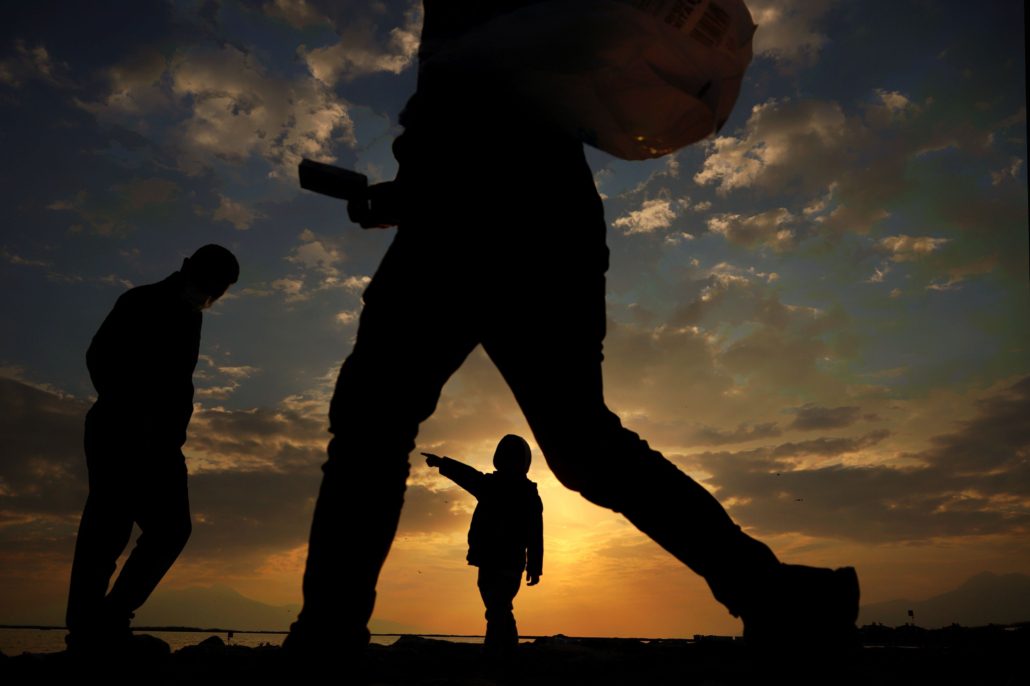 Since the beginning of this year, the American immigration authorities have forcibly returned more than 24,000 Guatemalans to their homeland after years of building lives in the United States. For most, the trip back home represented a tragic end to their pursuit of the American dream. However, repatriation is only the beginning of their struggle, as the return is often the first chapter in the broader story of unwanted migration to Guatemala and the challenge of reintegration in a country still suffering from the very issues they fled.
Such is the story of Marvin, who lived for 20 years in the United States – where he left behind a wife and children – and now struggles to make ends meet in Guatemala, despite having owned a successful business before his deportation. Then there is Hector, a former manager in a larger American company. Having crossed the border as an infant, he spent his entire life in the U.S. before a prison stint led U.S. officials to deport him to a foreign homeland. Data and statistics often obscure individual stories like theirs. Stark examples of the struggle that Guatemalan deportees face as they try to rebuild their lives.
The Labor Barriers
When deportees land at La Aurora International Airport, government officials receive them with snacks and beverages, before leading them into an office for a quick medical check. For the vast majority, this is the only form of support they will know. Once they leave the reception gates, they must fend for themselves.
For people like Hector and Marvin, the immediate struggle is to integrate into a low-income economy where skilled individuals often struggle to find work that fits their profile. The structural constraints are the result of a scarcity of high-productivity jobs and a mismatch between the skills acquired abroad and the domestic demand. This results in inactivity levels in the returnee population that reaches 50.3% in rural areas and 45.7% in urban areas.
Most of the deported population – 79% – are working-age men who are unable to find a stable job in a country where 68% of employment remains informal. Economic necessity often forces them to rely on low-paid, temporary and informal work in construction and agriculture.
For female deportees, reintegration can be more challenging, as they must navigate gender-based discrimination regarding women’s role in society, particularly in rural communities. For children, the experience can be traumatic, having been pulled from the only life they knew while facing the harsh realities of an underfunded education system and enduring child labor.
The Social Struggle
Some deportees must face the social stigma that comes with deportation. After years spent abroad, many struggle to reconnect on a social and cultural level while their own communities often stigmatize them, leading to social isolation.
Exposure to Guatemala’s endemic violence also threatens returnees. Street gangs often extort them under erroneous assumptions that they possess wealth. In the worst case, deportees borrowed money from usurers in order to pay smugglers, meaning that upon their return, they remain in debt with dangerous human trafficking networks, while being unable to earn a stable living due to the country’s economic conditions.
The Institutional Gaps
For most migrants, rebuilding their life in those conditions is like climbing a steep mountain of economical and social hardship. Historically, there has been an institutional vacuum regarding migration to Guatemala, reflected in the lack of coherent policy and long-term reintegration strategies, especially regarding deportations. For the affected population, this means an absence of support in areas such as employment, housing and mental health.
Following the tightening of immigration policies in the United States, Guatemalan President Bernardo Arévalo announced in January 2025 the launch of a program designed to assist deported migrants upon their arrival. Known as “Plan Retorno al Hogar,” it is intended to provide immediate assistance to deportees, ensure individualized support, and connect them with services such as healthcare and education, as well as job opportunities or training programs.
However, the actual impact of the program remains questionable. In a document that Pop No’j shared with The Borgen Project – a Guatemalan association working closely with returned migrants – the organization noted that since its implementation, no noticeable changes have been observed beyond the basic reception and the creation of a registration center in Guatemala City. In their view, state support remains limited, failing to adapt to the returnee’s changing profile, now including entire families and individuals who have spent their entire lives abroad.
How Civil Society Is Filling the Void
The vacuum the government left has pushed grassroots organizations and civil society groups to fill in the gaps regarding return migration to Guatemala. Pop No’j, for instance, provided support to more than 400 returned migrants in indigenous regions between 2021 and 2024, focusing on some of the country’s most vulnerable and marginalized populations.
Similarly, organizations like Casa del Migrante, originally founded to assist the displaced population during the Guatemalan civil war, have expanded in order to meet the current needs of migrant communities. Today, Casa del Migrante provides help for transient migrants, as well as deportees.
The work of these civil society organizations and individuals shares a common holistic approach. According to Pop No’j, it offers not only economic and social reintegration support, but also legal counsel. Its efforts are also focused on coordinating with other organizations and state institutions as much as possible.
Support comes also from social initiatives that stem from concerned citizens. Such is the case with la Red, a restaurant and cultural center located in Guatemala’s second-largest city, Quetzaltenango. Willy Barreno, a chef and former migrant, founded it upon his return, in an effort to create employment opportunities for returned migrants, and teaching locals some of the skills he learned abroad.
Looking Ahead
Reintegration remains a struggle for deported Guatemalans. In light of the recent developments, the government responded with a program to assist returned migrants, with the results yet to be seen. Meanwhile, deported Guatemalans will always find a safety net in the solidarity of their fellow citizens.
– Mateo Montes Asturias
Mateo is based in Montpellier, France and focuses on Politics for The Borgen Project.
Photo: Pexels
