HPV Vaccination in Pakistan Reaches 9 Million Girls
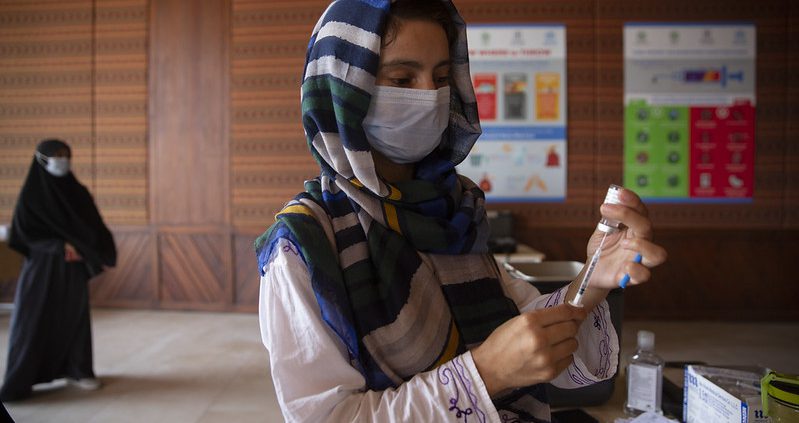 In its first phase in 2025, Pakistan carried out the largest single human papillomavirus (HPV) vaccination campaign any country has ever conducted, reaching more than 9 million girls aged 9 to 14. The drive targets cervical cancer, a disease that kills eight women every day in Pakistan and falls hardest on the poor. HPV vaccination in Pakistan now stands as one of the most ambitious women’s health interventions in the country’s history, and a rare example of prevention reaching girls before a disease ever takes hold.
A Cancer of Inequality
Cervical cancer is one of the most preventable cancers, yet it remains one of the deadliest for women in low-income settings. Globally, cervical cancer caused about 350,000 deaths in 2022, and roughly 94% of those deaths occurred in low- and middle-income countries, a gap that reflects unequal access to vaccination, screening and treatment. The disease is driven by the human papillomavirus, and a vaccine given in early adolescence prevents most cases.
In Pakistan, the burden is heavy. Cervical cancer affects more than 5,000 women each year and kills around 3,200 of them. Screening and treatment remain concentrated in cities and private clinics, which places them out of reach for many rural and low-income women. For families living close to the poverty line, a late cervical cancer diagnosis can mean both the loss of a mother and catastrophic medical costs. Vaccinating girls early offers a way to interrupt that cycle before it begins.
The Largest Campaign of Its Kind
Pakistan launched the campaign on Sept. 15, 2025, through the Federal Directorate of Immunization, in partnership with Gavi, the Vaccine Alliance, United Nations Children’s Fund (UNICEF) and the World Health Organization (WHO). The first phase covered Punjab, Sindh, Pakistan-administered Kashmir and Islamabad Capital Territory, with a goal of vaccinating at least 90% of 13 million eligible girls aged 9 to 14.
More than 49,000 health workers, most of them women trained with WHO support, delivered the vaccine in schools and communities. By early 2026, WHO reported that HPV vaccination in Pakistan had reached more than 9.6 million girls, although the agency notes that official coverage figures will not be confirmed until later in 2026. A single dose of the vaccine prevents most cases of cervical cancer, making the intervention one of the most cost-effective in global health.
Reaching the Hardest Places
Delivering the vaccine at this scale was not simple. Officials at the Federal Directorate of Immunization noted that severe flooding and displacement complicated the rollout, yet the campaign still reached close to 70% of its target. Vaccine hesitancy posed another barrier. To counter misinformation, Federal Health Minister Syed Mustafa Kamal had his own daughter vaccinated publicly, after which refusal rates fell and acceptance climbed in many districts.
The phased design reflects where the need is greatest. The poorest and most remote regions are scheduled for later rounds, with Khyber Pakhtunkhwa due in 2026 and Balochistan and Gilgit-Baltistan in 2027. Balochistan is Pakistan’s poorest province and Khyber Pakhtunkhwa also ranks well above the national average on poverty, and both carry limited health infrastructure. With about 22.5% of Pakistanis living below the national poverty line in fiscal year 2025, it is the households in these hardest-to-reach provinces that the later phases must serve.
What Comes After Vaccination
Vaccination is only the first of the WHO’s three targets for eliminating cervical cancer, known as the 90-70-90 goals: vaccinating 90% of girls, screening 70% of women and treating 90% of those who need it. Screening is where the gap is widest. In low- and middle-income countries, only about 19% of eligible women undergo screening, compared with far higher rates in wealthy nations. Pakistan has made a strong start on vaccination, but screening and treatment for the millions of women already past vaccination age remain limited, and sustaining the gains will require investment well beyond a single campaign.
Looking Ahead
HPV vaccination in Pakistan will not, on its own, eliminate cervical cancer. The country still needs accessible screening and affordable treatment, especially for poor and rural women who have the least access to both. Even so, protecting more than 9 million girls in a single campaign is a concrete step toward breaking a cycle in which a preventable cancer and household poverty reinforce each other. If the later phases reach the girls in Pakistan’s poorest regions, a disease that has long tracked inequality could begin to lose its grip.
– Amna Al Harrazi
Amna is based in Dubai, UAE and focuses on Good News and Global Health for The Borgen Project.
Photo: Flickr
