Addressing the Gender Pay Gap in the Gambia
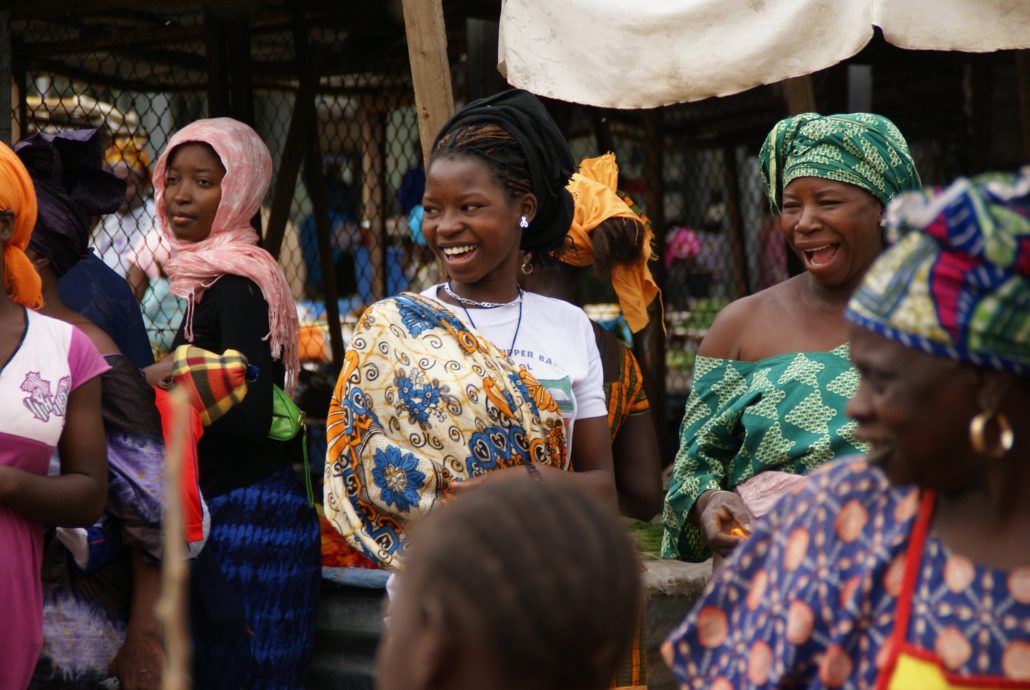 The Gambia is a small nation nestled in the vicinity of the much larger Senegal, and its population thrives along the banks of the Gambia River. The country faces multiple problems of inequality, with the gender pay gap in the Gambia remaining one of the most persistent challenges. According to the United Nations Population Fund, the wage gap between males and females was almost 65% in 2022, ranking amongst the lowest in Africa and the world.
Women earn approximately $700 less than men. This means there is a higher chance for women to be in poverty than men, especially since the COVID-19 restrictions. In Gambia, women tend to work in the informal sector. This can range from working in the hospitality and tourism sector in urban areas to the agricultural sector in rural areas, where they constitute 50% of the workforce.
What Is the Gambia Doing Right?
- The Gambia, despite struggling with poverty, keeps its unemployment rate quite low, and the rate is only 5.8% in comparison to 7.2% for men. This improvement has expanded economic opportunities for Gambian women and increased their access to income.
- Gambian women now hold almost 30% of managerial and middle-management positions, reflecting this progress, which is significantly higher than in countries with higher literacy rates, such as Egypt. This share continues to rise as Gambia relies less heavily on agriculture.
- Improvements to Gambia’s education sector have driven greater female employment, leading to a literacy rate of 50.8% amongst women, in comparison to men at only 41.6%. This includes women outperforming men in increasing their reading and mathematics proficiency.
Where Is the Gambia Struggling?
- Informal Sector: While Gambia has improved female employment rates, according to the LFS, in reality, about eight out of 10 women worked in the informal sector, which widened the gender pay gap because men dominated higher-paying white-collar jobs.
- Financial Sector: As the IMF noted, only 2% of women hold bank accounts in contrast to 8% of men. Gambian women have a low rate of financial literacy and use of financial services, including loans for businesses. Limited access to financial services has restricted women-led businesses and startups across the country.
- Government Sector: While local governments have improved female representation, the central government and parliament still persist in a massive imbalance. The underrepresentation of women in politics weakens efforts to implement policies that reduce the gender pay gap.
- Global Events: The COVID-19 pandemic and the war in Ukraine have widened gender pay gaps. These crises directly affected nine out of 10 working women in the informal sector, especially in the tourism sector. Agricultural uncertainty also prevents many women from achieving optimal productivity.
- Inflation: Rising living costs highlight gender inequality by forcing many women to remain financially dependent on men. This exposes the reality of the unequal divide between the genders, as living costs force women to remain dependent on men.
Solutions
In 2024, the Ministry of Gender, Children and Social Welfare announced a 10-year plan to increase the pace of removing gender inequality, with the gender pay gap in Gambia being at the forefront of the plan. The government plans to implement the strategy between 2025-2034.
In 2025, the Ministry launched a popular program in partnership with the UNDP called the Gender Equality Seal for Public Institutions. The program focuses on improving educational opportunities and workplace equality. It connects public institutions to other similar establishments around the world and prepares them to improve their inclusivity and accessibility skills for women.
The Path Ahead
High fertility rates among young women, driven by low female school enrolment, keep many Gambian women out of the workforce and contribute to pay inequality. Improvements in education have helped reduce fertility rates among young women.
There is a chance to reduce gender pay gaps by only provisioning better educational resources, such as the construction of new schools, and giving them access to basic school supplies.
Similarly, child marriage has been a persistent issue in Gambian society, but a higher educational rate amongst girls and even boys has led to improvement in changing perspectives and an increasing rate of marriages after the age of 18.
This shows that there is a chance for tackling the gender pay gap in the Gambia if there are some basic provisions of education and opportunities for young girls.
– Tanay Ashok Sonthalia
Tanay is based in Melbourne, Australia and focuses on Politics for The Borgen Project.
Photo: Pixabay
