• Link to X
  • Link to Facebook
  • Link to Instagram
  • Link to TikTok
  • Link to Youtube
  • About
    • About Us
      • President
      • Board of Directors
      • Board of Advisors
      • Financials
      • Our Methodology
      • Success Tracker
      • Contact
  • Act Now
    • 30 Ways to Help
      • Email Congress
      • Call Congress
      • Volunteer
      • Courses & Certificates
      • Be a Donor
    • Internships
      • In-Office Internships
      • Remote Internships
    • Legislation
      • Politics 101
  • The Blog
  • The Podcast
  • Magazine
  • Donate
  • Click to open the search input field Click to open the search input field Search
  • Menu Menu

Tag Archive for: USAID

Information and news about mobile technology

Posts

Global Health

Problems with Healthcare in Ukraine

Healthcare in UkraineThe quality of healthcare in Ukraine is under debate as the country remains in the midst of a war with Russia. Citizens are also paying immense expenses out of pocket.

According to Ukrainian law, healthcare is free. However, this is not the reality that many of the country’s citizens experience when seeking medical treatment. Instead, a recent poll suggested that only 10% of patients were able to afford treatment. People all around Ukraine are avoiding going to the hospital for lack of proper funds.

Problems Contributing to Ukraine’s Healthcare System

There is no universal healthcare system in place. After gaining its independence in 1991, Ukraine did not properly create a healthcare system that would guarantee its citizens free access to treatment. Many citizens who may have received care when the nation was part of the Soviet Union are now unable to.

Medical professionals are receiving incredibly low pay. While the average monthly salary in the country is approximately 389.14 USD, the average doctor in Ukraine will receive between 140 and 280 USD per month. Other medical professionals will likely make even less. This has resulted in many Ukrainian doctors seeking employment outside of the country after receiving their degree.

Government leadership for healthcare in Ukraine has been changing so frequently that the citizens lack belief in growth. In their 29 years of independence, Ukraine has seen 21 Ministers of Health. Additionally, the current acting Minister of Health, Uliana Suprun, is Ukrainian by descent. However, she was born in America, which some citizens find concerning.

Corruption is rampant within the system. Doctors have acknowledged a system of nonofficial payments. However, it is understood that without them, healthcare in Ukraine would collapse. Therefore, there are relatively few Ukrainian citizens able to pay under the table, while the others simply hope for recovery.

A Nation at Risk

Without a stable or affordable healthcare system, the health of Ukrainian citizens is severely at risk. This is affecting the nation as a whole. For example, the country’s life expectancy of 71.6 years falls well below that of the average for Europe and Central Asia, which is 78 years. Also, as of 2016, the probability of dying between 15 and 60 years for males was 26.4% but only 9.8% for females.

Physical and Mental Health

A large portion of Ukrainian citizens is also battling tuberculosis and HIV/AIDS compared to other Eastern European countries. A significant barrier to the treatment of tuberculosis in the country is the high percentage of citizens experiencing multi-drug resistant tuberculosis. However, agencies across the United States including USAID are working to contain the spread of the disease.

Another critical concern to consider is the mental health of Ukrainian citizens affected by the Russo-Ukrainian war. The war has been ongoing since 2014. It primarily affects the eastern side of Ukraine with more than 10,000 civilian deaths and 1.5 million displaced citizens. There is currently very little structure in place to treat mental health conditions within Ukraine. Therefore, mental health became another primary focus of the USAID.

Although the outlook of healthcare in Ukraine appears bleak, some citizens have faith in recent government movements. President Petro Poroshenko stepped into the Ukrainian office in 2014. He proposed healthcare reform centered around increasing medical professional pay and dissolving corruption within the system. This reform along with the Minister of Health spur hope in many who feel they have waited too long for change.

– Aradia Webb
Photo: Pixabay
August 6, 2020
https://borgenproject.org/wp-content/uploads/borgen-project-logo.svg 0 0 Kim Thelwell https://borgenproject.org/wp-content/uploads/borgen-project-logo.svg Kim Thelwell2020-08-06 13:07:282020-08-07 05:04:30Problems with Healthcare in Ukraine
Global Poverty

Improving Healthcare in Burkina Faso

Burkina Faso's Healthcare System
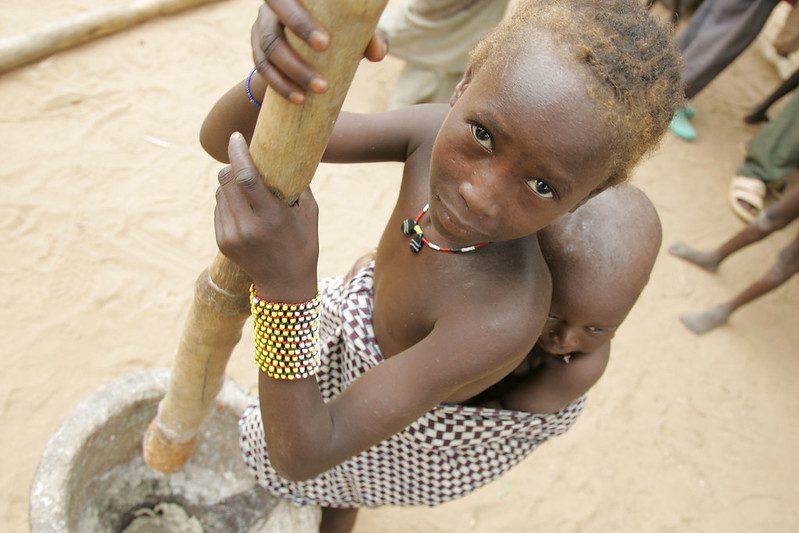
Healthcare in Burkina Faso is not often in the eye of the media. War and violence have heavily affected the country and taken a toll on its healthcare system. Due to the escalation of violence and lack of financial means, roughly 1.5 million people have seen a significant reduction in their access to healthcare since 2019.

Funding and Outcomes

Violence is not the only problem that affects Burkina Faso’s healthcare system. Healthcare in Burkina Faso also suffers from a past and present lack of financial means to hire healthcare workers. The 5% government funding towards the healthcare system reflects this, which was $82 per person as of 2016. To compare, the United State’s government funding is at 17.7% and Canada’s is 11.6%.

The inability to hire experienced medical personnel has lead to less than one physician per 10,000 people, 3.57 nurses per 10,000 people and 2.39 midwives per 10,000.

This lack of experienced medical personnel strongly affects the outcomes of Burkina Faso’s healthcare system. For example, the minimum accessibility to midwives has led to a 21/1,000 stillbirth rate. Burkina Faso’s healthcare system also has a 49% chance of infant mortality.

Access to Resources

Though war and violence have put a strain on Burkina Faso’s healthcare system, there is also the issue of an inability for households to access resources. More than 45% of Burkina Faso’s population lives on less than $1.25 per day, and as a result, many are not able to afford and access proper food and water. The fact that 10.4% of children under 5 suffer from acute malnutrition illustrates this. Acute malnutrition is a form of undernutrition that can range in severities and cause growth stunting. This affects 30.2% of children in Burkina Faso.

Additionally, there are roughly 3 million people in Burkina Faso who cannot access improved water sources, which causes many digestive issues as well as dehydration. Another issue that Burkina Faso’s healthcare system has to bear is poor sanitation. Poor sanitation can lead to increased transmission of diseases. For example, only 22% of people have access to a toilet, which causes over 2,800 childhood deaths per year for children under 5.

Overall, the low individual income for the citizens of Burkina Faso acts as a barrier between them and healthcare. The fact that healthcare in Burkina Faso does not receive the necessary funding to hire experienced medical personnel, purchase quality products and afford and access technology negatively impacts the quality of care that each individual obtains.

Work to Improve Healthcare in Burkina Faso

Though Burkina Faso’s healthcare system has a long way to go, the United States and the rest of the world have been providing aid. For example, USAID is currently granting amazing services to Burkina Faso in the form of efforts to alleviate child hunger, provide malaria treatment and implement prevention programs targeting children under 5 and pregnant women. As one of the largest donors in the fight against malaria, the United States has contributed to a 62% reduction in mortality from it over the past five years.

In 2018, the World Bank approved an $80 million International Development Association grant and $20 million from the Global Financing Facility (GFF) in Support of Every Woman, Every Child. This money went toward supporting government efforts to increase accessibility and quality of health services in Burkina Faso.

Burkina Faso’s Efforts

Health minister Nicolas Meda has been working to achieve improvement to Burkina Faso’s healthcare system. In 2018, he welcomed the support of the Burkina Faso Reference Group. With the help of the group, the government identified four main goals it wished to achieve; expanding the current access to family planning, ensuring proper food and nutrition, eliminating infectious disease and revitalizing primary healthcare. Meda also wants to limit the household spending on healthcare to 20% instead of its 32% average which could increase households’ abilities to spend money on food, education, etc.

Global Context

Burkina Faso is a country that highlights the importance of foreign aid and healthcare protections. Without U.S foreign aid, the state of Burkina Faso’s healthcare system could be much worse than it is today. Through continued efforts, healthcare in Burkina Faso should continue to improve.

– Hope Arpa Chow
Photo: Pixabay

August 5, 2020
https://borgenproject.org/wp-content/uploads/borgen-project-logo.svg 0 0 Kim Thelwell https://borgenproject.org/wp-content/uploads/borgen-project-logo.svg Kim Thelwell2020-08-05 13:49:202024-05-29 23:22:16Improving Healthcare in Burkina Faso
Food Insecurity, Foreign Aid, Global Poverty, Refugees

Innovative Ways to End Hunger in Niger

Hunger in Niger
About 20% of people in Niger are food insecure due to a growing population, regional conflict and environmental challenges. Though that percentage is rising, international organizations and governments are finding innovative ways to end hunger in Niger.

Threats to Food Security in Niger

According to the World Bank, Niger’s population is increasing annually by 3.8%, well above the average for countries in Sub-Saharan Africa. Coupled with a large number of refugees from countries like Mali and Nigeria, an extremely high birth rate is driving Niger’s population growth and ultimately causing food resources to become scarce.

As a result of the conflicts on the borders of Mali and in the Lake Chad Basin, an influx of refugees has migrated to Niger. Further, these regional conflicts have caused widespread displacement among Nigerien citizens domestically, resulting in a major displacement crisis. According to the Norweigan Refugee Council, Niger’s displacement crisis is severe and worsening from the lack of international aid and media coverage. Because food resources are scarce, this displacement crisis is intensifying hunger in Niger.

In addition to the upsurge in Niger’s population, environmental challenges pose a threat to food security. Niger experiences an annual dry or “lean,” season where a lack of rainfall limits crop production and thus lowers the availability of food. A dry season is regular and Niger’s people expect it; however, in the past 20 years, rainfall and temperature have become increasingly irregular, causing more severe food shortages. Nigerians are concerned that desertification and rising global temperatures will only extend and intensify the dry season, disrupting the livelihoods of the majority of rural Nigerien households that rely predominantly on agriculture to survive.

Although food insecurity affects all types of Nigerien communities, it more heavily affects two demographic groups: women and children. Women and children in Niger are more likely to experience malnourishment, which leads to higher rates of anemia. According to the World Food Programme, estimates determined that 73% of Nigerien children under the age of 5 and 46% of Nigerien women are anemic.

The International Community’s Role in Ending Hunger in Niger

Countries like the United States are supporting programs like the World Food Programme, Mercy Corps and Doctors Without Borders to relieve both the immediate and long-term effects of food insecurity in Niger. Each organization takes unique approaches to end hunger in Niger.

The World Food Programme, for instance, focuses on land rehabilitation programs that provide food and financial aid to families who are trying to recover unproductive farmland. The hope is that healthy land will allow agriculture in Niger to be prolific in the future.

Mercy Corps works with mostly Nigerien citizens on projects that encourage people in Niger to diversify their livelihoods in order to ensure that families have several opportunities to earn income in the event that climatic shocks should continue to stunt the agricultural industry. It helped more than 130,000 people in Niger in 2018.

While the World Food Programme and Mercy Corps focus largely on developing a self-sufficient Nigerien economy, Doctors Without Borders works to alleviate the immediate consequences of hunger in Niger by treating acute malnutrition, especially in children. The organization provided 225 families with relief kits in Tillabéri.

While regional conflict, a rapidly growing population and unpredictable weather further food insecurity in Niger, the international community is seeking a multidimensional solution to stimulate the Nigerien economy, end hunger in Niger and help communities flourish.

– Courtney Bergsieker
Photo: Flickr

August 4, 2020
https://borgenproject.org/wp-content/uploads/borgen-project-logo.svg 0 0 Kim Thelwell https://borgenproject.org/wp-content/uploads/borgen-project-logo.svg Kim Thelwell2020-08-04 11:53:492024-05-29 23:18:44Innovative Ways to End Hunger in Niger
Global Poverty

6 Facts About Peru’s Healthcare System

Peru's Healthcare System
In the past 20 years, the South American country of Peru has undergone a drastic healthcare reform. The country’s population can more easily access quality healthcare, decreasing the national rates of malnutrition and several causes of mortality. However, Peru still spends less than 3% of its GDP on healthcare and the system has been defunded for the past few years. Peruvian healthcare also suffers from core issues that have prevented rural impoverished regions from receiving the benefits of the country’s healthcare reform. Here are six facts about the current state of Peru’s healthcare system.

6 Facts About Peru’s Healthcare System

  1. Decentralization: The structure of Peruvian healthcare is decentralized, meaning the system is comprised of a combination of public and private organizations. Five entities work to administer healthcare throughout the country: The Ministry of Health (MINSA),  Armed Forced (FFFA), National Police (PNP), EsSalud and the private sector. Decentralization has caused issues with communication that have increased medication costs and impeded understanding of the care patients receive between health provider entities (such as current medications a patient is taking or their medical history). Consequently, progress in designing a better healthcare system and in the reform of universal healthcare has focused on centralizing these five entities.
  2. Maldistribution: Though the statistics for national health have projected country-wide progress in healthcare accessibility, rural areas of Peru suffer from lack of resources and are excluded from the reform of Peru’s healthcare system. Rural areas in Peru have the slowest national poverty reduction rates and suffer from a severe lack of healthcare funding. The 28% of Peruvians that live in these rural areas, including the Andean and Amazonian regions, have limited access to healthcare professionals and the medical resources that they need. Because of this inequity, the Ministry of Health in Peru created health policy guidelines in the “Institution Strategic Plan 2008-2011” that focus on improving rural health care through universality, equity and social inclusion.
  3. Underserved populations: The maldistribution of resources is especially problematic, as it keeps Peru’s healthcare system from reaching indigenous populations. The lack of resources getting distributed to these regions causes problems for the access and treatment of populations like the women of Asháninka, an indigenous group that lives in central Peruvian rainforests and has a population of around 45,000 people. For an Asháninka woman to access a hospital they must develop trust for healthcare providers and overcome both distance and the cost of medication. The healthcare providers who are able to see an indigenous woman are often unable to keep their trust due to the poor quality of treatment or long waiting time for test results. The limited number of healthcare providers in these regions have few resources and are often unable to see all of the patients that request care.
  4. Reform: Peru’s government has taken major steps to create a universal healthcare system. The most momentous changes are the results of legislation signed in the past 20 years. Specifically, the Framework for Universal Health Coverage adopted in 2009 and 23 pieces of legislation passed in 2013 quickly effected change by setting goals around centralizing healthcare and increasing findings for healthcare providers in Peru. This encouraged reforms for accessibility among both the public and private sectors.
  5. Universal Health Coverage: Peru has made great strides in the spread of accessible healthcare. This progress has been monumental since the establishment of Health Sector Reform in 1998, as more than 80% of the 31 million people have some access to Peru’s healthcare system. This statistic is reflected in the increased number of women giving birth in hospitals and in the significant drop in both maternal and infant mortality rates. Additionally, malnutrition rates dropped from 29% to 15% in a short three-year span of 2010 to 2013. These encouraging movements towards a healthier population continue to be achieved through legislation from Peru’s government and the increased accessibility of private sector healthcare.
  6. Aid: USAID has been a supporter of the Peruvian Ministry of Health and its goals for reform, while also advocating health insurance reform. The organization played a part in designing Seguro Integral de Salud (SIS), a health insurance financial platform for Peruvians. USAID has also contributed to universal health for Peru by implementing health projects that helped create the Health Finance and Governance project (HFG). The HFG Project in Peru works to streamline healthcare in various ways, such as creating electronic records, developing human resources, and costing medications. In addition to the SIS and the HFG, USAID has been instrumental in passing legislation in Peruvian Congress that promises a future of reform.

Peru’s healthcare system provides both an optimistic view of the progress a country can make for its citizens and an understanding of what improvements still need to be made to create equitable care. With the continued work of the HGF project and the passing of legislation that increases healthcare funding to rural areas, Peru can move even closer to its goal of creating accessible healthcare for all of its citizens.

– Jennifer Long

Photo: Flickr

July 31, 2020
https://borgenproject.org/wp-content/uploads/borgen-project-logo.svg 0 0 Kim Thelwell https://borgenproject.org/wp-content/uploads/borgen-project-logo.svg Kim Thelwell2020-07-31 17:53:272024-05-29 23:18:266 Facts About Peru’s Healthcare System
COVID-19, Global Poverty, Poverty

Key Takeaways About Poverty in Timor-Leste

Poverty in Timor-Leste
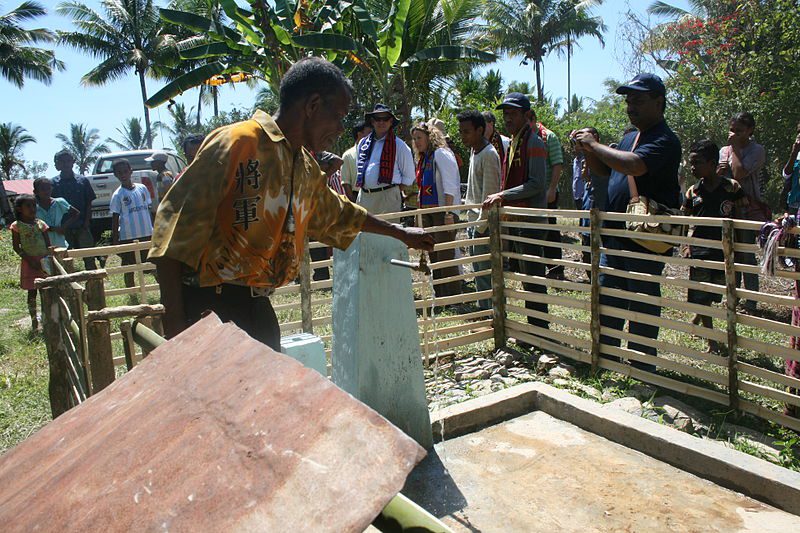
Timor-Leste, also known as East Timor, is an island country in Southeast Asia. Portugal colonized the territory in the 16th century under the name of Portuguese Timor, retaining control until the Revolutionary Front for an Independent East Timor declared independence on November 28, 1975. Nine days later, however, the Indonesian military invaded and occupied East Timor, leading to decades of devastating violent conflict between separatist groups and Indonesian officials.

After a referendum in which 78.5% of Timorese voted for independence, Indonesia renounced control of the region in 1999, and it obtained official sovereign state status on May 20, 2002, under the name of Timor-Leste. Yet years following independence, Timor-Leste remains one of the world’s poorest countries. Here is some information that illuminates some of the causes, realities and potential solutions to poverty in Timor-Leste.

Legacy of Violence

Timor-Leste’s history comprises poverty and inequality. Estimates determine that more than 100,000 Timorese perished during the Indonesian occupation due to starvation, disease and deadly conflict. This turmoil continued after Timor-Leste declared its independence; the Indonesian military responded violently, killing upwards of 2,000 pro-independence Timorese. As a result, many Timorese sought refuge in the mountains or in neighboring countries. The Indonesians’ brutality left the country traumatized and weak, with destroyed roads and ports, poor water and sanitation systems and little to no government facilities. Timor-Leste is still recovering from this devastation.

Poverty levels remain high. In 2014, an estimated 42% of Timorese lived in poverty — an overwhelmingly high proportion of the population. Though Timor-Leste only has a 4.6% unemployment rate, 21.8% of the population lives on less than $1.90 a day. As a result, 24.9% of Timorese are malnourished, 51.7% of children under 5-years-old have stunted growth and 46 out of every 1,000 children die before the age of 5. Almost 40% of the population is illiterate, and the average age is 17.5 years.

Despite these facts, the country is making progress. Though a 42% poverty rate is high, this is a marked improvement over Timor-Leste’s 50.4% rate in 2007. Data demonstrates that Timor-Leste improved in various key poverty indicators between 2007 and 2014, including a reduction in the population living without electricity (64% to 28%), with poor sanitation (58% to 40%) and without access to clean drinking water (40% to 25%).

Aid for Timor-Leste

The international community has helped Timor-Leste develop and stabilize since its independence. The U.S. assists Timor-Leste via the U.S. Agency for International Development (USAID) and a burgeoning Peace Corps program. Additionally, the U.S.’s Millennium Challenge Corporation selected Timor-Leste for a five-year grant program in December 2017 to address the main contributors to poverty and stimulate economic growth. The U.S. then furthered its aid in 2018 when the U.S. Department of Agriculture selected Timor-Leste as a recipient of its $26 million, five-year McGovern-Dole nutrition and education program. Though there is little direct trade between Timor-Leste and the United States, the U.S. helped establish the coffee industry in East Timor in the 1990s, and Starbucks Coffee Company remains a loyal purchaser of Timorese coffee.

Timor-Leste also receives assistance from developed nations such as Australia, which has claimed the title of Timor-Leste’s largest development partner since the country gained independence. Australia allocated an estimated $100.7 million to Timor-Leste aid between 2019 and 2020.

There are a number of international nongovernmental organizations working to improve conditions in Timor-Leste. For example, Care International Timor-Leste works to improve disadvantaged families’ quality of education, the safety of childbirth and resilience against natural disasters. Meanwhile, Water Aid aims to make clean water, reliable toilets and good hygiene universal, and Marie Stopes Timor-Leste offers Timorese family planning methods and sexual and reproductive health services.

COVID-19 is Hindering Progress

COVID-19 is a tragic setback to improvement. Due to early intervention and a mandatory quarantine, Timor-Leste has proved successful in preventing the spread of COVID-19. As of June 3, 2020, there were no active cases of COVID-19 in Timor-Leste since May 15, 2020, with an overall total of 24 cases and zero deaths. However, the strict lockdown has had wide-reaching political and social consequences for a country that was already in an economic recession prior to the pandemic. Many businesses either downsized or closed, resulting in a surge in unemployment rates. Though the government’s robust stimulus package has prevented catastrophe in the short term, its plans for long-term recovery remain uncertain.

Although the COVID-19 pandemic is a substantial setback to Timor-Leste’s development, the nation’s declining unemployment and poverty rates and improving living conditions are nonetheless promising. According to the World Bank, the next step in Timor-Leste’s fight against poverty is restructuring its spending. If Timor-Leste redirects investments into the development of sustainable agriculture and tourism, better transportation and improved preservation of its natural resources, it has the potential to avoid the devastating financial consequences of COVID-19 and eradicate extreme poverty.

– Abby Tarwater
Photo: Wikimedia Commons

July 30, 2020
https://borgenproject.org/wp-content/uploads/borgen-project-logo.svg 0 0 Borgen Project https://borgenproject.org/wp-content/uploads/borgen-project-logo.svg Borgen Project2020-07-30 07:34:182024-06-05 02:36:38Key Takeaways About Poverty in Timor-Leste
Developing Countries, Global Poverty, Poverty

10 Facts About Poverty in Niger

Poverty in Niger
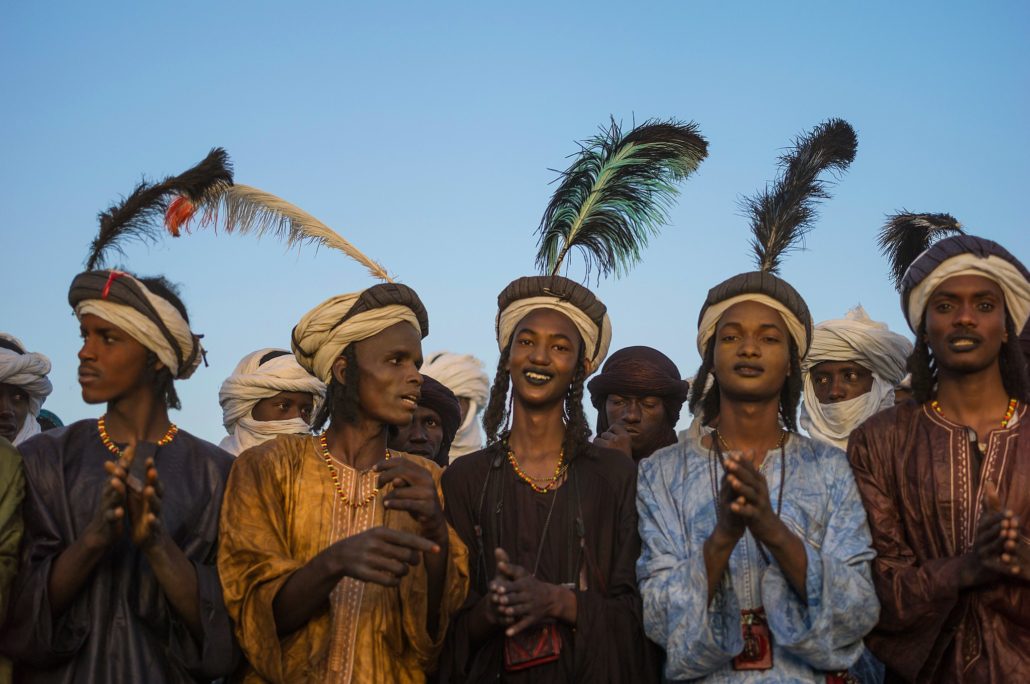
Niger is a country in West Africa and is one of the world’s most impoverished nations. Although the country has made a significant effort in poverty reduction, Niger’s extreme poverty rate was 41.4% in 2019, affecting 9.5 million people. Here are the top 10 facts about poverty in Niger.

Top 10 Facts About Poverty in Niger

  1. Niger’s fast-growing population adds to its high poverty rate. The United Nations expects Niger’s population to triple by 2050. As a result, the country’s inability to break the cycle of poverty for impoverished families will increase.
  2. Population Services International (PSI) Corporation promotes family planning resources in Niger. In 2019, PSI partnered with the Nigerien Ministry of Public Health to administer an outreach mission for voluntary family planning to rural areas of Niger. For example, the operation provided long-acting contraception methods and health education.
  3. Niger battles hunger. As of 2015, with a population of 18 million, 81% of Niger’s population lives in rural areas. Due to the rurality, most of the community does not have access to a food market. This exacerbates the problem of food security for the 20% of citizens who do not have enough food.
  4. Action Against Hunger aided 429,301 Nigeriens in 2018. The program provided better access to food markets and seasonal cast-for-work opportunities. Action Against Hunger assisted families by donating seeds and agricultural tools to those in need.
  5. Niger encounters climate challenges. As a country in West Africa, the Sahara Desert covers 80% of Niger, causing challenges for agriculture. The dry climate and minimal crop growth force 40% of Nigerien children under the age of five to experience malnutrition.
  6. Frequent droughts harm Niger’s economy. Niger’s economy relies heavily on agriculture, accounting for more than 40% of its GDP. As a result, when the country faces continuous short rainy seasons, there are food and job shortages.
  7. The World Food Programme (WFP) assists Niger’s farmers. The WFP buys produce from local Niger farmers and connects the farmers with corporate markets. This program helps the farmers to gain a steady income and reduce poverty.
  8. CARE Niger transforms the lives of Nigerien citizens. Since 1973, CARE Niger has reduced hunger through its Food Security and Nutrition and Management of Natural Resources Program. The plan established farmer field schools that advocated for markets and nutrition.
  9. Conflicts near Niger’s borders affect its citizens. Thousands of Nigerians have fled Nigeria to Niger due to violent extremism. As a result, almost 23,000 Nigerian refugees arrived in Niger in April 2020 alone.
  10. The United States Agency for International Development (USAID) establishes nutritional opportunities for Niger. In April of 2020, USAID announced a five-year plan titled the Yalwa Activity, which plans to bolster the capabilities of Nigerien farmers by mandating access to affordable, safe food. Additionally, the Yalwa Activity will enhance food storage for farmers, allowing farmers to sell their produce at markets across Niger.

With its growing population, harsh climate and troubled borders, Niger remains one of the world’s most impoverished nations. Nevertheless, through outreach and international aid, Niger hopes to reduce its extreme poverty rates.

– Kacie Frederick 
Photo: Flickr

July 28, 2020
https://borgenproject.org/wp-content/uploads/borgen-project-logo.svg 0 0 Lynsey Alexander https://borgenproject.org/wp-content/uploads/borgen-project-logo.svg Lynsey Alexander2020-07-28 14:30:042024-05-29 23:18:1010 Facts About Poverty in Niger
Global Poverty, USAID

5 Things to Know About Hunger in Pakistan

Hunger in PakistanPakistan is a country that has been the victim of natural disasters and chronic political and economic turmoil. These volatile conditions have led to high rates of poverty and hunger in the country. Here are five things to know about hunger in Pakistan.
Five Things to Know About Hunger in Pakistan

  1. In Pakistan, about 20% of the population is undernourished. This equates to nearly 40 million people who are not getting enough nutrients on a daily basis. This is nearly double the percentage of people worldwide who are undernourished.
  2. Poverty and food insecurity are inextricably linked. Nearly a quarter of Pakistanis live below the poverty line. In 2019, natural disasters like drought and heavy rainfall in Pakistan affected the livelihood of millions of people. In mid-2019, a drought caused acute food insecurity in the populations of seven districts, over one million people.
  3. As high as 40% of the population lives in multidimensional poverty. While 25% of Pakistanis live below the poverty line, multi-dimensional poverty takes into consideration a variety of factors beyond just a person’s income. It considers access to clean water, electricity and basic healthcare needs as well as poor infrastructure. All of these factors can impact a community’s access to food.
  4. Undernutrition and malnutrition have led to stunting in 38% of Pakistani children under the age of five. In some regions, the percentage of children who experience stunting is nearly 50%. Pakistani children experience some of the highest stunting rates in the world.
  5. Pakistan actually has a surplus of food. However, instead of being distributed to its own people, much of this food is exported. From mid-2018 to mid-2019, around a half million tons of wheat and more than seven million tons of rice were exported from Pakistan. One in five Pakistani’s are not malnourished because there is a lack of food availability, but because of socio-economic factors that prevent them from accessing the country’s abundant resources. However, even if Pakistani’s had more access to the wheat and rice resources of their country, these crops alone cannot provide a nutritious and sustainable diet.

What is Being Done

In Pakistan, there are several community-driven efforts to fight hunger and, more specifically, stunting. These groups have been able to provide nutrient supplements to more than 700,000 Pakistanis experiencing undernutrition or malnutrition.

In 2020, the Food for Peace (FFP) program, a division of USAID, has provided $2 million to UNICEF for nutrition services for children under the age of five who experience severe acute malnutrition in Pakistan. This number is much less than in previous years. In 2019, FFP provided $18 million to UNICEF and in 2018, the figure was more than $21 million.

In 2018, the Pakistani government pledged to achieve self-sufficiency in food and set a goal of eliminating hunger in the country by 2030. To achieve this goal, the government has put an emphasis on crop diversification, water management and “climate-smart” farming to reduce the catastrophic impacts of natural disasters on food security.

Pakistan is a country that has experienced political and economic turmoil for decades. These conditions coupled with the impacts of natural disasters have made undernutrition and malnutrition a huge concern in the country. While over the past several years the country has implemented initiatives to improve the food situation, the challenges surrounding food security remain and hunger in Pakistan remain a major issue.

– Jessie Cohen
Photo: Pixaby

July 28, 2020
https://borgenproject.org/wp-content/uploads/borgen-project-logo.svg 0 0 Lynsey Alexander https://borgenproject.org/wp-content/uploads/borgen-project-logo.svg Lynsey Alexander2020-07-28 14:15:152020-07-29 06:13:095 Things to Know About Hunger in Pakistan
Gender Equality, Global Poverty, USAID

Zimbabwe challenges cultural gender normalities

USAID and UNESCO are working to change gender normalities in Zimbabwe by normalizing men’s contributions to household activities that are traditionally perceived as feminine. Equal division of domestic duties leads to improved child health and nutrition, as well as advancements in women’s rights. These social benefits are instrumental in alleviating poverty in Zimbabwe.

Zimbabwe and Gender Norms: An Overview

A country of 14 million, Zimbabwe has recently faced declines in public health, education, infrastructure and standard of living. Of the population, 63% of households live in poverty. Government policies and climate issues hamper farming and impact food insecurity. In addition, the country has a high burden of HIV/AIDS, tuberculosis, malaria and maternal and childhood disease.

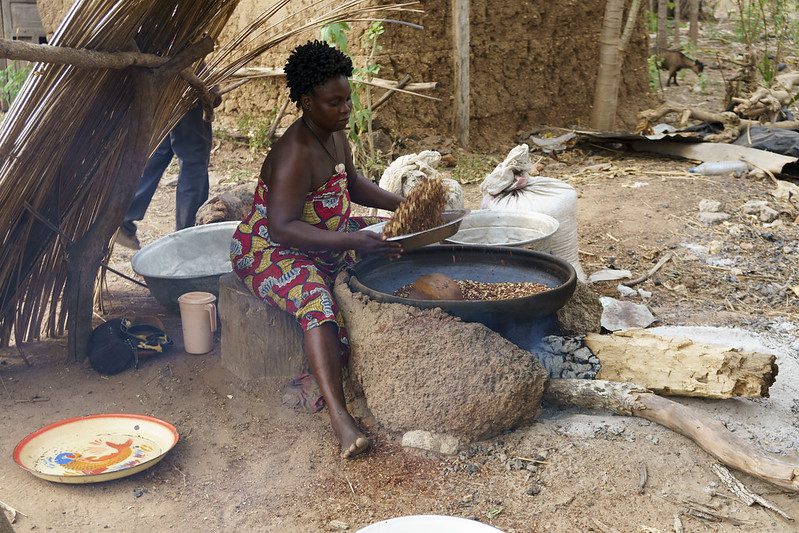
Women traditionally hold an inferior position in Zimbabwean cultures, which are often patriarchal. Women often work for no pay in the home or in subsistence agriculture; alternatively, they perform low-paid wage work. Women cannot own or claim land except through their male relatives or husbands.

Gender Norms and Food Security in Zimbabwe

USAID and UNESCO are working to transform gender normalities in Zimbabwe, and the positive effects of these efforts extend far beyond women’s rights. Empowering women and normalizing men’s participation in the domestic sphere effectively increases the household labor force and children’s access to nutritious food. In rural Zimbabwe, one-third of children are malnourished, largely because of gender norms that lead to unhealthy feeding practices for young children.

As USAID reports, there is a close connection between women’s lack of assistance in the domestic sphere and child nutritional status. USAID wrote, “In a typical day in rural Zimbabwe, a mother must collect water, search for firewood, make a fire, cook and wash dishes, repeating this cycle for every meal. She must also spend a large proportion of the day tending to the family’s crops. Mothers simply do not have the time in the day to focus on all their responsibilities, including the childcare and nutrition necessary for the healthy growth and future productivity of their children.”

USAID’s program Indoda Emadodeni (“A Man Among Men”) holds monthly dialogues in which advocates, or Male Champions, challenge social norms and discuss the benefits of expanding men’s roles with both traditional leaders and the community as a whole. Participants in the program reported great pride in their domestic skills, including cooking, feeding and dressing infants and doing their daughters’ hair. The fathers enjoyed the closer relationships that they developed with their children. 

The program has yielded excellent results in many areas. A survey found statistically significant improvement in behaviors and support like fetching water and firewood, childcare, taking their wives to medical (including prenatal) appointments and cooking. There was also a 52% increase in joint decision-making among spouses. Rather than being stigmatized, these supportive and beneficial behaviors now elicit high praise in their communities, “uyindoda emadodeni” which translates to “you are a man among men.”

UNESCO’s Impacts

The United Nations Scientific and Cultural Organization agency is also running a project entitled “Challenging constructions of masculinity that exacerbate marginalization of women and youth,” in which the organization focuses on women’s empowerment through male engagement with gender issues. By conducting trainings and dialogues, the program leads men to reframe masculinity and reconsider their behavior.

One participant, Tichaona Madziwa, described how he “started to see [his] wife as a partner, a shareholder in this household…[and] really started to respect [his] wife’s decisions and perspectives—something that was not considered the norm.”

As he began to cook and care for his daughter, his relationship with her grew stronger. Madziwa, like the other program participants, found that the change of perspective greatly benefited him and his family.  

Normalizing men’s performance of domestic work lightens women’s workload. This, in turn, both empowers women and improves child nutrition. These USAID and UNESCO programs are effectively addressing the issues of both food security and gender normalities in Zimbabwe.

– Isabelle Breier 
Photo: Wikimedia

July 27, 2020
https://borgenproject.org/wp-content/uploads/borgen-project-logo.svg 0 0 Lynsey Alexander https://borgenproject.org/wp-content/uploads/borgen-project-logo.svg Lynsey Alexander2020-07-27 15:41:572024-05-29 23:18:15Zimbabwe challenges cultural gender normalities
Food & Hunger, Food Security, Hunger, Malnourishment

Hunger in Benin

Hunger in BeninThe Republic of Benin, a former French colony, is a coastal West African country with a 2024 population of over 14 million, equally distributed between urban and rural areas. Just under two-thirds of the population is under the age of 25. 

Benin’s most recent poverty rate measured by the international poverty line ($3.65) is only 12.7%, but as measured by the national poverty line, over a third (36.2%) of the population is considered to be poor. The urban-rural poverty gap saw a 10% difference (40.6%-30.8%) at the last assessment, with significant regional, gender, age and sociodemographic disparities. 

Background

Benin ranks 91 out of the 125 countries in the 2023 Global Hunger Index, its score of 22.6 putting it in the “Serious” category. This score is an improvement from 33.9 in 2000. The measured indicators of undernourishment, child mortality and child wasting are now all at or below 10%, but child stunting remains over 30%. Child stunting measures the proportion of children under five with low height for their age, which reflects chronic undernutrition. 

Benin exemplifies some of the successes that international organizations and state governments have had in collaborating with Benin’s leadership to create positive change. Key players in Benin’s fight against hunger include the nonprofit The Hunger Project, the U.N.’s World Food Programme and the World Bank.

The Hunger Project in Benin

The Hunger Project (THP) has been working in Benin since 1997 to fight hunger and poverty. THP’s approach to rural development is the “Epicenter Strategy,” where they partner with individuals and communities to achieve sustainable self-reliance. In Benin, THP established 18 epicenters in eight of the country’s twelve departments, sixteen of which have already declared self-sufficiency. The strategy begins by empowering women as change agents, mobilizing people to build individual capacity, leadership and confidence, and then creating partnerships with local government. Nutrition programs achieve synergy with farming and food security and multiple other programs, including health, water and sanitation, education, adult literacy and microfinance. 

In 2023, THP initiated four new projects in Benin’s central and northern regions as part of a vision for 2027 to improve nutritional and food security. THP’s mission to empower youth, women and other vulnerable groups is targeting the 450,000 residents in rural Benin. 

WFP’s Role in Alleviating Hunger in Benin

The U.N.’s World Food Programme reports high food insecurity in Benin, noting that almost 83% of households cannot afford a healthy diet. WFP began its support in Benin in 2017 by initiating integrated school feeding programs in 75% of Benin’s public primary schools. The Government of Benin is committed to full coverage, allocating $200 million for a five-year program cycle.

At its November 2023 Executive Board session, WFP approved a three-year country strategic plan for Benin (2024-2027), based on Benin’s own 2021-2026 national action plan. Continuing the national school feeding program, along with policy advisory work and technical assistance, three outcomes are WFP’s focus: Meeting urgent food and nutrition needs by people affected by global, regional and climate shocks; enhanced nutrition, health and education for communities and school-age children through access to basic social services and affordable, nutritious diets; and increased capacity of targeted systems and institutions to implement programs that promote food security and nutrition. It is intended that the strategic plan will contribute to the achievement of multiple Strategic Development Goals, including SDG  1 (No Poverty) and SDG 2 (Zero Hunger). 

World Bank Group Support in Benin

The World Bank Group established a Country Partnership Framework with Benin covering 2018-2023, with a new CPF to begin this year (2024-2028). The World Bank Group’s commitment of $2.7 billion finances seven regional and 19 national projects. COVID-19 responses included activation of the Emergency Response Component of the Early Childhood Nutrition and Development Project.  

In June 2024, the World Bank approved $150 million in additional International Development Association support to improve Benin’s food security and productivity through increased production of market garden produce and rice, as well as support for various agricultural supplies, production technologies and advisory services. The World Bank country manager for Benin reports that two-thirds of Benin’s population is employed in agriculture so investment in this sector is “an important pillar for food security and a key driver of fragility prevention mechanisms.” 

– Staff Reports
Photo: Flickr
Updated: August 24, 2024

July 27, 2020
https://borgenproject.org/wp-content/uploads/borgen-project-logo.svg 0 0 Borgen Project https://borgenproject.org/wp-content/uploads/borgen-project-logo.svg Borgen Project2020-07-27 12:40:442024-08-25 12:37:19Hunger in Benin
Homelessness

How Homelessness in Albania from the 2019 Earthquake Affects COVID-19 Prevention

Homelessness in Albania
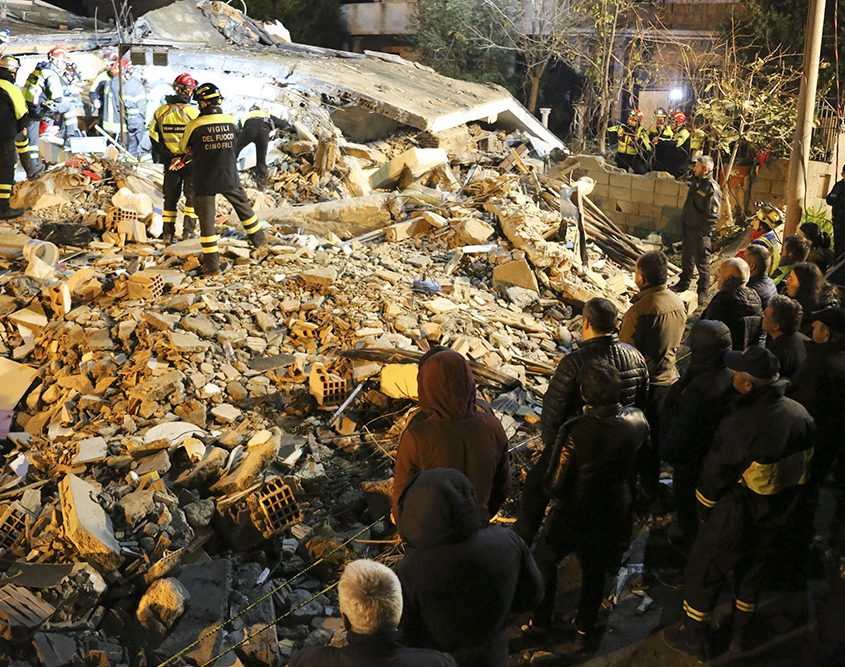
In the early hours of November 26, 2019, a 6.4 magnitude earthquake rattled Tirana, the capital city of Albania. Moments later, a second powerful earthquake hit near the coastal city of Durres with strong aftershocks continuing for weeks. Buildings collapsed on people sleeping in bed, who were unable to wake in time to seek safety. As soon as it was safe, rescue crews began to search for survivors in the rubble. In addition to taking lives, this destructive earthquake also caused homelessness in Albania to skyrocket.

The disaster left 51 people dead and more than 900 people hospitalized with injuries. The earthquake was the largest Albania has seen in 30 years and caused significant damage to apartment buildings and houses. With a shortage of recovery funding and complications caused by the COVID-19 pandemic, many people are facing homelessness in Albania for the first time. These citizens are living in dire need of foreign aid to help them rebuild their homes and communities.

Mass Housing Lost in the Earthquake

Homelessness in Albania remains a significant issue nine months after the earthquake and strong aftershocks rocked the country in late 2019. Albania has one of the lowest GDPs in Europe and is located on the coast of the Adriatic Sea and the Ionian Sea, bordering on Montenegro, Kosovo, North Macedonia and Greece. The districts near the epicenter, Tirana, Durres and Lezhë, suffered the greatest damage with 32,000 Albanians losing their homes, and nearly 5,080 buildings destroyed or slated for demolition after an assessment deemed them uninhabitable. Another 83,745 buildings were severely damaged.

Immediately after the earthquake, camps were set up to shelter homeless Albanians who slept in tents and temporary shelters created by the Albanian Red Cross (ARC) with the support of aid groups like the International Federation of Red Cross and Red Crescent Societies (IFRC) and other U.N. agencies. The damages from the earthquake have affected around 10% of Albania’s 2.9 million citizens, and the poverty rate increased by 2.3% with around 220,000 people impacted by the loss of buildings and infrastructure.

Falling Short on Funding for the Homeless

Despite a worldwide outpouring of support for the small European nation, homelessness in Albania caused by the earthquake remains a major issue. According to a situation report published by the International Federation of Red Cross and Red Crescent Societies in June 2020, the funding necessary to help Albanians recover from the earthquake is over five million U.S. dollars, but currently, the humanitarian organizations have raised just three million from a range of foreign aid donors. The American Red Cross and U.S. private donors gave close to $21,000 for relief efforts, and the U.S. Embassy in Albania states that it contributed to funding via on-the-ground technical support and through USAID funds provided to UNICEF.

Initially, families were accommodated in shelters and hotels, but for those who wished to stay near their destroyed homes, particularly in more rural areas, many began living in tent camps. As Albania headed into winter, the ARC focused on providing materials for these homeless earthquake victims to stay warm and survive the winter in tents and shelters with sleeping bags, blankets and kitchen kits. Later, the plan was to shift focus to creating permanent housing for them. However, as of June, some 17,000 people remain in temporary housing and shelters. A large group of people in Durres protested on May 26, marking six months after the earthquake, and asked authorities for clarity on the timeline of the reconstruction process. Their lives remain on hold as they wait for permanent housing and aid.

Housing Issues Compounded by COVID-19 Crisis

Albanians who lost their homes in the disaster faced a second crisis when the COVID-19 pandemic hit the country in March 2020, compounding their already difficult circumstances. In early March, Albania confirmed the first cases of COVID-19 in the country, and as a result, aid efforts were interrupted as airports closed and movement was temporarily halted. Funding to help the issue of homelessness in Albania has been redirected to fight the spread of the novel coronavirus, further complicating things for the thousands of people struggling to rebuild their lives after the earthquake.

To date, Albania has more than 6,000 confirmed cases of COVID-19 and still lacks adequate testing infrastructure but has reopened borders, leaving those most vulnerable in the population, namely the homeless, at greater risk. Quarantine rules ask people to stay in their homes, but for those in Albania living in temporary housing and tents, this critical safety measure can be difficult. While USAID has committed to investing $2.4 million for the COVID-19 crisis, it is integral that the issue of homelessness in Albania caused by the earthquake receives equal attention and financial support to stop the spread of the virus and help victims recover from the damage of the earthquake.

– Diana Bauza
Photo: Wikimedia

July 25, 2020
https://borgenproject.org/wp-content/uploads/borgen-project-logo.svg 0 0 Kim Thelwell https://borgenproject.org/wp-content/uploads/borgen-project-logo.svg Kim Thelwell2020-07-25 07:30:152024-05-29 23:23:25How Homelessness in Albania from the 2019 Earthquake Affects COVID-19 Prevention
Page 46 of 92«‹4445464748›»

Get Smarter

  • Global Poverty 101
  • Global Poverty… The Good News
  • Global Poverty & U.S. Jobs
  • Global Poverty and National Security
  • Innovative Solutions to Poverty
  • Global Poverty & Aid FAQ’s
Search Search

Take Action

  • Call Congress
  • Email Congress
  • Donate
  • 30 Ways to Help
  • Volunteer Ops
  • Internships
  • Courses & Certificates
  • The Podcast
Borgen Project

“The Borgen Project is an incredible nonprofit organization that is addressing poverty and hunger and working towards ending them.”

-The Huffington Post

Inside The Borgen Project

  • Contact
  • About
  • Financials
  • President
  • Board of Directors
  • Board of Advisors

International Links

  • UK Email Parliament
  • UK Donate
  • Canada Email Parliament

Get Smarter

  • Global Poverty 101
  • Global Poverty… The Good News
  • Global Poverty & U.S. Jobs
  • Global Poverty and National Security
  • Innovative Solutions to Poverty
  • Global Poverty & Aid FAQ’s

Ways to Help

  • Call Congress
  • Email Congress
  • Donate
  • 30 Ways to Help
  • Volunteer Ops
  • Internships
  • Courses & Certificates
  • The Podcast
Scroll to top Scroll to top Scroll to top