• Link to X
  • Link to Facebook
  • Link to Instagram
  • Link to TikTok
  • Link to Youtube
  • About
    • About Us
      • President
      • Board of Directors
      • Board of Advisors
      • Financials
      • Our Methodology
      • Success Tracker
      • Contact
  • Act Now
    • 30 Ways to Help
      • Email Congress
      • Call Congress
      • Volunteer
      • Courses & Certificates
      • Be a Donor
    • Internships
      • In-Office Internships
      • Remote Internships
    • Legislation
      • Politics 101
  • The Blog
  • The Podcast
  • Magazine
  • Donate
  • Click to open the search input field Click to open the search input field Search
  • Menu Menu

Tag Archive for: USAID

Information and news about mobile technology

Posts

Education, Global Poverty, Poverty

7 Facts About Education and Poverty in South Sudan

Poverty in South Sudan
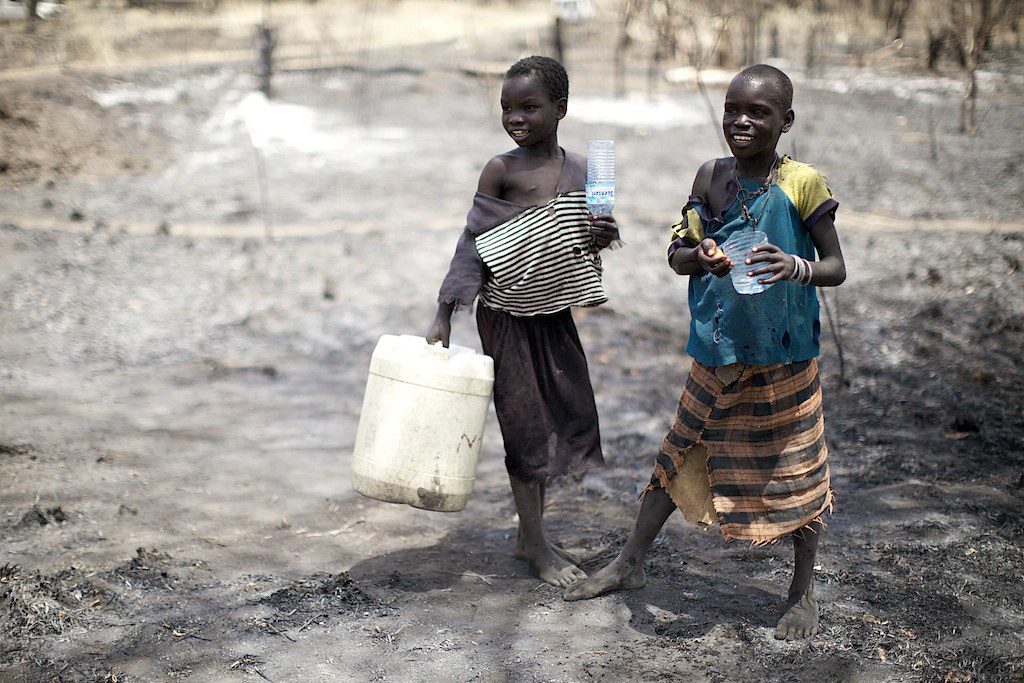
Following nearly 50 years of civil war, the newly divided countries of Sudan and South Sudan remain in ongoing economic recovery. Although conflict sets the stage for poverty in South Sudan, the young country’s lack of educational opportunities perpetuates the problem. As of 2017, a jarring 72% of primary school-aged children in South Sudan do not attend school. Of these 2 million children, 400,000 are out of school due to displacement and chronic insecurity. Here are seven facts about education and poverty in South Sudan.

7 Facts About Education and Poverty in South Sudan

  1. More educational funding would reduce youth crime involvement. It is no secret that a quality education prevents crime activity among any youth population. However, extreme poverty in South Sudan compromises the quality of most of the country’s schools. The absence of extracurricular club offerings contributes to an ongoing cycle of violence in South Sudan. On the other hand, schools that UNICEF funded benefitted from student governments, peace clubs and organized volunteer activities. UNICEF also funded the South Sudan Youth Development Policy, which the government of South Sudan later developed. These programs effectively build peace and reduce youth crime in strained communities. More widespread funding for such programs would further prevent youth violence and armed conflict.
  2. Sudan’s distinct educational tracks limit the number of qualified teachers. To account for the poverty most school-aged children experience, South Sudan implemented an alternative education system. In an effort to reduce the long-term cost of education, this system condenses an eight-year curriculum into a four-year program. This program instructs students in English, which excludes many qualified teachers who received training to teach in Arabic. Although this program is more accessible, this exclusion compromises the quality of education students can gain.
  3. Children cannot physically attend one-third of schools in South Sudan. Long-standing political conflicts in South Sudan have damaged and destroyed over one-third of schools. These schools rely on the assistance of foreign aid organizations, such as USAID, in order to redevelop into functional institutions. USAID alone has provided more than 514,800 conflict-affected children with makeshift learning spaces since 2014.
  4. Poverty-ridden families rely on agricultural work. Many school-aged children in rural South Sudan raise cattle in pastoral communities rather than attending school. A 2013 study found that parents in cattle-keeping communities valued practical skills (such as cattle treatment and milk production) over formal education. Since agricultural income accounts for a child’s immediate needs, many families do not see formal education as a practical option. Because funding for schools often relies on attendance and retention rates, funding falls particularly low in pastoral, non-urban areas. While the education sector itself does not prioritize this problem, donors like USAID and FAO fund more flexible education options for pastoral communities.
  5. Girls have to overcome more obstacles to obtain an education. Young women living in poverty often drop out of school to pursue arranged marriages because of financial, cultural and religious obligations. As a result, only one-sixth of women are literate in comparison to two-fifths of men. However, children born to educated mothers have a 50% higher chance of survival. In turn, prioritizing young women’s education and literacy is vital. Though more work is necessary to enroll more girls in school, donor initiatives such as DFID’s Girls’ Education South Sudan (GESS) have brought more attention to the issue.
  6. Socioeconomic disparities impact access to education and future employment. In a study by Learning for Peace, representatives expressed that nepotism and tribalism often determine access to education, training opportunities and jobs. This results in unequal opportunities across states, which increases tension within the youth population. One youth representative said that “Youth who have their relatives in those places, they have those opportunities [and] it creates a gap […]. This brings conflict […], especially as a young country which has come out of war, where people have many expectations to get money to sustain themselves.” The concentration of opportunities in particular states, such as Juba, affects the cycle of poverty in South Sudan.
  7. Inclusive learning requires more funding. The government of South Sudan invests minimally in the development of education. This lack of resources prevents the implementation of an inclusive education curriculum based on the language of instruction (Arabic or English) and curriculum content (Christian or secular). Curriculum development at the state level is slowly establishing a more inclusive national identity for students in South Sudan, though more work is necessary at the county level. Such work will further increase the inclusion of different religions, cultures and histories in South Sudan’s schools.

Ultimately, funding education in South Sudan could revive the country’s economy and, more importantly, ensure that more children survive. It is imperative to support the 2 million children who cannot afford an education or who lack access to well-funded schools. In order to help break the cycle of poverty in South Sudan, foreign aid and other investments must provide much-needed educational resources.

– Stella Grimaldi
Photo: Flickr
July 12, 2020
https://borgenproject.org/wp-content/uploads/borgen-project-logo.svg 0 0 Jennifer Philipp https://borgenproject.org/wp-content/uploads/borgen-project-logo.svg Jennifer Philipp2020-07-12 08:00:472022-03-31 15:02:127 Facts About Education and Poverty in South Sudan
Education, Global Poverty, USAID

Protecting Quality Education in the Philippines

Education in the Philippines
Officials in the Philippines confirmed in early June 2020 that schools would not reopen until a vaccine against COVID-19 became available. This decision leaves approximately 27 million children to continue their education via the internet. Education officials worry that two months is
too short a period to extend a successful distance-learning model, especially when many children lack access to computers or the internet. For younger children, this adjustment in education style arrives at a crucial period in their schooling where they start developing social skills, literacy and numeracy.

Nonetheless, aid organizations are mobilizing in response to the decision that the government of the Philippines made to not reopen schools. These organizations hope to bridge the potential gap in quality and access to quality education in the Philippines during the pandemic.

USAID

The U.S. Agency for International Development (USAID) gave $2.5 million to the government of the Philippines to help support its Basic Education-Learning Continuity Plan. USAID announced on June 18, 2020, that it would be putting forward funding to secure quality education for children in the Philippines until the restoration of face-to-face classroom learning.

In partnership with the Philippines Department of Education (DepEd), USAID will equip educators with effective distance-learning materials and teaching techniques. Additionally, USAID will also direct attention to families and citizens, providing parents with home-learning activities. Media platforms in the Philippines will be working with USAID to publicize advice on the effective continuation of education during the pandemic. USAID will also help DepEd in the development of assessment tools for students so that instructors can monitor and evaluate student literacy levels before the eventual return to school.

Save the Children Philippines

Government-sanctioned aid programs are not the only organizations targeting issues associated with education. International NGOs are also rolling out plans to maintain access to education via their local chapters in the Philippines. Save the Children Philippines recently initiated Project ARAL (Access to Resources for Alternative Learning), which seeks to support families at a high risk of losing learning opportunities with the transition to online-based schooling.

Project ARAL provides materials for at-home educational programs that it caters to students by age group. The plan also uses these programs to offer “psychosocial” support and disseminate information regarding nutrition and health. The project incorporates three stages for the planning and provision of educational aid, assuring support to all beneficiaries throughout transitions in learning. This includes a relief stage (when quarantine and school closures remain in place), a transition stage (when schools stay closed, but quarantine restrictions begin to lift) and a recovery stage (when returning to normal operations).

ChildFund Philippines

ChildFund Philippines, a regional sector of ChildFund International, introduced a CoVLOG-19 for young adults between the ages of 15 and 24. CoVLOG-19 is a video-blog platform for young adults to express themselves and communicate with peers while maintaining distance-learning. The platform focuses specifically on engaging young adults with information regarding COVID-19: slowing the infection rate and avoiding online exploitation and abuse in this large flux of computer use. ChildFund Philippines also hopes to support education in the Philippines by supplying “home-based family activities kits,” or HFAK, which provide activities to support the continued learning of life-skills, social skills and academics in the absence of traditional schooling. 

The indefinite closure of schools due to COVID-19 will inevitably continue to pose an enormous hurdle in the provision of quality education in the Philippines. However, projections determine that the materials, programs and plans that these aid organizations implemented will chip away at the challenge to further improve the status of remote learning.

– Alexandra Black
Photo: Flickr

July 11, 2020
https://borgenproject.org/wp-content/uploads/borgen-project-logo.svg 0 0 Lynsey Alexander https://borgenproject.org/wp-content/uploads/borgen-project-logo.svg Lynsey Alexander2020-07-11 07:30:032024-05-29 23:18:16Protecting Quality Education in the Philippines
Global Poverty

Healthcare Improvements in Kyrgyzstan

Healthcare Improvements in KyrgyzstanHealthcare is an important concern for the government of Kyrgyzstan and has been for many years. Kyrgyzstan has introduced multiple reforms of its healthcare system since 1996. As of 2019, about eight percent of the country’s GDP has been spent on the healthcare system. Kyrgyzstan’s efforts to improve their healthcare manifest in several ways. For example, life expectancy rose from 66.5 years in 1996 to 71.0 years in 2016. In order to fully appreciate the reforms, aid and healthcare improvements in Kyrgyzstan, it is important to understand the state of the country’s healthcare system prior to reforms and improvements.
Healthcare in Kyrgyzstan

Kyrgyzstan was a Soviet Republic during the Cold War. The country had free and universal healthcare financed by the Soviet Union’s Ministry of Health. Following the dissolution of the Soviet Union in 1991, healthcare within the country of Kyrgyzstan began to decline. The healthcare system’s decline in Kyrgyzstan’s during this period was partly due to the lack of medical necessities. Because of their crumbling healthcare system, Kyrgyzstan needed reforms. Long after their independence from the Soviet Union, they have made these reforms.

The government has recently launched two initiatives to promote healthcare improvements. The first is the Primary Health Care Quality Improvement Program. The purpose of this program is threefold. First, to improve the quality of healthcare services. Secondly, to increase access to and quality of healthcare services. Finally, to establish better governance over the healthcare system to ensure the program is successful. The program is still in its early stages. It was approved in 2019 and will last until 2024.

Kyrgyzstan has ensured better healthcare delivery to its people by partnering with USAID to eradicate tuberculosis (TB) from the country; each year, the country faces roughly 8,000 cases of TB. Of those roughly 8,000 cases, about 1,300 are drug-resistant TB which is much more difficult to treat.

In response, Kyrgyzstan makes use of the USAID Cure Tuberculosis project. The project provides $18.5 million to the country of Kyrgyzstan in order for medical professionals to provide the necessary care for people who have the drug-resistant form of tuberculosis.

With these two programs active, the government hopes to bring about more healthcare improvements in Kyrgyzstan for people in general and for those specifically suffering from drug-resistant tuberculosis.

– Jacob Lee
Photo: Wikimedia

July 11, 2020
https://borgenproject.org/wp-content/uploads/borgen-project-logo.svg 0 0 Kim Thelwell https://borgenproject.org/wp-content/uploads/borgen-project-logo.svg Kim Thelwell2020-07-11 01:30:172020-07-11 11:21:24Healthcare Improvements in Kyrgyzstan
Global Poverty, War and Violence

Conflict and Poverty in Yemen

Poverty in YemenWar and conflict exacerbate existing poverty. According to the World Bank’s 2007 Global Monitoring Report, fragile states, defined as those in civil war or without legitimate authority to make collective decisions, account for one-fourth of global poverty. In low-income countries, poverty rates average 22%, whereas, in states with conflict, the rates skyrocket to 54%. Poverty in Yemen is no exception to this trend. Yet, the world may consider Yemen the example of conflict exacerbating poverty if fighting continues. The 2019 United Nations Development Project (UNDP) report, Assessing the Impact of War in Yemen, estimates that Yemen could rank as the poorest country on Earth by 2030 if the conflict continues. Here is some information about the relationship between conflict and poverty in Yemen.

Yemen’s Civil War

The seeds of Yemen’s conflict began because of the disorganized power transitions that the 2011 Arab Spring prompted. However, 2015 marks the descent into a foreign-backed civil war. Since then, fighting between the Northern rebel Houthis have continued to decimate civilian communities and exacerbate poverty. Iran has backed this fighting, because of Shia religious interests, along with the remaining Yemeni government. Meanwhile, Saudi Arabia and other Sunni-majority countries trying to curtail Iranian influence have also supported it.

The 2019 UNDP report outlines poverty rates in both conflict and no conflict trajectories and shows that without conflict, Yemen’s poverty rate could drop dramatically. Though the country’s poverty rate started rising in 1998 due to poor economic growth, the conflict that began in 2015 increased the depth of poverty by 600% showing the relationship between conflict and poverty in Yemen. The amount of Yemen’s population that now lives in poverty, defined as less than $3.10 a day, hovers around 75%. UNDP projections suggest that 65% of that number could live in extreme poverty by 2022, meaning that they would exist on less than $1.90 a day.

Already struggling with poverty before the conflict, fighting in Yemen compounds the problem by destroying critical infrastructures, like hospitals. On top of that, the pre-2015 economy flatlined. However, the most harmful effect has been on the food supply. As Yemen relies on imports for more than 90% of its food products, the war’s blockades and bombings prevent stable food transportation from ports. Oxfam International reports that two-thirds of Yemen’s population cannot predict where their next meal will come from.

Future Projections

Many say that Yemen suffers the worst humanitarian crisis in the world and such suffering will only increase with continued conflict. For example:

  1. By 2022, the UNDP report projected that 12.4 million Yemenis could live in poverty and that 15.8 million Yemenis could live in extreme poverty if the conflict persists.
  2. It also suggested that the depth of poverty could increase to 6,000% by 2030 compared to the rate of poverty in pre-war Yemen.

However, if the conflict ends soon, Yemen would stand 8% closer to the UNDP’s Sustainable Development Goals (SDGs) of no poverty, zero hunger, good health and well-being, quality education and gender equality than it did in 2014. If the conflict ends, the total projected poverty in 2030 would underperform 2014 levels by 3.1 million.

Foreign Aid to Address Poverty

To address poverty in Yemen as well as poverty in other war-torn states, organizations have recently implemented academic findings on the relationship between poverty and conflict.

Borany Penh, founder of the international data science and research firm, Dev-Analytics, and a researcher at the USAID Learning Lab says that “cross contributions from academic fields are beginning to clarify the kinds of solutions to poverty and conflict possible through institutional partnerships.” Penh has argued that fixing the disconnect between academic literature and on the ground efforts would remedy less successful poverty reduction efforts in fragile states. Recent USAID funding acknowledges this point and now incentivizes partnerships among such fields.

For example, to better address poverty in Yemen, USAID currently funds the Yemen Communities Stronger Together (YCST) grant which supports projects and institutions that focus on social cohesion in poverty-reduction efforts. Scholars, organizations and businesses qualify for YCST. This variable grant allows the intersection of academia, nonprofit organizations and businesses to combat poverty while capitalizing on stabilization opportunities. So far, YCST gave out two $30 million awards and plans to report on its impact after the three-year implementation period ends.

On the Ground

In addition to coalition forming efforts like YCST, decreasing poverty in Yemen requires logistic strategies for navigating conflict and fighting poverty. Many nonprofits help via basic aid services, but to do so, they must create solutions to disperse aid while circumventing war zones. The World Food Programme (WFP) found great success in this arena.

Understanding the limitations of transportation in Yemen, WFP attempted to spread food imports as widely and directly as possible. Through the U.N. Humanitarian Air Service and partner organization, Logistics Cluster, food aid reaches four major cities including Aden, Hodeidah, Sana’a and Djibouti, via air and sea routes. Each month 12 million Yemenis now access WFP food rations because of reimagined delivery systems.

However, in areas with viable markets, WFP works to provide cash assistance which, while fighting hunger, also bolsters the economy. The WFP provides food to school children too. Targeting devastated areas of Yemen, the WPF incentivizes education while addressing childhood malnutrition with a school lunch program that provides small meals to 680,000 students. This reflects the new nonprofit focus on sustainable poverty recovery rather than long-term reliance on service distribution.

Many other organizations have devised new ways of bringing aid to Yemen as conflict persists. However, as Penh argues and the institutions highlighted above actualize, linking nascent poverty and conflict studies to field practices is the most hopeful strategy for fighting poverty in Yemen and other fragile states. By ending the conflict which causes such extreme poverty, countries should not face dire projections that place their populations at risk.

– Rory Davis
Photo: Flickr

July 10, 2020
https://borgenproject.org/wp-content/uploads/borgen-project-logo.svg 0 0 Jennifer Philipp https://borgenproject.org/wp-content/uploads/borgen-project-logo.svg Jennifer Philipp2020-07-10 14:24:482024-05-29 23:18:01Conflict and Poverty in Yemen
Global Poverty

Taiwan: from Poor to Prosperous

Prosperity in TaiwanAfter World War II, Taiwan faced severe poverty. The conflict between China and Japan ravaged the land, and the Chinese Civil War that followed brought about even more destruction. By then, the majority of the Taiwanese people lived in absolute poverty; over 60% of the population were farmers just scraping by. However, as of 2019, Taiwan’s GDP broke $1.2 trillion. With a Purchasing Power Parity of $52,300, Taiwan now ranks 19th highest in terms of GDP per capita. So, how did prosperity in Taiwan develop so quickly?
Foreign Aid

After the war, nations, especially the United States, provided aid for hundreds of millions. From 1950 to 1965, U.S. Aid accounted for roughly 6.5% of Taiwan’s GDP. The stimulus worked: the funds sparked Taiwan’s economy and resulted in self-sustainable and rapid economic growth. The country became part of a group called The Four Asian Tigers, consisting of Singapore, South Korea, Hong Kong and Taiwan. The rapid industrialization of these nations pushed their economic growth rates near 8%, which is an extraordinarily high mark. In Taiwan’s case, this phenomenon became known as the Taiwan Miracle.

Agricultural Economy

When the Japanese occupied Taiwan, they established a tenant farming system. More than 70% of farmers were part of this system, where they labored only to give the majority of their harvest to their landlords. The distribution of land, wealth and power was absurdly unequal.

However, after the war, in 1949, Taiwan’s Provisional Governor, Chen Cheng, advocated for land reform that would allow farmers to own the land they toiled. The revolution took place without bloodshed. Moreover, rice yield went up 46% in just a 4-year span after the reform, from 1.037 million metric tons in 1948 to 1.517 million metric tons in 1952. This increased yield freed up a vast labor source, who left the farms and sought new opportunities.

Investing in People

With little natural resources on the island, Taiwan took to investing in its greatest asset: the people. An indicator called the Human Development Index score is calculated in regards to the standard of living, life expectancy and education of a country. Taiwan’s Human Development Index score of 0.880 ranks them 6th in Asia.

Taiwan’s investments in education led to valuable innovation. In 1987, Taiwan established the world’s first semiconductor foundry, Taiwan Semiconductor Manufacturing Company (TSMC). Today, TSMC is the third-largest producer of semiconductors, right behind South Korea’s Samsung and the United States’ Intel. These chips are found in electrical devices around the world, and, moreover, TSMC provides thousands of high-paying jobs. The current state of the Taiwanese economy sets a definitive difference from the agricultural economy just a few decades ago; prosperity in Taiwan is exponentially greater today than it used to be.

Conclusion

Taiwan’s rapid shift from poor to prosperous, also known as the Taiwan Miracle, demonstrates how foreign aid can greatly influence the development of a nation. Their story is one of rags to riches on a national scale.

Today, prosperity in Taiwan marks the country among the wealthiest in Asia despite its small size. Taiwan has experienced the first-hand benefits of aid; now, Taiwan has become a donor itself. The country works to lessen poverty, increase harvests and assist with medical care across the globe. Perhaps the countries receiving Taiwan’s aid will someday become the next helping hand, and the Taiwan Miracle will live on in the receiving and giving of other developing countries to continue the chain effect of poor to prosperous.

– Jacob Pugmire
Photo: Unsplash

July 10, 2020
https://borgenproject.org/wp-content/uploads/borgen-project-logo.svg 0 0 Kim Thelwell https://borgenproject.org/wp-content/uploads/borgen-project-logo.svg Kim Thelwell2020-07-10 07:31:342020-07-08 11:01:00Taiwan: from Poor to Prosperous
Developing Countries, Global Poverty, Poverty

The Organization Advocating for Developing Countries

Advocating for Developing Countries
The Chicago Council on Global Affairs commits itself to raising awareness on “global issues of the day” and advocating for developing countries. Founded in 1922, the organization has raised awareness for global poverty through social media, podcasts, articles and rallies. The organization has not only raised money and awareness to the cause of global poverty, but it has also educated the world on how individuals can shape the future of the earth without bias. It shows how a person has the ability to provide aid to another who is starving, undereducated, ill or impoverished. The organization exhibits how to turn people’s lives around through supporting global initiatives and programs that aid the world’s poor.

Raising Awareness

Weekly podcasts focusing on various international issues allow listeners to gain knowledge of the problems facing developing nations. The podcasts allow listeners to find out about service events happening near them, giving them the ability to act and support what is going on to help developing nations.

Listeners and supporters can also submit questions to the council on global issues. Following the same podcast format, the council educates the public on international problems, solutions to those problems and how the listeners have the chance to support the cause as well. This weekly podcast has an open submission throughout the week and tackles a new topic during each session.

As well as podcasts, the Chicago Council on Global Affairs also uses social media resources to educate people. For the last three years, the council has released public surveys, asking questions regarding the importance of global affairs. The organization allows those surveyed to state his/her opinion on why he/she thinks it is important to aid the world’s poor. Additionally, the survey also asks questions and public opinion on global, political issues facing countries.

As well as using social media sources, the council holds events globally to raise awareness of global issues. These events tackle problems such as immigration, hunger in developing countries, the need for education in developing nations, and various other topics. These events allow everyday individuals to serve people globally, whether that be through the donation of time or money. Furthermore, these events give the opportunity to make a difference and help the problem.

How the Council Fights Hunger Internationally

In addition to advocating for developing countries by reaching out to the public, the Council focuses on how its own efforts can benefit the poor. For example, in 2009, the council lent its voice in support of Feed the Future, the Obama Administration’s USAID’s food security initiative. This initiative focuses on solving food scarcity for 23.4 million people living under the poverty line, globally. This program set in motion a task force within the Chicago Council on Global Affairs that examined how the application of technology to agriculture could facilitate “food system transformations,” that would potentially usher in a new agriculturally urbanized world.

Through the efforts of this task force and many others, over 900 innovations have emerged to feed the hungry and impoverished. These innovations have lifted approximately 5.2 million families out of hunger. Meanwhile, its efforts also raised over $3 billion to stunt food scarcity between 2011 and 2018. Additionally, agricultural sales have generated $12 billion across the globe. This program has economically supported countries such as Ethiopia, Ghana, Tanzania, Bangladesh, Benin, Kenya and many others.

Looking Forward

While the Chicago Council on Global Affairs works on advocating for developing countries by highlighting the needs of those facing starvation, extreme dehydration, political misconduct and other debilitating circumstances, it goes a step further. It also provides solutions to fix those problems, supplying resources for those who want to help but do not know how to do so, such as by providing donations to those in need and utilizing social media to raise awareness. Through these efforts, the Council shows that an individual does not need wealth or pomp but a willing heart and some time to make a difference in this world.

– Alexis LeBaron 
Photo: Flickr

July 9, 2020
https://borgenproject.org/wp-content/uploads/borgen-project-logo.svg 0 0 Lynsey Alexander https://borgenproject.org/wp-content/uploads/borgen-project-logo.svg Lynsey Alexander2020-07-09 07:30:452024-06-06 00:38:13The Organization Advocating for Developing Countries
Global Poverty, Sanitation

10 Facts About Life and Sanitation in Djibouti

Sanitation in Djibouti
The Republic of Djibouti is a small country in the Horn of Africa that is home to nearly 1 million people, many of whom are living in poverty. Sanitation in Djibouti continues to be a concern today. However, its location near Ethiopia, the Red Sea and the Indian Ocean make it a site of interest for many foreign powers. As a result, the country receives significant aid as its leaders work to provide Djiboutians access to sanitary water sources and services, many for the first time. Here are 10 facts about life and sanitation in Djibouti.

10 Facts About Life and Sanitation in Djibouti

  1. Djibouti is among the least developed and most impoverished countries in the Horn of Africa. Of its nearly 1 million residents, an estimated 42% live below the poverty line. As of 2018, the average life expectancy for Djiboutians was 66.8 years.
  2. Djibouti’s dry climate, nomadic farming lifestyle and periods of civil war have led to poverty, disease and malnutrition. Malnutrition rates have been as high as 30% in some rural areas, while many others living in urban areas like the capital city of Djibouti must rely on foreign aid and imported foods to survive. According to the World Food Programme, while malnutrition rates continue to decline, as much as 7.5% of Djiboutians experienced malnourishment as of 2016.
  3. Djibouti does not have a source of surface water and often experiences extensive droughts, so citizens rely on underground water aquifers that scarce rains refill. However, many of these aquifers run dry during the dry season from April to September, forcing many rural residents to adopt nomadic lifestyles or seek refuge in urban areas.
  4. Sanitation in Djibouti continues to be a challenge. The country faces several health crises as a result of open defecation practices and a lack of sanitation facilities. As many as 17% of citizens go out into the open to defecate in urban regions, while 83% of those living in rural areas have no access to sanitary latrines and toilets. This has led to a sharp increase in water-borne and diarrheal diseases since 2000, predominantly in children and women.
  5. The demand for sanitation programs has increased dramatically as a result of poverty and food insecurity. Since over half of those living in rural areas are food-insecure, mass migrations to urban areas have begun, increasing the need for essentials such as sanitary water and waste management. An estimated three-fourths of Djibouti’s population now lives in urban areas. As of 2011, UNICEF estimates that 73% of people have access to proper facilities in densely urban populated areas, compared to only 21% in rural areas. That means nearly 39% of all Djiboutians do not have access to improved sanitation facilities.
  6. The mass migration to densely populated urban areas and lack of proper facilities pose a significant risk during the COVID-19 pandemic. The Africa Centres for Disease Control and Prevention estimates that Djibouti’s current rate of infection, about 98 cases for every 100,000 people, represents the highest prevalence and quickest multiplication rate on the continent. Djibouti’s president, Ismail Omar Guelleh, announced a national lockdown starting on March 23, 2020, but has conceded since the country has not contained the outbreak. Guelleh has pledged an emergency fund of 1 billion Djiboutian francs ($5.6 million) and announced that food distributions have reached thousands of impoverished families. However, the initiative continues to face an uphill battle as it tries to reach all those in need, especially amid allegations of favoritism. Scrutiny on sanitation in Djibouti is particularly pertinent during the COVID-19 pandemic as the country lacks sufficient handwashing stations and waste disposal systems.
  7. Djibouti’s geographical location in the Horn of Africa has been a minor saving grace, as it represents a site of significant interest for several foreign powers, including the United States. USAID’s Water, Sanitation and Health (WASH) project hopes to address sanitation in Djibouti primarily by modernizing water services and access to potable water in rural areas. The WASH project is working to improve governance of water points, pay for water services to ensure affordable access for the most vulnerable and provide efficient maintenance services. To date, USAID’s project has rehabilitated five boreholes and five ring wells in rural areas, serving over 5,700 people. Over 2,000 of these Djiboutians are gaining access to sanitary water sources for the first time.
  8. The USAID’s WASH project in partnership with UNICEF also intends to end unsanitary practices and promote better hygiene in Djibouti through education. The project plans to help teach over 25,000 poor and vulnerable Djiboutians, particularly children, by providing classes on proper handwashing, water-gathering and waste disposal techniques.
  9. Foreign aid systems of support continue to help impoverished Djiboutians today. UNICEF has donated over $1 million to improve sanitation services and hygiene education programs. However, the Republic of Djibouti will need to search for more ways to provide public services to its vulnerable populations, especially as the Trump Administration continues to scrutinize such U.S. global health initiatives, proposing to cut as much as 28% of USAID’s funding in its 2020 fiscal year budget.
  10. As Djibouti works to wean itself off of foreign aid, President Guelleh has promised more funding for public services addressing the country’s sanitation needs, especially in wake of the COVID-19 pandemic. As of March 2020, the Djiboutian government has pledged to fund and erect more public handwashing stations, but such efforts to improve sanitation in Djibouti are still on-going.
The Djiboutian government continues to encounter challenges as it works to help its vulnerable citizens. Foreign aid efforts such as USAID and UNICEF are providing funding for projects aiming to clean up sparse water supplies and waste management programs, but it ultimately will be up to President Guelleh and his administration to ensure proper sanitation in Djibouti.
 

– Andrew Giang

Photo: Flickr
July 5, 2020
https://borgenproject.org/wp-content/uploads/borgen-project-logo.svg 0 0 Jennifer Philipp https://borgenproject.org/wp-content/uploads/borgen-project-logo.svg Jennifer Philipp2020-07-05 01:30:282024-05-29 23:18:0710 Facts About Life and Sanitation in Djibouti
Global Poverty

The US is Making Strides to Help Reduce HIV in Tanzania

The US is Making Strides to Help Reduce HIV in Tanzania Tanzania is the largest and most populous country in East Africa, with nearly 59 million inhabitants. It is a youthful and rapidly growing population with a fertility rate of nearly 4.8 children per woman. Almost two-thirds of the population is under 25, and 42% is under 15. While malaria is the leading cause of death for children under 5, HIV/AIDS is the main killer among adults. In 2018, 1.6 million people were living with HIV in Tanzania, with a prevalence rate of 4.6% among adults. Approximately 24,000 adults died of AIDS-related illnesses, the seventh-most in the world. As more of the country’s population reaches adulthood, containing the spread of HIV in Tanzania will become even more important, and international assistance can continue playing an important role in the effort to do so. 

The 90-90-90 Target to reduce HIV in Tanzania

In 2017, the Joint United Nations Programme on HIV/AIDS, a joint venture of six UN agencies that coordinates the international fight against HIV, set a “90-90-90” global target for 2020. The goals were by 2020, 90% of all people living with HIV would know the status of their disease, 90% of all people diagnosed with HIV would be receiving antiretroviral therapy and 90% of all people receiving treatment for HIV would have viral suppression. 

Although it is too early to predict whether Tanzania will achieve these targets, the Joint United Nations Programme on HIV/AIDS reports the country has made strides in fighting the disease. In addition, the number of AIDS-related deaths per year declined to 49% between 2010 and 2018. Moreover, according to a 2019 report based on a 2016-2017 survey, Tanzania appeared close to reaching at least two of the three 90-90-90 benchmarks: 60.6% of people knew their status as living with HIV; around 93.6% of people diagnosed with HIV were receiving antiretroviral therapy; 87% had viral suppression of the people receiving treatment.

Action Taken by the United States

The President’s Emergency Plan for AIDS Relief (PEPFAR) is the United States’ response to the epidemic and is a leader in the fight against HIV/AIDS. The initiative provides antiretroviral treatment to more than 14.6 million people in more than 50 countries. As a result, this reflects remarkable progress since the program began in 2003 when only 50,000 people were on treatment in sub-Saharan Africa. Furthermore, the United States’ program uses granular data to map the HIV epidemic and maximize the impact of its efforts. For example, in 2014 the U.S. announced the Accelerating Children on HIV/AIDS Treatment (ACT) Initiative. Around 84,745 people in Tanzania who are 20 years or younger were receiving ART. The ACT initiative has given ART treatment to over a million children and adolescents in total.

PEPFAR and DREAMS

Girls are roughly 75% more likely to become HIV infected than boys. In addition, PEPFAR has created DREAMS (Determined, Resilient, Empowered, AIDS-free, Mentored, and Safe). In an overview between 2016 and 2019, PEPFAR DREAMS in Tanzania was given over 52 million dollars in funding. Private sector partners include the Bill and Melinda Gates Foundation and Johnson and Johnson. As with all PEPFAR countries, the U.S. collaborates with Tanzania’s government in the fight against HIV/AIDS. The United Republic of Tanzania’s Ministry of Health, Community Development, Gender, Elderly and Children started the National Aids Control Programme (NACP).

Tanzania took strides to reach the 90-90-90 target. One of these is the Treat All strategy, where they attempt to test and treat as many people as possible. Another effort includes distributing condoms to public and private places consistently to prevent the spread of infection. They also hope to educate males to raise awareness about their vital role in spreading the virus. Finally, they hope to address sub-groups at higher risk, such as those who inject drugs. These efforts, among many others, have helped reach the hopeful numbers listed above and have given Tanzania great potential for progress towards 2030.

Looking Ahead

The NACP is proud of its efforts to eradicate HIV in Tanzania. Looking forward, UNAIDS has created a new target: 95-95-95 by 2030. Tanzania is making progress and has a bright future.

– Annie Raglow

Photo: Flickr

July 3, 2020
https://borgenproject.org/wp-content/uploads/borgen-project-logo.svg 0 0 Jennifer Philipp https://borgenproject.org/wp-content/uploads/borgen-project-logo.svg Jennifer Philipp2020-07-03 03:30:112024-05-29 22:26:52The US is Making Strides to Help Reduce HIV in Tanzania
Developing Countries, Global Poverty, Poverty

Mushroom Farming Combats Global Poverty

mushroom farming combats povertyIn the United States, mushrooms pop up on pizzas, in salads and as a side to any number of popular dishes. Most people do not give much thought to where the fungus on their fork came from. However, mushrooms are not an afterthought to many around the globe. Indeed, mushroom farming combats poverty globally, providing both a source of nutrition and income.

How Mushrooms are Farmed

Unlike most crops, mushrooms are not grown in a field. Instead, these edible fungi thrive in dark, warm places. Thus, many people farming mushrooms on a small scale do so in their homes or in an outbuilding.

Mushrooms thrive off decaying vegetation and other agricultural waste, and they can be raised in stacked beds, making them fairly low maintenance, especially compared to fruits or vegetables. They can also grow three times as quickly as some other crops, so they provide a steadier source of food or income.

Successfully cultivating mushrooms can yield a return of up to four times the initial investment. Additionally, mushrooms are a source of “potassium, calcium, magnesium and iron” as well as fiber and protein. This makes them an adaptable and potent tool in fighting malnutrition.

Successes in East Asia

Mushrooms provide an alternative income source for many women in Bangladesh. One such woman is Kajal. At a young age, both her legs were paralyzed. After she married, Kajal discovered Access Bangladesh, an initiative designed to teach disabled people practical skills they could use to earn money.

One such skill was mushroom cultivation, which provides Kajal and her family around 3,000 taka ($35) monthly. For a country with a GDP per capita of around $1,200, this additional income can be a deciding factor in a family’s subsistence. With funding from Canada, the Bangladesh Skills for Employment and Productivity Project and Access Bangladesh have helped nearly 600 people learn mushroom cultivation, around 300 of whom are women.

In Nepal, mushrooms possess the power to play a critical role in alleviating poverty. However, many communities lack the key resources needed to successfully cultivate mushrooms. These resources include sufficient upfront investment, current technologies and high-quality mushroom spawn.

To address these barriers, PHASE Worldwide, an NGO operating in Nepal, provides high-quality mushroom spawn and teaches cultivation methods to impoverished communities. In addition to their work with mushrooms, PHASE has trained more than 1,000 farmers in vegetable cultivation.

A Growing Market in Africa

As in East Asia, mushrooms are helping farmers in Africa combat poverty and create sustainable agriculture. In Rwanda, Laurent Demuynck, a former New York brewery operator, started Kigali Farms in 2010. His goal was to create a commercial mushroom enterprise in Rwanda. African mushroom farmers commonly ran into trouble with low yield and high costs, something Demuynck wanted to solve. Kigali Farms started growing oyster mushrooms, and in 2016, USAID’s Feed the Future Initiative partnered with Kigali to establish button mushroom production as well. Today, Kigali Farms is exporting mushrooms to Kenya and Uganda, as well as selling them locally.

One input needed for mushroom cultivation is straw, which Demuynck purchased from local wheat farmers, mainly women. This proved a boon for the wheat farmers since the straw left over after the harvest had previously held little value. USAID assisted in the effort and established three collection centers for farmers to store their straw before selling it to Kigali.

How Mushrooms Made One Girl Famous

In Tibet, matsutake mushrooms—one of the most valuable mushrooms in the world—grow at elevations of 13,000 feet or more. Faced with increasing bills, Geru Drolma went searching for matsutakes and live-streamed the search. That video received a large number of views in a short period of time and requests for matsutakes and cordyceps, another type of fungus, poured in.

This led Drolma and other villagers in her remote Tibetan community to set up a cooperative. They made more than $500,000 harvesting fungi in their first year. Drolma’s initial mushroom video also led her to concentrate on filming and posting snippets of Tibetan life. She has garnered 1.9 million followers since then.

Mushrooming Success

People like Laurent Demuynck and Geru Drolma all started with an idea that grew into something that impacted those around them. Additionally, initiatives in Bangladesh and Nepal also helped kickstart similar ideas. Thanks to ideas with backing, East Asian and African mushroom farming combats poverty at an extremely successful rate.

– Jonathan Helton
Photo: Pixabay

June 30, 2020
https://borgenproject.org/wp-content/uploads/borgen-project-logo.svg 0 0 Kim Thelwell https://borgenproject.org/wp-content/uploads/borgen-project-logo.svg Kim Thelwell2020-06-30 09:34:572024-06-06 00:33:25Mushroom Farming Combats Global Poverty
Global Poverty

Agriculture Projects in Tajikistan

projects-in-tajikistan
In Tajikistan, irrigation of agriculture is not only vital for food security, but also for economic development. With agriculture contributing to almost 20% of the country’s gross domestic product (GDP) and the livelihood of half of the workforce, water resource management is important in maintaining food security, employment and economic development. However, more than half the country lives on $3.10 per day, and the value of output produced per cubic meter of irrigation remains very low, leading to stressed water resources and food insecurity. Assitance for agriculture projects in Tajikistan is critical to strengthen the economy and livelihoods of its citizens.

The World Bank PAMP II Project

The World Bank has implemented agriculture projects in Tajikistan, such as the Second Public Employment for Sustainable Agriculture and Water Resources Management Project (PAMP II), working closely with the Tajikistan government to support water resource management and increase crop yields.

The objectives of PAMP II are the following:

  • Give people experiencing food insecurity employment through the building of drainage and irrigation infrastructure.
  • Scale up the production of crops as a result of improved drainage and irrigation systems.
  • Provide support for the creation of better institutions and policies for water resource management.
  • Improve the availability of food and accessibility for people in rural areas with low incomes.

The project’s components include public works and rehabilitation of irrigation and drainage infrastructure, assistance in water resource management and project management.

Daler Abdurazoqzoda with the Ministry of Energy and Water Resources stated that “The World Bank’s support allowed us to advance all aspects of water sector reform – infrastructure, institutions and legislation.”

Additionally, in 2020, the Tajikistan government implemented a new law for Water Users Associations, establishing community-based organizations as part of irrigation governance and empowering them to provide better service to farmers. With this, more than 130 Water Users Associations strengthened to improve the management of on-farm irrigation and drainage infrastructure.

USAID Support

Additionally, the United States Agency for International Development (USAID) has also recently implemented agriculture projects in Tajikistan. In Khatlon, nearly 83% of the population works in agriculture. However, households remain poor, food-insecure and malnourished. Over the last four years, the USAID’s Feed the Future Tajikistan Agriculture and Water Activity has provided support to more than 140,000 households. According to the USAID, the program has provided “short-term agricultural sector productivity and food security training, support with improved technologies and management practices for 127,250 women across the Khatlon Province.”

Other benefits of this support include the introduction of new crops, installation of irrigation water measuring devices and enhanced livestock genetics. For smallholder farmers, gross margins increased by 194% and sales reached $3 million. By implementing projects in Tajikistan, the USAID largely contributed to poverty reduction and increased education and nutrition in the country.

Other Support Projects in Tajikistan

In addition, the World Bank continues to provide support for other projects in Tajikistan as well, such as the CASA1000 Project, Social Safety Net Strengthening Project and 14 other projects with commitments of $625 million. These projects provide other services and infrastructure that are also critical to the country. The CASA1000 project in Tajikistan, for example, will invest in improving local infrastructure and public services by financing the rehabilitation and upgrade of village-level electricity infrastructure and equipment to increase the reliability and quality of electricity services.

As projects like these continue throughout Tajikistan, they will contribute to the livelihood of citizens across the entire country, reducing poverty levels and providing necessary knowledge and support for long-term infrastructure.

– Tiffany Hill
Photo: Flickr

June 7, 2020
https://borgenproject.org/wp-content/uploads/borgen-project-logo.svg 0 0 Lynsey Alexander https://borgenproject.org/wp-content/uploads/borgen-project-logo.svg Lynsey Alexander2020-06-07 01:30:502024-05-29 23:15:57Agriculture Projects in Tajikistan
Page 48 of 92«‹4647484950›»

Get Smarter

  • Global Poverty 101
  • Global Poverty… The Good News
  • Global Poverty & U.S. Jobs
  • Global Poverty and National Security
  • Innovative Solutions to Poverty
  • Global Poverty & Aid FAQ’s
Search Search

Take Action

  • Call Congress
  • Email Congress
  • Donate
  • 30 Ways to Help
  • Volunteer Ops
  • Internships
  • Courses & Certificates
  • The Podcast
Borgen Project

“The Borgen Project is an incredible nonprofit organization that is addressing poverty and hunger and working towards ending them.”

-The Huffington Post

Inside The Borgen Project

  • Contact
  • About
  • Financials
  • President
  • Board of Directors
  • Board of Advisors

International Links

  • UK Email Parliament
  • UK Donate
  • Canada Email Parliament

Get Smarter

  • Global Poverty 101
  • Global Poverty… The Good News
  • Global Poverty & U.S. Jobs
  • Global Poverty and National Security
  • Innovative Solutions to Poverty
  • Global Poverty & Aid FAQ’s

Ways to Help

  • Call Congress
  • Email Congress
  • Donate
  • 30 Ways to Help
  • Volunteer Ops
  • Internships
  • Courses & Certificates
  • The Podcast
Scroll to top Scroll to top Scroll to top