• Link to X
  • Link to Facebook
  • Link to Instagram
  • Link to TikTok
  • Link to Youtube
  • About
    • About Us
      • President
      • Board of Directors
      • Board of Advisors
      • Financials
      • Our Methodology
      • Success Tracker
      • Contact
  • Act Now
    • 30 Ways to Help
      • Email Congress
      • Call Congress
      • Volunteer
      • Courses & Certificates
      • Be a Donor
    • Internships
      • In-Office Internships
      • Remote Internships
    • Legislation
      • Politics 101
  • The Blog
  • The Podcast
  • Magazine
  • Donate
  • Click to open the search input field Click to open the search input field Search
  • Menu Menu

Tag Archive for: USAID

Information and news about mobile technology

Posts

Global Poverty, USAID

10 Facts About Tuberculosis in Impoverished Countries

Tuberculosis in Impoverished CountriesThe largest infectious cause of death in the world is Tuberculosis (TB), resulting in over 4,000 deaths a day. Many factors make people living in poverty more susceptible to undiagnosed and untreated active TB, notably its interaction with HIV/AIDS. A lack of information and adequate healthcare systems also make Tuburculosis in impoverished countries a major threat, requiring a rapid response from the global community.

10 Facts About Tuberculosis in Impoverished Countries

  1. Tuberculosis is more common in impoverished countries. People in severe poverty often live and work in crowded areas with poor ventilation, which are the optimal conditions for the spread of TB.  They’re also more susceptible to conditions that lower their immune systems such as malnutrition or other infectious diseases. These factors make them more likely to catch and spread TB, as well as less likely to be able to fight it.
  2. COVID-19 is expected to increase TB. Two large effects of the COVID-19 pandemic are economic crises and quarantining. For people living in poverty, quarantining can increase the transmission of TB as households may be more crowded with less ventilation. Losing one’s job can increase undernutrition or malnutrition which lowers your resistance to TB.
  3. The cure rate is low in developing countries. The cure rate for TB in many developing countries is less than 50%. This is a result of many factors, but it is mainly because of a combination of the fear and stigma around TB in impoverished countries. It leads to delayed treatment or refusal to seek treatment, and inadequate healthcare systems in place that are tasked with treating the disease.
  4. TB often spreads because of delayed treatment or refusal to seek treatment. A person with active TB can spread it to 10-14 people a year, which may not seem like a lot, but allows cases to multiply in places that are suffering from other lethal infectious diseases as well. This makes tuberculosis in impoverished countries more deadly and harder to treat.
  5. TB interacts with HIV. HIV patients develop active TB at a much higher rate. The progression of TB and HIV is sped up when a person has both diseases, which usually leaves little room for treatment in countries that are struggling to provide adequate healthcare. Almost 70% of HIV-positive people live in sub-Saharan Africa, where 41% of people live in poverty. The risk of getting TB increases 19-fold when a patient also has HIV because of their weakened immune systems and their environment. Of reported TB cases, 56% have been among those who are also HIV-positive. This leads to at-risk individuals contracting both of these diseases which are much more difficult to treat together.
  6. Drug-resistant TB is on the rise. A strain of the TB that is resistant to the traditional course of antibiotics is starting to spread. It is particularly dangerous for people with TB in impoverished countries because many may not have adequate resources or information to follow their TB treatment methods. This results in infectious, drug-resistant strains that are harder to treat. When a drug-resistant strain of TB appeared in the U.S. during the 90s, the quick government response helped to decrease cases by 67% over five years. A similar approach would help to quell the current spread of TB in impoverished countries by providing resources that lead to better diagnoses and tracking of new infections.
  7. TB is curable and preventable. The reason people in developed countries don’t hear a lot about TB is because developed countries have better-funded healthcare systems. These systems can monitor for the disease effectively and have access to drugs that can treat it quickly. More than 95% of all TB cases and deaths happen in developing countries where healthcare systems often don’t have the same reach or resources.
  8. USAID is helping in the fight against TB. USAID focuses on providing locally generated solutions to fight TB. By training healthcare workers, USAID is able to improve the detection of TB, as well as the treatment and overall treatment success rate. In 2018 the organization was able to train 40,000 healthcare workers in key areas to fight TB in impoverished countries and saw a 14% increase in case notifications. USAID also set the tremendous goal of having another 40 million people diagnosed and enrolled in treatment, and another 30 million people enrolled in preventative therapy by 2022.
  9. Poverty and TB connect. TB cases would fall by more than 80% by eliminating extreme poverty. There is a strong link between extreme poverty and TB. If combined, programs directly targeting TB and programs targeting the eradication of poverty can help slow the transmission and increase the response rate by improving healthcare services and raising the quality of life.
  10. The TB Alliance is working to affect change. The TB Alliance is researching affordable treatment for those in need. By forging partnerships in many different sectors, this non-profit is chasing the goal of ending TB deaths. The organization is developing faster-acting drugs that can be circulated to both treat and prevent TB. This development has already transformed how TB is approached in the medical research field and could help millions of patients struggling to access affordable and fast treatment options.

Although TB poses a threat to impoverished countries, there is a lot being done to prevent TB deaths. The Global Fund is ensuring that grants are provided for countries combating the dual-threat of COVID-19 and existing diseases like TB, HIV and malaria. With effective treatment regimens already on the market and faster-acting versions in development, increased U.S. foreign aid and funding for aid programs could expedite the end of TB in impoverished countries.

– Eleanor Williams

Photo: Flickr

July 24, 2020
https://borgenproject.org/wp-content/uploads/borgen-project-logo.svg 0 0 Kim Thelwell https://borgenproject.org/wp-content/uploads/borgen-project-logo.svg Kim Thelwell2020-07-24 12:37:472024-05-24 23:41:1710 Facts About Tuberculosis in Impoverished Countries
Gender Equality, Global Poverty, USAID

How Gender Equality in Cambodia is Improving

In the past decade, Cambodia has made progress in reducing the inequality gap between men and women. In partnership with the UN and USAID, gender barriers and negative social norms surrounding women’s place in society are being broken.
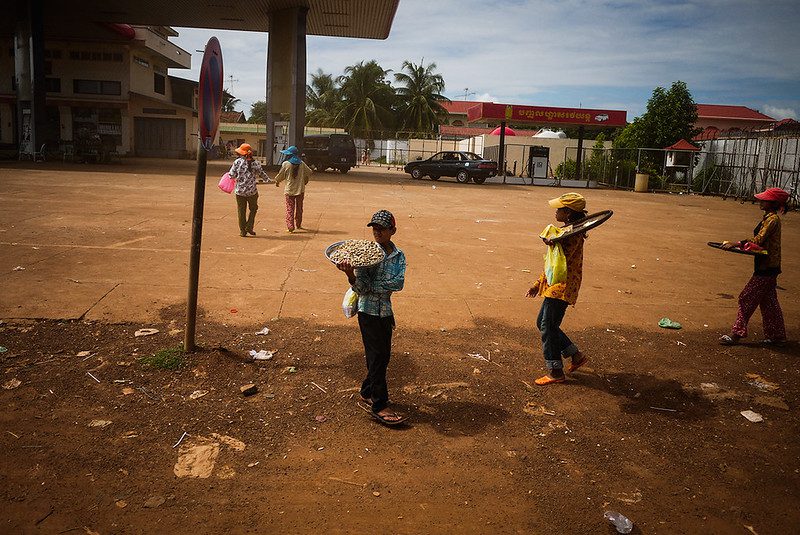
Women have taken the lead in various areas of poverty reduction, such as participating in the democratic process and spearheading efforts against water insecurity and climate disaster.

Here are some ways in which gender equality in Cambodia is improving.

Changing Societal Norms

During the Khmer Rouge in the 1970s, violence against women escalated, including rape. The UN has worked to support victims and correct assumptions and inattention surrounding violence against women in Cambodia. Through the UN Joint Global Programme on Essential Services for Women and Girls Subject to Violence that began in 2017, survivors of rape and violence are receiving help and support. They focus on various needs of victims.

Through such programs, the UN has made efforts toward openly discussing and reducing violence against women, promoting gender equality in Cambodia.

A UN survey found that 82% of men and 92% of women accept that a woman’s main role lies only in overseeing the home. By using media, the UN is educating the public about negative social norms surrounding the role of women. For example, UNDP Cambodia and the Ministry of Women’s Affairs of Cambodia (MoWA) developed an initiative that focuses on improving gender equality in Cambodia. Between 2017 and 2020, this initiative focused on three areas:

  • Refining various institutions in the health, legal, and economic sectors to implement policies that empower women.
  • Using media to educate and engage the public to break societal norms and gender barriers.
  • Advance efforts to place women in positions of leadership and decision-making.

Women Lead Efforts Toward Water Security

Not only is the conversation surrounding gender equality in Cambodia changing, but women have stepped into positions of leadership in poverty reduction. For example, women are instrumental in efforts to achieve water security. In Cambodia, women are the main members of the household to fetch and handle water.

In addition to daily water needs, women also depend on water for its use in farming. Almost two-thirds of Cambodians are farmers, many of whom are women. The USAID Sustainable Water Partnership (SWP) recognizes the leadership skills of women and trains them to aid efforts toward water security. For example, in 2018, this program trained 17 women in the Stung Chinit Watershed and placed them in positions of leadership. These women gained knowledge in various areas, including conflict resolution, teamwork, communication and overseeing finances. In future years, the SWP plans to continue to include women in the fight for water security.

Women in the Democratic Process

The USAID has also worked toward including women in the democratic process. Through grassroots organizations, women are now becoming part of various civil rights causes. The USAID has promoted the participation of women in lobbying for workers’ rights and human rights.

Cambodia’s National Assembly is still composed of 80% men, but efforts to place women in political leadership positions are being undertaken. For example, a Cambodian NGO SILAKA is focused on partnering with political parties to engage women in politics. In 2017, the Cambodian People’s Party (CPP) and the Cambodia National Rescue Party (CNRP) focused on including qualified women candidates on candidate lists during council elections.

Women and Climate Disaster

In 2019, UNDP Cambodia increased efforts to prevent climate disasters and protect communities from these disasters. The UNDP has emphasized the role of women in disaster management. They are equipping local women with leadership and decision-making skills as a part of the Charter of Demands for Disaster Risk Reduction and Climate Change Adaptation.

Looking Forward

With the aid of the UN and USAID, Cambodia has made crucial efforts toward reforming negative societal norms. This has come through media campaigns and through involving women in poverty reduction efforts. To achieve greater gender equality in Cambodia, further efforts are needed to empower women politically, economically and socially.

– Anita Durairaj
Photo: Needpix

July 21, 2020
https://borgenproject.org/wp-content/uploads/borgen-project-logo.svg 0 0 Jennifer Philipp https://borgenproject.org/wp-content/uploads/borgen-project-logo.svg Jennifer Philipp2020-07-21 15:00:232020-07-21 09:45:06How Gender Equality in Cambodia is Improving
Developing Countries, Global Poverty, Health

Tackling Tuberculosis in Cambodia

Tuberculosis In Cambodia To the nearly 17 million people living in Cambodia, tuberculosis is no stranger. In 2007, it was the seventh leading cause of death in the country. In 2012, it caused nearly 8.6 million Cambodians to fall ill. Today, despite the ongoing threat of tuberculosis in Cambodia, eradication efforts continue to prove that solutions to complex health problems can oftentimes start with the simplest of interventions—take, perhaps, a new washing machine.
A Clean, New Discovery

For the staff at the Khmer Soviet Friendship Hospital in Cambodia’s capital, such a realization came around because of Nhib Chhom. Nhib Chhom, the Deputy Infection Control Coordinator, asked nurse educator Kareeen Dunlop to test the bacterial residue of hospital linens. She discovered an extremely minor reduction in the amount of bacteria on washed laundry. This was a surprising finding no doubt, but to the hospital’s many employees, less than so.

“Staff have been pleading with me in regards to their laundering,” describes Dunlop in a 2019 report. “Nhib Chhom again said how the washing was coming back from the laundry dirtier than it went.”

Seeing as the hospital specializes in the treatment of infectious diseases, the nurses’ frustration is particularly understandable. Without the proper means to sanitize linens, curbing disease transmission is made unnecessarily more difficult. Furthermore, the lack of sanitization unnecessarily ignites yet another outbreak of tuberculosis in Cambodia.

What to Know About Tuberculosis in Cambodia

Globally, the WHO approximates that 1.8 billion people have TB. Cambodia in particular is still home to one of the largest TB infection rates in the world. Cambodia has approximately 13,000 TB-related deaths per year. Cases of tuberculosis in Cambodia have decreased by 45% between 2002 and 2011. Despite this decrease, however, Cambodia continues to remain among the world’s 22 high-burden tuberculosis countries. The Pasteur Institute in Cambodia estimates a TB prevalence of 36,000 cases out of a population of 16 million in 2015 alone. Coupled with an estimated 40% TB under-diagnosis rate according to research at the National University in Singapore, the TB threat in Cambodia is certainly far from passed.

Thankfully, however, such staggering numbers have not gone unchecked. In fact, together the national TB program and international partners have achieved an 85% TB treatment success rate. They continue to address eradication efforts. In the case of the Khmer Soviet Friendship Hospital’s laundry problem, the officials involved were Michael and Jodie Flowers. Michael and Jodie Flowers, managers of Commercial Laundry Solutions LTD., who volunteered to install four washing machines and donate a drier to the hospital. Aided by $6,000 worth of spare parts from Electrolux, the Flowers spent three weeks refurbishing their washing appliances. They ultimately granted nurses the ability to deliver sparkling clean laundry for the first time.

How the Cambodian Health Committee is Combatting Tuberculosis in Cambodia

Many others works to empower healthcare providers with the materials necessary to deter global health threats. A nonprofit NGO, the Cambodian Health Committee (CHC), has also been working long hours to eradicate tuberculosis in Cambodia. Additionally, they also strive to eradicate HIV/AIDS from Svay Rieng, Kompot and Kandal, three of Cambodia’s poorest and most war-affected provinces.

Founded by research immunologist Dr. Anne Goldfeld, in collaboration with healthcare professional Dr. Sok Thim, the CHC has treated more than 32,000 people with tuberculosis in Cambodia since its founding in 1994. The CHC has also screened over 2,000 people for drug-resistant TB infection. With an integrated emphasis on healthcare, clinical research and education, the CHC implements a community-based healthcare model to provide direct TB care, in addition to investigating the effectiveness of new innovations.

For example, the CHC designed a research study regarding the effects of treatment timing in outcomes for TB and HIV-infected patients. The study, CAMELIA, found that beginning TB drug therapy two weeks prior to administering AIDS medications decreases mortality by 34%.

The Borgen Project recently spoke with Dr. Sarin Chan, a clinical investigator for CAMELIA. According to Dr. Chan, the study has since progressed out of the experimental phase and into the clinical one. The study is involved with early ARV treatment for co TB and HIV-infected patients now recognized in the national guidelines for clinical care of HIV patients. The National Center for Tuberculosis and Leprosy Control’s development of a TB prevention strategy is similarly a promising step forward in the fight against tuberculosis in Cambodia, says Chan.

Looking Ahead

At the end of the washing cycle, much good can be said about the progress against tuberculosis in Cambodia. Despite the country’s high TB infection rate, increased access to community-based healthcare as provided by the CHC and improvement of hospital sanitation practices all point towards a brighter future.

– Petra Dujmic 
Photo: Flickr

July 21, 2020
https://borgenproject.org/wp-content/uploads/borgen-project-logo.svg 0 0 Kim Thelwell https://borgenproject.org/wp-content/uploads/borgen-project-logo.svg Kim Thelwell2020-07-21 01:31:232024-06-06 00:38:11Tackling Tuberculosis in Cambodia
Global Poverty

International Cooperation in the Fight Against Locusts

The Fight Against Locusts
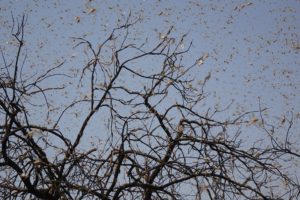
Asia, the Middle East and Africa are in a battle with an entity that threatens the food security of 10% of the population. This problem has come and gone before and goes by the name of the desert locust. These locusts fly in swarms of 10s of billions, in coverage ranging from a square third of a mile to 100 square miles. For reference, a swarm the size of one-third of a square mile could eat the equivalent of 35,000 people.

The leading cause of the sudden outburst of locusts is the months of heavy rain that Africa and Southwest Asia had towards the end of 2019. Locusts thrive in wet conditions when breeding and the rain sparked a massive emergence of the bugs.

The locusts could become the cause of food insecurity for millions of people. The reason for this is the sheer number of insects and also how quickly they can travel. They swarm from one food supply to the next, while moving from one country to the next within days. When they decide to land in a town or city that seems to have an abundance of crops, they will eat anywhere from 50 to 80% of all the plants. This has resulted in many countries and international institutions increasing cooperation, as the locusts do not discriminate against which country they deplete of resources. Below are five of the ways that collaboration has developed in the fight against locusts, which highlights the importance of working together during national emergencies.

5 Cases of International Cooperation in the Fight Against Locusts

  1. The World Bank has put together a $500 million program called The Emergency Locust Response Program to immediately assist farmers in the Middle East and Africa. This will help the citizens of affected countries with cash transfers, and will also go towards investing in agricultural industries. The first four countries that will receive the aid are Djibouti, Ethiopia, Kenya and Uganda. They will collectively receive $160 million of the $500 million total.
  2. The National Oceanic and Atmospheric Administration has paired with the United Nations to strengthen technology that tracks locust swarms. The administration typically helps track weather and other changes in the environment, but now will use its resources to help monitor the locusts. It is trying to re-purpose technology to track smoke in order to follow the migration of locusts. This will help prepare countries and cities better, as they will have a more accurate prediction of when the swarms will reach them. These institutions are also developing different types of bio-pesticides, which will have less of an impact on humans and crops.
  3.  India has offered a detailed plan to Pakistan and Iran to team up against the swarms effectively. Pakistan has yet to accept the deal, but if accepted, the countries would “coordinate locust control operations along the border and that India can facilitate the supply of malathion, a pesticide, to Pakistan.” The plan originated in hopes of trying to save some of the estimated $3 billion of lost crops within the affected regions.
  4. The United States Agency for International Development (USAID) has contributed $19 million to the FAO to fight the locusts in East Africa. The money will go to Ethiopia, Kenya and Somalia, which are three of the worst-hit countries. The aid will help these countries afford airplanes to perform aerial spraying and training for infestation fighters on the ground.
  5. The Bill and Melinda Gates Foundation has committed another $10 million to the FAO. This money will go towards the same countries as the USAID contribution went to. The countries have gratefully accepted the money, yet still need more support. However, contributions from organizations like the Bill and Melinda Gates Foundation are closing the gap between necessary resources and obtained resources.

The cooperation between organizations and countries in the fight against locusts proves to be the silver lining of the infestation. International institutions are effectively planning, tracking and coordinating efforts to minimize the problem for farmers and food-insecure people around the world.

– Aiden Farr
Photo: Pixabay

July 20, 2020
https://borgenproject.org/wp-content/uploads/borgen-project-logo.svg 0 0 Jennifer Philipp https://borgenproject.org/wp-content/uploads/borgen-project-logo.svg Jennifer Philipp2020-07-20 13:56:502020-07-20 13:56:50International Cooperation in the Fight Against Locusts
Global Poverty, USAID

Recent Progress: Addressing Poverty in Colombia

Poverty in Colombia
Macroeconomic trends show there has been equitable growth in Colombia. While as of 2017, Colombia held the second-highest wealth inequality rate in Latin America, only slightly better than Brazil, it has been on a downward trend since 2000. Additionally, poverty in Colombia dropped by 15% between 2008 and 2017 to a low of 27%. Extreme poverty reduced by half from 2002 to 2014, with more than 6 million people moving out of poverty. This put more Colombians in the middle class than in poverty for the first time. Finally, between 2008 and 2017, the country’s gross domestic product (GDP) grew at a rate of 3.8%. This is more than twice as fast as the members of the Organization of Economic Cooperation and Development (OECD).

Problems

However, increasing exports drive much of the recent growth and reduction in poverty in Colombia. Commodity prices have risen significantly over the past several years. This growth is unsustainable, as a recent drop in prices has hindered the export industry. Colombia has also been struggling with such issues as a lack of financial inclusion, low productivity, low-skilled workers and a large informal economy.

The informal economy consists of such jobs as farm workers, taxi drivers and street vendors where “they make no direct tax contributions, have no security of employment and do not receive pensions or other social benefits.” As of May 2014, informal workers made up nearly two-thirds of the Colombian labor force. This means millions do not possess a dependable income. They do not have the opportunity to contribute to or receive a pension fund or other government benefits. For these reasons, the large informal sector is also a big contributor to inequality and poverty in Colombia.

Another major issue holding back Colombia has been its decades-long internal struggle for peace. Nearly a quarter-million Colombians have died from the conflict, with 25,000 disappearances and nearly 6 million displaced. Although a peace agreement was reached in 2016, tensions are still high in the country between the government and the rebel militia.

Solutions

Nonetheless, steps are occurring to ensure that Colombia is able to continue its recent progress. With nearly 6 million people displaced because of the internal conflict, land restitution is a key step to make. With the help of the World Bank, 1,852 land restitution legal cases occurred by the end of 2014. Additionally, the World Bank helped the Colombian government give reparations to those the conflict affected, with a focus on Afro-Colombian and indigenous groups who the conflict disproportionately affected.

Some are using digitalization and technology to help formalize businesses by simplifying the registration process and making tax collection more efficient, enabling businesses and individuals to pay taxes and contribute to the pension system and providing them access to many social benefits. Digitalization also provides greater access to financial services. This is occurring by providing micro-credits, expanding the outreach of banking services, lowering the cost of financial services and simplifying electronic payments.

USAID’s Role in Poverty Reduction in Colombia

The United States Agency for International Development (USAID) has also helped decrease poverty in Colombia by increasing the presence of democratic institutions in the country. Through this, the USAID hopes to “foster a culture of respect for human rights, promote access to justice, increase public investment and provide services to historically underserved and conflictive rural areas.” This organization fights for inclusive growth and encourages investment in rural areas. Additionally, it helps producers expand their market, provides financial services and helps restore the land to its original owners before the conflict.

All of these efforts and many more are helping reduce poverty in Colombia. The goal is to keep the country on a path toward equitable and inclusive development that leads to a reduction of inequality.

– Scott Boyce
Photo: Flickr

July 19, 2020
https://borgenproject.org/wp-content/uploads/borgen-project-logo.svg 0 0 Lynsey Alexander https://borgenproject.org/wp-content/uploads/borgen-project-logo.svg Lynsey Alexander2020-07-19 01:31:242022-02-28 14:48:31Recent Progress: Addressing Poverty in Colombia
Global Poverty

The CARES Act and its Global Outreach

CARES Act
On March 27, President Trump signed the Coronavirus Aid, Relief and Economic Security Act (CARES Act) into law, which authorized more than $2 trillion to combat COVID-19 and its various economic and health effects. Of that amount, over $1 billion was allotted to the U.S. Department of State and the U.S. Agency for International Development (USAID). Here are some of the specifics:

  • The Department of State received $678 million. The State Department has been working to prevent the global spread of COVID-19, to stabilize the economies and to ensure the security of other countries. The State Department has also funded and worked closely with numerous international NGOs, including UNICEF and the World Food Program, to help those across the world in need of supplies and medical assistance.

  • Of that $678 million, $350 million was allotted specifically for migration and refugee assistance. Under the CARES Act, the State Department is tasked with working closely with NGOs like the United Nations High Commissioner for Refugees and the International Committee of the Red Cross to prepare and respond to any outbreaks of COVID-19 among refugee populations.

  • USAID, specifically its International Disaster Assistance (IDA) account, received $258 million. Independent of the federal government, USAID is one of the largest aid agencies in the world. Here is how USAID and its IDA works to help the world’s poor.

How USAID Helps the World’s Poor

The IDA works to provide humanitarian assistance to people in other nations affected by natural disasters and emergencies. It provides basic necessities and resources like food, water, shelter and health care. The IDA also ensures that refugees and people fleeing conflict are able to receive humanitarian aid wherever they are.

More generally, USAID works to promote development in other countries across the globe. This development could be a reduction in poverty through humanitarian assistance. It could also come in the form of political change to ensure stability and economic prosperity, as USAID works to promote democracy.

The $258 million it received through the CARES Act will go directly towards providing other nations with medical and essential aid. The funding will benefit frontline workers in other countries and provide them with the medical tools and resources necessary to treat patients. Funding will also go towards providing those in need with food, shelter, water and other necessary supplies.

The world’s poor have been severely affected by COVID-19 and its economic and social implications. Millions have lost their jobs, and millions more have lost their homes due to their inability to pay rent, such as migrant workers living in India. USAID will provide direct relief to the poor and help them recover physically and financially.

How Foreign Aid Helps the U.S.

Providing foreign aid to countries around the world benefits the U.S. in numerous ways. First, foreign aid ensures national security. USAID works with other governments to create political, social and economic stability by promoting a more democratic political system and lifting people out of poverty. Stability in other nations is critical to U.S. national security.

Foreign aid can also strengthen the market for American-made goods. When people are lifted out of poverty and have the financial ability to purchase goods, there will be an increased demand for goods in general. American businesses and the economy will benefit, as U.S. trade constitutes significant portions of trade in numerous countries around the world. Promoting a stable economy with able buyers is critical to maintaining and increasing the strength of the U.S. economy.

The CARES Act could potentially save lives worldwide through direct medical aid and humanitarian assistance. USAID is working to equip medical workers around the world with the proper equipment and resources necessary to limit the spread of COVID-19. The CARES Act also provides funding to directly assist refugee populations without legal status in their current home. The U.S. aims to be a leader in solving this global crisis and the CARES Act could be a significant step in the right direction.

– Harry Yeung
Photo: Flickr

July 17, 2020
https://borgenproject.org/wp-content/uploads/borgen-project-logo.svg 0 0 Jennifer Philipp https://borgenproject.org/wp-content/uploads/borgen-project-logo.svg Jennifer Philipp2020-07-17 10:42:232024-05-29 23:17:47The CARES Act and its Global Outreach
Global Poverty, USAID

5 Organizations That Have Improved Healthcare in Cameroon

Healthcare in Cameroon
In 2010, the World Health Organization reported that for every 10,000 Cameroonians, there were 7.8 nurses and midwives and 1.1 physicians. In contrast, neighboring Nigeria had 16.1 nurses and midwives and four physicians. Rural areas in Cameroon had the fewest healthcare workers. A 2015 study further showed that money was an indicator of whether university students sought out healthcare treatment. The study also reported that the treatment and prevention of malaria, a disease that’s been linked to poverty, requires spending about 40% of family incomes. While access to treatment is limited, several organizations are working to improve access to healthcare in Cameroon. Here are five organizations that have improved the healthcare system.

The World Bank

From 2008 to 2017, The World Bank worked to improve healthcare in Cameroon through the Health Sector Support Investment Project. The World Bank provided additional funding to strengthen and scale-up healthcare institutions and improve the monitoring of vulnerable individuals. When the project concluded, it had helped about 3 million women in Cameroon.

The World Bank reported that the project also positively impacted immunizations, childbirth and healthcare access. Around 380,000 children were immunized. Skilled medical professionals helped with about 306,395 births. The number of people in Cameroon with access to “health, nutrition, or reproductive health services” reached 6.8 million. Overall, the project benefitted at least 7.4 million Cameroonians.

USAID and ECOBANK

USAID partnered with Ecobank in order to provide additional funding for healthcare in Cameroon, specifically to support local small and medium enterprises that offer health services. In 2016, USAID and Ecobank gave $3.7 million in funding in the form of loans to impactful organizations, specifically those focused on the health of women and children.

Management Sciences for Health

In 2012, Management Sciences for Health (MSH) partnered with the local Ministry of Health in order to improve healthcare in Cameroon. The organizations still have a partnership today. MSH has worked on improving family planning and reproductive healthcare, as well as improving healthcare practices when it comes to treating and preventing malaria, TB and HIV.

As a result of MSH’s efforts, 3,431 Cameroonians received contraception, and 10,497 women received education on family planning between October 2015 and September 2016. Information and referrals were provided to 13,000 women for reproductive health and family planning. Pre-birth counseling increased by 49% with the help of MSH’s Leadership Development Program. The program also increased postpartum counseling by 59%.

During 2016, healthcare facilities reported that antiretroviral medicines, which can be used to treat HIV, were out of stock only 9% of the time — down from 100% in 2014. Of 129 HIV treatment and prevention sites, 87% had “complete patient information” at the end of 2015, which helped keep track of HIV patient data. MHS also created the West Africa HIV & AIDS Commodity Tracking Tool and began using it to gather data to help HIV program managers make informed decisions.

MHS also helped with a national program to control malaria, increased the capacity of healthcare institutions to help with “torture rehabilitation” and improved management of tuberculosis through an internet tool called “e-TB Manager.”

International Medical Corps

The International Medical Corps works in Cameroon to train medical professionals and help with the provision of medical supplies. The organization extends to rural areas, as well as any areas that lack access to healthcare in Cameroon. The Medical Corps provides “preventive and curative services, mental health and psychosocial support services (MHPSS) and reproductive health services including ante- and post-natal care to both refugee and vulnerable host populations.” In 2018, The International Medical Corps reported providing 81,266 healthcare consultations to Cameroonians during a three-month time frame.

The Global Citizens Initiative

In 2013, the Global Citizens Initiative launched the Cameroon Healthcare Access Program. It was created to address the corruption present in Cameroon’s healthcare system. The World Justice Project reported that some citizens were forced to pay when seeking medical attention that should have been “free under the law.”

The goals of this project include addressing corruption through a National Healthcare Access Coalition, raising awareness about governmental healthcare policies, ensuring consumers are aware of their “basic right to healthcare” and tracking changes as the program progresses. When interviewed about the project in 2013, Tarh Frambo, Country Director of the Global Citizens Initiative in Cameroon, said that “the fund is going to help us implement our project on the Cameroon healthcare access, which aims at stemming the practice of corruption as it manifests itself in the public healthcare system of the country.” According to the World Justice Project, the program is still active and will decrease corruption and help give communities more access to healthcare in Cameroon.

In 2014, an update on the project showed that a “national coalition of multidisciplinary stakeholders” had been formed to address corruption. The coalition held workshops on the pros of being corruption-free and on healthcare law overall. Public service announcements were also being used to inform citizens about their healthcare rights.

Conclusion

The numbers show that access to healthcare in Cameroon is an ongoing problem. Since the WHO’s 2010 fact sheet on healthcare in Cameroon, however, The World Bank, USAID and ECOBANK, MSH, the International Medical Corps, and the Global Citizens Initiative have created programs that improved the healthcare system for the people of this country, leading to greater coverage and treatment for Cameroonians in need.

– Melody Kazel
Photo: Flickr

July 17, 2020
https://borgenproject.org/wp-content/uploads/borgen-project-logo.svg 0 0 Kim Thelwell https://borgenproject.org/wp-content/uploads/borgen-project-logo.svg Kim Thelwell2020-07-17 10:28:212024-05-29 23:18:425 Organizations That Have Improved Healthcare in Cameroon
Global Poverty, Sanitation, Water, Water Quality, Water Sanitation

10 Facts About Sanitation in Jordan

The country of Jordan is the fifth most water-scarce country in the world, following Iran, and is labeled at an “extremely high” risk level. With water scarcity comes multiple risk factors, including water-borne illnesses caused by unsafe drinking water, diseases from a lack of sanitation and death by dehydration. In addition, water scarcity contributes to an increase in sexual exploitation and rape, as children, especially young girls, need to physically travel miles every day through deserts and dangerous terrain to retrieve water for their families. This then contributes to a decrease in education among girls and perpetuates the cycle of poverty in areas in Jordan and globally. Here are 10 facts about sanitation in Jordan.

10 Facts About Sanitation in Jordan

  1. Climate change affects sanitation in Jordan. In most areas of the country, populations are not located near major water sources and water must be transported from distances up to 325 kilometers away. With the rise of climate change causing flash floods, unpredictable and extreme weather patterns and increased temperatures, Jordan faces difficulties accessing necessary sanitation services.
  2. Jordan faces severe water scarcity. According to UNICEF, “Jordan’s annual renewable water resources are less than 100m3 [meters cubed] per person.” This is 400 meters cubed below the threshold of 500 meters cubed, which defines water scarcity.

  3. As a result of an increase in population and industrial and agricultural capacity, Jordan is dealing with severe aquifer depletion. All 12 of Jordan’s main aquifers are declining at rates exceeding 20 meters per year, well beyond their rechargeable volumes. This is especially alarming as 60% of Jordan’s water comes from the ground.

  4. Those in vulnerable and rural areas lack sanitation resources. Proper hygiene norms, such as handwashing and showering, are taught and practiced in households. However, those in more vulnerable and rural areas often lack soap and body wash to stay clean and healthy.

  5. A large percentage of the population in Jordan don’t have access to water. Only 58% of households have direct access to a sewer connection. In comparison to the nearly half of the population in Jordan, only 0.46% of the United States population does not have access to proper plumbing services. This is an especially prevalent issue in rural areas in Jordan, where only 6% of households have a sewer connection.

  6. The Syrian refugee crisis has greatly increased the population in Jordan. As Jordan borders Syria, it has become a safe haven for more than 670,000 refugees of the Syrian civil war. Having accepted the second-highest amount of refugees in the world compared to its population in 2018, this sudden increase in population means added pressure on resources and infrastructure, as well as an increase in air pollution and waste production.

  7. The water network in Jordan has inadequate infrastructure, needing major rehabilitation. Pumps and sewer lines are old and aging. Unfortunately, Jordan’s already scarce water supply is paying the price, with up to 70% of water transported from aquifers through old pumps being lost in the northern areas of Jordan due to water leakage.
  8. The increase in population, agriculture and industry in Jordan has led to an increase in pollution and toxicity in Jordan’s water supply. Upstream abstractions of groundwater have led to an increase in salinity. Unregulated pesticides and fertilizers used for farming have exposed the water supply to dangerous nitrates and phosphorus through runoff. In addition, it is reported that about 70% of Jordan’s spring water is biologically contaminated.

  9. Foreign aid plays a positive role in improving sanitation in Jordan. To mitigate the aforementioned effects threatening Jordan’s water supply and working towards achieving the United Nation’s Sustainable Development Goal 6, USAID works in conjunction with the government of Jordan to build sustainable water and wastewater infrastructure, train hundreds of water experts in Jordan, promote water conservation and strengthen water governance.

  10. Profound progress is seen in the increase in access to water, hygiene services and sanitation in Jordan. From 2000 to 2015, 2,595,670 people gained access to safely managed water services and 2,212,419 people gained access to safely managed sanitation services. In addition, homelessness in Jordan is very rare, meaning open defecation and the illnesses associated with homelessness are less prevalent.

Despite Jordan’s desert climate, clean water and efficient sanitation are achievable and make up the groundwork of global prosperity. Sanitation in Jordan is of the utmost priority in ensuring that Jordan can become a durable consumer and competitor of leading nations.

– Sharon Shenderovskiy
Photo: Flickr

July 16, 2020
https://borgenproject.org/wp-content/uploads/borgen-project-logo.svg 0 0 Kim Thelwell https://borgenproject.org/wp-content/uploads/borgen-project-logo.svg Kim Thelwell2020-07-16 13:00:102024-05-29 22:52:4010 Facts About Sanitation in Jordan
Global Poverty, Sanitation, Water Sanitation

10 Facts About Sanitation in Côte d’Ivoire

Sanitation in Côte d’Ivoire
Côte d’Ivoire, a tropical destination nestled in the south-western coast of Africa, is home to 22 million people who struggle to access clean water and sanitation facilities. The sanitation practices and systems in Côte d’Ivoire have faced setbacks from political instability and rapid urbanization. With the help of international aid, the country can increase access to clean water and sanitation facilities. By repairing infrastructure and reallocating funds, the sanitation in Côte d’Ivoire is on track to be up to par in the foreseeable future.

10 Facts About Sanitation in Côte d’Ivoire

  1. The sanitation crisis in Côte d’Ivoire is partly due to political unrest. Since the Second Ivorian Civil War in 2011, the country has experienced unrest that has pushed sanitation in Côte d’Ivoire to the bottom of the political agenda. Because of the sociopolitical crisis, large numbers of people have fled to settlements where there is little access to purified water or clean bathrooms. This displacement, paired with immigration from bordering countries like Ghana, caused the sewage systems and water purifying plants in Côte d’Ivoire to become overwhelmed and even harder to fix.
  2. Almost half of the population struggles to access clean water. In Côte d’Ivoire, 35% of individuals living in rural settlements do not have access to clean drinking water. Around 9 million people in the country are unable to reach a sanitation facility that houses bathrooms, showers, and places to purify water. Côte d’Ivoire is working to improve this; in 2010, only 14 million citizens had access to safe drinking water, but in 2015, more than 16 million people had access to basic drinking water.
  3. The sewage and water sanitation systems are outdated and neglected. Because of the ongoing political distress, important maintenance of sanitation systems has fallen by the wayside. In 2016, The World Bank started the Urban Water Supply and Sanitation Project, providing Côte d’Ivoire with a $50 million credit. Regular upkeep of water purifying plants and sewage pipes is crucial to public health.
  4. Tainted water supplies affect infants. One study found that E.coli fervently contaminates infant formula when areas store municipal water rather than treating it immediately. Around 41% of households in the study appeared to have E.coli present in the water they used for infants’ formula, increasing the infant mortality rate. Fortunately, since 2010, the infant mortality rate in Côte d’Ivoire has decreased from 107.2 per 1,000 births to 80.9 per 1,000 births.
  5. Contaminated drinking water increases water-borne illness. Many people must seek unsafe alternatives in the absence of properly cleaned water. Drinking or using contaminated water to cook can cause cholera, dysentery, typhoid and giardia, to name a few. Public health depends on government action to improve the sanitation in Côte d’Ivoire, which includes providing access to clean drinking water.
  6. The inaccessibility of clean water disproportionately affects women. Women and girls are typically responsible for bringing clean water to their homes. Because they must walk long distances alone to fetch water, they face an increased risk of others abducting or harassing them along their route. Girls also forfeit attending school because 0f this responsibility. According to the UNDP, the school enrollment rate for girls is 33% in comparison to a 45% enrollment rate for boys.
  7. Two of the country’s top 10 leading causes of death are a result of poor sanitation. Malaria and diarrheal diseases are two of the leading causes of death in Côte d’Ivoire. The lack of access to working bathroom facilities has caused many citizens to defecate outside, leaving cesspools for mosquitoes to breed and spread malaria. Drinking contaminated drinking water causes diarrheal infections.
  8. Côte d’Ivoire launched a team to tackle the sanitation issue. In November 2019, the Minister of Hygiene and Sanitation established a brigade of workers to help cities build working sewage systems and accessible sanitation facilities. The country is employing SODECI and other sanitation companies to clean up the community by picking up litter, cleaning gutters and cutting grass; they also encourage people to keep the area around where they live and warn of illegally dumping into water supplies.
  9. Many organizations work to help sanitation in Côte d’Ivoire. Habitat for Humanity has mobilized hundreds of workers to install water pumps and teach locals how to maintain them. USAID researches sustainable technology, develops prototypes and creates working models for new technology such as double pit latrines. Organizations like the World Health Organization (WHO) monitor and track the spread of various illnesses related to poor sanitation and provide funding to governments to help with these issues.
  10. Côte d’Ivoire received millions of dollars during COVID-19 to help with the sanitation crisis. In May 2020, The World Bank agreed on a $35 million credit to allow the government of Côte d’Ivoire to respond to the COVID-19 pandemic. The credit will help the government install water treatment plants, restructure sewage systems and provide access to clean water and other resources needed to maintain proper hygiene.

Although these facts show Côte d’Ivoire’s sanitation challenges, they also indicate some of the initiatives to develop the country’s sanitation. The sanitation in Côte d’Ivoire should improve greatly throughout the next few years and continue beyond if aid from the international community and other organizations persists.

– Danielle Kuzel
Photo: Flickr

July 15, 2020
https://borgenproject.org/wp-content/uploads/borgen-project-logo.svg 0 0 Kim Thelwell https://borgenproject.org/wp-content/uploads/borgen-project-logo.svg Kim Thelwell2020-07-15 07:30:362024-05-29 23:18:0010 Facts About Sanitation in Côte d’Ivoire
Disease, Global Poverty

Healthcare in the Democratic Republic of the Congo

healthcare in the Democratic Republic of the CongoOne of the biggest challenges facing the Democratic Republic of the Congo is its healthcare system. The country faces many barriers to adequate healthcare, such as low funding, systematic and structural difficulties, poverty, proper treatment and testing, education and more. However, many organizations worldwide are working to improve healthcare in the country through direct aid and legislation.

The Problems with the Healthcare System in the Democratic Republic of the Congo

The healthcare system lacks investment and funding. As a result, it is difficult for the country to combat prevalent healthcare issues, such as infectious diseases. It also provides obstacles to combatting more pervasive issues such as infant and mother mortality rates. According to the CDC, the top causes of death in the Democratic Republic of the Congo are “malaria, lower respiratory infections, neonatal disorders and tuberculosis.”

Many of these issues are preventable. However, as of 2017, the Democratic Republic of the Congo only dedicated 3.98% of GDP to healthcare. In comparison, the U.S. dedicated 17.06% to healthcare. Healthcare in the Democratic Republic of the Congo requires consistent funding and resources to ameliorate and reduce these problems; without increased investment, these healthcare problems will only continue to persist.

Furthermore, the WHO states that another complication facing the healthcare system is a lack of resources. The healthcare facilities that are up and running are “often poorly maintained” and difficult to access. Moreover, many communities throughout the country are isolated and spread out. For example, the WHO states that 80% of cholera patients are displaced throughout the country. With these patients vastly spread out, it becomes harder and harder to treat and reduce the impact of cholera. Additionally, traveling from one area to the next present difficulties because of damaged and underdeveloped roads, which introduces another barrier to proper treatment.

Therefore, it becomes increasingly difficult for citizens to even obtain access to healthcare clinics and/or hospitals. Factoring in violence and displacement, lack of food and healthy drinking water and extreme poverty conditions, healthcare in the Democratic Republic of the Congo’s is in dire need of support and aid.

What Organizations are Doing to Help

With that said, what are other countries and organizations doing to help the Democratic Republic of the Congo? There are many organizations around the world working to reduce global poverty and improve healthcare in the Democratic Republic of the Congo and other struggling countries. The focus herein are direct, firsthand efforts from organizations such as USAID, the CDC and WHO.

  • The WHO is actively trying to obtain accurate information about population and health in order to properly provide solutions for certain problems. For example, the WHO seeks to obtain information about issues, such as infant mortality rate and the necessary vaccines. Then, they modernize this information by implementing new technology and software to ensure that the data is upkept, accurate and transformative.
  • USAID is training local citizens and communities on proper healthcare treatment and issues. USAID helps these citizens utilize “locally available resources” to treat the pervasive health issues specific to the country. Additionally, USAID also seeks to increase education by providing scholarships to people to pursue comprehensive medical education. USAID also strives to increase funding and investment for healthcare in the Democratic Republic of the Congo.
  • The CDC has sent more than two million testing kits and thousands of vaccines/treatments to combat a multitude of issues such as malaria, HIV/AIDS, influenza and infections. Additionally, they have also increased the number of healthcare clinics and other testing and treatment sites across the country. These sites now include five new “sentinel sites for influenza and other infections”.

Moving Forward

Furthermore, advocacy organizations push federal legislation focused on reducing poverty and improving healthcare systems across the world. Equally important, these continual and consistent efforts prioritize allocation of U.S. foreign aid towards these economically struggling countries.

Overall, healthcare in the Democratic Republic of the Congo, underfunded for many years, still requires intense rebuilding and change. However, many organizations across the world are understanding these healthcare issues and taking action to help. While much more progress must occur in order to ensure a stable, successful healthcare system, the progress that is currently underway should not be overlooked.

– Sophia McWilliams 
Photo: Flickr

July 15, 2020
https://borgenproject.org/wp-content/uploads/borgen-project-logo.svg 0 0 Kim Thelwell https://borgenproject.org/wp-content/uploads/borgen-project-logo.svg Kim Thelwell2020-07-15 01:31:002024-05-29 23:09:41Healthcare in the Democratic Republic of the Congo
Page 47 of 92«‹4546474849›»

Get Smarter

  • Global Poverty 101
  • Global Poverty… The Good News
  • Global Poverty & U.S. Jobs
  • Global Poverty and National Security
  • Innovative Solutions to Poverty
  • Global Poverty & Aid FAQ’s
Search Search

Take Action

  • Call Congress
  • Email Congress
  • Donate
  • 30 Ways to Help
  • Volunteer Ops
  • Internships
  • Courses & Certificates
  • The Podcast
Borgen Project

“The Borgen Project is an incredible nonprofit organization that is addressing poverty and hunger and working towards ending them.”

-The Huffington Post

Inside The Borgen Project

  • Contact
  • About
  • Financials
  • President
  • Board of Directors
  • Board of Advisors

International Links

  • UK Email Parliament
  • UK Donate
  • Canada Email Parliament

Get Smarter

  • Global Poverty 101
  • Global Poverty… The Good News
  • Global Poverty & U.S. Jobs
  • Global Poverty and National Security
  • Innovative Solutions to Poverty
  • Global Poverty & Aid FAQ’s

Ways to Help

  • Call Congress
  • Email Congress
  • Donate
  • 30 Ways to Help
  • Volunteer Ops
  • Internships
  • Courses & Certificates
  • The Podcast
Scroll to top Scroll to top Scroll to top