• Link to X
  • Link to Facebook
  • Link to Instagram
  • Link to TikTok
  • Link to Youtube
  • About
    • About Us
      • President
      • Board of Directors
      • Board of Advisors
      • Financials
      • Our Methodology
      • Success Tracker
      • Contact
  • Act Now
    • 30 Ways to Help
      • Email Congress
      • Call Congress
      • Volunteer
      • Courses & Certificates
      • Be a Donor
    • Internships
      • In-Office Internships
      • Remote Internships
    • Legislation
      • Politics 101
  • The Blog
  • The Podcast
  • Magazine
  • Donate
  • Click to open the search input field Click to open the search input field Search
  • Menu Menu

Tag Archive for: USAID

Information and news about mobile technology

Posts

Global Poverty, Women and Female Empowerment

Building Inclusiveness in Nepal

Inclusiveness in NepalIn 2015, a 7.8 magnitude earthquake struck the South Asian country of Nepal, killing 9,000 people, injuring 168,00 more and destroying tens of thousands of homes. The tragedy and ongoing reconstruction that followed sparked the scarred nation to adopt a new constitution. This act is in an effort to create more transparency and equality. However, Nepal’s traditional society that remained provided little support for the lower class including women. USAID has stepped in to aid with reconstruction and support Archana Tamang as a USAID-funded gender and social inclusion (GESI) advisor to the government. She wants to ensure that women, as well as other marginalized people, have a voice in creating a sense of inclusiveness in Nepal and helping lead it into the future.

A History of Gender Inequality and Violence

Women, especially those from lower castes in Nepal’s Hindu culture, have little opportunities for education, health care and work outside the home. A woman has no choice but to marry into what are often arranged marriages that define her life. Husbands control the family resources leaving women often shunned and impoverished should they be divorced or widowed. These marriages can often be oppressive and even abusive.

“During the first earthquake in 2015, Archana was traveling to Afghanistan for work; but the quake ‘was a real wake up call.'” Tamang’s choice to fight GESI issues is inspired by her experience. She got married at the early age of 17 to a man from India. Tamang lived with emotional and physical abuse for five years before escaping back to Nepal with her daughter. In Nepal, she later became involved in GESI efforts. She was working in Afghanistan when the earthquake hit and quickly returned to her home to help rebuild.

On the Road to Change

The National Reconstruction Authority is the sector of the Nepalese government that has overseen rebuilding after the earthquake. As Nepal’s government moves toward a more transparent leadership, the National Reconstruction Authority had pledged to help defenseless populations. However, a focused approach was lacking. Tamang developed a research-supported GESI Action Plan for the government where she would “empower women and ensure that they were able to earn a living.”

Tamang makes it her mission to visit women and other powerless people in their home villages to educate them on their liberties and duties. She wants to make sure they are heard in the reconstruction process. Her GESI Action Plan mandates that at least two of five posts in local governments are to be held by women. Plus, women make up at least one of two mayoral or deputy mayoral candidates in each Nepal district. The plan has also called for women to get paid the same as men for their labor helping to rebuild, further nurturing inclusiveness in Nepal.

A Future for Inclusiveness in Nepal

In 2017, Nepal had its first election in over 20 years under the new constitution and more than 1.7 million Nepalis — most of whom were women and lower-class people — registered to vote for the first time. The elections brought more than 14,000 women into government. This demonstrates the effectiveness of Tamang’s Action Plan to the point where it received full government financial support. She is happy to report that in 2019, 40% of elected officials were women. In addition, more and more girls are being educated and finding their voice to help heal their scarred nation.

– Joseph Maria
Photo: Flickr
September 1, 2020
https://borgenproject.org/wp-content/uploads/borgen-project-logo.svg 0 0 Kim Thelwell https://borgenproject.org/wp-content/uploads/borgen-project-logo.svg Kim Thelwell2020-09-01 12:08:402020-09-01 12:08:40Building Inclusiveness in Nepal
Global Poverty

Colombia Fights Mosquito Breeding Sites

Mosquito Breeding Sites With a Data Analytics App
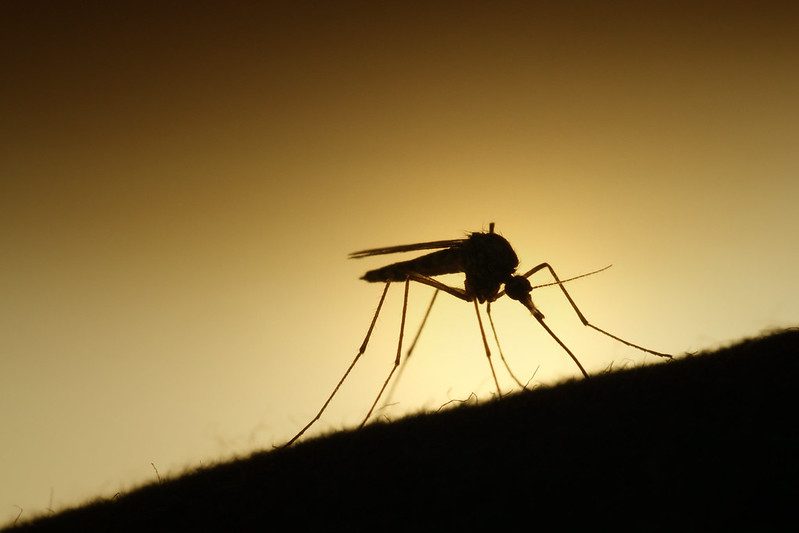
In Colombia, 27% of people live in poverty and more than 7 million are considered internally displaced people (IDPs). These people fled their homes because of a long-running civil war and guerrilla attacks. Alongside rampant poverty and displacement, Colombia struggles with mosquito-borne diseases, reporting 1,400 cases of Zika in a single year and more than 84,664 cases of dengue fever. Worldwide, more than 1 million people die of mosquito-related illnesses each year. Premise, a company that specializes in data analytics, partnered with Colombia’s government and the United States Agency for International Development (USAID) to fight Colombia’s deadly Zika outbreaks and mosquito breeding sites with a data analytics app.

The Problem

At the beginning of 2016, South America was in the midst of Zika and dengue fever outbreaks. In 2019, more than 2 million South Americans contracted dengue, and at least 720 people died. Both Zika and dengue are mosquito-borne diseases that Aedes aegypti mosquitoes primarily spread. Aedes aegypti mosquitoes are also the main transmitters of yellow fever and chikungunya. These mosquitoes contract the virus by biting into people who already have an infection. Then, the mosquitoes spread the virus further by continuing to bite others. Only female mosquitoes are able to bite people, which is why only female Aedes aegypti mosquitoes transmit the virus.

In 2015-2016, Colombia had the second-largest Zika outbreak in the world. Cali, a city of 2.4 million people, accounted for more than 20% of the country’s cases. Some Colombians live in slum areas that lack proper sewage and garbage disposal systems, sanitation and running water. These areas are especially attractive to mosquitos, and during heavy rainfall, the health situation worsens because the slums experience flooding, creating stagnant water and puddles close to people’s homes.

Premise’s Mission

In 2017, Premise, a predictive data analytics company based in San Francisco, conducted its first phase of internal vector monitoring of Cali. The company records, georeferences and photographs mosquito breedings sites with a data analytics app, aiming to increase awareness across Colombian cities and give communities a way to fight mosquito-borne diseases. During the first phase, Premise digitally recorded 40,000 sewers and put them into the system; in the second phase, which began in 2018, Premise received funding from USAID.

As part of Premise’s work in Colombia, 7,000 people participated in a citizen network project, through which the community actively collaborated in monitoring and destroying mosquito breeding sites. Soon after Premise took off, 108,000 homes received inspections and more than 70,000 mosquito breeding sites were demolished — often by app users, who poured chlorine on the sites. The average number of breeding sites in people’s homes decreased from three to less than two in only one year.

Premise’s data science led to organized mosquito-management practices, such as vector control (killing larvae to decrease the population of male mosquitoes) and vector surveillance (keeping mosquito densities under close watch). Premise recorded 54,000 direct sewage openings that had a high likelihood of mosquitoes, and thanks to data granularity, locations of mosquito breeding sites were outlined down to the street intersections. The data analytics app not only tracked down mosquito hotspots and the origins of disease transmission but also gave civilians access to key records and methods to reduce mosquito breedings sites.

Citizen Participation

One reason for Premise’s success was the participation of local communities in its Citizen Network pilot project. Citizens directly contributed to monitoring Zika outbreaks and expanded the frequency charts and other collected data. In 2018, 2,911 citizens in Cali were actively engaged in Premise’s project, and thousands of people continue to complete Premise’s tasks each month, such as taking pictures of mosquito breeding sites, for small money prizes, which Premise sends via Bitcoin or bank deposit.

With the support of the USAID and local Colombian citizen networks, Premise is able to monitor and control Aedes aegypti mosquito breeding sites with a data analytics app. This innovative app decreases dangerous and deadly epidemics across Colombia, and soon, Premise may expand its mission across South America to help other nations in need of mosquito-borne disease control.

– Anna Sharudenko
Photo: Flickr

August 29, 2020
https://borgenproject.org/wp-content/uploads/borgen-project-logo.svg 0 0 Kim Thelwell https://borgenproject.org/wp-content/uploads/borgen-project-logo.svg Kim Thelwell2020-08-29 01:31:282024-05-29 23:22:26Colombia Fights Mosquito Breeding Sites
Global Poverty, USAID

Living on Less Than $1.90 Per Day in Madagascar

Poverty in MadagascarMadagascar is an island located in the Indian Ocean off the coast of South Africa. Established as an independent country in 1960, Madagascar is known for its diverse culture of French, Indian, Chinese and Arabic influences, along with many others. The island is home to about 27 million people. The majority of these people are currently living in extreme poverty in Madagascar.
Poverty Rates in Madagascar

According to the World Bank, 75% of people in Madagascar are estimated to be living on less than $1.90 per day as of 2019. This number has decreased since the last official statistic in 2012 (when 77.6% were living in poverty in Madagascar). Still, this remains one of the highest poverty rates in the world. For comparison, in the U.S., 1.2% of people lived on $1.90 or less per day in 2016. According to data from 2015, 10% of the world’s population lives on $1.90 or less per day.

Additionally, in Madagascar, approximately 85% of homes do not have access to electricity. Almost one-half of children in Madagascar are likely to experience stunting as a result of undernutrition. One in 16 children dies before the age of five. As an island, Madagascar is at a high risk of natural disasters and climate change effects, experiencing an average of three natural disasters per year. These are responsible for approximately $400 million in damages.

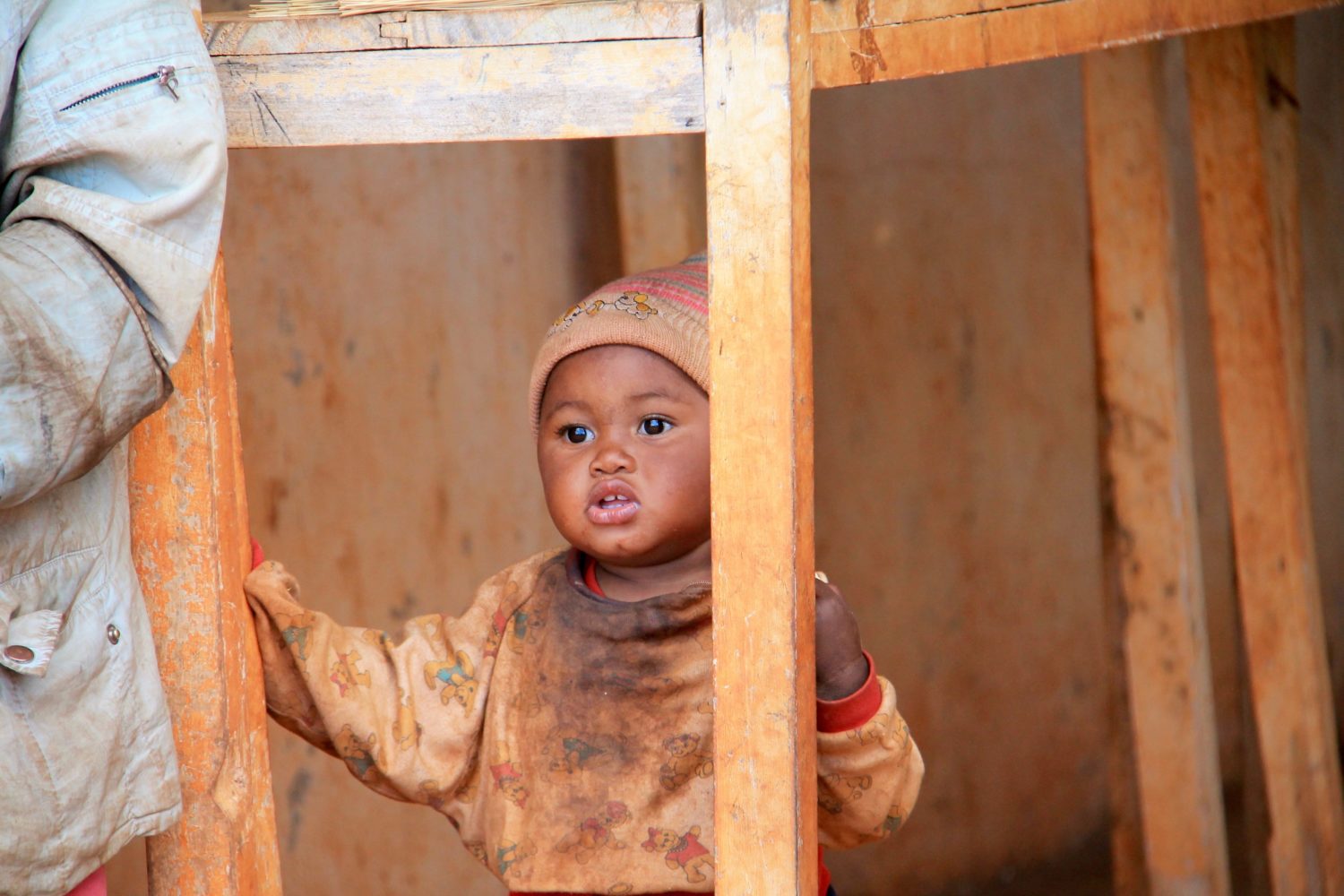
Georgette Raharimalala is a Malagasy mother to three in Betafo, Madagascar. On average, women in Madagascar have five children. Raharimalala, known as Zety, primarily makes her money by working in the fields in her village with her children, buying and reselling peanuts and occasionally gardening where she can find space on her small property. “Life is very hard,” she said. “As soon as we make a bit of money, we buy food.”

However, poverty in Madagascar continues to improve. There are many programs in place to provide economic assistance to low-income countries like Madagascar.

World Bank’s IDA Program Helps the Economy

Zety is eligible for financial assistance from the International Development Association (IDA) on a bi-monthly basis. The IDA is part of the World Bank, which distributes loans and grants to 74 of the world’s poorest countries. The bank aims to improve local economies, reduce inequalities and improve living situations. This IDA program requires Zety to take her children to the wellness center in her village for a checkup once a month to ensure they are properly nourished. She also learns how to cook and provide proper diets for her children. Children in families receiving financial assistance must also be enrolled in (and remain in) school. As a result of the IDA program:

  • 1.3 million children have had access to free healthcare
  • 347 healthcare centers have been refurbished
  • Over 700,000 mothers and children have improved nutrition

The Support of the US

In addition to programs like the IDA, the United States supports Madagascar on its own. In fact, the U.S. is the largest donor country to Madagascar. It has provided foreign aid in the following areas to help reduce poverty in Madagascar:

  • Food: The U.S. was the largest donor of food following the severe drought on the island.
  • Development: The U.S. provides aid in areas that USAID refers to as “WASH,” or water, sanitation and health.
  • Biodiversity Conservation: Madagascar is known for its incredible diversity and has more unique species than the entirety of Africa, which U.S. aid supports.

The U.S. has dedicated $109.91 million to Madagascar for the year 2020, a small percentage of its total foreign aid budget.

While the struggle for basic healthcare, education and income is still prominent for many Malagasy citizens, conditions are continuing to improve for people like Zety and her children due to a combination of national and international policy and aid efforts. Though there is always room for improvement, poverty in Madagascar is being reduced and fewer are living with less than $1.90 per day.

– Sydney Bazilian
Photo: Unsplash

August 28, 2020
https://borgenproject.org/wp-content/uploads/borgen-project-logo.svg 0 0 Kim Thelwell https://borgenproject.org/wp-content/uploads/borgen-project-logo.svg Kim Thelwell2020-08-28 16:32:522024-12-13 18:02:09Living on Less Than $1.90 Per Day in Madagascar
COVID-19, Global Poverty, USAID

5 Ways USAID Assists Brazil’s COVID-19 Response

Brazil’s Covid-19 Response
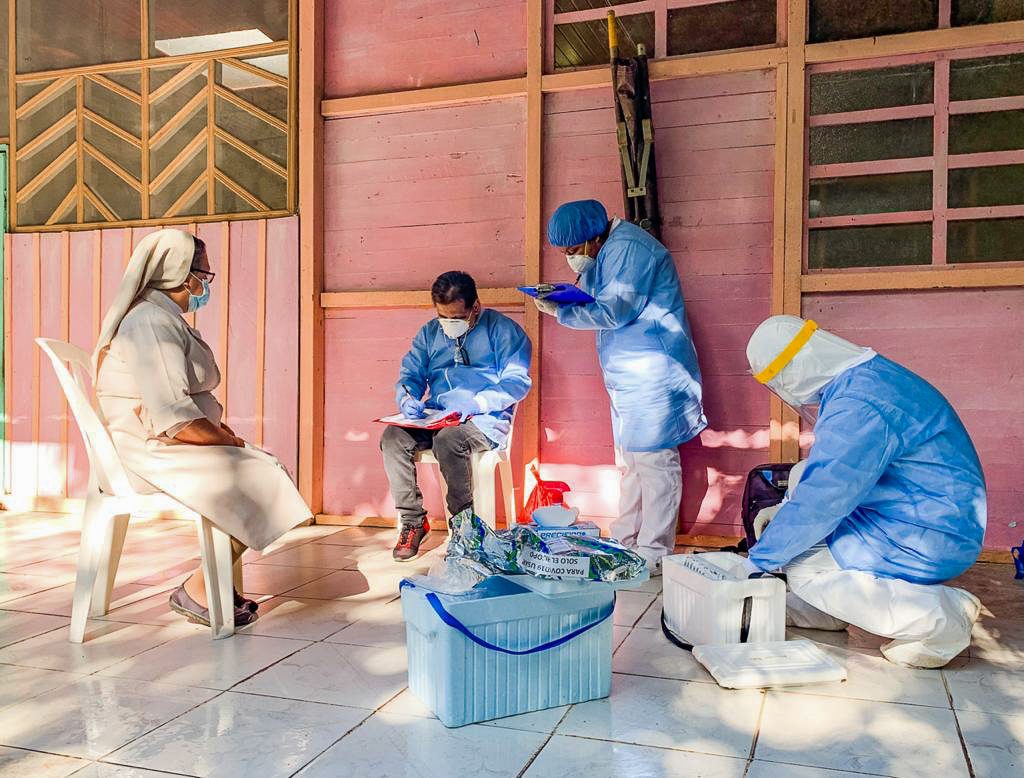
As the largest nation in South America and also one of the poorest, Brazil remains vulnerable to the health and socioeconomic implications of COVID-19. With 55 million of it’s 210 million citizens living in poverty and 85% living in urban areas, international support for Brazil’s COVID-19 response is particularly important. In just four months, nearly 2 million people contracted the disease, resulting in over 72,000 deaths.

The proportion of Brazilians covered by family health teams increased from 17.4% in 2000 to 63.7% in 2015. However, the low doctor-to-patient ratio of only 0.02% and the stagnant 8.4% expenditure of the GDP on healthcare contribute to many Brazilians lacking access to treatment. This issue has only been exacerbated by the additional strain the pandemic has placed on the healthcare system. As of July 15, the U.S. Department of State and USAID have directed $1.5 billion towards the global COVID-19 response. Of that, USAID is supporting Brazil’s COVID-19 response with $12.5 million.

How USAID is Supporting Brazil’s COVID-19 Response

  1. Ventilators: In May, the U.S. committed to delivering 1,000 ventilators to the people of Brazil. These machines, ranging in price from $5,000 to $50,000, will save Brazil millions of dollars in healthcare-related equipment expenditures as the spread of COVID-19 continues. The novel virus attacks the body’s respiratory system, often causing difficulty breathing or respiratory failure. USAID is improving Brazil’s COVID-19 response with these life-saving machines. The aid will ensure that hospitals do not turn away patients due to a shortage of medical supplies.While ventilators do not stop the spread of COVID-19, they are helping some of the sickest Brazilian patients recover. A New England Journal of Medicine study found that 50% of COVID-19 patients who require a ventilator eventually die from the disease. However, patients spend an average of 10 days on a ventilator. This means that if 1,000 new ventilators are available in Brazil, in three months of use, 4,500 people who would have died without a ventilator will likely survive.
  2. Hygiene and Sanitization: By May, the CDC had provided $3 million in Brazilian COVID-19 response funding. The funds are used to improve data collection in order to identify cases, contact trace and pinpoint areas of high transmission rates. On May 29, when new cases were steadily increasing, USAID announced it would provide $6 million in assistance to Brazil. Part of this funding was directed towards improved sanitation and hygiene in order to mitigate the spread of COVID-19. Brazil is now able to better distribute government-subsidized masks, hand sanitizer and other hygiene-related materials. As a result, the country has more effectively controlled the spread of COVID-19 and has not experienced a record high daily case influx since June.
  3. Food and Water: In March, Brazil’s unemployment rate rose to 12.6% from an average of 12% in 2019. The jump left approximately 5 million more Brazilians unemployed at the onset of the COVID-19 outbreak. With the heightened financial crisis, many of the 38 million once-employed Brazilians lost their jobs and in turn lost the purchasing power to feed their families. As part of the United States’ July commitment to provide $1.5 billion in foreign aid relief for COVID-19, $20 million has been directed towards food and water aid. It is uncertain how much of the money will fund hunger relief within Brazil’s COVID-19 response. Nevertheless, the United States’ step to dedicate funding for food and water provides some hope for Brazilians facing hunger.
  4. Refugee and Vulnerable Populations: In addition to the growing prevalence of poverty and unemployment in Brazil, the estimated 253,500 Venezuelan migrants and refugees within Brazil are struggling. Fortunately, these Venezuelans, who flooded Brazil at the highest rate in South America, have access to hospital treatment. Though, a lack of financial opportunity during COVID-19 has created disproportionate homelessness and hunger for the refugees. In response, USAID is providing over $12.4 million to support two NGOs in Brazil. These NGOs provide emergency shelter, food and nutritional assistance exclusively to vulnerable populations within Brazil. Such populations include low-income and rural residents in the Amazonian region and Venezuelan migrants.
  5. Grants and Incentives for the Private Sector: USAID is also improving Brazil’s COVID-19 response by creating incentives for private sector involvement. In May, $75,000 in grants were issued to former Brazilian USG exchange program participants to fund 40 COVID-19 relief projects. These grassroots projects work to educate Brazilian communities about the pandemic. The efforts dispel misinformation about the virus and address the socioeconomic implications of it, such as increased rates of domestic violence during the quarantine. USAID has mobilized a small population of the private sector in Brazil, strengthening the effects of the over $40 million in Brazilian COVID-19 relief derived from the United States’ domestic private sector.

USAID, along with the CDC and the U.S. Department of State, is improving Brazil’s COVID-19 response by financially prioritizing medical intervention, mitigation efforts, humanitarian aid and education regarding the virus. Although COVID-19 remains an issue, the nation is better equipped with tools to slow the spread of the virus and handle any negative effects of it.

– Caledonia Strelow
Photo: Flickr

August 27, 2020
https://borgenproject.org/wp-content/uploads/borgen-project-logo.svg 0 0 Kim Thelwell https://borgenproject.org/wp-content/uploads/borgen-project-logo.svg Kim Thelwell2020-08-27 12:48:092020-08-27 13:02:265 Ways USAID Assists Brazil’s COVID-19 Response
Global Poverty, Sanitation

WASH in Serbia: The Good News

WASH in Serbia
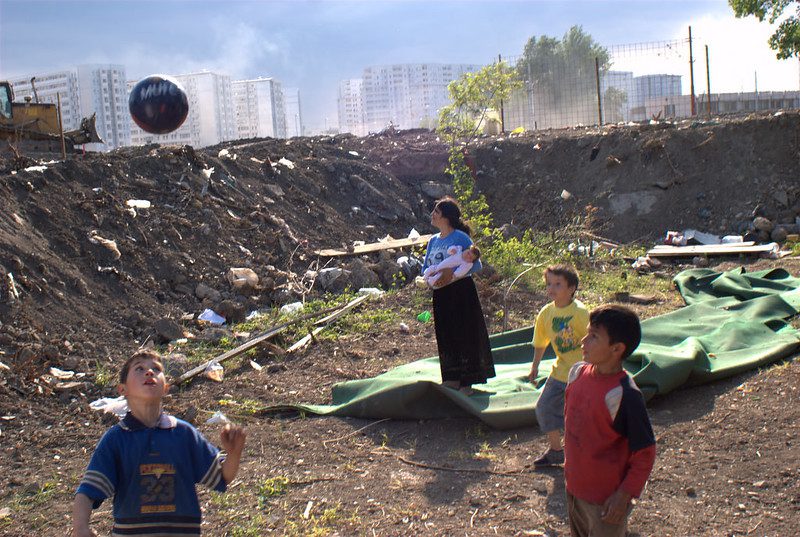
Water pollution in Serbia is primarily caused by the inadequate discharge of wastewater. Unequal practices of waste removal disproportionately impact rural and Roma communities, as these groups tend to rely on wells and local waterways that are often exposed to industrial contamination. In fact, 22% of the Roma population does not have access to improved water sources, making them especially susceptible to waterborne diseases. Although there is still much work needed to ensure that everyone in Serbia has access to adequate Water, Sanitation and Hygiene (WASH), the situation is far from stagnant. Here are nine facts about how WASH in Serbia is improving.

9 Facts About WASH in Serbia

  1. The OM Christian church started a non-governmental organization in 2014 to assist vulnerable populations in Serbia and other Mediterranean countries. As part of its religious beliefs, the church has enacted a variety of humanitarian work, including establishing adequate sanitation facilities.
  2. The Serbian government has implemented a national program dedicated to the improvement of WASH. Furthermore, the Republic of Serbia now recognizes WASH as a fundamental human right. Through their national program, the government implemented a variety of initiatives promoting hygiene in schools and health facilities. The government has also implemented long-term initiatives dedicated to the sustainability of water supplies.
  3. The United Nations Developmental Agency (UNDP) implemented the Protocol on Water and Health in 2013, which is currently active in 170 countries, including Serbia. Through this program, the organization aims to establish a variety of sustainable development goals in Serbia by 2030. Specifically, goal 6 of the program aims to provide clean water and improved sanitation facilities for all Serbians.
  4. In 2019, the European Investment Bank (EIB) gave a 35 million Euro loan to the Serbian city of Belgrade to fund improved sanitation and a wastewater treatment plant. The EIB has been supporting Serbia by loaning money for WASH development projects since 2000. This latest donation is expected to improve the living conditions of more than 170,000 people in the region.
  5. The KFW Development Bank is working to assist Serbia in funding a variety of infrastructural projects. Through their Financial Corporation, the bank is providing improved WASH facilities for 20 Serbian towns, which sustain a collective population of more than 1.3 million people. In early 2020, Belgrade constructed a water treatment plant through the KFW Development Bank’s funding.
  6. The European Union’s Water Framework Directive is working to improve water quality and ensure the proportionate distribution of water from the Tisza River, a major tributary of the Danube and one of the primary water sources for Serbia and four other European countries. The organization aims to carry out this project through a three-step initiative. These steps include traditional water resources planning, structured participation and collaborative computer modeling.
  7. USAID has been present in Serbia since 2001. In 2014, the organization donated $20 million to create a new reservoir in Preševo, which helped provide water to residents of this region.
  8. Serbia has been a member of the Open Government Partnership since 2012. The country has committed itself to be more transparent about its environmental information and budget allocations, which will promote accountability for the government to improve its water and sanitation facilities.
  9. Ecumenical Humanitarian, a Christian organization, has been assisting the Roma people, Serbia’s most vulnerable population, since 2007. The NGO has been working to build sustainable housing and sanitation units for this marginalized group.

Although there is still much progress to be made, the initiatives and improvements implemented over the past years demonstrate that there is hope for improved WASH in Serbia. Moving forward, these organizations must continue to make water and sanitation in the nation a priority.

– Kira Lucas
Photo: Flickr

August 26, 2020
https://borgenproject.org/wp-content/uploads/borgen-project-logo.svg 0 0 Kim Thelwell https://borgenproject.org/wp-content/uploads/borgen-project-logo.svg Kim Thelwell2020-08-26 16:02:342024-05-29 23:22:30WASH in Serbia: The Good News
Global Poverty

Agricultural Innovations in Poverty Eradication in Moldova

Poverty in MoldovaMoldova is the poorest country in Europe. It is heavily dependant on agriculture, yet fails to feed and employ its poor because of its highly diverse climate. In 2015, 9.6% of its citizens lived in absolute poverty. According to the United Nations, it has failed to adapt to changing weather patterns because most agricultural technology is dated to the 1970s and 80s. With these outdated technologies, poverty eradication in Moldova requires much attention to detail, patience and global aid.
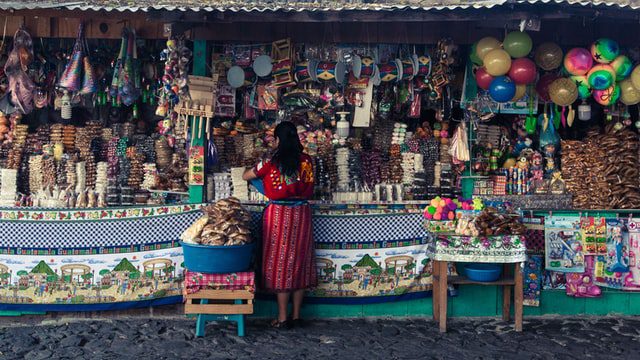
Moldova has a history of famine. In 1947, under the Soviet Union, Moldova faced a drought that yielded less than half of what it harvested in 1940. While still recovering from the fallout of the Soviet Era, another devasting famine hit the country in 2007. The United Nations World Food Program claims the 2007 famine was “the most severe in living memory.” Once more in 2012, this small country suffered environmental damage and lost $1 billion of its $8 billion dollar GDP in 2011. This event struck 70% of Moldova’s cereal crops, 25% of its cattle, 50% of its pigs and 25% of all its chickens.

Moldova is heavily dependent on agriculture despite its history of drought. This sector accounts for 14.5% of its GDP and around 40% of the total employed population, with 70% in rural areas. Additionally, this sector occupies about 60% of all land. This poses serious concerns about the way the agriculture sector functions, long-term infrastructural changes and short-term technological innovations in Moldova. Here are six facts about the agricultural sector in Moldova and agricultural innovations in poverty eradication in Moldova.

6 Facts About the Agricultural Sector in Moldova

  1. Because much farming is small-scale, the country lacks the necessary robust infrastructure to feed its population or provide stable employment. Approximately 98% of farmers are small-scale and therefore lack the ability to produce economies of scale. Economies of scale are typically understood to make each unit produced cheaper through the ability to invest in more expensive, but more efficient, machinery. This increased profit margin also protects against economic shocks, such as droughts. Without these profit margins, farmers lack the capital to invest in technologies that can help them overcome poverty.
  2. Moldova is particularly notable because its patterns of migratory work do not necessarily reflect those of other nations for which remittances make up a significant portion of gross domestic product. Many Moldovans work in Western Europe, Israel and Russia while sending money to their home country. Unlike other countries, however, these workers are largely seasonal, because they do not move permanently to the nations they work in and instead send money home. In the off-season, they return to Moldova. As a result, Moldovans need critical agricultural infrastructure so citizens may make ends meet when they are not working in other countries.
  3. The government and private investors are taking tangible steps towards technological advancements and infrastructural changes. There has been a push away from crops vulnerable to climate versatility, like wheat, and towards climate-resistant crops, like the sunflower. The World Bank recommends that the country can do more, like investing in economically efficient irrigation, pest management and research for better weather forecasts.
  4. The World Bank is pushing for global contributions. Funds from the World Bank are providing measurable changes in agricultural infrastructure. In 2017, the bank helped fund more efficient irrigation systems that allow farmers to see a 40% increase in crops despite more rainy days.
  5. USAID’s High Value Agriculture Activity in Moldova, a project geared towards poverty eradication in Moldova, has created an Agriculture Innovation and Technology Transfer Fund. This fund should help popularize modern-planting along with technologies for preservation after harvesting and help critical technology meet safety standards in trade. Expectations are that sales will increase by $84 million, an additional 280 farmers with utilize new harvesting technologies and 5,000 people will receive training to use those new harvesting technologies.
  6. In 2010, The World Bank outlined long-term goals to eradicate poverty in Moldova. These include creating economies of scale, diversifying the economy and creating platforms to better coordinate and share knowledge. All of these are necessary to attract private investment, which can then lead to even greater growth and permanent opportunities. Yet, these long-term goals prove difficult to approach, because there will be little measurable effect if many poor farmers cannot afford to invest in new technology.

Investment in technological innovations in the agricultural sector should help with poverty eradication in Moldova. It should provide food for the hungry, jobs for the poor, ameliorate impacts of environmental catastrophe and boost the country’s economy. With this additional money, the country can begin to invest in the World Bank’s long-term goals.

Aid is essential to the survival of this small country. Moldova has successfully created a highly specialized elite force and researched better alternatives to current crops. Additionally, companies offering economically efficient energy have emerged. According to the United Nations, however, global investment is necessary so farmers may have access to technologies and crops that resist climate challenges.

– Bisma Punjani
Photo: Wikimedia Commons

August 25, 2020
https://borgenproject.org/wp-content/uploads/borgen-project-logo.svg 0 0 Jennifer Philipp https://borgenproject.org/wp-content/uploads/borgen-project-logo.svg Jennifer Philipp2020-08-25 01:30:342024-05-29 23:23:32Agricultural Innovations in Poverty Eradication in Moldova
Global Poverty, Hunger

How Education and USAID are Fighting Hunger in Guatemala

Hunger in Guatemala
Guatemala is a country in Central America, sharing a border with Mexico and Honduras. Active volcanoes border the nation, carving high mountains and desert valleys into the landscape. Despite its beautiful scenery, however, Guatemala is considered to be one of the most unequal societies in the world. With a population of over 16 million people, nearly half of Guatemala’s population struggles to afford even the most basic of food items, and according to the World Food Program, two-thirds of the population lives on less than $2 a day. As a result, Guatemalan citizens continue to flee to neighboring countries, seeking better opportunities for themselves and their families. Here are five things you should know about the impact of hunger in Guatemala.

5 Things to Know About Hunger in Guatemala

  1. Changing weather patterns cause food shortages in Guatemala. According to National Geographic, unpredictable weather patterns were what induced a devastating 2018 drought that was determined to be one of the worst in Guatemala’s history. Farmers rely on consistent weather patterns, and just a few unexpected changes in rainfall can spell disaster for food supplies. Guatemala has suffered from several long and sustained periods of drought over the past decade, and continues to experience increasing numbers of hurricanes and natural disasters. Severe El Niño storms and droughts are increasing in their intensity, forcing many families to flee their homes in hope of a better life.
  2. Children are the most vulnerable. A recent article by Reuters reports a 24% increase in malnutrition in children aged five years or younger. Even during the peak of the rain season, Guatemalan farmers are struggling to keep staple crops like wheat and grain safe from dry heat. As periodic drought continues to weaken Guatemala’s peak rain season, children experience the brunt of the impact, with their families are unable to afford food for daily meals.
  3. The government is working to improve nutrition. For some children, school meals may be the only ones that they receive. To address child malnutrition, the Guatemalan government passed a new law to increase investment in school meals for children. This law increases the reach of its school meal program to all of its departments, benefiting over 2.5 million school children across the country. Additionally, this expansion increases the economic impact of these nutritional meals, requiring 50% of the food for the program to be purchased from local farmers, in order to bolster local businesses.
  4. International organizations are focusing on female empowerment and education initiatives to fight hunger. The World Bank is working to target female farmers and connect them with markets for fresh food, including school feeding initiatives. By empowering these female farmers in Guatemala, the country is simultaneously increasing income equality and replenishing the food supply for impoverished children. Pilot programs by the United Nations Food and Agricultural Organization have shown success in strengthening these ties between female farmers and schools, ultimately keeping children in education and empowering local farmers. Overall, the programs have overwhelming public support, with 95% of school children enjoying the new menu implementations.
  5. USAID is contributing to Guatemalan efforts to reduce hunger. In addition to empowering local farmers and strengthening education initiatives, USAID currently oversees three main initiatives to increase the effectiveness of medical, educational and economic measures combating hunger in Guatemala – Feed the Future, the Global Health Initiative and the Global Climate Change Initiative. These initiatives include programs to expand the current Guatemalan infrastructure in partnership with nonprofit organizations, increase access to basic health care for citizens in rural areas, provide education and community outreach to convey the importance of a nutritious diet and streamline access to medical care and treatment for malnutrition.

The Guatemalan government and international organizations are working collaboratively to address the serious problem of nationwide hunger. While current projects are seeing substantial progress, sustained efforts will be needed as climate change continues to increase the influence of erratic weather patterns.

– Amanda Ozaki-Laughon
Photo: Unsplash

August 24, 2020
https://borgenproject.org/wp-content/uploads/borgen-project-logo.svg 0 0 Jennifer Philipp https://borgenproject.org/wp-content/uploads/borgen-project-logo.svg Jennifer Philipp2020-08-24 12:48:392020-08-25 08:53:49How Education and USAID are Fighting Hunger in Guatemala
Global Poverty, Humanitarian Aid

The US Fights Crisis in Yemen with a Double-Edged Sword

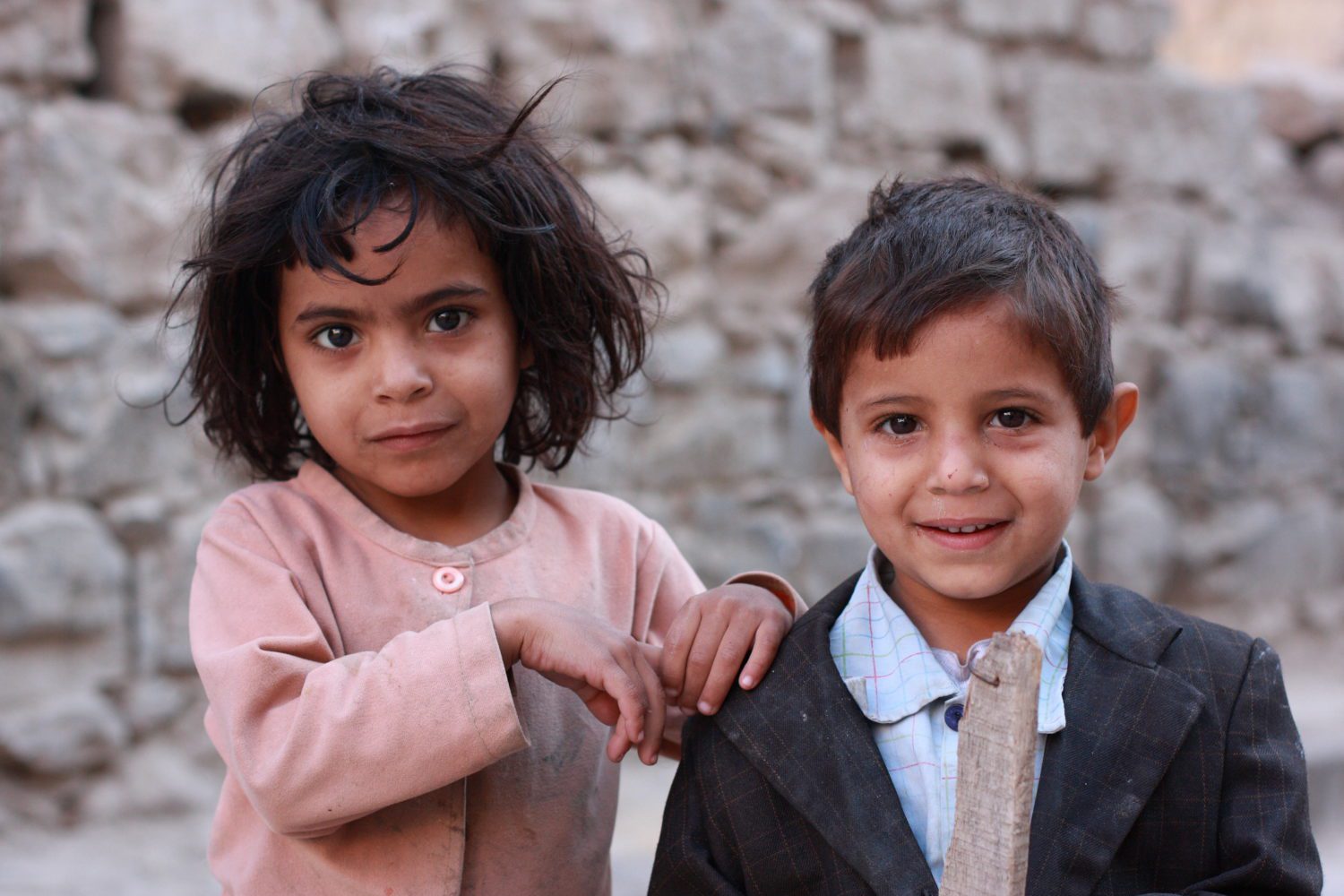
Crisis in YemenTucked between Saudi Arabia and the Gulf of Aden, Yemen is suffering from the world’s worst humanitarian crisis – and COVID-19 may be the final straw that wipes the Middle Eastern country off the map.

The current crisis in Yemen arises from a complex history of unrest. From 2010 to 2012, the Arab Spring ushered in a period of political rebellion throughout the Middle East. Accordingly, Yemen’s push for democracy facilitated the rocky transition of power from President Ali Abdullah Saleh to his vice president, Abdrabbuh Mansour Hadi. Years of domestic hardship followed.

Islamic Houthi rebels and Saleh loyalists capitalized on Hadi’s weak state and seized control of the capital city of Sanaa in 2014. The following year, Saudi Arabia and the United Arab Emirates formed a coalition of states to invade Yemen, overpower the Houthi-Saleh rebels and reinstate Hadi’s government. More recently, coalition and Houthi alliances splintered, with Yemen as the battleground for new factions.

According to the Human Rights Watch, Saudi-led coalition attacks constitute a majority of the violence in Yemen, with approximately 12 airstrikes per day. Even so, all competing forces contribute to the bloodshed. Civilian deaths and injuries clock in at 17,500 since the conflict escalated in 2015.

Civil War, COVID-19 and Crisis: Yemen is a City on Fire

The onset of the highly infectious COVID-19 set Yemen’s conflict on fire; what remains is a full-blown crisis. Amid continued violence, 24 million Yemenis – 80% of the national population – are in dire need of humanitarian assistance. COVID-19 has worsened the already scarce supply of sanitation and clean water. Health care facilities have been dramatically reduced in capacity.

Thus far, the world has deprived 12 million Yemeni children of humanitarian aid. Innocent boys and girls are fighting for survival, some of which have yet to utter their first words. Moreover, pre-COVID-19, 2 million children faced barriers to education. Now, Yemen has 7.8 million children without schooling due to nation-wide closures.

The US Role in Yemen: Two Sides of a Different Coin

In the U.S., national headlines oscillate between COVID-19 and Donald Trump’s Twitter, with little to no mention of the ongoing crisis in Yemen. Though public awareness lacks, political action has indeed transpired on Capitol Hill.

The U.S. has funneled $721 million in humanitarian assistance to Yemen since 2017. In response to the pandemic, Secretary of State Michael Pompeo directed an additional $225 million in USAID funding to help the resource-stricken country.

Despite seemingly well-intended aid, the U.S. government’s support of coalition states tells a different story. A coalition powerhouse, Saudi Arabia’s authoritarian regime and aggressive military tactics clash against American pillars of democracy and peace. The Saudi-led coalition fly planes fueled by the U.S. military and drop bombs purchased in ongoing munition sales with the United States.

In fact, the U.N. Group of Eminent Experts suspected that the U.S., “may be complicit in war crimes in Yemen through arms sales and intelligence support given to the Saudi-led coalition.”

This year, Congress passed a bipartisan bill to scale back detrimental U.S. involvement in Yemen, ending the practice of the U.S. military refueling aircraft and using intelligence to support the coalition. Ultimately, President Trump vetoed the resolution, and Congress neglected to override Trump’s vote.

In an exclusive interview with The Borgen Project, Rep. Jared Huffman of California explained the significance of the Congressional statement: “I think that tells you that there is bipartisan support for distancing the United States from the military campaign from the Saudis in Yemen and for taking a more humanitarian approach.”

The Future of Fighting Against Crisis in Yemen

The crisis in Yemen presents as convoluted at best and depressing at worst. Fortunately, Huffman sheds light on the efforts unfolding within Congress, and there is a reason for optimism. Huffman declares, “There will be amendments and debates in the days ahead on the 2021 National Defense Authorization Act, and I am sure there will be Yemen amendments as part of that. And so, we’ll keep trying. We’re months away from a national election and some changes that could make it possible for us to go even further.”

Hence, war wages on in Yemen as people battle each other and COVID-19. Yet, another battleground begins at the voting ballot; the upcoming U.S. elections could decide the role the government plays in Middle Eastern politics. In addition, those compelled to help Yemen can donate to reputable organizations, such as UNICEF  or Save The Children.

– Maya Gonzales
Photo: Wikimedia

August 24, 2020
https://borgenproject.org/wp-content/uploads/borgen-project-logo.svg 0 0 Kim Thelwell https://borgenproject.org/wp-content/uploads/borgen-project-logo.svg Kim Thelwell2020-08-24 12:24:112024-05-29 23:22:22The US Fights Crisis in Yemen with a Double-Edged Sword
Global Poverty, Health

USAID Helps India Combat COVID-19

USAID Helps India Combat COVID-19
India remains one of the top recipients of U.S. foreign assistance, much of it being economic. Through the U.S. Agency for International Development (USAID), one of the leading global aid agencies, the U.S. committed $2.9 million to strengthen India’s fight against the COVID-19 pandemic. USAID created a health system strengthening project implemented by Jhpiego, a global nonprofit health organization affiliated with Johns Hopkins University. The project intends to develop risk communication materials concerning COVID-19 and its potential spread to communities in 12 Indian states. Funding during the pandemic from USAID helps India provide care and treatment for those affected, safety equipment for healthcare workers and support for local communities so that they can contain and slow the spread of the virus.

USAID Helps India by Providing Supplies

USAID shipped 100 new compact and deployable ventilators to India to treat patients across the country. The units have a value of almost $1.2 million. USAID is also providing support packages that include equipment for the ventilators and additional medical supplies, technical assistance and service plans to respond to India’s urgent needs. USAID is working with organizations within India such as the Indian Red Cross Society to ensure that the ventilators are transported safely and securely to health care facilities around the country.

Partnerships for Affordable Healthcare Access and Longevity (PAHAL)

In coordination with the Government of India, USAID is giving funds to the Partnerships for Affordable Healthcare Access and Longevity (PAHAL). PAHAL is an innovative project by USAID and IPE Global that serves to promote health financing models and provide support for improving access to quality and affordable healthcare solutions for urban poor communities in India. PAHAL reduced healthcare costs and reached more than 10 million urban poor in India. The project’s sustainable development goals have helped to mitigate the negative health and socioeconomic effects of the coronavirus pandemic. PAHAL also improved economic growth in targeted areas and reduced income and gender inequalities faced by many cities’ poorest communities.

With the PAHAL project, USAID supports the National Health Authority’s establishment of a financing facility that can utilize and transfer private sector resources to health facilities across India that are enrolled in the country’s health insurance, positively impacting around 500 million poor and vulnerable people. PAHAL’s widespread, positive impact is one of the primary ways USAID helps India combat COVID-19.

The Partnership of the US and India

The U.S. has been the world’s biggest bilateral assistance provider in public health. Over the last two decades, the U.S. government provided more than $2.8 billion in total health assistance. USAID’s additional funding to India during the coronavirus pandemic is a testament to the two nations’ enduring partnership and commitment to global health. This new grant will support the World Health Organization’s various initiatives in India. By giving quality tools to local communities, USAID helped slow the spread and severity of COVID-19. USAID’s action stems not only from the relationship between the U.S. and India but also the realization that “an infectious-disease threat anywhere can become a threat everywhere.”

– Mia McKnight
Photo: Pexels

August 22, 2020
https://borgenproject.org/wp-content/uploads/borgen-project-logo.svg 0 0 Kim Thelwell https://borgenproject.org/wp-content/uploads/borgen-project-logo.svg Kim Thelwell2020-08-22 13:30:042024-05-29 23:22:03USAID Helps India Combat COVID-19
Global Poverty, Water, Water Crisis

CloudFishing to Combat Poverty in Morocco

CloudFishing to Combat Poverty
Morocco is a water-scarce country. The effects of rapid desertification, poor water management and high susceptibility to droughts greatly impact it. Water resources in the country have fallen by about 71% since 1980. In rural communities it is common for families to rely on one water source, meaning water scarcity can have profoundly negative impacts on Moroccan families and their livelihoods. Drought, in particular, occurs on average once every three years and can have devastating effects on the livelihoods of Moroccans. Doughts negatively impact about 51.5% of the Moroccan population. With drought on the rise, sustainable water management is integral to the development of the economy. As a result, an organization called Dar Si Hmad is stepping in to use CloudFishing to combat poverty and water scarcity in Morocco.

Water Scarcity and Poverty

The citizen’s organization ‘Social Watch’ identifies the poor management of scarce water resources as a serious aggravator of rural poverty in Morocco. The effects of water scarcity particularly burden farmers and women in Morocco. Forty percent of working Moroccans have employment in the agricultural sector and 70% of farmers struggle due to the impact of frequent droughts. Women in rural communities in Morocco spend on average 3.5 hours a day seeking and carrying water, restricting their time in pursuit of other activities.

CloudFishing to Solve the Water Crisis

Dar Si Hmad, a female-led non-governmental organization (NGO), is taking an innovative approach to solving the crisis of water scarcity and alleviating poverty in Morocco. The NGO’s vision is to “enable sustainable livelihoods and create opportunities for low-resource communities to learn and prosper.” It is pursuing this vision, in part, by using ‘CloudFishing’ to combat poverty in Morocco. CloudFishing is an approach to solving the water crisis by utilizing the abundant resource of fog. In Morocco, fog gathers from the ocean and the mountainous landscape captures it for about 140 days out of the year. Dar Si Hmad uses fine mesh to ‘fish’ for droplets of water within the fog which, once it accumulates, drops into a basin and is then filtered through a process of solar-powered UV, sand and cartridge filters.

The water collected by Dar Si Hmad is piped to 140 households providing approximately 500 people in southwest Morocco with access to sustainable clean water. Dar Si Hmad has developed into the largest functioning fog collection project in the world and is directly contributing to poverty alleviation in the country. The project receives partial funding from USAID in Rabat, Morocco. Sustained foreign aid from the U.S. is integral to the organization’s continued success. CloudFishing has a positive impact on women in the community who now have more time to devote to pursuing economic activities to help them rise out of poverty. Sustainable access to water also allows poor farmers to have more stable livelihoods and escape the cycle of poverty in Morocco.

Looking Forward

While clean water is a human right recognized by a number of international organizations and countries, in water-scarce Morocco it has become a luxury. Dar Si Hmad is continuing its work throughout the COVID-19 pandemic and is preparing to build two new CloudFishers to provide water to 12 additional rural villages in Morocco. Dar Si Hmad plays an integral role in providing solutions like CloudFishing to combat poverty and water scarcity in Morocco.

– Leah Bordlee
Photo: Flickr

August 21, 2020
https://borgenproject.org/wp-content/uploads/borgen-project-logo.svg 0 0 Kim Thelwell https://borgenproject.org/wp-content/uploads/borgen-project-logo.svg Kim Thelwell2020-08-21 12:37:182024-05-29 23:22:19CloudFishing to Combat Poverty in Morocco
Page 44 of 92«‹4243444546›»

Get Smarter

  • Global Poverty 101
  • Global Poverty… The Good News
  • Global Poverty & U.S. Jobs
  • Global Poverty and National Security
  • Innovative Solutions to Poverty
  • Global Poverty & Aid FAQ’s
Search Search

Take Action

  • Call Congress
  • Email Congress
  • Donate
  • 30 Ways to Help
  • Volunteer Ops
  • Internships
  • Courses & Certificates
  • The Podcast
Borgen Project

“The Borgen Project is an incredible nonprofit organization that is addressing poverty and hunger and working towards ending them.”

-The Huffington Post

Inside The Borgen Project

  • Contact
  • About
  • Financials
  • President
  • Board of Directors
  • Board of Advisors

International Links

  • UK Email Parliament
  • UK Donate
  • Canada Email Parliament

Get Smarter

  • Global Poverty 101
  • Global Poverty… The Good News
  • Global Poverty & U.S. Jobs
  • Global Poverty and National Security
  • Innovative Solutions to Poverty
  • Global Poverty & Aid FAQ’s

Ways to Help

  • Call Congress
  • Email Congress
  • Donate
  • 30 Ways to Help
  • Volunteer Ops
  • Internships
  • Courses & Certificates
  • The Podcast
Scroll to top Scroll to top Scroll to top