• Link to X
  • Link to Facebook
  • Link to Instagram
  • Link to TikTok
  • Link to Youtube
  • About
    • About Us
      • President
      • Board of Directors
      • Board of Advisors
      • Financials
      • Our Methodology
      • Success Tracker
      • Contact
  • Act Now
    • 30 Ways to Help
      • Email Congress
      • Call Congress
      • Volunteer
      • Courses & Certificates
      • Be a Donor
    • Internships
      • In-Office Internships
      • Remote Internships
    • Legislation
      • Politics 101
  • The Blog
  • The Podcast
  • Magazine
  • Donate
  • Click to open the search input field Click to open the search input field Search
  • Menu Menu

Tag Archive for: USAID

Information and news about mobile technology

Posts

COVID-19, Global Poverty, Health, USAID

Kosovo and the Importance of the End Tuberculosis Now Act

End Tuberculosis Now Act
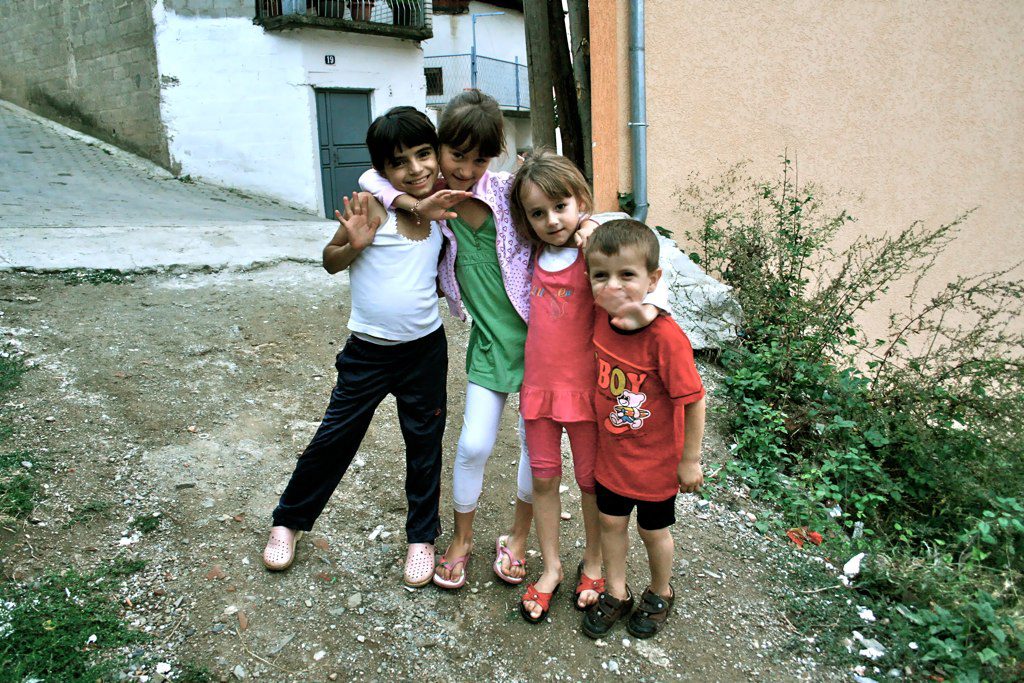
Kosovo is a country in southeastern Europe that declared independence from Serbia in February 2008. It is Europe’s youngest nation, but also one of its smallest and poorest. Kosovo ranks 137th in the world for GDP per capita and the country’s overall budget is just above $2 billion. Despite the fact that Tuberculosis (TB) is a completely preventable, treatable and curable airborne infection, the virus continues to spread throughout developing nations—including Kosovo—killing more people per year than any other infectious disease. The End Tuberculosis Now Act seeks to address this silent pandemic by refocusing U.S. efforts towards effective TB prevention and treatment in Kosovo and other developing countries. Neither the House nor Senate has held a vote on the End Tuberculosis Now Act since its introduction in August 2019. Kosovo demonstrates the importance of this act and why Congress needs to address it.

Kosovo’s Tuberculosis Rates

Among its neighbors in southeastern Europe, Kosovo has one of the highest TB infection rates, trailing only Moldova and Romania. From 1999 to 2006, total TB cases in Kosovo were declining. This progress has since stopped, with infection rates plateauing at the rate they were in 2006. A limited budget has severely hampered Kosovo’s efforts to combat and eradicate TB.

Kosovo’s insufficient health system is one reason behind the country’s spread of TB. A majority of Kosovo’s residents are dissatisfied with their health service. In addition, the nation’s top health authority is not responsible for contact tracing, testing, treatment or any other method that people use to combat TB. Instead, non-governmental organizations have received this responsibility, resulting in a lack of central planning. The End Tuberculosis Now Act would refocus USAID efforts on TB prevention and treatment in developing nations like Kosovo, providing a unified example of how to properly stop the spread and financially support affected individuals.

Kosovo and COVID-19

For some of the same reasons it struggles with TB, Kosovo is also struggling to stop the spread of COVID-19. Compared to its neighbors, the country’s pandemic response is falling short. Kosovo is much smaller than Albania, Montenegro and Greece, but has many more COVID-19 cases and deaths than these nations.

The COVID-19 pandemic has further exposed the aforementioned weaknesses in Kosovo’s healthcare system. For example, temporary medical facilities built to increase the nation’s hospital capacity have not been properly set up to prevent COVID-19 transmission between healthcare workers and infected patients.

No matter how valiant Kosovo’s efforts to combat COVID-19 are, the country is ultimately limited by its $2 billion yearly budget. The same is true when it comes to their fight against TB. Kosovo simply lacks the capital to properly test, treat and prevent the spread of both COVID-19 and TB. The End Tuberculosis Now Act will give developing nations like Kosovo a better chance of defeating TB while teaching them how to tackle similar pandemics.

Putting the Tuberculosis Fight on Hold

As the COVID-19 pandemic takes center stage, the fight against TB has been put on hold across the world. Despite this, TB has continued its spread. Approximately 80% of worldwide programs to combat the disease have experienced disruptions in their supply chains since the beginning of the COVID-19 pandemic.

Manufacturers of TB tests have pivoted to developing COVID-19 tests, reducing the overall availability of TB testing. This means massive drops in diagnosing TB. In one year, an infected individual can spread the virus to 15 people, making the diagnostic process extremely important. As testing capacities decrease, TB will continue its spread unabated in developing nations. Kosovo was already struggling to contain TB before the COVID-19 pandemic, but it could now get much worse. The End Tuberculosis Now Act is a critical component in increasing testing capacities in Kosovo to combat the spread of TB.

More Important Than Ever

TB is a preventable and treatable disease, yet it continues to kill more people worldwide than any other infectious disease. The End Tuberculosis Now Act would increase investments in TB prevention and treatment measures while saving countless lives in developing nations like Kosovo.

Furthermore, the bill would ensure that nations and non-governmental organizations receiving aid from USAID would stand by their commitments to eradicate TB. This refocusing of aid would provide the World Health Organization and the Stop TB Partnership with more resources to fulfill their missions.

Moving Forward

Kosovo’s continued fight against TB demonstrates the importance of the End Tuberculosis Now Act. The bill, introduced in August 2019, would save lives in developing nations and help combat a completely preventable and treatable disease. Congress must pass this bill to increase the quality of life for the world’s poor and help eradicate TB in developing nations.

– Marcus Lawniczak
Photo: Flickr
September 15, 2020
https://borgenproject.org/wp-content/uploads/borgen-project-logo.svg 0 0 Kim Thelwell https://borgenproject.org/wp-content/uploads/borgen-project-logo.svg Kim Thelwell2020-09-15 07:30:332024-05-29 23:22:48Kosovo and the Importance of the End Tuberculosis Now Act
Aid, Global Poverty, Politics

Poverty and Politics in Venezuela

Politics in Venezuela
Venezuela is the most poverty-stricken country in Latin America. The nation’s position in poverty has led to Venezuelan citizens requiring aid from the United States, more so than any nation in Latin America. Some argue that poverty in Venezuela is mainly due to the politics in Venezuela. Notably, the politics within the country receive influence from both inside and outside parties. Below is an introduction to how the politics of Venezuela has influenced these seven facts about poverty in Venezuela.

7 Facts About Poverty in Venezuela

  1. The average person living in Venezuela lives on 72 cents per day.
  2. Inflation has decreased the value of the Venezuelan currency.
  3. Although it is rich in oil, it does not export enough of it to boost its economy.
  4. The U.S. has placed sanctions on Venezuelan trade, further accentuating poverty in Venezuela.
  5. Almost 5 million people have immigrated from Venezuela in the past 5 years because of the extreme poverty levels there.
  6. “Multidimensional poverty” affects 64.8% of homes in Venezuela (“multidimensional poverty” includes aspects of poverty other than just income).
  7. The income poverty rate is at 96%.

How Politics in Venezuela Plays a Role in Poverty

The President of Venezuela, Nicolás Maduro, has not allowed Venezuelans to receive aid from the U.S. The U.S. does not recognize Maduro as the legitimate president and that makes it much more difficult for Venezuelans to receive the aid that they desperately need. Also, Maduro has control over the country’s military. Therefore, people do not have much of a choice, but to follow him or to risk their lives.

Maduro has denied the U.S.’s foreign aid so that it does not go to the people suffering from poverty in Venezuela. He does not want to lose his power and if the aid is given to the people that oppose him, it could give them an edge that they need to overthrow him. Additionally, he mistrusts the U.S. because of incidents in the past. Maduro (and others) suspect that USAID worked alongside companies in the U.S. to cause a coup in Cuba. All of this was said to be under the guise of foreign aid.

A Hopeful Newcomer

Enter a new player — Juan Guaido. Guaido was elected by the National Assembly as president because Nicolás Maduro unconstitutionally kept the power of the presidency after his term was over. The U.S. officially recognizes Guaido as the president of Venezuela, even though he has no real power yet. Also, only around 20% of Venezuelan citizens approve of Maduro. He is a ruthless leader who allows for the occurrence of violence within his country.

Moving Forward in the Wake of COVID-19

Countries in Asia, such as Russia and China, are backing Maduro. However, the European Union is about to follow suit with many other nations and recognize Guaido as the President of Venezuela. The current state of the world has not helped any country, Venezuela is no exception. The country was already in crisis before the pandemic and now COVID-19 has made it even harder for them to get back on their feet.

With that said, hope is not lost. If there is any country with the capabilities to find a way to get the people of Venezuela what they need to survive, it is the U.S. The pandemic has caused people to take a hard look at the world around them and re-analyze many decisions. People all over are rising to the challenge and the Venezuelan crisis should be no different.

– Moriah Thomas
Photo: Pixbay

September 15, 2020
https://borgenproject.org/wp-content/uploads/borgen-project-logo.svg 0 0 Kim Thelwell https://borgenproject.org/wp-content/uploads/borgen-project-logo.svg Kim Thelwell2020-09-15 06:53:182020-09-15 06:53:18Poverty and Politics in Venezuela
Education, Gender Equality, Global Poverty

Fighting Education Gender Discrimination in Niger

gender discrimination in niger
Niger is a country located in West Africa that spans more than 1.3 million square kilometers and is home to approximately 22.3 million people. It is ranked the lowest out of 188 countries on the Human Development Index (HDI). A prominent issue is its weakened education system, where children in Niger spend a mere two years on average. Additionally, there exists a gender gap that exacerbates discrimination against girls’ education. To combat this burgeoning issue, a variety of organizations have been working towards eliminating gender discrimination in Niger to provide better quality education for girls.

UNESCO

The United Nations Educational, Scientific and Cultural Organization (UNESCO) has been focusing on reform of Niger’s education system for five years. Starting in May 2015, the project targeted several schools in the town of Torodi. While this small town has been left out of many national development programs, UNESCO is working to successfully implement accessible schooling services to all girls in the region. The program also facilitates tutoring sessions and encourages female teachers to be employed in local schools.

UNESCO recognized that due to the rapid population growth, empowering the youth through education would go a long way towards improving the country’s socioeconomic standards. Moreover, with organizations like UNESCO teaming up with the government of Niger, the country is seeing positive developments in girls’ education. They reported a jump from 27 % to 65 % in girls’ primary school enrollment between 2000 and 2014.

UNICEF

The United Nations Children’s Fund (UNICEF) has also played an active role in reducing gender discrimination in Niger’s education system since 2012. Through significant investments and thorough management, enrollment into primary schools has increased remarkably, especially with girls. Approximately 66% of the 71% of children enrolled in primary schools are girls. While these numbers are promising, factors like child marriages and safety concerns remain to be a significant barrier to girls’ education. UNICEF has laid out several objectives and solutions to overcome these issues.

According to a UNICEF representative in Niger, “only one in two girls goes to primary school, one in ten to secondary school and one in fifty to high school.” UNICEF partners with Niger’s government at the ministerial level to ensure that that access to girls’ education is a policy priority. In doing so, UNICEF monitors how Niger is meeting its education goals. Additionally, UNICEF works at the community level to monitor that both boys and girls receive quality education. For girls, UNICEF realizes the cultural and societal issues at play, like the expectation of housework and child marriages, and works with those effected to overcome these obstacles.

USAID

The United States Agency for International Development (USAID) has signed a ten year deal  (2014-2024) with Niger’s national education sector to help decrease the gender discrimination present in its education system. USAID also promotes parental education to the community as a whole. Well-educated parents are more likely to enroll their children in school as well as encourage the completion of their curriculums.

International organizations are continually working to help Niger’s government through funding and managing the country’s education sector. Reform of the country’s education system has been progressing over two decades and has made notable improvements in terms of enrollment rates. As the country progresses into the next decade, organizations like UNESCO, UNICEF, and USAID plan to further support children in Niger by working to provide them with equal and quality education. Such improvements in education and gender discrimination can have a ripple effect, bringing positive change to Niger’s social, political, and economic systems.

– Omer Syed
Photo: Flickr

September 14, 2020
https://borgenproject.org/wp-content/uploads/borgen-project-logo.svg 0 0 Kim Thelwell https://borgenproject.org/wp-content/uploads/borgen-project-logo.svg Kim Thelwell2020-09-14 16:24:442024-05-29 23:23:12Fighting Education Gender Discrimination in Niger
Foreign Aid, Global Poverty

How Honduras Uses US Foreign Aid

Honduras Uses U.S. Foreign AidAs one of the poorest countries in Central America, Honduras is one of the three countries in the region that receives U.S. foreign aid. However, in 2019, U.S. foreign aid to Central America came to a halt. The U.S. government denied foreign aid meant for three countries in the region: El-Salvador, Guatemala and Honduras. According to NPR, mass amounts of refugees migrating north caused the U.S. to suspend aid. In April of 2020, Secretary of State Michael Pompeo issued a press statement ensuring the resumption of foreign aid to Central America. Despite the reassurance of continuing U.S. support in the future, the suspension of foreign aid left many programs and people in Honduras without their usual financial support. Honduras alone has requested over $65 million in U.S. foreign aid for 2020. With U.S. lawmakers doubting the effectiveness of this type of financial support, here’s how Honduras uses U.S. foreign aid.
Maintaining Governance

Honduras uses U.S. foreign aid to maintain its governance. In 2018, Honduras spent $55 million on agencies that provide government assistance. These agencies encourage public participation in government and make sure governments maintain checks and balances and separation of powers. In short, these agencies keep the government ethical, honest and accountable to the people. USAID funded this entire sector of Honduras’ U.S. foreign aid. As a U.S. foreign agency, USAID works to strengthen democratic institutions and citizen participation in Honduras.

Human Rights

In 2018, Honduras spent about $6 million on preserving human rights under the law. Honduras uses U.S. foreign aid to fund many agencies that protect international human rights. Partially funded by USAID, Honduras’ human rights agencies ensure that all people find justice and fairness under the law. The U.S.-Honduras Bilateral Human Rights Working Group, a product of USAID, works to strengthen human rights institutions, citizen security and migration issues in Honduras. Without U.S. foreign aid funding human rights groups, vulnerable impoverished Hondurans, who are most susceptible to human rights violations, would have decreased legal resources.

Agriculture

Honduras spent $11 million on its agriculture industry in 2019 and $22 million in 2018. The country’s economy relies heavily on the international trade of its agriculture. The agricultural industry also employs 39% of the population in Honduras. With a large section of the population relying on agriculture as income, investing in agriculture is imperative to the country’s economy. Because of Honduras’ high poverty rate, a large part of the agriculture industry employs impoverished Hondurans. U.S. foreign aid is essential to the poverty-stricken portion of Honduras’ agriculture industry.

Education

Honduras uses U.S. foreign aid for considerable education development. In 2019, Honduras spent $24 million on basic education. This includes improving early childhood, primary and secondary education in Honduras. USAID largely funds this sector of Honduras’ foreign aid. USAID works with Honduras’ education systems on education reform, teacher training and alternative education for many children who can’t afford secondary school. Without U.S. foreign aid, impoverished children in Honduras could lose access to basic education and alternative education.

Minimizing Crime

Crime is a serious problem in Honduras. Honduras has one of the highest murder rates in the world. However, in 2012 Honduras began investing in crime prevention agencies, and investment has been increasing ever since. Honduras spent $25 million of U.S. foreign aid on crime-prevention agencies in 2019 compared to less than $300,000 in 2014. These agencies provide training to combat international crime and corruption while promoting international cooperation. In correlation with investments in crime-prevention agencies, homicide rates in Honduras dropped drastically in 2012. This portion of U.S. aid directly impacts Honduras’ impoverished communities where violence is prevalent.

Conclusion

The suspension of U.S. foreign aid to Central America created some doubt in the usefulness of foreign aid. However, Honduras uses U.S. foreign aid to fund agencies that work to better some of the most serious and significant problems affecting Hondurans. Many of these agencies help the most vulnerable and impoverished populations in Honduras.

– Kaitlyn Gilbert
Photo: Flickr

September 12, 2020
https://borgenproject.org/wp-content/uploads/borgen-project-logo.svg 0 0 Jennifer Philipp https://borgenproject.org/wp-content/uploads/borgen-project-logo.svg Jennifer Philipp2020-09-12 13:50:332024-05-29 23:18:35How Honduras Uses US Foreign Aid
Foreign Aid, Global Poverty

Important US Foreign Aid Facts

U.S. foreign aid
Secretary of State, George C. Marshall, built the foundations of U.S. foreign aid from 1947 to 1949. Marshall wanted to help reconstruct Europe after the brutalities of World War II by providing financial funding and technical support. The initiative was a great success. In 1950, President Harry S. Truman followed in Marshall’s footsteps and started the Point Four Program. The program’s goal was to reduce poverty and at the time, communism. Though many different agencies helped with foreign aid, none were specifically dedicated to foreign, economic development. President John F. Kennedy soon realized the need to bring these organizations together into one agency that could help foreign countries with their economic and social growth. Therefore, in 1961, the Foreign Assistance Act created USAID in the hope of uniting different countries in the name of development and modernization. Below are more U.S. foreign aid facts that everyone should know.

What Does the US Really Give?

While the U.S. is perceived as one of the top contributors of foreign aid, only about 1.2% of the U.S. federal budget goes to foreign assistance. This perhaps represents a lesser-known U.S. foreign aid fact. However, the U.S. gives the most in absolute terms. Notably, a comparison of GDP income ranks the U.S. as one of the lowest, out of 27 countries. Only 0.18% of the nation’s GDP income goes toward foreign aid. The U.S. is not giving nearly enough as it might otherwise.

How Foreign Aid Helps

One of many U.S. foreign aid “facts” that many people think true — “no matter how much is given, it makes no difference,” could not be further from the truth. Even with the estimated 1.2% given, millions of lives are saved as a result. Over the last 20 years, foreign aid lifted countless people out of extreme poverty, while fighting disease and malnutrition.

USAID invests in nearly 140 countries, providing 31 million education materials to children in need. Investing in childhood education is a surefire way to increase the chances for an objectively better future. “Nutrition-specific interventions” reach about 33 million children up to age five, along with other healthcare services. Despite these drastic improvements, there is still much more to do to improve the lives of the world’s poor.

How the US Benefits

Out of many, often overlooked U.S. foreign aid facts — is that the aid benefits both the recipients and the U.S., itself. Aid programs are extremely efficient ways to boost the U.S. economy. They operate via a domino effect — i.e., when poverty rates decline, more and more people can afford U.S. products. This increases the demand for products and leads to the creation of more U.S. jobs. Simply put, providing aid to poverty-ridden countries helps the U.S. fund domestic businesses and jobs. U.S. foreign aid contributes to both national and global security; it provides a safer country, domestically and a safer world abroad.

The benefits of U.S. foreign aid are plentiful, but the crux of the matter is that helping others when it is within the power of the U.S. is the noble thing to do. For more information on U.S. foreign aid and global poverty — click this hyperlink to hear more from the President of The Borgen Project, himself.

– Katelyn Mendez
Photo: Flickr

September 11, 2020
https://borgenproject.org/wp-content/uploads/borgen-project-logo.svg 0 0 Kim Thelwell https://borgenproject.org/wp-content/uploads/borgen-project-logo.svg Kim Thelwell2020-09-11 11:24:402024-06-06 00:43:14Important US Foreign Aid Facts
Global Poverty, Hunger

Hunger in Turkmenistan

hunger in turkmenistanThis time last year, the London-based Foreign Policy Centre reported that Turkmenistan was “a country teetering on the edge of catastrophe.” An economic crisis has exacerbated hunger in Turkmenistan. Additionally, Human Rights Watch calls Turkmenistan “an isolated and repressive country.” Without freedom of speech or information, the authoritarian government leaves no room for economic autonomy, thus resulting in hunger among citizens.

Economic Crisis and Hunger in Turkmenistan

Turkmenistan sits on 9.9% of the world’s gas reserves, with 19.5 trillion cubic meters. Statistics like these attract foreign investors, which in theory should boost the nation’s economy. However, in 2019 Turkmenistan entered its worst economic crisis since its independence from the Soviet Union in 1991. The state heavily controls the economy, and the European Bank for Reconstruction and Development (EBRD) lists Turkmenistan as the “least competitive economy among the EBRDS’s countries of operations,” meaning that economic autonomy is essentially nonexistent. The Foreign Policy Centre’s report labeled Turkmenistan’s economy as a “Potemkin economy,” meaning its public record of ordinary, satisfactory GDP figures — a result of strictly regulated state companies — hides a crumbling economy.

In 2018, a video of a Turkmen student cutting up his debit card, salting it and cooking it for dinner circulated around media sites. The student, who was studying abroad in Ukraine, spoke on the matter, saying that “the [bank] cards stopped working and, as a result, I’ve lost 15 kilograms.” While the banks never released explanations, economists suggest that the debit card failures may be a result of Turkmenistan’s active black market. Officially, the exchange rate is three and a half Turkmen manats to one U.S. dollar. But the black-market rate is closer to 22 manats to one U.S. dollar. The government would lose large sums of money with students trying to withdraw from their banks in foreign countries.

The Turkmen government lacks transparency about its crop supply as well; in 2018, Deputy Chairman Esenmyrat Orazgeldiev released data stating that Turkmenistan had overshot its yearly harvest goal, and had harvested 1.099 million tons of cotton. However, reports from the Agriculture and Water Resources Ministry and the International Cotton Advisory Committee said that the country had harvested between 300 and 450 thousand tons. A similar inconsistency in reports occurred for the wheat harvest. These economic and agricultural struggles have led to widespread hunger in Turkmenistan, particularly in the form of major food shortages across the country.

Food Shortages

For the past three years, hunger in Turkmenistan has resulted from dire food shortages. The Diplomat conducted an interview with Turkmen “activist-in-exile” Fareed Tukhbatullin in 2018, and Tukhbatullin recalled fights breaking out among citizens waiting to purchase necessities such as bread, flour, vegetable oil and eggs, all of which are in short supply despite being government-regulated foods. Inflation and the disparity between the official manat’s value and the black-market manat’s value have made importing ingredients and farming equipment nearly impossible. In the interview, Tukhbatullin emphasized that there are no official news coverings or statistics released in Turkmenistan about this crisis, but he estimated that 60% of the population is unemployed and living with food insecurity. Last month, Turkmenistan increased its regulation of subsidized foods by enforcing the use of registration books by individual households. Families are instructed to bring their books, which have a certificate containing their address and the number of people in their household, to food stores, where their purchases will be documented.

Foreign Aid Reducing Hunger in Turkmenistan

Currently, the U.S. Agency for International Development (USAID) is working to stabilize Turkmenistan’s economy and strengthen its international connection around Central and South Asia. USAID also provides assistance to dairy and meat-producing livestock farmers to keep their livestock healthy, and it works to connect the farmers to local and international markets. In July 2020, USAID announced the launch of its hotline for Turkmen farmers. The hotline is accessible over email and telephone, and it offers necessary advice on the exportation of goods to foreign markets. USAID claims that this extra support will help the Turkmen farmers “maximize their revenues, stabilize seasonal sales, and expand the markets for quality Turkmen products.” USAID also worked between 2010 and 2019 to introduce Turkmenistan into the International Financial Reporting Standards, which allows the country more access to the global economy.

Turkmenistan has not known peace or stability since its independence in 1991. Inflation, food shortages and disconnect from the rest of the world have plagued the country for almost 30 years, and government officials worry that this instability will soon lead to catastrophe. Helping the citizens of a highly isolated country is extremely difficult, but organizations like USAID are doing what they can to end hunger in Turkmenistan.

— Anya Chung
Photo: Flickr

September 11, 2020
https://borgenproject.org/wp-content/uploads/borgen-project-logo.svg 0 0 Borgen Project https://borgenproject.org/wp-content/uploads/borgen-project-logo.svg Borgen Project2020-09-11 01:16:042024-05-27 09:24:16Hunger in Turkmenistan
Foreign Aid, Global Poverty

Why Congress Undervalues Foreign Aid

undervalued foreign aid
If there is one certainty about the process of lawmaking, it is that enacting a bill into law requires persistence. Thousands of bills never pass the House of Representatives, much less receive the Senate or Presidential approval. This is especially true when it comes to the way Congress undervalues foreign aid. Govtrack.org allows anyone to view who cosponsors pending bills and track the bill’s progress through Congress. Even more telling, however, is the website’s indication of the probability that any given bill will be enacted into law.

Nonprofit organizations like The Borgen Project mobilize thousands of Americans to contact their elected officials in support of foreign aid and international relief. Nevertheless, bills regarding foreign assistance commonly have prognoses under 5%. Compared to the prognoses for bills regarding homeland security and domestic business protections, these numbers highlight the lack of urgency for foreign aid at the federal level. In the fiscal year for 2019, foreign assistance comprised less than 1% of the federal budget. Given the growing severity of humanitarian crises amidst the pandemic, why does Congress continue to undervalue foreign aid?

A Bipartisan Call For Support

A common misconception exists that Republicans are the main cause of undervalued foreign aid. Democrat-identifying voters at large typically prioritize foreign aid more than Republicans. However, Congress members in both political parties lend their support and cosponsorship to undervalued foreign aid bills. Over time, Republican and Democratic administrations alike have installed effective foreign aid initiatives. Recently, Congress members from both parties rejected President Trump’s proposal to cut to the International Affairs Budget by one-third.

While bipartisan protection of the existing aid budget is optimistic, senators and representatives are slow to demonstrate support for pending legislation. For example, the Global Fragility Act has gained a modest 20 cosponsors since its introduction in April 2019. Its prognosis, like many similar acts, stands at 3%. In contrast, an act entitled H.R. 1252: To designate the facility of the United States Postal Service located at 6531 Van Nuys Boulevard in Van Nuys, California, as the “Marilyn Monroe Post Office” garnered 50 cosponsors and received enactment within a year.  When new bills and initiatives lack attention and cosponsorship, it is difficult for foreign aid to create widespread benefits. This is especially true in an unprecedented time of crisis. Oftentimes, seemingly non-urgent and low-impact acts gain more congressional momentum than urgent and potentially life-changing foreign assistance. This observation indicates a disparity in support of domestic and foreign interests.

Domestic Benefits As An Obstacle

Generally, undervalued foreign aid lacks impetus because of the framework that Congress created around foreign aid as early as World War II. From World War II to the Cold War era, support for foreign aid depended on how much that bill could bring domestic benefits back to the United States. This precedent informs how Congress evaluates foreign aid to this day. Senators and representatives often select foreign aid based on the likelihood of it bringing economic benefits to their particular geographic region.

While it is natural for elected officials to consider the American economy, an empirical question exists as to whether foreign aid realistically compromises American interests. In short, it does not. Foreign aid, specifically when USAID drives it, brings billions of dollars to the American economy each year. This has been the case since the late 20th century.

Combating Domestic Fear

Another notable reason for why Congress undervalues foreign aid is the fear of benefiting autocratic governments. This contributed to the lack of foreign aid during the Cold War, and this fear surged once again in the early 21st century in response to the 9/11 terrorist attacks. Foreign aid bills that grant basic resources to civilians rather than governments lack support from Congress based on these anxieties. However, to generalize about developing countries based on preconceived fears or stereotypes only blocks progress, both domestically and abroad. Congress is more than capable of making informed decisions about foreign aid without compromising the security of their constituents, who call in support of pending aid legislation more often with each international crisis and tragedy.

– Stella Grimaldi
Photo: Flickr

September 10, 2020
https://borgenproject.org/wp-content/uploads/borgen-project-logo.svg 0 0 Kim Thelwell https://borgenproject.org/wp-content/uploads/borgen-project-logo.svg Kim Thelwell2020-09-10 10:00:392020-09-10 08:36:21Why Congress Undervalues Foreign Aid
Global Poverty

Moroccan Counter-terrorism Policy Targets Poverty

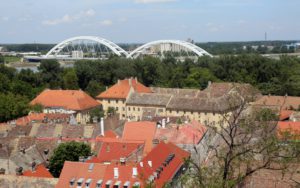
Moroccan Counterterrorism PolicyIn 2003, twelve Moroccan suicide bombers killed 45 people in Casablanca, Morocco’s largest city. Ever since the bombing in 2003, the King and the government have launched several counter-terrorism operations to address the roots of terrorism. These operations aim to prevent radicalization through not only the legal system but also education, religious reformation and social change. Fighting poverty is one of the important pillars of the Moroccan counter-terrorism policy.
The Importance of Combating Poverty for Counter-terrorism

Although poverty is not the direct cause of terrorist or violent activities, economic conditions play a significant role in fueling recruitment for extremist groups. Domestic economic conditions let Moroccans go abroad for jobs and allow the spread of radical ideology.

Moreover, a major factor that can cause Moroccans to participate in a terrorist group or activities is an economic recession. The average income for ISIL soldiers is much higher than that of Moroccans. Every attacker in the Casablanca bombing was from a poor region in the city. Therefore, combatting poverty for counterterrorism is particularly important for the Moroccan government. The government launched a program called the National Human Development Initiative (INDH). Although the purpose of the program is not solely for fighting against radicalization, the program still sought to prevent vulnerable poor people from being tempted to join extreme groups for economic reasons.

The National Human Development Initiative: The $6 Billion Idea

King Mohammed VI of Morocco launched the INDH in 2005 with an initial $1.2 billion budget to reduce the economic gap and increase social and economic inclusion. In the first 10 years, the program has invested about $6 billion and benefited more than 7 million people, including young people and women, through several projects.

Housing Program

The INDH launched its housing program to help people in need have access to housing. The people in need could buy apartments at an affordable price with low-interest loans. To eliminate slums, the government also launched the program, 2004 – 2010 Cities without Slums. Initially, the government sought to eradicate all slums by providing basic necessities, such as electricity and water lines. However, it changed course to improve the situation of slums rather than eradicate them completely. In providing basic needs, the government tried to stop migration from slums to urban areas. These migrations often contribute to the radicalization of people in cities.

Reducing Youth Unemployment

In Morocco, 27% of young people are unemployed. The Moroccan government focuses on three areas to address this: “identification and centralization of methods, tools and services,” “guidance, training and placement of unemployed youth” and “soft skills development for students and unemployed youth.” USAID has made efforts to increase the employment rate among young people. In three major cities, it created six places where young people can learn useful skills to get jobs. More than 200,000 people have used its education services.

Conclusion

Despite criticism and issues regarding decision-making and accountability, the Moroccan government’s efforts to combat poverty for counter-terrorism have been largely praised. Through reviewing these issues, the Moroccan government could improve its counter-terrorism policy as well as strategies to fight against poverty. Their counter-terrorism policy shows the importance of combatting poverty to enhance national security.

– Sayaka Ojima
Photo: Pixabay

September 10, 2020
https://borgenproject.org/wp-content/uploads/borgen-project-logo.svg 0 0 Kim Thelwell https://borgenproject.org/wp-content/uploads/borgen-project-logo.svg Kim Thelwell2020-09-10 01:30:032024-05-29 23:22:55Moroccan Counter-terrorism Policy Targets Poverty
Global Health

Healthcare Change Looms in Serbia 

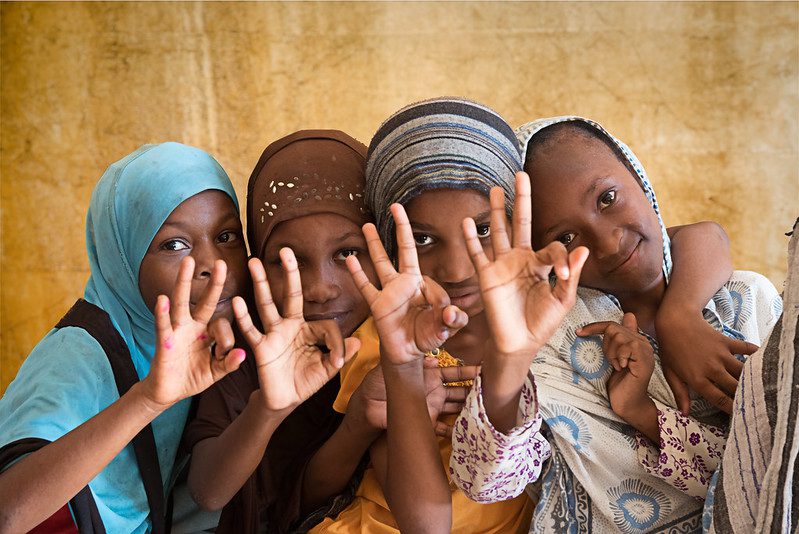
A Healthcare Sea Change Looms in Serbia Serbia has become a coveted tourist destination and culturally diverse nation in southeast Europe. Healthcare in Serbia operated solely as a public, state-owned system for years. The Yugoslavian communist regime established many socialistic complexes before it dissolved in the 1990s. These complexes include social welfare, pensions for retired and disabled persons and unemployment forgiveness. While these systems have persevered into the modern-day, public healthcare in Serbia has changed dramatically for the worse since the division of Yugoslavia.
Healthcare in Serbia

Serbia has maintained a public healthcare system in the last thirty years. It has increasingly suffered from widespread dysfunction caused by a bevy of underlying problems. The Serbian Healthcare System (SHCS) does not receive enough funding. In addition, it relies mostly on compulsory citizen contribution in providing insurance for all. Nearly 70% of citizens have to surrender a portion of their income to the Health Insurance Fund. Meanwhile, the other 30% have their insurance covered by additional contributions rooted in pension plans. The system guarantees health care absent of copays as well as professionally trained staff. However, the insurance fund remains relatively low in available financing for upgrading equipment and building enough medical facilities. Healthcare in Serbia ranked last in the 2012 European Health Consumer Index.

Issues with Serbia’s Public Healthcare

According to data from the year prior, public hospital institutions held 5.7 beds per 1,000 population, and under 350 medical facilities existed in the entire country. Poor funding has led to a shortage of tenable services, equipment and basic drugs available in the public sector over time.

Rising corruption has exacerbated Serbia’s public healthcare conundrum during this period as well. On a macro level, doctors give directives to patients that essentially force them to seek care in the private sector to optimize profits. Individuals that require complicated surgeries or procedures go to private clinics. However, some of them have to wait for what can be years. This is an existential threat to citizens who cannot afford expensive private care that will provide them with insulin or the removal of a tumor.

Solutions to the Issues

The widespread speculation of prominent health institutions deals with foreign pharmaceutical companies and drug producers. The speculations subvert regulation and raise the prices for patients. The corrupt practice of soliciting bribes has been a pragmatic solution for patients who want faster treatment. It has also been a solution for patients who want more advanced procedures than the public sector normally allows. Taking advantage of a system where around 75,000 patients are currently relegated to a waiting list, doctors profit off of their patients’ desperation.

More Responses to the Issues

There has been a response to the pervasive environment of corruption and non-disclosure. The nongovernmental organization Serbia on the Move (SoM) was formed. Bolstered by the backing of USAID, SoM initiated efforts to reduce corruption and equip citizens. It did this with the essential knowledge to avoid exploitative doctor-patient relationships between 2013 and 2016. One of their most powerful contributions to this cause was establishing an SMS service. The service facilitated the reporting of corruption in the healthcare sector. It has accounted for over 1,000 reports and 15 filed criminal charges. The organization has set up workshops for doctors across Serbia that offer accreditation. Over 450 doctors who passed robust courses that focused on integrity and work ethics received accreditation.

SoM’s awareness-raising initiatives mobilized over 5,000 citizens both on the ground and virtually to campaign for anti-corruption across the state. The advocacy endeavors culminated in the 2015 publication of the List of Licensed Medical Practitioners. This list is one of the largest advancements towards expanding medical transparency that healthcare in Serbia has undergone. The list provides crucial information about licensed doctors that were previously undisclosed to public record. In 2018, healthcare in Serbia ranked 18th on the European Health Consumer Index. This is a stark increase since the establishment of SoM. It was also labeled 2016 “climber of the year.”

Comparing the Public and Private Healthcare

These developments have led to a flourishing private system where many practitioners continue to flock in an attempt to escape the corruption and inadequacies of the public sector. The number of medical professionals in the private field has exceeded 10%. Many citizens are willing to pay for private healthcare in Serbia. This has led to the construction of state-of-the-art medical facilities. It has also attracted the markets of large corporations overseas eager to provide high amounts of quality equipment and pharmaceutical drugs.

The benefits of private healthcare far outweigh those offered by public healthcare for those who can afford it. Insurance typically costs a monthly premium ranging from €15 to €60. While it costs more, the quality and promptness of services are worth it. The private system receives funding from out-of-pocket payments for more advanced procedures, which is also an area that continues to expand.

Advantages of Health Tourism

Health tourism is extremely advantageous for Serbia’s private healthcare system. It attracts people from both neighboring countries and Western nations like the United States with excellent quality of care and relatively cheap rates. It’s so cheap in comparison that many Serbian diasporas living abroad in the United States elect to come back to Serbia for a broad scope of practices, from dental care to complex surgeries. The rate of collected premiums continues to outpace the GDP, which signals a thriving industry and one that will remain affordable for the foreseeable future.


Overall, the most affordable for-profit care is still bound to exclude poor people in Serbia. Also, the expansion of the private healthcare system is hardly a reprieve for those entrapped in a crumbling public system. The system still requires compulsory payment, even from those it has failed. While there are efforts to combat corruption in the system, they still have a relatively limited reach. The work has shown auspicious progress, but it is not done. The Serbian government has allowed both systems to remain afloat without fully committing to either one. Looking at how each has fared in recent years, a full reform of public healthcare or a systemic migration to the private sector may be in order.

– Camden Gilreath

Photo: Flickr

September 7, 2020
https://borgenproject.org/wp-content/uploads/borgen-project-logo.svg 0 0 Jennifer Philipp https://borgenproject.org/wp-content/uploads/borgen-project-logo.svg Jennifer Philipp2020-09-07 10:52:152024-06-06 00:43:17Healthcare Change Looms in Serbia 
Foreign Aid, Global Poverty

The Success of Foreign Aid: USAID and the International Affairs Budget

Success of Foreign Aid
Many misconceptions exist about the federal budget, but perhaps one of its least understood sections is the International Affairs Budget. While Americans, on average, estimate that the United States dedicates nearly 31% of its federal budget to foreign aid, the International Affairs Budget comprised only $57.8 billion of the $4.829-trillion federal budget for the 2020 fiscal year, which is less than 1.2%. Though the perception of money dedicated to international affairs is often inflated, the real success of foreign aid programs often fails to make headlines. The following three USAID programs have managed to make real progress in agricultural development, disaster relief and education, despite a small budget.

Feed the Future

Feed the Future is a USAID program that partners with countries to improve their agricultural sectors and fight hunger. In doing so, it demonstrates the success of foreign aid. The program operates by teaming up with nonprofits, businesses and individuals in order to make an immediate difference in partner countries. However, it also aims to make a long-term difference by empowering participating governments and private sectors to eventually become self-sufficient.

Though the organization works in nearly 12 partner countries, it was particularly active in Sierra Leone and Liberia after the Ebola outbreak in 2014 and 2015. When this disease threatened the stability of these countries, Feed the Future helped to stimulate the private sector by distributing cash transfers and hosting agricultural input fairs, where farmers could acquire discounted seeds. In total, more than 14,000 farmers received farming inputs and more than 97,000 households received cash transfers. Ultimately, this immediate action helped to stabilize prices and fight poverty during the crisis.

Currently, Feed the Future is helping Bangladesh endure the economic trials of COVD-19. Through Feed The Future’s partnerships, Bangladeshi citizens have not only adopted healthier diets but also become more self-sufficient in their production of food. For example, Prantojon Argo Enterprise, an agricultural cooperative receiving support from Feed the Future, has given farmers access to a formal milk market by training them and providing refrigeration to 60 small shops. With the support of this foreign aid, hundreds of farmers have been given financial security during the pandemic. And with Prantojon milk sold in 66 local retailers, customers in Bangladesh have been given access to a healthier diet, demonstrating the success of foreign aid.

Baliyo Ghar

Baliyo Ghar is a USAID partnership program with Nepal, designed to aid recovery efforts from a powerful 2015 earthquake. The natural disaster destroyed over a quarter of a million homes, most of which were constructed and inhabited by the rural poor. Although the earthquake itself was devastating, the extent of the destruction was intensified by the construction style of Nepali homes. As described by USAID, “construction workers’ and homeowners’ lack of awareness and training in earthquake-safe construction … as well as the absence of a national curricula, standards, guidelines and manuals for training individuals involved in housing construction” were all factors that left Nepali homes in a vulnerable position.

Focusing both on immediate and long-term recovery, the USAID-funded Baliyo Ghar project provides resources to help homeowners rebuild structurally sound homes and works with the Government of Nepal to improve standardized training materials given to masons and construction workers. Additionally, the National Society for Earthquake Technology-Nepal (NSET) has implemented USAID funds to train masons and engineers in earthquake-resistant methods and has prioritized establishing a formal test for mason certification.

The results of these activities illustrate the success of foreign aid: more than 75% of the project’s beneficiaries have rebuilt their homes. Additionally, because of USAID’s partnership with the government of Nepal and other organizations, such as NSET, over 90% of these homes in the project’s operational area were rebuilt in a seismically safe way. In total, USAID has helped hundreds of thousands of Nepalis avoid poverty by providing nearly $200 million in earthquake assistance, supporting NSET in training nearly 4,000 masons and establishing nine Reconstruction Resource Centers throughout Nepal.

Selective Integrated Reading Activity

As the country of Mali looks to lower poverty rates, boosting literacy is a main priority. According to USAID’s website, the Selective Integrated Reading Activity (SIRA) is designed to support the government of Mali in providing reading and teaching materials, improving reading skills, training teachers and school directors and supporting early grade reading outcomes. As measured in 2018, the adult literacy rate in Mali was a mere 35.47%. Partnering with the Education Development Center, the $51 million SIRA project looks to address this low rate and improve education in the country of Mali.

The program’s objectives focus on the education of first- and second-grade children, with a heavy emphasis on providing higher-quality resources to teachers. Perhaps one of the most important aspects of the program is its emphasis on community support. By teaching students in their national language and hosting training sessions that instruct parents in continuing education at home, the program has been able to engage parents in their children’s early education. Overall, SIRA has trained over 7,000 teachers, reached more than 264,000 learners and offered coaching to nearly 4,000 school directors, demonstrating the success of foreign aid.

The programs funded by the International Affairs Budget are some of the most visible examples of the success of foreign aid. Whether it be increasing access to nutrition, rebuilding homes or improving literacy, the budget helps to sustain initiatives that play crucial roles in making a difference in communities across the globe.

– Michael Messina
Photo: Flickr

September 2, 2020
https://borgenproject.org/wp-content/uploads/borgen-project-logo.svg 0 0 Kim Thelwell https://borgenproject.org/wp-content/uploads/borgen-project-logo.svg Kim Thelwell2020-09-02 18:49:512024-05-29 23:22:43The Success of Foreign Aid: USAID and the International Affairs Budget
Page 43 of 92«‹4142434445›»

Get Smarter

  • Global Poverty 101
  • Global Poverty… The Good News
  • Global Poverty & U.S. Jobs
  • Global Poverty and National Security
  • Innovative Solutions to Poverty
  • Global Poverty & Aid FAQ’s
Search Search

Take Action

  • Call Congress
  • Email Congress
  • Donate
  • 30 Ways to Help
  • Volunteer Ops
  • Internships
  • Courses & Certificates
  • The Podcast
Borgen Project

“The Borgen Project is an incredible nonprofit organization that is addressing poverty and hunger and working towards ending them.”

-The Huffington Post

Inside The Borgen Project

  • Contact
  • About
  • Financials
  • President
  • Board of Directors
  • Board of Advisors

International Links

  • UK Email Parliament
  • UK Donate
  • Canada Email Parliament

Get Smarter

  • Global Poverty 101
  • Global Poverty… The Good News
  • Global Poverty & U.S. Jobs
  • Global Poverty and National Security
  • Innovative Solutions to Poverty
  • Global Poverty & Aid FAQ’s

Ways to Help

  • Call Congress
  • Email Congress
  • Donate
  • 30 Ways to Help
  • Volunteer Ops
  • Internships
  • Courses & Certificates
  • The Podcast
Scroll to top Scroll to top Scroll to top