Improving Water Supply in Palestine
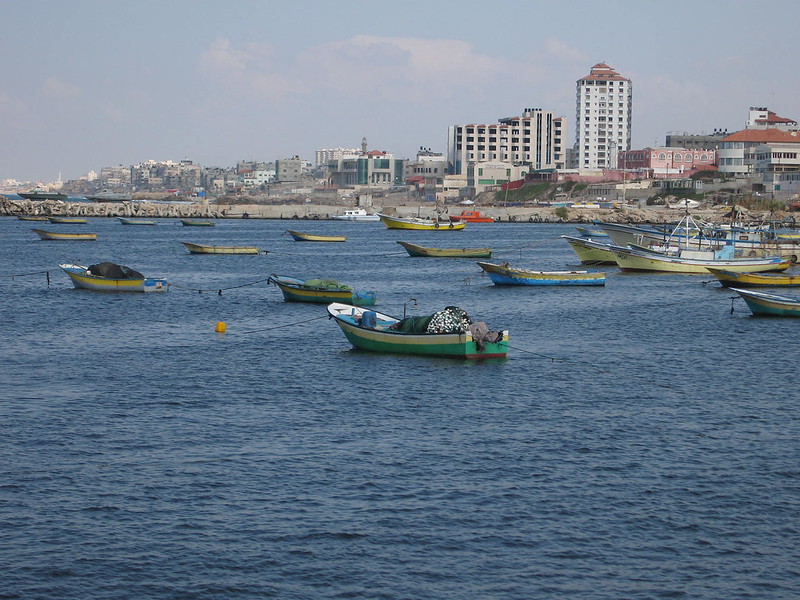
Water is an extremely important resource in Palestine; yet, its inhabitants struggle to obtain adequate amounts of it to survive. When Palestine and Israel signed the Oslo Accords, Palestinians were to receive a certain degree of water access. However, the population of Palestine has doubled since the Oslo Accords came into play. Despite its growing population, Palestine retains the same amount of water access as in 1995. This is troublesome, considering the Oslo Accords’ purpose was to guarantee Palestinians’ water supply would increase to about 200 million cubic meters by 2000. The current amount of water access the Palestinian people have is simply insufficient. In the face of this dire situation, various international organizations are working on improving the water supply in Palestine.
United States Agency for International Development (USAID)
One organization that has assisted Palestinians for some time now is the international development agency, USAID. Since 1994, the group has been committed to improving Palestinian infrastructure. One of the agency’s key successes in improving water resources in Palestine was the upgrading of water distribution networks. This resulted in access to clean water for about 310,000 people as of 2014.
Since 1994, USAID has drilled or refurbished 17 wells and installed 900 kilometers of water pipelines. In addition to helping residents meet basic human needs, USAID initiatives have improved the state’s economy. In total, the organization’s accessibility efforts have provided 1,300,000 days of employment for Palestinians.
United Nations Development Programme (UNDP)
The United Nations Development Programme has also been improving the water supply in Palestine. One example of the program’s support is in the Palestinian city of Rafah. Here, only 7% of water is utilized for domestic use as defined by the World Health Organization. Fortunately, the UNDP aided these Palestinians by building a 3000-cubic-meter water tank. This water tank has raised the water supply for about 50% of the city’s population. To date, the UNDP has conducted 200 other projects aimed at improving water supply in Palestine.
The UNDP has also initiated its Emergency Water Supply and Rehabilitation Programme. Many of the ongoing improvements have helped people in Rafah. Moreover, the Tel Al Sultan area, near Rafah, has seen boosts in its water supply as well. For example, 75,000 people living in the area have access to a reliable water supply for about 12 hours per day. This stands in stark contrast to previous statistics of half that amount, provided every three days. Another city the Emergency Water Supply and Rehabilitation Programme reaches is Beit Hanoun. About 70,000 Palestinians in this area now have a reliable source of water due to the implementation of two water tanks. Both tanks fairly distribute water from wells throughout the city. Finally, the UNDP has installed 10,000 meters of a new and improved water network that will prevent pipeline contamination.
Hope Flows
While Palestinians still struggle to obtain the water resources that they need, they have received crucial assistance from international organizations like USAID and UNDP. As Palestine continues receiving this beneficial assistance and reaps the subsequent health and economic benefits, there is hope that this state will soon provide clean water to all of its inhabitants.
Photo: Flikr
