• Link to X
  • Link to Facebook
  • Link to Instagram
  • Link to TikTok
  • Link to Youtube
  • About
    • About Us
      • President
      • Board of Directors
      • Board of Advisors
      • Financials
      • Our Methodology
      • Success Tracker
      • Contact
  • Act Now
    • 30 Ways to Help
      • Email Congress
      • Call Congress
      • Volunteer
      • Courses & Certificates
      • Be a Donor
    • Internships
      • In-Office Internships
      • Remote Internships
    • Legislation
      • Politics 101
  • The Blog
  • The Podcast
  • Magazine
  • Donate
  • Click to open the search input field Click to open the search input field Search
  • Menu Menu

Tag Archive for: USAID

Information and news about mobile technology

Posts

Global Poverty

How Solar Power Can End Global Poverty

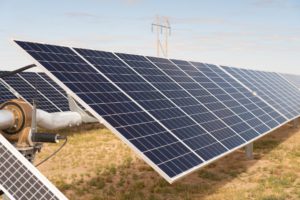
Solar PowerAs the world strives to move away from fossil fuels and other non-renewable energy sources, solar power continues to increase in popularity. It is free, clean and abundant. There is no harmful by-product, private companies do not control it and no drilling is required.

Geographic luck is a large part of what has allowed today’s developed nations to become economic powerhouses. Some countries were settled on pieces of land that were abundant with resources, like oil. Others were not so fortunate. This is what allowed some countries to rapidly advance and others to remain stagnant. There is one resource, however, that many developing nations have a tremendous supply of: sunlight.

The Geography

A large majority of developing nations are located in Africa and Southern Asia. Both of these areas receive more sunlight than almost anywhere else on the planet. Large swaths of land, particularly in the Sahara Desert, can serve as the perfect location for solar panels. The sand and scorching sun make it arduous and expensive to build structures on an urban scale. However, solar panels are relatively inexpensive to install and require little maintenance.

In sub-Saharan Africa, where two-thirds of the population lacks electricity, 89% of the days every year are sunny. With concentrated sunlight like this, it is projected that if just one in every 100 square miles of desert around the globe had solar panels, they would provide enough energy for every country on Earth. The Sahara is the largest desert in the world. Therefore, it is more than capable of supplying the energy needed by rural communities in Africa.

Why Solar Power Is The Ideal Energy Source

The reason why solar power is so crucial to developing nations, particularly in Africa, is because there are several rural communities that live far away from the power grid. While it is possible to extend the grids out to rural areas, it is often expensive. It is also time-consuming and does not resolve the larger problem at stake: the world’s dependence on non-renewable energy sources. Solar power is renewable, does not require connection to a major grid and has all the same applications as a power plant. The biggest application is their ability to generate electricity.

The Power Africa Off-Grid Project

In 2018, USAID in conjunction with the U.S. government launched the Power Africa Off-Grid Project (PAOP). Phase one of the plan is simple: produce enough solar power to bring electricity to six million inhabitants living in rural areas of Africa by 2022. The project spans 20 African nations and has already gained $1 billion in funding. Once phase one of the plan is achieved in 2022, phase two will begin which entails expanding electricity access to reach an additional 60 million people by 2030.

What This Means For The Future

The reason why solar power is so important to developing nations, aside from its eco-friendliness, is because solar power means electricity. Electricity is fundamental to any society trying to advance. Without it, productivity is largely limited due to the lack of light, access to clean water and the inability to keep food fresh via refrigeration. With access to electricity, an African school teacher who grades papers at night can flip on a light. Families can refrigerate food so that they do not have to spend time searching for fresh meat every day. Water can be cleaned through solar-powered purification systems. When the quality of life increases, productivity increases.

With solar power expansion through projects like POAP, developing nations are on the brink of becoming fully developed economies. Hopefully, these nations can serve as an example to the rest of the world of how fossil fuels do not have to be the end game. There are alternative solutions out there, they just need to be given a chance.

– Jake Hill
Photo: Flickr
February 22, 2021
https://borgenproject.org/wp-content/uploads/borgen-project-logo.svg 0 0 Yuki https://borgenproject.org/wp-content/uploads/borgen-project-logo.svg Yuki2021-02-22 07:06:312024-05-30 07:56:41How Solar Power Can End Global Poverty
Foreign Aid, Global Poverty

The Anglophone Crisis in Cameroon

Anglophone Crisis in Cameroon
Since November 2016, the Anglophone Crisis in Cameroon has been ongoing, which is an issue that links to its population’s identity. A section of the English-speaking minority population of the country, originally from the northwest and southwest regions of the country, is protesting against the current government. Their claims mostly focus on the marginalization of the English language, the lack of access to English education, the common law system and even jobs for native anglophone Cameroonians. The conflict started with a peaceful protest from anglophone lawyers and teachers and escalated with the emergence of an anglophone separatist movement. As the situation remains tense, the attention of the international community is necessary.

The State of Affairs

Beyond the language and identity claims, this conflict collides with other threats, such as Boko Haram, that have significantly weakened the economy of the country, especially in the northwest and southwest regions. In 2018, the National Organization of Employers, Gicam, reported that about 45% of the cocoa produced in the country is in the southwest, and 75% of Cameroonian arabica coffee comes from the northwest. Export earnings from these two commodities have fallen by 20% due to the conflict in the English-speaking area, where a fifth of the total population lives. Moreover, an increase in unemployment and the shutting down of businesses has occurred. Human Rights Watch estimates nearly 300 Cameroonians have died since January 2020 in regions of concern, and over 1 million have experienced internal displacement. In such a context, foreign aid could be particularly beneficial, but things are not that simple.

The Challenges of Foreign Aid

Through time, Cameroon has received foreign aid from countries and institutions such as France, the United States and the World Bank. In September 2020, Cameroonian Foreign Minister Lejeune Mbella Mbella asked for increased international cooperation in support of the country’s ongoing struggle against “terrorism.” Moreover, the UN OCHA has launched a Humanitarian Response Plan (HRP) that identified 3.9 million people in need. Estimates determined that the initiative would provide $320.7 million USD.

Despite some previous successes of foreign aid programs in Cameroon, challenges remain, especially in the context of the current Anglophone Crisis. Firstly, aid and humanitarian workers are highly at risk, which slows down their work. In January 2020, pro-independence fighters kidnapped seven aid workers from the Martin Luther King Jr. Memorial Foundation and the COMINSUD. Although they later released all staff, the abductions resulted in several organizations restricting their area of operations.

Secondly, cooperation with the government tends to be difficult sometimes. Indeed, Cameroonian authorities have publicly charged NGOs such as Human Rights Watch, Amnesty International and the Think Tank International Crisis Group – among other organizations – of working to “destabilize state institutions.” Resistance also comes over concerns of aid distribution, as Cameroon ranks 152 out of 180 countries in the 2018 Transparency International corruption perceptions index, and it ranks 166 out of 190 economies in the World Bank’s Doing Business 2019 report.

Good News and Solutions

Despite remaining challenges and perceptions, foreign aid has had some success in Cameroon in the past, which keeps some humanitarian workers optimistic, even during the Anglophone Crisis. Indeed, the poverty rate has dropped from 53% in 1996 to 37.5% in 2014. As many organizations continue to provide humanitarian aid to Cameroon, some experts remain optimistic that the living conditions of Cameroonians will continue to improve. The work of state and nonprofit actors continues to reap positive results, though the improvements cannot always occur easily. The United States Agency for International Development (USAID) is one of the organizations providing support to the country.

To improve these good results, it appears important to address the different obstacles to the redistribution of foreign aid in Cameroon. For this purpose, both the state and civil society level initiate actions. Indeed, at the civil society level, international organizations such as the World Bank have developed a performance-based system – Country Policy and institutional Assessment – that allows the institution to evaluate the qualification of a country to receive aid while reducing the risks of corruption.

This kind of mechanism can be a standard for international NGOs providing financial assistance to Cameroon. At the state level, the Cameroonian government has made another step towards its decentralization process. Indeed, regional advisors have undergone recent election. Their role is to foster the development of their localities while remaining accountable to the people. These new authorities can increase transparency and can use their knowledge of the local dynamics to help humanitarian workers in the distribution of aid.

– Jules Sombaye
Photo: Flickr

February 20, 2021
https://borgenproject.org/wp-content/uploads/borgen-project-logo.svg 0 0 Kim Thelwell https://borgenproject.org/wp-content/uploads/borgen-project-logo.svg Kim Thelwell2021-02-20 08:58:252024-05-30 07:56:45The Anglophone Crisis in Cameroon
Global Poverty, Humanitarian Aid, USAID

Humanitarian Aid in Nagorno-Karabakh

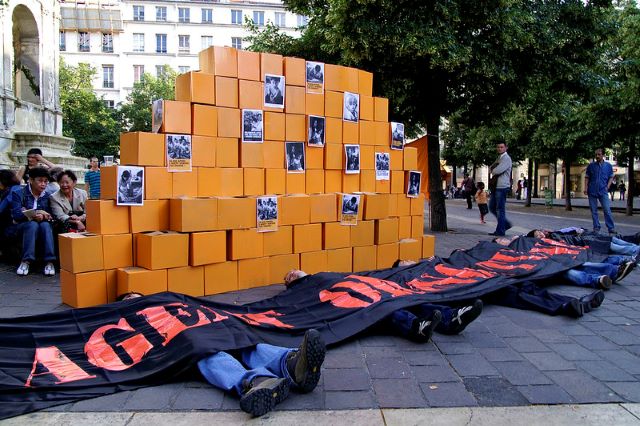
Humanitarian Aid in Nagorno-KarabakhNagorno-Karabakh is a region in the country Azerbaijan and is home to an Armenian majority. While the region is within Azerbaijan’s borders, Armenia has claimed the region for itself. The first intense conflict between Armenia and Azerbaijan over the Nagorno-Karabakh region was in 1988 when the Soviet Union was nearing the end of its existence. Recently, conflict in the region began again in late September 2020 and lasted for about a  month until a ceasefire was brokered by Russia. Additional ceasefires were brought into fruition by France with the help of Russia and the United States. Despite the ceasefires, the conflict in the region is continuing. The fighting in the region has drastically impacted the civilian population of the region. This has in turn created a strong need for humanitarian aid in Nagorno-Karabakh.
The European Union Assists

The European Union (EU) is actively providing aid to the civilian populace affected by the conflict and has done so since early October 2020. The initial amount of aid provided by the EU was €900,000. Then, in November, the EU commissioned an additional €3 million to the civilians in the Nagorno-Karabakh region. According to the EU, this humanitarian aid will provide the necessary assistance that humanitarian organizations partnered with the EU need to carry out their duties. This includes providing food, winter clothing and medical assistance.

The United States’ Aid

The United States is also providing its share of financial assistance. In total, the United States has provided around $10 million in humanitarian assistance to Armenia and Azerbaijan since the 2019 fiscal year. Of the $10 million, $5 million has been allocated to the International Committee of the Red Cross and similar humanitarian organizations to help civilians caught in the crossfire of the conflict. Assistance coming from the U.S. Department of State and the U.S. Agency for International Development (USAID) will also be used for humanitarian aid in Nagorno-Karabakh. The support these two institutions will be providing will come in the form of food, shelter and medical support for the people impacted by the conflict.

People in Need

There are also NGOs that have provided humanitarian aid in Nagorno-Karabakh as well. One organization, People in Need, has done just this. People in Need is an organization dedicated to providing immediate aid to countries should a natural disaster or war take place.

People in Need has provided support, not to Nagorno-Karabakh, but to the city of Goris in Armenia. People in Need directed its humanitarian aid to this Armenian city because many of the displaced civilians in Nagorno-Karabakh have gone there for refuge. The displaced people either move on or stay in the city. People in Need have been able to provide hygienic supplies to 1,200 displaced families in Goris. Additionally, People in Need have provided 480 children, 600 women and 110 seniors with their own individual hygienic kits. People in Need have also taken into consideration the psychosocial needs of children impacted by the conflict. To help these children, People in Need opened a child-friendly space in the city library where children can engage with other children and partake in other activities.

While the conflict in Nagorno-Karabakh continues, international institutions, individual countries and humanitarian organizations are trying to provide all the support possible to help the civilians impacted by the conflict.

– Jacob E. Lee
Photo: Flickr

February 15, 2021
https://borgenproject.org/wp-content/uploads/borgen-project-logo.svg 0 0 Yuki https://borgenproject.org/wp-content/uploads/borgen-project-logo.svg Yuki2021-02-15 07:30:532021-02-11 10:19:43Humanitarian Aid in Nagorno-Karabakh
Children, Developing Countries, Education, Global Poverty, Poverty Eradication, USAID

USAID Helps Youth Development in the Philippines 

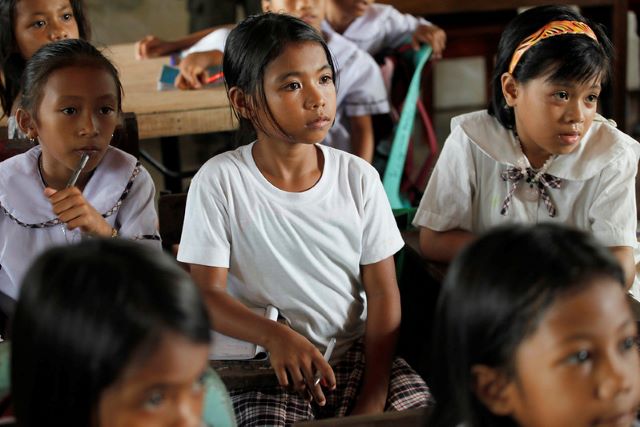
Youth Development in the PhilippinesThe Philippines has an opportunity for rapid economic growth and the potential to greatly innovate industry across the country. This opportunity comes from the number of young people in the country. Young people account for 50% of the entire population of the nation, leaving it with immense potential for economic growth as these young people begin to enter the workforce. Youth development in the Philippines is crucial for the country’s transformation into a resilient nation.
The Education Problem

Unfortunately for the Philippines, an alarming portion of these young people are currently not in any form of education or employment. One-fifth of all youth in the Philippines are either jobless or not attending school or employment training.

Even before the COVID-19 pandemic, the Philippines was facing an education crisis. The country placed last in reading comprehension and second to last in both science and mathematics in an international student assessment.

USAID: Youth Development in the Philippines

USAID has committed to help improve and promote public education and other forms of education in the Philippines. Starting in 2018, USAID began a five-year effort to create a series of programs aimed at uplifting economically disenfranchised Filipino youth who are at the most risk of poverty.

One program, in particular, YouthWorks PH is a five-year partnership between USAID and the Philippine Business for Education that engages the private sector to address the education needs of youth as well as the skill requirements of employers. This partnership will improve access to training and employment opportunities for at least 40,000 youth through an innovative work-based training approach. Young people are able to earn a competency certificate from a university or training institute while working in partner companies.

More than 5,000 young Filipinos will have access to free technical and vocational training as a result of this initiative partnering with Aboitiz Construction and D.M. Consunji, Inc. (DMCI), two of the biggest construction companies in the country.

This type of on-site vocational training will help prepare youth for well-paid employment opportunities and will create more skilled workers in the Philippines.

There are also other programs created by USAID specifically to increase the quality and accessibility of education in the Philippines. All Children Reading (ACR), is a program to increase the reading skills of Filipino children. ABC+ aims to address the interconnected factors that contribute to low education outcomes in the poorest performing areas of the Philippines.

Youth Development Potential

Young Filipino people could potentially bring about massive economic growth in the country. In order to fully capitalize on this opportunity, resources and development opportunities must be provided to the youth so that they can fully integrate into the workforce as skilled workers. For this reason, the youth development work of USAID is integral. Not only will it lift thousands of poor Filipino youth out of poverty but it will help create a stronger economy for the Philippines.

– Christopher McLean
Photo: Flickr

February 12, 2021
https://borgenproject.org/wp-content/uploads/borgen-project-logo.svg 0 0 Kim Thelwell https://borgenproject.org/wp-content/uploads/borgen-project-logo.svg Kim Thelwell2021-02-12 05:33:352021-02-12 05:33:35USAID Helps Youth Development in the Philippines 
Child Soldiers, Global Poverty, Human Trafficking, Women and Children

Human Trafficking in Afghanistan 

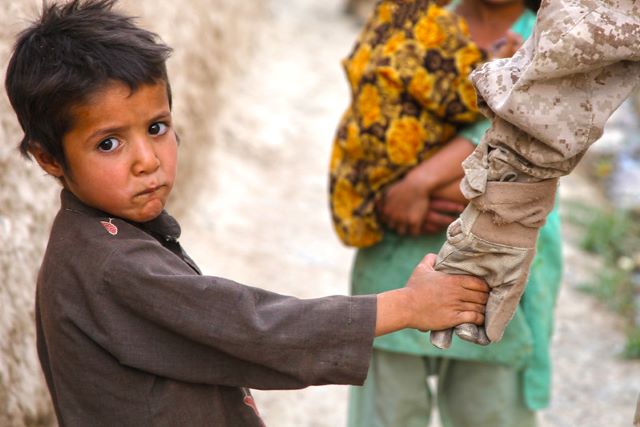
Human Trafficking in Afghanistan Afghanistan currently faces a large-scale human trafficking crisis that is rooted in centuries of abuse. Children and women are sold or kidnapped and forced into sexual slavery or armed forces. With the Afghani Government failing to properly protect victims and prosecute perpetrators, the U.S. Department of State and a network of NGOs are working to alleviate the problem.
The Systemic Issues

One of the major issues contributing to the human trafficking crisis within Afghanistan is the continued practice of bacha bazi, or “dancing boys”, in which sexual abuse against children is performed by adult men. Although technically illegal, the centuries-old custom has been proven hard to get rid of, with many government and security officials being complicit with its continuation.

The U.S. Department of State has declared Afghanistan Tier 3, the highest threat level, meaning that it does not meet the minimum requirements for combatting human trafficking and is not making a significant effort to do so.

This has a significant impact on Afghanistan because according to the Trafficking Victims Protection Act, the United States will not provide nonhumanitarian, nontrade-related foreign assistance to a country that is ranked on Tier 3. According to the June 2020 Trafficking in Persons Report, the use of child soldiers and bacha bazi has continued. Although there have been investigations and arrests made in an attempt to end bacha bazi, no police officers involved were prosecuted.

Addressing Human Trafficking in Afghanistan

The Afghani Government has shown efforts to end human trafficking within its borders. In 2019, it joined the United Nations Office on Drugs and Crime (UNODC) on a global initiative to stop human trafficking. This initiative aims to allocate resources to countries in the Middle East and Asia that need assistance in the battle against human trafficking.

USAID reported that in 2019,  Afghanistan increased the number of Child Protection Units within national police precincts, preventing the recruitment of 357 child soldiers. Furthermore, the National Child Protection Committee (NCPC) was created to respond to the practice of bacha bazi.

USAID has worked to assist the Afghani by training government officials to prosecute human traffickers and abusers as well as giving assistance to shelter workers that give legal and social resources to victims. It assisted in the creation of the Afghanistan Network in Combating Trafficking in Persons (ANCTIP), a network of Afghan NGOs that work with victims of human trafficking.

NGOs within the country have provided most of the assistance to victims of human trafficking. Approximately 27 women’s shelters in 20 provinces provided protection and care for female victims of trafficking. NGOs also operated two shelters for male victims under the age of 18.

Eradicating Human Trafficking

In order for Afghanistan to efficiently combat its human trafficking crisis and move to a lower tier level, Afghanistan needs to increase criminal investigations and prosecutions of suspected traffickers, especially in law enforcement and the military. Furthermore, traffickers must be convicted and adequately sentenced. This can be done by increasing the influence and powers of the NCPC and allowing the committee to remove public servants found practicing bacha bazi. Additional support from the country’s government must also be given to survivors of human trafficking. Only by rooting out the systemic abuse within the top institutions of the country can Afghanistan effectively address its human trafficking crisis.

– Christopher McLean
Photo: Flickr

February 12, 2021
https://borgenproject.org/wp-content/uploads/borgen-project-logo.svg 0 0 Lynsey Alexander https://borgenproject.org/wp-content/uploads/borgen-project-logo.svg Lynsey Alexander2021-02-12 04:53:062024-05-30 07:56:05Human Trafficking in Afghanistan 
Global Poverty, Humanitarian Aid, USAID

Humanitarian Crisis: Vital Relief to Venezuela

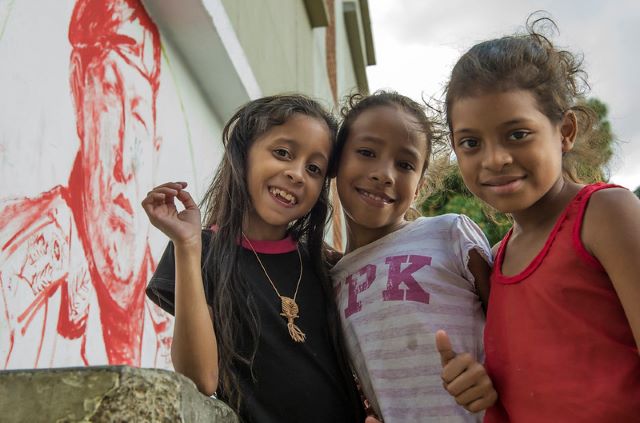
Vital Relief to VenezuelaThe country of Venezuela has an economy that is extremely reliant on its oil sales. About 99% of its exports come from the sale of oil. The natural resource also takes up a quarter of Venezuela’s GDP. Such high reliance on this resource has caused the country economic hardship in recent years. The GDP of the nation shrank by two-thirds between 2014 and 2019. The struggling economy has been devastating for the citizens of Venezuela. It has caused five million Venezuelans to leave the country and flee to neighboring ones. As of 2020, 96% of Venezuela’s population live in poverty when measured solely according to income levels. Despite the dire situation in Venezuela, countries and organizations are trying to deliver vital relief to Venezuela.
USAID’s Assistance

USAID is working on behalf of the United States to provide aid that Venezuelans so desperately need.USAID has provided more than $1 billion in humanitarian aid to vulnerable Venezuelan communities. The monetary aid is used by NGOs and organizations to assist the Venezuelan people. The assistance these groups provide includes food, health and sanitation supplies. The COVID-19 pandemic that has swept across the world has worsened the situation for many Venezuelans. On top of the severe economic situation, Venezuelans are now dealing with the impact of a pandemic a well. USAID has adapted its efforts to help Venezuelans during COVID-19. The funding of USAID has allowed affiliated partners to provide important healthcare assistance for the delivery of vital relief to Venezuela.

The European Union Helps Venezuela

The European Union (EU) has been active in providing support for Venezuela in these trying times. Since 2018, the European Union has provided a total of €156 million to not only Venezuela but to the neighboring countries that Venezuelans have fled to. Similar to the way aid from USAID is carried out, the EU’s funding goes to partners that then use it to help the Venezuelan people. The partners of the EU include multiple U.N. agencies, international NGOs and the Red Cross. The partners of the EU provide the same type of assistance the USAID’s partners do. However, the EU notes that much of the supplies go to groups that are especially at risk. These groups include children that are under the age of 5, the elderly and the indigenous people of Venezuela. The EU also provided enough aid for 500,000 Venezuelan people in response to the COVID-19 pandemic. The monetary support of the EU continues to help in providing vital relief to Venezuela.

NGOs Assisting Venezuela

Other small NGOs in Venezuela are trying to provide help to Venezuelans as well. Fundación Madre Luisa Casar, for example, has secured multiple donations to provide support to the Jenaro Aguirre Elorriaga School that is located in the slum called Barrio 24 de Marzo. Its goal is to make sure that the children are provided the education and human rights they need.

Hogar Bambi Venezuela also helps children under 18 who are unable to live with their families due to abuse, mistreatment or economic difficulties. These two NGOs are just a few of many that are making vital relief in Venezuela possible.

With all the humanitarian aid coming in to provide vital relief to Venezuela, it is hopeful that the country will soon be on its way to recovery.

– Jacob. E. Lee
>Photo: Flickr

February 12, 2021
https://borgenproject.org/wp-content/uploads/borgen-project-logo.svg 0 0 Yuki https://borgenproject.org/wp-content/uploads/borgen-project-logo.svg Yuki2021-02-12 00:59:092021-02-12 00:59:09Humanitarian Crisis: Vital Relief to Venezuela
Developing Countries, Global Poverty, Health, USAID, War and Violence

USAID: Agent Orange Cleanup in Vietnam

Agent Orange Cleanup As the United States fought its campaign against North Vietnamese forces during the Vietnam War, part of the military’s strategy included the deployment of Agent Orange, a chemical weapon used to defoliate jungles to expose enemy positions. The toxin was heavily used and has had disastrous health and environmental effects. Now, the United States is leading Agent Orange cleanup efforts in Vietnam. USAID is taking the charge to continue its environmental restoration efforts.
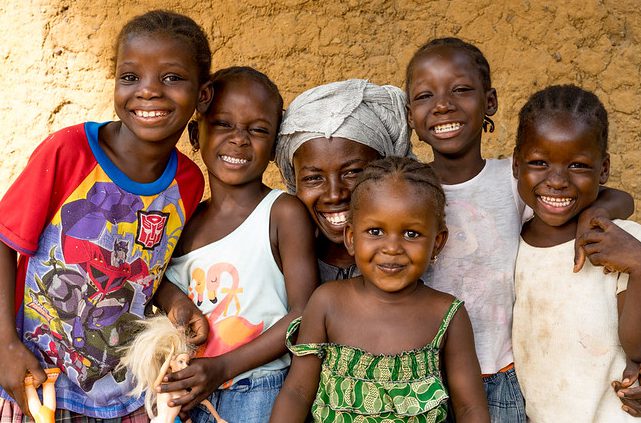
USAID’s Agent Orange Cleanup Commitment

In December 2020, USAID announced that it would commit to contributing an additional $20 million to cleaning up Agent Orange residue around the Bien Hoa Airbase, a major military base used by the United States during the Vietnam War. The airbase was used to store various types of munitions, including chemical weapons such as Agent Orange.

This adds to the $90 million that has already been committed to cleaning up the area around the Bien Hoa Airbase. Planning for the multi-year cleanup operation will be conducted by Trigon Associates, a woman-owned business based in Louisiana.

This recent contribution is part of USAID’s wider Environmental Remediation program, which seeks to decontaminate areas with high concentrations of residual Agent Orange throughout Vietnam. USAID has already completed a major decontamination project in Danang, which remediated 32.4 hectares between 2012 and 2018 at a cost of $110 million.

The current decontamination effort in Bien Hoa is set to last until 2030 and is projected to cost upwards of $183 million. According to USAID, Bien Hoa is the last remaining Agent Orange hotspot in Vietnam. These Agent Orange cleanup efforts are significant as they cleanse Vietnam of a chemical toxin that has been a source of much human and environmental suffering that has lingered for decades.

Agent Orange: Health Impact

According to the United States Department of Veterans Affairs, exposure to Agent Orange is linked to Hodgkin’s disease, ischemic heart disease, Parkinson’s and prostate cancer, among other life-threatening illnesses. Its widespread use means that an untold number of both U.S. veterans and Vietnamese civilians were exposed to the toxin and are at risk of developing these conditions.

Agent Orange exposure has also been linked to birth defects in the children of those who have been exposed. An analysis by ProPublica indicated that the likelihood of having children born with birth defects was more than one-third higher for veterans exposed to Agent Orange versus those who were not.

In addition to causing the grave environmental harm of defoliation, Agent Orange has caused multi-generational human suffering. After spraying more than 20 million gallons of the defoliate over a period of 10 years between 1961 and 1971, the United States is now leading the campaign to clean up harmful residue and protect the people of Vietnam from further exposure.

International Partnership Between Old Foes

The fight against global poverty breaks down barriers and fosters closer ties between international partners, even ones that were once engaged in protracted conflict. Where the United States and Vietnam were once enemies, they are now cooperating in the Agent Orange cleanup, undoing the lingering effects of a brutal war and paving the way for mutually beneficial economic development.

– John Andrikos
Photo: Flickr

February 11, 2021
https://borgenproject.org/wp-content/uploads/borgen-project-logo.svg 0 0 Yuki https://borgenproject.org/wp-content/uploads/borgen-project-logo.svg Yuki2021-02-11 07:30:492024-05-30 07:56:18USAID: Agent Orange Cleanup in Vietnam
Global Poverty

Aiming for Universal Healthcare in Mali

Universal Healthcare is Saving Children in MaliBeing a child in the impoverished, conflict-riddled country of Mali is not easy. Lack of healthcare is one of the major factors contributing to the issue of child poverty. One in 10 children does not live to see their fifth birthday. The primary causes of death are pneumonia, diarrhea and malaria. All these diseases are completely preventable. Children who survive must often work to help provide for their families instead of getting an education. The Malian government is aiming for universal healthcare in Mali, starting with a focus on pregnant women and children under 5.
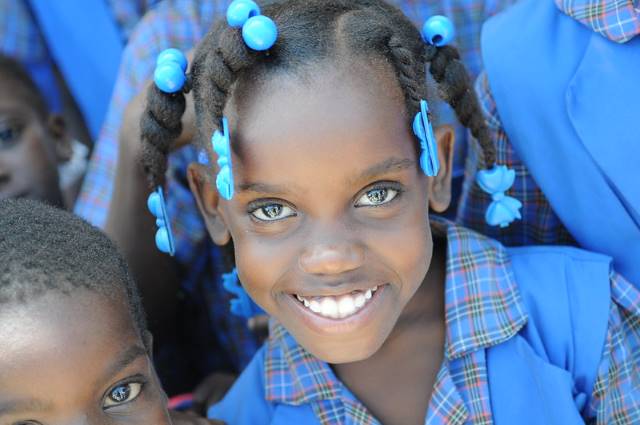
Conflict in Mali

Mali is a landlocked country located in West Africa and one of the most poverty-stricken nations in the world. The U.S. Agency for International Development (USAID) reports that 49% of Malians live below the extreme poverty line. With more than half of the country’s entire population under the age of 18, child poverty is an ongoing crisis.

Mali gained its independence from France in 1960 and has since struggled for stability. Decades of conflict have wreaked havoc on the people living within Mali’s borders.The most recent conflict began in 2012 when a group of rebels, backed by several Islamic militant groups, overthrew the government in a military coup. These alliances did not last long, and as a result, sparked violence that spread across the country. The struggle for land and power continues to this day. In 2018, nearly one-third of Mali’s population lived in areas directly affected by the conflict. As war wages on, child poverty in Mali continues to increase.

A Child’s Life in Mali

Mali’s youth have taken the brunt of the devastation caused by the continuing violence. Many lack necessities like access to clean water, food, education and healthcare. Children under the age of 5 are most vulnerable, and without accessible healthcare, many preventable diseases turn deadly.

Before the 2012 conflict, great strides were being made in the development of programs and policies to improve the conditions of child poverty in Mali. Infant mortality was on the decline, the number of children enrolled in school increased by 10% and there was a dramatic rise in birth registries. Registry of birth is extremely vital because when a child is unregistered, they do not carry the same rights and protections as those who are. Registration at birth assists in securing a child’s access to human rights protections under laws against child marriage, labor and recruitment into armed forces before the legal age. Without documentation to prove identity, education, healthcare and the right to vote become inaccessible.

UNICEF’s Efforts

The country’s instability has halted much of the progression. However, humanitarian organizations like UNICEF, continue to work toward the goal of ensuring every child’s rights are upheld. UNICEF is currently working on four key elements of child welfare in Mali:

  1. Vaccinations: UNICEF targets communities with the highest number of unvaccinated children and uses proven strategies to supply vaccinations for the most common diseases.
  2. Malnutrition Prevention: Educating families within the first 1,000 days of life on proper nutrition, vaccination benefits and hygiene has been successful in decreasing infant mortality rates.
  3. Education: Distributing learning materials and helping train teachers to ensure children have the best quality education possible is a high priority.
  4. Child marriage: UNICEF is assisting the Malian government in developing policies to end the practice of child marriage. This entails encouraging leadership on local levels to adopt progressive policies that promote social change for the betterment of the female children in their communities.

The Good News

The Malian government says it wants to see improvement in the lives of its people. For this reason, it is actively working to ensure free healthcare is available to all citizens. The ultimate hope is for universal healthcare in Mali.

Data obtained through a lifesaving pilot program that began in 2008 provides promising news. This trial program provides door-to-door healthcare in the town of Yirimadio, which is located just outside Mali’s capital city of Bamako. When the trial began, the child mortality rate was 154 deaths per 1,000 births. Upon the trial’s completion, the child mortality rate had decreased by a staggering 95%.

This free door-to-door health care program was so successful that Mali’s government has committed to having this healthcare program available nationwide by 2022. At this time, the plan is offered to pregnant women and children under the age of 5. Mali’s health minister, Samba Ousmane Sow, said, “We are trying to make Mali be great again, to improve our healthcare system and save lives and we are hoping this will help us reach universal healthcare with a very powerful, improved system.”

The Road Ahead

The primary concern is ensuring healthcare professionals have the training and provisions to provide the service. The Malian government is seeking ways to become self-sustaining in its quest for universal healthcare as it is saving children in Mali. Currently, it is reliant on external donors to supplement government funding. Nonetheless, amid conflict, there lies hope for the future.

– Rachel Proctor
Photo: Flickr

February 9, 2021
https://borgenproject.org/wp-content/uploads/borgen-project-logo.svg 0 0 Jennifer Philipp https://borgenproject.org/wp-content/uploads/borgen-project-logo.svg Jennifer Philipp2021-02-09 06:26:572021-05-06 06:27:17Aiming for Universal Healthcare in Mali
Global Poverty

How USAID Supports Accessible Education to Haiti

Accessible education in HaitiToday, about 10% of the Haitian population struggles with one or more disabilities. This prevents them from receiving a proper education. Out of the 120,000 children in Haiti, only 3% of Haitian children have access to basic education. This is compounded by the fact that people are still struggling to rebuild their lives after Hurricane Matthew demolished most of Haiti’s infrastructure. There is hope, however, as USAID continues to offer support through developmental research. USAID also provides support for new programs dedicated to providing accessible education to Haiti.

Struggles in Haiti

Haitian people continue to suffer from the impacts of the many natural disasters that hit the nation. The country is in a constant state of development due to the frequency of natural disasters. Its location in the Caribbean makes Haiti a hotspot for flooding, earthquakes and hurricanes. Accessibility to education is seemingly unattainable for the Haitian population. This is due to the lack of funding to rebuild schools that lay in ruins. Furthermore, natural disasters increase the risk of cognitive and behavioral disabilities in those who survive, due to the trauma.

Children are the most at risk of developing disabilities due to the physically and mentally destructive effects of countless hurricanes. Between 1998 and 2018 Haiti experienced 10 hurricanes and other tropical storms. The countless calamities and damage often result in mental disorders such as post-traumatic stress disorder (PTSD). People with disabilities struggle to receive accessible education in Haiti as well as societal acceptance within their own communities. Additionally, studies show that for every 10,000 employees, four people have disabilities.

USAID’s PEER Program

USAID is working to bring more awareness to this issue in order to help provide more inclusive, quality education for children with disabilities. With the creation of Partnerships for Enhanced Engagement in Research (PEER) in 2011, USAID has been able to offer more support for approaching the issue. About $50 million has already gone toward the funding of more than 250 projects in more than 50 countries to re-evaluate the exclusivities of social ecosystems globally.

The PEER program partnered with the Initiative Group for the Study of Cognition, Language, Learning and Disorders (GIECLAT) to conduct a large-scale survey of the needs of students with disabilities in southern Haiti, areas gravely impacted by Hurricane Matthew. This effort also included the support of Haiti’s Ministry of Education through the Commission for School Adaptation and Social Support (CASAS), an organization led by disabled youth and other integral bodies.

The study indicates that learning disabilities and social and emotional difficulties are prevalent in schools. In several public schools surveyed, more than 50% of the learners displayed a form of a disability yet many of the educators reported no students with disabilities. Despite these findings on disabilities, few teachers received training on inclusive education and support services were lacking. The locally-led research project helped alter perceptions and spark change.

The Impact

USAID provided assistance to improve teacher-student dynamics. For the first time, Southern Haiti now has comprehensive information on learners with disabilities and their needs. Using this data, programs are underway to provide extensive training for inclusive education to teachers and principals.

Haiti’s Ministry of Education is also excited about the project. The research team published a book of the findings and recommendations for inclusive educational reforms. The PEER program is also helping to train professors and university students in inclusive education. Now, schools are adopting more inclusive pedagogies in order to provide accessible education.

Today, USAID has reformed almost 20 primary schools in Haiti to accommodate those with various learning disabilities. USAID provided disability awareness training to more than 660 teachers and principals. More than 62,000 community members also participated in disability awareness initiatives. As a result of these efforts, Haiti is beginning to see a brighter future of accessible education for all.

– Caroline Kratz
Photo: Flickr

February 8, 2021
https://borgenproject.org/wp-content/uploads/borgen-project-logo.svg 0 0 Yuki https://borgenproject.org/wp-content/uploads/borgen-project-logo.svg Yuki2021-02-08 03:22:442024-12-13 18:02:27How USAID Supports Accessible Education to Haiti
Global Poverty, Inequality, Women's Rights

Organizations Empowering Women in Egypt

Women in EgyptEgypt has made strides in women’s rights over the years, but still has a long way to go when it comes to equality for women in nearly any aspect of life. According to the World Economic Forum’s 2020 Global Gender Gap Report, women in Egypt consist of just 26% of the labor force. Their literacy rate is similarly low at 65%. This predisposes girls and women to a life of poverty, especially if they are unmarried. The report ranks Egypt 134th out of 153 countries based on gender disparities in various aspects of development.

Women in Egypt Experience Inequality

The country’s traditional society not only allows for this inequality but also encourages it. Human Rights Watch reported that the Egyptian government targeted and jailed female social media influencers for “undermining values.” For example, in April 2020, authorities arrested Hanin Hossum, age 20,  for “indecent” photos and videos of her singing and dancing fully clothed. The prosecutor’s primary evidence to charge Hossum: suggesting to her female followers that women should earn money posting videos on Likee, an app similar to TikTok. Cairo’s Economic Court sentenced her to two years in prison and imposed a fine of 300,000 Egyptian pounds, the near-equivalent of $19,000.

Women in Egypt must also worry about their safety while walking on Egypt’s streets. For example, Arab Barometer’s 2019 survey showed that 90% of women aged 18 to 29 experienced some form of sexual harassment in a 12-month period. Cairo took the top ranking as the most dangerous city for women in a 2017 Thomson-Reuters Survey, in addition to ranking as the third-worst city in terms of sexual violence.

With all these concerns, several nonprofit organizations are stepping in to empower women in Egypt.

HarassMap

Founded in 2010 by four local women’s rights activists, HarassMap is a nonprofit volunteer organization with a goal to end sexual harassment and foster a zero-tolerance society in Egypt.

The initiative’s website displays a world map dotted with reports of sexual harassment made by anonymous volunteers who are encouraged to intervene on the survivor’s behalf if possible. Other activities include educating others on the myths surrounding harassment through film and literature and conducting studies based on the data collected.

Along with normalizing public discourse on the subject, HarassMap has influenced policies in Egypt as well. Due to the organization’s efforts, Cairo University adopted its first anti-sexual harassment law in 2014. It also influenced Uber Cairo to tighten its harassment policies, making the company a safer alternative to city taxis. HarassMap has even assisted the development of other tracking websites in Lebanon, Syria and Yemen.

USAID

The U.S. Agency for International Development is an independent government agency that has focused on committing resources toward eliminating poverty and inequality around the world since 1961.

USAID works directly with the Egyptian government to address the gender gap and empower Egyptian women. The agency awarded scholarships for master’s degrees in STEM-based fields through the U.S.-Egypt Higher Education Initiative. As of 2014, USAID granted more than 600 scholarships to STEM-focused undergraduate and graduate women. Its programs have also provided pathways for women to launch businesses and enter male-dominated industries like agribusiness.

USAID has influenced policy, starting with providing help in drafting a 2010 framework for Egypt’s National Strategy to Combat Violence Against Women. In coordination with NGOs, the agency worked to influence Egypt to regard sexual harassment as a crime in 2014. In October 2020, USAID committed to providing Egypt with $28.2 million to support economic governance and women’s empowerment.

ADEW

The Association for the Development and Enhancement of Women (ADEW) was first formed in 1987 with the expressed purpose of serving Egypt’s female heads of households and their families with regard to economic and social standing. ADEW specifically focuses on impoverished communities in cities, towns and villages.

It utilizes a wide variety of projects in the areas of health, employment, law awareness, education, financial assistance and more. One such initiative is the Micro-credit Program, which provides small loans to women to start their own businesses. Through peer lending, groups of women guarantee their own loans without being forced to depend on a male guarantor. The program has yielded great success, boasting a loan repayment rate of 99%. ADEW has helped 500,000 individuals in its 33 years of fieldwork.

Women in Egypt often struggle to overcome barriers stemming from gender inequality. There are limitations imposed by both the government and by society at large with regards to financial stability, privacy or even the freedom to walk down a street without facing harassment. However,  it is important to note that Egypt has made strides in the advancement of women’s rights, and with the increase in awareness and activism surrounding women’s empowerment, Egypt will continue to see a progression.

– Zachary Sherry
Photo: Flickr

January 30, 2021
https://borgenproject.org/wp-content/uploads/borgen-project-logo.svg 0 0 Kim Thelwell https://borgenproject.org/wp-content/uploads/borgen-project-logo.svg Kim Thelwell2021-01-30 01:31:232022-05-04 08:06:05Organizations Empowering Women in Egypt
Page 36 of 92«‹3435363738›»

Get Smarter

  • Global Poverty 101
  • Global Poverty… The Good News
  • Global Poverty & U.S. Jobs
  • Global Poverty and National Security
  • Innovative Solutions to Poverty
  • Global Poverty & Aid FAQ’s
Search Search

Take Action

  • Call Congress
  • Email Congress
  • Donate
  • 30 Ways to Help
  • Volunteer Ops
  • Internships
  • Courses & Certificates
  • The Podcast
Borgen Project

“The Borgen Project is an incredible nonprofit organization that is addressing poverty and hunger and working towards ending them.”

-The Huffington Post

Inside The Borgen Project

  • Contact
  • About
  • Financials
  • President
  • Board of Directors
  • Board of Advisors

International Links

  • UK Email Parliament
  • UK Donate
  • Canada Email Parliament

Get Smarter

  • Global Poverty 101
  • Global Poverty… The Good News
  • Global Poverty & U.S. Jobs
  • Global Poverty and National Security
  • Innovative Solutions to Poverty
  • Global Poverty & Aid FAQ’s

Ways to Help

  • Call Congress
  • Email Congress
  • Donate
  • 30 Ways to Help
  • Volunteer Ops
  • Internships
  • Courses & Certificates
  • The Podcast
Scroll to top Scroll to top Scroll to top