• Link to X
  • Link to Facebook
  • Link to Instagram
  • Link to TikTok
  • Link to Youtube
  • About
    • About Us
      • President
      • Board of Directors
      • Board of Advisors
      • Financials
      • Our Methodology
      • Success Tracker
      • Contact
  • Act Now
    • 30 Ways to Help
      • Email Congress
      • Call Congress
      • Volunteer
      • Courses & Certificates
      • Be a Donor
    • Internships
      • In-Office Internships
      • Remote Internships
    • Legislation
      • Politics 101
  • The Blog
  • The Podcast
  • Magazine
  • Donate
  • Click to open the search input field Click to open the search input field Search
  • Menu Menu

Tag Archive for: USAID

Information and news about mobile technology

Posts

Global Poverty

10 Years of Helping Babies Breathe

10 Years of Helping Babies Breathe
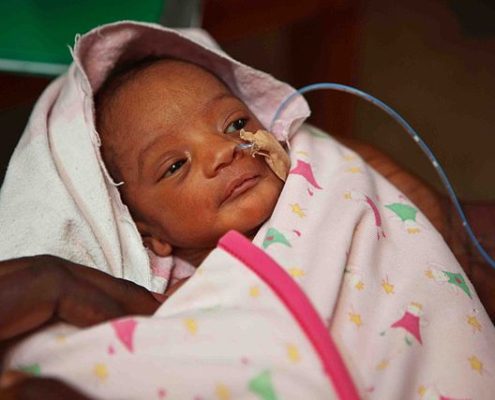
The first few minutes of a baby’s life have a significant impact on their chances of survival and their life quality. Statistically speaking, risks for newborn deaths are at their highest at that time. A main reason for the increased risk is asphyxia, a dangerous lack of oxygen right after birth. Every year, approximately 10 million newborns are unable to breathe on their own and require immediate help. In 2010, as a response to the medical issue, Helping Babies Breathe (HBB) was born. Recently, Helping Babies Breathe celebrated its anniversary for 10 years of work. Here is some information about the successes during the 10 years of Helping Babies Breathe.

USAID: An Important Partner

A partnership of many different agencies and organizations like Save the Children, Laerdal Global Health and the World Health Organization (WHO) launched the program Helping Babies Breathe. Another very important partner in the creation of HBB was the United States government’s agency USAID. After receiving Congress-approved funds from the federal government, USAID was able to be a key figure in establishing the program. The agency contributed significantly to HBB’s success by mobilizing more than $120 million to save newborns over the last decade.

Educating People

When HBB launched, its approach to fighting newborn mortality was based on creating a global movement. The goal was to raise awareness for the complications of asphyxia and to educate and train medics around the world. Thus, HBB focused on making educational materials and necessary equipment accessible for everyone. Furthermore, it supported training people in the resuscitation of newborns. When the program began, all the partners involved agreed on one ultimate goal. The plan was to assure that every infant started life with access to at least one person with the training to resuscitate babies after birth.

When HBB taught medics all around the globe how to reduce the risks of newborn mortality, it addressed several different approaches. One of HBB’s top priorities was to increase general hygiene and, thus, prevent potential infections. Helping Babies Breathe further gave clear instructions for the evaluation of a newborn. These included understanding crying as an indicator for whether or not a baby was receiving enough oxygen and examining the baby’s breathing more thoroughly. The program also taught providers how to react in the case of a newborn not being able to breathe. In order to do so, HBB focused specifically on the method of drying the baby to facilitate breathing. It also encouraged using ventilation and chest compression if drying was not enough.

Decreasing the Number of Newborn Deaths

In the last 10 years of Helping Babies Breathe, the program has successfully increased the chances for newborn survival. HBB has trained approximately 1 million people in more than 80 countries in resuscitating babies right after birth. A study in several different countries like Tanzania and Nepal has shown the huge impact of the program on the lives of infants. The number of stillborn babies has gone down by 34% and the number of newborns that die on their first day has reduced by 30% in places that have been working with HBB.

Governmental Independence

After initially investing in equipment and training birth attendants to help babies breathe, many places no longer need HBB. Seeing how successfully the program increased newborn survival, many of the countries that HBB was working with started to include the resuscitation techniques and new standards for medical providers into their governmental budgets. Since many countries now have the knowledge and determination to fight newborn deaths on their own, HBB partner and important sponsor USAID is able to slowly stop the financial support that the agency has been giving to the program for the last 10 years.

– Bianca Adelman
Photo: Wikimedia Commons
April 4, 2021
https://borgenproject.org/wp-content/uploads/borgen-project-logo.svg 0 0 Kim Thelwell https://borgenproject.org/wp-content/uploads/borgen-project-logo.svg Kim Thelwell2021-04-04 01:31:052021-04-01 06:53:5110 Years of Helping Babies Breathe
Aid

The Impact of The Liberian Civil War

The Liberian Civil War
Freed American slaves founded the country of Liberia. It boasts a reputation as an African state that upholds many western values. English is Liberia’s official language, and the country modeled its constitution after the United States’ constitution and named its capital Monrovia after James Monroe. Additionally, Liberia literally means “Land of the Free.” For 130 years, this uniquely American country celebrated independence and economic power. Then in 1980, members of the Krahn ethnic group overthrew the governing body and executed the president and 13 of his aides. This violent coup d’état led to a civil war nearly a decade later, which lasted until 2003. Today, the country is working through the lasting effects of The Liberian Civil War.

The Current State

The Liberian Civil War subjected Liberia’s 4.61 million citizens to tremendous pain and terror. According to the Liberian Truth and Reconciliation Commission, the war killed an estimated 250,000 people. Another 1 million experienced displacement from their homes and had to go abroad as refugees. For years, the United States government and other African nations have hosted these refugees. However, repatriation has proven to be difficult due to the instability of Liberia’s economy.

In 2019, the Human Development Index (HDI) ranked Liberia in the low human development category. This means that Liberians are losing out on “a long and healthy life, access to knowledge and a decent standard of living,” according to the HDI’s basic dimensions of human development. Along with this, “Currently 38.4% of the population is food insecure, 25% of the population does not have access to drinking water and just 17% have access to basic health services.”

The 14-year civil war tested the nation and the livelihoods of many who suffered. Despite this, a glimmer of hope exists for the country. Work is underway to reverse the trends that the violent conflict set forth more than 40 years ago.

Action Against Hunger (AAH)

Food security, water accessibility and health services have proven to have experienced the most damage due to Liberia’s post-war economy. As a result, aid has been mainly targeting these sectors. NGOs, IGOs and the Liberian government have each worked to improve the lives of Liberian citizens.

In the fight against food insecurity, Action Against Hunger (AAH) has greatly impacted Liberia. In 2019, AAH’s team in Liberia reached 301,507 people through screenings and treating malnutrition. AAH has also partnered with Scaling Up Nutrition Civil Society Alliance in Liberia to further its work. AAH advocates on the local and national levels for more support to improve general nutrition statuses all around the nation.

Water Accessibility

Water accessibility is another struggle throughout the country. After the war, Liberia’s new government developed a program called WASH. The intent of the program was to improve water quality, sanitation and general hygiene. USAID—the largest donor to the WASH sector—focuses on and addresses the infrastructure surrounding accessibility and sanitation. The program is also expanding services to both rural and urban communities. As a result, more than 353,000 new people have access to improved drinking water and nearly 154,000 have access to improved sanitation.

Malaria and Ebola

Following these fronts, general health services in Libera have exhibited positive growth. The Ebola outbreak that ravaged sub-Saharan Africa put Liberia’s health system to the test and cracks began to show. In the wake of the epidemic, the CDC expanded its focus beyond malaria intervention by investing in stronger “laboratory, surveillance, emergency management and workforce capacities to respond to disease outbreaks in support of the Global Health Security Agenda.” The CDC also teamed up with Riders for Health in the fight against Ebola. Since 2015, the partnership has transported over 300 relay stations to help rapid diagnosis of the disease. The country has not fully recovered from The Liberian Civil War but these organizations are striving to help it meet that goal.

Looking Ahead

Years of devastation due to war shook the country’s institutions to the core. But as time progresses, the improvements within Liberia are unmistakable. Efforts by NGOs, IGOs and the Liberian government alike provide hope for a recovered Liberian economy. Sustained efforts will allow Liberia to put its civil war in the past.

– Matthew Hayden
Photo: Flickr

April 3, 2021
https://borgenproject.org/wp-content/uploads/borgen-project-logo.svg 0 0 Kim Thelwell https://borgenproject.org/wp-content/uploads/borgen-project-logo.svg Kim Thelwell2021-04-03 01:30:172024-05-29 23:17:54The Impact of The Liberian Civil War
Global Poverty, Women's Empowerment

ABLE Creates Jobs for Women in Ethiopia

Creates Jobs for Women in Ethiopia
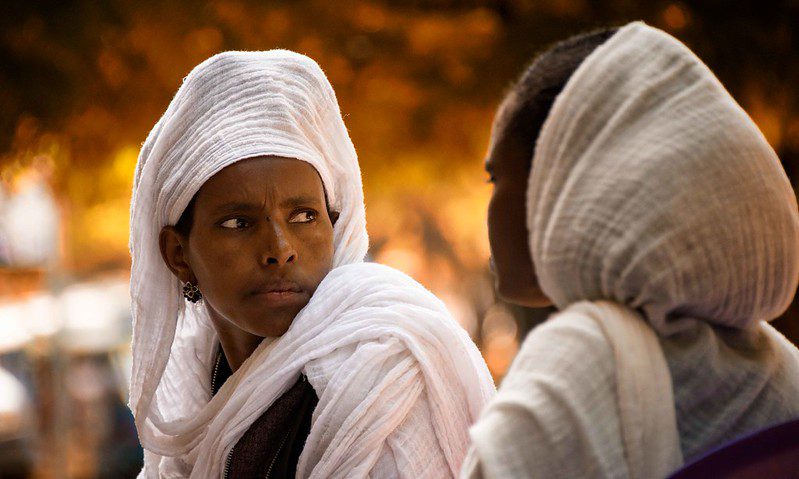
Live fasionABLE is a slogan that transcends the fashion industry. It promotes sustainable practices in creating quality products and focuses on empowering women. The shift to ethically sourced products has grown in popularity among the younger generations. ABLE is one fashion business that strives to provide jobs for women in Ethiopia, as well as internationally.

ABLE in Ethiopia

ABLE’s mission is to challenge the culture of the fashion industry by creating transformative opportunities for women. It aims to provide quality products to improve people’s livelihood in Ethiopia. Thus, the business provides many women opportunities for employment. This is one way that ABLE contributes to alleviating global poverty.

ABLE provides jobs for women in Ethiopia exiting the sex trafficking industry. Employed women manufacture scarves and aid in production. The company trains and equips women to make beautiful, cultural and quality scarves. Less than 38.8% of women held positions in the workforce globally in 2020, highlighting the need for businesses like ABLE to prioritize hiring women.

About 80% of women living in rural areas of Ethiopia work in agricultural cultivation and production and rarely receive any compensation for their work. Furthermore, fathers and husbands often place strict restrictions on women. USAID states that one in three women in Ethiopia experiences one type of physical, emotional or sexual abuse in their lifetime. Providing employment opportunities for women increases their autonomy and financial independence.

Employment Opportunities

Women who receive employment are able to provide an avenue for their children and communities to thrive through economic empowerment. According to author Ain Wright, there are five different policy approaches to closing the gender gap in Ethiopia: welfare, efficiency, anti-poverty, equity and empowerment. ABLE utilizes all five of these strategies for women that it hires.

The welfare and the efficiency approach go hand in hand. Providing women with the means to support themselves motivates and empowers them to actively support their communities. Additionally, all women receive encouragement to discover their voices through the strategy of empowerment, anti-poverty and equity.

Gender Equality

One challenge in increasing employment for women remains deeply rooted in cultural expectations and gender norms. ABLE has a commitment to creating a culture based on equality and rebuilding women’s lives. The fashion industry offers the highest number of jobs to women globally. Yet, only 2% of these women receive a fair wage. ABLE posts its wages on its website for the public to see, allowing consumers to understand the importance of their purchase.

As ABLE grew, it expanded its network to provide jobs for women in Ethiopia, Mexico, India, Brazil and Nashville, U.S. The company partners with local communities to assist in developing individual economies rather than developing itself into a major fashion corporation. ABLE also believes that telling people’s stories affects consumer awareness. Women with employment there created a podcast to tell their stories of strength and hopes for the future. The podcast and products continue to build consumer awareness, alleviate poverty and empower women.

ABLE is making great strides to grow as a company and maintains its role as an ethically sourced fashion brand. Its efforts have created more jobs for women in Ethiopia, empowering them their families and their communities. Moving forward, it is essential that other fashion companies shift to sustainable and ethical practices.

– Kate Lucht
Photo: Flickr

April 2, 2021
https://borgenproject.org/wp-content/uploads/borgen-project-logo.svg 0 0 Kim Thelwell https://borgenproject.org/wp-content/uploads/borgen-project-logo.svg Kim Thelwell2021-04-02 07:31:172021-03-31 06:30:10ABLE Creates Jobs for Women in Ethiopia
Education, Global Poverty

Examining USAID Programs in Nepal

USAID Programs in Nepal
Since 1951, USAID has been implementing various development programs in Nepal. With a poverty rate of 25% as of 2010, Nepal is a developing country and has benefited greatly from these programs which cover areas such as agriculture, education and environmental issues. Here are some examples of USAID programs in Nepal.

USAID’s Agriculture Programs in Nepal

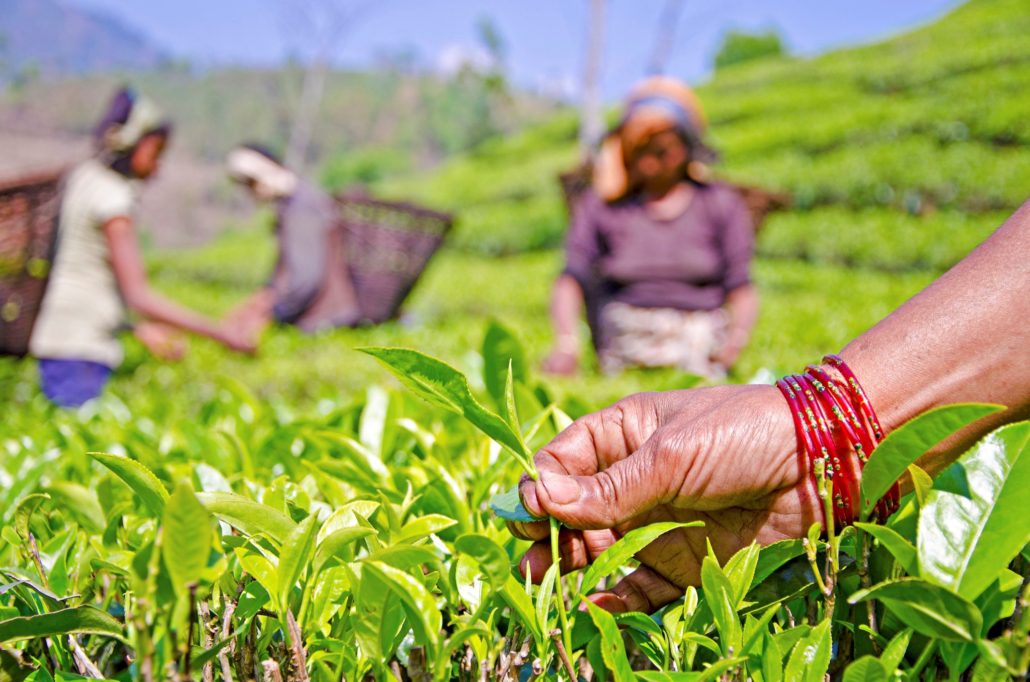
An important aspect of USAID’s work in Nepal has been to improve the livelihoods of those who work in agriculture. As a rural country, agriculture accounts for about 34% of Nepal’s GDP, yet malnutrition has been a persistent issue due to low productivity and limited access to markets. As a result, 36% of children in the country suffer from stunting, which further results in a multitude of lifetime ailments.

To combat these issues, USAID has worked under the U.S. government’s Feed the Future Initiative to improve crop yields and subsequently increase profits and access to quality foods for farmers. As Nepal’s terrain is mostly mountainous, the average farm is very small, with over 50% of farms being less than 0.5 hectares. Furthermore, factors such as low-quality seeds, poor soil management and substandard infrastructure further contribute to low productivity. As a result, 83% of farmers rely on agriculture for their income, yet for 60% of them, agriculture does not meet their dietary and monetary needs.

USAID programs in Nepal have the intention of addressing these issues by engaging with various governmental entities as well as the private sector. Its Feed the Future Initiative emphasizes the production of specific crops that can produce high yields and are resistant to environmental events such as drought and waterlogging. As a result, Nepal has seen increases in rice, maize, lentil and vegetable production.

USAID’s Education Programs in Nepal

USAID has also worked to improve education standards in Nepal by providing a better quality of education for younger students. It has also worked to increase access to schools for communities that the 2015 earthquake affected.

USAID has been concerned about literacy amongst Nepali children. According to a study from 2014, 19% of third graders could not read the Nepali language, while less than 13% of them were able to read Nepali “with fluency and comprehension.” To combat this, several USAID programs in Nepal regarding education have emerged to improve reading standards. The Early Grade Reading Program has a design to increase the number of students in grades one to three who can read and write Nepali. Stretching over five years, this $53.8 million program seeks to design instructional material and standardize reading standards across the country.

After the 2015 earthquake, USAID has also been diligent in rebuilding schools that experienced destruction. Along with the Government of Nepal, USAID was instrumental in building over 1,000 schools which serviced about 93,000 students. USAID equipped these schools with learning materials, sanitation facilities and training for teachers.

Additionally, USAID Nepal has prioritized gender parity in education. Along with UNICEF, it has launched the Zero Tolerance, Gender-Based Violence Free Schools project, which aims to eliminate gender-based violence in schools and create equal education outcomes for boys and girls. The segregation of girls during their menstrual cycle and child marriage also occur in Nepal and they have a negative impact on educational outcomes.

The Zero Tolerance project is a three-year, $5 million project which reaches at least 100,000 students across 200 schools in areas of the country with high levels of gender-based violence. It seeks to promote awareness of gender-based issues in order to create safe learning environments for all students.

USAID’s Environmental Programs in Nepal

As a country with an extremely high level of biodiversity, Nepal has received attention from the U.S. government due to its vulnerability to environmental issues. In addition to this, the fact that a large portion of Nepal’s population has employment in sectors that are heavily dependent on the environment further underscores the need for biodiversity conservation.

USAID has implemented several projects with the goal of biodiversity conservation. The Program for Aquatic Natural Resources Improvement, known locally as the Paani Program, aims to protect Nepal’s many river systems. While Nepal’s waterways are crucial for the livelihoods of many people as they are the main habitat for many fish species, and provide irrigation and power dams, they also suffer from stress due to overpopulation and overuse. The Paani Program aims to instruct locals on how to efficiently manage their waterways. It has identified certain indicators of river health, such as soil fertility and water quality, and instructs locals on how to analyze the data and provide data for authorities to use.

In all, USAID programs in Nepal cover a wide range of areas regarding the country’s development. By focusing on things like agriculture, education and the environment, USAID has a commitment to improving the lives of ordinary Nepali citizens.

– Nikhil Khanal
Photo: Flickr

March 29, 2021
https://borgenproject.org/wp-content/uploads/borgen-project-logo.svg 0 0 Jennifer Philipp https://borgenproject.org/wp-content/uploads/borgen-project-logo.svg Jennifer Philipp2021-03-29 01:30:302024-05-30 22:22:58Examining USAID Programs in Nepal
Developing Countries, Global Poverty

Caribbean Nations Unites on Storm Resilience

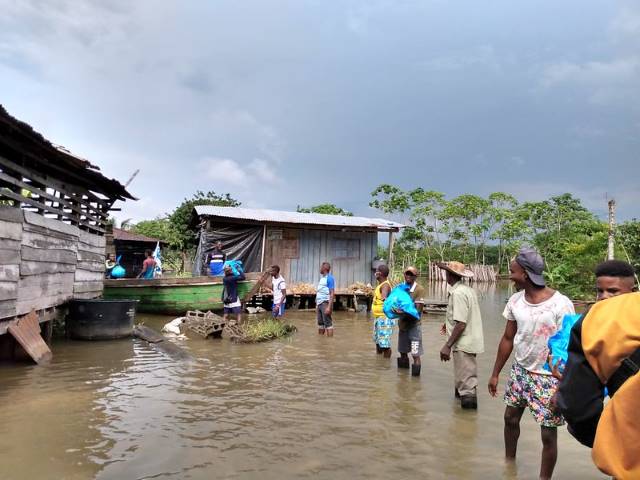
storm resilienceThe Caribbean region is facing an accelerated amount of devastating storms and severe weather incidents. With the Atlantic hurricane season becoming longer and more aggressive, as well as the additional crippling effect of the COVID-19 pandemic, Caribbean nations are struggling to persevere. It was predicted that from June 2020 to November 2020 there would be as many as 19 named storms, with up to six potentially becoming major hurricanes. In the Caribbean, a typical hurricane season has 12 named storms and three major hurricanes. Caribbean nations have united on storm resilience in the face of disaster in order to strengthen their disaster response.
COVID-19 and Caribbean Storms

The COVID-19 pandemic has already made it difficult to rebuild from past storms. Economies have been critically damaged as many regions depend on tourism. Furthermore, the government has to now prioritize already minimal resources for the public health crisis instead of disaster relief efforts.

With more devastating storms to come, the well-being of these Caribbean nations is a critical concern. Amid the uncertainty, Caribbean nations have united on storm resilience to implement effective emergency preparedness and response.

Initiating Institutional Reform

Nations throughout the Caribbean are acknowledging the obstacle of insufficient investments in National Disaster Management Organizations (NDMOs) that stem from deficiencies in their institutional frameworks. In January 2021, The Caribbean Disaster Emergency Management Agency (CDEMA) launched an initiative to augment disaster preparedness and enact institutional evaluations for Eastern Caribbean countries like Dominica, Saint Kitts and Nevis, Grenada, Saint Vincent, the Grenadines and St. Lucia. These evaluations, conducted by in-person interviews and questionnaires from national disaster experts and program representatives, will find weaknesses in each countries respective NDMOs. From there, the initiative will create a foundation that will support future regional cooperation.

During these institutional assessments, a reoccurring fault was the inadequacy of the NDMOs ability to collect and manage triable data and information. In response, the project received further funding to implement data collection training workshops that cover managing COVID-19 and the oncoming hurricane season. To guarantee the sustainability of these reforms, the project needs to engage policymakers and stakeholders within the government as well as gain input from ministries of finance in the countries involved.

Mobilizing Finance and Insurance Coverage

Caribbean nations have united on storm resilience by developing the Caribbean Catastrophe Risk Insurance Facility (CCRIF) in 2007 which provides the region with insurance coverage for hurricanes and earthquakes. This “sovereign parametric” insurance method is bought by the government and relies on risk modeling instead of on-the-ground damage evaluations to estimate the cost of disasters. The insurance policy automatically pays out when pre-agreed conditions like wind speed, rainfall and modeled economic losses meet or exceed a certain limit.

This creates fast payouts that avoid time-consuming damage evaluations. This also allows businesses to reopen sooner, roads and airports to quickly start operating again and affected communities to recover faster, preventing further long-term damage.

USAID Collaboration in Disaster Response Training

The United States Agency for International Development (USAID) has continued to support the International Federation of Red Cross and Red Crescent Societies (IFRC) to expand the Red Cross national societies in Caribbean countries. USAID allocated more than $43.1 million in 2020 to support disaster risk reduction activities in Latin America and the Caribbean. These tools will empower communities to adequately prepare for, respond to and recover from disasters.

Setting an Example During Turbulent Times

Preventing future destruction from violent storms and natural disasters will require serious commitment and collaboration among Caribbean nations. In addition, these circumstances call for increased international support during a time where pre-existing vulnerabilities have been intensified by a threatening pandemic. Witnessing how Caribbean nations have united on storm resilience in face of disaster can provide a positive example for other countries during a time where global unity is most essential.

– Alyssa McGrail
Photo: Flickr

March 27, 2021
https://borgenproject.org/wp-content/uploads/borgen-project-logo.svg 0 0 Kim Thelwell https://borgenproject.org/wp-content/uploads/borgen-project-logo.svg Kim Thelwell2021-03-27 07:30:212021-03-23 08:15:57Caribbean Nations Unites on Storm Resilience
Humanitarian Aid, Politics, USAID, War and Violence

Plans to End US Involvement in the War in Yemen

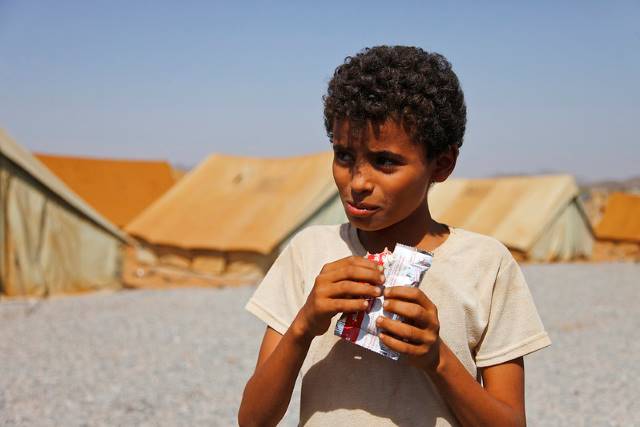
involvement in the war in YemenPresident Biden announced his plan to end all U.S. involvement in the war in Yemen in February 2021. The President stated the U.S. will take on a mediator role with a focus on ending the war instead. This reversal is one of many steps Biden feels will serve as a course correction for U.S. foreign policy. The Trump administration and many others prior have often taken the side of foreign authoritarian leaders all for the sake of stability. This has only aggravated the humanitarian crises in conflict-riddled countries like Yemen. The U.S. is working to remedy its contribution to the dire state of war-torn Yemen.
Effects of the War in Yemen

The military conflict created mass instability throughout the country of Yemen. As a result, Yemen experienced extreme poverty, starvation, violence and the displacement of millions of people. Thus, the situation in Yemen has been labeled as the world’s largest humanitarian crisis. More than 24 million people are in need of humanitarian assistance. This includes more than 12 million vulnerable children.

About 4.3 million people have lost their homes due to displacements. Additionally, more than 230,000 people have died as a result of the consequences of war and conflict in Yemen. This includes more than 3,000 children. Furthermore, more than 20,100 airstrikes have been conducted on Yemen. The Obama administration conducted an estimated 185 airstrikes over eight years while the Trump administration conducted nearly 200 in four years. These attacks contributed to more than 17,500 deaths and injuries. Moreover, the airstrikes have destroyed schools, hospitals, water wells, civilian homes and other essential infrastructure.

USAID in Yemen

While the U.S. has played a significant role in creating the world’s largest humanitarian crisis, the nation is also the leading contributor of foreign aid to Yemen. According to the United States Agency of International Development (USAID), the U.S. has provided more than $1.1 billion of foreign aid to Yemen since 2019. This aid has provided funding for food, shelter, medical care and other essential resources. In addition, USAID states that the U.S. allocates funding for development initiatives that focus on helping put the country on a stable path to recovery and prevent continued dependence on humanitarian aid.

The U.S. involvement in the war in Yemen is shifting from tactical to mediation. This is putting the nation on the path to recovery. Furthermore, the end of the war benefits Yemeni civilians and the U.S. economy. As the U.S. is pulling out of the offensive efforts, the foreign aid provided to Yemen can be fully utilized.

President Biden emphasizes the importance of this decision in his foreign policy address, stating, “this war has to end.” He decided to take a step in the opposite direction of the last two administrations, including the Obama administration in which he served as vice president. Additionally, President Biden claims this decision to be one of many in a plan to restore U.S. emphasis on diplomacy, democracy and human rights.

– Kendall Couture
Photo: Flickr

March 26, 2021
https://borgenproject.org/wp-content/uploads/borgen-project-logo.svg 0 0 Kim Thelwell https://borgenproject.org/wp-content/uploads/borgen-project-logo.svg Kim Thelwell2021-03-26 06:37:302024-12-13 18:02:26Plans to End US Involvement in the War in Yemen
COVID-19, Global Poverty

Examining USAID Programs in Ukraine

USAID Programs in Ukraine
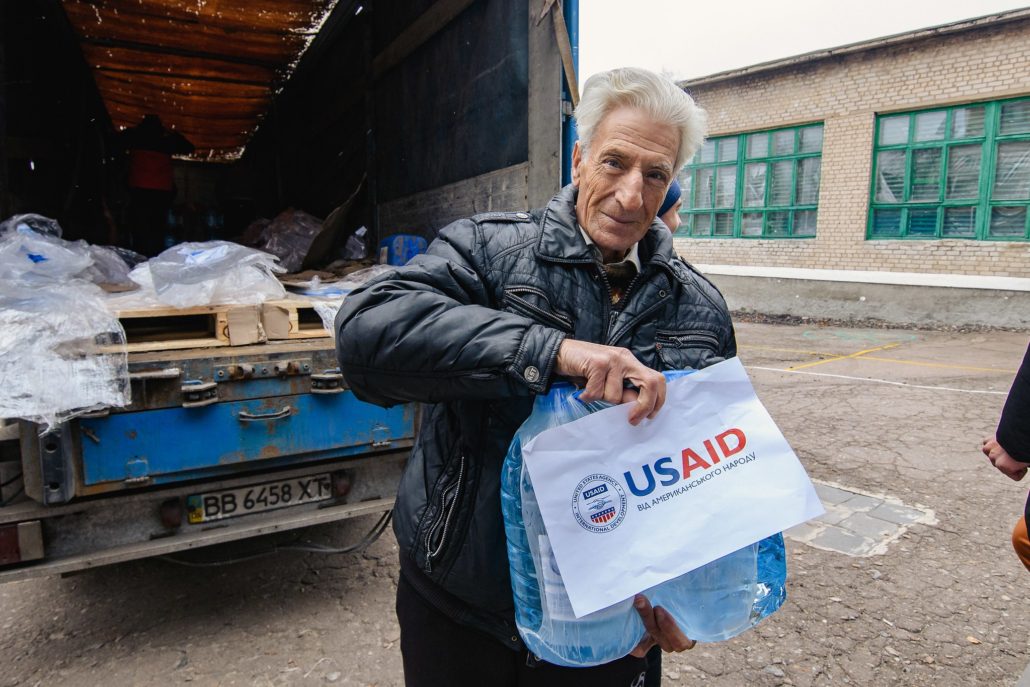
Seven years after the onset of the conflict in Crimea, President Joe Biden reaffirmed the United States’ support of Ukraine in the country’s ongoing struggle with Russia over the Crimean Peninsula. President Biden’s statement in support of those in the country working, “towards a peaceful, democratic and prosperous future,” comes as USAID programs in Ukraine continue to help deal with the aftermath of the conflict while also assisting with the ongoing COVID-19 crisis and other healthcare issues.

USAID Relief During the Crimean Conflict

The Russian occupation of Crimea and the ensuing discord in the region have resulted in over 3,000 civilian deaths and led to 1.5 million people becoming internationally displaced persons. As a result of the continuing effects of the hostilities in Eastern Ukraine, USAID has partnered with the Ukrainian Helsinki Human Rights Union to assist in helping victims of the conflict with legal matters.

In January 2021 alone, the partnership addressed 393 appeals for legal assistance. This followed a year in which the partnership addressed over 300 appeals for legal assistance each month on subjects ranging from illegal detentions and torture, reimbursement of damages and legislation related to social protection.

Similarly, USAID has also continued to support the U.N.’s efforts to help the populace in Eastern Ukraine. Since 2014, USAID programs in Ukraine have provided more than $88 million in aid towards providing food, shelter, protection and other forms of relief to affected people in the region.

USAID Healthcare Support in Ukraine

In 2021, USAID began participating in the U.N.’s 2021 Humanitarian Response Plan for Ukraine by supporting eight non-governmental organizations in their efforts to protect vulnerable populations in the area including the elderly, children and people in remote communities. The U.N. plan aims to provide aid to 1.9 million of the most vulnerable people in Eastern Ukraine in order to help improve their living conditions and assist in key areas like healthcare and sanitation during the ongoing COVID-19 crisis. USAID supports multiple areas of the plan including cash assistance and pandemic response programs.

One such program that has received support is WASH, an initiative to provide sanitation awareness, education and access to vulnerable communities including children and families. The U.S. government gave $6.9 million to WASH in 2020 to help the program achieve those goals through tactics like the distribution of hygiene commodities and the installation of public handwashing stations.

Pandemic Relief

USAID’s pandemic relief extends beyond U.N.-related initiatives as well. Thus far, the United States has given $29 million worth of aid to Ukraine to help combat the spread of COVID-19. That aid has helped provide key medical equipment and supplies to the country. For example, the U.S. embassy in Ukraine announced in February 2021 that USAID provided $1 million worth of oxygen stations to 15 different Ukrainian hospitals in order to treat severe COVID-19 cases.

Additionally, USAID programs in Ukraine have targeted healthcare issues in the country beyond the pandemic. This includes initiatives such as USAID’s new partnership with Ronald McDonald House Charities to support family healthcare in the country through efforts like a national education program to improve Ukraine’s medical systems. This joint effort marked the first partnership between USAID and Ronald McDonald House Charities, a nonprofit that currently operates in five public hospitals in Ukraine.

Through programs and initiatives like these, USAID continues to work towards its goal of helping facilitate a secure, healthy and self-reliant country for the Ukrainian people in the midst of the ongoing Crimean conflict.

– Brett Grega
Photo: Flickr

March 23, 2021
https://borgenproject.org/wp-content/uploads/borgen-project-logo.svg 0 0 Jennifer Philipp https://borgenproject.org/wp-content/uploads/borgen-project-logo.svg Jennifer Philipp2021-03-23 01:30:292024-05-30 07:56:50Examining USAID Programs in Ukraine
Food Security, Global Poverty, Water, Water Quality

Water and Food Security in Ethiopia

Water and Food Security in Ethiopia
The Universal Declaration of Human Rights recognized that having food was a human right in 1948. However, it did not include water until 2010. Thus, governments have three obligations: to respect, protect and fulfill these rights in a non-discriminatory, participatory and accountable way. Particularly, water is important for agricultural production and ecosystems such as forests and lakes. Water and food security are essential in alleviating poverty in Ethiopia.

About 800 million people reside in areas where water and food security is low. In order to address the underlying causes of food insecurity, it is necessary to resolve water insecurity and social injustices.

Water Quality and Access

According to the United Nations Development Program, a crisis in water and sanitation causes more devastation than a terrorist attack. Furthermore, these crises happen quietly. As a result, millions of people enjoy access to clean water without concern for others.

Lyla Mehta argues that water is food in itself. The micronutrients in water aids in human health and sanitation. Additionally, water of poor quality can cause diseases that lead to food insecurity and damage ecosystems. Therefore, having access to clean water is essential in improving living conditions for people.

Water inequity exists within societies in four ways:

  • Availability: The gap between water-abundant nations and water-scarce nations is large.
  • Access: Water Accessibility depends greatly on gender, socio-economic status and power relations. As a result, discrimination of race, class and gender is prevalent.
  • Quality: The effects of pollution diminish water quality, causing poor nutrition and damaged ecosystems.
  • Stability: Changing weather and variability make water accessibility highly unstable. Additionally, by 2080, another 1.8 billion people will suffer from water scarcity due to environmental challenges.

Water and Food Security in Ethiopia

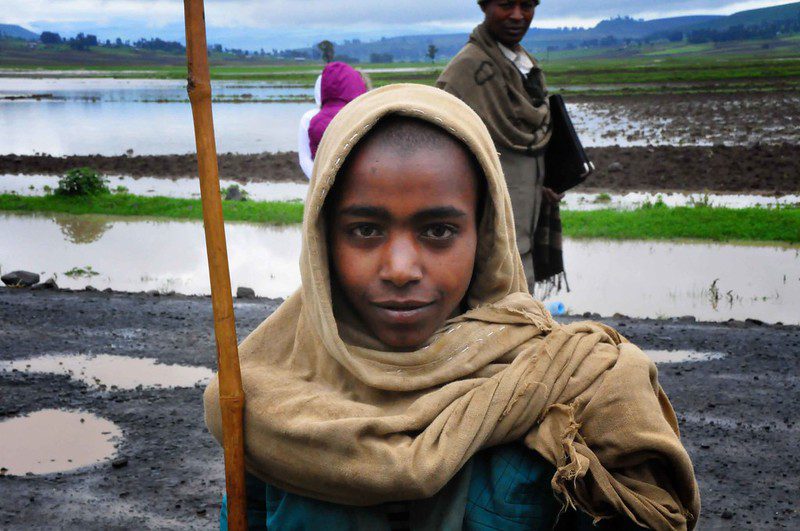
Ethiopia relies heavily on agriculture, which constitutes 40% of its GDP and 75% of the workforce. The agriculture industry consists mainly of small-holder farmers in a mixed system of crop-livestock. Furthermore, farmers have limited knowledge of technology and rely heavily on rainfall. Consequently, the primary cause of food shortages is droughts.

Fortunately, many organizations and agencies are working to promote water and food security in Ethiopia.USAID works with several programs to strengthen the conditions of Ethiopia’s water and food security. First, the Feed The Future Strategy encourages participation in income-generating activities within the agricultural sector. This provides jobs and opportunities for families in rural areas and provides credits and technical assistance to small and medium-sized businesses. Additionally, USAID is the largest bilateral donor to the Productive Safety Net Program (PSNP) of the Government of Ethiopia. It contributes by directly rehabilitating the natural environment through labor-based public efforts, stimulating markets, creating greater service accessibility and preventing the draining of household assets.

Additionally, the World Food Program supports the MERET program in investing in a number of activities that relate to water and soil conservation and rehabilitation. Moreover, packages of homestead development and household income-generating programs have emerged to increase household income and women’s assistance. As a result, water availability has increased from ponds, wells, springs and soil moisture. Furthermore, there has been a significant increase in production and household income.

How to Address Water and Food Security

Expectations have determined that agricultural productivity will increase in the following decades. Thus, the need for water will increase as well. It is challenging to address water security when competition increases. However, allocating quality water in specific amounts and managing agriculture will help communities achieve sustainable social and economic development.

Furthermore, programs are building comprehensive plans to address challenges related to production and consumption. First, improving less fortunate communities’ access to food and water is imperative. Next, overcoming gender discrimination will help improve food production and nutrition. Then, promoting inclusive water governance to guarantee equitable and sustainable decision-making in water and food security is crucial.

Water is as important as food for human health. Moreover, water contributes to food accessibility, sanitation and provides a means to achieve sustainable income. Therefore, Ethiopia needs to address water and food security.

– Helen Souki
Photo: Flickr

March 9, 2021
https://borgenproject.org/wp-content/uploads/borgen-project-logo.svg 0 0 Jennifer Philipp https://borgenproject.org/wp-content/uploads/borgen-project-logo.svg Jennifer Philipp2021-03-09 07:30:172021-03-05 08:46:22Water and Food Security in Ethiopia
Global Poverty

Tackling Tuberculosis, a Leading Cause of Death

Leading Cause of Death
The World Health Organization (WHO) estimates that one-third of the global population has latent tuberculosis. Though a vaccine exists for this fast-spreading virus, tuberculosis is a leading cause of death in the world.

While some may think of tuberculosis, formerly known as consumption, as a virus of the past, it has begun to reemerge and create public health crises in multiple countries. The evasive nature of the virus has resulted in its continued spread. Additionally, many underlying factors contribute to the continuation of this illness.

Immigration and Movement of People Between Countries

Despite the efforts of many countries, the complete eradication of tuberculosis is near impossible due to the influx of immigrants leaving and entering endemic countries. The CDC claims that without proper treatment and health services for all immigrants, this disease will continue to spread. Containing and quarantining the infected would be of little use since only 10% of tuberculosis carriers present outward signs.

How it Compliments Other Epidemics

The destructive manner in which tuberculosis attacks the respiratory system creates an even deadlier combination when paired with another disease. For example, the United States experienced a spike in both tuberculosis and HIV cases around the same time, due to the nature of both diseases. With a weakened immune system, HIV patients struggled to fight the disease on their own, leading to the re-emergence of tuberculosis.

Poor Government Structures and Funding to Facilitate Care

As the COVID-19 pandemic made evident, many governments are poorly equipped to facilitate proper care to combat TB epidemics. However, movements to eradicate it have resulted in mandatory testing for nearly all hospitals and universities. While developed countries have made large strides in the positive direction, the lack of governmental structure and resources in poverty-stricken countries allows tuberculosis as a leading cause of death.

Vaccine Resistant Strains

As with any virus, TB has evolved to include many vaccine-resistant strains. These strains stand in the way of eradication. Furthermore, the CDC has discussed the threat this strain poses if used as a bioweapon. WHO has set a goal of wiping out tuberculosis by 2035, but without a method of controlling or stopping vaccine-resistant strains, this goal is challenging.

NGOs Working to Address Tuberculosis

The Global Fund, WHO and USAID are all working to address tuberculosis, the leading cause of death, through new health technologies. These organizations use technologies to monitor antibiotic administration, side effects and maintain patient charts on a virtual platform. This virtual platform allows healthcare workers to navigate data conveniently. Some platforms use safety precautions to eliminate issues of miscommunication and over-administration of medications.

– Venus Wang
Photo: Flickr

March 8, 2021
https://borgenproject.org/wp-content/uploads/borgen-project-logo.svg 0 0 Kim Thelwell https://borgenproject.org/wp-content/uploads/borgen-project-logo.svg Kim Thelwell2021-03-08 19:10:472024-05-30 07:56:44Tackling Tuberculosis, a Leading Cause of Death
Developing Countries, Global Poverty

Renewable Energy Sources in Vietnam

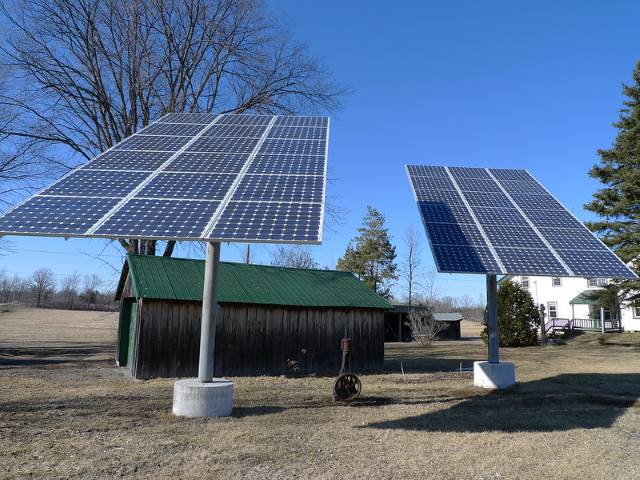
renewable energy sources in VietnamOn November 25, 2015, the Vietnamese government adopted the Renewable Energy Development Strategy by 2030 with an outlook to 2050, in effect approving renewable energy as a viable and necessary plan. At its core, the strategy shifts Vietnam’s energy policy from focusing on fossil fuels to renewable energy by setting specific goals. After five years, the strategy has resulted in some profound successes: renewable energy sources in Vietnam have gone from non-existent to growingly important.

Renewable Energy Sources in Vietnam

The main driver of this shift comes from Vietnamese electricity demand outpacing its supply. Due to Vietnam’s incredible economic growth, its energy needs have grown significantly. For example, in 2020, Vietnamese electricity needs were 7.5% higher than they were in 2019. Overall, its electricity demand has increased by an average of 10% per year for the last five years.

Vietnam’s Plans for Renewable Energy

The 2004 Electricity Law is the prime legislation governing Vietnam’s energy sector. The Electricity Law requires the establishment of national power development master plans for 10-year periods. As the law instructed, the Vietnamese government released its National Power Development Plan for 2011 to 2020 in 2011. One can sum up the plan’s goals as securing Vietnam’s energy needs, improving connectivity in rural areas and increasing the national reliance on renewable sources of energy. The plan estimated that $150 billion in renewable energy investment was necessary to meet Vietnam’s rising energy demand.

The Vietnamese government, in a bid to promote the goals set out in this plan, issued a decision in 2015, approving Vietnam’s renewable energy development strategy up until 2030. In 2016, the government further revised it. The revised version guaranteed that 10% of the Vietnamese energy (excluding hydropower electricity) would come from renewables. The decision reassured the government’s commitment to a reduction of coal-fired energy.

In addition to issuing guarantees, it also laid out some new incentive-based policies to promote investment in the renewable energy sector. For example, it promises:

  • Import duty relief on imported materials used for renewable energy projects
  • A reduced corporate tax rate for companies working on renewable energy production
  • Land use incentives such as reduced or waived fees

Improvements and Progress in the Energy Sector

As a result of these plans and strategies, Vietnam has made significant inroads in increasing wind and solar energy contributions to its overall grid. In 2014, solar, wind and biomass gasification made up only about one-third of 1% of the country’s total installed capacity. Fast forward five years and these renewable energies now make up about 10% of the total energy supply.

In addition to developing solar and wind power, hydropower is already a renewable energy source that constitutes a substantial component of Vietnam’s energy sector. In 2019, it accounted for 46% of the electricity mix.

The government expects to build on this success by announcing the new 10-year National Power Development Plan 2021-2030 which will lay out the next steps and policies to further entrench renewable energy. The government has set renewable energy targets of 15-20% of total energy share by 2030 and 25-30% by 2045.

Even so, expectations have determined that coal will continue to be the dominant source of energy in the country. Although solar and wind power are a growing share of Vietnamese energy production, they have yet to grow faster than energy demand. Additionally, wind and solar energy are dependant on weather conditions and therefore only present intermittent solutions.

The Limitations of Hydropower

Additionally, although hydropower does generate more power than coal, its growth potential is stunted. Hydropower in Vietnam is mostly reliant on the Mekong-Delta, a river that many countries have access to. As a result, it is vulnerable to how other nation-states utilize the river with infrastructure projects that restrict the river’s flow and intensity. Hydropower projects are inherently limited because the government has only so much river access.

Meanwhile, coal presents a cheap and short-term solution to its supply deficit problem. In 2019, coal was 36% of Vietnam’s energy mix and is expected to remain around that proportion for the new National Power Development Plan 2021-2030.

The US as an Invaluable Partner

The United States is proving to be an invaluable partner in Vietnam’s transition to renewable energy as it has provided support, investment and guidance to the Vietnamese government. Specifically, the United States Agency for International Development (USAID) has committed to multiple projects to help Vietnam’s transition. These projects include:

  • Low Emission Energy Program (I): Providing support to the government in developing and implementing long-term renewable energy strategies (2015-2021, $16 million)
  • Low Emission Energy Program (II): Further support the government in transitioning to renewable energies (2020-2025, $36.25 million)
  • Urban Energy Security: Working with Da Nang and Ho Chi Minh cities to improve enabling environments for distributed energy deployment, mobilizing private investment and supporting the government in adopting innovative energy solutions (2019-2023, $14 million).

Renewable Energy Transition Progress

Vietnam still has a long way to go before renewable energy governs most of its energy sector. Still, it has made significant progress toward that goal. Renewable energy sources in Vietnam are growingly significant in energy policies and are a sustainable answer to electricity needs in developing countries.

– Vincenzo Caporale
Photo: Flickr

March 4, 2021
https://borgenproject.org/wp-content/uploads/borgen-project-logo.svg 0 0 Kim Thelwell https://borgenproject.org/wp-content/uploads/borgen-project-logo.svg Kim Thelwell2021-03-04 07:30:292024-06-06 00:59:30Renewable Energy Sources in Vietnam
Page 34 of 92«‹3233343536›»

Get Smarter

  • Global Poverty 101
  • Global Poverty… The Good News
  • Global Poverty & U.S. Jobs
  • Global Poverty and National Security
  • Innovative Solutions to Poverty
  • Global Poverty & Aid FAQ’s
Search Search

Take Action

  • Call Congress
  • Email Congress
  • Donate
  • 30 Ways to Help
  • Volunteer Ops
  • Internships
  • Courses & Certificates
  • The Podcast
Borgen Project

“The Borgen Project is an incredible nonprofit organization that is addressing poverty and hunger and working towards ending them.”

-The Huffington Post

Inside The Borgen Project

  • Contact
  • About
  • Financials
  • President
  • Board of Directors
  • Board of Advisors

International Links

  • UK Email Parliament
  • UK Donate
  • Canada Email Parliament

Get Smarter

  • Global Poverty 101
  • Global Poverty… The Good News
  • Global Poverty & U.S. Jobs
  • Global Poverty and National Security
  • Innovative Solutions to Poverty
  • Global Poverty & Aid FAQ’s

Ways to Help

  • Call Congress
  • Email Congress
  • Donate
  • 30 Ways to Help
  • Volunteer Ops
  • Internships
  • Courses & Certificates
  • The Podcast
Scroll to top Scroll to top Scroll to top