Renewable Energy in Armenia
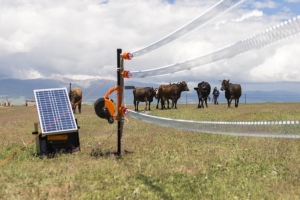 Renewable energy in Armenia is transforming the nation’s energy landscape. The government is ramping up solar, hydro and wind power investments to reduce reliance on imported fossil fuels. After long dependence on natural gas and oil from neighboring Russia and Iran, Armenia is shifting toward clean energy. This is marked by large-scale solar developments that signal a rapid change in the nation’s energy output.
Armenia’s Energy Dependency and National Goals
For decades, Armenia’s energy supply relied heavily on imports, with natural gas accounting for more than 80% of the country’s fuel mix. This dependency left the nation vulnerable to fluctuating prices and geopolitical instability.
In response, the government has adopted ambitious renewable energy targets to generate 66% of electricity from clean sources by 2036. By 2030, solar energy alone is expected to make up 15% of total production, reducing reliance on fossil fuels and strengthening energy security.
Masrik-1: Armenia’s Landmark Solar Project
One of the most significant milestones in Armenia’s clean energy shift is the Masrik-1 solar power plant, the country’s largest renewable energy project. Located in the Gegharkunik region, the 55-megawatt facility produces around 128,000 megawatt-hours of electricity annually to power 21,600 homes.
Developed with support from the World Bank and the European Investment Bank, Masrik-1 also cuts carbon emissions by an estimated 40,000 metric tons yearly. As the first large-scale solar plant in Armenia, Masrik-1 demonstrates the country’s commitment to diversifying its energy mix and achieving long-term energy independence.
Diversifying Armenia’s Renewable Energy Mix
Beyond solar power, Armenia is working to develop a broader portfolio of renewable resources. Hydropower currently provides around 30% of the country’s electricity, making it the largest contributor to renewable energy.
A key component of this is the Vorotan Cascade, located in the country’s Syunik region, which currently contributes 13-15% toward Armenia’s total power generation. This development was purchased by a U.S company, ContourGlobal, in 2015 for $180 million. It later attracted another $70 million in investment to modernize the project further.
Wind energy remains limited, contributing less than 1% of total generation. However, Armenia’s theoretical wind potential is estimated at 450 megawatts, with projects such as Qarahach-1, a 20 megawatt development, already in planning. Indeed, the Lusakert Biogas Plant near Yerevan generates approximately seven gigawatt-hours annually, helping reduce emissions from livestock waste.
International Investment Driving Change
Armenia’s renewable energy expansion has been made possible by significant global partnerships. The European Investment Bank and the European Union (EU) have committed more than $35 million to energy efficiency initiatives, including modernizing public buildings in Yerevan. The European Bank for Reconstruction and Development and the Green Climate Fund have provided a $15 million loan to support green small and medium-sized enterprises.
Additionally, the World Bank is funding upgrades to Armenia’s power transmission grid, enabling integration of up to 1.1 gigawatts of renewable capacity by 2032. Private-sector investment is also growing, with firms like Amber Capital Armenia developing new solar plants in partnership with international lenders. Together, these efforts accelerate the country’s transition toward a cleaner, more resilient energy system.
A Sustainable Future for Armenia
Renewable energy in Armenia represents more than a technological shift; it reshapes the country’s economic and environmental future. With large-scale solar projects, expanding hydropower capacity and growing international investment, Armenia is moving closer to energy independence while reducing its carbon footprint.
Continued collaboration between government, industry and global partners will be vital to achieving the nation’s ambitious renewable energy goals and ensuring a sustainable path forward.
– George Horberry
George is based in York, Yorkshire, UK and focuses on Good News and Politics for The Borgen Project.
Photo: Flickr
