Lamp Of The Path: Fighting Hunger in Mongolia
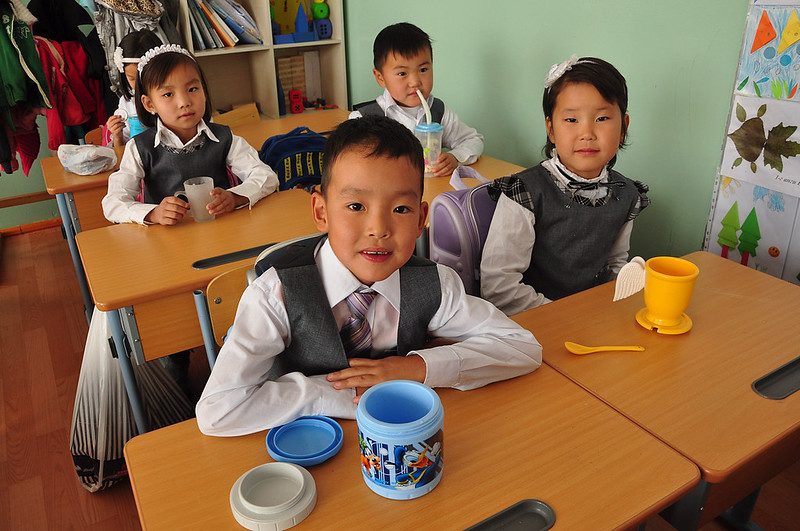 Home to around 3.5 million people, Mongolia adopted the 2030 Sustainable Development Goals (SDGs) Agenda in 2015. In 2021, the U.N. reported that the Mongolian Government was “stepping up its efforts to achieve food security”. Since then, fighting hunger in Mongolia has gained momentum thanks to government initiatives and grassroots organizations collaborating.
Hunger and Poverty in Mongolia
Malnutrition continues to affect many Mongolians, particularly children. In 2017, 27% of children under 5 were anemic, 21% had iron deficiencies, 70% lacked sufficient vitamin A levels and 90% experienced inadequate vitamin D levels. Household food insecurity affected 65% of households in 2018, with 23% experiencing severe food insecurity. By 2022, one in four Mongolians still experienced moderate to severe food insecurity. In 2023, approximately 213,000 people endured limited food, largely due to dzuds (extreme winter weather) killing livestock, consequently causing significant challenges with food production.
Poverty compounds these challenges.Mongolia’s national poverty rate was 28.4% in 2018, but only 0.5% of citizens lived below the international poverty line. In 2021, 22% of the Mongolian population did not have access to sufficient dietary energy daily, making it challenging to live normal, active lifestyles. As the U.N. emphasized, food insecurity is largely due to economic struggles rather than physical and social access.
Lamp Of The Path
Established in 2003, Lamp of the Path (LOP) is the Foundation for the Preservation of the Mahayana Tradition’s (FPMT) social project. The name in itself represents the light of the Buddhist teachings, guiding people on their way to the higher goal of all Mahayana Buddhists – the state of enlightenment. LOP aims to follow in the footsteps of historic Buddha Shakyamuni, who found enlightenment under the Bodhi Tree in India, later finding a medicine to cease all types of suffering.
Running for 22 years, LOP has supported some of the most vulnerable people in Ulaanbaatar, Mongolia’s capital. Different food projects are run, providing both immediate food relief and sustainable nutrition, successfully fighting hunger in Mongolia. The project also provides clothing, health checks at home or in their clinic, along with toothbrushes and other essentials – helping in the fight against homelessness and poverty too.
LOP Projects
LOP opened its first project, the Soup Kitchen, in August 2003. In 2019, the kitchen served 14,793 bowls of soup to between 50 and 70 people each day. During winter, volunteers increase output to 60 liters of soup being served between 11 am and 1:30 pm. For many visitors, this remains their only guaranteed hot meal of the day, an essential step in fighting hunger in Mongolia.
In 2022, LOP expanded its reach with the Mobile Kitchen Project. After identifying extreme poverty in nearby areas, volunteers began delivering 20 hot meals to elderly and disabled people, along with fresh fruit and vegetables from the gardens. This often extends to those who simply cannot visit the Soup Kitchen, ensuring inclusivity in fighting hunger in Mongolia.
In the past decade, LOP launched a Vegetable Garden Project that produces fresh vegetables and fruit for both their Soup Kitchen and Mobile Kitchen. The Vegetable Garden supplements meals for vulnerable families and reduces reliance on imported produce. Because of dzuds, LOP grows their fruit and vegetables in summer, focusing on crops that can be preserved for the winter. This Project is a crucial step in fighting hunger in Mongolia year-round.
Conclusion
Lamp Of The Path demonstrates how grassroots organizations can provide both emergency relief and long-term solutions. Through its Soup Kitchen, Mobile Kitchen and Vegetable Garden Projects, LOP directly supports vulnerable communities while reducing poverty and malnutrition. By combining compassion with practical action, the organization continues to play a vital role in fighting hunger in Mongolia and building resilience for the future.
– Rebecca Lamb-Busby
Rebecca is based in Hull, UK and focuses on Good News and Global Health for The Borgen Project.
Photo: Flickr
