Organizations Assisting Mongolia After the Catastrophic Dzud
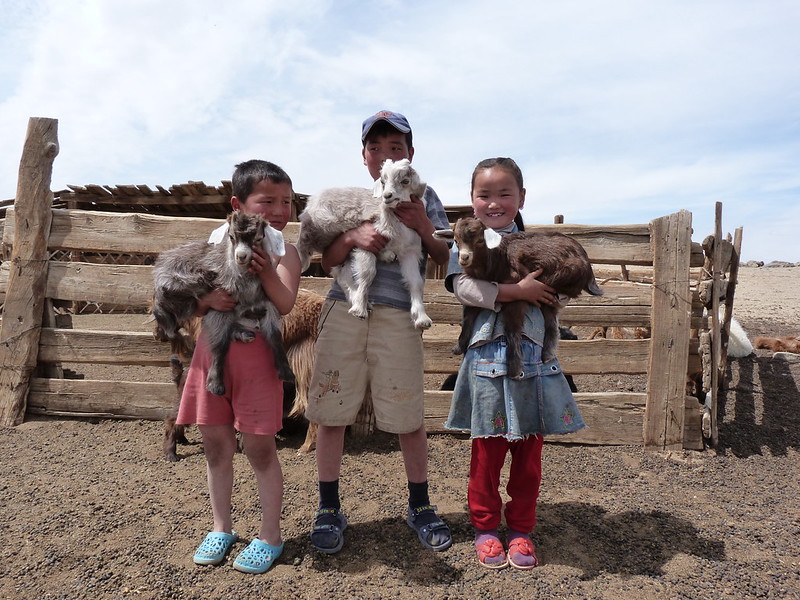 Known locally as the ‘white death’, a dzud is an extreme weather event that occurs in Mongolia when a harsh winter follows a summer drought. Temperatures can plummet to below -30 degrees and heavy snowfall blankets the country. Traditionally occurring every few years, climate change has impacted the frequency of this catastrophic weather event, causing some regions to experience it annually. The consequences can be particularly devastating for rural populations who rely on livestock for food and income.
The Impact of Dzud
The winter of 2022-2023 was particularly brutal. Mongolia saw 90% of its territory covered in a thick layer of snow, making it the heaviest snowfall the country had seen in 49 years. Millions of livestock died from the extreme cold, but many also died of malnutrition as only a minimal amount of food had been cultivated over the summer months due to the droughts the country faced. Unfortunately, it is the country’s herding population that suffers the hardest impact. The death of livestock often means a loss of livelihood for many, as it is through selling their produce that many families make a living.
The heavy snow also makes it difficult to get to markets during the winter and the reduction in food supply drives up market prices, making many at risk of suffering from malnutrition. According to the World Health Organization (WHO), 5.9 million people died in 2023 as a result of the dzud and 9% of the country’s total herd was lost.
When the snow eventually melts, the remaining water leads to widespread flooding across the country. These floods cause further destruction, damaging infrastructure and grazing land, while also increasing the risk of food and waterborne diseases, particularly in poorer regions with simple sanitation systems. The dzud is therefore not only a natural disaster but also a social and economic crisis.
Ongoing Intervention Efforts
Many aid organizations and government officials have been assisting the country. The WHO and World Bank have collaborated with the Mongolian Ministry of Health to ensure those in rural areas receive the help they need. Frontline health workers with medical supplies and the capacity to offer psychological support to those affected have been offering aid in the 21 affected provinces.
The World Bank has also been working alongside the meteorological and environmental monitoring agency to compile a comprehensive disaster risk financing strategy. Weather data gathered is used to trigger the release of funding ahead of catastrophic weather events, ensuring herding families are protected with financial assistance before the dzud even begins.
One year after the 2024 dzud, the Mongolian Red Cross Society has been particularly helpful. It has continued to help herder households get back on their feet, delivering critical humanitarian assistance where needed and offering services such as psychological support to the families who suffered the hardest hit.
Looking Ahead
The dzud remains one of Mongolia’s most pressing climate challenges, threatening both livelihoods and long-term stability. Yet the efforts of organizations like the WHO, World Bank and Mongolian Red Cross Society show that early intervention, social protection programs and community support can make a difference.
– Niamh Trinder
Niamh is based in Leicester, UK and focuses on Good News for The Borgen Project.
Photo: Flickr
