Increasing Mobile Data Traffic in sub-Saharan Africa
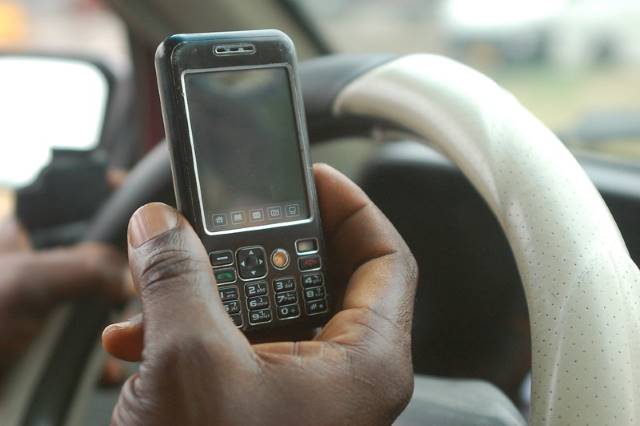 Many poverty-stricken individuals do not have access to the internet, creating a digital divide. The COVID-19 pandemic has revolutionized mobile data traffic around the globe, particularly in sub-Saharan Africa. Mobile broadband supports access to education, work, healthcare, goods and services. It plays an imperative role in reducing poverty. With nearly 800 million people in the region still without access to the mobile internet, it has never been more urgent to close the digital divide.
The Need for Mobile Broadband
According to Fadi Pharaon, president of Ericsson Middle East and Africa, the increasing demand for mobile broadband provides an unprecedented chance to improve economic conditions for Africa. Currently, Africa is one of the quickest growing technology markets.
In addition to younger populations requiring technology to develop practical computer skills, during the COVID-19 pandemic, access to the internet is also crucial for remote learning and remote work to continue development and economic progression.
In response to the pandemic, sub-Saharan African countries that were able to implement telework adaptations had considerably greater access to the internet, as much as 28 % of the population, as opposed to countries that were not implementing telework, at 17 %.
Due to the increase of digitalization during the pandemic, these developments are expected to positively contribute to the region’s economic recovery post-pandemic. Research suggests that expanding internet access to cover an additional 10% of the region’s population has the ability to increase gross domestic product (GDP) growth by one to four percentage points.
The Mobile Broadband Demand
Fixed Wireless Access (FWA) delivered over 4G or 5G is a more affordable alternative to providing broadband in areas with limited access. By 2025, FWA connections are expected to reach 160 million, accounting for 25% of global mobile data traffic.
The estimated total growth of mobile data traffic is from 0.87EB per month in 2020 to 5.6EB by 2026, an increase of 6.5 times the current figures.
To keep up with the demand, service providers are predicted to continue upgrading their networks to meet their customers’ evolving needs.
Additionally, networks expect to see an increase in customers purchasing mobile data subscriptions. Long-term evolution (LTE) was predicted to amount to 15% of subscriptions at the conclusion of 2020.
Novissi Digital Cash Transfers
The Novissi cash transfer program in Togo is an example of why mobile broadband access is important in developing countries. To support struggling people in Togo during COVID-19, instant mobile cash payments were made to their mobile phones to address urgent needs. The program provided more than half a million people with financial assistance during a crisis.
Closing the Digital Divide Reduces Poverty
Experts suggest that funding infrastructure, increasing electricity access and developing approaches to support digital businesses will aid in economic recovery and continue to close the digital divide. While sub-Saharan Africa has seen an acceleration of mobile data traffic during COVID-19, more action still needs to be taken to support its citizens post-pandemic. Providing affordable access to mobile phones, mobile broadband subscriptions and internet access will help support the recovering economy and alleviate poverty in the region.
– Diana Dopheide
Photo:Flickr
