Renewable Energy in Mauritania
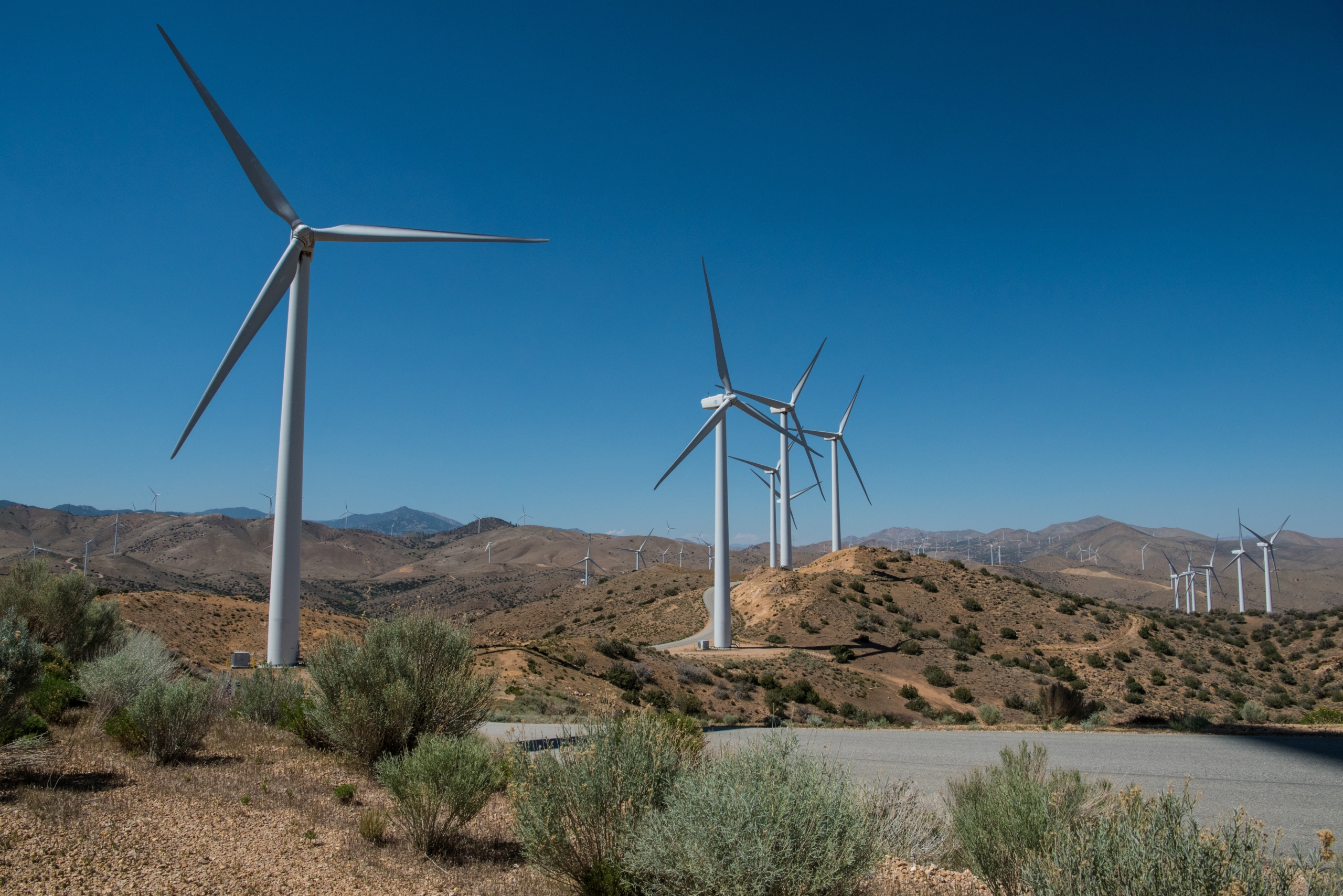 The consequences of natural disasters can exacerbate poverty, yet poverty alleviation efforts, such as economic development and industrialization, can also have negative environmental impacts. However, in Mauritania, a coastal country along the Sahel strip, the transition towards green economies presents unique opportunities. The Mauritanian government, under the 2016-2030 Accelerated Growth and Shared Prosperity Strategy, aims to enhance the energy sector, with a strong focus on renewable energy. Bilateral agreements and international aid initiatives support this effort. Both domestic and global actors recognize the pertinence of renewable energy in Mauritania for development.
Conditions in Mauritania
Monetary poverty in Mauritania is falling. In 2023, according to the UNDP, 6.5% of the population lives below the income poverty line. However, the UNDP also reports that the nation’s standard of living indicators are lower than in similar economies. Electricity access, for example, is low for rural populations at 4%.
Mauritania is chiefly a “traditional subsistence economy,” with agriculture and livestock raising being its largest sector. Mining and fishing are the nation’s major exports. At the same time, Mauritania has remarkable potential for renewable energy production. Straddling both the Sahara desert and the Atlantic Ocean, the nation has more than 700,000 square kilometres of space for solar and wind energy generation. The nation is leveraging this potential for development and economic growth.
Opportunities for Development
Renewable energy technology is offering new opportunities for development initiatives. One example is solar energy-powered water drilling, which has been effective in expanding access to clean water in Mauritania’s most isolated communities. UNICEF, which supports the initiative, has found solar energy to be the most cost-effective power source when compared to other, non-renewable sources. As of 2018, solar energy supplies the majority of drinking water drills, a rise to 60% from 20% in 2015.
Investments in renewable energy in Mauritania have also expanded the power grid capacity of the nation. More than 40% of the country’s energy is now generated from renewable sources, according to the International Trade Administration (ITA). This effort is continuing to grow, with $289.5 million invested in two projects to increase solar energy production and connectivity, both to rural regions and neighboring nations.
Center of International Cooperation
Export potential has made the renewable energy sector a focus for international cooperation. Under its Power Africa initiative, USAID has worked with the nation to increase electricity connection, including helping create 8,436 solar lamp connections. The development of renewable energy production and technologies has also been a key area of interest for the ITA as well as the U.S. Department of Energy. The latter signed a Memorandum of Understanding (MoU) at the COP28 to support Mauritanian clean energy technologies and low-carbon exports including steel and green hydrogen.
Green hydrogen in particular is at the forefront of clean energy development, piquing the interest of large energy firms. With this, the nation has signed four MoUs with multinational energy corporations for green hydrogen production and development, including one with CWP Global to create the largest green hydrogen production facility in the world, according to ITA.
Much of the pledged development remains in the early stages, although the growing share of renewables in Mauritania’s energy supply is promising. Renewable energy in Mauritania and green hydrogen, in particular, presents opportunities to add value to the nation’s exports and economy, as well as efforts to elevate standards of living. As the world begins to transition to green economies, Mauritania represents a nation where this effort and economic development intersect.
– Imme Koolenbrander
Imme is based in Beijing, China and focuses on Business and Technologyfor The Borgen Project.
Photo: Wikimedia Commons
