• Link to X
  • Link to Facebook
  • Link to Instagram
  • Link to TikTok
  • Link to Youtube
  • About
    • About Us
      • President
      • Board of Directors
      • Board of Advisors
      • Financials
      • Our Methodology
      • Success Tracker
      • Contact
  • Act Now
    • 30 Ways to Help
      • Email Congress
      • Call Congress
      • Volunteer
      • Courses & Certificates
      • Be a Donor
    • Internships
      • In-Office Internships
      • Remote Internships
    • Legislation
      • Politics 101
  • The Blog
  • The Podcast
  • Magazine
  • Donate
  • Click to open the search input field Click to open the search input field Search
  • Menu Menu

Tag Archive for: Slums

Posts

Global Poverty, Good News

Poverty in Madagascar: Photo Essay Inspired Social Change

Children playing in a dusty street surrounded by makeshift homes, illustrating poverty in Madagascar.The 2005 animated film “Madagascar” depicts the Southeastern African island as an untouched jungle paradise. As the New York animals navigate the unfamiliar wild, they encounter almost everything except the extreme poverty in Madagascar.

Poverty in Madagascar

Madagascar, an African island praised for its biodiversity and remarkably distinct natural landscape, is one of the poorest countries in the world. The World Bank reported that 80% of the country’s population lives below the international extreme poverty line ($2.15 per day) as of 2024. One of the most jarring manifestations of this poverty in Madagascar is the Andralanitra dumpsite.

Andralanitra is a dumpsite located just outside of Antananarivo, the country’s capital. It has been operational since the 1960s and receives more than 600 tons of trash each day. The 50 acres of gray waste are visible in satellite imagery. For years, the Malagasy government did not provide a population count for Andralanitra, saying no one inhabited the dumpsite. In 2015, however, Riccardo Bononi confirmed the existence of 3,000 people living and working at the dumpsite, a finding that inspired social change within the Madagascan government.

Riccardo Bononi’s Work in Andralanitra

Riccardo Bononi is a visual anthropologist from Padua, Italy. He traveled to Madagascar in 2006 as a field researcher and journalist, initially intending to focus on the plague, which remains present on the island today. Locals informed him of an area with the highest number of cases of the disease in the entire country: Andralanitra.

Upon arriving at the dumpsite, Bononi was struck not by the prevalence of disease but by the dire circumstances in which residents lived. He spent four years learning about and documenting the lives of the people of Andralanitra. His photographs and interviews became the photo essay and documentary “City of Flies.”

“City of Flies” was one of the first published works to document the demographics and living conditions of Andralanitra’s residents, giving visibility to some of the most extreme cases of poverty in Madagascar. Most residents are orphans; even adults living at the site were abandoned there as infants by mothers who could not afford to keep them. Residents make a living by sorting through waste to recover metals and plastics that can be sold in town.

A small collection of Bononi’s photos was first published in VICE magazine in 2016. Two years later, Irfoss published Bononi’s complete photobook, “Une Belle Vie, Une Belle Mort” (“A Beautiful Life, a Beautiful Death”). The combination of a photo essay, documentary and photobook drew international attention and became an example of how journalism can inspire social change.

How “City of Flies” Inspired Social Change

In June 2026, Bononi spoke as a guest lecturer for Boston University’s Conflict & Crisis Reporting summer class in Padua, Italy. Speaking to a group of 10 journalism students, Bononi described his work in Andralanitra as his greatest success, saying its value lay not in money or awards but in the change it brought about in Madagascar.

According to Bononi, his documentary’s proof of 3,000 people living in the dumpsite forced the Madagascan government to acknowledge that the site was inhabited, and that the community was made up largely of children. His work also motivated local and international groups to pressure the government to address the humanitarian conditions in which people were working, living and sleeping among waste.

The most significant change, Bononi said, came when he returned to the dumpsite years after his work was published and found it had no residents. The Madagascan government had reintegrated the community, providing residents with jobs within the country’s broader society.

Looking Ahead

Poverty in Madagascar as a whole remains far from resolved, and numerous nonprofit organizations continue working to address the country’s economic and environmental hardships. Still, Bononi’s “City of Flies” illustrates the impact that can come from documenting injustice and giving voice to communities that are otherwise overlooked.

– Mia Puleo

Mia is based in Park City, UT, USA and focuses on Good News for The Borgen Project.

Photo: Flickr
 

July 17, 2026
https://borgenproject.org/wp-content/uploads/borgen-project-logo.svg 0 0 Lynsey Alexander https://borgenproject.org/wp-content/uploads/borgen-project-logo.svg Lynsey Alexander2026-07-17 01:30:112026-07-17 03:22:11Poverty in Madagascar: Photo Essay Inspired Social Change
Education, Global Poverty

Rouble Nagi Transforming Indian Slums into Learning Centers

Rouble NagiRouble Nagi, an artist and educator who has established more than 800 learning centers across India, has received a $1 million award from the Varkey Foundation, in partnership with the United Nations Educational, Scientific and Cultural Organization (UNESCO), recognizing outstanding impact in teaching. Nagi, now 45, has spent more than two decades working in some of the country’s most underserved communities. Her organization, the Rouble Nagi Art Foundation (RNAF), is a registered nonprofit operating under the Bombay Public Trust Act, 1950, with a stated vision of ensuring that all children receive an education that helps them become caring, responsible and productive citizens.

Currently active across more than 20 cities and 163 slums and villages throughout India, the foundation has painted and repaired more than 150,000 homes to date and reached an estimated 45,000 children through its learning programs. Her approach, built on transforming Indian slums into learning centers, targets communities that India’s formal education system has consistently failed to reach, bringing structured learning directly into the streets, alleyways and open spaces of urban slums.

Turning Art Into Education

One of the ways Nagi educates in these open-air classrooms is by incorporating art into explaining certain topics through murals and class participation. Transforming Indian slums into learning centers means using the surrounding environment to the community’s advantage, and for Nagi, art is the tool that makes that possible. Teachers are encouraged to use art-based learning to simplify concepts and engage students who might otherwise have no access to formal education.

A former student of Nagi named Mayur runs his own art classes and a small printing business. On weekends, he volunteers with Nagi’s foundation, hoping to give other children from the community the same opportunities he received. His story is a testament to what access to education, however unconventional, can produce. Nagi has noted that the murals specifically engage local people by sparking their curiosity, with follow-up surveys conducted by her foundation showing a measurable increase in parents actively enrolling children in the learning centers after mural installations in their neighborhoods, a concrete indicator that community attitudes toward informal education are shifting.

Across areas like Colaba, large murals and inspirational quotes cover the walls of shanties, transforming the visual landscape of neighborhoods. The learning centers are often painted with bright colors and illustrate topics the children will study, featuring plants and animals from their respective kingdoms.

The Rouble Nagi Art Foundation

The foundation’s work extends considerably beyond education. Operating under the banner of its Misaal Mumbai project, which began after a major slum painting initiative in Dharavi in 2018 and has since expanded into a national program called Misaal India, the RNAF works across themes of women’s empowerment, youth employment, sanitation, hygiene and waste management, in addition to its core educational mission. The foundation employs local residents and art college volunteers in the creation of its murals, giving community members a sense of ownership over the work being produced in their own neighborhoods.

In 2025, the foundation established two new education centers and two additional women’s skill centers in Mumbai, while in Kashmir it upgraded existing skill centers, supplied new school benches and learning materials, and set up digital classrooms in Madrasa institutions in Pulwama and Tangdhar, giving students access to computer literacy for the first time. Plans are already in place to launch fully equipped digital classrooms in April 2026 in the remote border villages of Amrui and Jabri in Kupwara, near the Line of Control. The foundation’s government partners include the Government of Maharashtra, Thane Municipal Corporation, Vasai Virar Municipal Corporation and Pune Municipal Corporation, alongside corporate supporters including Bajaj Auto and ONGC.

Poverty, Exclusion and the Education Gap in India

In India, poverty and educational exclusion are deeply intertwined. Research consistently shows that children from the lowest income quintiles, those most concentrated in urban slums, are disproportionately likely to drop out before completing primary school or never to enroll at all. Families living in slums face compounding barriers: irregular income forces children into labor, frequent relocation due to eviction disrupts school attendance, and the direct cost of uniforms, books and transport places formal schooling beyond reach. It is precisely this population that Nagi’s model is designed to serve, by removing cost and distance as barriers entirely.

India has made significant strides in expanding access to schooling. By 2024, the country had sustained an enrollment rate of 98.1% for children in the 6 to 14 age group, signifying near-universal schooling at the primary level. Yet despite this progress, roughly 46 million children in the 6 to 17 age group remain out of school, representing approximately 17% of that population. Figures such as these make clear that initiatives like Nagi’s are not just inspiring stories but necessary interventions for communities that formal education systems have consistently failed to reach.

In 2010, India enacted the Right to Education Act, which mandates free and compulsory elementary education for all children ages 6 to 14 as a fundamental right under Article 21A of the Indian Constitution. In practice, however, significant gaps remain. According to the Deccan Herald, children of migrant workers, Scheduled Castes and Scheduled Tribes (SC & ST) communities, slum dwellers, construction workers and children with special needs are among those most likely to miss school entirely.

Looking Ahead

With the prize money, Rouble Nagi aims to expand the organization into new regions of India, including Jammu and Kashmir, where she grew up, with plans to broaden the curriculum to include computer skills. In a country where millions of children still fall through the cracks of a formal system, Nagi’s model of taking education directly to the streets offers a scalable, community-rooted alternative, and one that her $1 million prize may now help bring to an entirely new generation.

– Jamie Noone

Jamie is based in Dublin, Ireland and focuses on Good News for The Borgen Project.

Photo: Flickr

July 4, 2026
https://borgenproject.org/wp-content/uploads/borgen-project-logo.svg 0 0 Lynsey Alexander https://borgenproject.org/wp-content/uploads/borgen-project-logo.svg Lynsey Alexander2026-07-04 03:00:592026-07-03 12:34:20Rouble Nagi Transforming Indian Slums into Learning Centers
Developing Countries, Development, Poverty

Addressing the Hidden Poverty of Urban Slums in India and Kenya

Urban Slums in India and Kenya

Urban slums are home to millions of people in cities like Mumbai and Nairobi, where residents endure extreme poverty, overcrowded housing, poor sanitation and limited access to basic services. These informal settlements are often overlooked in poverty reduction efforts, leaving slum dwellers without essential support. Despite being central to the urban landscape, slums face challenges such as inadequate health care, limited educational opportunities and heightened vulnerability to environmental risks like flooding and landslides due to climate instability.

The Hidden Struggles of Slum Dwellers

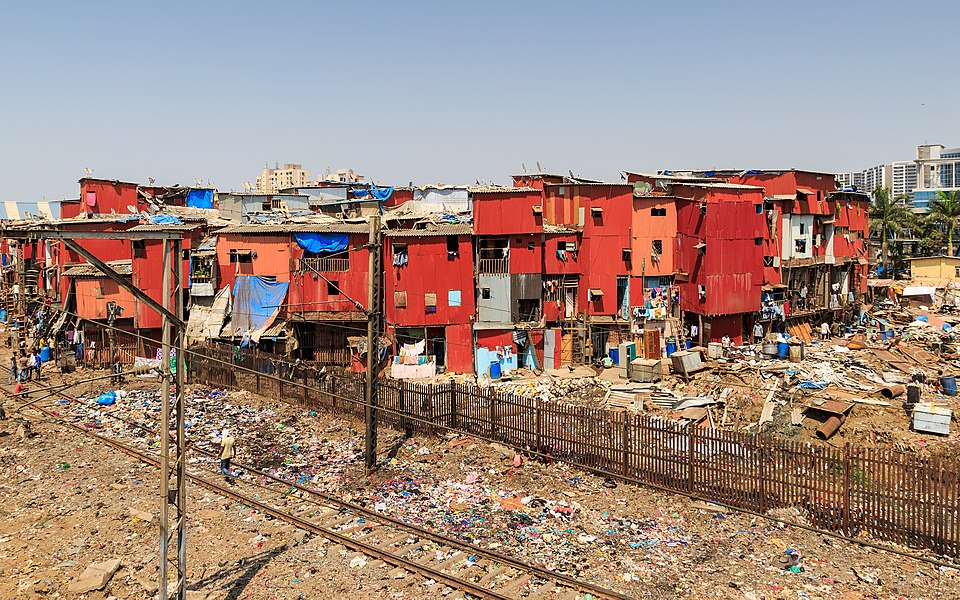
In Dharavi, Mumbai, one of the largest slums in the world, is marked by overcrowding, poor infrastructure and a lack of sanitation. Families live in cramped, poorly constructed homes with minimal access to clean water and essential services. With little access to quality health care or education, slum residents are caught in a cycle of poverty that is hard to break. 

Kibera, another well-known slum in Nairobi, suffers from similar challenges. Despite being home to a large portion of the city’s population, these slums have inadequate access to safe water, sanitation and infrastructure and poor structural quality of housing. These communities are also disproportionately affected by climate instability. 

Without adequate drainage systems, flooding and other climate-related disasters worsen their already precarious living conditions. Residents also face constant threats of forced evictions, often stemming from insecure land tenure and government urban development plans, with many fearing displacement despite living on the land for decades. This problem is rooted in unequal land ownership and political-economic factors that prevent low-income populations from accessing land and securing decent housing.

Successful Policies and Initiatives

Despite these challenges, several successful initiatives have improved living conditions in urban slums in India and Kenya, thereby addressing poverty.

In India, the Rajiv Awas Yojana (RAY) program seeks to improve slum conditions by promoting inclusive and equitable cities where every citizen has access to basic civic infrastructure, social amenities and decent shelter. This initiative is part of India’s broader goal of creating a “Slum-Free India.” Similarly, the Dharavi Redevelopment Project in Mumbai aims to redevelop the Dharavi Notified Area by appointing developers. The project uses land as a resource to rehabilitate slum dwellers and permits an incentive Floor Space Index through tenements sold on the open market.

In Kenya, the Kenya Slum Upgrading Program (KENSUP) focuses on improving living conditions in informal settlements. KENSUP focuses on constructing housing and infrastructure, managing the environment and solid waste and addressing health challenges. One key success is the Kibera Slum Upgrading Initiative, implemented in collaboration with U.N.-HABITAT. The initiative aims to improve infrastructure through targeted interventions.

Local organizations in Kenya, such as Shining Hope for Communities (SHOFCO), have also been instrumental in improving access to health care, education and women’s empowerment programs. They are demonstrating how grassroots initiatives can complement government efforts. 

The Way Forward

For sustainable change, slum upgrading must be integrated into broader urban development plans. Governments need to implement policies that create economic opportunities, promote job growth and expand access to education for slum residents. Securing land tenure, investing in affordable housing and expanding public services such as health care and sanitation will provide a stronger foundation for residents to escape poverty.

Moreover, integrating slum improvement into urban planning requires addressing the socioeconomic needs of slum dwellers, including access to employment, education and basic services. It also requires tackling environmental challenges such as flooding and climate resilience. Governments should promote inclusivity by ensuring that slum residents have a voice in the planning process and that their specific needs are addressed. 

Building stronger partnerships among local governments, international organizations and community groups can help advance this vision.

Conclusion

Urban slums are home to millions of people living in extreme poverty. However, with targeted initiatives and community-driven solutions, significant progress is possible. Successful programs in India and Kenya show that improving living conditions in slums is achievable. 

By addressing both the physical and socioeconomic challenges of slums, stakeholders can begin to break the cycle of poverty in urban communities in India and Kenya and build more resilient and inclusive cities.

– Chris Tang

Chris is based in Beijing, China and focuses on Good News and Technology for The Borgen Project.

Photo: Wikimedia Commons

March 30, 2026
https://borgenproject.org/wp-content/uploads/borgen-project-logo.svg 0 0 Lynsey 2 https://borgenproject.org/wp-content/uploads/borgen-project-logo.svg Lynsey 22026-03-30 01:30:272026-03-29 13:03:15Addressing the Hidden Poverty of Urban Slums in India and Kenya
Agriculture, Global Poverty

Urban Vertical Farming in Nairobi: Fighting Poverty in Kenya

vertical farming in nairobiIn the bustling heart of Nairobi, Kenya’s capital city, some of the world’s most densely populated slums — Kibera and Mathare — are home to a quiet agricultural revolution. Here, where space is scarce and poverty deep, residents have turned to innovative urban vertical farming techniques to grow food, generate income, and build stronger communities.

Growing Food in Tight Spaces

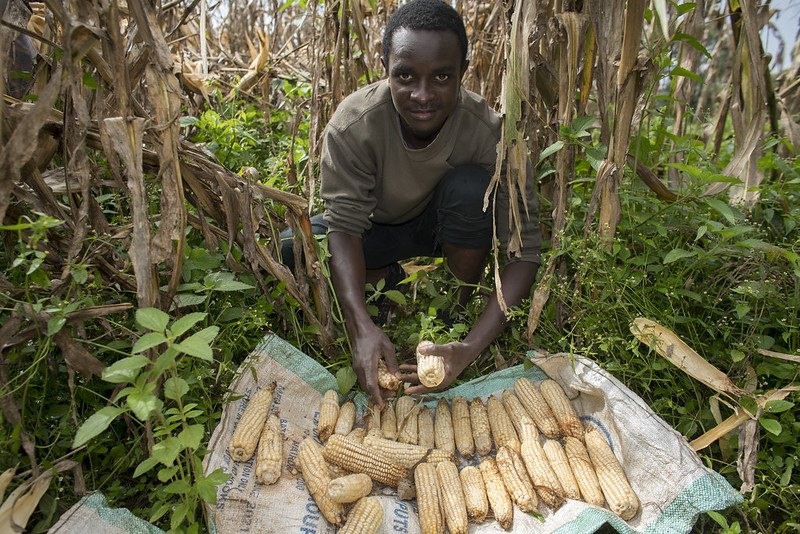
Traditional farming is impossible in the cramped alleyways and makeshift housing of Nairobi’s slums, but residents have found a creative solution: sack gardening. This method involves filling sacks with soil and organic waste, then growing leafy vegetables such as kale, spinach, and amaranth vertically on rooftops, balconies, and even along fences. These “vertical gardens” maximize limited space, requiring only a few square feet to feed a family.

Thanks to support from local NGOs and government programs, more than a thousand residents across Kibera’s villages have adopted sack farming. The approach is also resilient, relying on irrigation rather than rainfall, which makes year-round production possible despite inconsistent water access.

More Than Just Food

Vertical farming in the slums of Nairobi does more than reduce hunger. Surplus produce is sold at local markets, generating crucial income for families living on just a few dollars a day. For many young people, particularly in areas like Mathare, these farms offer an alternative to crime and gang involvement. Organizations such as Vision Bearerz, started by former gang members, have transformed abandoned spaces into hydroponic farms that supply fresh food and jobs while promoting peace.

Women play a leading role in this movement, often spearheading rooftop gardens and small-scale hydroponic projects. Their efforts empower households with better nutrition and financial stability, contributing to broader social change in these marginalized communities.

Building Resilience and Opportunity

Urban vertical farming also addresses critical environmental challenges. The techniques reduce dependence on unpredictable rainfall and make efficient use of scarce water through irrigation and wastewater recycling.

Moreover, the skills and entrepreneurship fostered by these farming projects could open doors to new economic opportunities. Youth gain knowledge in sustainable agriculture, business management, and community organizing—building a foundation for long-term poverty alleviation.

A Model for the Future

Vertical farming in Nairobi offers a hopeful blueprint for other rapidly urbanizing cities facing food insecurity and poverty. By transforming rooftops and small plots into productive farms, communities are reclaiming control over their nutrition and livelihoods. With continued support from local governments, NGOs, and social entrepreneurs, this grassroots agricultural revolution could scale across Kenya and beyond, nourishing not only bodies but also spirits.

– Meagan Beaver

Meagan is based in Zephyrhills, FL, USA and focuses on Good News and Technology for The Borgen Project.

Photo: Flickr

August 21, 2025
https://borgenproject.org/wp-content/uploads/borgen-project-logo.svg 0 0 Naida Jahic https://borgenproject.org/wp-content/uploads/borgen-project-logo.svg Naida Jahic2025-08-21 07:30:222025-08-20 16:40:35Urban Vertical Farming in Nairobi: Fighting Poverty in Kenya
Global Poverty, Sports

How Global Programs Are Using Sports To Fight Poverty

Using Sports To Fight PovertySports have been used as a catalyst for change in deprived areas most affected by poverty worldwide. From skateboards rolling through Kabul to boxing gloves pounding bags in Rio’s favelas, community-based sports programs prove that sports are more than entertainment.

Afghanistan: Skateistan Turns Skate Parks Into Schools

In a country where 1.4 million girls remain banned from school, Skateistan offers an alternative route back into learning. Its Back-to-School and Skate & Create classes reached 7,405 children in 2023, 58% of whom are girls.

Private, girls-only sessions sidestep cultural barriers and the organization’s female coaches provide rare role models. Beyond boards and ramps, students receive tutoring, hot meals and vocational workshops. One hundred twenty young women graduated from a tailoring course that supplies equipment to earn an income at home.

By blending sports, arts and accelerated schooling, Skateistan protects at-risk youth from labor and early marriage while nurturing the literacy and confidence needed to re-enter the formal system.

Brazil: Fight for Peace Takes a Smart Swing at Youth Unemployment

Brazil’s “youth bulge” is a double-edged sword: in 2021, 26.8% of 18-to 24-year-olds were unemployed. In Rio’s Complexo da Maré favela, Fight for Peace transforms boxing’s tough-gym stereotype into a five-pillar program focused on sports, education, employability, mentoring and youth leadership.

The charity’s latest impact report shows 1,326 young people enrolled in employability or education projects in 2023, while 1,144 accessed services at its London academy alone, evidence of a model now being replicated worldwide.

Vocational courses, from web design to reception skills, link directly to job placements, while micro-grants totaling more than $50,000 funded youth-led safety and enterprise projects in east London and Kingston, Jamaica. By pairing ringside discipline with formal training, Fight for Peace addresses the dual challenges of violence and joblessness that keep many Brazilian adolescents trapped in poverty.

Ethiopia: Girls Gotta Run Races Against Child Marriage

Early marriage still affects 40% of Ethiopian girls before age 18, undermining their education and future earnings. Girls Gotta Run counters this trajectory with distance-running scholarships, including school fees, daily coaching, life-skills clubs and mothers’ savings groups.

The logic is simple: keeping girls in class reduces the likelihood of marriage by 6% for every additional year of secondary education. Meanwhile, entrepreneurship workshops and seed capital help mothers grow family income, cutting the economic incentive to marry daughters early.

By integrating sports, finance and reproductive health education, the nonprofit builds a supportive ecosystem where adolescent girls can literally and figuratively outrun the pressures that curtail their futures.

Nigeria: Chess in Slums Africa Makes a Smart Move Against Exclusion

Nigeria’s youth face formidable odds: 7.2% unemployment rate among 15- to 24-year-olds and 62% of the population under 25. In Lagos’s Makoko settlement, Chess in Slums Africa trades footballs for boards and pieces to deliver cognitive training, scholarships and even healthcare. Since 2018, the project has secured lifelong scholarships for more than 200 children from informal settlements.

In 2023, it partnered with Health Insured Nigeria to provide free screenings and insurance enrollment for 400 families, underscoring how a sports setting can broker services beyond recreation.

Conclusion

Sports alone won’t solve poverty, but these stories show what’s possible when used with purpose. From skateparks to running tracks, well-designed programs are turning play into progress, connecting young people to schools, jobs and health care. The scale of the challenge is huge, but every scholarship won, job landed or early marriage prevented is a small victory against inequality, one push, punch, stride or move at a time.

– James Harwood

James is based in England, UK and focuses on Good News and Global Health for The Borgen Project.

Photo: Flickr

July 30, 2025
https://borgenproject.org/wp-content/uploads/borgen-project-logo.svg 0 0 Lynsey 2 https://borgenproject.org/wp-content/uploads/borgen-project-logo.svg Lynsey 22025-07-30 01:30:432025-07-29 15:53:01How Global Programs Are Using Sports To Fight Poverty
Global Poverty, Housing Security, Slums

Indian Slums: Why People in India Won’t Be Slumming It Anymore

Indian SlumsFrom “Slumdog Millionaire” to “Gully Boy,” Indian slums have been the iconic backdrop of several movies and the root of several inspiring rags-to-riches stories. However, a recent series of slum demolitions in New Delhi has left low-income residents displaced. The action has drawn criticism from United Nations (U.N.) human rights experts, who called it an “aggravated form of human rights violation.”

Three Makes a Pattern

The Delhi Development Authority (DDA), established to promote and construct large-scale affordable housing in Delhi, recently demolished Loni Road in northeast Delhi’s Gokalpuri locality. This marks a pattern, following two earlier demolitions of homes in areas such as Ashok Vihar, Wazirpur and Madrasi Camp. It demolished neighborhoods described as “illegally encroaching on government land,” like the Jailorwala Bagh JJ Cluster in Ashok Vihar on June 16.

Many slum structures were torn down, leaving many low-income wage workers displaced without a home. According to a piece in the Times of India, DDA did not inform the slum-dwellers about the demolitions. Another neighborhood in the DDA demolition list, Batla House, received some relief when residents approached the High Court. However, the public interest litigation filed by MLA Amanatullah Khan was dismissed. The petition argued that some targeted residents were not in the disputed zone.

The DDA initiated these demolition drives following High Court orders to resolve the flooding issues caused by the narrow drains that obstructed water flow during heavy rains.

Criticism and Future

U.N. experts have issued a warning to India to halt demolitions that disproportionately affect people living in poverty. Long-time residents of these areas are now forced to watch their homes being destroyed. According to the U.N. special rapporteur on the right to housing, India is leading the front in illegal home demolitions.

The U.N. experts, in their statement, pointed out that the demolitions are carried out without any investigation into the presence of these “illegal immigrants.” They added that concerns such as “national security” and motivations like the “anti-enforcement campaigns” are used to justify the actions. These “bulldozer drives” affect low-income household minorities and migrants who are not qualified for resettlement and cannot afford housing.

Dharavi, one of Asia’s largest slum clusters, is currently in the process of redevelopment, with its first list of slum households eligible for housing being released. Chief Minister Rekha Gupta on June 20 said that the Delhi government is considering studying Dharavi’s model for the redevelopment of 675 slum clusters in the national capital. Gupta asked the residents of Indian slums in Delhi to consider their safety and security when they build their homes near the railway line.

Innovation Amid Crisis

Being one of the fastest urbanizing countries in the world, India is estimated to have a huge growth in population. The U.N. has estimated a whopping 164 million addition to India’s population between 2015 and 2030 in urban areas.

Researchers are exploring ways to improve slum conditions amid India’s rapid urbanization. A scientific trial led by the Wellcome Trust-backed project is trying to solve the heat problem, especially as heat waves intensify every summer in places like Ahmedabad.

Roofs of Indian slums were painted with a reflective white coating to send the sun’s radiation back to the atmosphere. This one-year trial involving 400 households in Ahmedabad was started earlier this year and residents already see a difference in temperature and electricity bills.

Conclusion

Although steps are being taken, urban growth is outpacing the development of adequate housing, sanitation, clean water and waste management in many areas. The demolition drives are displacing poverty-stricken communities, depriving them of their means of livelihood, deepening divisions and violating human rights.

– Sahana Shastry

Sahana is based in Newtown Square, PA, USA and focuses on Global Health for The Borgen Project.

Photo: Flickr

July 28, 2025
https://borgenproject.org/wp-content/uploads/borgen-project-logo.svg 0 0 Lynsey 2 https://borgenproject.org/wp-content/uploads/borgen-project-logo.svg Lynsey 22025-07-28 03:00:112025-07-27 16:26:15Indian Slums: Why People in India Won’t Be Slumming It Anymore
Charity, Children, Global Poverty

How Kids Club Kampala Is Helping Vulnerable Children in Uganda

Kids Club KampalaKids Club Kampala is an award-winning charity supporting vulnerable children in the slums of Kampala, the capital of Uganda. The organization aims to transform children’s lives by providing education and safeguarding their childhoods and futures. Uganda, one of the world’s most impoverished countries, has 42% of its population living in poverty, with 3.3 million people residing in slums as of 2012.

The slums are overcrowded, leading to poor sanitation and high crime rates. One in three adults has never received an education. Similarly, more than half of the population struggles to afford food, surviving just one meal daily. Kids Club Kampala currently supports 300,000 people across 12 slum communities in Kampala.

About Kids Club Kampala

Kids Club Kampala was founded in 2007 when two women visited Uganda for seven months and met a local who shared his struggles growing up in a challenging environment. Inspired by his story, the three joined forces, gathered volunteers and launched a charity to improve living conditions in Uganda’s slums.

Kids Club Kampala supports both children and their immediate families. The organization aims to transform children’s lives and lift their communities from poverty. It focuses on helping children aged 3 to 18 living in the slums through four key programs: community outreach, protecting, educating and skilling.

Community Outreach

Kids Club Kampala’s Community Outreach program efforts continue to make a significant impact, engaging children and youth in meaningful programs. In 2024, a total of 64 boys regularly participated in the initiative’s football project, benefiting from field training sessions that foster teamwork and discipline.

Additionally, 696 vulnerable girls have received crucial support through counseling sessions, providing them with guidance and emotional well-being. Every Saturday, 861 children actively join the charity’s Kids Clubs, creating a safe and enriching learning and social interaction space. To address period poverty, it has distributed 2,386 menstrual products to girls who would otherwise lack access, ensuring their dignity and uninterrupted education.

Child Protection

Further, the foundation’s Child Protection program safeguards children in imminent danger, ensuring their safety and well-being. In 2024, it rescued nine children from abuse and abandonment, while its community safeguarding officers responded to 14 child protection cases.

On top of that, the initiative, in efforts to provide stable and nurturing environments, has reintegrated 14 children into families through kinship care. Currently, 84 children are receiving love, care and protection at the Ewafe Project home, offering them a secure and supportive environment.

Access to Education

Kids Club Kampala’s Access to Education program is committed to providing high-quality education to children through sponsorship opportunities. In 2024, 17 new children were enrolled in the Child Sponsorship Project, bringing the total number of sponsored children to 176.

Additionally, 90 children have consistently attended its Encouraging Education Project every day over the past year, ensuring they receive the academic support they need. To further support their well-being, these 90 children have also benefited from daily nutritious meals at the charity’s education center, helping them stay healthy and focused on their studies.

The Skilling Program

Kids Club Kampala’s Skilling program equips individuals with essential business and professional skills to create sustainable livelihoods. Through the program, 12 young people enrolled in a carpentry training course in 2024, gaining practical expertise to secure future employment.

Additionally, 79 students have received business training and support, empowering them with the knowledge to start and manage their own ventures. To further enhance economic opportunities, the program provided training in tailoring and knitting for 132 individuals, enabling them to develop marketable skills that contributed to their financial independence and overall family stability.

Conclusion

Through community outreach, child protection, education access and family strengthening, Kids Club Kampala continues transforming lives. Indeed, the organization empowers vulnerable children and families by providing essential support, education and skill development, fostering a brighter and more sustainable future.

– Jennifer Cermak

Jennifer is based in York, Ontario, Canada and focuses on Good News for The Borgen Project.

Photo: Flickr

March 25, 2025
https://borgenproject.org/wp-content/uploads/borgen-project-logo.svg 0 0 Lynsey 2 https://borgenproject.org/wp-content/uploads/borgen-project-logo.svg Lynsey 22025-03-25 07:30:112025-03-24 03:38:04How Kids Club Kampala Is Helping Vulnerable Children in Uganda
Africa, Global Poverty, Slums

The Wajukuu Art Project in Mukuru, Nairobi

Wajukuu Art ProjectMultidimensional poverty overwhelms the five senses. The smell takes in smoke- and the stench-saturated air. Hearing puts up with never-ending noise pollution. Taste feeds on bits of nutrient-scarce food. Touch is calloused by long working hours. Sight looks at its dilapidated world with agony. However, these senses often come together to reclaim creativity and make sense of their reality through art. The Wajukuu Art Project has pioneered the slum art form of Mukuru, Nairobi, Kenya. Its stunning visual art and commitment to uplifting its community have earned it acclaim locally and globally.

Mukuru’s Living Conditions

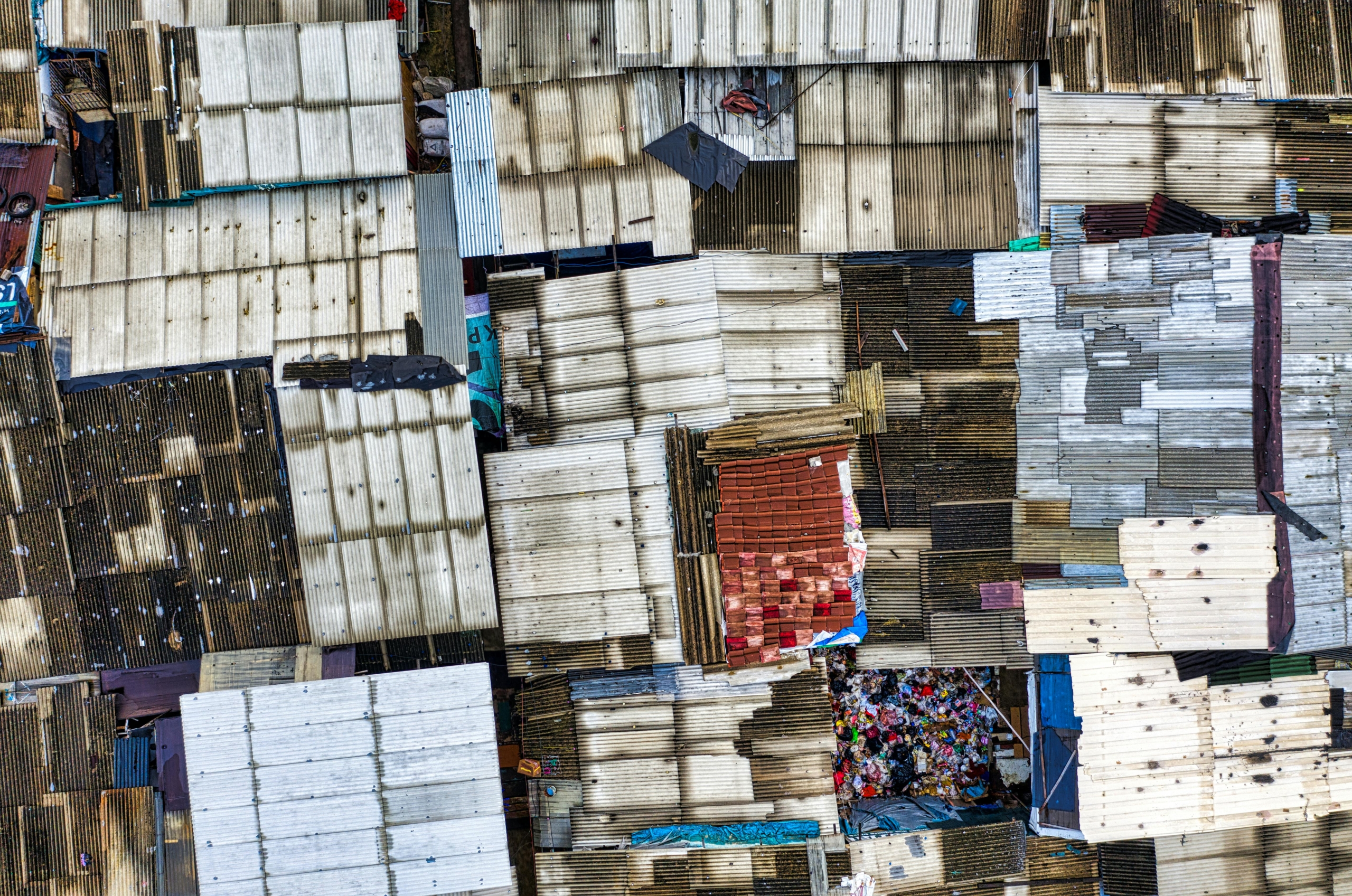
The Mukuru slum is situated on a hillside near the Kenyan capital’s major manufacturing industries. Job opportunities, however, are scant, so many subsist by scavenging for saleable items in the dumpsite that pollutes their locality. Most of the slum’s 700,000 residents live in suffocatingly tiny three-square-meter homes, sheltered only by roofs made of cardboard or plastic.

Diseases like malaria and tuberculosis are rampant, yet most medical facilities are priced out of residents’ reach. However, with the community’s involvement, the area has recently witnessed development, with 32 more miles of paved roads and significantly better access to flushing toilets.

The Slum Art Form’s Roots

In 2003, Lawrence “Shabu” Mwangi and a few other art school graduates from the Lumba-Lumba neighborhood of Mukuru formed an art collective. They wanted to avoid the criminal activities that many around them had succumbed to with the lack of fruitful employment opportunities.

Officially registering it in 2007, they named it “Wajukuu” or “grandchildren,” deriving from a Swahili proverb that says that younger generations feel the actions of parents and grandparents. Having borne the brunt of previous generations’ mistakes, they wanted to shape a happier future.

Bringing the Slum’s Art Form to Its Children

Noticing the many curious children intently looking in from the outside daily, they decided to start a Kids’ Club. This became their chance to find authentic self-expression, as also future employability, amid the deprivation that they were growing up with.

On a pleasant June day this year, perched upon large sheets of paper, the Kids’ Club started painting. Sitting beside the toxin-choked Ngong River, they used bright tangerine and vivid cobalt hues to breathe life into their self-portraits. They showed an intimate understanding of the problems that had broken their world and their dreams of transforming it. One child outlined his forearm and wrote “PEACE” in bold letters right next to it. Another depicted a man distributing bags of rice among locals.

So far, Wajukuu’s 27 members have nurtured more than 1,000 children through the Kids’ Club and art therapy. The team also manages a library that teaches close to 30 children daily. Wajukuu’s scholarship program has enabled 15 students to achieve a high school education. Wajukuu’s other initiatives include sustainable, organic farming and the twice-yearly Slum Art Festival, which hosts exhibitions and performances by well-known musicians and dancers.

Recognition for The Wajukuu Art Project

In 2022, Wajukuu was invited to take its distinctive slum art form to the Documenta Fifteen contemporary art exhibition in Kassel, Germany, which saw a footfall of more than 738,000. Indeed, Wajukuu interactive architectural displays were reminiscent of traditional Maasai homes and the construction patterns typical of its Mukuru, with its trembling corrugated metal walls.

Even after Documenta, Wajukuu was part of a minor core team working to promote collectivity and shared resource building across geographies. Furthermore, Wajukuu’s In The Absence exhibition at Nairobi’s African Arts Trust gallery in August 2024 startled visitors into self-reflection about the irresponsible use of technology and true freedom from colonialism.

– Shiveka Bakshi

Shiveka is based in London, UK and focuses on Good News and Global Health for The Borgen Project.

Photo: Pexels

September 13, 2024
https://borgenproject.org/wp-content/uploads/borgen-project-logo.svg 0 0 Lynsey 2 https://borgenproject.org/wp-content/uploads/borgen-project-logo.svg Lynsey 22024-09-13 07:30:012024-09-13 02:33:06The Wajukuu Art Project in Mukuru, Nairobi
Agriculture, Aid, Global Poverty

Aquaponics: Sustainable Farming for Urban Slums

Aquaponics: Sustainable Farming for Urban Slums in South AmericaAquaponics is a sustainable solution to food insecurity and economic instability in urban slums. It combines aquaculture (raising fish) and hydroponics (growing plants in water), creating a closed-loop system where fish waste provides nutrients for plants and plants help filter and clean the water for the fish. In South America, countries like Brazil and Peru are implementing more aquaponics, improving their economy and reducing poverty.

Urban Slums

Urban slums in South America encounter significant challenges, such as food insecurity, unemployment and poor nutrition. A report by the United Nations (U.N.) reveals that nearly 20%, which is more than 130 million people, live in slums across Latin America, where they struggle with limited access to basic services and job opportunities. Many face financial instability, with little to no savings or access to credit. The impact of poverty and food insecurity leads to widespread malnutrition and health issues, especially among children, due to a lack of access to proper sanitation or even clean water. Additionally, the lack of job opportunities perpetuates the cycle of poverty, making it difficult for residents to improve their living conditions.

Aquaponics

Aquaponics is a highly efficient and sustainable solution, using up to 90% less water than traditional agriculture and requiring minimal land space – a perfect fit for densely populated urban areas. It enables year-round food production, reduces reliance on external food sources and creates local employment opportunities. The most common type of fish used is tilapia and the most common plants are leafy greens. With its controlled environment, crops thrive, resulting in better quality and higher yield. A study by SpringerLink found that in aquaponics, more than 50% dedicate less than 10 square meters, with some using larger areas. Notably, more than half of respondents did not receive technical advice, relying instead on web pages, books and acquaintances for information. This goes to reveal how easy and accessible this practice is. 

Brazil

In São Paulo, Brazil, the NGO Cidades Sem Fome has undertaken aquaponics projects in multiple urban slums. These initiatives have proven to be highly successful in addressing food insecurity by providing local communities with sustainable access to fresh produce and fish. In addition to significantly contributing to improved nutrition, these projects have also played a crucial role in improving the lives of residents. Through training programs and the creation of employment opportunities, the projects have also fostered the development of valuable skills.

Peru

In Lima, the Peruvian government, along with local NGOs like Cooperar Peru, has initiated aquaponics projects to enhance food security in urban slums. INMED Andes has also set up an aquaponics system in the indigenous community of Yarinacocha to provide a consistent food supply for the local school students and surrounding households. These initiatives have proven successful, offering a reliable source of nutrition, generating employment opportunities and safeguarding often overlooked Indigenous communities. These projects have had a significant positive impact on the community’s health and economy, revealing the potential of aquaponics as a sustainable solution to urban poverty.

Government and Private Sector

Government policies are crucial in promoting aquaponics. In Brazil, for example, government grants and subsidies, such as the Inovagro program, have helped establish aquaponics systems in urban slums. Private sector investment in aquaponics projects has also contributed to their success by providing capital and expertise. While aquaponics systems are cheaper and easier to maintain, they do require a high initial capital investment. 

Various programs and initiatives in South America, such as the “Huertos Urbanos” program in Peru, aim to establish urban gardens using aquaponics in slum areas. These programs have facilitated collaboration between different stakeholders, ensuring the sustainability and scalability of aquaponics projects.

Looking Ahead

Aquaponics provides an effective strategy to combat poverty and improve food security in urban slums across South America. Its benefits include sustainable food production, water conservation and economic opportunities. Successful initiatives in Brazil and Peru demonstrate its positive impact on local populations. With continuous support, aquaponics has the potential to significantly reduce poverty, boost nutrition and empower communities in urban slums, making it an essential part of a more sustainable South America.

– Danica Lourdu Nelson

Danica is based in Parker, CO, USA and focuses on Business and New Markets, Technology and Solutions for The Borgen Project.

Photo: Flickr

August 23, 2024
https://borgenproject.org/wp-content/uploads/borgen-project-logo.svg 0 0 Precious Sheidu https://borgenproject.org/wp-content/uploads/borgen-project-logo.svg Precious Sheidu2024-08-23 01:30:052024-08-22 13:12:24Aquaponics: Sustainable Farming for Urban Slums
Developing Countries, Global Poverty, Slums

Slum Art Form: Rap in Dharavi, Mumbai

Slum Art FormsThere are diverse ways in which we, as spectators, characterize poverty. However, it is worth asking how those living in abject poverty themselves view their situations. People in different parts of the world are not just passive recipients of their circumstances and our interventions. They have active ways to cope with, speak up about and change their realities, including art and creativity. In Dharavi, Mumbai, India, the rap culture constitutes a unique kind of slum art form, expressing anger, aspiration and ambition all at once.

Dharavi’s Living Conditions

Dharavi is situated in front of Mumbai’s upscale and prosperous central business district, the Bandra-Kurla Complex. However, its material conditions render it nearly unlivable. The cramped quarters of its estimated 1 million residents line its dim, narrow alleyways, some of the most densely populated in the world. Close to 3,000 people share every single toilet here. The open sewers drain into the heavily polluted Mahim Creek adjacent to the slum. This creates fertile grounds for the rampant spread of contagious diseases.

Rap as Dharavi’s Slum Art Form

Hip-hop and rap music come from the streets or “gullies” – starting from The Bronx in New York City in the ’70s, it is the creation of people whose everyday struggles are not reflected in mainstream art forms. And indeed, far away from the romantic balladry and opulent consumerism of nearby Bollywood lies the heart of Dharavi’s music, its slum art form. Every beat brings catharsis and individual expression to its people.

Dharavi is dotted with many such musicians, from individual acts to crews. Such artists have been around for very long – but they were smaller in number, scattered and lacked access to streaming and production platforms. Rap culture truly took off around 2010, when some artists started releasing music albums independently, thanks to YouTube.

It has also created local employment. The acclaimed group SlumGods, for example, quickly expanded from two to 40-50 core members in four years. It also regularly organizes tours of Dharavi that highlight the resilience and entrepreneurial spirit of its people, thus bringing recognition to the community.

The songs, written in peculiar Mumbai slang, potently combine frustration at piercing social realities with hope for a better tomorrow. DIVINE’s 38 million views-strong collaborative track “Mere Gully Mein” (In My Gully) highlights widespread political corruption and hypocrisy. However, it also focuses on Dharavi’s secular attitude and its residents’ generosity and sense of community. Bombay Lokal sings about the “darkness” of deprivation but also the “sunshine” experienced by those who take the risk of “standing beneath the clouds” and fighting for change.

Artists like these two are immensely popular now, performing in metropolitan venues across the country. However, what they still have in common with Dharavi’s smaller up-and-coming acts is a strong attachment to their grassroots identities and willingness to speak up about socioeconomic woes.

Taking the Slum’s Art Form to Its Children

Many nonprofits also encourage skill development and recreation among Dharavi’s children by teaching them the art of rap and breakdance. These safe spaces help them deal with their immediate circumstances and find their voices. Dharavi Rocks is a percussion band operated by the ACORN Foundation, aiming to enhance waste collection and management. Its 20 young members, all drawn from Dharavi, make music out of junk and clutter, earning the appreciation of India’s most well-known production companies. Additionally, the Dharavi Dream Project, established in 2014, offers free after-school hip-hop classes to more than 150 students and has trained more than 1,500 children in total.

– Shiveka Bakshi

Shiveka is based in London, UK and focuses on Good News and Global Health for The Borgen Project.

Photo: Pexels

August 12, 2024
https://borgenproject.org/wp-content/uploads/borgen-project-logo.svg 0 0 Lynsey 2 https://borgenproject.org/wp-content/uploads/borgen-project-logo.svg Lynsey 22024-08-12 01:30:502024-08-10 14:55:30Slum Art Form: Rap in Dharavi, Mumbai
Page 1 of 512345

Get Smarter

  • Global Poverty 101
  • Global Poverty… The Good News
  • Global Poverty & U.S. Jobs
  • Global Poverty and National Security
  • Innovative Solutions to Poverty
  • Global Poverty & Aid FAQ’s
Search Search

Take Action

  • Call Congress
  • Email Congress
  • Donate
  • 30 Ways to Help
  • Volunteer Ops
  • Internships
  • Courses & Certificates
  • The Podcast
Borgen Project

“The Borgen Project is an incredible nonprofit organization that is addressing poverty and hunger and working towards ending them.”

-The Huffington Post

Inside The Borgen Project

  • Contact
  • About
  • Financials
  • President
  • Board of Directors
  • Board of Advisors

International Links

  • UK Email Parliament
  • UK Donate
  • Canada Email Parliament

Get Smarter

  • Global Poverty 101
  • Global Poverty… The Good News
  • Global Poverty & U.S. Jobs
  • Global Poverty and National Security
  • Innovative Solutions to Poverty
  • Global Poverty & Aid FAQ’s

Ways to Help

  • Call Congress
  • Email Congress
  • Donate
  • 30 Ways to Help
  • Volunteer Ops
  • Internships
  • Courses & Certificates
  • The Podcast
Scroll to top Scroll to top Scroll to top