How Global Programs Are Using Sports To Fight Poverty
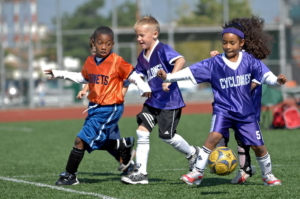 Sports have been used as a catalyst for change in deprived areas most affected by poverty worldwide. From skateboards rolling through Kabul to boxing gloves pounding bags in Rio’s favelas, community-based sports programs prove that sports are more than entertainment.
Afghanistan: Skateistan Turns Skate Parks Into Schools
In a country where 1.4 million girls remain banned from school, Skateistan offers an alternative route back into learning. Its Back-to-School and Skate & Create classes reached 7,405 children in 2023, 58% of whom are girls.
Private, girls-only sessions sidestep cultural barriers and the organization’s female coaches provide rare role models. Beyond boards and ramps, students receive tutoring, hot meals and vocational workshops. One hundred twenty young women graduated from a tailoring course that supplies equipment to earn an income at home.
By blending sports, arts and accelerated schooling, Skateistan protects at-risk youth from labor and early marriage while nurturing the literacy and confidence needed to re-enter the formal system.
Brazil: Fight for Peace Takes a Smart Swing at Youth Unemployment
Brazil’s “youth bulge” is a double-edged sword: in 2021, 26.8% of 18-to 24-year-olds were unemployed. In Rio’s Complexo da Maré favela, Fight for Peace transforms boxing’s tough-gym stereotype into a five-pillar program focused on sports, education, employability, mentoring and youth leadership.
The charity’s latest impact report shows 1,326 young people enrolled in employability or education projects in 2023, while 1,144 accessed services at its London academy alone, evidence of a model now being replicated worldwide.
Vocational courses, from web design to reception skills, link directly to job placements, while micro-grants totaling more than $50,000 funded youth-led safety and enterprise projects in east London and Kingston, Jamaica. By pairing ringside discipline with formal training, Fight for Peace addresses the dual challenges of violence and joblessness that keep many Brazilian adolescents trapped in poverty.
Ethiopia: Girls Gotta Run Races Against Child Marriage
Early marriage still affects 40% of Ethiopian girls before age 18, undermining their education and future earnings. Girls Gotta Run counters this trajectory with distance-running scholarships, including school fees, daily coaching, life-skills clubs and mothers’ savings groups.
The logic is simple: keeping girls in class reduces the likelihood of marriage by 6% for every additional year of secondary education. Meanwhile, entrepreneurship workshops and seed capital help mothers grow family income, cutting the economic incentive to marry daughters early.
By integrating sports, finance and reproductive health education, the nonprofit builds a supportive ecosystem where adolescent girls can literally and figuratively outrun the pressures that curtail their futures.
Nigeria: Chess in Slums Africa Makes a Smart Move Against Exclusion
Nigeria’s youth face formidable odds: 7.2% unemployment rate among 15- to 24-year-olds and 62% of the population under 25. In Lagos’s Makoko settlement, Chess in Slums Africa trades footballs for boards and pieces to deliver cognitive training, scholarships and even healthcare. Since 2018, the project has secured lifelong scholarships for more than 200 children from informal settlements.
In 2023, it partnered with Health Insured Nigeria to provide free screenings and insurance enrollment for 400 families, underscoring how a sports setting can broker services beyond recreation.
Conclusion
Sports alone won’t solve poverty, but these stories show what’s possible when used with purpose. From skateparks to running tracks, well-designed programs are turning play into progress, connecting young people to schools, jobs and health care. The scale of the challenge is huge, but every scholarship won, job landed or early marriage prevented is a small victory against inequality, one push, punch, stride or move at a time.
– James Harwood
James is based in England, UK and focuses on Good News and Global Health for The Borgen Project.
Photo: Flickr
