• Link to X
  • Link to Facebook
  • Link to Instagram
  • Link to TikTok
  • Link to Youtube
  • About
    • About Us
      • President
      • Board of Directors
      • Board of Advisors
      • Financials
      • Our Methodology
      • Success Tracker
      • Contact
  • Act Now
    • 30 Ways to Help
      • Email Congress
      • Call Congress
      • Volunteer
      • Courses & Certificates
      • Be a Donor
    • Internships
      • In-Office Internships
      • Remote Internships
    • Legislation
      • Politics 101
  • The Blog
  • The Podcast
  • Magazine
  • Donate
  • Click to open the search input field Click to open the search input field Search
  • Menu Menu

Tag Archive for: Poverty in the Philippines

Posts

Development, Global Poverty, Politics

First Elections in BARMM: A Test of Peace in the Philippines

BARMMIn the Philippines, the southern region of Bangsamoro, also known as the Bangsamoro Autonomous Region of Muslim Mindanao (BARMM), is holding its first official elections under a parliamentary setup on Oct. 13, 2025. These elections are important for the peace and prosperity of the Philippines and its southern region. However, the region has a history of volatility and the May 2025 general midterm elections were marked by significant violent political activity.

As reported by the United States Institute of Peace (USIP), the once-militant faction, Moro Islamic Liberation Front (MILF), which formerly clashed with the Philippines’ other governing authorities, has been making efforts to uphold a ceasefire. The group is also working to maintain peace in the region.

Election Violence and Security Concerns

While election violence almost doubled this year, the conditions for a ceasefire in BARMM have still technically been upheld. This gives hope for the upcoming elections, thanks largely to MILF and BARMM working toward peace. Both the government and MILF combatants formed the Joint Quick Response Team and have worked together to disarm and de-escalate violence in the region.

According to the University of the Philippines, while the country is striving toward a more integrated democratic nation, different forces have been attempting to coerce communities to vote a certain way through gun violence. Although official checkpoints have been established to confiscate firearms, rogue groups have set up their own checkpoints and even government officials are suspected of favoritism in how they follow through on checkpoints.

Global Implications and the Road Ahead

American organizations, such as the USIP, have been assisting in these areas. They credit MILF with striving to uphold peace and serving as an example of once-hostile forces working together toward a common goal. While the May midterms did not go as well as expected, there is hope that the October primaries will be both successful and less bloody. The fight for peace in the Philippines has been tenuous and how things will fare remains to be seen.

MILF created an agreement with the government in the late ’90s and early 2000s. The group has faithfully upheld its agreement and acted as an agent for peace in an otherwise volatile region. The Philippines could use more aid from countries like the U.S. and Japan, but the security of the whole Pacific region relies on the success of these upcoming elections.

Final Remarks

If this election is successful, it will be a step in the right direction for the Philippines as a democratic nation. It is of particular interest to countries like the U.S. and Japan in the fight against China’s push for control in Asia. As the Philippines becomes more secure, its economy is bound to thrive, poverty will decrease and it will become a more active member of the international political community. This hoped-for “unification” in the Philippines, while still showing signs of resistance in the area, promises to make the Philippines an “investment destination.”

The commitment of groups like MILF and USIP reflects optimism that maintaining peace in these volatile regions will lead to a better life for everyone involved. However, the history of the BARMM region casts considerable doubt on the future of the southern Philippines and its ability to move forward peacefully. Still, BARMM is working toward peace and the region’s future may be studied in textbooks for years to come.

– Gregory Walker

Gregory is based in York, PA, USA and focuses on Global Health for The Borgen Project.

Photo: Flickr

September 28, 2025
https://borgenproject.org/wp-content/uploads/borgen-project-logo.svg 0 0 Hemant Gupta https://borgenproject.org/wp-content/uploads/borgen-project-logo.svg Hemant Gupta2025-09-28 01:30:132025-09-28 00:56:42First Elections in BARMM: A Test of Peace in the Philippines
Global Poverty, Health, Migration

Philippines’ Nurse Migration is Fueling a Health Care Crisis

Philippines' nurse migrationThe Philippines is the world’s leading exporter of nurses. While Filipinos account for only 1% of the U.S. population, they comprise 4% of the nursing workforce. Although the U.S. has relied on the heroic contributions of Filipino nurses for centuries, their continuous migration is fueling a crisis at home. Hospitals and clinics across the Philippines struggle with staff shortages and the country’s continued nurse migration has gradually widened the global health care gap.

Brain Drain of Nurses

“Brain drain” refers to the mass emigration of the most highly educated or skilled individuals from a particular country. For many developing countries, the inability to retain such professionals across various sectors, due to sociopolitical or economic factors, can trigger a cyclical downfall of infrastructure and human capital. In the Philippines, decades of nurse migration to the U.S. have resulted in a catastrophic shortage.

The Department of Health sets a standard 1:12 Nurse-to-Patient Ratio. In the Philippines, the ratio regularly stands at 1:20 and has even escalated to 1:50. The nation faces a nurse shortage of roughly 127,000 nurses, with nearly 4,500 posts at public hospitals remaining unfilled, a figure expected to rise to 250,000 by 2030.

Many Filipino nurses are emigrating to the U.S. due to poor working conditions at home, leaving the nation’s health care system understaffed and worsening nurse burnout. While a series of mental health programs and interventions have been suggested as a way to remediate this threat, the problem seems to stem from several structural challenges.

Most notably, these include extremely low salaries, heavy and imbalanced workload and hours, job insecurity and a common delay in the disbursement of benefits. All of this plagues the Philippine health care system amid rising costs of living, inflation, economic hardship and a tense political climate, fueling pressing issues both domestically and geopolitically.

Solution-Oriented Policies and Strategies

The Commission on Higher Education (CHED) has approved many new programs and state universities aim to expand access to medical education, especially for those in the country’s underserved regions. The Medical Scholarship and Return Service Program (MSRS), also known as the Doktor Para sa Bayan Act, is an example of an initiative recently signed into Filipino law to fund medical education in exchange for mandatory local service upon graduation.

The program provides full tuition coverage along with allowances for textbooks, housing, uniforms, transportation, medical insurance and other related expenses. Each year they receive the scholarship, scholars must work for at least one year in hospitals or public health offices in their hometowns or other underserved areas. Students from indigenous, geographically isolated, disadvantaged, or understaffed regions are given priority.

The CHED and the Department of Health implement the program as a direct response to the shortage of medical professionals in such underserved areas. It aims to increase the number of available and qualified health professionals in these areas.

As part of a retention evaluation, the Philippines is also making concerted efforts to address burnout and recruiting practices. The country has begun to mobilize resources and improve policies so that working and living conditions for these nurses are sufficient in their home country. Increasing salaries, providing benefits on time and encouraging and incentivizing filling vacant government positions, particularly in underserved regions, are all critical steps towards change. House Bill No. 5276 and Senate Bill No. 2694 are two examples of proposed legislation to reduce nurse migration and the resulting “brain drain” in the Philippines. Both seek to amend Filipino nursing laws to raise nurses’ monthly basic salary and minimum salary grade.

Organizations Supporting Filipino Nurses at Home and Abroad

Countless organizations also focus on mitigating the Philippines’ nurse migration and brain drain crisis. The Philippine Nurses Association (PNA) is the Philippines’ national organization of nurses, promoting high standards of practice and supporting the welfare of Filipino nurses. Filipino Nurses United (FNU) and The Philippine Nurses Association of America (PNAA) are organizations assisting Filipino nurses based in the U.S.

In addition to facilitating networking and professional development, these organizations advocate for labor rights, social justice and fair working conditions. While addressing domestic retention problems to reduce emigration, ensuring support for Filipino nurses overseas remains crucial.

Filipino nurses in the U.S. often send a large portion of their earnings back home in remittances. Maintaining a higher retention rate for those working abroad helps sustain this economic support, which funds education, local investments and small businesses in the Philippines.

Well-supported Filipino nurses in the U.S. are also more likely to return periodically to assist in their home country. They may donate supplies or share advanced medical knowledge with their communities. These contributions help counter the effects of “brain drain.”

– Kaitlin Reed

Kaitlin is based in Austin, TX, USA and focuses on Technology and Global Health for The Borgen Project.

Photo: Flickr

August 30, 2025
https://borgenproject.org/wp-content/uploads/borgen-project-logo.svg 0 0 Hemant Gupta https://borgenproject.org/wp-content/uploads/borgen-project-logo.svg Hemant Gupta2025-08-30 01:30:452025-09-18 03:24:35Philippines’ Nurse Migration is Fueling a Health Care Crisis
Child Soldiers, Global Poverty, Legislations and Policies

Child Soldiers in the Philippines

The Child Soldiers in the Philippines Despite widespread agreement that the use of child soldiers must end, the United Nations (U.N.) reported ongoing violations in dozens of countries in 2024. While 173 countries have ratified the Optional Protocol on the involvement of children in armed conflict, grave violations—including the recruitment and use of child soldiers—persist in conflict zones worldwide. Some countries, like the Philippines, have made significant progress in reducing violations. With support from the U.N., the Philippine government nearly halved its total number of violations and took major steps to address the widespread presence of non-state military groups such as the New People’s Army (NPA), the Moro Islamic Liberation Front (MILF) and the Moro National Liberation Front (MNLF) and their use of child soldiers in the Philippines.

Non-State Sanctioned Military Groups

Regardless of the year, the NPA has more often than not been responsible for the highest number of violations, reportedly accounting for 40% and 41% of the total in 2022 and 2024, respectively. The majority of the remaining violations were spread somewhat evenly among the other groups, though the Dawlah Islamiyah-Maute Group and the Armed Forces of the Philippines stand out as repeat offenders. As one may notice, the Armed Forces of the Philippines is a state military force, showing the government is not entirely free from blame; however, this group also showed the greatest reduction in violations, dropping from 21 in 2021 to 12 in 2023. In contrast, the Dawlah Islamiyah-Maute Group more than quadrupled its violations, rising from two to nine.

The Acts

Overall, the most common and consistent violations were killing and maiming, recruitment and attacks on schools, which together made up just under 95% of total violations in 2024; 43% in killing and maiming, 38% in recruitment and 12% in attacks on schools. The remaining 7% consisted of sexual misconduct, abductions and denial of humanitarian access. The acts were generally split evenly between areas, with one standout case of a disproportionate number (53%) of violations taking place in Mindanao, the second largest of the Philippine islands and one of the most populated islands in the world.

Looking Ahead

In 2021, the Armed Forces of the Philippines and the U.N. signed a strategic plan in order to improve conditions and lower the number of violations of child rights. There are now more than 3,100 trained child protection actors throughout the country. Furthermore, some regions have even established a regional reporting system so that civilians can alert authorities to violations. These, along with the 2019 issuance of the child protection policy by the Philippine police, have started great advances in Philippine child rights, with the data supporting the fact that the plan is showing results and reducing the number of child soldiers in the Philippines.

– Seth Christopher

Seth is based in Baltimore, MD, USA and focuses on Politics for The Borgen Project.

Photo: Flickr
July 21, 2025
https://borgenproject.org/wp-content/uploads/borgen-project-logo.svg 0 0 Precious Sheidu https://borgenproject.org/wp-content/uploads/borgen-project-logo.svg Precious Sheidu2025-07-21 01:30:082025-07-20 13:04:51Child Soldiers in the Philippines
Foreign Aid, Global Poverty, Natural Disaster

Successes and the Future of Foreign Aid to the Philippines

Foreign Aid to the PhilippinesWith the current dismantling of U.S. foreign aid programs, it is worth taking a closer look at what foreign aid has accomplished in developing countries so far. The Philippines is an excellent example. Since the 2000s, the country has seen rapid economic growth. With improvements to infrastructure and policy, progress is occurring. In 2023, the GINI index fell below the threshold for high inequality. Still, roughly one in five people live in poverty. Factors such as unequal opportunity, gendered social norms and oligarchic control over agricultural practices all contribute to sustained poverty. The Philippine government has continued fighting against poverty, with the world’s fourth largest conditional cash transfer program—the Pantawid Pamilyang Pilipino Program—leading to an approximate poverty reduction of 1.4% per year.

Recent Foreign Aid to the Philippines

With progress continuing along its slow and steady path, new challenges create new opportunities for the world to lend a hand. In recent years, foreign aid to the Philippines has fostered a number of positive outcomes in the areas of civil structure, health programs and disaster relief to name a few.

  • Bangsamoro: The Bangsamoro is an autonomous territory in the Philippines that the Moro people primarily inhabit. It is the only Muslim-majority territory in the Philippines. After being marginalized and dispossessed of lands for years, war broke out between liberation groups and the Philippine army, claiming more than 120,000 lives</a>. Autonomy has since been granted as of 1996, and the peace process has been ongoing ever since. Today, Bangsamoro is being rebuilt with the help of civil society organizations and foreign aid. The United States, through USAID, has funded Forward Bangsamoro for the last 6 years, focusing on the enhancement of local governance. Thanks to this and other foreign aid to the Philippines, the territory’s first democratic election will take place in October 2025.
  • HIV: Although the Asia Pacific Region has seen a reduction in HIV infections in the last decade, infections in the Philippines are rising quickly. Since 2010, there has been a 418% increase in HIV infections, and a 538% increase in AIDS-related deaths. With an ambitious goal of eliminating AIDS-related deaths by 2030, the Philippine government has partnered with others to address the crisis. In 2020, USAID committed $15.5 million to the government’s HIV/AIDS program. The epidemic is ongoing, but progress is occurring. Through pre-exposure prophylaxis drugs, condoms, anti-retroviral therapy medications and educational material, USAID has saved countless lives.
  • Natural Disasters: The Philippines experience on average 20 tropical cyclones each year. The country is also located on the Pacific ring of fire, making it prone to earthquakes and volcanic eruptions. When these natural disasters take place, displacement and resource strain follow. Since 1996, the EU has funded more than €170 million to the Philippines. Indeed, more than €100 million of that has gone to disaster relief. In October 2024, when Tropical Storm Kristine affected approximately 7 million people in the Philippines, foreign aid was quick to follow with programs like USAID providing $5 million in relief and the World Food Program (WFP) providing cash assistance and transport support to nearly 2 million of the affected. To date, foreign aid efforts have provided $44 million so far with recovery efforts still underway.

Loss of US Foreign Aid

As the current United States administration continues to dismantle foreign aid programs, others step up to fill the void. Countries like Japan, Canada, Australia, the EU and the U.K. are all continuing their support. Furthermore, senators and philanthropists like Bill Gates, who says his Foundation will close in 2045, decrie Musk for USAID cuts.

Türkiye, Norway, Brunei, Malaysia, Japan, Australia and Switzerland have given substantial aid to the Bangsamoro peace project through mechanisms such as the Independent Commissioning Body, the International Monitoring Team and Financial Support.

A local HIV/AIDS program called Love Yourself is keeping its doors open through the USAID freeze, thanks to its self-sustaining model, government partnerships and proactive preparation for potential losses of funding. Thanks to these steps, all of their programs are still currently free, with the exception of deliveries.

Additionally, the World Food Programme (WFP) continues to aid those affected by natural disasters. They provide cash assistance to families in the Cagayan province, who additional heavy rains affected in early 2025. More than 60 countries fund the World Food Programme on an entirely voluntary basis.

With this continued supply of aid, and with the exception of the COVID-19 pandemic, poverty in all forms has been on the decline. The country plans to reach single-digit numbers by 2028.

Looking Ahead

The reality is that, in a world filled with complex relationships, help changes hands but is always offered somewhere. Poverty, inequality, hunger, disease and safety are all seeing progress over time. Although the dismantling of USAID will create immediate challenges, it will also produce new stories of the strength and compassion.

– Levi Ravnsborg

Levi is based in Summerland, BC, Canada and focuses on Good News for The Borgen Project.

Photo: Unsplash

July 14, 2025
https://borgenproject.org/wp-content/uploads/borgen-project-logo.svg 0 0 Jennifer Philipp https://borgenproject.org/wp-content/uploads/borgen-project-logo.svg Jennifer Philipp2025-07-14 07:30:552025-07-14 01:05:03Successes and the Future of Foreign Aid to the Philippines
Food & Hunger, Food Insecurity, Global Poverty

The Price of Rice: Rising Rice Prices in the Philippines

Rising Rice Prices in the Philippines Rice is more than just a staple food in the Philippines, it is also a cornerstone of daily life, culture and survival for millions. Not only is rice a core nutritional component to the Filipino diet, but it is also a major source of income for millions of Filipino farmers, so much so that rice is the single most important agricultural crop in the Philippines. Unfortunately, in recent years, rising rice prices in the Philippines have put enormous pressure on Filipino households, worsening a poverty crisis that has long plagued the country.

A Surge in Prices

In 2024, the country experienced one of the worst rice price hikes in decades due to the Russia-Ukraine war and the export restrictions that India imposed. By March 2024, rice inflation soared to 24.4%, a staggering increase that has greatly affected the people of the Philippines. The Philippines, which heavily relies on rice imports to stabilize its supply, was caught between global price fluctuations, local supply chain issues and climate-related production setbacks. As prices climbed, families that spent a significant portion of their income on food found themselves choosing between meals and other essentials.

Poverty statistics have illustrated the direct result of this inflation. By the end of 2024, 63% of Filipino families considered themselves poor, according to a Social Weather Stations (SWS) survey. That figure marked a 17% increase from just nine months prior and represented the highest self-rated poverty level in over 20 years.

Many respondents attributed their worsening condition to the surge in food prices, especially rice. This increase hit the poorest Filipinos—often small-scale farmers, informal workers and residents of rural areas—the hardest.

Government Response

Recognizing the urgency of the crisis, the Philippine government implemented several key measures, including an executive order No. 62 (July 2024), which reduced rice import tariffs to bring in cheaper foreign rice and curb inflation. This helped minimize rice inflation from 19.6% in December 2023 to 0.8% by December 2024.

To further aid in the rising rice prices, the Department of Social Welfare and Development launched a subsidized rice initiative, selling rice at 29 pesos per kilo to poor households. This program reportedly helped feed more than 35 million Filipinos.

By March 2025, inflation had slowed to 1.8%, its lowest in nearly five years, driven in part by a 7.7% drop in rice prices. Despite short-term progress, experts warn that the Philippines remains vulnerable to recurring food crises. The agricultural sector suffers from underinvestment, outdated farming practices, climate risks and logistical inefficiencies. More than 10 million Filipino rice farmers still struggle with low productivity and limited government support. In the long run, solving the rice crisis is not just about lowering prices, it is about transforming the system.

Final Remarks 

The recent rising rice prices in the Philippines revealed how tightly the issues of food and poverty correlate in the Philippines. While emergency responses have provided a degree of relief, long-term solutions will require structural reforms and sustained political will. Experts and officials aiming to boost domestic rice production and reduce import dependence are pushing long-term agriculture reforms. The continued push of agricultural reforms is essential to breaking the cycle of poverty and building a more equitable future for the Philippine people.

– Meagan Beaver

Meagan Beaver is based in Zephyrhills, FL, USA and focuses on Good News and Politics for The Borgen Project.

Photo: Pixabay

July 14, 2025
https://borgenproject.org/wp-content/uploads/borgen-project-logo.svg 0 0 Jennifer Philipp https://borgenproject.org/wp-content/uploads/borgen-project-logo.svg Jennifer Philipp2025-07-14 03:00:192025-07-13 10:23:01The Price of Rice: Rising Rice Prices in the Philippines
Development, Global Poverty

Poverty and Unemployment in The Philippines

philippines unemploymentAccording to the Philippines Statistics Authority (PSA), the current employment rate is around 96.1%. In contrast, the current unemployment rate stands at 3.8%. This looks good on the surface. However, employment gaps relating to poverty exist in the Philippines.

Within the Philippines, there are wage/salaried workers in private companies or the army. There are the self-employed/family businesses, retail stores or drivers with low-paid employees. Then there are farming towns and family members who technically do not have jobs but still receive allowances.

Workplace Quality

While hospitality and food service jobs are on an employment rise of 377,000, careers in administration and agriculture have largely decreased by almost a million. In STEM, they’ve had a shorter decrease of -68,000. These facts are distressing because they reflect the lack of skill or education that the people of the Philippines have access to or have completed, which directly reflects the unemployment and poverty in the Philippines.

The reasoning behind these statistics could be the unmanageable population rate, or it could be the lack of sufficient education. Asian Development Bank (ADB) lists that the major factors of poverty in this nation revolve around weak employment generation, increasing populations, recurring trauma of natural disasters, income inequalities, etc.

ADB research found that poverty is directly related to the accessibility of education. Families with many children tend to be the first affected by poverty and unemployment in the Philippines. It also found that the government still has a hand in the reason why chronic poverty levels have not improved, with little action on poverty reduction programs.

“Self-Rated” Poverty and The Employment Gap

In his recent article, entrepreneur and President of the National Economic Protectionism Association (NEPA) Brian James Lu explores the highest rates of what he calls “self-rated” poverty. Theoretically, the job market holds plenty of opportunities, but the people qualified for these roles are few. This is where the employment gap and issues of poverty intersect. Last December, SWS reported that 63% of Filipinos claimed themselves as unemployed.

“The characteristic of Philippine employment is that while more Filipinos are technically employed, many are underemployed, working jobs that offer meagre wages, lack security, or provide limited hours,” according to Lu.

There is an average of 20 typhoons annually, with limited financial success, especially with families who are involved in agriculture, and only 5% of lower-income households use health services. The findings break down the gap between primary and secondary education with a difference of 96% over 73%. In turn, Filipinos who live in poverty face discrimination when applying for jobs.

A New Future

A 2024 Labour Force survey found that almost 50 million people have a job in the Philippines, lowering unemployment rates by 13.9%. Jobs providing a stable life for most include jobs in services and agriculture. Their Department of Finance have taken measures by creating a program dubbed Growth-Enhancing Actions and Resolutions (GEARS) that has aided their economy and, in turn, has invested in more valuable employment options for all citizens.

Another recent initiative, the Corporate Recovery and Tax Incentives for Enterprises (CREATE) Act, has brought in further investments to the country. A notable mention includes President Bongbong Marco’s Build Better More program focusing on employment prosperity.

Active Solutions

Skill development programs like the Philippines Skill Framework (PSF) focuses on quality education and organizations such as The Department of Labor and Employment (DOLE) have provided training programs, especially in STEM/Medical careers and “Trabaho Para sa Bayan” (TPB) planning on the technology field have started to make a positive impact on the livelihood of many Filipino families. The need for “multi-skilled” individuals is a desired outcome for rising market demand.

– Melody Aminian

Melody is based in Irvine, CA, USA and focuses on Global Health for The Borgen Project.

Photo: Flickr
June 1, 2025
https://borgenproject.org/wp-content/uploads/borgen-project-logo.svg 0 0 Naida Jahic https://borgenproject.org/wp-content/uploads/borgen-project-logo.svg Naida Jahic2025-06-01 03:00:192025-06-12 01:47:17Poverty and Unemployment in The Philippines
Disease, Global Health, Global Poverty

TB in the Philippines: A Persistent Public Health Crisis

TB in the PhilippinesTuberculosis (TB) remains one of the world’s deadliest infectious diseases, with the World Health Organization (WHO) estimating that about 10 million people contract the illness each year. Mycobacterium tuberculosis, the bacteria that cause TB, is currently latent in an estimated 2 billion people worldwide, more than 25% of the global population. While TB affects people globally, the disease has an outsized impact on lower-middle-income countries like the Philippines, where socioeconomic challenges hinder access to treatment and prevention.

The Burden in the Philippines

The Philippines has one of the highest TB incidence rates in Southeast Asia. In 2023, approximately 37,000 people in the country died from TB out of the 739,000 who were diagnosed. This places the national incidence rate more than six times the regional average. The WHO classifies the Philippines as a “high burden” country for multidrug-resistant TB (MDR-TB) and TB/HIV co-infection. Despite recent economic growth, the Philippines remains classified as a lower-middle-income country by the World Bank, with a poverty rate of 15.5% in 2023. TB-related mortality and infection remain elevated, particularly in urban slums, prisons and overcrowded housing environments that allow the bacteria to spread quickly through close human contact.

Link Between Poverty and Infection

TB transmission in the Philippines is not strongly correlated with national wealth, as countries with smaller economies like Cambodia and Laos report fewer cases. Instead, population density, limited health infrastructure and barriers to treatment access help explain the high infection rate. Many patients cannot afford to miss work to complete the full six-month treatment regimen. A 2016–2017 national survey found that 42.4% of TB-affected households spent more than 20% of their annual income on treatment. TB is preventable and curable, but treatment gaps continue to affect the poorest populations most. Patients who cannot access affordable health care risk worsening infections and higher transmission rates. The burden is particularly severe for those with MDR-TB, which requires longer, more expensive treatment courses. TB/HIV co-infection further complicates recovery, especially in vulnerable communities.

Addressing Social Determinants

According to WHO Director-General Dr. Tedros Adhanom Ghebreyesus, “TB is the definitive disease of deprivation.” In this context, tackling TB in the Philippines means improving access to nutrition, housing, education and affordable health care—factors that directly influence disease outcomes.

The Filipino government provides public TB treatment programs, but implementation remains challenging. Many affected individuals cannot afford to complete treatment. In 2024, the U.S. Agency for International Development (USAID) committed $10 million to TB testing and prevention efforts in the Philippines. NGOs like the Global Fund and Doctors Without Borders continue to support screening, awareness and treatment in high-risk communities.

Drug Resistance and the Need for Global Action

Treatment success rates in the Philippines remain below 60%, largely due to the rising prevalence of drug-resistant TB. According to the U.S. National Institutes of Health, emerging TB strains that resist standard antibiotics threaten to undo decades of progress in global TB control. Without sustained investment, the spread of MDR-TB could escalate, placing additional pressure on health care systems.

Looking Ahead

Addressing tuberculosis (TB) in the Philippines necessitates a comprehensive strategy that emphasizes early detection, affordable treatment and community-based care. Enhancing surveillance systems, deploying mobile clinics and integrating TB programs into primary health care networks could improve treatment adherence. Expanding support for individuals living in poverty is also crucial.

According to the World Bank, the treatment success rate for new and relapse TB cases in the Philippines was 78% in 2022, which is below the global average of 88% reported by the World Health Organization. This underscores the need for targeted interventions to improve treatment outcomes.

International partnerships, combined with sustained political commitment, offer an opportunity to reduce TB-related deaths and transmission in the Philippines. While challenges remain, comprehensive efforts focused on health care and poverty reduction could improve outcomes for thousands of Filipinos each year.

– Maxwell Marcello

Maxwell is based in Pittsburgh, PA, USA and focuses on Global Health for The Borgen Project.

Photo: Flickr

May 30, 2025
https://borgenproject.org/wp-content/uploads/borgen-project-logo.svg 0 0 Precious Sheidu https://borgenproject.org/wp-content/uploads/borgen-project-logo.svg Precious Sheidu2025-05-30 07:30:052025-05-30 05:05:22TB in the Philippines: A Persistent Public Health Crisis
Child Poverty, Global Poverty, Nonprofit Organizations and NGOs

The Realities of Child Poverty in the Philippines

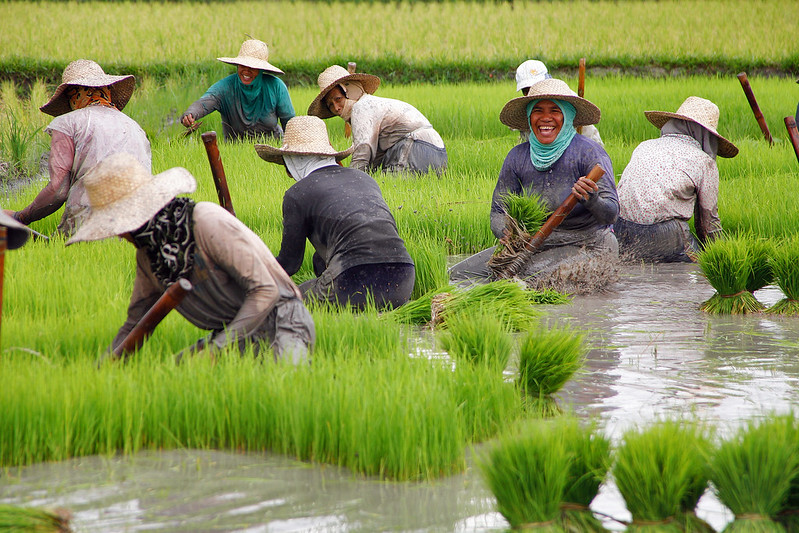
The Realities of Child Poverty in the PhilippinesChild poverty in the Philippines remains a pressing concern that affects children’s physical and mental development. While the overall poverty rate in the country has declined, the child poverty rate continues to increase. According to a 2022 policy research report by the World Bank and UNICEF, approximately 5.14 million Filipino children—about 12.4%—live in extreme poverty.

Root Causes and Response Initiatives

Causes, familiarity and socio-economic conditions contribute to the rising number of children living below the poverty line. Advocacy organizations and programs like the Pantawid Pamilyang Pilipino Program (4Ps) and Childhope Philippines Foundation work to ensure that children living on less than $2.15 per day can access education, health care, housing and other resources needed to break the poverty cycle. The Philippines continues to pursue its goal of becoming an upper-middle-income country. However, poverty in the country stems from multiple interconnected issues. The long-term effects of child poverty extend beyond the affected children to wider society.

Several factors, including limited employment, inadequate access to quality education and health care and regional conflict, contribute to the persistence of poverty among children.

Child Labor

Low household income remains a key driver of child labor. To support their families, many children either drop out of school or divide their time between work and school. According to the Philippine Statistics Authority (PSA), in 2023, around 1.09 million children aged 5 to 17 were working and 678,000 of them were not eligible to work legally. Although the number of working children has decreased from previous years—935,000 in 2021 and 828,000 in 2022—child labor remains a significant concern. Many children leave school due to financial hardship, creating a cycle of poverty that could persist across generations.

Education

Education plays a vital role in national development. The Philippine government mandates a 13-year basic education system from kindergarten through 12th grade, known as the K–12 program. Despite this, many Filipino children face a learning crisis marked by poor performance in international assessments and high levels of learning poverty. According to UNICEF, children in the Philippines lag five to six years behind students in countries with similar economic profiles.

The education system is governed by three agencies: the Department of Education (DepEd), which manages the K–12 public school system; the Commission on Higher Education (CHED), which oversees universities; and the Technical Education and Skills Development Authority (TESDA), which supervises vocational training programs. While enrollment has increased, access to quality education remains uneven, especially in rural areas. Addressing inaccessibility through advocacy and investment could help children build a better educational foundation.

Child Poverty Reduction Solutions

Governmental and nongovernmental organizations (NGOs) programs, such as the Conditional Cash Transfer (CCT) programs and Childhope Philippines Foundation, work to combat child poverty in the Philippines. Government programs provide financial support to low-income families, help ensure that every child can attend school and receive necessary health care, while NGOs offer educational solutions, food assistance and community development projects. Expanding and implementing these solutions can potentially get every individual to work together to fight against child poverty effectively, for an increase in opportunities for children as they grow older.

Pantawid Pamilyang Pilipino Program (4Ps)

The Pantawid Pamilyang Pilipino Program (4Ps) serves as the country’s flagship poverty reduction strategy. Implemented by the Department of Social Welfare and Development (DSWD), the program provides financial aid to poor households for up to seven years. Conditions include children’s school attendance, regular health visits and participation in family development sessions.

The 4Ps is the fourth-largest CCT program globally and funds 4,177,476 loan recipients, with 870,865 newly registered households. The strategy covered 75% of the country’s population alongside the Philippine government and the Millennium Development Goals (MDGs), eradicating extreme poverty and hunger, achieving quality education, advancing gender equality, decreasing child mortality and upgrading maternal health care. The 4Ps’ accomplishments have resulted in a poverty reduction of 1.4 percentage points per year or 1.5 million fewer poor Filipinos. In the end, more than 600,000 Filipino families accomplished self-sufficiency with help from the 4Ps. 

Childhope Philippines Foundation

Childhope Philippines is a renowned NGO that aims to promote the welfare, uphold and protect the rights of street children in the Philippines. The organization provides education, health services and livelihood opportunities for the impoverished youth. Established in 1995, Childhope empowers children with skills and resources to achieve a brighter future. It encourages everyone to become a united community where individuals play a role in raising awareness of child poverty in the country.

Nationally and internationally, the foundation encourages people to send donations and participate in volunteer work to become a beacon of hope for 50,000 to 70,000 Filipino children who live and work on the streets of Metro Manila, Philippines. Throughout the years, Childhope transformed the lives of approximately 10,500 street children with long-lasting impacts through its partnerships and projects.

Looking Ahead

Every child deserves access to basic rights and opportunities for a better future. Child poverty in the Philippines requires comprehensive strategies that address economic hardship, improve education and expand social welfare. Efforts by both the government and NGOs play a crucial role in reducing hardship and supporting children’s development. Ongoing commitment from all sectors could help build a society where every child can thrive and contribute meaningfully to national growth.

– Makayla Johnson

Makayla is based in Cary, NC, USA and focuses on Good News for The Borgen Project.

Photo: Flickr
May 28, 2025
https://borgenproject.org/wp-content/uploads/borgen-project-logo.svg 0 0 Precious Sheidu https://borgenproject.org/wp-content/uploads/borgen-project-logo.svg Precious Sheidu2025-05-28 07:30:132025-05-28 03:37:52The Realities of Child Poverty in the Philippines
Global Health, Global Poverty, Mental Health

Bridging the Gap: Mental Health Care in the Philippines

mental health PhilippinesIn 2024, the Philippines, a country of more than 100 million people, counted only 1,821 mental health care specialists, falling drastically short of the World Health Organization (WHO) recommended standards. This substantial workforce shortage presents a significant obstacle to accessing mental health care in the Philippines.

Background

According to 2023 data from the Department of Health (DOH), more than 3.6 million Filipinos suffer from mental health conditions, neurological and substance use disorders. Among the most prevalent conditions are major depressive disorder, affecting more than 1.1 million people; bipolar disorder, affecting over 520,000; and schizophrenia, affecting more than 213,000, Inquirer reports.

The mental health crisis escalated during the pandemic. Suicide rates rose by 57.3% between 2019 and 2020, and by 2023, Eastern Visayas had nearly doubled its suicide cases. Additionally, surveys show that one in 10 students has attempted suicide.

For many Filipinos, stigma and shame continue to stand in the way of accessing mental health care in the Philippines. Furthermore, the public mental health infrastructure remains scarce, with only four mental hospitals, 46 psychiatric inpatient units and 29 outpatient facilities nationwide.

As a result, many Filipinos rely on private providers and NGOs, although these services are often unaffordable or unavailable, WHO reports.

Framing Mental Health Through National Policy

Recognizing these challenges, recent efforts have focused on strengthening mental health care in the Philippines through targeted reforms and international collaboration.

The Philippines was a part of WHO’s Special Initiative for Mental Health. This initiative assists a global effort to integrate high-quality mental health care into the core of universal health systems by enhancing access to quality and affordable mental health services.

As part of this special initiative, the WHO calls on governments to integrate mental health into Universal Health Coverage (UHC) systems to ensure access to care without financial hardship.

Philippine Council for Mental Health

Introduced in 2023, the Philippine Council for Mental Health (PCMH) Strategic Framework 2024–2028 aims to enhance treatment accessibility, expand community-based initiatives and uphold mental health as a fundamental human right.

This five-year strategic plan aims to reduce the susceptibility of individuals and communities to substance use, neurological and mental disorders and to prevent and treat substance abuse effectively. The PCMH advocates for the essential human right to mental health through the implementation of critical policies. Initiatives encompass enhancing referral mechanisms and instituting the Mental Health Internal Review Board. Media training is conducted to guarantee proper reporting and representation of suicide.

To close the mental health gap, the DOH provided training in mental health to both health and non-health professionals, boosting early intervention at the primary care service level. The primary care package offers mental health outpatient services, including 12 consultations, follow-up diagnostics, psychoeducation and psychosocial support through medicine access sites.

The National Center for Mental Health now operates crisis hotlines around the clock to provide continuous mental health support.

Expanding Mental Health Care Across Sectors

Aiming to construct more mental health-responsive communities, the government launched initiatives across various agencies and educational institutions. Indeed, these efforts led 78,449 private companies to implement mental health workplace policies that support employee safety and well-being, WHO reports. To help health workers manage stress, 54 hospitals applied “behavioral nudges” and government agencies launched the Healthy Learning Institutions (HLI) Framework in 273 last-mile elementary schools, implementing a broad range of mental health measures.

The DOH is incorporating mental health responsiveness into the UHC framework by reformulating medical education and licensure criteria to facilitate integration initiatives. New rules mandate that future doctors, nurses and allied health professionals receive training to recognize and address mental health disorders within primary care settings. These initiatives facilitate the integration of mental health support into the daily environments where individuals live, work and study.

Maintaining mental health investment in education, workforce, and financing sets the foundation for a more equitable UHC system and increases mental health care in the Philippines, improving community health and resilience.

– Imge Tekniker

Imge is based in London, UK and focuses on Global Health for The Borgen Project.

Photo: Flickr
May 5, 2025
https://borgenproject.org/wp-content/uploads/borgen-project-logo.svg 0 0 Naida Jahic https://borgenproject.org/wp-content/uploads/borgen-project-logo.svg Naida Jahic2025-05-05 01:30:282025-05-05 00:36:40Bridging the Gap: Mental Health Care in the Philippines
Global Poverty, Housing Security

Philippines National Housing Authority and Population Growth

Philippines Faces Housing Shortage Amid Population GrowthAs of 2025, the Philippines has a population of approximately 121 million people. However, the country faces a housing shortage of 6.5 million units, a figure projected to rise to 22 million by 2040 if unaddressed. This significant gap leaves millions of families enduring substandard living conditions.​

Several factors contribute to this housing crisis, including poverty, rapid population growth and limited land availability. In 2023, the Philippines constructed more than 100,000 residential structures. However, the number of households increased by 3.42 million from 22.98 million in 2015 to 26.39 million in 2020, averaging about 684,000 new households per year during that period. This construction rate falls short of meeting the growing demand. Urban areas, in particular, experience intensified pressure as more individuals migrate to cities in search of better opportunities, leading to overcrowded informal settlements and straining existing infrastructure. ​

Philippines National Housing Authority

To meet the growing demand, the Philippines National Housing Authority (NHA) initiated several projects. In 2023, the NHA launched five new projects that will provide 3,651 housing units to those impacted by national infrastructure developments. In total, the NHA started 9,600 housing units and completed 15,856, achieving 118% of its target for starts (8,123 units) and 42% of its target for completions (37,913 units). Despite these ongoing efforts, the NHA operates with an annual budget of about 2 billion pesos, which constrains its capacity to effectively address the housing backlog.

Budget Disparities and Challenges

In contrast, the Department of Education received a 2025 budget of 977.6 billion pesos (approximately $17.5 billion). This disparity highlights the limited financial resources allocated to housing initiatives. Given these constraints, the Philippine government may need to explore external support and innovative financing solutions to bolster housing development. In addition, public-private partnerships and international collaborations could provide additional funding and expertise to accelerate housing projects.​

Promising Projects on the Horizon

A significant initiative is the Pambansang Pabahay Para sa Pilipino Program, a housing project launched in September 2022. The program aims to build 6 million housing units by 2028.

The program initially aimed to build about 1 million houses annually, totaling 6 million units by the end of President Ferdinand Marcos Jr.’s term. However, as of August 2024, the Department of Human Settlements and Urban Development (DHSUD) adjusted its target to launching 4 million housing units by 2028, citing construction issues and delayed loans. ​

The Pambansang Pabahay Para sa Pilipino Program offers affordable housing solutions for low-income families, with units priced up to 1.4 million pesos. Beneficiaries can access subsidized interest rates through the program, reducing their monthly amortization costs and making homeownership more attainable. Local government units (LGUs) play a crucial role in implementing these projects by identifying housing sites, developing project concepts with chosen developers and contractors and endorsing housing proposals to DHSUD. If successful, the initiative could serve as a model for future government-led housing programs.

Looking Ahead

Addressing the Philippines’ housing shortage requires a multifaceted approach involving increased funding, policy reforms and international cooperation. Strengthening partnerships with private sector entities and international allies could provide the necessary resources and expertise to accelerate housing development. Additionally, implementing policies that streamline construction processes and promote affordable housing could help bridge the gap between supply and demand. Through concerted efforts, the Philippines can potentially work toward providing adequate housing for its growing population, thereby improving living conditions and fostering national stability.

– Nicholas East

Nicholas is based in Ashby, MA, USA and focuses on Politics for The Borgen Project.

Photo: Flickr

April 16, 2025
https://borgenproject.org/wp-content/uploads/borgen-project-logo.svg 0 0 Precious Sheidu https://borgenproject.org/wp-content/uploads/borgen-project-logo.svg Precious Sheidu2025-04-16 01:30:222025-04-15 10:14:03Philippines National Housing Authority and Population Growth
Page 2 of 6‹1234›»

Get Smarter

  • Global Poverty 101
  • Global Poverty… The Good News
  • Global Poverty & U.S. Jobs
  • Global Poverty and National Security
  • Innovative Solutions to Poverty
  • Global Poverty & Aid FAQ’s
Search Search

Take Action

  • Call Congress
  • Email Congress
  • Donate
  • 30 Ways to Help
  • Volunteer Ops
  • Internships
  • Courses & Certificates
  • The Podcast
Borgen Project

“The Borgen Project is an incredible nonprofit organization that is addressing poverty and hunger and working towards ending them.”

-The Huffington Post

Inside The Borgen Project

  • Contact
  • About
  • Financials
  • President
  • Board of Directors
  • Board of Advisors

International Links

  • UK Email Parliament
  • UK Donate
  • Canada Email Parliament

Get Smarter

  • Global Poverty 101
  • Global Poverty… The Good News
  • Global Poverty & U.S. Jobs
  • Global Poverty and National Security
  • Innovative Solutions to Poverty
  • Global Poverty & Aid FAQ’s

Ways to Help

  • Call Congress
  • Email Congress
  • Donate
  • 30 Ways to Help
  • Volunteer Ops
  • Internships
  • Courses & Certificates
  • The Podcast
Scroll to top Scroll to top Scroll to top