The Price of Rice: Rising Rice Prices in the Philippines
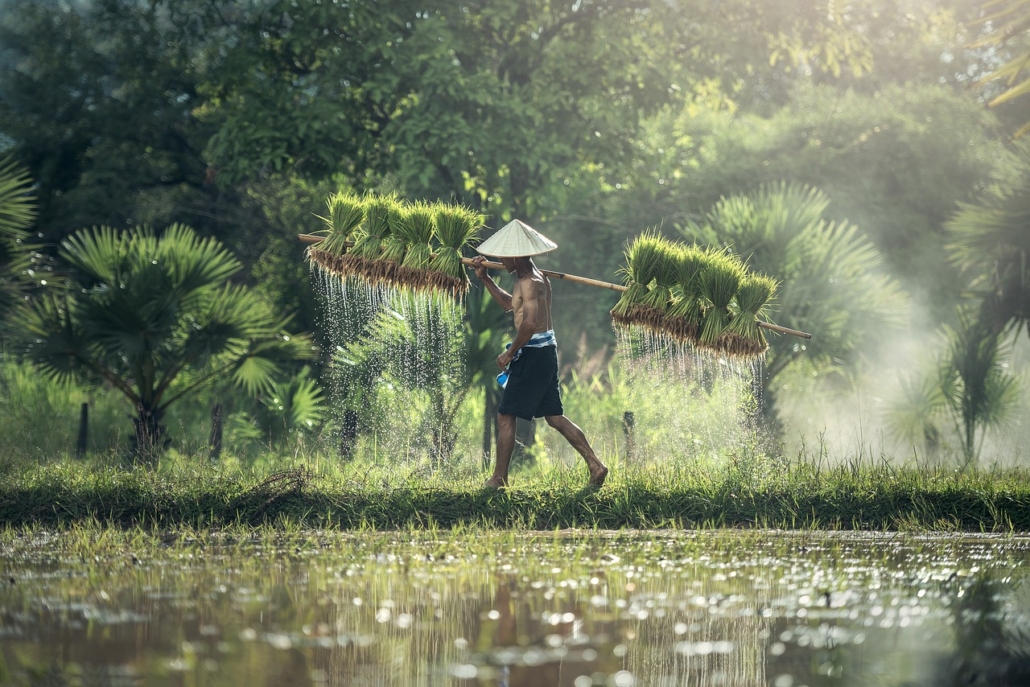 Rice is more than just a staple food in the Philippines, it is also a cornerstone of daily life, culture and survival for millions. Not only is rice a core nutritional component to the Filipino diet, but it is also a major source of income for millions of Filipino farmers, so much so that rice is the single most important agricultural crop in the Philippines. Unfortunately, in recent years, rising rice prices in the Philippines have put enormous pressure on Filipino households, worsening a poverty crisis that has long plagued the country.
A Surge in Prices
In 2024, the country experienced one of the worst rice price hikes in decades due to the Russia-Ukraine war and the export restrictions that India imposed. By March 2024, rice inflation soared to 24.4%, a staggering increase that has greatly affected the people of the Philippines. The Philippines, which heavily relies on rice imports to stabilize its supply, was caught between global price fluctuations, local supply chain issues and climate-related production setbacks. As prices climbed, families that spent a significant portion of their income on food found themselves choosing between meals and other essentials.
Poverty statistics have illustrated the direct result of this inflation. By the end of 2024, 63% of Filipino families considered themselves poor, according to a Social Weather Stations (SWS) survey. That figure marked a 17% increase from just nine months prior and represented the highest self-rated poverty level in over 20 years.
Many respondents attributed their worsening condition to the surge in food prices, especially rice. This increase hit the poorest Filipinos—often small-scale farmers, informal workers and residents of rural areas—the hardest.
Government Response
Recognizing the urgency of the crisis, the Philippine government implemented several key measures, including an executive order No. 62 (July 2024), which reduced rice import tariffs to bring in cheaper foreign rice and curb inflation. This helped minimize rice inflation from 19.6% in December 2023 to 0.8% by December 2024.
To further aid in the rising rice prices, the Department of Social Welfare and Development launched a subsidized rice initiative, selling rice at 29 pesos per kilo to poor households. This program reportedly helped feed more than 35 million Filipinos.
By March 2025, inflation had slowed to 1.8%, its lowest in nearly five years, driven in part by a 7.7% drop in rice prices. Despite short-term progress, experts warn that the Philippines remains vulnerable to recurring food crises. The agricultural sector suffers from underinvestment, outdated farming practices, climate risks and logistical inefficiencies. More than 10 million Filipino rice farmers still struggle with low productivity and limited government support. In the long run, solving the rice crisis is not just about lowering prices, it is about transforming the system.
Final Remarks
The recent rising rice prices in the Philippines revealed how tightly the issues of food and poverty correlate in the Philippines. While emergency responses have provided a degree of relief, long-term solutions will require structural reforms and sustained political will. Experts and officials aiming to boost domestic rice production and reduce import dependence are pushing long-term agriculture reforms. The continued push of agricultural reforms is essential to breaking the cycle of poverty and building a more equitable future for the Philippine people.
– Meagan Beaver
Meagan Beaver is based in Zephyrhills, FL, USA and focuses on Good News and Politics for The Borgen Project.
Photo: Pixabay
