• Link to X
  • Link to Facebook
  • Link to Instagram
  • Link to TikTok
  • Link to Youtube
  • About
    • About Us
      • President
      • Board of Directors
      • Board of Advisors
      • Financials
      • Our Methodology
      • Success Tracker
      • Contact
  • Act Now
    • 30 Ways to Help
      • Email Congress
      • Call Congress
      • Volunteer
      • Courses & Certificates
      • Be a Donor
    • Internships
      • In-Office Internships
      • Remote Internships
    • Legislation
      • Politics 101
  • The Blog
  • The Podcast
  • Magazine
  • Donate
  • Click to open the search input field Click to open the search input field Search
  • Menu Menu

Tag Archive for: Poverty in the Philippines

Posts

Global Poverty, Natural Disaster, Water

Natural Disasters and Disease in the Philippines

disease in the PhilippinesThe Philippines is highly susceptible to natural disasters such as droughts, earthquakes, flooding, cyclones and tsunamis. Natural disasters have a significant impact by displacing people from their homes and destroying agriculture, property and livelihoods. The political and socioeconomic climate of the Philippines exacerbates the damage as natural disasters significantly affect people in vulnerable situations due to lack of resources, income and access to social services and medical treatment. This further aggravates poverty and increases the spread of disease.

There is a correlation between natural disasters and disease in the Philippines. With disaster comes destruction and instability. People flee their homes as disasters decimate infrastructure, entire agricultural fields disappear and those from low incomes are unable to access medical care. Similarly, the disasters alone have direct links to negative health effects such as dengue, diarrheal syndrome, measles, cholera, meningococcal disease and acute respiratory syndrome.

Natural disasters cause disease in the Philippines, particularly impacting the lives of low-income people as they are less likely to obtain access to the resources necessary to rebuild their lives after a disaster or treat diseases caused by these events

Disaster, Disease and Poverty

Research has shown that infectious diseases occur following natural disasters as these circumstances hamper the foundations of many citizens’ lives and the health care system is not stable enough to cope with this. A deficit of clean water, stable housing and health care results in poor living conditions and higher rates of communicable disease.

A study on water-related diseases in the Philippines highlights that unless water availability is imperilled and people are displaced, the spread and risk of water-related diseases are low. Comparatively, following flooding, there is a significantly increased risk of such diseases because contaminated water is dominant – meaning that infections such as dermatitis and conjunctivitis are common. Similarly, following flooding, there is a higher risk of faecal-oral diseases such as paratyphoid fever, poliomyelitis and chlorea.

For those living in poverty in the Philippines, disasters such as flooding heighten the risk of communicable diseases, therefore pushing people into extreme poverty as they do not have the resources to treat such diseases. As a result, this worsens their quality of life.

The Work of Planet Water Foundation

Planet Water Foundation focuses on tackling a lack of clean water in the Philippines. Since 2010, the foundation has installed approximately 430 clean water schemes across the Philippines. This scheme involves the implementation of around 360 AquaTower water filter apparatuses in primary schools, ensuring students and staff can access clean drinking water

The foundation has also provided resources to aid communities during and following natural disasters by ensuring they have the resources to stay healthy and prevent disease. Through the placement of AquaBlock Emergency Water Systems following natural disasters such as flooding and cyclones, locals can secure clean water even amidst natural hazards. The Planet Water Foundation’s disaster responses include the Taal Volcanic eruption, Typhoon Odette and Typhoon Goni.

The implementation of systems that ensure there is sanitary water acts as a preventive measure for communicable diseases that arise from contaminated water that manifests from natural disasters. Correspondingly, this addresses the sanitation gap that low-income people and locals experience which helps them maintain basic hygiene even if they lose shelter because of natural disasters.

– Ella Dorman

Ella is based in Worcestershire, UK and focuses on Global Health for The Borgen Project.

Photo: Flickr

March 5, 2025
https://borgenproject.org/wp-content/uploads/borgen-project-logo.svg 0 0 Naida Jahic https://borgenproject.org/wp-content/uploads/borgen-project-logo.svg Naida Jahic2025-03-05 01:30:282025-03-05 01:38:27Natural Disasters and Disease in the Philippines
Global Health, Global Poverty, Nonprofit Organizations and NGOs

3 Organizations Fighting Heart Disease in the Philippines

3 Organizations Fighting Heart Disease in the PhilippinesAccording to the World Health Organization (WHO), heart disease accounts for a third of deaths in the Philippines. Known as cardiovascular disease (CVD), it impacts the heart and blood vessels. Following the COVID-19 pandemic, many in the Philippines have seen weakened immune systems, heightening their susceptibility to severe heart disease. Medical experts recognize a strong correlation between poverty and health issues in developing countries, where inadequate living conditions and sanitation can lead to health complications.

These countries often face a shortage of medical professionals. Research from the University of the Philippines highlights a significant gap in its health care system, particularly the low ratio of doctors to the population, which delays CVD diagnoses. To address these ongoing challenges, several organizations are stepping up to help, including the Children’s Heart Foundation, Gift of Life International and the Philips Foundation.

3 Organizations Fighting Heart Disease in the Philippines

  1. Children’s Heart Foundation. Founded in 2000 by a group of volunteers, the Children’s Heart Foundation emerged from a successful fundraising campaign for a young patient with cardiovascular disease (CVD) a year earlier. The nonprofit organization dedicates itself to “helping economically deprived children with heart disease access quality medical care.” Its primary location in Makati City partners with the local Philippines Heart Center to provide financial assistance to patients completing their treatments. Additionally, the Children’s Heart Foundation offers social opportunities for patients to connect with others facing similar health challenges, enhancing their support network.
  2. Gift of Life International. Gift of Life International provides life-saving cardiac care to Filipino children suffering from heart disease. As a global organization, it has received significant requests for aid from the Philippines, particularly in Manila. By partnering with local groups, Gift of Life International has positively impacted more than 3,000 children there, investing $805,000 in its care. The organization’s outreach operates on three fronts: securing donations, handling requests for aid—whether from a country or for an individual child—and facilitating volunteer involvement in ongoing efforts.
  3. Philips Foundation. The Philips Foundation has launched an initiative in the Philippines to combat heart disease by detecting early signs of Cardiovascular Disease (CVD). The foundation aims to reach half a million people in the Philippines, equipping employees to raise awareness about CVD and diagnose it before it becomes fatal. It uses innovative hand-held ultrasound screeners to accelerate the diagnosis process. Additionally, the foundation plans to train 200 teachers in these diagnostic techniques and general heart disease awareness. If successful, this initiative, known as its ‘pilot’ project, could expand further in the Philippines and globally. The Philippines was selected for this major initiative due to its critical need for enhanced heart disease care.

Looking Ahead

Efforts to combat cardiovascular disease in the Philippines continue to expand, bringing hope to many in need of critical care. By providing treatment, financial assistance and early diagnostic tools, dedicated organizations aim to reduce the incidence of heart disease and strengthen the health care system. As these initiatives progress, they pave the way for greater health equity and set a foundation for improved medical support across the country, especially for those most at risk.

– Nadia Haeryfar

Nadia is based in Ashford, CT, USA and focuses on Technology and Global Health for The Borgen Project.

Photo: Flickr

November 10, 2024
https://borgenproject.org/wp-content/uploads/borgen-project-logo.svg 0 0 Precious Sheidu https://borgenproject.org/wp-content/uploads/borgen-project-logo.svg Precious Sheidu2024-11-10 07:30:162024-11-10 02:00:163 Organizations Fighting Heart Disease in the Philippines
Global Poverty

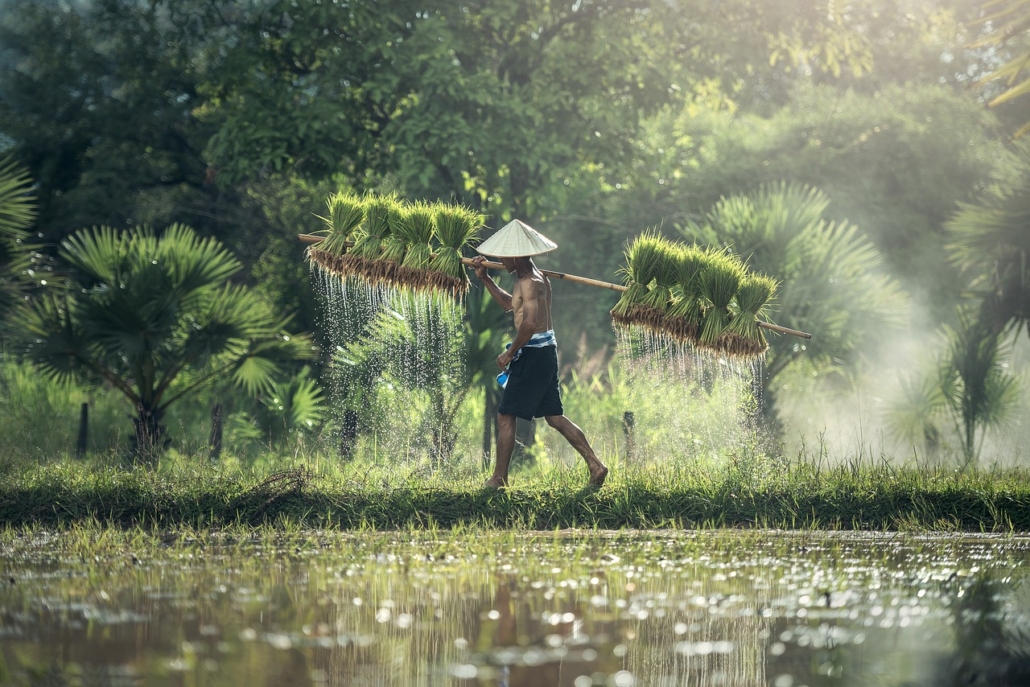
What Does Being Poor in the Philippines Look Like? 

Poor in the Philippines
Whether it is a health crisis, lack of social support, inequality or conflict, these socio-economic factors contribute to today’s poverty data. The barriers to a life without poverty can seem impossible, especially for a developing nation within which these pervasive challenges strike a greater impact — a lower-middle-income country such as the Philippines.

Indeed, poverty continues to be a vicious cycle and a battle for survival for many Filipinos, 40% of whom are grappling to escape the cyclical problem. According to Inquirer, 46% of Filipino households categorize themselves under the “poor” classification as of 2024, while 33% identify themselves as being “food-poor.” Poverty predisposes vulnerable populations to various risks that often bear negative outcomes, and the numbers listed herein account for approximately 12.9 million poor Filipinos in the country. Here is some information about what being poor in the Philippines is like.

“Pagpag”

Today’s increasing living costs coupled with the lack of education and unemployment can make it difficult for Filipinos to put food on the table. Additionally, in times like this, individuals who face adversities tend to find solutions to these challenges by manifesting their skills and available resources. Creativity, in this context, could be the process of developing ideas, while innovation, or its byproduct, could be the process of concretizing these ideas to reach solutions, whereby in such a way, poverty creates an artist.

As a way to meet their basic food demands, Filipinos who are poor in the Philippines innovated the concept of “pagpag.” In English, this term translates to organic waste derived from that nearby fast food chains throw away or frozen edibles that local supermarkets dispose of, which impoverished communities would, later on, recycle and re-fry for consumption.

The usual method is foraging for edible garbage in dump sites, “killing” bacteria by washing and boiling chewed leftovers, coating it in their concocted marination, refrying it in high heat and finally serving it with their preferred garnish. Typically sighted in slum areas, street vendors sell repurposed leftovers as a means to earn a living. It includes the option of adding rice, a staple food in the country, to keep the appetite of their customers full, EFE reports.

While this practice has been helpful for those who are poor in the Philippines, eating pagpag can increase the likelihood of contracting diseases such as diarrhea and Hepatitis A. The concept of pagpag represents the Filipinos’ resilience and can be viewed as a cultural symbol of hard work in the Philippines.

Recycling Water

In October 2022, the inflation in the Philippines reached 7.7%. With the recent water hike in 2024, access to water for impoverished communities further tightens. Food-poor households opened up about their struggle to access basic needs such as water. To adapt to these changes, Marie Acuin, a fellow Filipino, told ABS-CBN News about her approach to saving water. She recycles used laundry water and bath water to either sanitize or flush her toilet, which she sees as a cost-efficient way of coping with price spikes.

Statistically, death from acute diarrhea brought about by the lack of access to safe water took the lives of more than 139,000 Filipinos in 2016. In addition, increased temperatures due to changing weather patterns are desiccating the country’s main sources of water, and obtaining permanent water supply from rivers and lakes is not an alternative solution as it does not prove to be feasible with the long-term realities of changing weather. Therefore, Engineer Bonifacio Magtibay, an environmental health officer working for the World Health Organization (WHO) in the Philippines, recommends “conserving and recycling water,” as well as adopting safe consumption practices, to address this scarcity.

Sleeping with the Dead

As a country demonstrating rapid population growth, along with poverty incidence, not enough roofs are being provided to place overheads. Slums become congested and poor communities cannot afford lodging, which urges them to seek shelter in other areas for cohabitation. Graveyards were free and vast and were thus viewed as an opportunity for refuge. Filipinos improvised habitation by using tarpaulins, wood and plastic covers to create a “house.” They have turned the cemetery into their own local district, using available spaces to install their “karinderya” stores and sell water or candies for a living. These informal settlers generally live day-to-day beside and amongst the dead.

Hunger and Poverty

Indeed, these are just a few of the many consequences of being poor in the Philippines. It helps to paint a picture of what living in poverty can look like for countless Filipinos. While these facts remain true, there is good news: Poverty rates have declined to 15.5% as of July 2024.

Poverty-reduction efforts have significantly reduced the number of food-poor families from 1.04 million in 2021 to 740,000 in 2023. That gap marks a 300,000 difference between food-poor and non-food-poor families within two years. In order to maintain this momentum, the government is implementing policies to improve agriculture and increase high-quality jobs designed to achieve their poverty-reduction mission.

As for eliminating hunger, the government is building inclusive school feeding programs to forge ahead to a nutrition-secure country. The “Walang Gutom 2027: Food Stamp Program” implemented in 2023, for example, is offering monetary support to eligible food-poor families and granting them access to affordable provisions from government-partnered food stores.

Malnutrition and Health Care

As of November 2023, the Department of Health (DOH) has signed a formal agreement with UNICEF and the U.N. to increase efforts in combating malnutrition in the Philippines, achieved through the distribution of health supplies and basic health care needs to targeted communities.

The Ambisyon Natin 2040 outlines the country’s vision of a “middle-class society free of poverty” and serves as a guide for government initiatives. While progress is still being made, promoting the continuity of relevant policies and initiatives that work toward poverty alleviation may soon create the transition they need and personify a picture of Filipinos living vibrant lives.

– Edwynne Lou Miano

Edwynne is based in Florida, USA and focuses on Global Health for The Borgen Project.

Photo: Unsplash
September 21, 2024
https://borgenproject.org/wp-content/uploads/borgen-project-logo.svg 0 0 Jennifer Philipp https://borgenproject.org/wp-content/uploads/borgen-project-logo.svg Jennifer Philipp2024-09-21 07:30:462024-09-21 01:41:19What Does Being Poor in the Philippines Look Like? 
Development, Global Poverty

Reduced Poverty in the Philippines

Poverty in the PhilippinesIn July 2024, the Philippine Statistics Authority released the official poverty statistics showing that the 2023 poverty rate stood at 15.5%. In 2021, the poverty in the Philippines stood at 18.1%. This 2.6% drop has surpassed the target from the Philippine Development Plan and means that 2.45 million Filipinos are no longer living in poverty. Also since 2021, there has been a significant fall in the family poverty incidence. In 2021, the rate was 13.2%, and in 2023, the rate fell to 10.9%. This means that there are now 3 million families out of poverty.

Poverty in the Philippines: Single-Digit by 2028

President Ferdinand R. Marcos Junior has a goal to reduce poverty in the Philippines to a single-digit rate by 2028. With the significant drop from 2021 to 2023, it seems like that goal may be possible. The Philippines has one of the best-performing economies in Asia, with its GDP growth rate averaging 5.5%. Its economic growth has been driven by the domestic domain and the expansion of some major sectors. This is helping provide secure and well-paying jobs to Filipinos.

The Philippines government has also implemented a targeted cash transfer program to help alleviate poverty. This program assists poor households, giving them cash grants for six months, with 12.4 million households qualifying for the program. With the fuel prices rising, the government has also started a fuel subsidy program. This program provides financial assistance to jeepney drivers as well as taxis, shuttle buses, minibuses, etc. There are currently 377,443 beneficiaries of the subsidy. There is also a fuel discount program, which offers a discount on fuel to fishermen and farmers.

Social Protection Floor

Although the inflation rate hit a 22-month low of 3.9% in December 2023, inflation is still high in the Philippines, according to the Philippine News Agency (PNA). To help keep prices stable, Executive Order 50 was signed, which reduced tariffs on key agricultural products. These products include corn, pork and rice. Keeping prices stable on these commodities helps ensure that Filipinos can afford them.

President Marcos approved a Social Protection Floor (SPF) that will protect and guarantee basic social security. The SPF will protect the vulnerable against poverty in the Philippines. It will help ensure that everyone has access to basic health care and social services.

One of the goals of SPF is universal health care for the Philippines. There is also a focus on children and ensuring that they are meeting their nutritional needs. Part of the SPF includes initiatives such as emergency employment, social insurance coverage, employee compensation benefits for overseas workers and integrated health services for older persons.

Walang Gutom 2027

The government also implemented the Walang Gutom 2027 Food Stamp Program to help alleviate poverty in the Philippines. This initiative aims to feed 1 million food-poor families by 2027. Initially, the food stamp program was rolled out to 2,300 households and now has reached 300,000 households. The food stamp program reduces hunger by providing monetary-based assistance in the form of Electronic Benefit Transfer (EBT) cards. The ultimate goal is to reduce the incidence of malnutrition and hunger. For families to be a part of the program, they must attend a nutrition education program.

With more opportunities for jobs, government assistance programs to help alleviate the burden of costs of essentials such as food and fuel, better access to health care and an active effort by the Philippine government to reduce poverty, poverty in the Philippines has been reduced significantly since 2021.

– Rachel Padden

Rachel is based in Baltimore, MD, USA and focuses on Good News for The Borgen Project.

Photo: Flickr

August 28, 2024
https://borgenproject.org/wp-content/uploads/borgen-project-logo.svg 0 0 Naida Jahic https://borgenproject.org/wp-content/uploads/borgen-project-logo.svg Naida Jahic2024-08-28 03:00:492024-08-27 13:09:46Reduced Poverty in the Philippines
Activism, Advocacy, Inequality

Organizations Fighting Inequality in the Philippines

fighting inequality in the Philippines Inequality is a key barrier to success for many residents of the Philippines. The International Fund of Agricultural Development (IFAD) cites a rural poverty rate of 36%. Furthermore, the World Bank cited the Philippines as sporting an income Gini coefficient of 42.3% in 2018, indicating some of the highest levels of inequality in East Asia. This article will address the efforts of NGOs like the Philippine Task Force for Indigenous Peoples, and Fundlife International, exploring the ways these organizations are fighting inequality in the Philippines.

United Nations Industrial Development Organization

The United Nations Industrial Development Organization (UNIDO), in addition to surveying the Philippines and identifying developmental hurdles for the nation, has also accomplished a great deal of work of its own in the nation. UNIDO’s new Global Quality and Standards Programme (GQSP) which has been in effect since 2022 is an example of its continued efforts in the nation.

Since 2022 alone, UNIDO spent $428,785 to encourage systematic trade development and strengthen quality infrastructure in the Philippines and countries like Costa Rica and Moldova, with a further $2,366,419 budget for the program, which will last until 2027. Aside from UNIDO’s efforts, however, there are many NGOs with operations based within the Philippines itself, with programs of their own that are fighting inequality in the Philippines by providing for the nation’s Indigenous community

Philippine Task Force for Indigenous Peoples

The Philippine Task Force for Indigenous Peoples (PTFIP) is an NGO primarily basing its operations in the Philippines, with support from Germany’s Protestant Development Service. Formed to advocate for the needs of the Philippine Indigenous Peoples, while spreading awareness and educating others on the knowledge and practices of these peoples, the PTFIP uses many methods to accomplish this goal.

The PTFIP’s work towards preserving the history of indigenous peoples has been recognized, with the organization earning the Heritage Education and Interpretation award of the Philippine Heritage Awards. Covering the stories of indigenous peoples is critical for combating inequality, spreading awareness of the struggles and advocating for the needs of the Philippines’ indigenous population allows not only the general population to know how they can pitch in and help but also political figures and company leaders so that they are aware of the goings on in these communities.

FundLife International

FundLife International is another NGO fighting inequality in the Philippines, founded on a simple mission statement – “no child should be denied ​quality education and equitable opportunities to reach their fullest potential.” Through many different approaches towards tackling this goal, it has shown utmost dedication towards fulfilling its mission statement, taking on the challenge of combating inequality in different sectors, including efforts focused on Education, Infrastructure, and Gender Equality.  In addition to these efforts, it also provides relief aid during natural disasters and organizes charity events within The Philippines to raise awareness and funding towards these causes.

Another key way it accomplishes its goal is through its empowerment initiative. In The Philippines, four in 10 of the nation’s youth work in the informal sector. Informal employment often entails unregulated work, and that pays below minimum wage. This type of work can be entrapping for those living in poverty, often lacking opportunities for career progression.  Since 2014, Fundlife has directly helped over 80,000 people in the Philippines, providing them with opportunities to escape inequality and empowering them to find long-term careers.

Closing Thoughts

Although many organizations are working to combat inequality in The Philippines domestically, tackling the nation’s inequality is no small task. The efforts of the NGOs mentioned in this article cannot be understated, but progressing towards eradicating inequality in the Philippines is no small task. Though the work of FundLife, UNIDO, and PTFIP has already impacted the lives of thousands across the Philippines, there are still many within the nation that still require support. Though progress will be gradual, the impact of the efforts of these and many more NGOs is invaluable.

– Malik Vega

Malik is based in Miami, FL, USA and focuses on Good News for The Borgen Project.

Photo: Unsplash
August 17, 2024
https://borgenproject.org/wp-content/uploads/borgen-project-logo.svg 0 0 Naida Jahic https://borgenproject.org/wp-content/uploads/borgen-project-logo.svg Naida Jahic2024-08-17 01:30:202024-08-16 11:14:24Organizations Fighting Inequality in the Philippines
Developing Countries, Global Poverty, Inequality

Cycles of Poverty in the Philippines

Poverty in the PhilippinesIncome inequality is a huge contributor to the persisting cycles of poverty within the Philippines. In 2022, the country’s top 1% of earners reported 17% of all national income, while only 14% was shared between the bottom 50%. Outreach International argues that income inequality continues to exacerbate issues of poverty because many of the national efforts to reduce poverty have been focused in the most densely populated areas of the country, where the most opportunities already exist. Hence, Outreach International focuses its support initiatives on providing those in rural areas with long-term and sustainable solutions that help break the cycle of poverty.

The Cycle of Family Poverty in the Philippines

Income inequality in the Philippines stems from several different structural factors. These include the fact that access to higher education and job skills remains an impossible task for many, the societal norms that leave women and other minorities at a disadvantage socially and addition, the complex geography of the nation, which means that opportunities and natural resources are disproportionately located.

The cycle of poverty prevails when these structural disadvantages mean that households permanently lack the resources to cover their most basic needs. When individuals are forced to spend their whole lives struggling to meet these basic needs, it means that they lack the time and resources to address the core of the issues that keep them rooted in poverty. This cycle of poverty can last a lifetime. It can even be passed from one generation to the next – family poverty.

These cycles of poverty, extreme and chronic, are passed from one generation to the next when children are born into situations where they are unlikely to have the ability to pursue changes that would make life easier for them and even their potential children. Children who are born into poverty are less likely to enroll in school and maintain age-appropriate grade levels because their time is taken up by the need to help the family meet their daily and most basic needs. Limiting a child’s access to education also limits their access to opportunities in the future, their subsequent earning potential and even the prospective development of their community.

However, Outreach International recognizes that family poverty is caused and maintained by more than just a lack of access to education and other kinds of infrastructure. It acknowledges the role of the above structural and societal inequalities and predatory loan practices.

Community-Led Development

Community-led development (CLD) aims to help communities get to the root of social issues affecting them and hindering their economic growth and development. CLD projects result in the final product and help the involved communities develop skills, knowledge and confidence in many aspects of life and business.

When the involved group learns how to “identify, prioritize and mobilize to reach a goal, they don’t just reach that one goal,” they develop skills to reach every goal after that. Their development becomes continuous and sustainable. Unlike short-term monetary solutions, this continues to benefit the communities involved as these skills can be passed onto future generations.

Outreach International’s Rice Loans

An example of Outreach International’s focus on CLD programs is its rice loans. Local community leaders work directly with suppliers to obtain rice at a wholesale price. They negotiate a fair price and organize a delivery location that is accessible to all participating households. The rice is then portioned and delivered to families who cannot afford it at market price.

All households are members of their respective Community-Based Organizations. Over time, each recipient repays the cost of their food loan into a community-managed fund. This fund generates interest and will cover the cost of further rice acquisition. This means vulnerable households can avoid using loan sharks that will take advantage of them. It also means the community can develop the funds and skills to tackle rice shortages on a long-term scale.

By providing communities with the skills and confidence to overcome structural issues over time, Outreach International’s focus on CLD schemes results in long-term economic and social development that helps lift the most vulnerable in the Philippines out of the cycle of poverty.

– Kristina Grant

Kristina is based in Scotland and focuses on Technology and Global Health for The Borgen Project.

Photo: Pexels

July 26, 2024
https://borgenproject.org/wp-content/uploads/borgen-project-logo.svg 0 0 Hemant Gupta https://borgenproject.org/wp-content/uploads/borgen-project-logo.svg Hemant Gupta2024-07-26 07:30:272024-07-26 05:11:25Cycles of Poverty in the Philippines
Education, Global Poverty, NGOs

Philippine NGOs Offering Scholarships to the Underprivileged

Philippine NGOsWhen it comes to improving a country’s overall state, the masses need to be as educated as possible. An uneducated population makes it difficult for a country to progress and leaves it vulnerable to political manipulation. The Philippines is a key example of this state. While the country is beautiful and the people are renowned for their kindness and hospitality, it is also rife with corruption and the disparity between the rich and poor grows larger by the day. One way to combat this inequality is education. An educated populace will gradually improve a nation’s overall state. However, the Philippines lacks a system for cultivating an educated population. Although the country has a basic literacy rate of more than 88.5%, more than 6 million people are still illiterate. Therefore, here are some Philippine nongovernmental organizations (NGOs) that offer scholarships to the underprivileged.

TORM Philippines Education Foundation

The NGO was founded in 2007 and is devoted to promoting quality education to children from unprivileged families in the Philippines. Many rural families in the Philippines often struggle to send their children to school. Aside from low-income families, the organization also helps deserving individuals gain a college education. The organization has awarded more than 200 scholarships since its inception.

UPL

While the NGO mostly aims to help farmers in their agricultural endeavors and, in the process, provide millions of families with their daily sustenance, UPL also offers scholarship opportunities to grass-roots families. UPL predominantly offers scholarships to farming families. The scholarships are designed to enhance the farming family’s agricultural knowledge and allow them to cultivate the land more effectively and efficiently.

Project Pearls

Project Pearls is one of the Philippine NGOs predominantly aimed at feeding people experiencing poverty in the city of Tondo. While it is mostly devoted to funding feeding programs, it also has educational programs that aim to provide underprivileged children with a means of gaining education. The organization’s educational programs are predominantly aimed at teaching young people the right skills to gain jobs. These programs include livelihood programs, training seminars and workshops. The organization also provides underprivileged students with monetary help for school supplies. It has provided scholarships for more than 700 students in four communities in the Philippines.

Diwa ng Magdalo Foundation

The Diwa nang Magdalo Foundation was founded by a group known as Bagong Katipuneros. Its main goal is to promote better governance in the Philippines. The organization was first registered in 2011 and is meant to create a self-sufficient Philippines. To do so, the organization focuses mostly on the country’s youth.

Its main intent is to effect societal change and it has created various programs that help grassroots-level students meet their educational needs. A key function that the organization fulfills every year is the giving away of scholarships to unprivileged students. These scholars are usually sent to well-known colleges in the country, such as the University of the Philippines.

Aside from giving away free scholarships, the NGO is also focused on assisting its beneficiaries with financial aid and assistance during times of crisis.

Conclusion

The Philippines is a developing nation rife with corruption and poverty and many families cannot afford to send their children to school for a meaningful education. Through these Philippine NGOs, children from impoverished families are now able to attend high school and even gain a college education.

– Neil Lorenz Misola

Neil is based in New York, NY, USA and focuses on World News and Politics for The Borgen Project.

Photo: Unsplash

July 22, 2024
https://borgenproject.org/wp-content/uploads/borgen-project-logo.svg 0 0 Hemant Gupta https://borgenproject.org/wp-content/uploads/borgen-project-logo.svg Hemant Gupta2024-07-22 03:00:352024-07-22 00:28:57Philippine NGOs Offering Scholarships to the Underprivileged
Aid, Global Poverty, Nonprofit Organizations and NGOs

Good Neighbors Tackles Global Poverty

Good Neighbors Tackles Global Poverty Good Neighbors, a global nonprofit organization established in South Korea in 1991, works to enhance the lives of marginalized and vulnerable children. It operates in more than 200 communities across 50 countries, including North Korea, Taiwan, Australia, Ghana and Chile.

Good Neighbors Korea

Good Neighbors actively supports the well-being of young adults. The organization provides 31,550 girls with feminine products, educational materials about the menstrual cycle and personal development. Additionally, it offers mentoring and therapy sessions to teach young adults how to express their emotions healthily. Between 2017 and 2023, Good Neighbors helped a total of 77,774 girls, supplying them with essential food and appliances.

In Busan, Good Neighbors has partnered with the City of Busan and other nonprofit organizations to offer a “self-reliance kit”. These kits assist young adults as they transition out of orphanage programs. These kits include bedding, cooking sets, heaters and more to facilitate a smoother move to independence. The project also provides career mentoring, driver’s license assistance and financial aid for post-secondary education. Overall, Good Neighbors has significantly improved the nutrition, education, housing and self-reliance of young adults.

Gugah Nurani Indonesia

In 2023, Gugah Nurani Indonesia (Good Neighbors Indonesia) and the Manggarai Barat Community Development Project (CDP) collaborated with the Golo Pua Village Government to enhance agricultural productivity and product availability through horticultural farming. The project implemented a drip irrigation system to increase water efficiency and boost chili production. This advancement has led to higher-quality crops, enabling farmers to earn more income. Additionally, it has provided consumers with greater access to agricultural products. Overall, this initiative fosters environmental sustainability and improves the socio-economic well-being of the village community.

From March 20 to 22, 2024, Gugah Nurani Indonesia and the Manggarai Barat Community Development Project (CDP) hosted a training session on seed breeding and pest management for Farmer Groups and Women Farmer Groups in Golo Pua Village. This training aimed to enhance seed quality and educate participants about effective pest management, improving productivity and environmental sustainability. With Gugah Nurani Indonesia’s support, the village is poised to withstand pest attacks and advance toward more productive and sustainable agriculture.

Philippines

Typhoon Rolly in 2020 severely limited water supplies from natural resources and disrupted water supply chains, primarily because residents relied on untreated water from deep wells and hand pumps. The challenging terrain requires residents to climb mountains and cross rivers just to fetch a gallon of water and adverse conditions further restrict access to these sources.

Good Neighbors International Philippines launched the “Securing Access to Flourish Empowerment for Water” (SAFE) Project. This initiative led to the construction of a water tank and reservoir, ensuring water delivery to every household and public school in the area. Additionally, the Barangay Water and Sanitation Association (BAWASA) was established, involving health care workers and community leaders from nine villages. As a result, the SAFE Project has benefited a total of 4,475 community members, significantly improving their daily lives, safety, health and overall well-being by securing access to one of life’s most important necessities: clean water.

Good Neighbors México

Xocoapa is struggling with poverty, economic adversity and a lack of health services, challenges that intensified following Hurricane Otis. In 2024, Good Neighbors Mexico responded by delivering food pantries stocked with basic foods, personal hygiene products and cleaning supplies to families in the community of Xocoapa, located in the municipality of Tlaocoapa, Guerrero. By supporting rural communities, Good Neighbors plays a crucial role in combating poverty and enhancing quality of life through sustainable development in the region.

Bangladesh

Since 2018, Good Neighbors Bangladesh has been implementing the ‘Building Resilience to Achieve Zero Hunger (BRAZH)’ project, funded by the U.N. World Food Program, in the Kurigra district. The project focuses on three main activities: Forecast Actions, Seasonal Livelihood Programming and Climate Risk Insurance. It has enhanced the capabilities of Seasonal Livelihood Programming beneficiaries by providing Entrepreneurship Development Training and practical training in various Income Generation Activities at the field level. A key goal of the training is to boost women’s participation in income-generating activities, fostering self-dependence and economic stability. So far, 2,852 people have participated, with increasing numbers receiving training. Through these ongoing efforts, Good Neighbors aims to reduce hunger and promote lasting self-reliance.

Looking Ahead

Good Neighbors’ initiatives across various countries demonstrate a commitment to improving the lives of vulnerable communities. From enhancing agricultural productivity in Indonesia to securing clean water access in the Philippines and addressing food insecurity in Mexico and Bangladesh, the organization continues to make significant strides. These ongoing efforts highlight the importance of sustainable development and empowerment in fostering resilience and self-reliance among affected populations.

– Sein Kim

Sein is based in Bellevue, WA, USA and focuses on Good News and Technology for The Borgen Project.

Photo: Flickr

July 14, 2024
https://borgenproject.org/wp-content/uploads/borgen-project-logo.svg 0 0 Precious Sheidu https://borgenproject.org/wp-content/uploads/borgen-project-logo.svg Precious Sheidu2024-07-14 07:30:362024-07-14 00:45:58Good Neighbors Tackles Global Poverty
Business, Economy, Global Poverty

BPO Industry Lifts Philippine Population from Poverty

BPO Industry Lifts Philippine Population from PovertyIn recent years, the Philippines has experienced an economic resurgence, a significant shift from its prolonged economic struggles post-World War II. Historically, since the 1960s, a series of political regimes contributed to bleak economic prospects. Economic disparity widened significantly, with the rich getting richer and the poor facing increasing desperation. This disparity stemmed largely from an agrarian economy in which farmers, who did not own their lands, had to pay exorbitant rents to landowners. The introduction of the Business Process Outsourcing (BPO) industry has played a crucial role in altering this economic landscape.

The Feudal Legacy

The Philippines, often labeled a democracy, functioned more like a feudalistic society where the landed gentry controlled the economy and its tenants. This structure left the majority of the population either farming or working menial jobs, with minimal economic prospects and limited to earning only minimum wage. However, the early 2000s marked a significant shift when the Philippines opened its borders to international companies seeking a more affordable workforce.

The BPO Industry’s Impact

A significant challenge in the Philippines has been the scarcity of stable jobs, with many Filipinos reporting unstable job statuses or complete unemployment. However, the advent of the BPO industry has markedly reduced the unemployment rate. This industry has not only provided jobless individuals with new employment opportunities but also enhanced the purchasing power of the overall population.

International Career Opportunities

Before the proliferation of BPO companies in the Philippines, opportunities for Filipinos to work for international firms were limited, often requiring them to become overseas foreign workers to earn higher wages. BPO companies have changed this dynamic by providing Filipinos the opportunity to earn international wages without leaving the country. Additionally, these companies offer career paths with global firms, allowing employees to advance professionally within their home country.

Economic Revitalization

According to the World Bank, traditionally, only the upper and middle classes could afford a college education, limiting access to more lucrative jobs to a small segment of society. However, the emergence of BPO companies has transformed employment opportunities. The Philippines, known for its high percentage of English speakers, has become an ideal location for BPO operations. These companies typically do not require college degrees, instead prioritizing proficiency in English and basic computer skills. This shift has allowed a broader segment of the population, already literate and motivated, to secure employment, support their families and contribute effectively to their employers, thus expanding economic opportunities beyond the traditionally educated elite.

Before the BPO boom, a substantial portion of the population possessed minimal buying power, with many families reliant on a single source of low income. The introduction of BPO jobs provided higher wages, enhancing the economic strength of individual households. This increase in income allowed families to spend, invest and save more, stimulating demand for products and services and invigorating the national economy.

Looking Ahead

The rise of the BPO industry looks set to alter the economic landscape in the Philippines, providing stable employment opportunities and lifting many out of poverty. This shift could not only improve wages but also facilitate broader access to international careers without requiring emigration. The continued growth of the BPO sector offers a path toward sustained economic development, enhancing the quality of life for countless Filipinos and strengthening the nation’s overall economic resilience.

– Neil Misola

Neil is based in Kitchener, Ontario, Canada and focuses on Global Health and Politics for The Borgen Project.

Photo: Pexels

July 4, 2024
https://borgenproject.org/wp-content/uploads/borgen-project-logo.svg 0 0 Precious Sheidu https://borgenproject.org/wp-content/uploads/borgen-project-logo.svg Precious Sheidu2024-07-04 07:30:352024-07-03 05:45:40BPO Industry Lifts Philippine Population from Poverty
Disease, Global Poverty, Health

Fighting the New Spike Of Malaria in the Philippines

Malaria in the PhilippinesThe Philippines is familiar with the problem of malaria. In 1970, the country’s malaria morbidity rate per 100,000 people was nearly 80%. The mosquitoes that transmit the parasitic disease extend all across the nation. With the devastation that the Philippines faced, its government became very committed to limiting and reducing the damage caused by the disease.

Success in Malaria Reduction

One of the many ways the Philippines fought malaria was through an increase in surveillance systems, working toward finding specific malaria outbreaks to target with boosted treatments. The government’s actions were extremely successful. In 2005, the Philippines achieved a reduction rate of 92% in cases and a decrease in the malaria mortality rate by 98%. Additionally, around 60.9% of the country’s provinces were officially declared malaria-free in 2018.

Leveraging Digital Technology

By employing new digital technology, specifically its Online Malaria Information System, the Philippines is able to catalog, process and distribute information on malaria outbreaks. This allows for speedy treatment and prediction of future outbreaks by monitoring reports made by locals. This system is available to everyone on Android, so it is very accessible to the Filipino people.

Current Challenges and Advanced Strategies

Due to significant humanitarian aid and government infrastructure expansion, the Philippines experienced a general decline in malaria cases. However, in 2023, the country saw a sharp increase in cases, about 6,248, nearly doubling from the previous year, which was 3,245. Many health professionals attribute this rise to the relaxation of restrictions in the post-COVID-19 world. Nonetheless, new health centers are now focused on eliminating and preventing the spread of malaria.

Filipino health centers collect data on patients and the environment to monitor potential malaria outbreaks. Quick identification leads to quick treatment and with sufficient treatment, the Philippines aims to be entirely malaria-free by 2030. The approach is more complex than merely distributing surveys or looking for common symptoms.

The health centers are exploring advanced diagnostic and geographical mapping tools, improved surveillance technology and the identification of less common and often overlooked symptoms of malaria. With better diagnostic tools, medical professionals can assess patients more quickly and determine which strain of malaria is affecting them, enabling faster and more effective treatment.

The geographical mapping tools allow people to monitor the spread of outbreaks, see where the infected mosquitoes are moving and act proactively against the disease. As the World Health Organization (WHO) advises, surveillance is one of the best ways to prevent and combat malaria, so the Philippines is looking to improve its preexisting system to fight this current wave of malaria.

Conclusion

Malaria is one of the most notorious and dangerous diseases and humanity has been fighting it for decades. The Philippines, in particular, has a long and difficult history with malaria but has developed effective systems to combat it. The Filipinos’ active efforts to reduce malaria in their country offer hope for a malaria-free world, evidenced by the 72 provinces that are now officially malaria-free.

Another promising development in the fight against recent malaria outbreaks is the emergence of new vaccines that provide immunity against various strains of the life-threatening disease. With a vaccine in the works and new health centers being established, the Philippines is optimistic about seeing a reduction in malaria cases soon.

– Paige Tamasi

Paige is based in Los Gatos, CA, USA and focuses on Global Health and Politics for The Borgen Project.

Photo: Unsplash

June 30, 2024
https://borgenproject.org/wp-content/uploads/borgen-project-logo.svg 0 0 Hemant Gupta https://borgenproject.org/wp-content/uploads/borgen-project-logo.svg Hemant Gupta2024-06-30 03:00:002024-12-13 18:03:12Fighting the New Spike Of Malaria in the Philippines
Page 3 of 6‹12345›»

Get Smarter

  • Global Poverty 101
  • Global Poverty… The Good News
  • Global Poverty & U.S. Jobs
  • Global Poverty and National Security
  • Innovative Solutions to Poverty
  • Global Poverty & Aid FAQ’s
Search Search

Take Action

  • Call Congress
  • Email Congress
  • Donate
  • 30 Ways to Help
  • Volunteer Ops
  • Internships
  • Courses & Certificates
  • The Podcast
Borgen Project

“The Borgen Project is an incredible nonprofit organization that is addressing poverty and hunger and working towards ending them.”

-The Huffington Post

Inside The Borgen Project

  • Contact
  • About
  • Financials
  • President
  • Board of Directors
  • Board of Advisors

International Links

  • UK Email Parliament
  • UK Donate
  • Canada Email Parliament

Get Smarter

  • Global Poverty 101
  • Global Poverty… The Good News
  • Global Poverty & U.S. Jobs
  • Global Poverty and National Security
  • Innovative Solutions to Poverty
  • Global Poverty & Aid FAQ’s

Ways to Help

  • Call Congress
  • Email Congress
  • Donate
  • 30 Ways to Help
  • Volunteer Ops
  • Internships
  • Courses & Certificates
  • The Podcast
Scroll to top Scroll to top Scroll to top