Successes and the Future of Foreign Aid to the Philippines
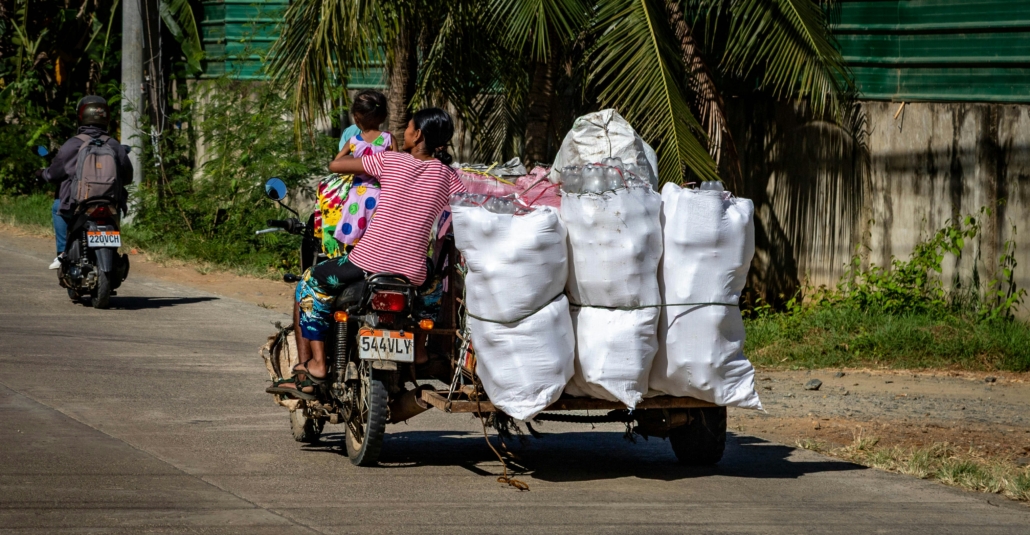 With the current dismantling of U.S. foreign aid programs, it is worth taking a closer look at what foreign aid has accomplished in developing countries so far. The Philippines is an excellent example. Since the 2000s, the country has seen rapid economic growth. With improvements to infrastructure and policy, progress is occurring. In 2023, the GINI index fell below the threshold for high inequality. Still, roughly one in five people live in poverty. Factors such as unequal opportunity, gendered social norms and oligarchic control over agricultural practices all contribute to sustained poverty. The Philippine government has continued fighting against poverty, with the world’s fourth largest conditional cash transfer program—the Pantawid Pamilyang Pilipino Program—leading to an approximate poverty reduction of 1.4% per year.
Recent Foreign Aid to the Philippines
With progress continuing along its slow and steady path, new challenges create new opportunities for the world to lend a hand. In recent years, foreign aid to the Philippines has fostered a number of positive outcomes in the areas of civil structure, health programs and disaster relief to name a few.
- Bangsamoro: The Bangsamoro is an autonomous territory in the Philippines that the Moro people primarily inhabit. It is the only Muslim-majority territory in the Philippines. After being marginalized and dispossessed of lands for years, war broke out between liberation groups and the Philippine army, claiming more than 120,000 lives</a>. Autonomy has since been granted as of 1996, and the peace process has been ongoing ever since. Today, Bangsamoro is being rebuilt with the help of civil society organizations and foreign aid. The United States, through USAID, has funded Forward Bangsamoro for the last 6 years, focusing on the enhancement of local governance. Thanks to this and other foreign aid to the Philippines, the territory’s first democratic election will take place in October 2025.
- HIV: Although the Asia Pacific Region has seen a reduction in HIV infections in the last decade, infections in the Philippines are rising quickly. Since 2010, there has been a 418% increase in HIV infections, and a 538% increase in AIDS-related deaths. With an ambitious goal of eliminating AIDS-related deaths by 2030, the Philippine government has partnered with others to address the crisis. In 2020, USAID committed $15.5 million to the government’s HIV/AIDS program. The epidemic is ongoing, but progress is occurring. Through pre-exposure prophylaxis drugs, condoms, anti-retroviral therapy medications and educational material, USAID has saved countless lives.
- Natural Disasters: The Philippines experience on average 20 tropical cyclones each year. The country is also located on the Pacific ring of fire, making it prone to earthquakes and volcanic eruptions. When these natural disasters take place, displacement and resource strain follow. Since 1996, the EU has funded more than €170 million to the Philippines. Indeed, more than €100 million of that has gone to disaster relief. In October 2024, when Tropical Storm Kristine affected approximately 7 million people in the Philippines, foreign aid was quick to follow with programs like USAID providing $5 million in relief and the World Food Program (WFP) providing cash assistance and transport support to nearly 2 million of the affected. To date, foreign aid efforts have provided $44 million so far with recovery efforts still underway.
Loss of US Foreign Aid
As the current United States administration continues to dismantle foreign aid programs, others step up to fill the void. Countries like Japan, Canada, Australia, the EU and the U.K. are all continuing their support. Furthermore, senators and philanthropists like Bill Gates, who says his Foundation will close in 2045, decrie Musk for USAID cuts.
Türkiye, Norway, Brunei, Malaysia, Japan, Australia and Switzerland have given substantial aid to the Bangsamoro peace project through mechanisms such as the Independent Commissioning Body, the International Monitoring Team and Financial Support.
A local HIV/AIDS program called Love Yourself is keeping its doors open through the USAID freeze, thanks to its self-sustaining model, government partnerships and proactive preparation for potential losses of funding. Thanks to these steps, all of their programs are still currently free, with the exception of deliveries.
Additionally, the World Food Programme (WFP) continues to aid those affected by natural disasters. They provide cash assistance to families in the Cagayan province, who additional heavy rains affected in early 2025. More than 60 countries fund the World Food Programme on an entirely voluntary basis.
With this continued supply of aid, and with the exception of the COVID-19 pandemic, poverty in all forms has been on the decline. The country plans to reach single-digit numbers by 2028.
Looking Ahead
The reality is that, in a world filled with complex relationships, help changes hands but is always offered somewhere. Poverty, inequality, hunger, disease and safety are all seeing progress over time. Although the dismantling of USAID will create immediate challenges, it will also produce new stories of the strength and compassion.
– Levi Ravnsborg
Levi is based in Summerland, BC, Canada and focuses on Good News for The Borgen Project.
Photo: Unsplash
