• Link to X
  • Link to Facebook
  • Link to Instagram
  • Link to TikTok
  • Link to Youtube
  • About
    • About Us
      • President
      • Board of Directors
      • Board of Advisors
      • Financials
      • Our Methodology
      • Success Tracker
      • Contact
  • Act Now
    • 30 Ways to Help
      • Email Congress
      • Call Congress
      • Volunteer
      • Courses & Certificates
      • Be a Donor
    • Internships
      • In-Office Internships
      • Remote Internships
    • Legislation
      • Politics 101
  • The Blog
  • The Podcast
  • Magazine
  • Donate
  • Click to open the search input field Click to open the search input field Search
  • Menu Menu

Tag Archive for: Poverty In Mexico

Posts

Global Poverty, Homeless, Slums

Cartolandia: Tijuana’s Town Made of Carton

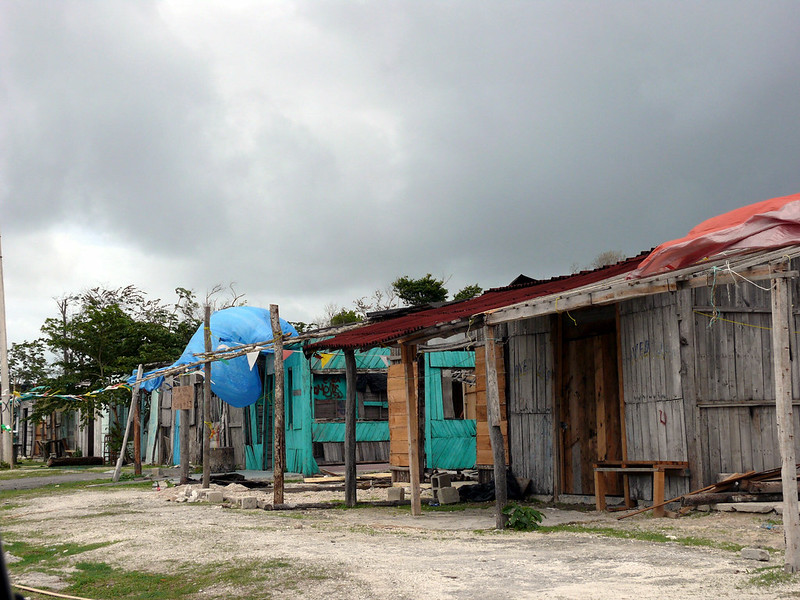
Cartolandia: Tijuana's Town Made of CartonIn the bustling metropolis of Tijuana, Mexico — where high-rise buildings, statued roundabouts and a large soccer stadium mark the skyline — a dirt road leads to a community built from cardboard. Its official name is Nueva Esperanza, which translates to New Hope. However, many locals refer to it as Cartolandia, or the Land of Cardboard. Within the developed city of Tijuana, the neighborhood functions almost independently, with its own homes, school and barbershops built from cardboard and other discarded materials.

Cartolandia’s Story

Cartolandia has been present in Tijuana since the 1950s. Most of these inhabitants were impoverished migrants from the southern parts of Mexico looking for higher wages. By the 1970s, Cartolandia had expanded to 1,000 recorded homes. Tijuana was experiencing a severe flooding crisis and this affected Cartolandia residents. Cartolandia was originally located in what is now Zona Río, a profitable area near the United States (U.S.) border. Under Gov. Milton Castellanos’ Todo por Nuevo Tijuana (Anything for a New Tijuana) project, the army raided and destroyed Cartolandia.  

With Cartolandia destroyed, the government was able to build the giant canal, which is protecting the city from future floods. Zona Rio, a profitable area due to its proximity to the U.S., is an affluent, popular and industrial area filled with theaters, restaurants and medical services serving not only Mexicans but also Americans. Yet, the people who once lived in Cartolandia were left homeless and unprotected. A new Cartolandia was established in Cañon del Padre, Tijuana, next to an Amazon warehouse. 

Amazon and Cartolandia’s Fame

The placement of a billion-dollar company’s warehouse next to a cardboard town experiencing extreme poverty drew strong backlash in 2021. Many viewed the plant and the town’s proximity as a contradiction and a clear depiction of global economic inequality. In response to the criticism, the Amazon plant removed its logo from the front of the building and temporarily closed. 

Cartolandia lacks paved roads, a reliable water supply and basic security. Reports suggest that police may not arrive until the next day after a robbery. The community has no plumbing system and only one school, leaving many basic needs unmet.

Looking Ahead

Residents of Cartolandia argue that Amazon should invest in the town by donating money, saying a billion-dollar company can afford to aid its workers living in extreme poverty. UCSD researcher Teddy Cruz and many in Tijuana also believe the responsibility lies with the government. Many nonprofits from both the U.S. and Mexico have taken action through donations and volunteer work. Notably, UniSocial and Los Niños de la Calle con Wendy have organized events and donated toys to the town’s children during the holiday season.

Cartolandia is a place where people without the economic resources to rent a property build their own homes out of cardboard or other found materials. The town has moved around in Tijuana since its beginnings in the 1950s. It seems like economic challenges still persist and that every time that Cartolandia almost disappears, it remerges in a new place in the city. From this, the answer is not to push away the town, but rather to create economic growth opportunities for the people of Nueva Esperanza.

– Andrea Roji

Andrea is based in San Diego, CA, USA and focuses on Politics for The Borgen Project.

Photo: Flickr

August 15, 2025
https://borgenproject.org/wp-content/uploads/borgen-project-logo.svg 0 0 Precious Sheidu https://borgenproject.org/wp-content/uploads/borgen-project-logo.svg Precious Sheidu2025-08-15 03:00:302025-09-04 09:15:12Cartolandia: Tijuana’s Town Made of Carton
environment, Global Poverty, Water Crisis

Fighting Climate-Driven Poverty in Mexico

Climate-Driven Poverty in MexicoIn Mexico, 36.3% of the population lives in poverty and is unable to earn the bare minimum income to afford to feed their families. However, this number has fallen drastically over the years. This promising progress has been accomplished through programs, including government welfare and raising the minimum wage.

Nonetheless, significant progress still needs to be made, especially in rural areas, where more than 40% of the population lives in poverty. For many of these communities, the economy is based on agriculture. In recent years, this source of income has been increasingly unstable as climate emergencies disrupt weather patterns.

Shifting Weather Patterns

In Mexico’s Yucatán state, the rainy season once began “roughly the same week every year… like clockwork,” said Dr. Ken Seligson, an anthropology professor at California State University, Dominguez Hills and an archaeologist based in Yucatán, in an interview with The Borgen Project.

With shifting weather patterns, the rainy season is much more unpredictable, affecting the livelihoods of subsistence farmers who need to optimize their schedules for planting crops. When their farms have lower yields, they are forced to pick up extra jobs, not to supplement their incomes, but to be able to put food on the table.

Climate-driven poverty in Mexico uproots routine. According to Seligson, this instability sparks desperation, forcing Mexican farmers with no choice but their last resort: “leaving their homes, going to the larger cities and seeking employment in the service industry.”

Low Water Supply

Seligson excavated an archaeological site in the hilly Puuc region in Yucatan, where groundwater only exists hundreds of feet below ground. Thus, families in Puuc address the destructive effects of the changing climate on their lives by utilizing traditional Mayan methods like harvesting rainwater in cisterns.

Even when long-awaited rain finally arrives, it’s often still not enough. In Mexico City, 2025 has seen one of the rainiest Junes in recent history. Yet the water supply remains low, severely affecting the most underserved communities and forcing the general population to conserve before taps run dry.

The infrastructure, such as pipes, is heavily damaged and leaking, preventing the supply of precious water to those who need it. Plus, the effects of sudden precipitation can be more destructive than beneficial for farmers as land now unaccustomed to rain suddenly experiences a dramatic downpour.

Organizations Staving Off Disaster in Mexico

Global nonprofit CADENA works to fight the effects of climate-driven poverty in Mexico, particularly among people in Chiapas. The organization provides humanitarian aid, but beyond that, it proactively engages with communities to train Mexicans to respond to coming disasters.

Some of CADENA’s key accomplishments:

  • Reconstructed the town of Miguel Hidalgo after multiple earthquakes destroyed hundreds of homes.
  • Supported Mexican communities facing El Niño-related disasters by teaching irrigation and traditional water collection methods like rainwater harvesting. These efforts help reduce the risk of water-related conflict, even if they can’t reverse the effects of the climate crisis.
  • Responded to Hurricane Otis in 2023, assisting with rebuilding thousands of homes after one of the most devastating storms in Mexico’s history.

Founded in 2007, the nonprofit Cantaro Azul ensures access to safe drinking water and sanitation in rural Mexico. In addition to its core mission, the organization has responded to several national crises, including:

  • The 2007 floods in Tabasco
  • The H1N1 epidemic in 2009–2010
  • Earthquakes in 2017
  • The 2019 migrant caravan arrivals
  • The COVID-19 pandemic

During the COVID-19 pandemic, Cantaro Azul launched a public awareness campaign and distributed hand sanitizer to vulnerable communities. The nonprofit also installed dozens of public handwashing stations, known as Safe Water Systems, which used UV Pitcher technology to purify water on-site and promote hygiene in areas with limited infrastructure.

In the wake of Hurricane Otis and Hurricane John, UNESCO supported Mexico’s coastal communities by using its Heritage Emergency Fund to restore cultural and educational institutions. It restaffed the San Diego Fort Historical Museum, a public space for learning and celebrating local culture. By doing so, people affected by disasters can become more resilient despite the struggles they have overcome. UNESCO’s workshops also tackled sexual abuse, migrant inclusion and recovering from grief.

Final Remarks

Besides its detrimental impacts on the planet, changing climatic conditions ultimately drive human problems, especially poverty. Climate-driven poverty in Mexico only exacerbates the instability of employment opportunities while also causing water scarcity and along with that, many other issues. Climate resilience looks a little different for every community. However, each nation unites in the global fight to protect the environment and, most importantly, its people.

– Klara Jones

Klara is based in Los Angeles, CA, USA and focuses on Good News and Technology for The Borgen Project.

Photo: Wikimedia Commons

August 13, 2025
https://borgenproject.org/wp-content/uploads/borgen-project-logo.svg 0 0 Hemant Gupta https://borgenproject.org/wp-content/uploads/borgen-project-logo.svg Hemant Gupta2025-08-13 01:30:372025-08-13 03:08:12Fighting Climate-Driven Poverty in Mexico
Developing Countries, Development, Education, Global Poverty

Education Reforms in Mexico

Education Reforms in MexicoIn the late ’80s and early ’90s, then-President Carlos Salinas de Gortari launched a nationwide program to modernize Mexico’s education system. He aimed to achieve this by improving textbooks and reforming the curriculum, all while continuing to work to close the equity gap. Since then, successive administrations have attempted various methods of improving educational outcomes, including the expansion of public universities and the establishment of compulsory basic education.

The current President of Mexico, Claudia Sheinbaum, took office in late 2024 and has since introduced a series of education reforms. These education reforms in Mexico fall under the Comprehensive Plan of the National Baccalaureate System, part of the New Mexican School framework originally developed by former President Andrés Manuel López Obrador. The plan is built on three core pillars:

  1. Comprehensive strengthening
  2. Integration
  3. Expansion

Comprehensive Strengthening

Sheinbaum aims to modernize the curriculum through conversations with educators and the establishment of educational equity programs. To achieve these goals, her administration would implement two programs: the Benito Juarez Universal Scholarship and the extension of the School is Ours program.

The Benito Juarez Universal Scholarship encourages students to enroll in upper secondary school by providing financial support to more than 5.6 million secondary school students. In the same vein, Sheinbaum plans to invest around 4.6 billion pesos (about $243 million) into the School is Ours program, which will ultimately benefit more than 6,000 schools nationwide by improving educator salaries and encouraging community involvement.

Integration

In addition to providing scholarships, the plan consolidates the existing 31 systems of secondary education into two: the National General Baccalaureate and the General Technological Baccalaureate. The unification brings about various benefits, including the reduction of administrative barriers when transferring between schools, easier transfer processes for students and teachers and equity in the quality of education.

As a part of the plan, the two systems of education will be validated by the National Polytechnic Institute and the National Technological Institute of Mexico, thus simplifying the transition between secondary and higher education.

Expansion

Sheinbaum hopes to expand educational offerings throughout the nation in an effort to increase equity and access. Through the plan, her administration sets forward to create 37,500 new spaces for students in upper secondary schools. She plans to achieve this by erecting 20 new high school campuses and expanding 30 already-existent but high-in-demand campuses.

In addition, 35 secondary schools that currently only offer morning classes will be converted to afternoon and evening schools, allowing more students to attend at flexible hours. By the end of six years, Sheinbaum hopes to have created more than 100,000 high school spots and 330,000 university slots.

Final Remarks

Though Sheinbaum has only been in office for a few months, her administration has made tangible progress in expanding educational access. With her six-year plan in action, she seeks to create an education system built on unity and equity. Suppose she continues to progress as she has in these past months. In that case, Mexico is on the way to ensuring quality education for its people.

– Ariana Wang

Ariana is based in Dallas, TX, USA and focuses on Technology and Solutions for The Borgen Project.

Photo: Unsplash

August 10, 2025
https://borgenproject.org/wp-content/uploads/borgen-project-logo.svg 0 0 Hemant Gupta https://borgenproject.org/wp-content/uploads/borgen-project-logo.svg Hemant Gupta2025-08-10 03:00:302025-08-09 23:36:23Education Reforms in Mexico
Gender Equality, Global Poverty, Women's Empowerment

Recognizing Women’s Unpaid Labor: A Growing Global Priority

Women’s Unpaid LaborEvery day, women and girls worldwide perform 12.5 billion hours of unpaid labor, accounting for more than three-quarters of all unpaid care work globally. Women’s unpaid labor is vital in supporting and strengthening families, communities and society. However, a commitment to care responsibilities prevents female economic participation.

According to the International Labor Organization (ILO), these duties keep 708 million women out of the labor market. Recognizing, valuing and supporting women’s unpaid labor by integrating care duties into policy and infrastructure creates greater access to women’s education, employment and leisure.

The Impact of Women’s Unpaid Labor

The effects of unpaid care work are especially pronounced for women in impoverished areas. In low-income countries, women in rural areas spend up to 14 hours daily on unpaid domestic duties. Among women aged 25 to 54, 379 million cite care responsibilities as why they are not part of the workforce. Those with lower levels of education and those living in rural areas face some of the highest barriers to economic participation.

This makes including care and investment in support systems critical to reducing poverty and advancing gender equality. However, countries worldwide are beginning to acknowledge the value of unpaid care work and taking steps to redistribute domestic responsibilities across public and private sectors.

Making Care Visible: Mexico

Increasing the visibility of women’s unpaid labor through empirical evidence is essential to recognizing its importance. According to the National Institute of Statistics and Geography (INEGI), unpaid domestic work accounts for 26.3% of Mexico’s gross domestic product (GDP). To help bring this issue to the forefront, U.N. Women has played a key role in generating and promoting access to data on care work. The economic value of women’s unpaid labor is now visible through tools like Supported Time Surveys and Satellite Account.

In partnership with institutions like El Colegio de Mexico and the National Institute for Women, U.N. Women launched the Care Map, a tool more than 21,000 people used to access information on care services. Its support for local governments also led to evidence-based strategies for establishing care districts, which can now be adopted in other states. Building on these national efforts, U.N. Women Mexico joined the Government of Mexico to create the Global Alliance for Care. The platform has more than 300 members, placing care at the center of public policy.

Creating a quality care system in Mexico is important in recognizing the value of unpaid domestic duties. Barriers preventing women’s economic participation can be overcome by reducing the burden of unpaid labor and treating care as essential infrastructure.

Addressing Time Poverty: Peru

Women in Peru average nearly 40 hours a week on commitments to unpaid labor, which accounts for 52% of their total work time. The physical and emotional burden of care work leaves many women in Peru time-poor, limiting their educational opportunities, political participation and professional advancement. Findings from the 2023-2024 Young Lives Surveys reveal that women and girls are less likely to be employed than their male counterparts, spending more daily hours on unpaid care work.

However, Peru has taken significant measures to lessen the demanding domestic duties placed on women. The Transforming Care Economies project, led by U.N. Women and funded by the Spanish Agency for International Development, has advanced opportunities for caregivers. Since its launch in 2023, more than 350 caregivers have enhanced their basic and personal care skills, improving the quality of support given to those in need.

Alongside this, 70 public officials have received training in care policies and 16 civil society organizations are actively supporting local care facilities. These achievements lay the groundwork for securing the right to quality care and improving caregivers’ lives locally, paving the way for broader institutional recognition and support. By addressing time poverty through improved care systems, Peru actively supports women’s empowerment and greater access to education, employment and participation in public life.

Transforming Women’s Work: Kenya

Oxfam’s 2019 Household Care Survey shows that women in Kenya spend an estimated five hours daily on care work, while men spend just one. The COVID-19 pandemic deepened this disparity, pushing many women out of paid employment as they took on increased caregiving responsibilities due to school closures, the shift to remote learning and the shutdown of child care services.

Access to quality child care reduces the burden of unpaid care work on women. Yet, services remain expensive for low-income families and are often limited to urban areas. This lack of access forces many mothers out of the workforce, especially in rural communities.

Kidogo, a Kenyan nonprofit founded in 2014, works to expand affordable, high-quality child care in low-income areas. Supporting working mothers in informal settlements improves their chances of securing better employment. Kenya’s largest child care provider, Kidogo, serves more than 9,500 children aged less than 5, consistently exceeding development milestones and performing well in primary school. The organization has also influenced key policy reforms, including the Nairobi City County Child Care Facilities Act (2017) and the County Early Childhood Education Bill (2018).

By recognizing and addressing the unequal distribution of care, Kenya can promote professional and personal growth for women.

Looking Ahead

Valuing and supporting unpaid care work is key to reducing poverty and advancing gender equality. Creating access to quality care systems allows women to gain time and opportunities for education, work and leadership. Investing in care as essential infrastructure empowers women, strengthens communities and builds a more just and inclusive economy.

– Beatrice Punt

Beatrice is based in Manchester, UK and focuses on Business and New Markets for The Borgen Project.

Photo: Flickr

July 29, 2025
https://borgenproject.org/wp-content/uploads/borgen-project-logo.svg 0 0 Hemant Gupta https://borgenproject.org/wp-content/uploads/borgen-project-logo.svg Hemant Gupta2025-07-29 01:30:552025-07-28 09:47:32Recognizing Women’s Unpaid Labor: A Growing Global Priority
Children, Global Poverty, Nonprofit Organizations and NGOs

Ciudad de los Niños: A Non-Profit’s Impact on Tijuana’s Children

Ciudad de los Niños (City of Kids): A Nonprofit's Impact on the Children of Mexico Ciudad de los Niños is a civil organization serving the community of Tijuana, Mexico. It offers a home for children from unsafe families, as well as childcare, psychological and educational programs. From a guiding value of co-responsibility, the nonprofit shares a commitment with society and families to protect, care for and support children experiencing social disadvantages. These disadvantages include financial hardship, mental health issues, disabilities and not having safe or reliable parental care. 

The Borgen Project spoke with Marta Beltrán, director of Ciudad de los Niños; Maryel Nieves, head of communications; Gladys, coordinator of CAI Albergue Infantil; and Cinthia Saavedra, coordinator of Unidad de Servicios Especializados, to gain further insight into the organization’s work. 

CAI Albergue Infantil (Children’s Shelter)

The Albergue Infantil is a shelter home for children who have experienced abuse or abandonment from their caregivers. The children’s cases are evaluated by the state. In this process, the children are moved to shelter homes like the Albergue Infantil offered by Ciudad de los Niños. There is no specific time frame for the length of cases, so children can spend anywhere from a few months to several years at the home.

Coordinator Gladys works directly with these children. She focuses on creating a family-like atmosphere and wants the children to have a loving and dignified childhood. She ensures that all fundamental emotional needs are met, guided by love.

Unidad de Servicios especializados (Unit of Specialized Services)

The Unidad de Servicios Especializados is Ciudad de los Niños’ psychological unit. Here, the nonprofit offers therapy to children and parents for mental health, trauma and disabilities.

Typically, the children are between 3 to 17 and a half years old. For kids with disabilities, the unit offers speech therapy, teaches sign language and provides hearing aids. For parents, they work with therapists outside the organization to connect them. Psychiatric services are included at the unit for patients who may need medication.

Prices are adjusted and decided after an assessment of family income. This allows low-income families to access needed psychological services. Equity is practiced, as the price is set using context and understanding of differing situations.

Initially, patients can have a hard time, as the therapists challenge them and help them confront difficult emotions. However, as treatment progresses, patients begin to feel proud of themselves for their successes. Similarly, the workers often have to figure out solutions, but feel very fulfilled seeing their patients’ progress.

Estancia Infantil (Day Care)

Ciudad de los Niños offers a daycare for working parents. To qualify for the program, both parents must be employed. However, the organization makes exceptions. If a parent is continuing their education, they may still qualify, since they cannot be with their child during class. Also, in consideration of summer vacation, children who are alone at home due to their parents’ working hours are accepted into the daycare. 

The daycare promotes equity, as low-income families can receive scholarships. Furthermore, the requirement helps ensure that working families have better access to childcare, as there is less competition from families with a stay-at-home parent.

Programa Educativo (Educational Program)

The children at Ciudad de los Niños attend public school and are further supplemented through educational programs at the organization. The organization connects with the schools to understand what each child needs to improve. They also focus on the students’ homework. Additionally, Ciudad de los Niños offers its own curriculum on art, plastic art and ecology.

The education program goes beyond its unit. It is present in all the aforementioned units, most notably at the Unidad de Servicios Especializados. In the case of mental disabilities, the unit implements pedagogy to provide effective aid to patients with neurodivergence.

All of the units work together. A child in the Albergue Infantil may go to therapy at the Unidad de Servicios Especializados and participate in the Programa Educativo after school for a concept they may not have understood at school.

Volunteers

Ciudad de los Niños welcomes volunteers across its programs, including at the Estancia Infantil, which supports young children. Volunteers assist with caregiving, play-based learning and basic needs such as organizing supplies. In the past, volunteers have donated school supplies and toys through independent fundraising efforts. The organization fosters a welcoming environment for volunteers, often including them in group activities and highlighting their contributions on social media.

Looking Ahead

Ciudad de los Niños offers direct aid to the community of children and even parents in Tijuana, Baja California, Mexico. At the Albergue Infantil, children are given a second chance at a childhood filled with love, respect and integrity that they did not receive in their original homes. At the Unidad de Servicios Especializados, children with mental disabilities or traumatic upbringings can seek healing and peace through the help of psychologists and therapists. Likewise, at the Estancia Infantil, hardworking parents receive child care support. This allows for social mobility, as parents can grow their careers or have two incomes instead of one. Finally, in the educational program, children receive further instruction in subjects like arts and ecology and receive help with their homework. Parents and children experiencing financial challenges, mental health concerns, disabilities and unsafe homes can find help at Ciudad de los Niños.

– Andrea Roji

Andrea is based in San Diego, CA, USA and focuses on Good News for The Borgen Project.

Photo: Ciudad de los Niños

July 28, 2025
https://borgenproject.org/wp-content/uploads/borgen-project-logo.svg 0 0 Precious Sheidu https://borgenproject.org/wp-content/uploads/borgen-project-logo.svg Precious Sheidu2025-07-28 09:45:572025-09-04 16:30:22Ciudad de los Niños: A Non-Profit’s Impact on Tijuana’s Children
Child Poverty, Global Poverty, Sports

How Boxing Helps Fight Poverty

Boxing Helps Fight PovertyBoxing has always helped those in poverty, especially children. Like other sports, it offers kids in poverty a safe place from a harmful environment. It teaches life skills that help them navigate out of poverty. Additionally, those who are talented enough have started careers in boxing after taking it up while in poverty; notable examples include George Foreman, Mike Tyson and Muhammad Ali. With the sport being so globally popular, impoverished people worldwide have shown how boxing helps fight poverty.

Ghana

Ghana has made significant progress in reducing poverty in recent decades. It boasts one of the 10 fastest-growing economies in the world and the second-largest economy in Africa as of 2018. Despite that, it still ranks 140th out of 189 countries on the Human Development Index and nearly a quarter of the population lives below the poverty line.

However, in the town of Bokum, boxing is a way for children to endure and overcome community violence. Furthermore, boxing helps fight poverty within the community. In makeshift gyms that spill onto the streets, with ropes forming improvised rings, locals turn to boxing for community and support from coaches. Boxing in Bokum is also highly competitive, as evidenced by the eight world champions that come from there. This helps young boxers hone their skills to make money to support themselves.

Boxing-related support in Ghana comes from nonprofits. For example, the Azzumah Nelson Foundation, founded by former Ghanaian world champion Azzumah Nelson, has built sports and education facilities where children can learn sports like volleyball, table tennis and boxing. The organization has also provided rural parts of the country with vocational training and health services.

Mexico

Mexico is a country plagued by significant poverty. Nearly 47 million people live in poverty and around 80% of all national wealth is held by the wealthiest 10% of the population. Poverty has forced many children into violent gang activities, causing those aged less than 25 to make up a third of all murders in Mexico as of 2013.

In response, the Mexican government is turning to boxing to keep its kids off the streets. In Mexico City, 42,000 people gathered for a large-scale boxing lesson led by boxing greats like Oscar de la Hoya and Julia Cesar Chavez. There, President Claudia Sheinbaum Pardo announced the Federal government’s “Stay Away from Drugs. Fentanyl Kills You” campaign and affirmed, “The people of Mexico say yes to education, sport, peace and love.”

The World Boxing Council (WBC) has also used its Cares Program to support and empower young people through its global influence. Whether it be building confidence through its KO Bullying Campaign or virtual seminars at juvenile detention centers during the pandemic, WBC Cares has worked to give children the skills and confidence necessary to avoid drugs and crime. Notably, the Boys and Girls Club CDMX and the State of Mexico offer a safe place for children to participate in developmental activities in the summer. According to the Executive Director, Alejandro Palomino, they served more than 240 young people in the summer of 2024.

Citizens themselves have been supporting their community through boxing. Under a bridge in Ecatepec de Morelos, the Ramirez family built a gym to give children an escape from drugs and crime. By day, head coach Miguel Ramirez sells street tacos and by evening, he trains young boxers, some of whom have gone on to win medals.

Cuba

Since Fidel Castro came to power, boxing and other sports have been a source of national pride for Cubans amid the financial hardship caused by their economic isolation. Their strong national boxing program and uniquely rhythmic style have helped them dominate Olympic boxing for decades and made it widely popular.

The island nation is considered to have some of the worst poverty in Latin America. In 2023, DataWorld reported that Cuba was the most indigent nation in Latin America. In 2024, the Cuban Observatory of Human Rights, an independent organization based in Madrid, reported from a study that almost 90% of the population lives in “extreme poverty.” Of those interviewed, 72% said the food crisis was the biggest problem.

Considering the hard living conditions for many Cuban children, boxing can offer both an outlet and a refuge. Employed by the Cuban government, coaches set up gyms, sometimes in empty lots, to scout for talented children who could move to more advanced national boxing academies. Boxers who are successful enough can even earn money for themselves and their family through professional prizefighting ever since the government lifted its ban in 2022.

Nonprofits also use boxing as a means to help people in Cuba. The Gloves of Hope, for example, collects donations to improve boxing facilities and equipment for women and children in Cuba. Similarly, the International Boxing Association donated 500 pairs of boxing gloves in 2024 to celebrate International Boxing Day.

Conclusion

Boxing in these countries is just one example of the positive effect sports can have for children, as it helps in the fight against poverty. Anytime children experiencing poverty engage in an activity that makes them healthier and stronger, mentally and physically, they give themselves a better chance at a brighter future. Furthermore, they’re also given a break from their harsh living conditions to have fun. Whether boxing or something else, sports should be shared with impoverished communities.

– Seth Pintar

Seth is based in La Jolla, CA, USA and focuses on Business and Politics for The Borgen Project.

Photo: Wikimedia Commons

July 13, 2025
https://borgenproject.org/wp-content/uploads/borgen-project-logo.svg 0 0 Hemant Gupta https://borgenproject.org/wp-content/uploads/borgen-project-logo.svg Hemant Gupta2025-07-13 03:00:462025-07-13 01:42:02How Boxing Helps Fight Poverty
Foreign Aid, Global Poverty, Humanitarian Aid

The Freeze on US Foreign Aid to Mexico

Foreign Aid to MexicoThe U.S. freeze on humanitarian aid has left many of Mexico’s private humanitarian organizations defunded. In Tijuana, Baja California, centers for migrants, low-income and houseless folk are experiencing trouble. A Mexican city so close to the U.S. is experiencing such a different reality than the U.S. city of San Diego. These organizations provided help with job search, medical care, psychological care, food, childcare and shelter. According to a report from inewsource, the freeze severely cut funding to dozens of programs that aided Mexico’s vulnerable population.

The Bigger Picture

Though the U.S. may only spend 1% of its federal budget on foreign aid, the impact is still strong. By withdrawing foreign aid to Mexico, the U.S. has hurt a lot of Mexico’s humanitarian organizations, ultimately hurting the people that are most in need. Some more examples of Mexican organizations affected by the freeze in foreign aid are Casa Frida, Comunidad AVES, Peace Oasis of the Holy Spirit Amparito shelter, Asylum Access Mexico and the Federal Mission Commission for Refugee Assistance. All of these organizations help asylum seekers and refugees with ranges of services.

Conversely, remittances from the U.S. to Mexico continue and are a strong source of foreign aid to Mexico. Remittances often work by Mexican immigrants working in the U.S. and sending the money they earn to their families back at home for a better means of life. Normal workers are leading this cash flow into Mexico, not the government, and they are not suitable for institutional humanitarian programs.

The Importance of Foreign Aid

Inequality threatens national security. According to the American Foreign Service Association, strategic foreign assistance can prevent instability, reduce the need for costly military interventions and strengthen global partnerships. It is never good to have one nation struggling so much, as it can lead to a potential uprising. Foreign aid has been a proven form of violence prevention.

One-third of Mexico’s population (or 36.3%) lived in poverty in 2022 and an additional 7.1% of Mexico’s population lived in extreme poverty. This is more than 40% of the population.

Given Mexico’s large population in poverty, foreign aid to Mexico is incredibly useful for the country. Mexico has used foreign aid in sectors like security and justice, economic development, humanitarian assistance and border security. An example of how foreign aid was used is in the Merida Initiative. This initiative fell under the security and justice sector and now La Merida is one of the safest places in Mexico. Foreign aid is important to Mexico.

Mexico’s Foreign Aid Outlook

Political analysts suggest that under their new president, Claudia Sheinbaum, Mexico may start investing more in regional humanitarian efforts, further positioning itself as a regional leader in Central America. Oxford Analytica reports that this shift could lead to increased support for international aid programs. Though the U.S. may not be sending foreign aid to Mexico for the time being, other countries are still offering their support like France, Japan, Uruguay, Chile and Spain.

The freeze on U.S. foreign aid to Mexico has led to widespread funding cuts for humanitarian organizations that support vulnerable populations. While remittances and other nations continue to provide support, the absence of the structured assistance that U.S. aid once offered is felt. With poverty affecting over 40% of Mexico’s population, the lack of foreign aid to Mexico hurts people in need. As Mexico navigates this change, the long-term effects of reduced U.S. support remain to be seen.

– Andrea Roji

Andrea is based in Chula Vista, CA, USA and focuses on Good News and Global Health for The Borgen Project.

Photo: Unsplash

July 4, 2025
https://borgenproject.org/wp-content/uploads/borgen-project-logo.svg 0 0 Jennifer Philipp https://borgenproject.org/wp-content/uploads/borgen-project-logo.svg Jennifer Philipp2025-07-04 07:30:242025-07-04 03:11:58The Freeze on US Foreign Aid to Mexico
Global Poverty, Women's Rights

Women in Mexican Leadership

Women in Mexican LeadershipMany countries have broken the glass ceiling with the election and faith of female leaders. Some of these known women include former Chancellor of Germany, Angela Merkel, Bolivian President, Lidia Gueiler Tejada, and American Vice President Kamala Harris. There are many women in leadership roles, trailblazing the path for more women, not only in privileged countries such as the USA, but in revolutionary ones like its neighbor, Mexico.

Mexico has witnessed many shifts in leadership in the 21st century that have caused many struggles for its residents. From drug lords to domestic abuse to bleak working conditions to a poor economy. The citizens of Mexico have known injustice and poverty.

First Female President

One woman has given herself the responsibility to seek that change for her people. New Mexican leader, President Sheinbaum. She can be attributed to a majority of the recent progress of women and girls in the country of Mexico.

Mexico’s governmental structure has not exactly catered to women, having placed them in weaker areas between the two quotas (horizontal and vertical), which translates to the ranking of the politician. In the vertical system, if the ​​alcalde (mayor) is a man, then a síndico (trustee) must be a woman to balance the powers. In the horizontal system, the added requirement is to have candidate genders be balanced alongside both parties of the state, which adds another layer to a more feminist government. Even as the stronger option for equality, the horizontal system still requires tweaking and improvement.

How Are Gender Biases Changing?

With 60% of the vote, President Sheinbaum became the leader to lead a new era for Mexico, to level the playing field for women. Even with a long way to go, she has taken this opportunity to ensure the safety of women and girls, to provide equal opportunities for women and to increase public security.

Her legislative efforts have empowered women to seek out more for themselves in all areas of their lives: professionally and in society, producing more women in Mexican leadership roles. President Claudia Sheinbaum’s recent legislative vision includes a Constitutional Amendment for Substantive Equality, constitutional reforms, the Ministry of Women and the most recent launch of the Pension Program for Older Women.

What Female Leadership Brings

U.N. Women data states, “In Mexico, 88.9% of legal frameworks that promote, enforce and monitor gender equality under the SDG indicator [Sustainable Development Goals], with a focus on violence against women, are in place” which is a good sign of progress, yet women still face sexual abuse and domestic violence at a high rate and carry the load of doing unpaid domestic work. With changing expectations, women can take charge of their assets, career and choice of marriage.

Having a background in climate science, President Sheinbaum holds a unique view on politics and has taken action on environmental affairs as the former President’s [López Obrador] environmental minister. Impacts she has made include driving electric transit, the use of renewable energy and the production of electric cars.

Feminist Policies in Motion

Leading up to Sheinbaum’s presidency, Mexico had a balanced gender representation with 50.2% of women making up the congress. Mexico is also one of the countries whose public and foreign policy centers around women’s rights. Sheinbaum’s new policies are with feminist-led having immediate effect on the increase of femicide (in 2024, nearly 800 reports, according to WOLA) and homicide persecutions (nearly 3,000 reports, according to WOLA), destroying rape culture (more than 21,000 reports, according to WOLA), dismantling harmful gender stereotypes like assuming men make better leaders by ways of the Constitutional Amendment for Substantive Equality and the Ministry of Women addressing how Mexico could act for equality to the Elimination of Discrimination against Women (CEDAW) Committee.

Mexico’s leadership initiative of the National Care System has improved child support with the establishment of more daycares, providing a better chance for women to work alongside their male counterparts, decreasing the pay gap and increasing the value of women’s work, according to WOLA.

Luckily, the government has decriminalized abortion, yet the level of accessibility still remains an issue. With this concern in mind and many others, President Sheinbaum is challenged by producing budgets that will lend to more humanitarian resources. Further challenges are changing current policies to reflect a more feminist outlook including Mexico’s military and the percentage of women wrongfully incarcerated.

A Personal Reflection

On a first-hand account, Laura Lorena Robles Ruiz, beauty entrepreneur and State Commissioner of COESPRISSON reflects back on her experiences and visions for Mexico. In these roles, she has managed to open spaces for women, accompanying them, teaching them, and empowering them through her experience and training. Despite personal and economic challenges, she continues to contribute to society.

“Although Mexico still has a long way to go, it has taken firm steps towards equality. I am proud to see more and more women in Mexican leadership positions, bravely undertaking new ventures, earning their place with dignity, and demonstrating that their participation is not just a quota, but a strategic value derived from their capabilities. I am proud to have been an active part of this change, contributing from my public, business, and educational trenches,” she shared with The Borgen Project.

“Today, I continue to advocate for a Mexico where women live with freedom, security, and real opportunities—a Mexico where we can grow, shine, and enjoy life without asking for permission. I see my two daughters living this way, and I know that when a woman transforms herself, she also transforms her family, her community, and her country. President Sheinbaum has reshaped Mexican leadership to be more inclusive and humanitarian,” Laura Lorena Robles Ruiz added.

Women in Mexican Leadership: The Future

In daily life, Mexican women still face poor public policies that support single moms, domestic abuse cases, and rooted cultural biases. Programs like Mujeres con Bienestar have chosen the responsibility to reshape Mexican society. Pensions for older women give more control and recognition to women’s economics. Reform and constitutional changes have mended the gender wage gap (Article 123), recognizing the equality of women and men. Women in Mexican leadership are represented in the current cabinet far greater than it was before.

President Sheinbaum’s future presidency ensures a more positive attitude towards Mexico’s maturation as a country. Indeed, along with the first female president, Mexico has witnessed more female political participation, almost 40% representation in STEM, more entrepreneurship, greater representation of gender violence (#NiUnaMenos) and new cultural standards in media. In her leadership, the elevation of women will continue to be at the forefront of policy and Mexican culture.

– Melody Aminian

Melody is based in Irvine, CA, USA and focuses on Good News for The Borgen Project.

Photo: Flickr

June 27, 2025
https://borgenproject.org/wp-content/uploads/borgen-project-logo.svg 0 0 Naida Jahic https://borgenproject.org/wp-content/uploads/borgen-project-logo.svg Naida Jahic2025-06-27 01:30:112025-06-27 02:14:54Women in Mexican Leadership
Economy, Global Poverty

IKEA’s Impact on Poverty in Oaxaca

Poverty in OaxacaOaxaca, a state in Mexico’s southeastern region, stands out as one of the country’s most impoverished areas. Combined with waning social challenges, complex demographics and highly mountainous geographical positions, Oaxaca in 2025 trails Guerro by 0.1% for the second neediest state in the nation. Moreover, with a gross domestic product (GDP) per capita of approximately $4,500, Oaxaca falls dramatically short of the national average, reaching only 44%. A staggering 66.4% of the population in Oaxaca lives below the national poverty line and 23.3% endure extreme poverty.

Compounding Oaxaca’s poverty are ineffective planning and investment systems. This, alongside the absence of a cohesive financial management operation, disadvantages the state’s ability to address the needs of its most vulnerable populations.

The Place of the Seed

Oaxaca is a vibrant region rich in cultural heritage, home to approximately 1.2 million Indigenous individuals. This state boasts the second-highest concentration of Indigenous residents in Mexico, reflecting a diverse tapestry of languages and traditions. In Oaxaca, people communicate in 23 distinct languages, each reflecting a unique identity and heritage, showcasing the region’s deep-rooted connection to its ancient past.

However, each year, a heartbreaking wave of Indigenous individuals departs from the hillside villages of Oaxaca, journeying to the United States (U.S.) in search of economic opportunities. Also, they aim to escape from a stifling political climate that obstructs progress in the region’s most impoverished rural areas.

This persistent lack of development compels natives to abandon their ancestral lands, leaving behind the homes and communities they cherish. In response to this pressing issue, IKEA has initiated initiatives to make a positive difference.

The IKEA Social Entrepreneurship Program

The IKEA Social Entrepreneurship program aims to foster positive social and economic change by partnering with social entrepreneurs and enterprises. Indeed, program initiatives involve supporting businesses that address social and environmental issues, providing jobs and offering unique products and services to IKEA customers. The program offers various forms of financial support, including grants, loans and investments, while focusing on scaling social businesses to drive economic reform and poverty reduction.

Supporting Economic Reform

IKEA Social Entrepreneurship has partnered with the World Wildlife Fund (WWF) to launch an innovative initiative called the Community Conservation program. This multifaceted approach aims to harmoniously blend environmental conservation, sustainable agricultural practices and the promotion of dignified livelihoods.

Through collaboration, IKEA aims to cultivate a more sustainable future while amplifying marginalized voices within the Zapotec community. Such efforts focus on the vibrant Oaxaca region of Mexico, supporting the initiatives of 13 dedicated social entrepreneurs, six women-led, deeply committed to fostering sustainability and community well-being.

Some of these social enterprises include Águilas en el Maguey, a cooperative of 10 Zapotec women dedicated to cultivating high-quality Mezcal agave; Alternativa Agrícola Suchixtepec, an organic farm specializing in the raising and sale of rabbits; and Emprendedoras de Tierra Blanca, a collective of Zapotec women producing organic vanilla and coffee.

Long-Term Impact

IKEA committed to a transformative three-year partnership to benefit 1,500 individuals in Mexico. The partnership prioritizes the Indigenous Zapotec community, who depend on the land for their livelihoods. By bolstering the 13 enterprises, Oaxaca can utilize sustainable practices to abolish poverty, including efficient production methods, optimized commercialization strategies, innovative product design and greater market access.

Additionally, the Community Conservation program will foster sustainable economic growth and actively empower women and youth by integrating them into governance and decision-making processes. Ultimately, this approach seeks to create a lasting financial impact on the community, promoting greater autonomy and resilience among its members.

Final Thoughts

IKEA’s community conservation enterprises (CCEs) actively deliver ongoing economic benefits while also advancing conservation efforts that help alleviate Oaxaca’s poverty. These enterprises create new job opportunities that invigorate the local economy by seamlessly blending sustainable ecosystem practices with agricultural initiatives.

Utilizing a holistic approach not only enhances the quality of life in Oaxaca but also significantly reduces poverty levels. Furthermore, this in turn curbs migration among the Oaxacan population. Similarly, through individual efforts, CCEs preserve the natural environment and extend support to impoverished communities.

In totality, the Community Conservation program will help protect Oaxaca’s rich natural heritage, empowering local communities with resilient economic opportunities that respect people and the planet.

– Marcus Villagomez

Marcus is based in Galveston, TX, USA and focuses on Business and New Markets for The Borgen Project.

Photo: Flickr

April 29, 2025
https://borgenproject.org/wp-content/uploads/borgen-project-logo.svg 0 0 Hemant Gupta https://borgenproject.org/wp-content/uploads/borgen-project-logo.svg Hemant Gupta2025-04-29 01:30:482025-04-30 03:11:23IKEA’s Impact on Poverty in Oaxaca
Global Poverty, Indigenous Women, Mental Health

IDIL: Mental Health Access for Indigenous People in Oaxaca

IDIL: Mental Health Access for Indigenous People in Oaxaca The United Nations General Assembly (UNGA) has designated 2022 to 2032 as the International Decade of Indigenous Languages (IDIL). The United Nations Educational, Scientific and Cultural Organization (UNESCO) leads global efforts to support this initiative. In Mexico, the project La Enfermedad de la que Nadie Habla en el Pueblo (ENHP) aims to expand access to mental health information and services. It does so by providing resources in Indigenous languages and incorporating Indigenous perspectives.

The International Decade of Indigenous Languages

The UNGA established the International Decade of Indigenous Languages (IDIL 2022-2032) to fulfill the objectives of the United Nations Declaration on the Rights of Indigenous Peoples. Throughout this decade, initiatives focus on preserving, revitalizing and promoting Indigenous languages worldwide. The Australian Government reports that many of these languages have reached a critical level of endangerment.

UNESCO estimates that approximately 40% of languages spoken will no longer be in use a century from now. Indeed, many are likely to be Indigenous languages. During International Decades, global facilitators coordinate action and mobilizations to raise awareness on a particular topic. La Enfermedad de la que Nadie Habla en el Pueblo is one example of coordinated action for IDIL. 

“La Enfermedad de la que Nadie Habla en el Pueblo”

Indigenous youths developed the project La Enfermedad de la que Nadie Habla en el Pueblo (ENHP), which translates to The illness nobody talks about in the village, to make mental health information accessible in Indigenous languages. ENHP successfully provided information in 30 Indigenous languages, addressing a critical gap in health communication. In a UNESCO article, the director of the Network of Interpreters and Intercultural Promoters, Eduardo Ezequiel Martínez Gutiérrez, stated that at least 30% of Oaxaca’s population is not fluent in their doctor’s or government’s language, a key issue ENHP aims to solve. The project also trains interpreters to act as intermediaries in mental health spaces.

According to Socialab, 65% of Indigenous people in Oaxaca, who speak up to 177 linguistic variants, cannot engage with content in Spanish. In response, the ENHP produced short videos with interpreters from various Indigenous communities. These videos discuss the symptoms of anxiety and depression and offer coping strategies. The project’s translation and interpretation efforts exemplify the goals of the International Decade of Indigenous Languages by improving access to mental health care for Indigenous peoples in a culturally relevant context.

Implementation of ENHP

The UNESCO program Impulso Joven, “Because Youth Matter,” awarded $10,000 in startup capital to 20 youth projects across 11 Caribbean and Latin American countries, including ENHP. Impulso Joven also provided practical workshops, training sessions and mentorship. The ENHP project unfolded in four stages. Initially, each interpreter completed a course on emotional disorders and mental health. In the second stage, interpreters adapted the course content to be culturally and linguistically relevant for Indigenous territories. Following this, the third stage involved the creation of audio and video materials. Finally, in the fourth stage, the team distributed these materials to Indigenous communities to help reduce the stigma around mental health.

Importance of Reconceptualization

ENHP’s efforts to reinterpret mental health information plays a crucial role in making mental health resources accessible to more Indigenous Peoples. This approach aligns with the goals of the International Decade of Indigenous Languages. The goals focus on actions supporting the United Nations Declaration on the Rights of Indigenous Peoples. The American Psychiatric Association (APA) has studied the barriers Indigenous Peoples in the United States (U.S.), Canada, the Pacific Islands and Australia face in accessing mental health services. These barriers include mistrust of mainstream services, social stigma associated with seeking help, insufficient awareness to recognize signs of poor mental health and the challenges of accessing mental health services in remote areas.

APA emphasizes that barriers to accessing mental health services for Indigenous populations should be viewed within the broader context of systemic, structural and societal challenges. Sandra García Reyes, an educator with ENHP, told UNESCO that mental health and self-care are integral to community care. ENHP has reinterpreted mental health information from a Western perspective to a holistic and relational approach. Furthermore, they take into account the intergenerational impacts of forced assimilation, relocation and discrimination.

Impacts of the IDIL

IDIL provides a framework for collaboration among diverse stakeholders, promoting coherence, continuity and cross-cultural dialogue in actions taken worldwide. IDIL is a global call to develop policies and make strategic investments to protect and revitalize Indigenous languages and support their speakers. According to UNESCO, IDIL involves 4,213 communities from 60 countries and 1,772 organizations. Across these communities, 202 languages are spoken and 2,635 events have been organized to recognize IDIL. Projects like La Enfermedad de la que Nadie Habla en el Pueblo exemplify how youth-led initiatives can enhance the lives of Indigenous communities by incorporating intersectional, community and cultural perspectives while safeguarding their languages.

– Tanisha Groeneveld

Tanisha is based in Leeds, UK and focuses on Good News and Global Health for The Borgen Project.

Photo: Flickr
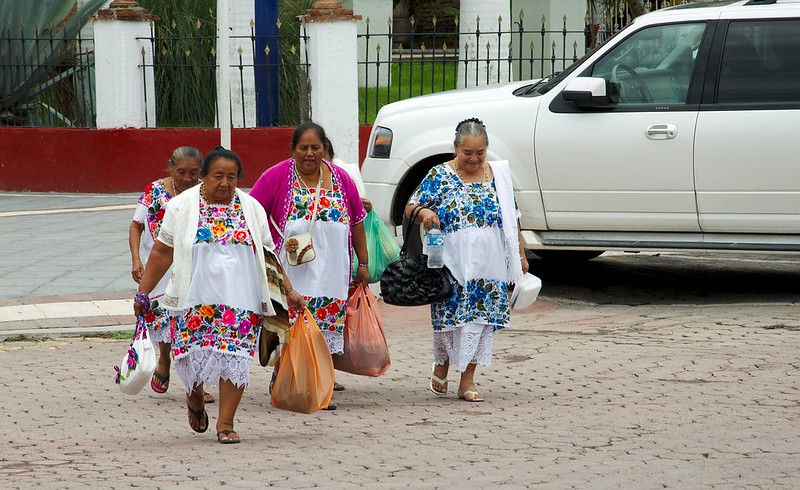
October 23, 2024
https://borgenproject.org/wp-content/uploads/borgen-project-logo.svg 0 0 Precious Sheidu https://borgenproject.org/wp-content/uploads/borgen-project-logo.svg Precious Sheidu2024-10-23 01:30:062024-10-23 00:59:45IDIL: Mental Health Access for Indigenous People in Oaxaca
Page 3 of 512345

Get Smarter

  • Global Poverty 101
  • Global Poverty… The Good News
  • Global Poverty & U.S. Jobs
  • Global Poverty and National Security
  • Innovative Solutions to Poverty
  • Global Poverty & Aid FAQ’s
Search Search

Take Action

  • Call Congress
  • Email Congress
  • Donate
  • 30 Ways to Help
  • Volunteer Ops
  • Internships
  • Courses & Certificates
  • The Podcast
Borgen Project

“The Borgen Project is an incredible nonprofit organization that is addressing poverty and hunger and working towards ending them.”

-The Huffington Post

Inside The Borgen Project

  • Contact
  • About
  • Financials
  • President
  • Board of Directors
  • Board of Advisors

International Links

  • UK Email Parliament
  • UK Donate
  • Canada Email Parliament

Get Smarter

  • Global Poverty 101
  • Global Poverty… The Good News
  • Global Poverty & U.S. Jobs
  • Global Poverty and National Security
  • Innovative Solutions to Poverty
  • Global Poverty & Aid FAQ’s

Ways to Help

  • Call Congress
  • Email Congress
  • Donate
  • 30 Ways to Help
  • Volunteer Ops
  • Internships
  • Courses & Certificates
  • The Podcast
Scroll to top Scroll to top Scroll to top