Ciudad de los Niños: A Non-Profit’s Impact on Tijuana’s Children
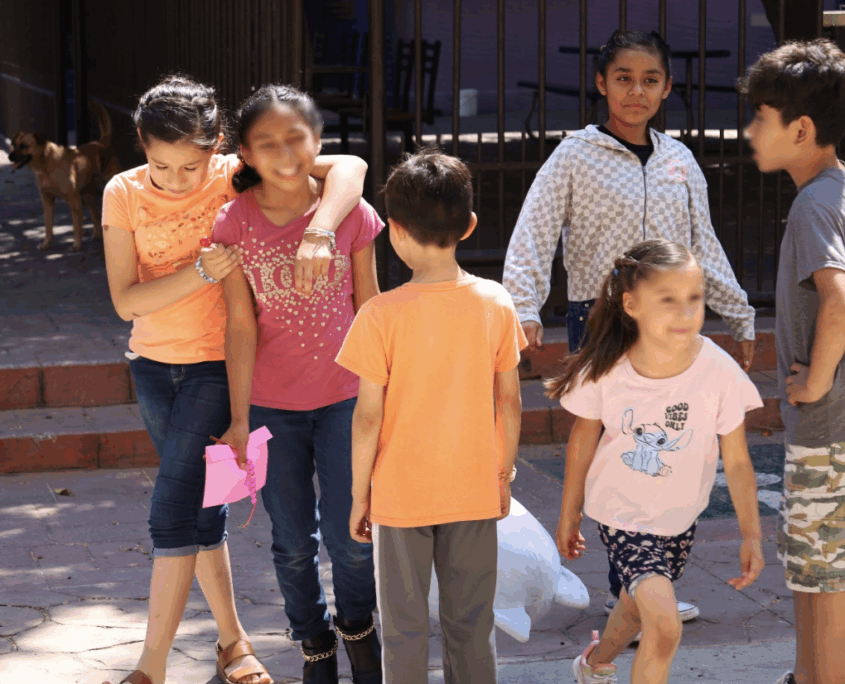 Ciudad de los Niños is a civil organization serving the community of Tijuana, Mexico. It offers a home for children from unsafe families, as well as childcare, psychological and educational programs. From a guiding value of co-responsibility, the nonprofit shares a commitment with society and families to protect, care for and support children experiencing social disadvantages. These disadvantages include financial hardship, mental health issues, disabilities and not having safe or reliable parental care.
The Borgen Project spoke with Marta Beltrán, director of Ciudad de los Niños; Maryel Nieves, head of communications; Gladys, coordinator of CAI Albergue Infantil; and Cinthia Saavedra, coordinator of Unidad de Servicios Especializados, to gain further insight into the organization’s work.
CAI Albergue Infantil (Children’s Shelter)
The Albergue Infantil is a shelter home for children who have experienced abuse or abandonment from their caregivers. The children’s cases are evaluated by the state. In this process, the children are moved to shelter homes like the Albergue Infantil offered by Ciudad de los Niños. There is no specific time frame for the length of cases, so children can spend anywhere from a few months to several years at the home.
Coordinator Gladys works directly with these children. She focuses on creating a family-like atmosphere and wants the children to have a loving and dignified childhood. She ensures that all fundamental emotional needs are met, guided by love.
Unidad de Servicios especializados (Unit of Specialized Services)
The Unidad de Servicios Especializados is Ciudad de los Niños’ psychological unit. Here, the nonprofit offers therapy to children and parents for mental health, trauma and disabilities.
Typically, the children are between 3 to 17 and a half years old. For kids with disabilities, the unit offers speech therapy, teaches sign language and provides hearing aids. For parents, they work with therapists outside the organization to connect them. Psychiatric services are included at the unit for patients who may need medication.
Prices are adjusted and decided after an assessment of family income. This allows low-income families to access needed psychological services. Equity is practiced, as the price is set using context and understanding of differing situations.
Initially, patients can have a hard time, as the therapists challenge them and help them confront difficult emotions. However, as treatment progresses, patients begin to feel proud of themselves for their successes. Similarly, the workers often have to figure out solutions, but feel very fulfilled seeing their patients’ progress.
Estancia Infantil (Day Care)
Ciudad de los Niños offers a daycare for working parents. To qualify for the program, both parents must be employed. However, the organization makes exceptions. If a parent is continuing their education, they may still qualify, since they cannot be with their child during class. Also, in consideration of summer vacation, children who are alone at home due to their parents’ working hours are accepted into the daycare.
The daycare promotes equity, as low-income families can receive scholarships. Furthermore, the requirement helps ensure that working families have better access to childcare, as there is less competition from families with a stay-at-home parent.
Programa Educativo (Educational Program)
The children at Ciudad de los Niños attend public school and are further supplemented through educational programs at the organization. The organization connects with the schools to understand what each child needs to improve. They also focus on the students’ homework. Additionally, Ciudad de los Niños offers its own curriculum on art, plastic art and ecology.
The education program goes beyond its unit. It is present in all the aforementioned units, most notably at the Unidad de Servicios Especializados. In the case of mental disabilities, the unit implements pedagogy to provide effective aid to patients with neurodivergence.
All of the units work together. A child in the Albergue Infantil may go to therapy at the Unidad de Servicios Especializados and participate in the Programa Educativo after school for a concept they may not have understood at school.
Volunteers
Ciudad de los Niños welcomes volunteers across its programs, including at the Estancia Infantil, which supports young children. Volunteers assist with caregiving, play-based learning and basic needs such as organizing supplies. In the past, volunteers have donated school supplies and toys through independent fundraising efforts. The organization fosters a welcoming environment for volunteers, often including them in group activities and highlighting their contributions on social media.
Looking Ahead
Ciudad de los Niños offers direct aid to the community of children and even parents in Tijuana, Baja California, Mexico. At the Albergue Infantil, children are given a second chance at a childhood filled with love, respect and integrity that they did not receive in their original homes. At the Unidad de Servicios Especializados, children with mental disabilities or traumatic upbringings can seek healing and peace through the help of psychologists and therapists. Likewise, at the Estancia Infantil, hardworking parents receive child care support. This allows for social mobility, as parents can grow their careers or have two incomes instead of one. Finally, in the educational program, children receive further instruction in subjects like arts and ecology and receive help with their homework. Parents and children experiencing financial challenges, mental health concerns, disabilities and unsafe homes can find help at Ciudad de los Niños.
– Andrea Roji
Andrea is based in San Diego, CA, USA and focuses on Good News for The Borgen Project.
Photo: Ciudad de los Niños
