Cartolandia: Tijuana’s Town Made of Carton
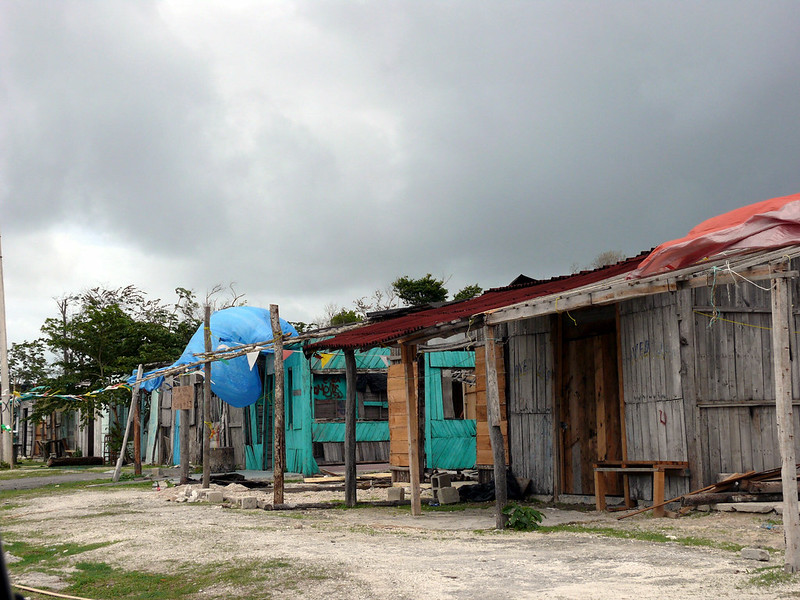 In the bustling metropolis of Tijuana, Mexico — where high-rise buildings, statued roundabouts and a large soccer stadium mark the skyline — a dirt road leads to a community built from cardboard. Its official name is Nueva Esperanza, which translates to New Hope. However, many locals refer to it as Cartolandia, or the Land of Cardboard. Within the developed city of Tijuana, the neighborhood functions almost independently, with its own homes, school and barbershops built from cardboard and other discarded materials.
Cartolandia’s Story
Cartolandia has been present in Tijuana since the 1950s. Most of these inhabitants were impoverished migrants from the southern parts of Mexico looking for higher wages. By the 1970s, Cartolandia had expanded to 1,000 recorded homes. Tijuana was experiencing a severe flooding crisis and this affected Cartolandia residents. Cartolandia was originally located in what is now Zona Río, a profitable area near the United States (U.S.) border. Under Gov. Milton Castellanos’ Todo por Nuevo Tijuana (Anything for a New Tijuana) project, the army raided and destroyed Cartolandia.
With Cartolandia destroyed, the government was able to build the giant canal, which is protecting the city from future floods. Zona Rio, a profitable area due to its proximity to the U.S., is an affluent, popular and industrial area filled with theaters, restaurants and medical services serving not only Mexicans but also Americans. Yet, the people who once lived in Cartolandia were left homeless and unprotected. A new Cartolandia was established in Cañon del Padre, Tijuana, next to an Amazon warehouse.
Amazon and Cartolandia’s Fame
The placement of a billion-dollar company’s warehouse next to a cardboard town experiencing extreme poverty drew strong backlash in 2021. Many viewed the plant and the town’s proximity as a contradiction and a clear depiction of global economic inequality. In response to the criticism, the Amazon plant removed its logo from the front of the building and temporarily closed.
Cartolandia lacks paved roads, a reliable water supply and basic security. Reports suggest that police may not arrive until the next day after a robbery. The community has no plumbing system and only one school, leaving many basic needs unmet.
Looking Ahead
Residents of Cartolandia argue that Amazon should invest in the town by donating money, saying a billion-dollar company can afford to aid its workers living in extreme poverty. UCSD researcher Teddy Cruz and many in Tijuana also believe the responsibility lies with the government. Many nonprofits from both the U.S. and Mexico have taken action through donations and volunteer work. Notably, UniSocial and Los Niños de la Calle con Wendy have organized events and donated toys to the town’s children during the holiday season.
Cartolandia is a place where people without the economic resources to rent a property build their own homes out of cardboard or other found materials. The town has moved around in Tijuana since its beginnings in the 1950s. It seems like economic challenges still persist and that every time that Cartolandia almost disappears, it remerges in a new place in the city. From this, the answer is not to push away the town, but rather to create economic growth opportunities for the people of Nueva Esperanza.
– Andrea Roji
Andrea is based in San Diego, CA, USA and focuses on Politics for The Borgen Project.
Photo: Flickr
