 With half of the world’s population comprising of females, period poverty affects millions of women and girls on an ongoing monthly basis. Defined by ActionAid as the lack of access to safe, hygienic menstrual products and an inability to manage menstruation with dignity, period poverty remains prevalent in many least-developed and developing countries worldwide. But how common is period poverty in the Balkans?
PaRiter, a Croatian human rights organization and Jana Kocevska, a North Macedonian female rights activist and founder of Tiiit! Inc., collaborate to highlight and address inequality and period injustice affecting women and girls in the Balkans. Its efforts focus on raising awareness and advocating for systemic changes to address these challenges.
The Balkan Case
The Balkans, a region on Europe’s mountainous southeastern peninsula, includes countries like Albania, Bosnia and Herzegovina, Bulgaria, Croatia, Kosovo, North Macedonia, Romania, Serbia and Slovenia. Historically, this area has experienced long periods of instability and conflict, leading to significant disparities between these countries and the rest of Europe, particularly its Western counterparts.
Multidimensional poverty remains high, with 34% of people in Kosovo living below $6.85 per day according to the World Bank’s poverty line for upper-middle-income countries. In contrast, the number of people living below this threshold in the rest of Europe amounts to only 2%.
Period Poverty in Croatia
With this lack of socio-economic development, gender-based poverty has increasingly been scrutinized. A study conducted by PaRiter in 2021 indicated that 9.9% of participating women in Croatia sometimes did not have the financial resources to buy enough sanitary products, while 28.1% were forced to buy cheaper items of worse quality.
Until 2023, Croatia imposed a 25% tax on tampons, which was then reduced to 15%. This tax cut marks progress in combating period poverty, yet the ongoing stigma around menstruation and limited access to affordable, quality sanitary products still cause disparities. Many women and girls, due to these barriers, miss work or school, further increasing their vulnerability.
However, through PaRiter’s initiative, many educational institutions across Croatia have implemented a trial run providing free sanitary products to people who menstruate. In response, Marinella Matejcic, women’s rights and reproductive justice program lead from PaRiter, stated “We are happy not only with the fact that many educational institutions and local administrations have decided to take action but also because a paradigm shift has taken place regarding the topics considered suitable to be addressed in a public debate. The battle against period poverty is an issue of public interest that overcomes ideological differences.”
Interview with North Macedonian Female Rights Activist
Croatia sets an example for other Balkan countries with its advanced public and health care infrastructure. Unlike Croatia, nations like Bosnia and Herzegovina, North Macedonia, Kosovo and Serbia still grapple with limited access to modern gynecology and contraceptive methods. Rural areas in these countries often face challenges in accessing clean water and their health facilities, underdeveloped and burdened with outdated perspectives on female sexual and reproductive health, further exacerbate the disparities in women’s health care.
In an interview, North Macedonian Jana Kocevksa described that “Menstrual Justice is about opening the debate, acknowledging that menstruation is an important natural phenomenon related to sexual and reproductive health” and that “politics leading to ending menstrual poverty should be systematically supported by the national health program.”
On October 4, 2023, North Macedonia joined the UNECE-WHO/Europe Protocol on Water and Health as the 28th member, committing to enhance health and hygiene support in its minority and rural communities. This initiative marks a crucial step in addressing disparities in menstrual hygiene by focusing on clean water access. However, to fully combat period poverty, the country recognizes the need to expand education and awareness campaigns to dismantle the stigma associated with menstruation.
In its survey, PaRiter pointed out that a key factor of period poverty was that many women felt shame and embarrassment around menstruation, indicating a severe gap in the current education system. Kocevska suggests that the solution “can only be achieved with political and well managed public health politics, emphasizing that “Menstrual justice means that marginalized people and minorities, people in different age groups or urban or rural areas, should all have equal access to knowledge on menstruation, periods free of stigma and clean period products.”
Period Poverty: Destigmatization
Efforts by organizations like PaRiter and activists such as Kocevska have raised awareness of period poverty in the Balkans, yet ongoing discussions are crucial to identify further areas for development. Many countries in the region lag behind their European counterparts in health and education, often clinging to outdated views on menstrual and reproductive health.
Efforts to educate on sexual health and women’s reproductive rights may need to undergo systemic changes at both local and national levels. This is critical to dismantling the stigma associated with menstruation and women’s cycles, ultimately aiming to eradicate period poverty in the Balkans.
As PaRiter’s Matejcic states, “For the idea of menstruation as something dirty to be definitively deconstructed and or the menstrual cycle to be destigmatized, it is necessary to introduce sexual education in school to educate citizens. Embarrassment and shame are fought with knowledge.”
– Zoe Winterfeldt
Photo: Unsplash
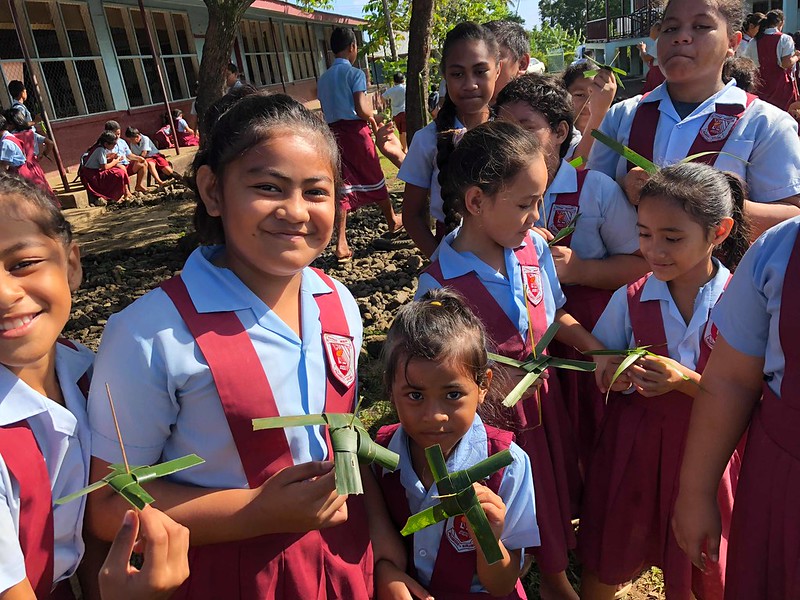 Samoa is made up of nine islands in the South Pacific Ocean. It is about halfway between Hawaii and New Zealand. According to UNICEF and the World Health Organization (WHO), period poverty in Samoa affects
 Joining the fight to
  Period poverty means a woman or girl is unable to afford sanitary products to properly manage menstruation. In 2017, research showed that a
 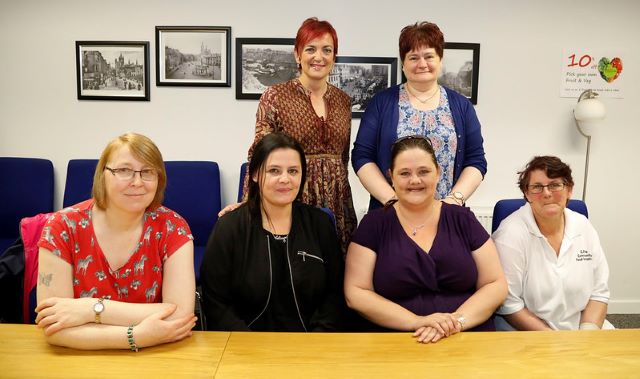 On November 24, 2020, a groundbreaking moment occurred that changed the struggle against period poverty. The Scottish Parliament passed the
 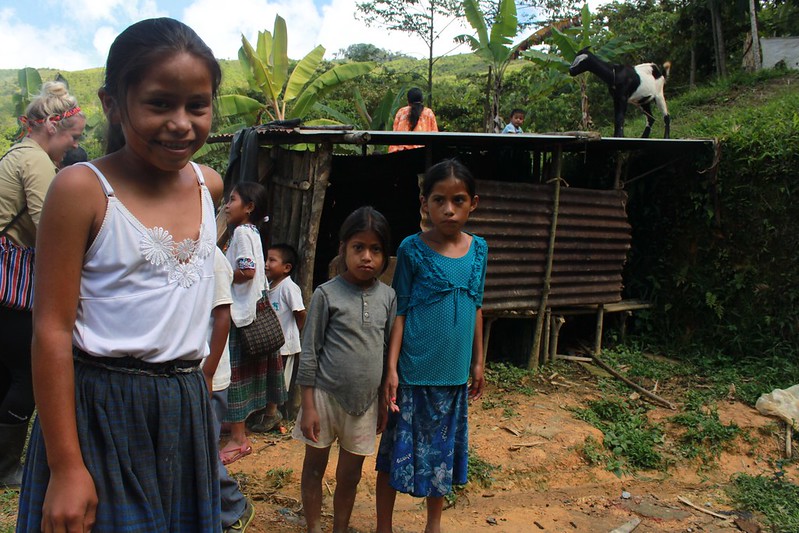 Period poverty in Guatemala weighs heavily on the country’s women and girls. The lack of access to hygiene management education and proper sanitation tools forces young girls out of school for days at a time. As young girls grow up in Guatemala, they are met with a challenge. Specifically, their menstruation cycle. Not only is this a milestone in their personal lives but also a limitation. The lack of access to necessary feminine products forces girls to stay home for days. However, as technology evolves and resources are found, many organizations are working to end period poverty in Guatemala and beyond.
 Pakistan, a country in South Asia, has the world’s fifth-largest population and spans more than 800,000 square kilometers. Pakistan has a
 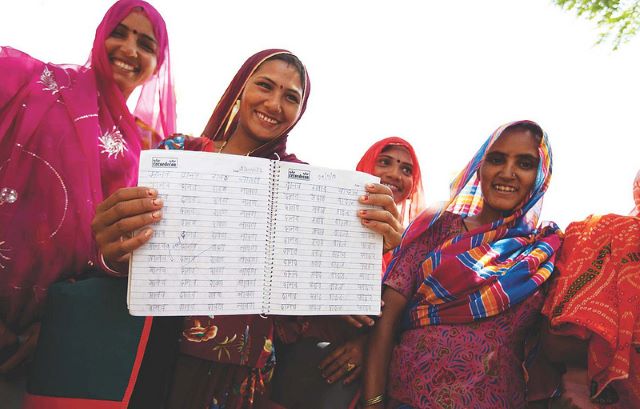 Globally, women are faced with the invisible burdens of gender inequality which are entrenched deeply within institutional structures and communities as a whole. These prejudices may limit a woman’s access to higher employment and assistance programs, ultimately leading to higher rates of poverty, especially among women of color. As of 2018, the
 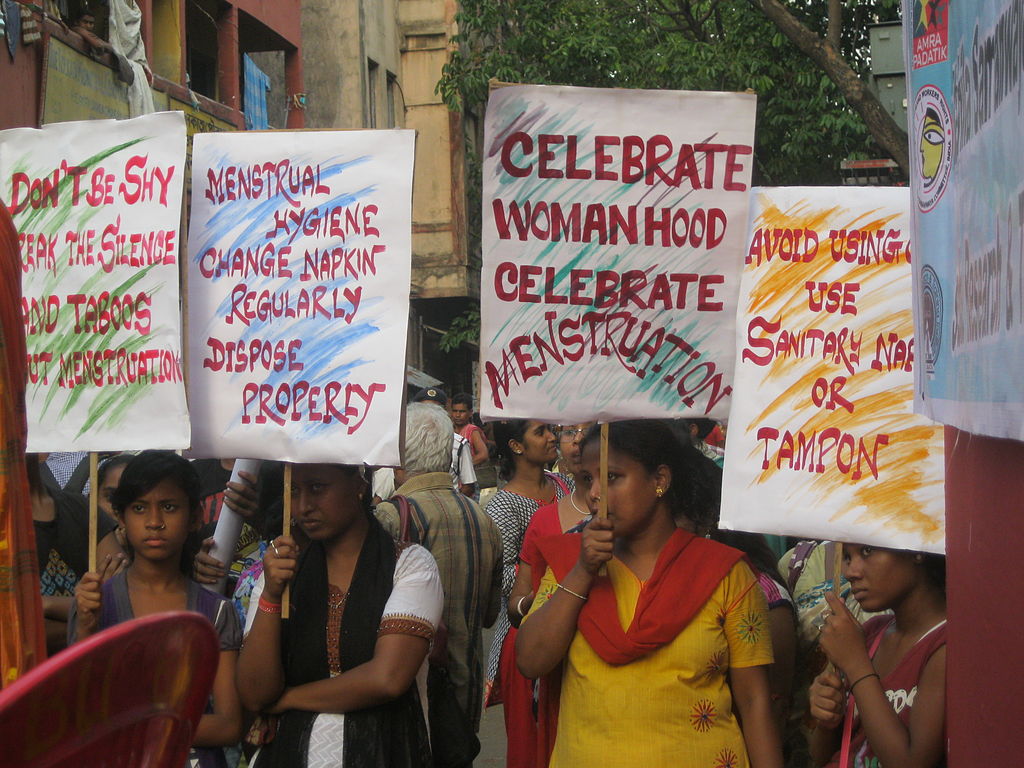 Millions of women and girls around the globe are affected by