Period Poverty in Samoa
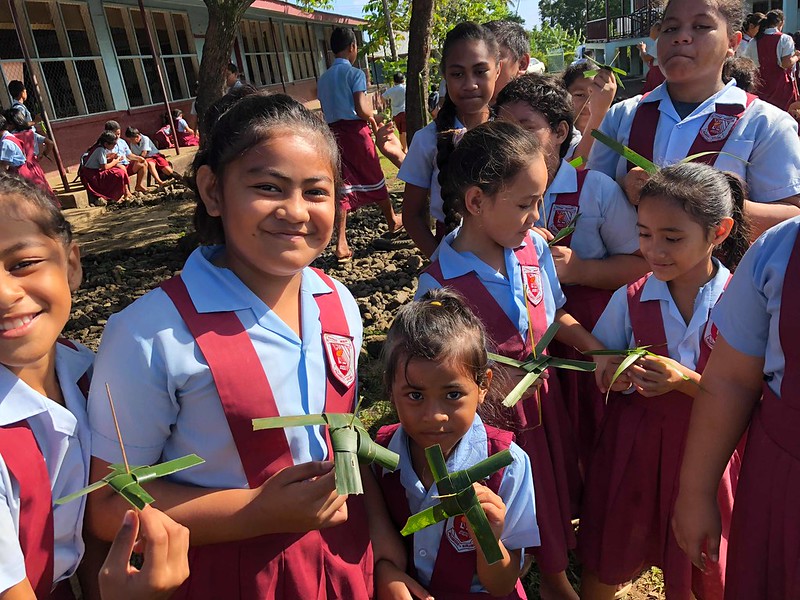 Samoa is made up of nine islands in the South Pacific Ocean. It is about halfway between Hawaii and New Zealand. According to UNICEF and the World Health Organization (WHO), period poverty in Samoa affects one in five women. Period poverty means that women do not have access to the appropriate menstrual products and basic sanitation during menstruation. It affects millions of women throughout the world and can lead to many challenges for women and girls.
How Period Poverty Affects Women
There are health challenges that can arise when women are not getting the proper sanitation or products when menstruating. If there is a lack of sanitation, women may wear products for too long, which can lead to infections such as toxic shock syndrome. Toxic shock syndrome occurs when a tampon is left in for too long; it can progress rapidly, which can lead to shock, renal failure and death. Lack of menstrual products or sanitation can also lead to irritation.
Period poverty in Samoa can affect the mental health of girls and women, as many of them feel shameful when menstruating. Women may begin to isolate themselves by sleeping or living separately. Women may also begin to ask for a leave of absence to hide a period. Over time, this can lead to depression and anxiety.
Period Poverty in Samoa
Period poverty in Samoa causes many girls living in remote areas to not attend school while menstruating. This is because they do not have the proper products needed during a period. Period products can be expensive to purchase, so some women may resort to using other things or nothing at all. When girls skip school, they miss out on opportunities to learn, which impacts their ability to rise out of poverty, considering that education is a proven pathway out of poverty.
Samoa, along with the other Pacific Islands, has the lowest rate in the world for basic drinking water and sanitation services. According to the U.N. water report, in 2020, only 55% of people had access to drinking water and only 30% had sanitation services. This can make it extremely difficult for girls and women who are menstruating. Due to a lack of clean water, girls and women are unable to maintain proper hygiene while menstruating.
Making a Difference
Angelica Salele is a Samoan entrepreneur who is striving to fight period poverty in Samoa. On May 28, 2018, she launched MANA Care Products, a startup that produces reusable sanitary pads locally in Samoa and provides impoverished or low-income Samoan girls and women access to more affordable and sustainable menstrual products. The business is normalizing menstruation and addressing menstrual stigma through open discussions in Samoa. It is also part of the Pacific Menstrual Health Network, which strives to help Pacific women and girls understand their menstrual health rights throughout their lives.
There are limited solutions to fight period poverty in Samoa. Salele believes that MANA Care Products will be the solution that Samoan women need. Reusable sanitary pads are designed to help women continue to work and attend school while menstruating, live a normal life and have an affordable option.
There is also work underway to help restore the water system in Samoa. An article published in March 2023 on the U.N. Sustainable Development Group website highlights that the U.N. worked with partners and communities in Samoa to create the Vai O Le Ola (Water of Life) Report in preparation for the March 2023 U.N. Water Conference in New York. The report “draws on insights from these consultations to set out a response to the Triple Planetary Crisis and propose integrated approaches of restoring the quality and resilience of Samoa’s water system,” the website says. The National Human Rights Institution in Samoa is also discussing legislating the right to “a clean, safe and sustainable environment.”
A Promising Future
Although period poverty in Samoa is still a significant concern, local entrepreneurs are taking action to ensure the health and well-being of impoverished girls and women in Samoa through creative, affordable and sustainable innovations.
– Abby Trussell
Photo: Flickr
