• Link to X
  • Link to Facebook
  • Link to Instagram
  • Link to TikTok
  • Link to Youtube
  • About
    • About Us
      • President
      • Board of Directors
      • Board of Advisors
      • Financials
      • Our Methodology
      • Success Tracker
      • Contact
  • Act Now
    • 30 Ways to Help
      • Email Congress
      • Call Congress
      • Volunteer
      • Courses & Certificates
      • Be a Donor
    • Internships
      • In-Office Internships
      • Remote Internships
    • Legislation
      • Politics 101
  • The Blog
  • The Podcast
  • Magazine
  • Donate
  • Click to open the search input field Click to open the search input field Search
  • Menu Menu

Tag Archive for: Period Poverty

Posts

Global Poverty, Period Poverty

Reenpad: Reducing Period Poverty in Tanzania

Period Poverty in TanzaniaReenpad, founded in 2021, is a female-founded social enterprise that is seeking to tackle period poverty by providing sustainable menstrual products in Tanzania. Tanzania is home to more than 68 million people in East Africa. An estimated 2 billion people menstruate each month across the planet. However, around 500 million of these people struggle to afford and access appropriate menstrual hygiene products or clean and safe sanitation facilities to manage their periods with dignity. With more than half the population of Tanzania living on less than $3 a day, Reenpad provides women and girls with cost-effective and sustainable menstrual products in Tanzania to empower them and conserve the climate.

Periods and Poverty

Periods and poverty are deeply intertwined, so much so that the phrase “period poverty” has been coined. Millions of people are still unable to afford menstrual hygiene products or do not have access to clean and safe water and sanitation facilities, such as private toilets. Instead, many women and girls across the planet are forced to use toilet paper, cloth or a sponge to maintain some menstrual hygiene. Others have no access to anything at all. As a result, many women and girls miss out on days of education or work every month, which only worsens their economic situation, putting their health, freedom and rights at risk.

Stigma and discrimination are major factors in perpetuating period poverty. Many countries do not educate young people on periods, and therefore, many people are completely unaware and unprepared for their first period. Those in policymaking positions are also affected by the stigma around menstruation, where a lack of consideration for clean and private sanitation facilities in places of education or employment means people do not feel comfortable going to school or work while menstruating.

Reenpad

Doreen Urio is a social innovator and is the founder of Reenpad, a social enterprise committed to making menstrual health products both accessible and affordable in Tanzania. With 51% of the Tanzanian population living on less than $3 a day, the monthly cost of and access to traditional menstrual products is a burden to many women and girls. To achieve its mission of reducing period poverty and empowering women and girls, Reenpad began producing and distributing sustainable menstrual products in Tanzania, such as reusable pads.

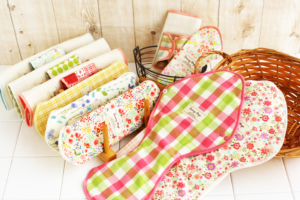
Reusable pads help women and girls reduce their monthly expenses as they are far more cost-effective than traditional disposable menstrual products. Their durable quality allows them to be washed and reused for several years. As well as being cost-effective, they are also a more sustainable, eco-friendly option for the environment, reducing the waste that comes from traditional menstrual hygiene products in Tanzania and across the globe. Traditional single-use sanitary pads typically end up in landfill and can take between 500 and 800 years to break down, and some materials used in production will never decompose.

Urio was inspired to begin this mission after losing a close friend to uterine cancer, after dealing with the pain of endometriosis. Reenpad understands that menstrual health is a key factor and signifier of an individual’s overall health. As such, as well as providing sustainable menstrual products in Tanzania, Reenpad also offers products that help with hormonal skin outbreaks and menstrual cramps. The organization educates women and girls on how to understand their menstrual cycle, helping to break down stigma and taboos.

Reenpad offers more than providing knowledge and sustainable products for menstrual cycles. Many employment opportunities for local low-income women and girls have been created thanks to Reenpad, broadening its social impact by helping to further tackle poverty in Tanzania.

Looking Ahead

The work done by Urio and Reenpad in providing education, jobs and sustainable menstrual products in Tanzania supports women living in period poverty. Providing these accessible and affordable products offers women and girls years of dignity and empowers them by removing one barrier to education and employment. The environmental benefit of these products supports the case for sustainable menstrual products as a model going forward.

– Stephanie Gable

Stephanie is based in Wales, UK and focuses on Global Health and Politics for The Borgen Project.

Photo: Pexels

April 23, 2026
https://borgenproject.org/wp-content/uploads/borgen-project-logo.svg 0 0 Precious Sheidu https://borgenproject.org/wp-content/uploads/borgen-project-logo.svg Precious Sheidu2026-04-23 07:30:522026-04-23 02:00:18Reenpad: Reducing Period Poverty in Tanzania
Education, Global Poverty

How the Sehlumile Project is Saving Girls’ Education in Zimbabwe

girls' education in Zimbabwe Every month, more than 2 billion people around the world menstruate. That is an expensive experience for women all around the world, whether they need medical attention or a sanitary pad, but for those in countries like Zimbabwe, the price is girls’ education and self-confidence. According to UNICEF, 76% of surveyed girls in both rural and urban areas reported that they did not have the basic information to help them understand and therefore cope with the changes happening to their bodies during adolescence.

In addition, 62% of girls in Zimbabwe miss school during their periods, which demonstrates that the stigma surrounding a woman’s body is costing much more than a pink tax. There is a global poverty of information happening, derived from cultural shame and a lack of understanding about women’s health.

Girls’ Education in Zimbabwe

It may come as no surprise that Zimbabwe struggles with female school attendance, given the issues with feminine health care and period poverty. In fact, when UNICEF reviewed 50 studies on menstrual hygiene management (MHM), it found that dysmenorrhea, or period pain, was a major complaint amongst teenage girls, yet despite the effect on their quality of life and these girls’ education, medical care was not sought out.

These reviews also showed the reasons for this inaction, being that the same girls felt shame and low self-esteem due to embarrassment. In Zimbabwe, 70% of rural schools reported having no clean water or soap needed for menstruating girls. The 62% of girls missing school due to this issue of shame equates to a lost 20% of the school year.

Further research shows that only 14% of girls finish higher secondary level education. This drastic drop in the completion of girls’ education emphasises the obstacle of ignoring feminine health care, as does the fact that 76.5% of women, as of 2024, work in vulnerable employment. The absence of a formal and comprehensive education has immeasurable knock-on effects for a girl’s future economic opportunities, and therefore, the intersectionality between female health care, girls’ education, and professional exclusion is unavoidable.

The Efforts

None of this is to say that work is not being done. Charities and NGOs are working to encourage girls to stay in school, such as Education Out Loud, which interviews and empowers young girls in primary school. One girl, Tabeth Jasi, stated, “When I came to Nyakabau Primary School, I identified Period Poverty as a barrier to education,”  and detailed how 15 of every 20 girls regularly missed school during their periods, losing up to four days every month. Working to instil pride and confidence in young girls before they feel the effects of socially embedded shame is invaluable to promoting their education, medically and academically speaking.

A group that highlights the shifting mindset in Zimbabwe are the Zimbabwe Medical Students Association (ZiMSA), which has worked to unite and represent the issues previously sidelined in their health care system. One of its projects is the Sehlumile initiative, which translates to “she has sprouted”. A transformative project such as this reframes the idea of female health care, rewriting the narrative of stigmatised menstruation. Sehlumile started in 2021, at a time when there was a gross secondary level enrolment rate of 46% for girls.

The initiative helped distribute more than 600 reusable pads, reaching more than 100 girls in awareness training and support sessions, and recording that 50% of girls in Zimbabwe now have better access to resources and information, which has allowed them to stay in school.

The Future

The effect ZiMSA and Sehlumile have had on the country can be seen at a political level as well as an educational one. In the 2025 national budget, Zimbabwe’s government allocated approximately $3.27 million to provide free feminine hygiene resources in schools to safeguard girls’ education, according to Education Out Loud. This contribution reinforces the government’s efforts on their Girls’ Education Accelerator (GEA) grant that aims to improve their schools’ infrastructure to create a more equal environment that further decreases female dropout rates.

The landscape of female health care and education in Zimbabwe looks brighter thanks to the efforts of these students and volunteers, and the hope is that with continued efforts, all girls will have the resources to follow any path they desire, uninhibited by a lack of confidence or knowledge.

– Jaya Noonan

Jaya is based in London, UK and focuses on Good News and Global Health for The Borgen Project.

Photo: Flickr

March 17, 2026
https://borgenproject.org/wp-content/uploads/borgen-project-logo.svg 0 0 Naida Jahic https://borgenproject.org/wp-content/uploads/borgen-project-logo.svg Naida Jahic2026-03-17 03:00:222026-03-16 12:17:57How the Sehlumile Project is Saving Girls’ Education in Zimbabwe
Global Poverty, Innovations, Women

From Papyrus Waste to Sanitary Pads: MakaPads in Uganda

MakaPadsUganda produces large quantities of papyrus and other plants found in wetlands. However, for many years, their by-products were ignored while imported sanitary pads dominated the market. For many girls and women, especially in rural areas, those imported pads are too costly or hard to find, contributing to widespread unmet menstrual hygiene needs.

A national audit published in January 2025 found that 64% of female students miss school regularly because sanitary materials and proper water, sanitation and hygiene (WASH) facilities are lacking. In this context, MakaPads emerged as a social enterprise, through which local engineers and social entrepreneurs began producing sanitary pads from papyrus reeds and recycled paper. MakaPads’ aim was straightforward: create a hygiene product affordable enough for low-income families while relying on materials available in Uganda itself.

MakaPads Project

The manufacturing remains deliberately low-tech and locally based. Papyrus stems are harvested from wetlands, stripped into fibers or pulp, mixed with recycled paper and shaped into absorbent pads. The finished pads are reportedly up to 95% biodegradable, chemical-free and cost roughly half as much as many imported pads available on the Ugandan market.

MakaPads has also provided employment and economic opportunity, particularly for women from vulnerable backgrounds. According to the project’s own documentation, production at its peak involved as many as 225 people, including both skilled and unskilled workers, as well as refugees, across various factories and stages of production. In one refugee camp factory at Kyaka II, a 2015 report describes 76 women employed, producing more than 800 pads daily and scaling production from 30,000 pads in 2009 to more than one million in 2014.

Women involved in production reported earning enough to cover their children’s school fees or invest in small assets, such as land or motorcycles, illustrating the tangible economic benefits of the project.

Social Impact and Challenges

On the social side, users and distributors have reported that locally made pads have helped reduce reliance on improvised alternatives, such as cloth and rags, which are often uncomfortable, unhygienic and stigmatizing. One user in the camp, Evelyne Banyamisa, reported that access to MakaPads allowed her to maintain consistent school attendance and participate fully in daily activities during her menstrual cycle.

However, the initiative has faced challenges. The UNHCR contract to supply pads to refugee camps was discontinued in 2015 after a quality inspection by the Uganda National Bureau of Standards (UNBS) revealed deficiencies. Some users also noted limitations, including leakage on heavier flow days, narrow pad width and occasional odor issues, highlighting the ongoing need to balance affordability, accessibility and product quality.

Final Remarks

Despite these setbacks, MakaPads remains a rare example of a social enterprise that simultaneously addresses menstrual health, local employment and environmental sustainability through low-cost, biodegradable sanitary products. Nevertheless, MakaPads demonstrates what community-rooted, resource-aware innovation can achieve: a model that combines menstrual hygiene with local manufacturing, environmental sustainability and economic opportunity. In a country where period poverty affects the majority of schoolgirls, low-cost, biodegradable pads made from native plant waste stand out as a hopeful, home-grown solution.

– George Horberry

George is based in York, UK and focuses on Technology and Global Health for The Borgen Project.

Photo: Flickr

January 3, 2026
https://borgenproject.org/wp-content/uploads/borgen-project-logo.svg 0 0 Lynsey 2 https://borgenproject.org/wp-content/uploads/borgen-project-logo.svg Lynsey 22026-01-03 01:30:102025-12-22 00:17:13From Papyrus Waste to Sanitary Pads: MakaPads in Uganda
Global Poverty, Period Poverty

Addressing Period Poverty in Uganda

Addressing the Period Poverty Crisis in Uganda Uganda’s population is 50.7% women and girls, a percentage that translates to 23.2 million, and approximately 65% of those women and girls do not have proper access to menstrual health and hygiene products. This means over half of the female population is struggling to manage their periods hygienically. Being part of this percentage often means missing school or work and facing health threats such as urinary tract infections, dermatitis and mental health concerns like reduced self-esteem. However, period poverty can be addressed with the help of nonprofit organizations and government interventions.

About Period Poverty

Organizations such as the United Nations Children’s Fund (UNICEF) and the Pan African Think Tank define period poverty as inadequate access to menstrual hygiene health, products and education. This includes the inability to access pads, tampons or menstrual cups, as well as inadequate washing facilities, improper waste management and lack of education. While period poverty stems from multiple causes, the most frequently discussed is economic insecurity.

Period poverty is experienced by women and girls globally. Not every girl facing this issue is experiencing economic insecurity, but low- and middle-income areas are heavily affected. Families battling low income may not have proper access to menstrual or hygiene products or washing facilities due to inflation. According to a 2022 article by Context, prices of menstrual products in African countries doubled over a short period. In Ghana, where the inflation rate was 32%, prices rose from 5 Ghanaian cedi in 2021 to 12 in 2022. Low-income homes across Africa, including Uganda, sometimes reject their daughters’ requests for sanitary pads to afford food. As a result, 1 in 10 women and girls living in Sub-Saharan Africa miss school during their periods, accounting for about 20% of the academic school year.

Lack of Sanitation Facilities and Menstrual Education

Economic insecurity is not the only contributing factor. Another major driver is the lack of basic sanitation facilities in schools. More than 1.5 billion people worldwide do not have access to basic sanitation, such as private toilets. This alone keeps many girls out of school, as facilities may not be clean or may lack proper waste-disposal methods.

A final driver of period poverty is the lack of menstrual education. This affects girls by perpetuating stigmas and preventing them from understanding essential information about their menstrual cycle. In several countries, girls with periods face harmful cultural norms, including being labeled as “dirty” or restricted from certain activities. These stigmas stem from the lack of menstrual education provided in schools. Without basic knowledge of regular and irregular bleeding, hygiene needs or what symptoms require attention, girls may face health risks such as UTIs, dermatitis and unsafe practices such as transactional sex.

Period Poverty in Uganda and Its Effects on Girls

Affording and accessing menstrual necessities remains a widespread challenge in Uganda. More than half of the country’s female population is unable to meet their menstrual health needs. While the Government of Uganda has acknowledged period poverty as a critical issue that limits women and girls both developmentally and educationally, the problem remains prevalent.

“Ugandan girls would use old rags, clothes, and even toilet paper when they were on their period,” said Irene Nakitende, a Ugandan student at the University of North Texas, during a speech on period poverty.

Nakitende experienced period poverty in her youth in Uganda and recalled the main issues that contributed to it, including lack of education and sanitation facilities, as well as bullying. Many families could not afford pads and prioritized food instead. Because of this lack of products, girls often resorted to alternatives that led to leakage. Stained clothing resulted in embarrassment and bullying, causing many girls to stay home every month for one to five days and miss an average of 20% of classes during the school year.

The primary impact period poverty has on Ugandan girls is access to education. In Uganda, 19.8% of girls missed school at least once during the year because of their periods, and 17.3% reported absenteeism specifically during menstrual days. Missing such a high percentage of lessons reduces the likelihood of pursuing higher education after primary or secondary school.

Lack of education also includes limited menstrual education. Up to 66% of girls do not understand their periods until they experience them. Without information on menstrual pain, hygiene steps or warning signs of infections, girls face increased risks of UTIs, dermatitis and other challenges.

Ongoing Efforts

There have been precautionary guidelines created by Ugandan organizations to reduce period poverty. In 2015, the Ministry of Education and Sports (MOES) issued a guideline for schools in Uganda. The guidelines were created in response to the needs of young girls. In 2017, menstrual hygiene management was added to the Planning and Implementation Framework for Water, Sanitation and Hygiene (WASH). This greatly helped girls seeking safe and comfortable spaces to manage their cycles, as 574 secondary schools in Uganda now had proper menstrual hygiene management systems.

In 2019, the National Water and Sanitation Strategy was instituted in Uganda to increase access to sustainable water and proper hygiene services through facilities, teaching and awareness.

Looking Ahead

Continued investment in menstrual health education, sanitation facilities and affordable products can help reduce period poverty across Uganda. As government agencies, schools and nonprofits expand their support, more girls will be able to stay in school, protect their health and manage their periods with dignity. Strengthening these efforts offers a path toward greater equality and long-term social and economic development for women and girls nationwide.

– Keyly Rios

Keyly is based in Dallas, TX, USA and focuses on Global Health for The Borgen Project.

Photo: Flickr

December 9, 2025
https://borgenproject.org/wp-content/uploads/borgen-project-logo.svg 0 0 Precious Sheidu https://borgenproject.org/wp-content/uploads/borgen-project-logo.svg Precious Sheidu2025-12-09 01:30:552025-12-09 01:22:40Addressing Period Poverty in Uganda
environment, Global Poverty, Women

How Reusable Diapers Are Fighting Poverty, Waste & Inequality

Reusable DiapersThroughout West Africa, the lack of essential hygiene items, such as sanitary pads and diapers, has significantly impacted the lives of millions. One in 10 girls in Sub-Saharan Africa skips school during their periods; obstetric fistula isolates thousands of women each year and with 300,000 disposable diapers thrown away every minute worldwide, the waste crisis in these regions is poorly equipped to curb such environmental impacts.

The Economic Community of West African States (ECOWAS) aims to transform this landscape by launching three regional factories to produce reusable sanitary diapers and pads. This, in turn, will boost employment in local communities and directly address issues of inequality, poverty and environmental degradation.

The Issue at Hand: A Silent Crisis

Across West Africa, 401.9 million people currently face health and education challenges and 60% of them are young people. Obstetric fistula affects a vast number of women as well, where social exclusion risks coming as a result. Furthermore, the lack of sanitary products in schools contributes to school dropouts among girls and the elderly struggle with a lack of products to help manage urinary leaks.

What ECOWAS is bringing to the table is an opportunity to address these gaps by integrating education, health and socioeconomic issues in a way that promotes human development in the region. It also offers a pathway to tackle the current global waste crisis. “This isn’t just about hygiene-it’s about dignity, economic inclusion and breaking cycles of poverty,” as stated by an ECOWAS commissioner during a signing ceremony.

Governments, together with private entities, can ensure civilians receive safe sanitary products by reinforcing product standards and increasing supply. This approach helps restore both dignity and the market for these products.

ECOWAS Reusable Diaper and Pads Initiative

In 2024, the ECOWAS Commission, through its Gender Development Center (CCDG) initiative, launched this project to establish three factories for producing reusable sanitary pads and diapers. The goal is to meet the needs of teenage girls, fistula survivors and older people, advancing both gender equality and human development.

By initiating this project, ECOWAS objectives centered on decreasing the rates of school dropout, enhancing reproductive health for fistula victims by producing affordable sanitary items and providing them with economic independence by creating jobs.

The management of these factories was entrusted to the States. However, it has a multi-stakeholder Board of Directors, including ECOWAS, partners and ministries, which oversee its training, implementation and advocacy.

Countries in the Spotlight

Within West Africa, several countries have positively responded to this initiative, including Sierra Leone, Togo and Liberia.

  • Sierra Leone: With the approval of the Minister of Gender and Children’s Affairs, Dr. Isata Mahoi and in partnership with ECOWAS, a Memorandum of Understanding was signed between the government and ECOWAS to implement the project at both local and national levels. The plan also includes producing underwear for young people, with additional funds allocated for this purpose.
  • Liberia: The ECOWAS Commission, with funding of $40,000 from the West African Health Organization (WAHO), launched the reusable sanitary pads project in Liberia. It aims to improve the lives of 10,000 girls in Grand Bassa, Margibi and Montserrado counties. The initiative also includes promoting awareness of sexual and reproductive health among young girls.
  • Togo: The project was also launched in this country, with funds directed toward its fistula program and support for both survivors and young girls who struggle to access hygiene products during their periods. To boost production, 100 seamstresses were trained and 5,000 reusable sanitary pad kits were distributed across 12 schools in Togo. This initiative helped establish a sustainable production model that supports employment and women’s empowerment.

The Bigger Impact

Using reusable pads and diapers offers a major environmental advantage, especially since disposable versions are among the biggest global contributors to plastic waste. More than 300,000 diapers are thrown away every minute, ending up in landfills and polluting the environment and oceans. This issue is even more serious given how difficult they are to recycle, often taking years to break down. By promoting a circular diaper and pad industry, this initiative could prevent 38 million tonnes of waste each year.

What ECOWAS proposed and initiated was far beyond just hygiene; it is about dignity, breaking cycles of poverty within West Africa and socioeconomic inclusion.

– Liz Mendes

Liz is based in Vancouver, Canada and focuses on Good News for The Borgen Project.

Photo: Wikimedia Commons

November 26, 2025
https://borgenproject.org/wp-content/uploads/borgen-project-logo.svg 0 0 Lynsey 2 https://borgenproject.org/wp-content/uploads/borgen-project-logo.svg Lynsey 22025-11-26 01:30:072025-11-26 00:30:17How Reusable Diapers Are Fighting Poverty, Waste & Inequality
Activism, Advocacy, Global Poverty

Remembering Jane Goodall

Jane GoodallDr Jane Goodall- global conservation icon, humanitarian and U.N. Messenger of Peace– was a pioneering scientist whose compassion and curiosity reshaped humanity’s relationship with the natural world.

Background

When Goodall entered the forests of Gombe in 1960, she was the first to observe chimpanzees not only using, but making tools- shattering the myth that tool-making was uniquely human. Her approach revealed their emotional depth- grief, joy, friendship- and redefined our understanding of animal behaviour, and what it means to be human.

However, to remember her merely for her time spent beneath the trees in Tanzania would be to disregard much of her life’s work, for wildlife conservation was just the beginning for Goodall. Early on in her career, she recognized that protecting wildlife and championing community empowerment were undeniably inseparable pursuits, and that conservation cannot succeed in isolation from community well-being.

Today, through education, community-led conservation and youth empowerment, her work continues to uplift communities all around Africa.

Roots & Shoots

Roots & Shoots translates Goodall’s core belief– that every individual can make a difference- into an engine for poverty reduction. Founded by Dr Jane Goodall after a conversation with Tanzanian students eager to tackle poverty and environmental decline, the initiative has grown from a small youth group into a global movement that operates in more than 75 countries.

Its mission is to foster respect and understanding for all living things and inspire youth-led action to improve communities and protect the environment. Each Roots & Shoots group identifies local challenges and designs three projects: one for people, one for animals, and one for the environment. From school gardens and tree planting to beekeeping and waste recycling, these local initiatives connect to the wider Roots & Shoots mission: to promote compassion and sustainability.

Today, the program continues to fight poverty by equipping young people with leadership, vocational and environmental skills. By empowering youth to design locally relevant projects that deliver income, food security and skills while protecting the environment, the programme demonstrates how compassion can manifest practical solutions that strengthen communities and protect the ecosystems they depend on.

The TACARE Model

In 1994, the Jane Goodall Institute launched the TACARE program in the villages surrounding Gombe National Park and the Lake Tanganyika catchment in Tanzania. Faced with a shrinking forest island surrounded by deforested hillsides, farmland and housing settlements, Goodall recognized that addressing the needs of local communities is necessary for the chimpanzee habitat to succeed.

When basic livelihoods are insecure, people turn to practices such as charcoal production, slash-and-burn agriculture or deforestation, all of which degrade ecosystems and threaten wildlife. Key provisions of the program include managing soil fertility and erosion, improving medical and educational facilities and providing micro-credit programmes to launch sustainable income-generating activities. By improving economic opportunity and local well-being, the programme creates the conditions for communities to invest in conservation.

Impacting Communities

Additionally, TACARE’s use of mapping and various geospatial tools such as satellite imaging by local community members builds local leadership, understanding and long-term commitment to the agreed land-use plans. TACARE has been implicated in more than 100 communities in Tanzania and has inspired similar programmes across the region.

By placing communities at the centre, combining livelihood improvement with natural-resource stewardship, and using innovative tools to foster dialogue and decision-making, the TACARE model offers a blueprint for conservation-led development.

The Jane Goodall Institute and Women’s Education

In 1977, Goodall founded The Jane Goodall Institute, a global nonprofit organization. Headquartered in the United States, the Institute has offices in almost 30 countries across Africa, Europe and North and South America. Its model of community-centred conservation has influenced policy, research and sustainable development worldwide. Particularly, the Institute recognises that women are central to both poverty reduction and conservation, and works to foster their empowerment.

In rural Uganda, the Girls in Action program provides reusable sanitary pads, underwear and school supplies to increase school retention for girls since nearly one in four Ugandan girls aged 12 to 18 drops out of school when menstruation begins. The Initiative also offers reproductive-health training and peer counselling, encouraging young women to make informed choices about their future. Further, Girls in Action integrates environmental education into classrooms.

By enabling girls to stay in school, gain leadership skills and understanding of conservation, the programme uplifts entire households and strengthens the resilience of communities and ecosystems alike.

Empowerment

Through Dr Jane Goodall’s tireless work, conservation has become a path to empowerment and a tool against poverty. Her legacy endures not only in the forests of Gombe but in every community she has inspired to live in harmony with nature. In remembering her, the world inherits both her mission and her boundless belief in a better world.

– Elysha Din

Elysha is based in Guildford, UK and focuses on Good News and Politics for The Borgen Project.

Photo: Flickr

November 6, 2025
https://borgenproject.org/wp-content/uploads/borgen-project-logo.svg 0 0 Naida Jahic https://borgenproject.org/wp-content/uploads/borgen-project-logo.svg Naida Jahic2025-11-06 01:30:222025-11-06 01:19:03Remembering Jane Goodall
Advocacy, Global Poverty, Nonprofit Organizations and NGOs, Period Poverty, Poverty Reduction, Women and Female Empowerment

4 Charities Combating Period Poverty in Poland

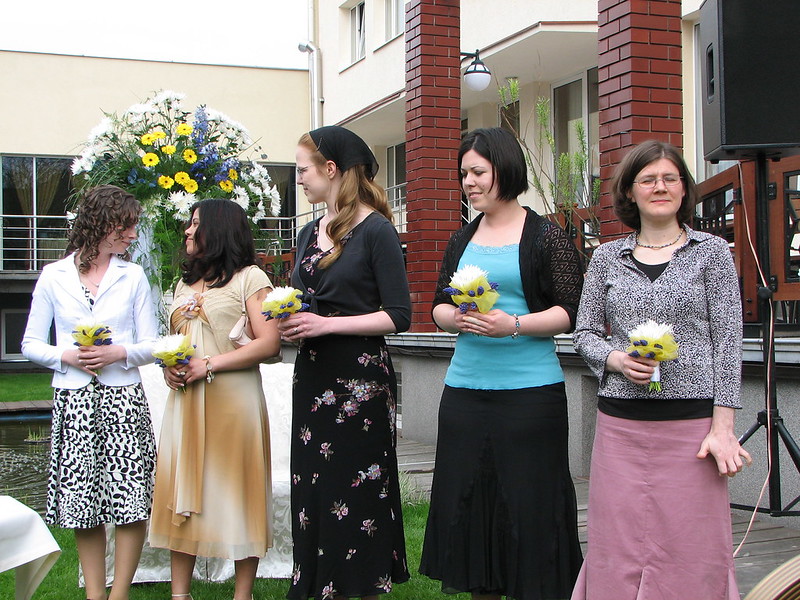
4 Charities Combatting Period Poverty in Poland Poland has seen a significant rise in living standards in the last 20 years, with GDP per capita doubling since 2005. However, period poverty in Poland remains a significant issue.

Period poverty is when women lack adequate access to the quantity or quality of menstrual hygiene products. Many have criticized health care for women in Poland in recent years, not only for the abortion ban but also for poor levels of gynaecological care, a lack of funding from the national health fund and difficult access to contraception. Women’s health remains a taboo issue within Poland, with 41% of Polish women reporting that menstruation was never discussed in the family home.

The Kulczyk Foundation’s Period Study

In 2020, the Kulczyk Foundation conducted a large-scale survey on young girls and attitudes toward periods within Poland. This revealed shocking levels of menstrual shame and demonstrated high levels of period poverty. The study found that 21% of schoolgirls leave school due to a lack of access to menstrual products and that one-fifth of Polish women struggle to buy appropriate menstrual products. It also revealed that women and girls had misconceptions surrounding periods, with 25% of women thinking it was impossible to get pregnant during their period and 22% believing women should not go to the dentist during menstruation.

4 Charities Combating Period Poverty in Poland

Here are four organizations and charities that are doing the most to combat period poverty in Poland.

  1. The Różowa Skrzyneczka (Pink Box) Foundation. The Pink Box foundation aims to alleviate period poverty in Poland and reduce the stigma surrounding menstruation. This programme directly counteracts menstrual poverty through publicly available boxes containing free pads and tampons. Public spaces such as libraries, parks, transport hubs and schools are used to host these boxes. So far, major cities including Rzeszów, Sopot, Gdańsk and Łódź have implemented them.
  2. Menstruation Action. Menstruation Action aims to combat misconceptions about periods and provide access to period products for schoolgirls. Early efforts by Menstruation Action involve the purchasing and distribution of 1,000 menstrual cups for those most affected by period poverty in Poland, including single mothers, those in refugee centres and orphanages. In September 2020, the “Hey Girls” campaign launched, in which they provided boxes filled with essential sanitary products to schools and organized classes on menstruation for schoolgirls. More recent initiatives include the launch of “Padsharing.” Padsharing is a support network that connects women in need with donors. Through this programme, donors anonymously place and pay for orders according to the women in need’s instructions. Menstruation Action also introduced the “Heyday” initiative in July 2021 to create the first dedicated menstrual dispensers in Poland. The idea behind this project was so that companies and institutions that would like to introduce menstrual products into their toilets can do so despite lacking the resources to do so. They also provide “period help points” across Kraków, containing free sanitary products.
  3. Yestopads.com. Yestopads is a result of the Periodic Coalition, an association of charities, organizations and female experts who want to normalise and destigmatise female menstruation. The coalition consists of more than 40 partners and supporters, aiming to help the nearly 2 million girls aged 9–19 who are either menstruating or about to menstruate. They are currently attempting to introduce the first draft act on menstruation to ensure free access to menstrual products and provide girls with adequate education on menstruation.
  4. Gohealthygirl. Gohealthygirl operates a “pink clinic.” This is a safe space in which women and girls can see a doctor for any gynaecological reason without judgment. Studies performed by this organization have revealed that women experience unpleasant comments about appearance, knowledge and sexual orientation, and many often experience poor treatment from doctors. They also provide free health guides, podcasts and articles online on women’s health to provide women and girls with accessible education about their bodies.

Looking Ahead

Despite period poverty remaining a significant issue for women and girls in Poland, the work of these organizations suggests a positive direction for removing the stigma surrounding menstruation and the reduction of period poverty in Poland.

– Alys Gaze

Alys is based in Swansea, UK and focuses on Good News and Politics for The Borgen Project.

Photo: Flickr

November 5, 2025
https://borgenproject.org/wp-content/uploads/borgen-project-logo.svg 0 0 Precious Sheidu https://borgenproject.org/wp-content/uploads/borgen-project-logo.svg Precious Sheidu2025-11-05 07:30:272025-11-05 11:51:454 Charities Combating Period Poverty in Poland
Global Poverty, Period Poverty, Women

Global Girls Glow in Uganda: Ending Period Poverty

Global Girls Glow UgandaPeriod poverty is a leading barrier to education, health and gender equality. It is defined as the inability to access safe, hygienic and educational means of managing menstruation. Financial difficulties, limited education or health care and negative social stigmas can cause this.

Global Girls Glow is a leading international organization that works in countries around the world to empower women to reduce period poverty. By leading with “by girls, for girls,” the organization empowers girls to change the stigma around menstruation, educate and make hygiene products more accessible. By “recognizing agency, exercising voices and building power, it inspires the next generation of young female leaders in their communities, their countries and in the advocacy of reducing period poverty globally.”

Understanding Period Poverty in Uganda

In Uganda, period poverty is a significant nationwide issue. Most concerningly, girls miss 18% of the school year due to absences caused by periods and inaccessible and unhygienic menstrual products. Only 22% of girls in Uganda have access to sanitary pads. This has an immediate knock-on effect on their health, education, income and career prospects.

Additionally, Uganda grapples with a significant negative social stigma against menstruation, which girls experience in their schools and communities. This further perpetuates the vicious cycle of gender inequality. Absence from school can result in increased occurrences of child marriages and domestic abuse.

Schools can often be safe spaces for girls, yet 23% of Ugandan girls aged 12-18 drop out due to the inability to manage their periods. Reducing period poverty isn’t just about access to affordable and hygienic products. It is about safety, education and empowering Ugandan girls to remain contributing members of society without the fear or limitation of being held back by their period.

Global Girls Glow in Uganda 

Global Girls Glow addresses all aspects of period poverty. It focuses on creating safe spaces, raising voices and educating. Program Officer and Manager, Faith Vosevwa and Program Manager Mukonyo Muendo spoke with The Borgen Project, saying that they lead with “by girls, for girls” because ‘we believe when we center girls’ voices, we ensure that they are not just beneficiaries but more of active participants.”

Girl participation is at the heart of the charity’s programs; Vosevwa shares that “They share ideas, sit at the decision-making table and evaluate the outcome.” These programs are built by the girls who want to learn about their bodies and empower Ugandan girls to advocate for themselves and for others.

Muendo adds, “Women have always been treated as second-class citizens, not just in Africa but globally. When half of the population is not empowered, when they are disenfranchised, then we are leaving half of the country behind.”

Girls for School Pads

In Uganda, Girls for School Pads was founded by 18-year-old Kashish, a Glow Club member, who challenged community views on periods. She and her team use community-led methods like visiting schools and rural areas, hosting discussions and education forums. Glow Uganda works with local organizations to share information about events, as these voices are familiar to communities.

Girls for School Pads offer affordable period products and demonstrate how to make and properly wash pads to improve access to menstrual products. A hygienic and self-sufficient way to combat period poverty has been created. Muendo adds that GLOW Uganda distributes menstrual hygiene packets annually, including age-appropriate information booklets, underwear and menstrual products.

Community-Led Approaches

The signature program, GLOW Club, offers a curriculum for club members, which is facilitated by local mentors on a weekly basis. The club provides a safe space for girls to ask questions about menstruation and their bodies. There are several techniques GLOW Uganda uses to encourage girls to speak freely and openly. Vosevwa discusses their anonymous sharing sessions, supportive spaces within community-based centers and schools. Girls can drop by to ask questions about menstruation, sex and their bodies.

Vosevwa shares that the most common questions include topics such as family and community expectations, safety, rights, bodily changes and gender differences — for example: “Why are boys given more freedoms than girls? Is it normal for my body to look or develop differently from others? What is safe sex? And how can I protect myself from pregnancy and infections?”

GLOW goes beyond providing these safe spaces, which females facilitate, to ask these questions; it ensures that girls receive the correct, age-appropriate information to make changes. This alleviates anxieties and develops a sense of cultural understanding and acceptance. Vosevwa notes: “Most girls they work with are schoolgirls who can communicate with teachers, peers, parents and school staff.” Events occur in churches and community halls through word of mouth, strong local relationships and partnerships.

Advocacy & Impact Story

Girls for School Pads alone have reached 500 women and girls. About 60 girls have been able to continue their education through the Girls for School Pads scholarship program. Vosevwa shared a story about a girl from Mityana, Uganda. Initially, she had little self-esteem when she was introduced to GLOW Uganda at a local event. After participating in one of the GLOW clubs, she passed on her newly learned information to her friends.

Her mother took note and passed it on to other mothers. That girl mentored more than 30 girls in her community. The impact was tremendous; she went from a “girl who did not believe in herself to a girl who believed she could bring change.”

Advocacy is at the forefront of GLOW Uganda. Many girls and women come from communities where they are being silenced. Through advocacy training and programs, girls become curious, ask questions, share stories and become confident and vocal. Destigmatization involves having normalized conversations about menstruation, alongside providing education and correct, age-appropriate information, which empowers Ugandan girls.

Going Forward

Girls for School Pads and Global Girls GLOW are changing the landscape of period poverty for girls and women across Uganda. By leading with “by girls, for girls,” every aspect of period poverty is addressed, as no girl is left behind. Instead, they become influential voices that empower Ugandan girls to advocate for themselves and inspire girls globally.

– Jule Riemeschneider

Jule is based in Oxford, UK and focuses on Good News for The Borgen Project.

Photo: Flickr

October 14, 2025
https://borgenproject.org/wp-content/uploads/borgen-project-logo.svg 0 0 Lynsey 2 https://borgenproject.org/wp-content/uploads/borgen-project-logo.svg Lynsey 22025-10-14 01:30:292025-11-08 00:57:42Global Girls Glow in Uganda: Ending Period Poverty
Charity, Global Poverty, Women

IRFF UK: Combating Period Poverty in Africa

Period Poverty in AfricaPeriod poverty is a global issue affecting an estimated 500 million people worldwide. It is defined as when girls and women do not have access to menstrual products, water and basic sanitation, or have not been educated on menstrual health and hygiene. When denied these necessities, they are more likely to miss school and work, trapping them in a vicious cycle of inequality and poverty.

However, many organizations are committed to ending this issue, such as International Relief Friendship Foundation (IRFF) U.K., a charity focused on combating period poverty in Africa.

Period Poverty in Africa

Although period poverty affects girls and women around the world, it is particularly prevalent in Africa. One in 10 African girls misses school due to their periods and 10% of families are unable to afford safe and hygienic menstrual products. However, affordability is not the only cause of period poverty.

According to the U.N. Women, stigma and the subsequent lack of education around menstrual health are also significant drivers of period poverty. This is not only because, in some countries, the stigma around periods is so severe that those who are menstruating are restricted from certain places and isolated. It is also because many girls are unprepared and uneducated about menstruation. For example, in Egypt, 66% of girls had not been informed of menstruation before they got their first period.

IRFF UK

IRFF U.K., a charity established in 1980 to provide “education, relief and improved health support to disadvantaged people,” is now more firmly focused on improving education and combating period poverty in Africa. The charity works by providing assistance and funding to programs already working in Africa to eradicate period poverty and improve access to education for its 1,600 beneficiaries.

Since IRFF U.K. shifted its focus to period poverty in 2023, it has started supporting and establishing projects in three African countries: Ghana, Uganda and South Africa.

  • Ghana. IRFF U.K. built upon previous programs and established the production and distribution of inexpensive reusable pads. It distributed these pads to 570 girls, which has been crucial in keeping them in school, as without them they were missing up to five days each month.
  • South Africa. IRFF U.K. has supported the Walmer Angels’ program in consistently distributing pads to 170 schoolgirls. This, combined with menstrual health and hygiene education, has been crucial in lifting them out of period poverty.
  • Uganda. IRFF U.K. has focused on period poverty and education by building Destiny School in 2009. IRFF U.K. then worked with the head teacher to identify 180 girls from Destiny School and a neighboring school who would benefit from regular pad distribution and menstrual health education provided by trained medical professionals.

Looking Forward

IRFF U.K. has developed a sustainable and effective model for combating period poverty in Africa, allowing more girls to stay in school, breaking the cycle of inequality and poverty.

– Victoria Adrados

Victoria is based in London and focuses on Technology and Global Health for The Borgen Project.

Photo: Flickr

September 7, 2025
https://borgenproject.org/wp-content/uploads/borgen-project-logo.svg 0 0 Lynsey 2 https://borgenproject.org/wp-content/uploads/borgen-project-logo.svg Lynsey 22025-09-07 07:30:222025-09-07 01:40:40IRFF UK: Combating Period Poverty in Africa
Africa, Global Poverty, Period Poverty

Bidipads: Menstrual Products in Uganda Refugee Settlement

bidipadsAn initiative in Bidibi, Uganda, is expanding access to menstrual and hygiene products within refugee settlements. This project, known for their production of “bidipads,” consists of both refugees and community members. The initiative promotes proper menstrual hygiene through the production of reusable sanitary pads, as well as soap, women’s underwear, and garments. In addition to supplying the community with sanitary products, it also focuses on community education and stigma management surrounding menstruation. HEKS/EPER (Swiss Church Aid Uganda) in partnership with Yumbe Gender-Based Violence Network (YUGNET) started the Bidipad project in Uganda.

Refugee Settlements in Uganda

Uganda is home to the largest number of refugees within East Africa, serving as a place for safe settlement for more than 1.2 million asylum seekers. The country of origin for many of these refugees is South Sudan or the Democratic Republic of Congo, both of which have faced instances of extreme instability in recent years.

Established in 2016. Bidibi is a settlement within the Yumbe district to address the influx of South Sudanese refugees. In less than a year, this settlement became home to a quarter million refugees, reaching its maximum capacity and making it one of the largest refugee settlements in the world.

Bidipads

Within Bidibi, several groups have come together to establish an initiative to improve menstrual hygiene within the community. The initiative does this by employing women within the settlement to manufacture hygiene products ranging from reusable pads to soap. The bidipads project is formatted in a cooperative structure with 30 women from the settlement and 30 women from the host community participating at a time, according to the Global Compact on Refugees.

This employment opportunity allows for increased economic empowerment for the participating women, something desperately needed after the relocation that these refugees have faced. As one of the women in the cooperative remarked, “I am very happy to be part of the training. The skills I have acquired here will improve my life and ensure that I am always self-employed. For me, this is my biggest joy because as a refugee, we are always dependent, and I am tired of this dependency,” Global Compact on Refugees reports.

Community Education

Along with the production of menstrual and hygiene products, this initiative also seeks to educate and reduce stigma around menstruation within the refugee community. It seeks to do this in both home and school environments, hoping to encourage a change in perspective around menstruation on a large scale. When developing this initiative, members of the cooperative hosted a workshop to brainstorm how physical products can contribute to stigma reduction in the community. Considerations around religious and cultural backgrounds are part of the design of the products, including color and cleaning instructions. In doing this, the initiative takes a necessary hygiene product and transforms it into a tool for women and girls that is free from awkwardness and shame.

The Future

Working within the Bidibi community, organizations like HEKS/EPER and YUGNET have come together to help the refugee women of Uganda on several fronts. Through the Bidipads initiative, women receive employment and empowerment within their wage-earning status, while receiving necessary hygiene products and educational programming to address cultural stigmas around menstruation.

– Gwyneth Connor

Gwyneth is based in Kensington, MD, USA and focuses on Global Health for The Borgen Project.

Photo: Flickr

August 13, 2025
https://borgenproject.org/wp-content/uploads/borgen-project-logo.svg 0 0 Naida Jahic https://borgenproject.org/wp-content/uploads/borgen-project-logo.svg Naida Jahic2025-08-13 03:00:302025-08-13 03:05:07Bidipads: Menstrual Products in Uganda Refugee Settlement
Page 1 of 6123›»

Get Smarter

  • Global Poverty 101
  • Global Poverty… The Good News
  • Global Poverty & U.S. Jobs
  • Global Poverty and National Security
  • Innovative Solutions to Poverty
  • Global Poverty & Aid FAQ’s
Search Search

Take Action

  • Call Congress
  • Email Congress
  • Donate
  • 30 Ways to Help
  • Volunteer Ops
  • Internships
  • Courses & Certificates
  • The Podcast
Borgen Project

“The Borgen Project is an incredible nonprofit organization that is addressing poverty and hunger and working towards ending them.”

-The Huffington Post

Inside The Borgen Project

  • Contact
  • About
  • Financials
  • President
  • Board of Directors
  • Board of Advisors

International Links

  • UK Email Parliament
  • UK Donate
  • Canada Email Parliament

Get Smarter

  • Global Poverty 101
  • Global Poverty… The Good News
  • Global Poverty & U.S. Jobs
  • Global Poverty and National Security
  • Innovative Solutions to Poverty
  • Global Poverty & Aid FAQ’s

Ways to Help

  • Call Congress
  • Email Congress
  • Donate
  • 30 Ways to Help
  • Volunteer Ops
  • Internships
  • Courses & Certificates
  • The Podcast
Scroll to top Scroll to top Scroll to top