• Link to X
  • Link to Facebook
  • Link to Instagram
  • Link to TikTok
  • Link to Youtube
  • About
    • About Us
      • President
      • Board of Directors
      • Board of Advisors
      • Financials
      • Our Methodology
      • Success Tracker
      • Contact
  • Act Now
    • 30 Ways to Help
      • Email Congress
      • Call Congress
      • Volunteer
      • Courses & Certificates
      • Be a Donor
    • Internships
      • In-Office Internships
      • Remote Internships
    • Legislation
      • Politics 101
  • The Blog
  • The Podcast
  • Magazine
  • Donate
  • Click to open the search input field Click to open the search input field Search
  • Menu Menu

Tag Archive for: Malnutrition

Posts

Global Poverty

Malnutrition in India

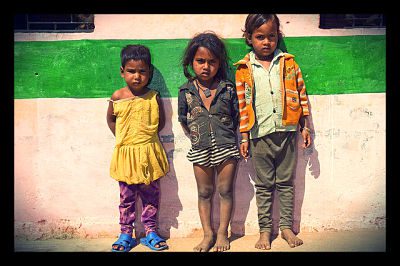
Malnutrition in IndiaIn a nation with the growth potential of India, it is somewhat remarkable to discover that the country has a higher rate of malnourished children than sub-Saharan Africa. This may not be reflected equally across all Indian states, however, taken as a single entity new data compiled by state governments shows that only 65% of Indian children lie within the ‘normal’ category of child nutrition. This data, released by the Integrated Childhood Development Services (ICDS), divides children into three categories for nutrition: normal, mild to moderately undernourished, and severely undernourished. Meaning that 35% of Indian children are on some level undernourished.
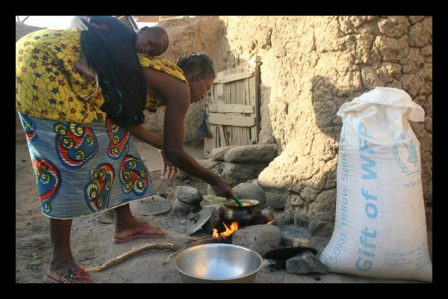
Naturally, these figures vary greatly between states, with the state lagging most behind, Bihar, reporting 82% of children being undernourished, including 26% severely. Intriguingly though, the richest states do not necessarily correlate to the most successful in combating child malnutrition. Even in Delhi, nearly half of children are reported as undernourished. This is a reflection of other factors besides income and high growth rates that play a significant role in child nourishment, including public provisions of healthcare, water, and food security.

Despite programs and policies designed to alleviate this issue, a lack of proper governmental supervision and implementation has led to India recording the highest rates globally of stunted growth, malnourishment, and anemia in children. Equally devastating though is that malnourishment not only weakens those who suffer it physically but mentally as well.

A recent global study of children in developing regions showed significant differences in learning ability based on nutrition levels. And where learning is secondary to surviving, malnutrition places youth at a severe disadvantage across the board. And, like physical stunting, there comes a point in a child’s development where it is too late to reverse the effects.

For India as a nation, tackling malnutrition is the first step in improving the outlook of society as a whole.

– David Wilson

Sources: Indian Express, The Hindu, Silicon India
Photo: Flickr

July 24, 2013
https://borgenproject.org/wp-content/uploads/borgen-project-logo.svg 0 0 Borgen Project https://borgenproject.org/wp-content/uploads/borgen-project-logo.svg Borgen Project2013-07-24 07:31:202020-07-19 22:09:27Malnutrition in India
Food & Hunger, Food Aid, Food Security

5 Facts About World Hunger

5 Facts About World Hunger

When most people think of world hunger, they picture the emaciated children shown on television commercials or news footage of refugees lining up for food rations. The media portrays hunger as a dire emergency directly resulting from natural disasters, war, or some other kind of unrest. These graphic examples of acute hunger do portray actual people and circumstances, but they fail to account for 92 percent of the world’s hungry who suffer from chronic undernourishment rather than food emergencies. Though the number of people living with chronic hunger has decreased by 130 million people over the past two decades, one in eight people in the world still goes to bed hungry each night. Listed below are five facts about world hunger.

5 Facts About World Hunger

  1. Hunger kills more people each year than AIDS, tuberculosis and malaria combined. Listed as the number one health risk on the WHO’s list of the world’s top ten threats to health, hunger causes 10 million deaths each year. That is roughly equivalent to the number of people killed in the Holocaust.
  2. If female farmers had the same access to resources as their male counterparts, the number of the world’s hungry could be reduced by 150 million people. Though women often hold responsibility for feeding their families, they face severe constraints in accessing the materials and markets needed to contribute successfully to the agriculture sector.
  3. 870 million people currently suffer from hunger. 98 percent of these people live in developing countries, with the largest proportion living in Asia and the Pacific. While the number of hungry people is declining in Asia and Latin America, it is steadily rising in sub-Saharan Africa.
  4. Another 24 million children could be hungry by the year 2050 due to climate change and irregular weather patterns. $7.1-7.3 billion is needed in order to offset the negative impact of climate change on world hunger.
  5. According to the World Food Programme, hunger is the “single biggest solvable problem” facing the world today. It costs just $0.25 per day to provide a child with the nutrients he or she needs to live, and $3.2 billion is needed to feed the 66-million school-age children who are currently hungry. While this may seem like a large amount of money, the U.S. spends more than 200 times that amount on the military alone.

– Katie Bandera

Sources: WFP, World Hunger

July 24, 2013
https://borgenproject.org/wp-content/uploads/borgen-project-logo.svg 0 0 Borgen Project https://borgenproject.org/wp-content/uploads/borgen-project-logo.svg Borgen Project2013-07-24 07:22:512024-05-25 00:03:345 Facts About World Hunger
Children, Global Poverty, Health

The Cost of Hunger in Egypt

michael-kors-interview-page_bazzar_global_poverty_borgen_opt (2)
The health concerns of undernutrition are evident. But a study conducted by the Cabinet’s Information and Decision Support Center (IDSC) and the UN World Food Program (WFP), the African Union Commission, and the UN Economic Commission for Africa (UNECA) has highlighted the economic consequences of the condition. The study incorporated data from 2009 provided by the Central Agency for Public Mobilization and Statistics (CAPMAD), the Ministry of Health, and the Ministry of Education in Egypt to delve into the less obvious penalties of child undernutrition.

The results of the study were published in a report titled “The Cost of Hunger in Africa: the Social and Economic Impact of Child Undernutrition in Egypt”. The report concluded that Egypt has lost an estimated 20.3 billion pounds in 2009, or $3.7 billion, as a result of child undernutrition.

Stunting, a condition of slowed or stopped growth in height, and chronic malnutrition were found to be the primary drivers behind Egypt’s undernutrition-based economic losses. Stunting occurs when children are not supplied the necessary proteins, vitamins and minerals from conception through age five. The condition affects 40 percent of Egypt’s population. Stunted individuals are prone to poor adult health, impaired academic performance, and premature death.

The costs are incurred as a result of mounting healthcare expenses and burdens placed on the education and labor systems. In rural Egypt, where the majority of people work manual labor, it is estimated that the decreased productivity caused by the lowered physical ability of adults who had been stunted as children resulted in a $10.7 billion loss in 2009. Healthcare costs equaled $1.2 billion in economic productivity lost.

31% of Egypt’s population is under the age of 15, which places the necessity for adequate child nutrition at a top priority; to thrive tomorrow, Egypt needs to address these threats today by achieving food security. Without discovering ways to prevent child undernutrition, the costs Egypt incurs could increase 32% by 2025. The IDSC plans to disclose the study’s findings and recommendations to decision-makers in an effort to reverse this downward trend.

Egypt is not the first country to conduct the Cost of Hunger in Africa study. Uganda has already carried out their own study, and the 10 more countries following suit will be Botswana, Cameroon, Burkina Faso, Malawi, Mauritania, Ethiopia, Ghana, Kenya, Rwanda, and Swaziland.

– Dana Johnson

Sources: Bloomberg, WFP
Photo: Blogsome

July 8, 2013
https://borgenproject.org/wp-content/uploads/borgen-project-logo.svg 0 0 Borgen Project https://borgenproject.org/wp-content/uploads/borgen-project-logo.svg Borgen Project2013-07-08 07:50:362024-05-24 23:42:44The Cost of Hunger in Egypt
Food & Hunger

Reducing Food Waste, Feeding the Hungry

reduce_food_waste_feed_hungry
World hunger is affecting a large number of people through malnourishment and general under-nutrition. Malnutrition is something that means a person lacks the elements, in a nutritional sense, that is necessary to be fully healthy. Often, this is either a lack of calories and protein or vitamin and mineral deficiency. In the world today, nearly one in eight people in the world have “chronic undernourishment,” which means they are perpetually in a state of hunger, which often means their children will face that same undernourishment, which creates a vicious cycle much like poverty.

852 million out of the 870 million that are hungry every day are in developing countries, such as in sub-Saharan Africa. Although malnourishment has decreased by 30 percent in Asia, as well as a decrease of 16 million in Latin America, there is still more work to be done to ensure that everyone can have access to the nutrition that they need. The people that are most at risk for hunger are children. Those children that are undernourished can be ill for 160 days or more each year, and it causes five million deaths every year. Diseases like malaria and measles are exemplified in children that are undernourished, and 57% of malaria cases have at least been partially caused by undernourishment.

The saving grace to these harsh facts about world hunger is that the world does, indeed, produce enough food to successfully feed everyone. The only issue is that the food does not actually travel to the developing countries, which means there is food in the world that the undernourished cannot access. Every person in the world could have 2,720 calories per day which is enough for proper nutrition. The issue, then, is the lack of funds to buy food, or the lack of land in order to grow food. Some of the main causes of world hunger are poverty, harmful economic systems, conflict, and climate change. Interestingly, poverty causes hunger, but hunger also leads to poverty, which is a vicious cycle; people stuck in this cycle need help in order to leave the cycle, which requires aid from other countries, in most cases.

So what are the solutions to world hunger? They are more simplistic than one might originally think. One of the main problems is the waste of edible, but “ugly,” vegetables. The food production systems of the world will throw away “unwanted” fruits and vegetables, which is incredibly wasteful. There is a campaign against food waste, partially led by Tristram Stuart, who wrote the book “Waste: Uncovering the Global Food Scandal.” A simple solution is to stop this waste; rather than throw out “ugly” food, give them to those that are undernourished, or charities that can then pass them along to the undernourished. Another solution is to use the leftovers. Food is thrown out every day; perfectly edible food.

Individuals can even help reduce food waste by only buying what they need and saving the leftovers to eat another day. However, this needs to be done on a wider scale, such as in grocery stores or even food production systems as a whole. Finally, preservation is an important issue in regards to world hunger. Consumers and retailers can reduce food waste by stopping impulse-buying, eating food at home, saving leftovers, and reducing trips to restaurants. Of course, never going out is not the solution. Rather, merely being more careful with food is the simplest solution of all, and can be done on all levels, from individuals to large corporations.

– Corina Balsamo

Sources: Africa Review, World Hunger, Rural Spin
Photo: Morgue File

July 5, 2013
https://borgenproject.org/wp-content/uploads/borgen-project-logo.svg 0 0 Borgen Project https://borgenproject.org/wp-content/uploads/borgen-project-logo.svg Borgen Project2013-07-05 09:59:552016-02-18 14:21:55Reducing Food Waste, Feeding the Hungry
Food Aid

Global Nutrition for Growth Compact

nutrition4_optThe Global Nutrition for Growth Compact has brought politicians, business people, and philanthropists together in an effort to fight global malnutrition. The Compact, signed in London on June 8th, dedicates $4.15 billion over the next seven years to the cause of ending under-nutrition.

The Global Nutrition for Growth Compact was established with the understanding that malnutrition needs to be combated just as much as malnourishment. Malnutrition occurs when a person has an adequate amount of calories but consumes a diet that is lacking in nutrients that are essential for growth and development. On the other hand, malnourishment is a condition resulting from a lack of calories in a diet. While malnourishment can directly lead to death through starvation, malnutrition more than doubles a child’s likelihood of dying due to weakened bodily functions. Poor nutrition is believed to be the primary cause of 45% of child deaths overall.

Fortunately, the number of children in the world who are stunted (or never reach their potential height) as a result of malnutrition dropped from 253 million to 167 million in the two decades between 1990 and 2010. The improvement is credited to a greater understanding of nutritional regimens that prevent malnutrition. Programs that combat malnutrition focus on remedies that emphasize breastfeeding and provide vitamins and nutrients to pregnant women and developing children. Adequate nutrition is critical for pregnant and breastfeeding mothers, as it provides the components needed for infant development and healthy weight gain. Likewise, it is essential that developing children receive vitamins and nutrients for healthy mental and physical growth.

Researchers believe that a million lives could be saved each year through the implementation of a malnutrition reduction program. In addition to saving lives, the program will also provide children with the nutrients they need for full brain development, a component that helps children be successful in school.

– Jordan Kline

Source: IRIN News
Photo: Action Against Hunger

June 30, 2013
https://borgenproject.org/wp-content/uploads/borgen-project-logo.svg 0 0 Borgen Project https://borgenproject.org/wp-content/uploads/borgen-project-logo.svg Borgen Project2013-06-30 05:00:322024-05-24 23:56:44Global Nutrition for Growth Compact
Global Poverty

Fragile But Not Helpless

Fragile But Not Helpless
Rates of acute and chronic malnutrition are estimated to be 50 percent higher in countries marred by conflict than in more stable places, according to a new report by World Vision U.K. entitled “Fragile But Not Helpless.”

Because war-torn and violent countries often allocate all efforts toward the alleviation of conflict, the issue of malnutrition is often sidelined. The progress in these countries is in danger of reversing if nothing is done. While the pursuit of peace in conflict-torn countries is extremely important, the alleviation of life-threatening issues such as malnutrition should not be neglected, according to David Thomson of World Vision UK.

More children worldwide die from malnutrition than from conflict, even in violent countries such as the Democratic Republic of Congo, Pakistan, South Sudan and Afghanistan. Though significant progress has been made in the alleviation of malnutrition, 2.3 million children still die from the condition every year. And yet, war-torn countries divert an average of 60% of their budget to the military and only a fraction of that toward malnutrition.

World Vision UK suggests that “donors simply need to re-prioritize if we’re to ensure the benefits of this progress reach a generation of children in the world’s most fragile states.”

The organization is calling on donor states to encourage conflict-affected states to join their “Scaling Up Nutrition” movement. This movement is a global collective effort involving governments, the United Nations, private donors, civil society, businesses and researchers to improve nutrition.

Their approaches include making nutritious food more accessible, improving access to clean water and improving access to adequate healthcare services. Recently, they have expanded their initiatives to focusing on nutritional development in what they call FCAS, or fragile and conflict-affected states.

With their new report, they aim to encourage G8 leaders to provide funding and technical support to FCAS that have demonstrated a concerted effort to tackle malnutrition. With consistent funding and political attention, Thomson is hopeful that malnutrition can be addressed and alleviated in fragile states.

– Kathryn Cassibry

Sources: World Vision UK, TRUST
Photo: The Guardian

June 28, 2013
https://borgenproject.org/wp-content/uploads/borgen-project-logo.svg 0 0 Borgen Project https://borgenproject.org/wp-content/uploads/borgen-project-logo.svg Borgen Project2013-06-28 03:59:082024-05-24 23:56:15Fragile But Not Helpless
Food & Hunger, United Nations

Understanding Hidden Hunger

Understanding Hidden Hunger
Sight and Life, a prominent group working to fight micronutrient deficiencies prevalent among the world’s poor, has recently released its Hidden Hunger Index. Hidden hunger is defined as a chronic deficiency of necessary micronutrients. Rather than a lack of food or calories, this type of hunger results from a diet low in specific nutrients. This condition affects approximately 1 in 3 people in the world today and accounts for about 7% of diseases around the world. Although the signs are not visible, hidden hunger has long-term consequences for overall health, productivity, and mental development. The most common deficiencies are in vitamin A, iodine, folate, and B vitamins. Women of reproductive age and young children are most severely affected by this condition.

In addition to its negative and often permanent health effects, hidden hunger has numerous economic consequences. It aggravates global poverty in multiple ways and minimizes countries’ growth in economic productivity. It also increases child and maternal mortality, causes birth defects, diseases, and disabilities. Unfortunately, it also restrains the empowerment of women by adversely affecting their health.

The Hidden Hunger Index concluded that hidden hunger in pre-school age children was alarmingly high in sub-Saharan Africa, India, and Afghanistan. High Hidden Hunger Index was found to correlate with low Human Development Index, a measure based on three basic qualities of human well-being: a long and healthy life, education, and standard of living. While many micronutrient deficiencies were found to occur in groups, iodine deficiencies were often found independently. This is probably due to differing country laws on salt iodization. Iodine deficiency accounts for approximately 18 million children born mentally impaired each year.

Hidden hunger and its related health issues are significant obstacles to achieving the Millennium Development Goals (MDGs) laid out by the United Nations. The Hidden Hunger Index shines a light on micronutrient deficiencies and acts as a tool for activism. While there is information concerning hunger issues with root causes in a lack of food and calories, and about single micronutrient deficiencies, information about multiple micronutrient deficiencies is sorely lacking. Sight and Life developed the Hidden Hunger Index in the hopes that it will “serve as a tool to stimulate global efforts towards scaling up nutrition interventions”.

– Katie Fullerton

Sources: Micronutrient Initiative, Hidden Hunger Index
Photo: The Guardian

June 27, 2013
https://borgenproject.org/wp-content/uploads/borgen-project-logo.svg 0 0 Borgen Project https://borgenproject.org/wp-content/uploads/borgen-project-logo.svg Borgen Project2013-06-27 03:55:532020-07-06 18:43:39Understanding Hidden Hunger
Food & Hunger, Food Aid

Rethinking Hunger in Africa

Rethinking Hunger in Africa
Philanthropists may be tempted to rejoice that recent trends have shown that the total number of people who face chronic hunger has dropped. New surveys, however, caution those working to eradicate global poverty.

The Afrobarometer is an independent, nonpartisan research project that measures the social, political and economic environment in Africa through a series of regularly-repeated surveys. By consistently asking the same, standard set of questions in more than a dozen African countries each year, the Afrobarometer can track trends in public attitudes that can be shared with various public actors in order to create better dialogue between the public and the government.

When asked in a recent Afrobarometer survey how many times in the past year they had gone without food, 16% of survey participants responded either “always” or “many times.” Even as global instances of chronic hunger drop as a whole, Africa remains the exception to the trend. The U.N. suggests that 239 million African citizens, or nearly 23% of the total African population, meet the U.N.’s criteria for being chronically undernourished.

The situation is even more alarming when one considers that chronic hunger mainly affects African children, who may experience stunting (low height), wasting (low weight) or micronutrient deficiency if exposed to chronic hunger conditions between the ages of 2 and 3. Chronic hunger not only puts children at risk for future health complications but can also impair future economic concerns as well. Studies have also shown that undernourished children eventually earn an average of 20% less than their healthy peers.

The current hunger problems in African can be traced back to a reliance on maize. Though maize is highly caloric, it offers mediocre nutritional qualities and thus can exacerbate malnutrition even as it satisfies daily caloric needs. Both Zambians and Malawians report receiving more than 50% of their calories from maize.

Over-reliance on maize is not just stunting the growth of African children, but also the potential of the African economy and agricultural development. By only producing maize, African farmers limit their access to global markets, thus making them too reliant on foreign aid and capital.

Instead of maize, the U.N. and its associated nutritionists suggest a food fortification program that supplies rural grain mills with a range of foods that include added iodine, zinc and vitamin A to provide an extra nutritional boost. Additionally, initiatives like ReSCOPE are using schools and colleges in Africa to teach a technique called permaculture, which uses a version of organic farming to keep nutrients in the soil to promote sustainable, year-round crops that will help local farming cultures flourish like never before.

These initiatives follow the concept of the “teach a man to fish” proverb. By promoting a culture of food self-sufficiency that allows African farmers to create both the quantity and quality of the food needed to meet their local nutritional needs, global aid communities and governments may be giving Africa the long-overdue ability to stand on its own two feet.

– Alexandria Bruschi

Source: Afrobarometer.org,Think Africa Press
Photo: WPHR

June 24, 2013
https://borgenproject.org/wp-content/uploads/borgen-project-logo.svg 0 0 Borgen Project https://borgenproject.org/wp-content/uploads/borgen-project-logo.svg Borgen Project2013-06-24 04:09:212020-07-03 00:26:41Rethinking Hunger in Africa
Children, Food Aid, Food Security, Foreign Aid, Global Poverty, Health

What is Childhood Stunting?

childhood stunting
Childhood stunting effects a massive percentage of the world’s youth. UNICEF estimates that some 39% of children in the developing world are stunted. 40% of children in sub-Saharan Africa are stunted and in East and South Asia, estimates climb as high as 50% of children. The numbers tally in at 209 million stunted children in the developing world.

Childhood stunting is a condition that is defined as height for age below the fifth percentile on a reference growth curve. If, within a given population, substantially more than 5% of an identified child population have heights that are lower than the curve, then it is likely that said population would have a higher-than-expected prevalence of stunting. It measures the nutritional status of children. It is an important indicator of the prevalence of malnutrition or other nutrition-related disorders among an identified population in a given region or area.

Aside from inadequate nutrition, there are several other causes of childhood stunting. These include: chronic or recurrent infections, intestinal parasites, low birth weight, and in rare cases, extreme psychosocial stress without nutritional deficiencies. Several of these factors are influenced by each other. Low birth weight is correlated with nutritional deficiencies, and inadequate nutrition is correlated to chronic or recurrent infections.

One of the serious consequences of stunting is particularly impaired cognitive development.  When a child has inadequate access to food, their body conserves energy by first limiting social activity and cognitive development in the form of apathetic and incurious children. These children may not develop the capacity to adequately learn or play. Then the child’s body will limit the energy available for growth.

Fortunately, studies have found that improvement in diet after age two can restore a child to near-normal mental development. Conversely, malnutrition after age two can be just as damaging as it is before age two. However, it is important to note that once stunting is established, it typically becomes permanent.

The reasons stated above serve as important reminders of why foreign aid and programs aimed at eliminating extreme malnutrition and nutritional deficiencies are so vital. The impact of new legislation focusing on increasing USAID and other foreign aid is substantial. Stunting can be seriously limited through the introduction of increased access to food security in the developing world. Knowledge of the facts surrounding stunting is also an important step in working to combat and eliminate childhood stunting worldwide.

– Caitlin Zusy

Sources: UNICEF, Future of Children

April 29, 2013
https://borgenproject.org/wp-content/uploads/borgen-project-logo.svg 0 0 Borgen Project https://borgenproject.org/wp-content/uploads/borgen-project-logo.svg Borgen Project2013-04-29 10:34:522024-05-24 23:49:03What is Childhood Stunting?
Extreme Poverty, Global Poverty, Health

Conference Focuses on Improving Newborn Health

Conference Focuses on Improving Newborn Health
In the first newborn health conference, international healthcare organizations are pleased with advancements to improve the health of newborns in developing countries. These organizations include the United Nations Children’s Fund (UNICEF), the US Agency for International Development and the Bill & Melinda Gates Foundation. Although newborn deaths, malnutrition, and stunted development are beginning to decrease, representatives of aid organizations say that more support is needed.

Attendees of the conference are planning to release a “global action plan” in the upcoming year to present a strategy for even further reducing these newborn deaths. With this new call to action, we can hope to see the current statistics for newborn deaths and illnesses continue to decrease.

Unfortunately, newborn deaths are all too common in the developing world. In 2011, approximately 20,000 newborn babies died and, in 2009, there were over 22,600 stillbirths in South Africa. The global statistics are even more shocking. 60.9 million children died in 2011 and, of these, 43 percent of deaths occurred during the first four weeks of life, three million died within a week, and two million babies died the day they were born.

Graca Machel, the wife of Nelson Mandela, spoke urgently on the subject. She pronounced the issue of newborn health to be a top priority for UNICEF. “Too many of our newborn children here in Africa are dying too early. We are not reaching the targets we have set ourselves in the (UN) Millennium Development Goals. The issue of newborn health has long been a hidden challenge,” she said.

All organizations involved remain committed to working together to reduce newborn death rates through research and by working with the agriculture department to address malnutrition, the cause of stunted growth. The groups also plan to implement programs on training midwives and newborn healthcare education. Together, UNICEF, USAID, and the Bill & Melinda Gates Foundation hope to change the lives of millions of new babies.

– Mary Penn

Source: BDLive

April 24, 2013
https://borgenproject.org/wp-content/uploads/borgen-project-logo.svg 0 0 Borgen Project https://borgenproject.org/wp-content/uploads/borgen-project-logo.svg Borgen Project2013-04-24 08:57:242024-05-24 23:49:08Conference Focuses on Improving Newborn Health
Page 18 of 19«‹16171819›

Get Smarter

  • Global Poverty 101
  • Global Poverty… The Good News
  • Global Poverty & U.S. Jobs
  • Global Poverty and National Security
  • Innovative Solutions to Poverty
  • Global Poverty & Aid FAQ’s
Search Search

Take Action

  • Call Congress
  • Email Congress
  • Donate
  • 30 Ways to Help
  • Volunteer Ops
  • Internships
  • Courses & Certificates
  • The Podcast
Borgen Project

“The Borgen Project is an incredible nonprofit organization that is addressing poverty and hunger and working towards ending them.”

-The Huffington Post

Inside The Borgen Project

  • Contact
  • About
  • Financials
  • President
  • Board of Directors
  • Board of Advisors

International Links

  • UK Email Parliament
  • UK Donate
  • Canada Email Parliament

Get Smarter

  • Global Poverty 101
  • Global Poverty… The Good News
  • Global Poverty & U.S. Jobs
  • Global Poverty and National Security
  • Innovative Solutions to Poverty
  • Global Poverty & Aid FAQ’s

Ways to Help

  • Call Congress
  • Email Congress
  • Donate
  • 30 Ways to Help
  • Volunteer Ops
  • Internships
  • Courses & Certificates
  • The Podcast
Scroll to top Scroll to top Scroll to top