• Link to X
  • Link to Facebook
  • Link to Instagram
  • Link to TikTok
  • Link to Youtube
  • About
    • About Us
      • President
      • Board of Directors
      • Board of Advisors
      • Financials
      • Our Methodology
      • Success Tracker
      • Contact
  • Act Now
    • 30 Ways to Help
      • Email Congress
      • Call Congress
      • Volunteer
      • Courses & Certificates
      • Be a Donor
    • Internships
      • In-Office Internships
      • Remote Internships
    • Legislation
      • Politics 101
  • The Blog
  • The Podcast
  • Magazine
  • Donate
  • Click to open the search input field Click to open the search input field Search
  • Menu Menu

Tag Archive for: Haiti

Posts

Advocacy, Developing Countries, Development, Global Poverty, Poverty, Poverty Reduction

Natural Disasters Shape Global Poverty

Natural Disasters Shaping Global Poverty
When people discuss the causes of global poverty, natural disasters do not often come up, but there is a correlation between natural disasters and global poverty. This may be due to the fact that natural disasters tend to be completely out of human control, while human choice and behavior can either cause or greatly reduce other factors that contribute to poverty. However, natural disasters shape global poverty through post-disaster destruction and economic and societal instability. Geographical location and weather patterns, as well as vulnerability to natural disasters, are immensely pertinent to a society’s poverty rate.

The Danger of Natural Disasters

According to the World Bank, natural disasters force over 26 million people across the globe into poverty annually and cost the global economy around $520 billion every year. These disasters also reinforce the cyclical nature of poverty; they ruin progress that countries have made to reduce poverty and leave impoverished people completely vulnerable due to their inability to cope and recover after the calamity. The five countries with the highest Climate Risk Index ratings from 1998 to 2017 all have national poverty rates above 20 percent. Honduras and Haiti rank two and four on this index, respectively and are great examples of how natural disasters shape global poverty.

Hurricane Mitch

According to a Penn State University report, Honduras lost $3.8 billion after Hurricane Mitch in 1998. The agricultural economic sector dropped by 7 percent as both domestic and cash crops disappeared. According to Honduras Compassion Partners, the agriculture sector has dropped by almost 33 percent over the last 20 years. Adequate sanitation and clean water were rarities and are still not too ideal levels. The health and education system took a $33 million hit. Penn State University also reported that societal instability increased after the storm. The country saw a surge in gender inequality and sexual and domestic violence after the hurricane. Extreme weather is so influential to poverty rates because its devastation is multifaceted. Like in Honduras, natural disasters simultaneously strip individual necessities like food, shelter, security and sanitation and weaken socioeconomic resilience, that is, the ability for society as a whole to recover after a catastrophe.

Haiti

Another example is Haiti. The 2010 earthquake that ravaged the island nation cost the economy around $7.8 billion. The natural disaster affected all facets of life. A Global Foundation for Disaster Reduction and Recovery report revealed just how vast the consequences of a disaster like this can be:

  • Social sectors like water, food, sanitation, health and education suffered $553.3 million in economic loss.
  • Infrastructure sectors like housing, food, energy and transportation suffered close to $1.3 billion in economic loss.
  • Production sectors like agriculture, industry, retail and finance suffered $933.3 million in economic loss.

These figures do not even include the cost of damages, which more than double the total expense. Almost a decade later, partially due to more natural disasters, Haiti is still recovering from the earthquake. These calamities bombard all of the indicators of poverty and all of the variables that have the potential to lift an individual and a society out of poverty (i.e. food security, capital, sanitation, education, health care) in one fell swoop. The post-disaster consequences underpin the cyclical complexion of poverty. This is how natural disasters shape global poverty.

Direct Relief

Direct Relief is a non-governmental organization that provides relief from natural disasters in over 80 countries in Asia, Africa, South America, Central America, North America and Europe. To date, Direct Relief has provided $747,210,716 in international aid, given 160,038,758 doses of medicine and provided 3,531,448 pounds of medical supplies to victims of natural disasters. The organization distributes products such as emergency medical packs, cholera treatment kits, oral rehydration salts and hurricane prep packs. It also employs a hurricane prep map to supply aid to the affected countries. Direct Relief has been the largest provider of aid to Haiti since the 2010 earthquake.

Natural disasters and global poverty have a close relationship. The ability for one extreme weather event to negatively influence all of the factors that decide poverty makes it much more difficult for countries prone to these storms to end the cycle of poverty. More research and development on disaster preparedness and recovery are necessary to allow countries the opportunity to break the feedback loop. These disasters are stymying poverty reduction efforts in countries like Honduras, Haiti and even now in Zimbabwe which is suffering from severe drought. Response and preparation to natural disasters and climate tendencies need to be a higher priority in the strategy of mitigating global poverty.

– Zach Brown
Photo: Flickr
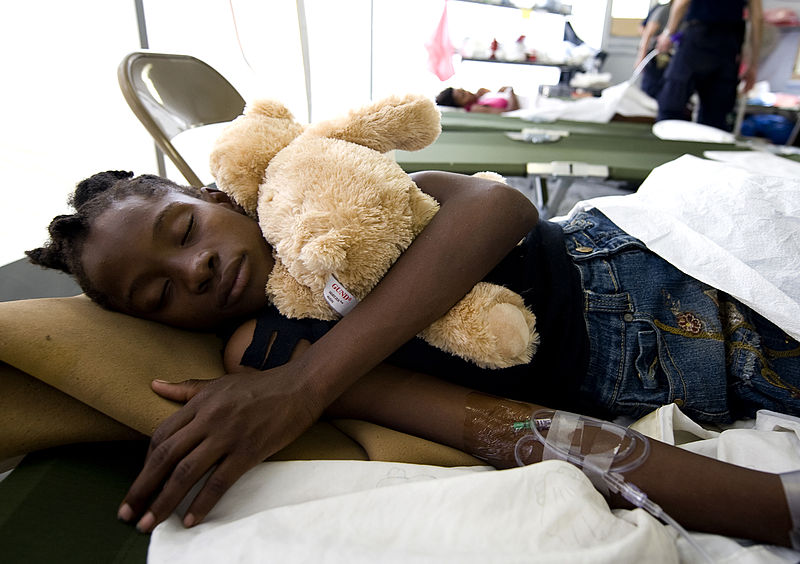
 

October 4, 2019
https://borgenproject.org/wp-content/uploads/borgen-project-logo.svg 0 0 Kim Thelwell https://borgenproject.org/wp-content/uploads/borgen-project-logo.svg Kim Thelwell2019-10-04 09:13:172024-06-05 01:28:28Natural Disasters Shape Global Poverty
Developing Countries, Global Poverty

Emergency Medical Care in Developing Nations

Emergency Medical Care in Developing NationsNearly 88 percent of injury-related deaths happen in poverty-stricken countries. There is an urgent demand for emergency care in low- to middle-income countries. One study found that, in these countries, emergency professionals see 10 times the number of cases that a primary doctor does, and the rate of death in these areas is extremely high.

Many emergency care centers in developing countries are severely underfunded and under-resourced. Some lack basic medical instruments while others have medical professionals that work without training or any sort of protocol. The burden of emergency medical care in poor nations is not only due to the lack of medical care or training, but also poor infrastructure. Together for Safer Roads outlines the difficulties presented by deteriorating roads or indirect routes that affect both transport to the emergency scene and transport to the hospital. Improving these roads reduces the likelihood of crashes and unsafe traffic routes and increase the efficiency of trauma transport.

Kenya

Another study done by the National Center for Biotechnology Information (NCBI) has outlined a significant lack of emergency care. Only 25 percent of Kenyans are covered by health insurance, meaning that many must pay for medical care themselves. With so many bearing the financial burden of medical care, it is less likely they would seek it in an emergency.

There are barely any skilled professionals working in emergency medical clinics, resulting in a lack of specific training for emergency medical situations. However, it has recently been recognized as a specialty by both the Medical Practitioners and Dentists Board and the Clinical Officers Council (COC). The other issue at hand in Kenya is the lack of resources. The nation is severely lacking in ambulances, and due to the significant cost of transport by ambulance, many patients take private means like taxis. There is also not a reliable dispatch system in Kenya, making the rapid response of an ambulance unlikely.

The study concluded that there needs to be a creation of new policies at a national level to improve access to emergency care. It also states it is crucial that Kenya recognize emergency care as a significant part of the healthcare system in order to develop authority for emergency response, improve the expensive cost of emergency care and implement a communication network for an emergency system.

Haiti

The country of Haiti has been struck by several natural disasters, making the need for an adequate emergency system crucial. One of the largest issues is the location of clinics and hospitals. The country has around 60, but they are primarily located in larger cities, leaving rural areas with little to no access to trauma care.

Basic necessities like gloves and medicine are things patients have to pay for before they can receive care. Even asthma attacks can be fatal because some cannot afford the inhaler. Also, the medical instruments patients have to pay for out-of-pocket are not necessarily the most up-to-date or high quality. Similarly to Kenya, medical professionals are rarely trained to deal with emergency situations. However, some groups have begun the effort to train professionals in Haiti to be prepared for emergency situations. Dr. Galit Sacajiu founded the Haiti Medical Education Project for this purpose after the earthquakes of 2010. Her courses not only train the nurses and doctors of Haiti but also provide them with the knowledge of what to do with the little or substandard medical instruments they have access to.

Economic Benefit of Improvement

If the amount of injury-related deaths that occur in developing nations was reduced to that of high-income countries, over 2 million lives could be saved. The same study also set out to find the economic benefit of improving emergency care. They found that, if these deaths were reduced, it could add somewhere between 42 to 59 million disability-adjusted life years averted. By using the human capital approach, they also conclude that there is an added economic benefit to the reduction in mortality of $241 to $261 billion per year.

There are several factors that contribute to the effectiveness and availability of emergency medical care in developing nations. These factors mainly concern infrastructure or quality of medical care. Although the issue of trauma care seems far from being solved, a study done by the Brookings Institution states there are indications that it may improve. By monitoring the improvements in medical care in high-income countries, they found that similar improvements were beginning to occur with emergency medical care in developing nations. As trauma care becomes increasingly recognized as an urgent need, it can improve and save thousands of lives.

– Olivia Halliburton
Photo: Wiki

July 18, 2019
https://borgenproject.org/wp-content/uploads/borgen-project-logo.svg 0 0 Kim Thelwell https://borgenproject.org/wp-content/uploads/borgen-project-logo.svg Kim Thelwell2019-07-18 15:17:252024-05-29 23:00:47Emergency Medical Care in Developing Nations
Global Poverty

Printing Homes: Affordable Housing for Disaster-Prone Areas

affordable housingMakeshift tent communities become semi-permanent homes for those who have lost everything to natural disasters. Though housing charities like San Francisco-based New Story have built 850 houses for those affected by natural disasters since 2015, the cost and time it takes to build these houses are hindering the progress.
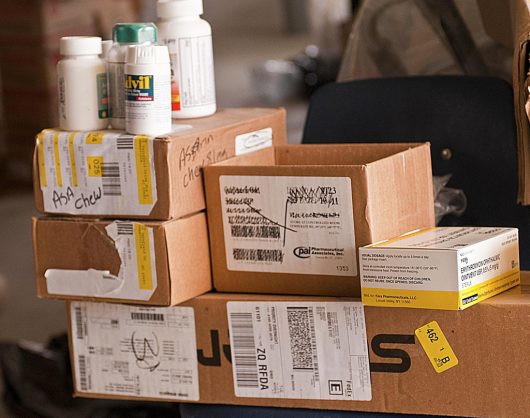
With plans to build an entire 3-D printed community in earthquake-prone El Salvador by the end of this year, New Story is partnering with ICON to print affordable housing for those that have no choice but to live in tents. Of the 850 houses built so fair, New Story has raised funds for 1,600. Solutions like the 3-D printed house will ensure that available funds are utilized efficiently, transitioning more communities from tents to secure shelters sooner.

Printing 3-D Affordable Housing

The current cost for one New Story house equipped with running water, a sanitary bathroom and concrete floor is $6,500. In March of this year, ICON, New Story’s tech construction partner, printed a 3-D house that only cost $4,000 and was built in 24 hours.

Specifically designed for disaster relief housing, the 3-D printer that built this prototype is made from aluminum, making the printer lightweight and easily transportable. The printer has a generator built in should a power outage arise. Designed to withstand worst conditions, ICON’s 3-D printer is revolutionizing affordable housing solutions, specifically for those devastated by natural disasters.

So far, houses built by New Story have improved the lives of over 6,000 people. Through traditional construction, houses have been built in the following places:

  • Haiti – Leveque, Labodrie, Minoterie, Gonaives
  • El Salvador – Nuevo Cuscatlan, Ahuachapan
  • Bolivia – Mizque

How 3-D Printed Houses Change Lives

Living in a secure shelter helps people out of poverty. Not having the worry of where clean water will come from, the floor turning into mud from the rain or someone robbing the home in the middle of the night allows people to focus on things other than survival.

Prior to living in their New Story houses, a community in Labodrie, Haiti, lived in tents for nearly six years after the 2010 earthquake. Many families were separated due to poor living conditions that were unsafe for children. Living in secure shelters bumped the community’s employment rate up 16 percent and reunited families. 150 homes were built equipped with clean running water, bathrooms and concrete floors.

Also devastated by the 2010 earthquake was Leveque, Haiti. People had been living in tent cities before New Story stepped in. With access to clean water, bathrooms and concrete floors, 75 percent of children in this community now attend school.

In El Salvador, 90 homes were built in Nuevo Cuscatlan and Ahuchapan with the help of New Story. In Nuevo Cuscatlan, 16 percent of homeowners started a business from their home, a playground was built in the community for the children and 66 percent of these children are attending school.

The Future of 3-D Printing

The impact of living in a solid home is the difference between surviving and thriving in a community. With the help of new technology, affordable housing will be built in even more communities than in the past. In addition to helping those affected by natural disasters, 3-D printing homes has the potential to help with a global housing shortage caused by rapid city growth and unaffordable housing prices.

According to City Lab, in some developing nations, “housing costs exceed incomes by more than 3000 percent.”  Disaster area or not, unaffordable housing puts people at risk for poverty.  Continued innovation by companies like ICON and New Story will build stronger, self-sustaining communities in places that are most susceptible to natural and manmade disaster.

– Hope Kelly
Photo: Flickr

July 13, 2018
https://borgenproject.org/wp-content/uploads/borgen-project-logo.svg 0 0 Borgen Project https://borgenproject.org/wp-content/uploads/borgen-project-logo.svg Borgen Project2018-07-13 01:30:042019-09-14 20:18:53Printing Homes: Affordable Housing for Disaster-Prone Areas
Disease, Global Poverty

Street Vendor Pharmacists in Haiti

Street Vendor Pharmacists

Due to the lack of pharmaceutical access in Haiti, people are buying and selling all types of medicine on the streets. These street vendor pharmacists sell medicines ranging from ibuprofen to Viagra and even high-powered antibiotics.

The reason for Haiti’s lack of access to pharmaceuticals is due to a lack of infrastructure. Haiti’s medical infrastructure is underdeveloped due to government instability and several natural disasters that have occurred over the last decade.

Because of these events, Haiti has not had the ability to stabilize their infrastructure. This has led to a decrease in the availability of goods, including pharmaceuticals to treat various diseases and ailments.

The street vendor pharmacists carry large plastic buckets stacked high with different medications, held together with rubber bands. They try to stack the pills in an aesthetically pleasing way so as to attract more people to their bucket. Nearly all of these vendors have little to no knowledge about the medication they sell. While there are pamphlets available for them to learn the purpose of these drugs, they are limited in quantity and scope.

While these street vendors are helpful for Haitians in need of medicine, it’s not a business that can last. Many of the medicines that these vendors acquire are expired or counterfeit, and rather than helping people, they make them feel worse.

According to an interview with journalists Paolo Woods and Arnaud Robert, these vendors do not have the intention of hurting their customers. While they want to help those who are in need of medicine, they are also trying to make a living for themselves.

With the help of organizational intervention, Haiti is rebuilding its pharmacies and health clinics to better provide for its people. Organizations such as Plan International Canada and Plan International Haiti are working to make healthcare accessible to Haitians in a sustainable way.

– Rebekah Covey
Photo: Flickr

September 21, 2017
https://borgenproject.org/wp-content/uploads/borgen-project-logo.svg 0 0 Borgen Project https://borgenproject.org/wp-content/uploads/borgen-project-logo.svg Borgen Project2017-09-21 01:30:482024-05-29 22:26:39Street Vendor Pharmacists in Haiti
Government

Supporting Poverty Reduction Through Immigration Legislation

The debate over immigration is one of the key tenets of modern U.S. political discourse. The poverty aspect of the conversation, however, is frequently ignored.
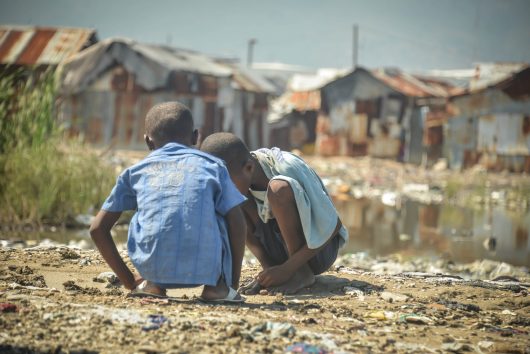
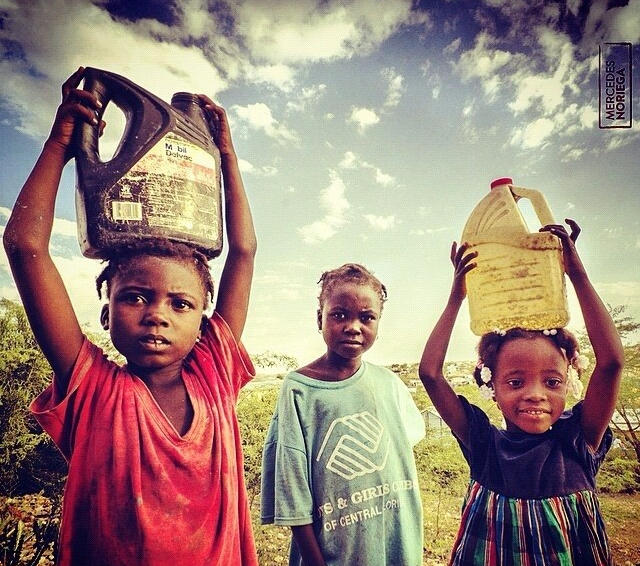
But some academics have taken to asking an intriguing question: should poverty reduction through immigration legislation be taken more seriously as a proposal?

The data bears out how legal immigration can benefit both parties when it comes to alleviating poverty. Among Mexican immigrants, the largest foreign-born group in the U.S., those with legal recognition have a 12 percent lower rate of poverty than the undocumented. Average annual income is around $6,000 higher.

The domestic economy, and U.S. workers, can benefit from these influxes. The labor market becomes more efficient and managerial positions often appear and are usually filled by native-born Americans. Employers are also spurred on to comply with labor, health and safety regulations, unlike when undocumented migrants form their employment base.

The 1986 Immigration Reform and Control Act stands as a testament to what federally sponsored legal immigration can do to reduce poverty both domestically and abroad. The legislation legalized the status of 2.7 million immigrants and in the process increased their wages by 5 percent. A frequent criticism of a more liberal immigration policy is that it encourages poverty to ‘migrate’. This fails to account for the impact bills like the 1986 act can have to encourage poverty reduction through immigration.

More successful than some humanitarian and foreign aid projects, migration is capable of alleviating poverty among some of the most at-risk nations in the world. Haitians, the most poverty-stricken people in the Western hemisphere, have migrated in large numbers to the U.S. and Canada, often as refugees. Now, around four out of every five Haitians who are above the poverty line live abroad. These migrants, in turn, often repatriate wages back to Haiti to support their relatives.

Encouraging legal immigration as a policy goal could be under threat in 2017. The White House has made moves to significantly curb legal migrants and a new proposal endorsed by President Trump seeks to greatly limit the availability of green cards to family members of existing immigrants. The number of refugees will also be cut in half.

Congress appears unwilling so far to pass such a bill. Some Republican Senators have highlighted the economic benefits of legal immigration to their home states, such as South Carolina’s Lindsay Graham. They could join Democrats in universal opposition to the proposal and effectively kill it.

Treating immigration as a poverty-solving method could prove effective if taken seriously on Capitol Hill. While it appears any restrictions to legal immigration remain unlikely to pass, poverty still is a largely absent feature of the debate. The 1986 Immigration Reform Act, in particular, should stand out as an example of how to support poverty reduction through immigration.

– Jonathan Riddick

Photo: Flickr

September 9, 2017
https://borgenproject.org/wp-content/uploads/borgen-project-logo.svg 0 0 Kim Thelwell https://borgenproject.org/wp-content/uploads/borgen-project-logo.svg Kim Thelwell2017-09-09 01:30:502020-07-08 08:16:35Supporting Poverty Reduction Through Immigration Legislation
Global Poverty

Six Facts About Poverty in Haiti

Poverty in HaitiHaiti is a country that struggles with severe poverty, being thrown inevitable challenges such as damage from hurricanes and earthquakes, causing the mass destruction of buildings and supplies that are difficult to come by in the first place. Haitians are in a constant fight to survive, but the good news is that efforts can be made to make a difference. Discussed below are the leading facts about poverty in Haiti and their implications.


Top 6 Facts on Poverty in Haiti


  1. Due to natural disasters, Haiti has faced major financial losses. Since the latest disaster caused by Hurricane Matthew, predicted losses add up to over $1.9 billion. This amounts to 22 percent of Haiti’s gross domestic product. Haiti’s current economic growth rate is only one percent. With post-Matthew reconstruction, Haiti’s fiscal debt continues to grow.
  2. The World Bank has come up with a program called the Haiti Reconstruction Fund (HRF). The HRF has cleaned up 900,000 cubic meters of debris and supplied Haiti with a total of $411.4 million. Furthermore, the group has managed to support the repair and rebuilding of almost 2,600 houses and delivered food to 252 schools which provided 93,000 students with meals.
  3. Although two-fifths of Haitians depend on agricultural production to provide income, around 30 percent of Haiti still struggles to obtain food. International aid has helped provide many of these people with food and continues to work on supplying sustainable farming techniques.
  4. Ninety percent of farmers must depend on the weather for their crops to be sufficiently watered. In drier seasons or droughts, these farmers are likely to lose their crops, which are both a source of sustenance and income. This, again, puts an emphasis on the importance of environmental care in Haiti.
  5. The richest 10 percent of Haitians receive 70 percent of the country’s total income. This illustrates class inequality and the vast gap in income that many third-world countries struggle with. In Haiti, especially, it is important to advocate on behalf of the country’s poor.
  6. Haiti is still considered to be one of the poorest countries in the world, with 59 percent of Haitians living below the national poverty line. Haiti depends heavily on foreign aid and other forms of economic assistance.

These facts about poverty in Haiti may raise curiosity around the following question: how can people help fight poverty in Haiti? For those who are looking to help, there are several effective charities helping to bring relief to Haitians, including Konbit Mizik, Madre, The Lambi Fund of Haiti and many others.

– Noel Mcdavid

Photo: Flickr

August 27, 2017
https://borgenproject.org/wp-content/uploads/borgen-project-logo.svg 0 0 Borgen Project https://borgenproject.org/wp-content/uploads/borgen-project-logo.svg Borgen Project2017-08-27 01:30:432024-05-25 00:00:04Six Facts About Poverty in Haiti
Developing Countries, Global Poverty

What are the Causes of Poverty in Haiti?

Causes of Poverty in Haiti
Haiti is known as the poorest country in the Western Hemisphere. According to a Global Sisters Report, more than half of its citizens live either on or below the poverty line, contributing to a dearth of resources like food. Severe hunger is one of the biggest consequences of Haitian poverty, which has gotten worse in recent times. Given the severity of the situation, it’s important to know what the causes of poverty in Haiti are.


Exploring the Causes of Poverty in Haiti


One of the biggest causes of poverty in Haiti is government instability. Throughout the past 30 years, Haiti has had 18 different leaders, with 18 different governments. Due to this upheaval, several officials and businesses have taken advantage of the situation for their own power and wealth, to the detriment of the rest of the Haitian people.

Another consequence of this instability is the lack of government funds due to a lack of paid taxes. This leads to poor or even nonexistent services, such as aid for natural disasters. When these disasters occur, it creates a bigger burden for a country already struggling with few resources.

Two recent disasters that have exacerbated Haitian poverty are the 2010 earthquake and 2016’s Hurricane Matthew. According to The Economist, the earthquake left tens of thousands homeless, many of them still living in relief tents seven years later.

Still reeling from the earthquake, Hurricane Matthew destroyed much of the country’s livestock and crops. According to the Miami Herald, this leads to either desperate measures to attain food, like eating poisonous plants, or an over-dependence on foreign aid.

A study explored in the Global Sisters Report discussed how “[imported] rice accounts for the vast bulk [83 percent] of consumption.” The dependency on foreign food leads to less investment on local foods, hurting the already fragile economy.

Regardless, foreign relief alleviates a lot of the burden of Haitian poverty. Organizations like Food for the Poor and Misiόn Belem feed Haitians in areas where food is scarce.

In response to those areas of scarcity, current Haitian President Jovenel Moise vows to build up Haitian agriculture, like clearing the Duclos canal so the waters can be used to grow rice. Moise is also considering matters in Haiti beyond agriculture.

The Economist discussed how he received a report from The Copenhagen Consensus Centre outlining what it felt were the best investments into Haiti’s future. These investments included electricity reform, first responder training and infant immunization.

Although the causes of poverty in Haiti are varied and extreme, there are many people both within and outside of the island who are working towards ending Haitian poverty.

– Cortney Rowe

Photo: Flickr

July 19, 2017
https://borgenproject.org/wp-content/uploads/borgen-project-logo.svg 0 0 Borgen Project https://borgenproject.org/wp-content/uploads/borgen-project-logo.svg Borgen Project2017-07-19 07:30:582020-06-17 18:12:24What are the Causes of Poverty in Haiti?
Education, Global Poverty

Five Organizations Promoting Education in Haiti

In the United States, public education is frequently taken for granted. The plethora of education choices we are afforded often blinds those with privilege from how fortunate they are. In developing countries such as Haiti, these options are non-existent. The following nonprofits and other organizations are promoting education in Haiti.
Education for Haiti
With only about nine percent of Haitian children graduating from high school, Education for Haiti sees it as vital to ensure that children stay in school. The founder, Richard Ireland, spent time in the Peace Corps working in Haiti and saw firsthand the lack of access to education. After identifying six families living in extreme poverty, he decided to pay their children’s tuition. Altogether the six families had 33 children that he was able to send to school.

This legacy carries on today as the organization continues to provide tuition assistance to children of Haiti. While six families were helped last year, the organization hopes to grow to help even more.

Global Partnership for Education
Global Partnership for Education focuses on education all over the world. Through a series of grants, this organization is affecting change in Haiti. The first grant awarded to Haiti lasted from 2010 to 2015 and was utilized to increase access to education, boost student performance and increase governance in the school system.

The second grant to promote education in Haiti, which is $24.1 million, is set to last from 2014 to 2018. This grant is more targeted at enrollment. This reached 102,000 students the first year and an additional 35,444 the following year. This program is a tuition assistance initiative aimed at reaching children who otherwise would not be able to afford a non-public education.

UNESCO
As the educational and cultural arm of the United Nations, the United Nations Educational, Scientific and Cultural Organization (UNESCO) is renowned for its contributions to discovery and innovation around the world. Haiti is one of 181 countries in which UNESCO has created schools that are part of the Associated Schools Project Network.

With two primary schools, six secondary schools and 13 colleges, the organization is making notable changes in Haiti. The establishment of these schools not only bolsters Haiti but also helps the United Nations to reach the Education for Sustainable Development plan. These schools bring new perspectives based on innovation and experience.

Hope for Haiti
Like many nonprofits, Hope for Haiti focuses on more than one problem in Haiti, but education remains a key issue. Rather than focusing on ground-relief, it uses donations to power the organization and promote education in Haiti.

The nonprofit requires only $5 to provide school supplies to a student, and $100 can support an entire education. The scholarships provided to students through donations are able to change lives. One student, Marie Francelene, was able to attend nursing school through the organization’s assistance. Without Hope for Haiti, she would have been like thousands of other unfortunate students and unable to continue her education.

Haiti Foundation Against Poverty
The Haiti Foundation Against Poverty has narrowed its view to a specific area of Haiti. The United Nations labeled the slum Cite Soleil one of the most dangerous places in the world, but this label only encouraged the Foundation. In 2008, Les Bours School was opened on the outskirts of the notorious slum.

Les Bours School was established to promote education among the most disadvantaged children in Haiti. These are children living in unimaginable conditions surrounded by violence and gangs. The school created hope for these children’s futures. To continue this program, each student at Les Bours School is matched with a sponsor in order to continue funding.

These organizations promoting education in Haiti have left a substantial impact on the small island country, with every bit of aid making a big difference.

– Sophie Casimes

Photo: Flickr

July 15, 2017
https://borgenproject.org/wp-content/uploads/borgen-project-logo.svg 0 0 Borgen Project https://borgenproject.org/wp-content/uploads/borgen-project-logo.svg Borgen Project2017-07-15 01:30:482024-06-05 23:47:11Five Organizations Promoting Education in Haiti
Disease, Global Poverty

Top Diseases in Haiti


Before the devastating 2010 earthquake in Haiti, 80% of Haitians already lived below the poverty line, and 54% of the natives lived in poverty. Already an economically struggling country, the earthquake shattered what little financial support it had by creating $8.5 billion in destruction. According to the Inter-American Development Bank, Haiti’s gross domestic product decreased to 5.1% and destroyed 106,000 homes while damaging another 188,383 homes.

While the effects of the earthquake still linger, diseases in Haiti are still one of the most prominent causes of death in the nation. Tuberculosis has proven to be one of the most detrimental diseases in Haiti, with two million people dying each year due to the disease, and another 8.4 million contracting the disease. USAID notes that Haiti is among the highest per capita recipients of tuberculosis in the Latin America and Caribbean region, and has become one of the most infectious causes of mortality in both children and young adults with a recorded 6,814 deaths in 2007. EMBO reports that fewer than half of the tuberculosis cases are diagnosed, and of those diagnosed, only 30% have access to treatable care.

USAID notes that Haiti is among the highest per capita recipients of tuberculosis in the Latin America and Caribbean region, and has become one of the most infectious causes of mortality in both children and young adults with a recorded 6,814 deaths in 2007. The European Molecular Biology Organisation (EMBO) reports that fewer than half of the tuberculosis cases are diagnosed, and of those diagnosed, only 30% have access to treatable care. EMBO suggests that the rate of tuberculosis in Haiti is largely in part of the expansion of the HIV/AIDS pandemic. HIV/AIDS has also been one of the deadly diseases in Haiti, proving to be the cause of death for three million residents of Haiti per year. Of those who are diagnosed with HIV/Aids, one-third died of tuberculosis.

EMBO suggests that the rate of tuberculosis in Haiti is largely in part of the expansion of the HIV/AIDS pandemic. HIV/AIDS has also been one of the deadly diseases in Haiti, proving to be the cause of death for three million residents of Haiti per year. Of those who are diagnosed with HIV/Aids, one-third died of tuberculosis.

Diseases in Haiti are also highly contracted from mosquito bites that in turn become vector-borne diseases. One of the most common vector-borne diseases is malaria, which impacts 1,278 residents out every 100,000 people annually. Another disease in Haiti that is notably less common is Chikungunya. The virus transmission was first reported in Haiti in May 2014, and infects 627 Haitians per 100,000. Cholera is the last example of vector-borne diseases in Haiti. It severely broke out following the earthquake in 2010, causing 700,000 cases of illness and 8,500 deaths last year. In 2014, 27,750 residents of Haiti reported having cholera, 296 deaths resulted from the disease.

Cholera is the last example of vector-borne diseases in Haiti. It severely broke out following the earthquake in 2010, causing 700,000 cases of illness and 8,500 deaths last year. In 2014, 27,750 residents of Haiti reported having cholera, 296 deaths resulted from the disease.

There are strong efforts to reduce diseases in Haiti through a variety of health programs. One of the health programs in Haiti is Partners in Health, an affiliate of Harvard Medical School and Brigham and Women’s Hospital in Boston. Partners in Health has made significant strides in integrating a “four pillars of health” system. This includes voluntary HIV counseling and testing in primary healthcare, maternal health services and tuberculosis diagnosis and treatment while providing healthcare from a humans rights approach and using paid community health workers to accompany patients with their chronic disease.

The work of Partners for Health has made a drastic and positive impact on HIV/AIDS prevention. Through the Partners for Health, a survey conducted off treatment approaches proved that 59 of 60 patients responded favorably to the treatment, providing hope for the future.

Overall, diseases in Haiti are still very prominent and remain a global issue for humanitarians. That said, programs such as Partners for Health are making a tremendous effort in reducing the rise of diseases in Haiti.

– Patrick Greeley

Photo: Flickr

July 14, 2017
https://borgenproject.org/wp-content/uploads/borgen-project-logo.svg 0 0 Borgen Project https://borgenproject.org/wp-content/uploads/borgen-project-logo.svg Borgen Project2017-07-14 01:30:272024-05-28 00:02:40Top Diseases in Haiti
Education, Global Poverty, USAID

Notre Dame and USAID Team Up to Improve Education in Haiti

Notre Dame and USAID Team Up to Improve Education in HaitiFor many years, Haiti has not only been the poorest country in the Western Hemisphere, but also one of the most destitute in the world. Rocked by earthquakes, cholera epidemics and hurricanes over the past few years, the country has struggled to improve many facets of life for its citizens. As such, education in Haiti faces many obstacles, including teacher training, accessibility and funding.

Currently, almost 80 percent of teachers have not been exposed to the proper training prior to their tenure as educators, and half of those working in the country’s few public institutions lack basic teaching qualifications.

Public schools are almost non-existent in Haiti – almost 90 percent of establishments are run by religious organizations and non-government entities. Because these schools are private, they require tuition fees in order to operate, which is often a huge burden for families in a country where the average annual income is roughly $800.

More than half of all children do not attend school, and the development of education in Haiti must contend with the staggering fact that over half of Haitian adults are illiterate, and as many as 50 percent of second graders cannot read even one word.

However, in an effort to improve the quality of life for millions around the world, USAID has teamed up with 6 U.S. universities to develop innovative solutions to a variety of problems. By awarding over $3 million in grants to graduate students across the country, USAID has committed to improving the lives of people across the globe.

As part of this effort, the University of Notre Dame was awarded a grant in December 2012 to take on the challenge of literacy in Haiti. The grant will cover 150 schools and as many as 30,000 children and will work in tandem with the Haitian Catholic Church over the next four years. Additionally, USAID has partnered with Haiti’s Ministry of Education to the tune of $6.3 million to improve early-grade reading and writing skills.

The University of Notre Dame is certainly familiar with the daunting task of improving the lives of Haiti’s young students. In 2014, the university’s Alliance for Catholic Education (ACE) launched the “Read to Learn” initiative, aiming to reach 7,000 children in 52 schools by expanding Creole reading programs, the native language of 95 percent of Haitians.

Although recent years have been tumultuous and full of challenges for the country, its people remain resilient and dedicated to improving their communities and the lives of their children. With the help of organizations such as ACE and USAID that are committed to improving literacy and education in Haiti, students throughout the island have hope for better education and a brighter tomorrow.

– Emily Marshall

Photo: Flickr

December 20, 2016
https://borgenproject.org/wp-content/uploads/borgen-project-logo.svg 0 0 Borgen Project https://borgenproject.org/wp-content/uploads/borgen-project-logo.svg Borgen Project2016-12-20 01:30:372024-12-13 17:56:22Notre Dame and USAID Team Up to Improve Education in Haiti
Page 2 of 8‹1234›»

Get Smarter

  • Global Poverty 101
  • Global Poverty… The Good News
  • Global Poverty & U.S. Jobs
  • Global Poverty and National Security
  • Innovative Solutions to Poverty
  • Global Poverty & Aid FAQ’s
Search Search

Take Action

  • Call Congress
  • Email Congress
  • Donate
  • 30 Ways to Help
  • Volunteer Ops
  • Internships
  • Courses & Certificates
  • The Podcast
Borgen Project

“The Borgen Project is an incredible nonprofit organization that is addressing poverty and hunger and working towards ending them.”

-The Huffington Post

Inside The Borgen Project

  • Contact
  • About
  • Financials
  • President
  • Board of Directors
  • Board of Advisors

International Links

  • UK Email Parliament
  • UK Donate
  • Canada Email Parliament

Get Smarter

  • Global Poverty 101
  • Global Poverty… The Good News
  • Global Poverty & U.S. Jobs
  • Global Poverty and National Security
  • Innovative Solutions to Poverty
  • Global Poverty & Aid FAQ’s

Ways to Help

  • Call Congress
  • Email Congress
  • Donate
  • 30 Ways to Help
  • Volunteer Ops
  • Internships
  • Courses & Certificates
  • The Podcast
Scroll to top Scroll to top Scroll to top