• Link to X
  • Link to Facebook
  • Link to Instagram
  • Link to TikTok
  • Link to Youtube
  • About
    • About Us
      • President
      • Board of Directors
      • Board of Advisors
      • Financials
      • Our Methodology
      • Success Tracker
      • Contact
  • Act Now
    • 30 Ways to Help
      • Email Congress
      • Call Congress
      • Volunteer
      • Courses & Certificates
      • Be a Donor
    • Internships
      • In-Office Internships
      • Remote Internships
    • Legislation
      • Politics 101
  • The Blog
  • The Podcast
  • Magazine
  • Donate
  • Click to open the search input field Click to open the search input field Search
  • Menu Menu

Tag Archive for: Economic Growth

Information and news about economic growth

Posts

Global Poverty

Rebuilding Soil to Build Sustainable Agriculture in Andalusia

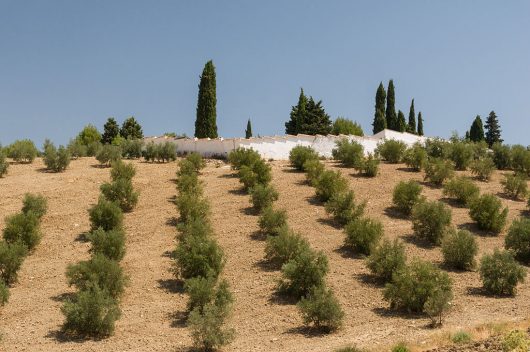
Sustainable Agriculture in AndalusiaIn Andalusia, one of the 17 autonomous regions in Spain, agriculture and food production drive the economy. According to 2016 report, 24.3 percent of the region’s population lives in rural areas. Desertification, the process by which once-fertile land becomes lifeless, is eating away at vital landscapes. The dehesa, a traditional Spanish amalgamation of agriculture, natural grasslands and shrubbery, is falling out of favor.

Cultivation of singular crops has been going on for decades. This monoculture leads to vast segments of exposed land actively depleting, risking fire and limiting natural resources. As viable lands shrink, urban drift intensifies. Smallhold farmers without knowledge or resources to promote sustainable agriculture in Andalusia move away in hopes of finding work in the city. For the many who met with failure, it is time for them to come home.

How to Make Smallholder Farming Profitable

Expanding sustainable agriculture in Andalusia will allow smallholder farmers struggling to grow their products in profitable ways an incentive to return to their holdings. Affordable, accessible ways to repair dead soil and improve access to water are increasingly available. Healthy soil acts as a sponge; to rebuild the soil is key to water stewardship.

Between the coasts and the olive groves, Andalusians traverse stretches of terrain on horseback. The land is harsh and unforgiving at times. Andalusian culture speaks to its past life as a Moorish outpost, as well as its Spanish ties. Olive trees and the famed jamón ibérico paint the landscape and provide important sources of revenue.

Today, sustainable agriculture in Andalusia is positioned not only to reclaim land lost to desertification, but also to create a vibrant agricultural economy that fights climate change and improves quality of life. Though the Spanish economy overall ranks at fourteenth in the world, this statistic masks the macroeconomic disparity of wealth among the autonomous regions.

Recent data reports that over 40 percent of the population in Andalusia lives in poverty. Abandoned holdings plus the failure of urban drift to create lasting jobs contribute to the spike in unemployment. However, the root and the solution to this problem can be found in the same place: the land.

Global Efforts

Desertification is a natural disaster occurring on a global scale. When the United Nations Convention to Combat Desertification launched in 1994, the combined effort of member states to protect the welfare of populations living in drylands established this threat as a priority.

The resonating message from the last meeting is one of urgency. As desertification mushrooms across land, left in the wake of destruction are not only the environment, but also the livelihoods of the people who are sustained by it.

Rebuilding the Andalusian Farming Culture

Danyadara, a grassroots organization nestled in the foothills of the Sierra de Grazalema, is drawing from the region’s long history of human interaction with and reliance upon the land in order to provide a working example of sustainable agriculture. Cost-effective ways to improve soil and manage water are showcased on their property, where a formerly barren field grows into a thriving food forest.

For the many Andalusians that only know poverty, the current situation only reaffirms their way of life. But this passive acceptance may fade as sustainable agricultural investment blossoms.

Danyadara recognizes that Andalusia is positioned to be a leader in small-scale sustainable agriculture. Efforts of the small staff and volunteers are directed at not only regenerating their own land, but also sharing knowledge and resources with the community. Their methods are three pronged: bring back the soil, improve water stewardship and increase carbon sequestration. Detailed information on their projects can be found in both Spanish and English on their website.

Climate Farming

Sustainable agriculture in Andalusia, or climate farming as it is sometimes called, is a vehicle for job creation and investment. The historic dehesa-style of farming is a natural stepping-stone toward climate farming and sustainable agriculture. It encourages biodiversity, the replanting of grasslands and enables a no-till farming structure that is important in the fight against climate change.

“For us, the biggest game changer will be when we can share no-till seeding technology with our neighbors,” said Jacob Evans, Farm Manager at Danyadara. “Our host site, Suryalila Retreat Centre, enables a hyper-focus on soil health since the land is a gift. Once we show people that it is possible to seed without tilling, keeping the soil intact, the lessons and gifts from the older generation will come full-circle.”

– Andrea Blumenstein

Photo: Wikimedia Commons

January 21, 2018
https://borgenproject.org/wp-content/uploads/borgen-project-logo.svg 0 0 Borgen Project https://borgenproject.org/wp-content/uploads/borgen-project-logo.svg Borgen Project2018-01-21 03:49:032024-06-05 23:55:36Rebuilding Soil to Build Sustainable Agriculture in Andalusia
Global Poverty

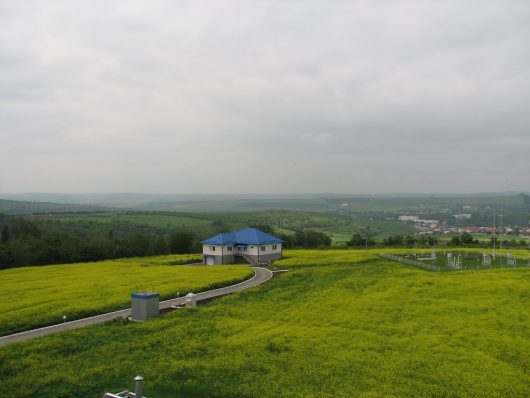
The Need for Investment in Infrastructure in Moldova

The Need for Investment in Infrastructure in Moldova
Development of infrastructure in Moldova has progressed significantly since 1999 — a year in which the International Telecommunication Union reported that even the most basic telecommunications services were unavailable and the population was largely disconnected. Since this tumultuous time, Moldova’s national telecom, Moldtelecom, has upgraded to fiber-optic technology and a digital switch system through a $10 million investment from Denmark’s Great Northern Telegraph (GNT).

Telecommunications

Moldova’s telecommunications network has surpassed many western countries including Germany, Great Britain and even the United States (as far as in their internet connection). The company also installed land-lines and a consistent mobile service across the entire country; these measures are a stark contrast to 1997, when Moldtelecom had 15 lines per 100 people and practically no cell service with a rate of just 0.3 percent.

Improving infrastructure in Moldova requires greater focus on its road network, electricity and the procurement of investments for further development. Moldova’s railroads haven’t been upgraded since the Soviets built them; in fact, they haven’t been electrified, and thermal deformation during the summertime acts limited speed and load weight on the railroads.

Road Network

However, the road network in Moldova is of far greater concern. In 2006, only 7 percent of Moldova’s road network was proclaimed safe and of satisfactory quality. As the 21st century has progressed, Moldova’s winters have become warmer and wetter, leading to muddy and impassable roads. If these worsening weather conditions continue, Moldova’s rural communities will be cut off from the inner city areas of the country during the winter and rainy seasons.

Electricity

Moldova’s electrical supply is a key factor in improving the deficits in infrastructure in Moldova. Unfortunately, 61 percent of energy imports is gas and relies on Russia for much of this supply. Due to missed payments and bills stacking up, Moldova’s gas supply and their electricity are often cut off.

Investment

The main source of these failing aspects of infrastructure in Moldova comes to a simple lack of investments. The country doesn’t have the money or resources to spend on improving its infrastructure. As of November 2017, the European Bank for Reconstruction and Development (EBRD) has agreed to work with authorities on creating sustainable practices in infrastructure development in Moldova. They plan to support modernization of its roads and railways and encourage transparency in policy.

According to Dimitri Gvindadze, Head of the EBRD’s office in Chisinau, “The new strategy gives a fresh impetus to our engagement in Moldova. Combining financial investment with policy engagement, the EBRD is perfectly placed to make a real impact in Moldova. Our focus is on the establishment of a sound, transparent and modern financial sector that works for the people and the companies of Moldova.”

This response is promising for the future state of infrastructure in Moldova, and only time will tell if the improvement that has taken place in the country thus far will continue.

– Kayla Rafkin

Photo: Flickr

January 21, 2018
https://borgenproject.org/wp-content/uploads/borgen-project-logo.svg 0 0 Borgen Project https://borgenproject.org/wp-content/uploads/borgen-project-logo.svg Borgen Project2018-01-21 01:30:472024-06-05 02:12:17The Need for Investment in Infrastructure in Moldova
Global Poverty

Building a Diverse Economy With Infrastructure in Mozambique

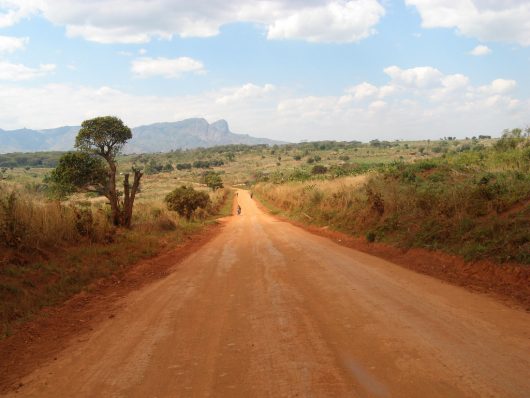
Building a Diverse Economy With Infrastructure in MozambiqueInfrastructure in Mozambique is significantly underdeveloped compared to all other countries of the world. Of its approximate 30,400 kilometers of highway roads, only 18 percent are paved, the rest remaining dangerous and even impassable in certain weather conditions. The entire length of Mozambique spans 2,000 kilometers and varies between 50 and 600 kilometers in width.

The Estrada Nacional One, or National Highway One (EN1) remains the only road connected to the country’s capital, Maputo, to the north and south. The rest of the country remains largely disconnected, with little to no mode of transport available to the outer regions. There are no rail lines going beyond Maputo to the north, with many of the existing ones in the south being unserviceable and in complete disrepair. Domestic and freight transport mainly serves the center and south of the country through the largest transport company, Transportes Lalgy, which also connects to South Africa and Zimbabwe.

The rising demand for the country’s vast natural resources is its best chance for boosting the economy and spurring the development of infrastructure in Mozambique forward. The main challenge to this development is diversifying the economy, expanding and tapping into the resources centered in Mozambique’s food products, ports, airlines and railways.

The United Nations Industrial Development Organization (UNIDO) created the Competir com Qualidade, or private sector quality promotion program, in 2012, aiming toward enhancing the country’s development through increasing product competition. According to UNIDO project manager Dominika Dor, this is the first step toward creating a productive and stable economy, saying, “A well-functioning quality infrastructure can have a positive impact on multiple aspects of life, reaching from industrial development to environmental sustainability.” She goes on to explain that this impact is especially essential when it comes to water and other food products, as they are meant to be consumed by humans.

Development of infrastructure in Mozambique is particularly crucial when it comes to the railroads and ports. Malawi and Zimbabwe are entirely dependent on the rail lines that connect them to Mozambique, as they are completely landlocked and cannot reach the ports for their imports and exports any other way.

The Maputo Port Development Company (MPDC) plans to invest $750 million in the development of the Port of Maputo, Mozambique’s largest port, so it can transport 48 million tons of goods each year by 2033. This includes the transport of iron-chromium, coal, vehicles and fruit, among other goods. The second and third largest ports, Beira and Nacala respectively, are currently undergoing enhancements to expand their accommodations for larger cargos and ensure Zimbabwe’s entry into the world market.

The rail network, on the other hand, requires private investments to improve railroad safety and ensure the safe passage of cargo and goods. The Portos e Caminhos de Ferro de Moçambique (CFM) is currently working on obtaining these investments and bring Mozambique’s railways up to the national standard.

Further development on Mozambique’s roads and transportation services will only serve to increase movement through the nation’s economy. With continued work on the infrastructure in Mozambique, the quality of life will inevitably improve for the African nation’s citizens.

– Kayla Rafkin

Photo: Flickr

January 21, 2018
https://borgenproject.org/wp-content/uploads/borgen-project-logo.svg 0 0 Borgen Project https://borgenproject.org/wp-content/uploads/borgen-project-logo.svg Borgen Project2018-01-21 01:30:292019-11-11 06:23:04Building a Diverse Economy With Infrastructure in Mozambique
Global Poverty

Sustainable Agriculture in Ethiopia Needs Improvement

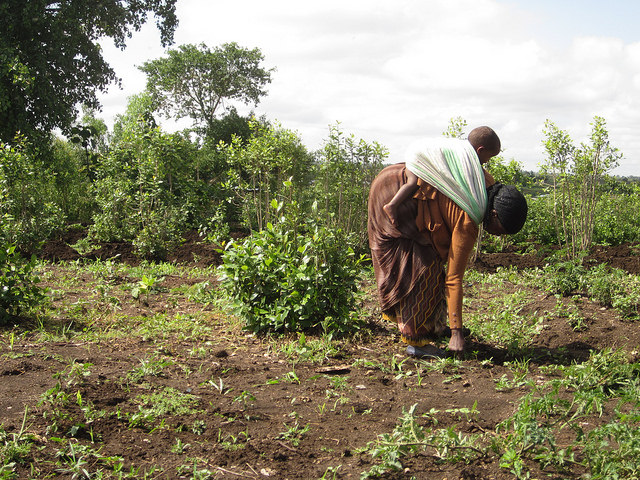
sustainable agriculture in ethiopiaThere is a need for sustainable agriculture in Ethiopia because the sustainability of agriculture affects other needs such as food security and water. Food security is accomplished through small-scale irrigation projects which allow communities to produce food and cash crops, vegetables and fruits at least twice a year. Markets are also able to expand beyond local consumption and goods are transported to larger centers, thus bringing in income.

Steps to develop sustainable agriculture in Ethiopia include training farmers in better agricultural practices, giving farmers improved seed and holding activities to manage natural resources such as soil and water. These types of projects also lead to opportunities for off-farm activities, including work opportunities for women, and encourage long-term participation for a sustainable system.

There continues to be efforts toward establishing water and food security in order to allow people to feed themselves and have access to nearby, safe water. According to the organization Rainbow for the Future, irrigation development projects are one of the most innovative and successful methods of bringing water and food security as well as necessary infrastructure to people in remote rural regions.

Rainbow for the Future is a Canadian development agency dedicated to the organization and integration of sustainable development efforts in Ethiopia, aiming to help people help themselves. When pastoral groups have the land and water needed to properly cultivate, they are able to make a consistent living and need not rely on aid.

Rainbow for the Future, Westlock Growing Project, the Canadian Foodgrains Banks and other organizations have participated in around 60 projects over the past 20 years to address various sustainability issues. Examples include:

  • Creating an accessible water supply, sparing women and young girls from walking five kilometers to fill a 60-pound container with contaminated water.
  • Building new high schools and a vocational school closer to rural towns, enabling children to have a bright future and preventing them from facing violence when leaving their homes in pursuit of education or work.
  • Improving grinding mills and grain stores to provide both food and income security.
  • Providing accessible healthcare and medical facilities so people do not have to make a dangerous and difficult full-day’s walk to get help.
  • Developing economic empowerment programs for women, including the establishment of women’s cooperatives and microloan programs.

Because of these types of partnerships and support, projects for sustainable agriculture in Ethiopia are able to be completed successfully and change is able to take place. The nation of Ethiopia is on its way to a more sustainable, brighter future.

– Julia Lee

Photo: Flickr

January 20, 2018
https://borgenproject.org/wp-content/uploads/borgen-project-logo.svg 0 0 Borgen Project https://borgenproject.org/wp-content/uploads/borgen-project-logo.svg Borgen Project2018-01-20 01:30:472019-11-11 06:26:26Sustainable Agriculture in Ethiopia Needs Improvement
Global Poverty

Two Current Programs for Sustainable Agriculture in Nigeria

Two Current Programs for Sustainable Agriculture in Nigeria
Nigeria is the most populous country in Africa, the seventh largest in the world, and is growing faster than any other nation in the top fifteen of that list. When policy makers address the issue of a growing world and necessary advances in food technology, Nigeria must be a key part of that solution. Below are snapshots of two current programs working to improve sustainable agriculture in Nigeria.

A New Variety of Cassava

Catholic Relief Services (CRS) is working with farmers in Nigeria to improve sustainable production of cassava. Cassava is a staple crop in tropical countries worldwide and has a number of advantages that make it a reliable crop in food-stressed areas. The plant is drought-resistant, can grow in marginal soils and has year-round availability.

CRS recently began a four-year project in Nigeria called Sustainable Cassava Seed Systems. The project delivers improved strains of cassava to the participants, along with education on maintaining and marketing the improved crops. According to one local farmer, the variety delivered by the CRS program produces more than three times the harvest compared to local varieties of cassava. This result is turning subsistence farmers in Nigeria into agricultural entrepreneurs, and ones who can return investments to their communities.

Nigeria is the world’s largest producer of cassava, and the crop provides more calories per acre than any other tropical staple. As a key item in feeding a growing world population, increasing the sustainability and efficiency of growing cassava can have an inordinate impact in the elimination of global poverty.

Youth Initiative for Sustainable Agriculture

Besides being one of the largest and fastest growing countries in the world, Nigeria is also one of the youngest. Having such a large proportion of youth in a country can severely impact tax education and other infrastructure, but youth is not always a burden — in Nigeria, the youth are a formidable political presence, and youth organizations often play a major part in other social realms as well.

YISA, the Youth Initiative for Sustainable Agriculture, was founded in 2012 in Abjua and has a cooperative group of young people from 15-40 years old that run several programs to support and encourage sustainable agriculture in Nigeria.

Among YISA’s current programs are the Environmental Sustainability Project, the Youth Agricultural Reorientation Program and the Market Linkage Program. These programs promote education in the realm of environmentally responsible agriculture, introduce urban and unemployed youth to farming skills and productive agricultural pursuits and develop commercial outlets for sustainable agricultural products in Nigerian Markets.

While sustainable agriculture in Nigeria stagnated somewhat in the late twentieth century (in large part because of the nation’s enthusiasm for oil revenues), the Nigerian government and international organizations have returned to focus on Nigeria’s impressive agricultural potential. In a nation of over 180 million people, it comes as no surprise that the programs highlighted here merely scratch the surface of current activity. As these and other projects mature and develop, Nigeria will become an ever-larger presence in sustainable food production in the 21st century.

– Paul Robertson

Photo: Flickr

January 20, 2018
https://borgenproject.org/wp-content/uploads/borgen-project-logo.svg 0 0 Borgen Project https://borgenproject.org/wp-content/uploads/borgen-project-logo.svg Borgen Project2018-01-20 01:30:232024-05-29 22:38:44Two Current Programs for Sustainable Agriculture in Nigeria
Development, Global Poverty

Development Projects in Kosovo Promoting Equality

5 Development Projects in KosovoDespite turbulence in the past, Kosovo is undergoing rapid economic development at present. However, this is not distributed evenly across all populations and parts of the country. However, there are numerous development projects in Kosovo working to change that. These five promise to make a major difference.

USAID Engagement for Equity

This program works to support local civil society groups in developing policies to promote greater equity for marginalized groups and communities in Kosovo. This project has had a broad reach and has made especially notable improvements in gender equity. Kosovo has relatively strong protections for women on the books, but few women are aware of their rights and often have difficulty taking advantage of them because of the patriarchal culture in Kosovo that is common in many Balkan societies. This problem is especially pronounced when it comes to property rights, as women traditionally did not own or inherit property.

USAID recently worked with Kosova Women 4 Women to organize a class that taught women what their rights are and how to exercise them. While this seems small, this is an example of development projects in Kosovo that have a much broader reach than they seem. Women who have property in their names or register property jointly with their husbands have a much easier time accessing credit, which helps them to start small businesses, promoting the growth of the entire economy as well as greater financial security for women.

LuxDev Health Sector Support Programme

Luxembourg has been a major donor to Kosovo’s health sector for many years and has contributed to many successful projects. This latest project is expected to be completed in 2019 and will build on the successes of previous projects. Its goals primarily center around improving institutional capacity and management to ensure full implementation of previous achievements, as well as increasing access to and affordability of care.

InTerDev 2

InTerDev 2 is the latest in a series of projects supported by the UNDP to reduce economic insecurity, particularly in southern Kosovo and among minorities and women. Its primary goals are to bring down the high unemployment rate, address underemployment and precarious employment, improve public services, and end the socioeconomic exclusion of women and minority groups. The plan is to do this by expanding the capacity of municipalities and local actors, especially in rural areas, to assist underserved populations, supporting small and medium-sized business owners who wish to modernize and expand and by promoting job growth at the local level.

Kosovo Safety and Security Project

This comprehensive approach to security, spearheaded by the U.N. but also supported by several EU member states, seeks to improve security in Kosovo by focusing on small arms control, countering violent extremism, and improvements in policing. Recent years have seen multiple development projects in Kosovo focus on addressing violent crime and cracking down on the illegal trade and possession of small firearms and explosive materials. The Safety and Security Project seeks to build on best practices learned from these projects to strengthen and empower Kosovo’s law enforcement agencies. Another effect of this project will be to bring Kosovo into compliance with EU regulations regarding firearms, helping to put Kosovo on a more equal footing with its neighbors. It is also hoped that the root causes of illegal weapons possession can be mitigated, helping to make Kosovo safer.

Institutional and Technical Support for the Water Supply System

This project is a follow-up to the 2016 project of the same name, both organized by Luxembourg. The 2016 project saw the creation of the Mitrovica Regional Water Company and supporting infrastructure. The current project aims to strengthen the management and customer service capabilities of the company and enable it to run more efficiently from a business standpoint. This comes as other development projects in Kosovo are also working to strengthen and support private sector activity. Also included in the current project are the use of satellite imagery to identify leaks and the replacement of some aging infrastructure to make the water supply system more efficient and more environmentally friendly by reducing the amount of water wasted as a result of leaks.

These projects all promise to jump-start economic development in Kosovo and lift people out of poverty. They will all have a major impact on quality of life and some even promise to help calm the lingering tensions in Kosovo as a result of the conflict. Improved economic conditions and stronger legal frameworks will also make major strides towards rectifying the ongoing issues surrounding property ownership. Once this is resolved, the credit access problem in Kosovo will also become much more manageable. Taken together, these improvements promise to strengthen Kosovo’s economy and bring down the poverty rate, which is good for everyone.

– Michaela Downey

Photo: Flickr

January 19, 2018
https://borgenproject.org/wp-content/uploads/borgen-project-logo.svg 0 0 Borgen Project https://borgenproject.org/wp-content/uploads/borgen-project-logo.svg Borgen Project2018-01-19 07:30:502024-05-29 22:30:17Development Projects in Kosovo Promoting Equality
Global Poverty

Facilitating Credit Access in Yemen Amid Conflict

credit access in YemenIn 2015, the SANAD Fund for Micro-, Small and Medium Enterprises (MSME) and Al Amal Microfinance Bank signed into effect a loan of $3 million. This loan provided the opportunity for new and small enterprises to develop in Yemen. As SANAD’s first investment in Yemen, this loan allowed a greater possibility for the country’s poor to gain credit access in Yemen for small business ventures.
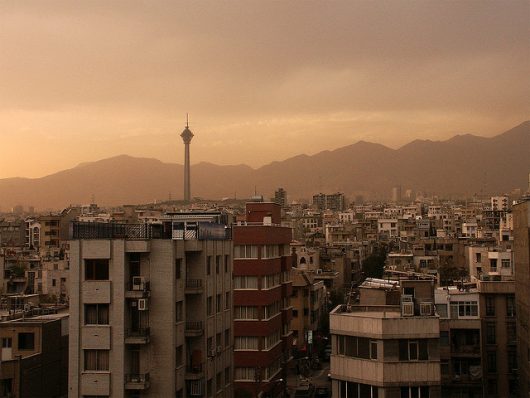
This loan was a collaborative effort. Al Amal is a microfinance bank in Yemen and MSME was funded by KfW Development Bank, with the German Ministry for Economic Cooperation and Development and the European Union providing the financial support for the loan.

The purpose of this loan was to strengthen the financial market through the development of micro-, small and medium enterprises and practicing principles of responsible finance for new entrepreneurs. Loans such as these allow for small enterprises to prosper by gaining credit access in Yemen.

However, in 2016, because of conflict in the nation, credit access in Yemen decreased on a large scale. Credit access for food cargoes and supplies for civilians in extreme poverty weakened. Lenders became disincentivized to offer lines of credit because of the civil war between the government, the Houthi militia and al Qaeda that is still ongoing.

International banks have declined to process lines of credit due to the instability in the country. This leaves traders to supply a full shipment of cargo without pay until arrival, an extreme risk to the trader.

Yemen’s central bank worsened the situation by stopping reasonable exchange rates for local traders purchasing rice and sugar for import. Yemen relies heavily on imports, and with these less than ideal circumstances, many individuals are left lacking basic necessities.

Government aid is working to combat the effects of poor credit access in Yemen. USAID funded over $100 million to supply roughly 400,000 people with food, water, shelter, healthcare and education.

The Yemeni government received four rehabilitated schools in Abyan and Aden because of USAID funding and a projected 13 more schools will be completed for use in southern Yemen.

Investing and providing credit access in Yemen seems risky, but through foreign aid and private investments to smaller enterprises, conflict may be driven down and local enterprises and trade may be allowed to grow in the country.

– Bronti DeRoche

Photo: Flickr

January 19, 2018
https://borgenproject.org/wp-content/uploads/borgen-project-logo.svg 0 0 Borgen Project https://borgenproject.org/wp-content/uploads/borgen-project-logo.svg Borgen Project2018-01-19 07:30:002024-05-29 22:30:19Facilitating Credit Access in Yemen Amid Conflict
Development, Global Poverty

Five Important Development Projects in Azerbaijan

5 Development Projects in Azerbaijan

Over the past two decades, Azerbaijan has transitioned from a struggling young democracy to a major powerhouse in the South Caucasus region. This transition was precipitated largely by capitalizing on increased revenues from oil and natural gas. That being said, poverty is still an issue in Azerbaijan.

Fortunately, there are a number of development projects in Azerbaijan that are currently underway and promise to improve circumstances for many Azerbaijanis. Here is a look at five of them, some completed and some still underway.

  1. Highway Three
    Many development projects in Azerbaijan have focused on infrastructure. However, not all of this new infrastructure has been accessible to all Azerbaijanis. Highway Three and projects like it, which are being financed in part by the World Bank, aim to rectify this gap by creating a fledgling interstate system that better connects all parts of the country.
    Highway Three is notable because, in addition to connecting two of Azerbaijan’s largest cities, the highway and its offshoots will also serve rural areas. The project is being done in conjunction with efforts to modernize Azerbaijan’s existing highways and bring them up to international standards.
  2. A new medical clinic in Kamalli
    Working together with the Azerbaijani government, USAID has just finished helping to replace an aging one-room clinic with a more spacious and better-equipped facility in the rural community of Kamalli. The clinic opened in October 2017, and is expected to serve over 2,000 people from Kamalli and other neighboring communities in the rural province of Saatli. Similar development projects in Azerbaijan in recent years have made a significant dent in morbidity and mortality rates.
  3. Water supply improvements in Shahsevan-Tazakend
    Also in October, residents of Shahsevan-Tazakend, with the assistance of the Azerbaijani government and USAID, installed almost a kilometer of new pipes and two new water storage tanks. These new installations are meant to alleviate the repeated chronic water shortages that this area has been experiencing in recent years, in addition to eliminating the need to walk long distances to collect water each day for the 800 members of this community. This project is typical of the numerous other development projects in Azerbaijan that have helped to improve living conditions for over 150,000 people.
  4. A new agrobiodiversity preservation project
    In February 2017, Azerbaijan and the UNDP launched a new initiative focused on preserving Azerbaijan’s agrobiodiversity as a part of the U.N.’s Sustainable Development Goals. The project will run for five years and will target the regions of Shaki, Goranboy and Goychay.
    The Azerbaijani government spearheaded the design of the project, which will receive support from the U.N. and focuses on protecting native crops and encouraging their use in commercial farming. The project also aims to promote research and development on native crops and increase market access for small farmers who grow native crops.
    Like many other development projects in Azerbaijan, this was designed with an eye on the future and hopes to promote resilience and productivity in agriculture in the face of climate change, as Azerbaijan also works to reduce its dependence on oil and natural gas as a revenue source.
  5. The National Innovation Contest
    The U.N. sponsored a contest for young scientists and entrepreneurs to put forth their best ideas for helping Azerbaijan accelerate its progress toward meeting the U.N. Sustainable Development Goals. The ideas may potentially be used to inspire future development projects in Azerbaijan.
    This is the latest in a series of efforts to support research and development for similar concepts. The awards for the contest were presented in a ceremony on December 21, 2017. The winners included projects focusing on improving credit access and access to the legal system, as well as projects focused on alternative fuel sources.

In addition to major improvements in quality of life and major reductions in poverty, these development projects in Azerbaijan all promise to help the country transition to a greener economy and reduce its dependence on fossil fuels as a revenue source. In doing so, these projects will also improve the health outcomes for all Azerbaijani people and help more citizens make a living in sustainable ways. These projects make Azerbaijan an excellent example of how supporting sustainability efforts can also improve health and help to diversify a growing economy.

– Michaela Downey

Photo: Flickr

January 19, 2018
https://borgenproject.org/wp-content/uploads/borgen-project-logo.svg 0 0 Borgen Project https://borgenproject.org/wp-content/uploads/borgen-project-logo.svg Borgen Project2018-01-19 01:30:442024-05-29 22:30:17Five Important Development Projects in Azerbaijan
Global Poverty

Sustainable Agriculture in the Democratic Republic of Congo

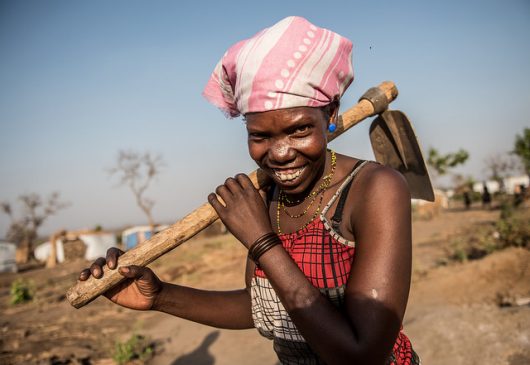
Sustainable Agriculture in the Democratic Republic of CongoThe Democratic Republic of Congo (DRC) is the second-largest country in Africa. With approximately 70 percent of its population living in rural areas, the large and mineral-rich land has shown immense potential for sustainable agriculture in the Democratic Republic of Congo.

The development of agriculture and other sectors in the DRC have been hindered by the simple fact that the country has been healing from more than 15 years of war. This has unfortunately created serious infrastructure and systematic issues that have tested the nation’s business environment.

The agricultural sector contributes 18 percent of the DRC’s GDP and accounts for about 60 percent of labor, yet it still fails to establish food security and create enough revenue and sustainable jobs. Nearly half of Congolese people live below the poverty line, and the nation must import more than 70 percent of the food it eats.

Malnutrition still remains one of the leading causes of death among the population, with iron-deficiency being the second most common cause of disability. Infant mortality exists at 3.3 percent and life expectancy remains low, with more than half of the country’s inhabitants being under the age of 20.

Recently, the World Bank authorized additional credit of $75 million to Congo for the Agriculture Rehabilitation and Recovery Support Project. This funding is expected to increase agricultural production and improve crop promotion and animal products for many agricultural households.

The Congolese government backs this project with the hope that it will lower rural poverty by 2020 through establishing and streamlining systems used for agricultural production, progressing nutrition and food security and mobilizing backing from both public and private sectors. The additional funds will also hopefully be able to increase activities that acknowledge issues such as nutrition-sensitive activities, climate-smart agriculture and job generation.

The Food and Agriculture Organization of the United Nations has also developed numerous projects to strengthen the capacity for food security and nutrition and to develop sustainable agriculture in the Democratic Republic of Congo, such as:

  • Supporting the development of an irrigation system tied to a priority investment program, which will contribute to the use of water for agriculture, livestock and fisheries.
  • Endorsing the creation of the national seeds policy, in order to support the government in developing a system for the manufacturing, preservation and control and distribution of high-quality seeds.
  • Putting into action the Intended Nationally Determined Contributions in the area of cultivation and forestry, a project proposal to be submitted to the Green Climate Fund, which is expected to contribute to the reduction of emission and increase forest carbon stocks.

With so much fertile land at its disposal, this country has the potential to feed the whole of Africa. But in order for sustainable agriculture in the Democratic Republic of Congo to be achieved, farmers must have access to ample financial services and strong infrastructure.

– Zainab Adebayo

Photo: Flickr

January 19, 2018
https://borgenproject.org/wp-content/uploads/borgen-project-logo.svg 0 0 Borgen Project https://borgenproject.org/wp-content/uploads/borgen-project-logo.svg Borgen Project2018-01-19 01:30:412024-05-29 22:30:18Sustainable Agriculture in the Democratic Republic of Congo
Development, Global Poverty

Five Development Projects in Niger

Development Projects in NigerNiger is a landlocked country in Western Africa. Despite receiving aid from foreign entities, it remains one of the poorest countries in the world. These five development projects in Niger work to address several of the root problems contributing to poverty and instability in the country.

Niger Solar Electricity Access Project (NESAP)

With an average of only 14.3 percent of its population having access to electricity, Niger remains among the least “electrified” countries in the world. However, in 2017, the World Bank approved the sponsorship of the Niger Solar Electricity Access Project (NESAP).

This project is designed to increase solar energy access to rural and peri-urban areas, where access to electricity drops to 5.4 percent. It consists of four components: market development and research, rural electrification, solar hybridization and access expansion and technical assistance and implementation support.

Resilience in the Sahel Enhanced (RISE) Initiative

RISE consists of a number of humanitarian programs by the U.S. Agency for International Development (USAID) that focus on food security, nutrition and sanitation. It also includes programs designed for the health of women and small children, combatting malnutrition and monitoring compliance to health-related legislation.

National Malaria Control Program (NMCP)

As of 2013, malaria affected 32 percent of the population, and it remains the leading cause of death for Nigeriens. NMCP works to combat malaria by establishing a stable supply chain committee. Furthermore, it improves the availability of commodities and the overall performance of malaria prevention efforts.

Niger’s National Education and Training Sector Program

The government of Niger launched a 10-year program expanding into 2024 that tackles the prominent education issue in the country. Currently, the 30 percent literacy rate in the country highlights a need for increased access and quality of education. USAID has also partnered with the Nigerien government to assist with development projects in Niger.

These projects are aimed at raising the quality of education, especially for females, who suffer from the 18 percent gender gap in school enrollment. The program focuses on building community efforts toward education and active parental involvement. It also works to build a reading culture to increase the literacy rate and knowledge retention.

Water Mobilization Project to Enhance Food Security in Maradi, Tahoua and Zinder Regions (PMERSA-MTZ)

PMERSA-MTZ, funded by the Global Agriculture and Food Security Programme (GAFSP), aims primarily to build water collection and mobilization infrastructure. It also attempts to strengthen activities that benefit farmers and herders.

Since 2011, it has successfully built wells, thresholds, dams, ponds, boreholes, water banks, dikes, ravines and more. It also continues to train experts and livestock assistants to build capacity for production. Among its other initiatives, the PMERSA-MTZ continues to promote income-generating activities for Nigeriens and contribute to environmental protection and soil conservation efforts in the region.

These active development projects in Niger have consequently improved the quality of life for the country’s population. By working toward minimizing the root causes of poverty in Niger, these programs can boost the development of the country and its citizens’ ability to sustain themselves.

– Francesca Colella

Photo: Flickr

January 18, 2018
https://borgenproject.org/wp-content/uploads/borgen-project-logo.svg 0 0 Borgen Project https://borgenproject.org/wp-content/uploads/borgen-project-logo.svg Borgen Project2018-01-18 01:30:222019-11-11 22:16:24Five Development Projects in Niger
Page 23 of 44«‹2122232425›»

Get Smarter

  • Global Poverty 101
  • Global Poverty… The Good News
  • Global Poverty & U.S. Jobs
  • Global Poverty and National Security
  • Innovative Solutions to Poverty
  • Global Poverty & Aid FAQ’s
Search Search

Take Action

  • Call Congress
  • Email Congress
  • Donate
  • 30 Ways to Help
  • Volunteer Ops
  • Internships
  • Courses & Certificates
  • The Podcast
Borgen Project

“The Borgen Project is an incredible nonprofit organization that is addressing poverty and hunger and working towards ending them.”

-The Huffington Post

Inside The Borgen Project

  • Contact
  • About
  • Financials
  • President
  • Board of Directors
  • Board of Advisors

International Links

  • UK Email Parliament
  • UK Donate
  • Canada Email Parliament

Get Smarter

  • Global Poverty 101
  • Global Poverty… The Good News
  • Global Poverty & U.S. Jobs
  • Global Poverty and National Security
  • Innovative Solutions to Poverty
  • Global Poverty & Aid FAQ’s

Ways to Help

  • Call Congress
  • Email Congress
  • Donate
  • 30 Ways to Help
  • Volunteer Ops
  • Internships
  • Courses & Certificates
  • The Podcast
Scroll to top Scroll to top Scroll to top