• Link to X
  • Link to Facebook
  • Link to Instagram
  • Link to TikTok
  • Link to Youtube
  • About
    • About Us
      • President
      • Board of Directors
      • Board of Advisors
      • Financials
      • Our Methodology
      • Success Tracker
      • Contact
  • Act Now
    • 30 Ways to Help
      • Email Congress
      • Call Congress
      • Volunteer
      • Courses & Certificates
      • Be a Donor
    • Internships
      • In-Office Internships
      • Remote Internships
    • Legislation
      • Politics 101
  • The Blog
  • The Podcast
  • Magazine
  • Donate
  • Click to open the search input field Click to open the search input field Search
  • Menu Menu

Archive for category: Women’s Rights

Global Poverty, Human Rights, Women's Rights

10 Things to Know about Living Conditions in Qatar

living conditions in Qatar

Qatar is a small nation bordered predominantly by Saudi Arabia. The nation has the highest GDP production in the Arab speaking world. Because of this, living standards are higher than many other Middle Eastern nations. Yet, Qatar is not without its issues surrounding living conditions despite its perceived excessive wealth.

10 Things to Know About Living Conditions in Qatar

  1. Qatar has a forced labor problem. Migrant workers make up 90 percent of Qatar’s population. Under a 2009 sponsorship law, workers have to hand over their passports to their employers. Workers often hesitate to complain or report abuses because this makes them vulnerable to the whims of their employers. Workers pay thousands to recruiters and often arrive to find that they are being paid less than promised, but they can’t leave because they are under contract and their employers have their passports.
  2. Qatar has a unique single-payer public health care system and a new national health strategy that seeks to improve outcomes for those living in Qatar. Qatar has one of the most effective healthcare systems in the Middle East. It ranks 13 in the world’s best healthcare systems and is number one in the Middle East.
  3. Men outnumber women four to one. There are only 700,000 women in Qatar, a country of 2.5 million people. This is due to the massive influx of migrant workers in the country, which are mostly men trying to provide for their families.
  4. Women in Qatar are twice as likely to pursue higher education than men. Men often decide to go straight into work after high school. Although women graduate at twice the rate of men, they only occupy 31 percent of the workforce.
  5. Women’s rights are limited in Qatar. The nation is a religious and conservative Muslim country, subscribing to Sharia law. It is still a taboo for women to fraternize with men. Women in Qatar cannot marry without the consent of a male family member. While men have uninhibited access to divorce, a woman can only divorce a man on narrow grounds. A woman cannot divorce her husband in Qatar if she is beaten or raped by her husband because domestic abuse and marital rape are not illegal under Qatari law.
  6. Qatar has the first Refugee Asylum Law in the Gulf. Qatar recently passed a law allowing refugees to seek asylum in the country. In an attempt to improve its public image for the upcoming world cup, Qatar has abolished exit visas for migrant workers. This may be a good first step in resolving the countries problem with forced labor. The law offers freedom of religion and freedom of movement for refugees as well as giving them access to an education while in Qatar.
  7. It is believed that upwards of at least 12,000 workers have died in the construction of World Cup stadium. This is due to workers being forced to build outside during summer in a country where temperatures usually can reach up to 50C (122F) degrees. There is a law banning work outside from June to August from 11:30- 3:00, but this has done little to decrease the work-related deaths. The most support for workers has come not from the Qatari Government, but from the Human Rights Watch, which has been trying to get the country to provide better conditions for workers.
  8. Pregnancy can be a crime. Sex outside of wedlock is illegal in Qatar, and extramarital affairs are punishable by stoning to death. Doctors are even required by law to refer to any pregnant women who cannot prove they are married to the authorities.
  9. Half of Qatar’s fresh water comes from a desalination process, and chemicals are added to the water to keep it from corroding the pipes. Unfortunately, the water often lacks basic minerals and contains harmful bacteria and is often not potable. This water is mostly good for use in agriculture. Qatar has the highest domestic water consumption in the world. The average household in Qatar uses 430 liters of water a day. Crops are watered with water from aquifers, which are being used up faster than they can be replenished.
  10. Qatar has a significant expat population. People from many different nationalities flock to Qatar for a number of reasons, including job opportunities and fewer tax restrictions. Those arriving from nearby nations experience less of a culture shock than those arriving from Western Europe although English is still the second highest spoken language in the region. Qatar is actively promoting the influx of expats through reduced visa restrictions.

Life in Qatar is vastly different and often times more difficult than that of the Western World. Human rights abuses still occur every day. Women, by international standards, are struggling to find a prominent socio-economic role. Even still, Qatar has a few unique features, including its single-payer healthcare system, that separate it positively from other nations. There is clearly more work to be done in regards to living conditions in Qatar.

– Sarah Bradley
Photo: Flickr

August 10, 2019
https://borgenproject.org/wp-content/uploads/borgen-project-logo.svg 0 0 Kim Thelwell https://borgenproject.org/wp-content/uploads/borgen-project-logo.svg Kim Thelwell2019-08-10 07:30:552024-06-11 23:16:2310 Things to Know about Living Conditions in Qatar
Activism, Development, Women and Children, Women and Female Empowerment, Women's Empowerment, Women's Rights

Hajiya Amina Ahmed Empowers Women in Nigeria

women's empowerment in nigeria
Hajiya Amina Ahmed inspires women all over Nigeria to become more involved in making decisions that affect their daily lives. She believes that women should have a role in decision-making processes concerning peace and security. Women in Nigeria are often on the receiving end of conflict situations, but people do not give them a voice in rectifying such situations. Ahmed is a voice that empowers women in Nigeria; she acts against the inequality that women face by empowering women and building communities across religious and ethnic lines.

A Long Way Toward Women’s Empowerment

Achieving women’s empowerment in Nigeria is a very difficult task, especially considering that Nigeria has been violently divided by sex for so long that even some women are against complete equality. There are prominent women in Nigeria who believe that men and women should be different, but equal. Some believe that women should have careers, but that men are the heads of the house and are in control of their wives in the home. Ahmed is counteracting the notion that men and women cannot have equal rights in Nigeria.

Some believe that men and women cannot be completely equal thinking as it will not end gender-based and may increase it. This is why education is the most important aspect of Ahmed’s initiative to involve women and girls in their communities.

Ahmed’s Work

Ahmed is the Executive Director of the Women Initiative for Sustainable Community Development in Plateau State, Nigeria. She has been working in peace and conflict transformation since the 2001 ethno-religious crisis in Plateau State. Since 2001, the recurring communal violence in Plateau State has killed at least 4,000 people.

Ahmed’s work involves countering this violence, specifically the violence against women and girls, as well as promoting their involvement in development processes. She believes that the more women and girls involve themselves, the more they will want to continue and be a voice in their communities. The end goal is for men and women to have equal voices in their communities. Slowly, but surely, she is seeing the difference that she is making as she empowers women in Nigeria.

Ahmed, along with her co-workers, also believes that the most important aspect of women bridging the gap between men’s and women’s roles in their communities is education. When women know what is at stake and what could be different about their lives, they are much more likely to take action and to become models of their communities.

The Nigerian Parliament

In Nigeria, men are disproportionately in control of leadership positions. Even though women make up 49 percent of the Nigerian population, they do not make up even close to 49 percent of Nigerian leadership positions. There are seven female senators out of a total of 109 senators and there are 22 female representatives in the House of Representatives out of 360 total. Nigerian women are trying their best to be a part of their government, but it is difficult when others force them into their cultural and religious obligations of ceding governance to men. Ahmed’s work is an important aspect in giving women more of a say in the Nigerian government.

Ahmed’s Impact

Ahmed is one of the many women who contributed to the Promoting Women’s Engagement in Peace and Security in Northern Nigeria Programme. The E.U. funds the program and supports the Nigerian government strengthening women’s leadership, gender equality and protection of women and children from violence. This program exists in three northern Nigerian states, including Ahmed’s home state of Plateau. Women that are tired of conflicts in which innocent people have perished are leading and carrying out this plan.

Nigeria’s government lacks female representation, but Ahmed, along with her fellow peacemakers, is making a difference by achieving women’s empowerment in Nigeria. Hopefully, more people will join the cause in making Nigeria a country that men and women lead equally. Peacemakers are the starting point of making Nigeria a country that does not divide itself based on sex.

– Megan Maxwell
Photo: Flickr

August 3, 2019
https://borgenproject.org/wp-content/uploads/borgen-project-logo.svg 0 0 Kim Thelwell https://borgenproject.org/wp-content/uploads/borgen-project-logo.svg Kim Thelwell2019-08-03 07:02:542024-05-29 23:11:02Hajiya Amina Ahmed Empowers Women in Nigeria
Gender Equality, Global Poverty, Women's Empowerment, Women's Rights

Female Empowerment in Zanzibar

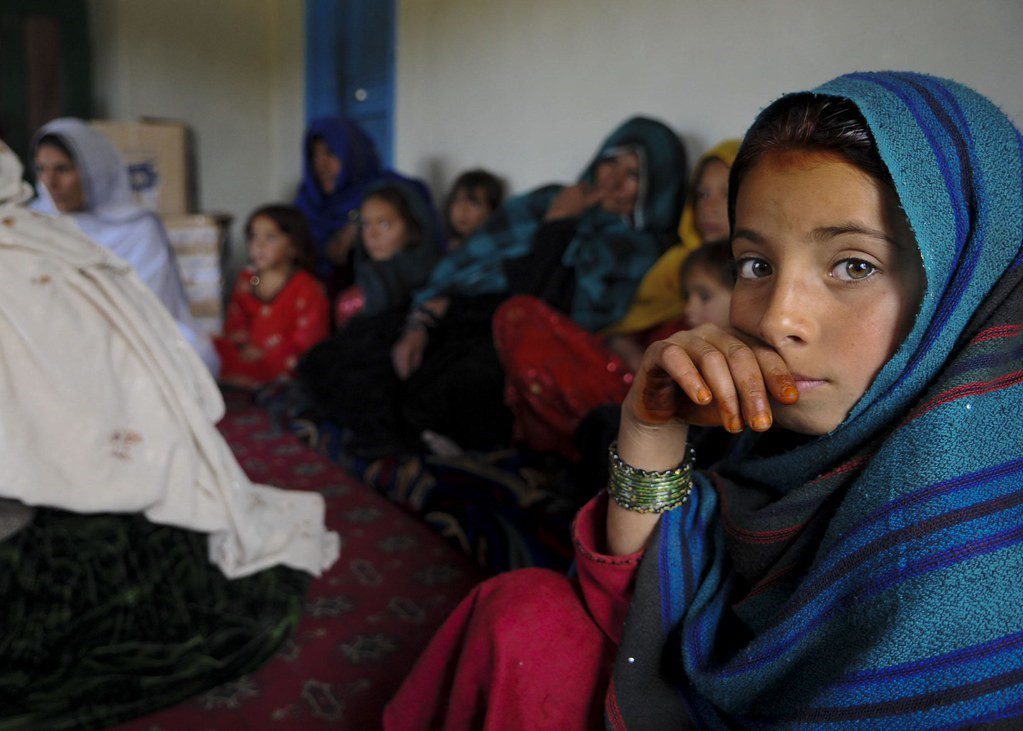
Women in ZanzibarIn Zanzibar, a semi-autonomous region of Tanzania, many women struggle to overcome gender inequalities. Women are more likely to be illiterate, uneducated and unemployed in addition to being prevented from owning land and lacking opportunities to obtain leadership positions. Some women are fighting back against these barriers, however, by helping themselves and others increase their social and economic status. Furthermore, supporting female empowerment in Zanzibar has become a priority for a few local and national organizations.
The Situation for Women in Zanzibar

Women in Zanzibar are “twice as likely as men” to be uneducated. This has contributed to increasing employment inequalities since an education is becoming more essential to obtaining a job. Approximately 32 percent of female youths in Zanzibar are unemployed in comparison to only 10 percent of male youth. Women who do have jobs often earn less with 73 percent of women being paid at a lower rate than their husbands.

Additionally, only 16 percent of women in Zanzibar have bank accounts, and 91 percent do not own land, making it hard for women to become economically self-sufficient. When women do own land or other assets, these things are often controlled by their husband or male relatives. Female empowerment in Zanzibar involves women gaining financial and economic freedom as well as increasing their social status. The following are a few ways women’s lives in Zanzibar are improving.

Female Entrepreneurship

In response to high youth unemployment, many young women are turning to entrepreneurship as a way to make a living. At least 47 percent of women who are self-employed stated that their reason for doing so was the inability to find other employment. The majority of those who become interested in entrepreneurship are women with 82 percent of working women being self-employed. Self-employment and entrepreneurship offer women the opportunity to become financially independent, which is difficult in the low-paying formal sector.

Entrepreneurship is difficult, however, and many women who are self-employed still struggle economically. According to the Ministry of Labor, there are initiatives that support female entrepreneurs, but these do not reach all women. The most marginalized women do not have these opportunites. Moving forward, it is crucial that female entrepreneurs receive more support from the government and NGOs, otherwise, many will remain financially dependent on male relatives.

Seaweed Farming

For other women, seaweed farming has helped decrease economic inequalities and increase female empowerment in Zanzibar. In coastal villages, women have long been sequestered in their homes, only leaving for funerals, weddings or to care for sick relatives. Seaweed farming was taken up by women from these villages as a way to enter the public sphere and earn money for themselves.

According to marine biologist Flower Msuya, “At the beginning some husbands threatened divorce if their wives went out to farm seaweed… But, when they saw the money women were making, they slowly began to accept it.” Women’s social statuses in the villages have increased, and many have helped their families rise out of poverty. The work has also been crucial for women who were divorced from their husbands as they need to be able to support themselves.

Solar Training

Barefoot College, an organization that spread from India to East Africa, is offering a training program for women in Zanzibar, teaching grandmothers and single mothers in rural villages how to be solar engineers. The program focuses on this demographic of women because many are often illiterate and lack other opportunities. Solar training is also beneficial to the community as a whole since rural areas often lack adequate electricity.

Women are trained at Barefoot College for five months after which they return to their villages to set up solar lighting systems for family and neighbors. This is a cheaper option for most families, and the price they pay helps support the female engineers who help maintain the solar equipment in their village. Salama Husein Haja, a single mother, praised the program, stating, “When I go back I will have status. I will be knowledgeable and I will be proud.”

Reclaiming Public Spaces

A project in Zanzibar called Reclaim Women’s Space is working towards female empowerment in Zanzibar by helping women overcome cultural and religious constraints that require them to stay in the private sphere. There are few public places for women to gather socially in Zanzibar, so women generally go to work and then return home, in part because they are also responsible for domestic tasks.

Reclaim Women’s Space seeks to give women spaces in the public sphere where they can meet and work together to solve community problems. One of their projects was the creation of a community center, which has become a symbol of women’s economic, social and political power. Madina Haji, an engineer involved with the project stated that the goal is to “empower women to stand on their own” by improving their social status and giving them opportunities to come together.

It is crucial that initiatives such as these continue, and that women who are trying to obtain more autonomy are supported by local, national and international organizations and programs. Female empowerment in Zanzibar will take time to achieve, but persistent efforts to help these women become economically independent in a way that is also personally and socially empowering for them are an important part of making gender equality a reality.

– Sara Olk
Photo: Flickr

August 1, 2019
https://borgenproject.org/wp-content/uploads/borgen-project-logo.svg 0 0 Kim Thelwell https://borgenproject.org/wp-content/uploads/borgen-project-logo.svg Kim Thelwell2019-08-01 07:30:122024-05-29 23:10:20Female Empowerment in Zanzibar
Global Poverty, Women's Rights

Five Best and Worst Countries for Women’s Rights

Best and Worst Countries for Women’s RightsIn all parts of the world, at some point in history, women have been forced to fight for equal rights. The struggles faced by women vary wildly depending on cultural factors. But across the board, equality comes down to women having the same access to opportunities as men. Here are the best and worst countries for women’s rights in 2019.

Five Best Countries to Live in for Women’s Rights

1. Sweden: Sweden has risen to secure the top spot for women’s rights, and it is hard not to see why. Sweden is famous for its healthy work and life balance, in which women receive up to 480 days of maternity leave and free childcare. The country is also well on its way to closing the gender pay gap.

2. Denmark: Scandinavian countries generally score high on population satisfaction ratings overall. This year, that satisfaction rate holds true for women as well. Denmark ranks second place in the best countries to live in for women’s rights. Plus, it has consistently ranked in the top five best countries for women’s rights in the last decade. This country is especially ideal for women of retirement age with its advanced welfare system.

3. Canada: Canada is the only country outside of northern Europe to rank on among the top five best countries for women’s rights. While Canada also ranks as one of the best countries in the world to live in overall, Canadian women still fight to close the surprisingly stagnant pay gap.

4. Norway: Another country that consistently ranks high for women’s rights is Norway. Boasting one of the smallest gender pay gaps in the world, Norway also has a record-high number of women in the workforce—specifically in leadership or board positions—leading to even more equal representation.

5. The Netherlands: Dutch women are supposedly some of the happiest in the world. And it is believed this happiness is partially due to their upbringing. Findings determine the Netherlands is one of the best countries to raise young girls in. The Dutch school system offers age-appropriate sex education classes for girls, and the country has one of the best maternal health care systems in the world.

Five Worst Countries to Live in for Women’s Rights

1. Syria: Over the last decade, Syria has been living in a perpetual state of war. With gender-based crimes and violence at an all-time high, Syria is ranked as the most dangerous country for women to live in the world.

2. Afghanistan: Women in Afghanistan face extremely restricted living conditions and a high child-marriage rate. Moreover, a recent Human Rights Watch report found only 37 percent of Afghan women are literate.

3. Yemen: Yemen has long been a dangerous country for women and girls. The country has high sexual violence rates. Plus, women have unequal access to inheritance or child custody in comparison to men.

4. Pakistan: In Pakistan, the main threat toward women and girls is domestic violence. Domestic abuse and honor killings are prevalent. Honor killings refer to a man’s right to murder his female relative for behavior he finds unacceptable and dishonorable. Despite attempts to stop them, these killings still happen frequently.

5. The Central African Republic: Suffering from a long and war-torn history, the Central African Republic is still in the throes of armed conflict. And unfortunately, women are receiving the brunt of it. Sexual violence is often a tactic of war. Consequently, this tactic is inflicted upon women of all ages, with girls as young as 10 reporting abuse.

Well-known women’s rights activist Alice Paul said it best, “There will never be a new world order until women are a part of it.” In order for society to succeed, all members must benefit from equal opportunities. Thus, these best and worst countries for women’s rights showcase where it is best for women to live, as well as where significant improvement is required.

– Olivia Bendle
Photo: Flickr

July 22, 2019
https://borgenproject.org/wp-content/uploads/borgen-project-logo.svg 0 0 Kim Thelwell https://borgenproject.org/wp-content/uploads/borgen-project-logo.svg Kim Thelwell2019-07-22 17:47:062019-07-22 17:47:06Five Best and Worst Countries for Women’s Rights
Global Poverty, Women and Female Empowerment, Women's Empowerment, Women's Rights

5 Organizations That Empower Women

5 Organizations That Empower Women
Women’s empowerment in the developing world is a major tool that countries can use to alleviate socioeconomic issues like poverty and corruption. Here are the top five organizations that empower women.

5 Organizations That Empower Women

  1. Women’s Global Empowerment Fund
    The Women’s Global Empowerment Fund (WGEF) is an organization committed to creating opportunities and addressing inequality, strengthening communities and families and using political, social and economic programs to support women. WGEF’s programs provide frameworks for women to create opportunities for themselves at the grassroots level. As of January 2017, WGEF’s Credit Plus Program provided more than 10,000 microcredit loans, which help women create and expand sustainable, viable businesses in developing countries. That same year, many of the WGEF’s clients applied for their fourth or fifth loans to further grow their businesses. Since its inception, WGEF’s literacy program reached more than 1,500 women in rural or poor communities, and 416 women were reached in 2016 alone. The literacy program takes place twice a week over the course of six months and costs $80 per person annually. Ten of WGEF’s clients, many of whom benefitted from the literacy program, ran for local and regional offices during national elections in 2016.
  2. Panzi Hospital
    Panzi Hospital is located in Bukavu, the Democratic Republic of the Congo. Since its founding in 1999, it has served as a general hospital for local residents. Still, the hospital has become a well-known organization that empowers women because of its efforts to help victims of sexual violence and women suffering from complicated gynecological issues. Panzi Hospital is now comprised of four departments: obstetrics and gynecology, surgery, internal medicine and pediatrics. In 2012, the team at Panzi Hospital implemented a project to provide cervical cancer screenings to patients, the first of its kind in the region. Patients at Panzi Hospital also have access to psychological care, socioeconomic assistance and legal assistance. From 1999 to 2015, Panzi Hospital served 85,864 women. As of the end of 2015, 48,482 of the hospital’s patients were victims of some form of sexual violence. Forty to 60 percent of the women treated at Panzi Hospital cannot return to their home communities because of conflict and the stigma surrounding sexual violence and reproductive injuries. These women are housed at the hospital’s aftercare center, Maison Dorcas.
  3. Her Farm
    Her Farm is located in Nepal and supports women in the rural areas at the base of the Himalayas. The organization’s mission is to provide women with the tools they need to be self-sufficient, including access to healthcare, economic opportunities and education. Her Farm is owned and operated by women and for women; the women freely farm the land and make all the decisions regarding Her Farm themselves. Currently, Her Farm provides employment and safe living conditions for 30 women and children, and they educate 12 children daily. As a result of Her Farm’s efforts, 300 people have access to an emergency center. Annually, Her Farm has 150 visitors.
  4. Orchid Project
    Orchid Project is an organization battling female genital cutting (FGC). FGC refers to a practice that involves removing parts or all of a girl’s external genitalia, or any injuries associated with the practice. Usually, girls go through FGC before the age of five, but it can occur at any time between birth and adolescence. The practice of FGC is largely cultural; there are no religious obligations associated with FGC. Globally, the practice of FGC impacts over 200 million women and girls, with 3.9 million girls at risk annually. Today, FGC occurs in at least 45 countries worldwide. The practice is internationally recognized as a violation of human rights. Orchid Project, like other organizations that empower women, focuses on education and advocacy to eliminate FGC. The organization partners with other nonprofits like Sahiyo and Tostan on the ground in countries where FGC is still practiced to host knowledge-sharing workshops within impacted communities. This approach recognizes that FGC is a cultural phenomenon and allows the members of the community to come together and choose to abandon the practice. From 2015, Orchid Project has held 12 workshops across Nigeria, Tanzania, Kenya, Sierra Leone and Somaliland.
  5. Equality Now
    Equality Now is committed to changing laws to promote socioeconomic change for women and girls around the world. The organization’s network of lawyers and activists are currently fighting to end female genital mutilation (FGM), sexual violence, human trafficking, child marriage and gender inequality. In 2017, 11 laws that Equality Now had been fighting for were changed or strengthened. The organization also provided training to 50 lawyers and judges and its supporters sent more than 21,300 advocacy letters.

Without empowering its women, no country can hope to eliminate issues like poverty. These 5 organizations that empower women are committed to ending inequality in the developing world.

– Shania Kennedy
Photo: Flickr

July 19, 2019
https://borgenproject.org/wp-content/uploads/borgen-project-logo.svg 0 0 Kim Thelwell https://borgenproject.org/wp-content/uploads/borgen-project-logo.svg Kim Thelwell2019-07-19 08:54:362019-07-19 08:54:365 Organizations That Empower Women
Global Poverty, Women's Rights

Artisanal Mining in the Democratic Republic of Congo

Artisanal Mining in the Democratic Republic of Congo
The Democratic Republic of Congo is both one of the world’s most mineral-rich countries and consistently one of the poorest. The mining industry makes up a significant part of the country’s economy with over 90 percent of its revenue coming from the export of these minerals. Many of these mines in Congo are artisanal mining operations; small-scale entrepreneurial operations that often exist in a legal and economic gray zone.

The Dangers of Artisanal Mining in the Democratic Republic of Congo

While mining is a dangerous job, the conditions of artisanal mining in the Democratic Republic of Congo, in particular, are problematic. These conditions include unsafe mining conditions for the workers, a lack of rights for those employed in many of Congo’s mines, as well as permanent environmental damage coming from mining methods. Further, the unregulated nature of the artisanal and small scale mining industry can lead to the proliferation of issues like child labor and conflict resources.

A lack of appropriate safety equipment is an endemic issue in many mines. Many of the resources that miners extract is toxic. Air quality is a consistent issue and face masks are rarely available. Gold, copper, cobalt and other dust pose numerous health issues. Heavy metal dust can lead to respiratory issues, and one can easily absorb the fine particles of these toxic metals through the skin, causing numerous problems. Mine conditions are also dark and dangerous. Long hours and a lack of structural reinforcement in the mines mean that accidents are common and tunnel collapses are not infrequent.

Artisanal Mining Impacts the Environment

Environmental issues are also a great concern. Chinese mining companies are particularly egregious when it comes to a lack of environmental awareness. Many companies make promises to pay for environmental restoration for the area when a mining operation shuts down. Wastewater runoff, heavy with toxic minerals, often destroys the livelihoods of those that originally lived near a mining site. The environmental destruction turns once arable land fallow. Moreover, some companies intentionally mislead local communities about their impact, both environmentally as well as economically.

Can Artisanal Mining Help People?

However, one should note that artisanal mining in the Democratic Republic of Congo is not inherently problematic all on its own. Small-scale mines can help pull people out of poverty when they function properly and regulate efficiently.

An International Conference on Artisanal and Small-Scale Mining and Quarrying occurred in Livingstone, Zambia, in September 2018. One of the key things that came out of the three-day event was the Mosi-oa-Tunya Declaration at the end of the conference, which called for the recognition and regulation of artisanal mines. The declaration stated that improvements must happen in general regulation to formalize and stabilize the artisanal mining industry. Amongst these reforms, a call for the improvement of the status of women in mines and for the reduction of child labor stood out. These reforms need to also consider the economic, societal and regulatory realities. The Mosi-oa-Tunya Declaration also called for supply chain integration to occur to help highlight the opportunities to eliminate money laundering and the exploitation of workers through conflict resources. Resource scarcity and ever-increasing prices for minerals also help drive reforms. The German automaker BMW partnered with the Swedish chemical company BASF, as well as Korean electronics firm Samsung and GIZ GmbH, a German aid and development organization. The companies engaged in a pilot program to push for mine reforms at a cobalt mine in Congo in order to improve efficiencies and consolidate BMW’s cobalt supply chain. If the program succeeds, it will expand to other mines and other materials.

The US Makes Legislative Moves

The U.S. made significant legislative moves to help combat the most abusive practices in artisanal mining in the Democratic Republic of Congo. While people mostly know the 2010 Dodd-Frank Act for its Wall Street reforms and various consumer protections in the financial services sector, it also has provisions surrounding the tracing of the most common conflict materials: columbite-tantalite, cassiterite, gold and wolframite, which are metals key to tech and jewelry manufacturing. While companies do not have to proactively and publicly make a declaration about the status of the sourcing resources, they must track the sourcing of these materials. If the Securities and Exchange Commission (SEC) request it, companies must also be able to provide proof that they did their due diligence to ensure that the resources used were conflict-free.

There is no penalty for the use of conflict resources, however, nor is there a ban from the use of minerals from the Democratic Republic of Congo. Some believed that this disclosure alone would create public pressure to move away from conflict resources from the region. However, after a 2012 ruling in a case brought by the National Association of Manufacturers, the Chamber of Commerce and the Business Roundtable against the SEC, the original mandatory disclosures significantly changed after it found that it violated the First Amendment. Indeed, manufacturers have to disclose that their products are DRC conflict-free if they cannot ensure a conflict-free status proactively.

Further, there are many academics and think tanks that study this issue. Tom Burgis, for instance, suggests that to fix the problems in artisanal mining in the Democratic Republic of Congo and other underdeveloped countries, Congo has to stop exporting its resources. He believes that only by keeping the resources within the country and shifting the country’s economy toward manufacturing goods made of those extracted resources, can the so-called resource curse break so that the lives of those working in the mines can become better.

– John Dolan
Photo: Wikimedia Commons

July 7, 2019
https://borgenproject.org/wp-content/uploads/borgen-project-logo.svg 0 0 Lynsey Alexander https://borgenproject.org/wp-content/uploads/borgen-project-logo.svg Lynsey Alexander2019-07-07 01:30:302024-05-29 23:13:36Artisanal Mining in the Democratic Republic of Congo
Global Poverty, Women's Empowerment, Women's Rights

5 Facts About a Women’s Market in Kashmir

Women’s Market in KashmirKashmir is a region that lies on the border of India and Pakistan and has experienced conflict since 1947 when the Indian subcontinent became partitioned. Because neither India nor Pakistan control the region, those who live there rarely receive protection from either state. The consequences of this are devastating, particularly for women. A women’s market in Kashmir is helping empower women, though.

In Kashmir, people frequently exclude women from economic participation. Many of them have to stay home and can often only travel if a man accompanies them. Concerns about women’s safety in the workplace, coupled with the strict patriarchal attitudes common in the area make it incredibly difficult for women to find work in the private sector. Because of this, they make up less than 20 percent of Kashmir’s workforce. This lack of access to employment opportunities makes it nearly impossible for widows, divorcees and victims of domestic abuse to provide for themselves and their families.

As the conflict continues in Kashmir, more and more women are becoming widowed, leaving them alone to fend for themselves and their children without the skills or rights necessary to earn a living wage. Remarkably, a handful of women in Rawalakot, Kashmir is changing all of that. Pakistan currently controls their village, which is a country in which four of every 10 people are impoverished, and has become a beacon of light for women everywhere. Here are five facts about the women-centered market in Rawalakot, and how it has impacted the lives of women in the region.

Five Facts About Women’s Market in Kashmir

  1. The social worker, Nusrat Yousef, founded the market in 2011 after becoming widowed, as a way to empower victims of domestic violence and provide them with economic stability. This has given individuals like Sara Rasheed, who runs both a garment shop and a beauty parlor within the marketplace, opportunities she would not have had otherwise, as her family does not allow her to work in male-dominated areas.
  2. The marketplace has ties to the Pearl Rural Support Programme, a non-governmental organization that works to help people in rural areas of Pakistan realize their full potential. The organization currently serves over 48 million people.
  3. It is not only a market place; women can also learn skills to help them with career and entrepreneurial goals. The market offers classes in sewing and training for women to become beauticians, opening the door to a life of independence for women who would otherwise live their lives entirely dependent on male relatives.
  4. Playing on the fact that many women in Kashmir cannot travel to public spaces without a male guardian, the market does not permit men to enter without a female companion. Having this women-centered environment allows attendees to talk openly about the struggles that women in Kashmir face, and work together to find solutions to these problems.
  5. The market has provided women with a strong community that they have mobilized to fight against oppression. They recently stepped in when police failed to take action against a man who had cut his wife’s nose off and pressured law enforcement to take action. They have also helped women get alimony from their ex-husbands in order to support their families.

Ultimately, this market has had an amazing impact on the women who have already discovered it and has the potential to reach over 100 thousand women in the area as the market it grows. It has given these Kashmir women independence, community and power. In a place where violence against women is the norm, one cannot understate the importance of that.

– Gillian Buckley
Photo: Flickr

July 1, 2019
https://borgenproject.org/wp-content/uploads/borgen-project-logo.svg 0 0 Kim Thelwell https://borgenproject.org/wp-content/uploads/borgen-project-logo.svg Kim Thelwell2019-07-01 08:14:302024-05-28 00:03:255 Facts About a Women’s Market in Kashmir
Child Marriage, Global Poverty, Women's Empowerment, Women's Rights

Top 5 Women Activists in Developing Countries

Women Activists in Developing CountriesThere are many reasons for people around the world to use their voices and advocate for social equality. Here is a list of five women activists in developing countries.

Top 5 Women Activists in Developing Countries

  1. Kriti Bharti
    The founder of the Girls Not Brides movement in Rajasthan, northern India, Kriti Bharti prevented over 900 child marriages. Kriti established the Saarthi Trust in 2011 to pull girls from forced child marriages and to educate them on their societal rights. Bharti is both a social activist and a rehabilitation psychologist. She set up rehabilitation programs for the girls released from child marriage.The Girls Not Brides movement has forums that provide food, shelter and water for girls banished from their families. The forums also include educating girls on their societal rights and providing them with life skills such as sowing. Twenty-seven percent of girls in India marry before the age of 18 resulting in India being the highest country with child brides. The Saarthi Trust was the first organization in India to annul a marriage and annulled 31 other child marriages since 2012.

    Poverty is a leading cause that resolves itself in child marriage. Usually, families marry off their young daughter to help alleviate finances; the younger the bride, the lower the dowry (a form of payment). Gender norms also play a key factor in child marriages. A girl is of lower value in general. Typically, females are not able to contribute to society because of this, leading their value to be held in household chores and motherhood. Moreover, a woman’s value is upheld in her benefitting her marital family more than her blood family. Thus, the family will usually educate their sons rather than their daughters.

    The South Asia Initiative to End Violence Against Children (SAIEVAC) takes local action against abuse towards children by providing shelter with food and water and by educating girls in jobs. The Sustainable Development Goals stated that India is striving to end child marriages and forced labor by the year 2030.

  2. Malala Yousafzai
    Malala is now a household name across the world. The youngest person awarded the Nobel Peace Prize in 2014; she now uses her voice and her story to speak for the women around the globe who could not. “I tell my story not because it is unique, but because it is the story of many girls,” Yousafzai said.After she spoke out against education oppression towards girls in 2012, a Taliban gunman shot Malala in the head in 2012. Then, she began the Malala Fund. The Malala Fund now reaches six different countries; Afghanistan, Brazil, India, Nigeria, Pakistan and Syria. In each country, it recruits female teachers and tries to bridge the gap between gender disparity in education. It also educates teachers and students on gender discrimination, teaches girls how to speak about their rights, gives free secondary schooling and campaigns for new policies advocating for girls’ education. The goal of Malala’s Fund is to give girls “12 years of free, safe, quality education.”
  3. Holida, Suci and Ria
    The Yes I Do project of Indonesia began with three girls advocating against child marriage in their village and country. Holida, Suci, both 18, and Ria, 16, advocated that the abuse’s of child marriage is everyone’s responsibility to end. The Yes I Do project strives to prevent child abuse and forced sexual acts due to the selling of young girls into marriage. The project exposes the effects that sexual abuse has and the ways it affects reproductive health.Through village forums and discussions, the girls highlighted with their fellow neighbors that they have the same rights as boys do. Through their voices, child marriage cannot go unnoticed. Now, when a girl is forced or marries young, people talk about it. This gives fire to Holida, Suci and Ria’s campaign. The girls plan on making a movie to take to other villages around their own. “We want everyone to know why child marriage is wrong so that girls everywhere can achieve their dreams,” Suci said.
  4. Manal al-Sharif
    Manal al-Sharif, an Iraqi woman, co-founded the Women to Drive movement bringing awareness to the oppression of women’s rights in Saudi Arabia and bringing back the ability for women to drive. In 1957, Saudi Arabia decreed that women could no longer drive. In 1990, a large protest took place where 47 women drove around the country’s capital. Over 20 years later, in 2011, Manal al-Sharif started the Facebook campaign called Women to Drive to spread awareness of their oppression.Later that same year, al-Sharif and fellow co-founder, Wajeha al-Huwaider, recorded a video of themselves driving and speaking out against the difficulty of being a woman and commuting. In June 2018, King Salman issued a decree that Saudi women could obtain a driver’s license. Al-Sharif and the women advocating for years for freedom for their gender are making progress. Since the summer of 2018, women can take to the road, something they were not able to do for 62 years.
  5. Zahra’ Langhi
    The Lybian Women’s Platform for Peace (LWPP) is an organization that puts pressure on the government to give opportunities to women to uphold sociopolitical places within government and society. Zahra’ Langhi is a co-founder and feminist activist who started speaking out in 2011 when Muammar Gaddafi’s reign ended after decades of abusing his power over the country. The leading effects after the uprising resulted in 35 women joining together to form LWPP. The state of Libya is dangerous and unbalanced, especially for women advocating to eliminate corruption in politics. Langhi never gave up her voice and continues to speak for compassion and understanding to infiltrate her country. “We need to start acting as agents of compassion and mercy. We need to develop a feminine discourse that not only honors but also implements mercy instead of revenge, collaboration instead of competition, inclusion instead of exclusion,” Langhi said.

These five women activists in developing countries spread their knowledge to their fellow neighbors and friends. From halfway across the globe, people Western countries can stand next to these women activists in developing countries and let them know they have support.

– Hannah Vaughn
Photo: Flickr

June 21, 2019
https://borgenproject.org/wp-content/uploads/borgen-project-logo.svg 0 0 Kim Thelwell https://borgenproject.org/wp-content/uploads/borgen-project-logo.svg Kim Thelwell2019-06-21 01:30:072024-05-29 23:00:17Top 5 Women Activists in Developing Countries
Global Poverty, Health, Women's Rights

Top 5 Facts About Women’s Health Care in Cambodia

Women’s Health care in CambodiaThe Southeast Asian nation of Cambodia is currently experiencing its worst in maternal mortality rates. In Cambodia, maternal-related complications are the leading cause of death in women ages 15 to 46. The Minister of Health has created several partnerships with organizations such as USAID to help strengthen its healthcare system. Here are five facts about women’s health care in Cambodia.

Top 5 Facts About Women’s Health Care in Cambodia

  1. Health Care Professionals and Midwives
    USAID has provided a helping hand when it comes to educating healthcare professionals and midwives. Since USAID’s partnership with the Ministry of Health, USAID has helped raise the percentage of deliveries assisted by skilled professionals from 32 percent to 71 percent. The Ministry of Health was also able to implement the Health Sector Strategic Plan to improve reproductive and women’s maternal health in Cambodia.
  2. Health Care Facilities
    Between 2009 and 2015, the number of Comprehensive Emergency Obstetric and Newborn Care (CEmONC) facilities increased from 25 to 37. With more access and an increase in healthcare facilities, 80 percent of Cambodian women are giving birth in health care facilities.
  3. Postpartum Care
    The Royal Government of Cambodia renewed the Emergency Obstetric & Newborn Care (EmONC) Improvement Plan and extended the Fast Track Initiative Roadmap for Reducing Maternal and Newborn Mortality to 2020. This aims to improve women’s health care in Cambodia to improve the lives of women living with postpartum depression. It is also used to improve newborn care and deliveries.
  4. Obstetric Care
    Obstetric care has improved rapidly. According to a 2014 Cambodia Demographic and Health Survey, 90 percent of mothers receive obstetric care two days after giving birth, and three-quarters of women receive care three hours after. Intensive obstetric care has helped drop Cambodia’s maternal mortality rate significantly. In 2014, Cambodia’s maternal mortality rates decreased from 472 deaths per 100,000 live births in 2005 to 170 deaths per 100,000 live births.
  5. U.N. Women
    U.N. Women is working closely to help address the AIDS epidemic in Cambodia. The organization’s efforts to reduce the epidemic focus on protection and prevention. In 2003, 3 percent of Cambodian women reported being tested for AIDS. It has also been observed women in urban areas are more likely to get tested than those in rural areas. Ultimately, Cambodia has set a goal to eradicate AIDS from the country by 2020 through prevention and protection.

Cambodia has seen much economic growth over the years, but the money provided for health care is minimal. Consequently, it is difficult for the government to provide all services. However, there have been great strides in improving women’s healthcare in Cambodia. By fighting to better the lives of women, the Cambodian government has set a goal to establish universal health care by 2030.

– Andrew Valdovinos
Photo: Flickr

June 20, 2019
https://borgenproject.org/wp-content/uploads/borgen-project-logo.svg 0 0 Kim Thelwell https://borgenproject.org/wp-content/uploads/borgen-project-logo.svg Kim Thelwell2019-06-20 09:25:262024-05-29 23:00:25Top 5 Facts About Women’s Health Care in Cambodia
Global Poverty, Politics, Women and Female Empowerment, Women's Empowerment, Women's Rights

Justice for Iraqi Women

Justice for Iraqi Women

The status and protection of women remain a heated topic of discussion in international and national committees, particularly concerning justice for Iraqi women. Iraq‘s government is aware of the violations committed by its previous regime against certain civil community groups. As a result, Iraq’s government has strived to drastically change how they aid and support victimized and often impoverished groups. However, Iraq‘s strategy to reconcile these issues is unique. For example, China encourages its impoverished population to move to urbanized cities, and the United Kingdom encourages participation in its labor market. But Iraq seeks to acknowledge the voices of the victims.

In 2003, Iraq‘s government and the International Center for Transitional Justice partnered with the Human Rights Center of the University of California, Berkeley to create Iraqi Voices. Iraqi Voices is a report based on data collected from in-depth interviews and focus groups. This data represents different perspectives of the Iraqi population regarding transitional justice. There are seven main topics of focus represented in this report: past human rights abuses, justice and accountability, truth-seeking and remembrance, amnesty, vetting, reparations, and social reconstruction and reconciliation.

Hearing Women

Iraq is working to have women and girls meaningfully participate in all stages of decision making. Programs and organizations like the SEED Foundation have worked to ensure this justice for Iraqi women. In particular, the SEED Foundation works to empower and engage the voices of violence and trafficking victims in Iraq. As such, SEED Foundation leaders and activists encourage the meaningful participation of women in sustainable peace negotiations and conflict reconciliation. Through their efforts, the Iraqi Parliament now has a quota setting aside 25 percent of seats for women in provincial councils. By acknowledging these voices, the Iraqi government is helping seek justice for Iraqi women.

Moreover, Iraq has taken strides to bridge the gap between policymakers and victims when addressing the needs of local communities affected by ISIS. To do so, Iraq is considering partnering with or accepting assistance from other nations. While international policymakers seek justice for Iraqi victims, they fail to address the real concerns of affected communities. Instead, they often focus on prosecuting the perpetrators. But affected communities also have more immediate needs. Therefore, this partnership and assistance allow victims of affected communities to participate in prioritizing and creating appropriate policies. Efforts to ensure meaningful participation in Iraq‘s government thus bring about transitional justice. By addressing systemic failures, Iraq’s government brings justice to marginalized victims, including justice for Iraqi women.

Bringing Change

Ultimately, the changes implemented by the Iraqi government aid and empower impoverished and victimized groups, such as women. The inclusion of female voices in politics influences larger discussions affecting women and, as seen as Iraq, helps get justice for Iraqi women.

– Jordan Melinda Washington
Photo: Pixabay

June 15, 2019
https://borgenproject.org/wp-content/uploads/borgen-project-logo.svg 0 0 Kim Thelwell https://borgenproject.org/wp-content/uploads/borgen-project-logo.svg Kim Thelwell2019-06-15 12:07:102019-12-17 08:31:00Justice for Iraqi Women
Page 32 of 41«‹3031323334›»

Get Smarter

  • Global Poverty 101
  • Global Poverty… The Good News
  • Global Poverty & U.S. Jobs
  • Global Poverty and National Security
  • Innovative Solutions to Poverty
  • Global Poverty & Aid FAQ’s
Search Search

Take Action

  • Call Congress
  • Email Congress
  • Donate
  • 30 Ways to Help
  • Volunteer Ops
  • Internships
  • Courses & Certificates
  • The Podcast
Borgen Project

“The Borgen Project is an incredible nonprofit organization that is addressing poverty and hunger and working towards ending them.”

-The Huffington Post

Inside The Borgen Project

  • Contact
  • About
  • Financials
  • President
  • Board of Directors
  • Board of Advisors

International Links

  • UK Email Parliament
  • UK Donate
  • Canada Email Parliament

Get Smarter

  • Global Poverty 101
  • Global Poverty… The Good News
  • Global Poverty & U.S. Jobs
  • Global Poverty and National Security
  • Innovative Solutions to Poverty
  • Global Poverty & Aid FAQ’s

Ways to Help

  • Call Congress
  • Email Congress
  • Donate
  • 30 Ways to Help
  • Volunteer Ops
  • Internships
  • Courses & Certificates
  • The Podcast
Scroll to top Scroll to top Scroll to top