• Link to X
  • Link to Facebook
  • Link to Instagram
  • Link to TikTok
  • Link to Youtube
  • About
    • About Us
      • President
      • Board of Directors
      • Board of Advisors
      • Financials
      • Our Methodology
      • Success Tracker
      • Contact
  • Act Now
    • 30 Ways to Help
      • Email Congress
      • Call Congress
      • Volunteer
      • Courses & Certificates
      • Be a Donor
    • Internships
      • In-Office Internships
      • Remote Internships
    • Legislation
      • Politics 101
  • The Blog
  • The Podcast
  • Magazine
  • Donate
  • Click to open the search input field Click to open the search input field Search
  • Menu Menu

Archive for category: Women’s Rights

Economy, Foreign Aid, Global Poverty, Women's Rights

Finland’s Foreign Aid is Small but Potent

Finland's Foreign Aid
Rankings and dollar signs are typically what one can use to compare a country’s contributions to foreign aid against the next. However, what is not present in those comparisons and dollar signs is the context and structure behind the contributions of these countries. The Development Assistance Committee (DAC) ranked Finland number 19 out of 30 countries because it provides only $1.08 billion in aid. This ranking is consistent across the board showing Finland as one of the lowest contributors of foreign aid, however, Finland’s foreign aid contributions include quality standards that every country should mimic to get the most out of their contributions.

Finland’s Goal Regarding Foreign Aid

Finland’s long-term overarching goal is not simply to help countries in need but also to free those countries from their dependency on aid and provide each country it contributes to with the ability to flourish. This goal puts Finland in a position to use the idea of quality over quantity when it decides its foreign aid budget and what country will benefit the most from Finland’s foreign aid contributions. Finland’s foreign aid policies follow a strict set of criteria that helps to guide and direct small but potent decisions. The Ministry of the Foreign Affairs of Finland has spelled out the four driving components to criteria for foreign aid contributions within Finland’s Development policy.

4 Driving Forces Behind Finland’s Foreign Aid

  1. Strengthening the Status and Rights of Women and Girls: Finland intends to improve the rights of women and girls across the globe and promote gender equality. In fact, Finland is one of the largest contributors to UN Women, after giving the organization 10 million euros in 2016.
  2. Strengthening the Economic Base in Developing Countries and Creating Jobs: Without a strong economy, a country may have limited jobs, so it is crucial for Finland to actively participate in the rebuilding or strengthening of that economy. Finland seeks out partnerships and opportunities to promote the creation of jobs and strengthen the countries’ trade environments. In a three-year span of time, between 2016 and 2019, Finland contributed over $500 million in investments and loans to support sustainable development. Finland’s investment in Somalia went solely toward economic infrastructure and electricity distribution as well as the private sector. This contribution should provide valuable stepping stones to help Somalia rebuild and sustain the resources available to it.
  3. Education, Well-Functioning Societies and Democracy: Finland stands by its rule of law to provide a safe and peaceful environment, sustainable resources and public services to its population. Moreover, it extends those values to other countries. In fact, 57% of Finland’s foreign aid goes to fragile states in order to promote stability and security.
  4. Environmental Challenges and Natural Resources: Finland also aims to offer reliable access to safe and clean water and better water and land resources. It also intends to promote better farming conditions, forest management and decreased risk of hygiene-related diseases. It has implemented sanitation projects in Nepal, Vietnam, Ethiopia, Kenya and more.

Examples of Finland’s Foreign Aid Projects

Finland’s foreign aid contributions have centered around rural development, food security and land tenure in Africa and Asia. Again, while Finland’s contributions may not evenly compare to other countries’ contributions, they directly align with its overarching goal of creating opportunities for countries to build and sustain their own resources. As a result, those countries might be able to enter a position to sustain themselves.

Another great example of Finland’s contributions is its investment in water supply and sanitation programs. Access to clean water and food is a worldwide issue and Finland is aiming to alleviate those issues in Ethiopia, Kenya and Nepal. Ethiopia and Nepal were among the top five recipients of Finland’s foreign aid in 2015. Finland has dedicated itself to providing support to countries that have the highest need for funds. In Vietnam, Finland contributed to the urban water supply and sewage system, helping those countries achieve self-sufficiency and providing them with consistent access to the sources they need.

These programs and resources are only effective if they can occur over the long term. This is why Finland’s foreign aid contributions focus on programs that support rule of law and political systems. For example, Finland gave Afghanistan $3.2 million between 2016 and 2019 to broaden “civic engagement” and help foster an environment where the people participate more closely with the decision-making process of Afghanistan’s government.

Concluding Thoughts

Individually, each criterion above may seem like an impossible mountain to climb, but for Finland, these are simply the small but potent foundational steps necessary to create and sustain an efficient, profitable and sustainable economy. Finland’s foreign aid contributions may seem like only a small blip on the radar compared to the contributions that the United States and other larger countries are making, but it is blazing a trail to ensure that the funds, no matter how big or small they are, can make a powerful contribution to countries in need.

– Janell Besa
Photo: Flickr

May 4, 2021
https://borgenproject.org/wp-content/uploads/borgen-project-logo.svg 0 0 Jennifer Philipp https://borgenproject.org/wp-content/uploads/borgen-project-logo.svg Jennifer Philipp2021-05-04 07:30:412021-04-30 09:42:46Finland’s Foreign Aid is Small but Potent
Global Poverty, Women's Rights

Advocating for Women’s Rights in Vietnam

women's rights in VietnamWomen in Vietnam form a significant part of the working poor, often subject to dangerous working conditions and earning less income than men. Organizations advocate for women’s rights in Vietnam so that gender quality can be achieved and women can live empowered lives.

The Lives of Women in Vietnam

Although about 79% of women in Vietnam participate in the workforce, the majority of women have informal employment “as migrant domestic workers, homeworkers, street vendors and in the entertainment industry.” Furthermore, men are not expected to do the same unpaid care work as women. Societal standards assign women a lower status in comparison to men. In the labor market, women are often at a disadvantage due to gender inequality. Women and men do not have equal access to education, resources, skills development opportunities or better job prospects.

Oxfam Advocates for Women’s Rights in Vietnam

Oxfam looks to address the gender gap between men and women in Vietnam with its women’s rights program. The program targets impoverished and marginalized women with the aim of empowering them and enabling them to engage in leadership roles and participate in the decision-making that affects them. Oxfam’s strategies include research, advocacy and education. The organization uses “gender-sensitive design and management tools” to conduct research and analyses that illustrate the scope of gender inequality in the country. Oxfam uses its findings to garner support for women’s rights and positively influence the stance of policymakers with regard to women’s rights. Oxfam’s Women Empowerment Mainstreaming, Advocacy and Networking (WEMAN) framework “goes beyond promoting women’s agency to build understanding between men and women and work with mixed groups to look for consensus and collaboration.”

The ACWC

Another initiative addressing gender discrimination in Vietnam is being led by the Association of Southeast Asian Nations (ASEAN) Commission on the Promotion and Protection of the Rights of Women and Children (ACWC). The Commission, which had its 21st meeting on December 8, 2020, plans to “fulfill its mandate to achieve protection and empowerment of all women and children in the region.” Speaking to the cause, ACWC chair and Singapore’s ACWC representative for women’s rights, Laura Hwang, says, “Our women and children play indispensable roles in responding to and building back better from the pandemic.”

Hwang explains further that policies, including the ASEAN Recovery Framework for COVID-19, must prioritize the best interests of women and children. The ACWC began in Hanoi, Vietnam, in 2010, primarily working to address the trafficking of women and children. The ACWC committed to ensuring that the rights of women and children are fully protected. The focus of the ACWC in Vietnam then extended to women’s involvement in politics, decision-making and democracy. The ACWC also focuses on ensuring quality education for children and ensuring that women have sufficient rights to land and assets in order for women and children to rise out of poverty and progress in life.

The Road Ahead

Deconstructing societal perceptions of women in Vietnam will not happen overnight, but the efforts of organizations seeking to improve women’s rights in Vietnam are already bettering the lives of Vietnamese women. With continued efforts, women’s rights will continue to progress.

– Eliza Kirk
Photo: Flickr

May 1, 2021
https://borgenproject.org/wp-content/uploads/borgen-project-logo.svg 0 0 Kim Thelwell https://borgenproject.org/wp-content/uploads/borgen-project-logo.svg Kim Thelwell2021-05-01 07:01:322021-06-11 07:02:16Advocating for Women’s Rights in Vietnam
Gender Equality, Global Poverty, Women, Women and Female Empowerment, Women's Empowerment, Women's Rights

The Benefits of Investing in Women

The Benefits of Investing in Women
Gender equality, or rather a lack of gender equality, is not simply a historical problem. To this day, women all around the world face inequality. One of the most notable issues pertaining to gender inequality is the gender wage gap. Its impacts affect not only women but society as a whole. To end the gender wage gap and other inequalities, society must start to recognize the benefits of investing in women.

The Gender Wage Gap Explained

There are two types of gender wage gaps. The controlled wage gap refers to when a man and a woman have the same exact job in the same exact industry with the same exact qualifications. In this situation, as of 2021, women earn 98 cents per $1 that men earn. This seemingly small upfront difference builds up over time, and the pay discrepancy leads to very dissimilar outcomes for these two genders.

An uncontrolled wage gap is the second type. The uncontrolled wage gap refers to the overall difference between men’s and women’s wages. It does not matter what job it is, what industry one works in or if one works full- or part-time. The measurement takes into account how much each worker makes on average per hour each year. This gap is much more prominent—a woman makes 82 cents to a man’s $1 as of 2021.

Companies provide several “justifications” for why women receive less pay than men within the organizations, but actual reasons include employers’ implicit biases, a wage penalty that accompanies motherhood and a higher likelihood of women working part-time. This is based on if women have the opportunity to obtain higher-wage jobs within such companies. Often, women are unable to attend school to receive the qualifications necessary for high-skilled work.

These inequalities in labor compensation become more glaringly obvious when it comes to unpaid labor. Women are more than twice as likely as men to participate in unpaid work. Notably, the most frequent unpaid jobs women take on are domestic work and child care. In impoverished communities, women must sacrifice their education to fulfill the expectation to manage the household and raise children.

The Importance of Investing in Women

Beyond equality, investing in women provides a multitude of economic benefits. The unpaid labor women often take on can actually hinder the economy. Economists estimate that unpaid domestic workers—if paid—could constitute approximately 40% of a nation’s GDP. A lack of education for women also plays a role in stunting economies. When women receive education, economies tap into a whole new sector of individuals that bring new, innovative ideas to the table, which help economies grow. Further, studies show that for every 10% of girls enrolled in school in a developing country, the GDP increases long-term by 3%.

In addition to paying women for labor and educating women, it is imperative to give women advancement opportunities. Women make up approximately half of the agricultural labor force but less than 13% of landholders globally. If women obtain the same amount of land, technology and capital as men, there could be an estimated 30% increase in food production. In this way, empowering women could help to substantially reduce world hunger. On the more industrial side, studies show that both efficiency and organization significantly increase when three or more women enter senior positions at companies.

A Better Society For All

Decreasing the wage gap begins in three main areas: women’s unpaid work, education and health. When women in developing countries receive aid and money, the aid does not stop at just the direct beneficiary. Women are likely to extend the benefits to those around them; women tend to invest their earned money into their children’s education and health as well as their own. Giving women financial tools has economic gain for all and promotes economic justice.

The best way to ensure a fair economy is to invest in women, particularly in developing countries. Women should have the opportunity to work the same jobs, receive the same qualifications and have the same economic opportunities as men. Society’s way forward is through taking advantage of the benefits of investing in women.

– Becca Blanke
Photo: Flickr

April 29, 2021
https://borgenproject.org/wp-content/uploads/borgen-project-logo.svg 0 0 Kim Thelwell https://borgenproject.org/wp-content/uploads/borgen-project-logo.svg Kim Thelwell2021-04-29 07:30:252024-05-30 22:23:26The Benefits of Investing in Women
Gender Equality, Women's Rights

Women’s Rights in the Dominican Republic: Fighting Violence and Inequality

Women's Rights in Dominican Republic
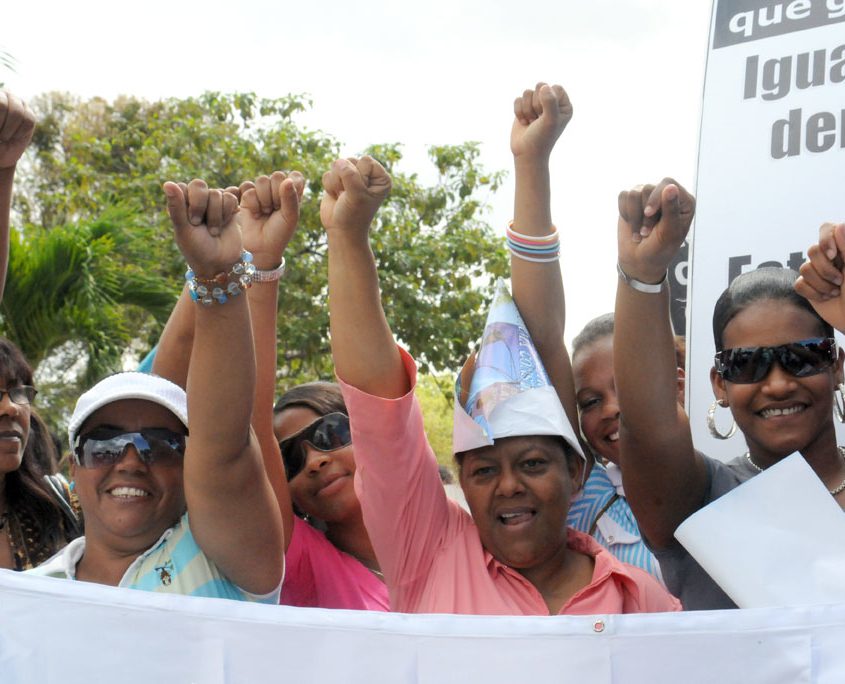
Over 10 million people reside in the Dominican Republic, which is located on the island of Hispaniola between the Caribbean Sea and the Atlantic Ocean. The country offers beautiful beaches and exquisite cuisine, however, beyond the resorts and tourist hot spots are many gender inequalities. Underlying machismo ideologies violate women’s rights in the Dominican Republic and marginalized groups especially face maltreatment. Gender-based violence limits women to be active participants in society.

Femicide in the Dominican Republic

The Dominican Republic had the third-highest rate of femicide in 2013. Although the Convention on the Prevention, Punishment and Eradication of Violence Against Women underwent ratification in the Dominican Republic over 20 years ago, violence against women has prevailed. In 2012, reports determined that one woman suffers murder every two days, revealing the economic dependence women have on men, as well as prevalent machismo ideologies.

The government approved a National Human Rights Plan for 2018-2022. It includes plans to initiate anti-discrimination legislation, it still had not fulfilled the commitment by the end of 2019. In fact, 58 women died because of their gender, including attorney Anibel Gonzalez, whose death initiated widespread protests that called for reforms in regard to femicide. By 2017, the country had one of the highest rates of femicide with more than 100 reported cases. Additionally, 5,417 reports of sexual offenses existed in 2019, including 1,106 reports of rape. According to Amnesty International, the Dominican Republic fails to properly collect data that would help determine the scope of ill-treatment toward women, especially inappropriate actions by police. As a result, police brutality has become normalized and authority figures regularly violence women’s rights in the Dominican Republic with no repercussions or justice.

Marginalized Groups

Women who are sex workers are even more prone to face ill-treatment and beatings. According to Amnesty International, “police in the Dominican Republic routinely rape, beat, humiliate and verbally abuse women sex workers to exert social control over them and to punish them for transgressing social norms of acceptable femininity and sexuality.” This routine criminalization of sex workers violates women’s rights in the Dominican Republic.

Gender-based violence remains a problem in Latin America and the Caribbean with marginalized groups. “By passing a law to prevent discrimination against some of the country’s most marginalized women, the Dominican Republic could set an example for the rest of the Caribbean to follow in the fight against stigma, machismo and other drivers of extreme violence against women,” said Erika Guevara-Rosas of Amnesty International. By doing so, they challenge deep-seated cultural gender ideologies and start new structural change and reform ensues.

Fighting Gender Inequality

Additionally, nonprofit organizations have the potential to greatly impact gender inequality and promote women’s rights in the Dominican Republic. For example, Mariposa DR works to “create sustainable solutions to end generational poverty by educating and empowering girls.” In 2012, the organization developed an institution that offers a space for young women to engage in sports, receive academic tutoring and other life skill training, connect with peers and develop meaningful relationships with mentors.

According to the Mariposa DR Foundation, “Girls who were once seen as only domestic laborers, caretakers of younger siblings and financial burdens on their families, are now reading, surfing, swimming, going to high school, graduating, earning income and following their passions. They are the untapped talent pool for economic reform and the mothers of our future.” In 2019, Mariposa DR raised over $1,443,954. Of this amount, 87% contributed to the development of programs and activities for the girls. During the same year, the organization sent three of their own off to college in the United States. Additionally, Mariposa DR provided an annual week-long health fair where 57 girls had wellness checkups with a 95% attendance rate.

Looking Forward

Through investment in educational training, young women have the potential to challenge machismo and misogynistic ideologies, as well as lower rates of femicide and other forms of abuse. Marginalized groups are especially susceptible to experience abuse, however, organizations like Mariposa DR, equip girls with the tools needed to empower themselves, along with their family members.

– Marielle Marlys
Photo: Flickr

April 27, 2021
https://borgenproject.org/wp-content/uploads/borgen-project-logo.svg 0 0 Jennifer Philipp https://borgenproject.org/wp-content/uploads/borgen-project-logo.svg Jennifer Philipp2021-04-27 07:31:072021-04-24 21:57:54Women’s Rights in the Dominican Republic: Fighting Violence and Inequality
Gender Equality, Women's Rights

Women’s Rights in the Central African Republic

Women's Rights in the Central African Republic
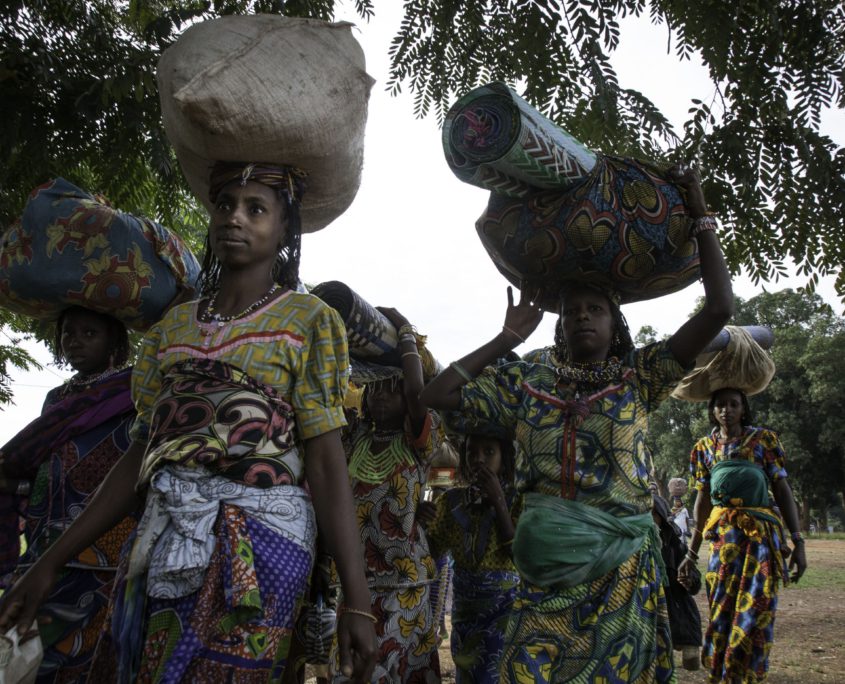
The year 2020 was turbulent for the entire world. From high stake elections to a global pandemic, much change has occurred in a short amount of time. Yet, while many worry about COVID-19 and economic downfall, a shadow pandemic is raging across sub-Saharan Africa. Recent lockdowns and socioeconomic turmoil have resulted in a sharp uptick in sexual violence and femicide across several African states. Countries such as Liberia and Nigeria saw a 50% increase in rape and killings. Experts attributed a large number of said cases to mandatory curfews. However, limited women’s rights in the Central African Republic (CAR) is also a cause.

The Situation

The Central African Republic revealed a 27% increase in rape and a 69% increase in cases with violence dealt against women and children during the COVID-19 pandemic. Women’s rights and safety have always been a longstanding issue for the Central African Republic. Besides having the rank of one of the least healthy and developed nations, the CAR ranks second highest for gender inequality globally. According to the U.N. Development Programme, COVID-19 presents a particular issue because “school and business closures, have meanwhile increased the domestic burdens borne by women and girls and sharply reduced their earnings, increasingly the existing vulnerabilities, confining them to homes they often share with their abusers and limiting access to support and health services.”

Since 2017, the CAR has reached out to donors and international organizations such as the U.N. and The International Development Association (IDA) to make longstanding changes. In that period, one can see progress in the fight for women’s rights in the Central African Republic.

Overview of Progress

While the CAR still struggles with women’s rights, generally, nonprofit organizations and international actors have taken action to help change the tide. Take, for instance, the Women’s Initiatives for Gender Justice, which, since 2008, has provided local women’s activist information regarding the Rome Statute for Human Rights, resources to protect vulnerable women better and help in communicating with other women’s rights organizations. The organization has also promoted the training of lawyers and victims’ trust funds.

Another example of progress toward attaining better women’s rights in the CAR is the partnership with the Human Rights Council to host a series of hearings. These hearings focused on recent abuses and acts of extreme violence, especially those targeting women. The attendees were a series of international organizations such as U.N. Women and representatives from over 15 countries.

With the upcoming electoral season, the CAR has an even greater chance of radically transforming women’s rights in the country. The Secretary-General of the U.N., António Guterres, emphasized how, “All segments of the population of the Central African Republic, in particular women, young people, internally displaced persons and refugees, must be at the center of efforts to consolidate democracy and, consequently, of this electoral process.” Currently, the U.N. manages dialogue channels for opposing parties and interest groups to ensure the election is fair and peaceful. In essence, with the prospect of a new leader and parties coming to power, this could be the perfect opportunity to reform women’s rights.

Persisting Challenges

Although the U.N. and the CAR recently signed an agreement promising to tackle sexual violence by armed groups, the country still has a long way to go. For instance, rape victims in the CAR have little to no legal avenues to seek out reparations or any form of justice. Furthermore, medical aid for assault victims and women’s care, in general, is mostly underfunded and incredibly difficult to access.

Moreover, as the military conflict continues to destabilize the country, more and more women and young girls become victims of sex slavery and weaponized rape. Women in rural villages are primarily targeted, as rape is a psychological tactic in violent conflict. Many experts have argued that a specialized court dealing with said sexual crimes against women would be extremely effective at delivering justice.

Future Policy Recommendations

Aside from creating a network of specialized courts dealing with women’s rights and sexual violence, the CAR can still implement many policies and initiatives to promote women’s rights better. For instance, whistleblowing procedures should be put in place to protect aid workers who report sexual assault cases and violence amongst vulnerable populations. SOFEPADI, a Congolese NGO, has argued that development agencies need to better coordinate with each other to assist women caught in conflict and appoint women to positions of power within their organizations.

By reforming the way aid workers conduct with women in the CAR and funding more women lead organizations, the CAR and international actors can significantly improve the fight for women’s rights. However, another reform that the Central African Republic should consider is creating more economic development zones for marginalized peoples, such as women.

At a recent U.N. general assembly meeting, several African leaders advocated creating fiscal spaces to invest in social needs, especially in regard to women. Reforms such as this can significantly improve women’s livelihood, educate young girls and grant women in the CAR significant socio-economic autonomy. The CAR may not rank the best in women’s rights, but as time passes and international actors continue their efforts, hope exists for change.

– Juliette Reyes
Photo: Flickr

April 27, 2021
https://borgenproject.org/wp-content/uploads/borgen-project-logo.svg 0 0 Jennifer Philipp https://borgenproject.org/wp-content/uploads/borgen-project-logo.svg Jennifer Philipp2021-04-27 07:30:042021-04-25 09:06:03Women’s Rights in the Central African Republic
Global Poverty, Women's Rights

The Push for Improved Women’s Rights in Jamaica

Women’s Rights in Jamaica
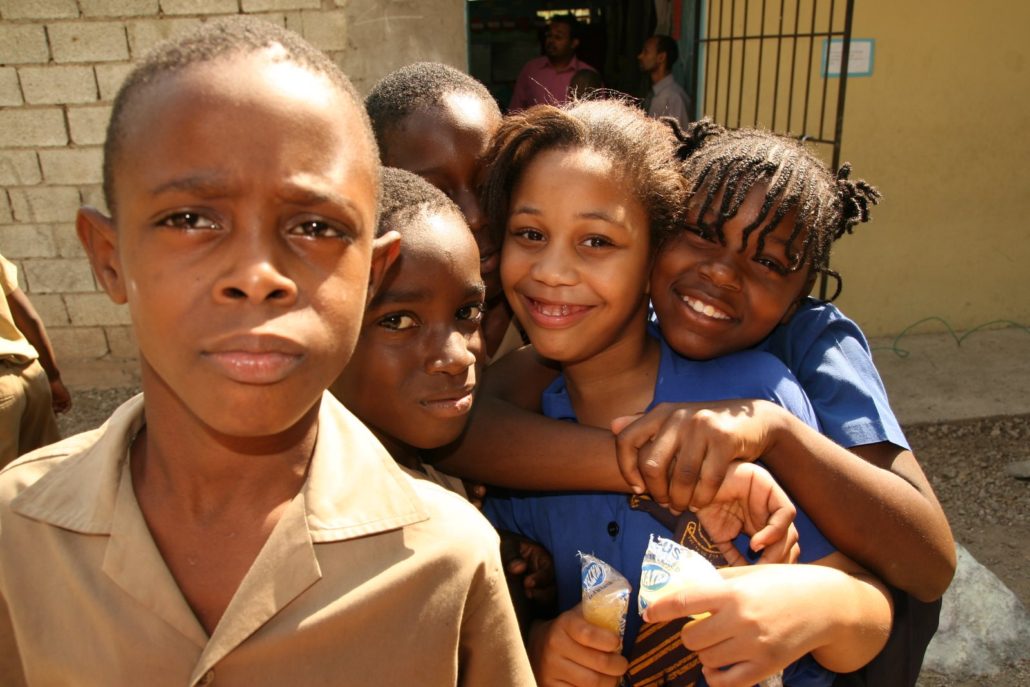
Jamaica is working towards reducing its poverty rate and improving gender equality. The percentage of Jamaica’s population below the poverty line in 2017 was 19.3%. With the impact of COVID-19 in 2020, Jamaica is currently implementing measures to reduce poverty with the help of groups like the National Poverty Reduction Programme (NPRP). The NPRP provides services like care packages, psychosocial support and other services to vulnerable groups in Jamaica. However, work is also necessary to achieve gender equality and improved women’s rights in Jamaica.

Poverty Among Women in Jamaica

According to UN Women, the 2019 poverty rate in Jamaica was 19.9%. Jamaica also has inequality between women and men living in poverty. For example, the ratio of women living in poverty is 121 women to 100 men in the Caribbean and Latin America, according to The Food and Agriculture Organization of the United Nations (FAO). However, some Jamaican women are moving into economic and business positions in the workforce.

Women-led Coalition to Get Women into Corporate Jobs

A coalition back in 2012, called the 51% Coalition, addressed the lack of equity in the Jamaica Stock Exchange (JSE) and began working to provide leadership positions to women in the country. The coalition focuses on recruiting women to buy shares in private sector companies. It also helps provide training to women so they can gain experience at the corporate and public sector level.

As of 2020, eight women made up the 21 members in Jamaica’s Senate. The 51% Coalition may have had a role in advancing women’s participation in the Senate; only five out of 21 seats included women in 2011. Meanwhile, the World Economic Forum’s 2020 Global Gender Gap Report shows 17.5% of women and 82.5% of men in parliament compared to 2012’s report showing 13% of women and 87% of men. However, men still made up 85.8% of 2020’s labor force, showing that more work is necessary to achieve gender equality in Jamaica.

This initiative is one of several efforts that is aiming to achieve legal and social reform regarding discrimination and hostility against women in Jamaica. Successes like high enrollment rates in universities and middle-management leadership for women received recognition in 2019. Data from The World Bank shows that 37% of women and 15.8% of men enrolled in university before the Coalition in 2011 and that 38% of women enrolled in comparison to 16.6% of men in 2013. These statistics show little to no change for women attending university before and after the Coalition as well as little advancement for men. Considering this, the country still has to work to achieve improve women’s rights in Jamaica.

Violence Against Women in Jamaica

On March 10, 2021, the body of accounting clerk Khanice Jackson emerged after she was missing for two days. An outpour of shock and grief by Jamaican citizens turned into advocacy for her justice, as well as justice for women in their country. A 2018 United Nations (UN) database shows that women between ages 15-49 in Jamaica account for 27.8% of physical or intimate partner violence in their lifetime. Meanwhile, 39% of women in Jamaica and Granada experience intimate partner violence per year.

The Jamaican government and private sector responded by showing how it is actively seeking initiatives to achieve gender equality in the country. However, the continued lack of legislative action, despite promises from the government, is causing citizens to express their concerns. Jamaican Prime Minister Andrew Holness called for punishment against the crime against Khanice Jackson. Holness said the violent nature of popular music plays a role in the country’s violent social climate.

However, citizens have said that Jamaica’s leaders are not doing enough to create a safer environment for women. Justice Minister Delroy Chuck called out the current sentencing practices on March 30, 2021, for convicted criminals that include reducing their sentence in an attempt to clear a backlog of cases in court in a parliamentary sitting. Chuck’s address of this issue led to the decision to revisit the case in the future.

In early 2021, WE-Change, a Jamaican women’s rights organization geared towards gender equality in the country, addressed the constant cycle of violence against women and the government’s inaction. WE-Change, which began in 2015, advocates for women and girls using organizational and engagement strategies to advance women towards social change and equal rights. In February 2020, WE-Change recommended the Human and Social Development Committee of parliament to review the Sexual Harassment Bill.

Continued Efforts to Achieve Gender Equality in Jamaica

For now, Jamaican women must defend themselves using protective devices. Legislation is currently working to legalize the use of pepper spray after a petition on the Prime Minister’s website gained 16,876 signatures by the end of March 2021.

With the latest efforts to achieve gender equality in Jamaica, it seems that the country is making progress as more citizens are raising awareness. As the government continues to respond to public outcry, citizens and organizations are continuing to raise awareness regarding the importance of women’s rights in Jamaica.

– Nia Owens
Photo: Flickr

April 25, 2021
https://borgenproject.org/wp-content/uploads/borgen-project-logo.svg 0 0 Jennifer Philipp https://borgenproject.org/wp-content/uploads/borgen-project-logo.svg Jennifer Philipp2021-04-25 07:31:132024-05-30 22:23:25The Push for Improved Women’s Rights in Jamaica
Gender Equality, Global Poverty, Women's Empowerment, Women's Rights

The State of Women’s Rights in Ethiopia

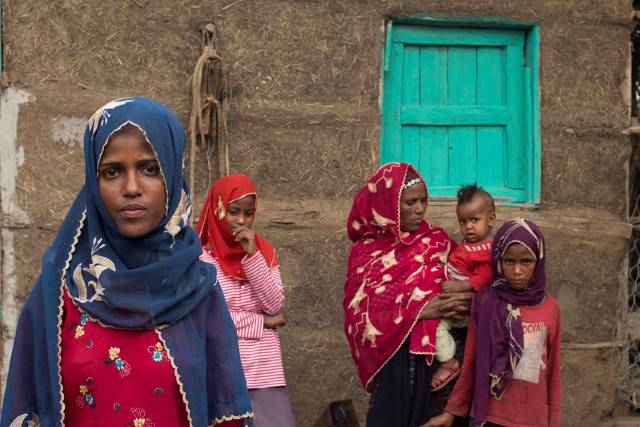
Women’s Rights in EthiopiaEthiopia is a country that is on the rise in global influence, population and economic power. The country has a long and rich history with plenty of powerful female figures, including empresses and heads of state. Still, the state of women’s rights in Ethiopia is not ideal, with women facing a lot of discrimination and far fewer opportunities. While women remain in fewer positions of power and at the wrong end of unequal gender relations, it appears the country is making progress.

The Gender Equality Issues

Ethiopia struggles with massive inequality between the sexes. The Global Gender Gap report in 2010 ranked Ethiopia 121st out of 134 countries in gender disparities. Inequality persists in multiple facets. U.N. Women lists these areas as being of particular concern:

  • Literacy
  • Health
  • Livelihoods
  • Basic Human Rights
  • Social Support

Women suffer from several health inequalities like higher HIV prevalence, high maternal mortality and restricted access to healthcare. Women also participate far less in the workforce and suffer from the impacts of many traditional practices like child marriage and genital mutilation.

Further problems also plague Ethiopian women. In rural communities, women perform most agricultural labor but rarely receive pay or recognition for it. Gender-based violence is a significant problem yet community resources do not reach a lot of women. This is because 80% of Ethiopia’s population lives in rural areas with little infrastructure. Women also experience systemic discrimination regarding land ownership, education and the justice system.

Women’s rights in Ethiopia are not a lost cause. Global actors and Ethiopian organizations are doing plenty to strive for gender equality. These contributions are thus beginning to have a noticeable effect on the country and the fortunes of Ethiopian women.

Leave No Women Behind

U.N. Women’s Leave No Woman Behind program is an example of a concerted effort that had a positive effect on Ethiopian women, targeting Amhara and Tigray regions in 2009. The program focused on the many dimensions of women’s poverty. It aimed to increase women’s human rights at a grassroots level through increased government involvement. Furthermore, the program aimed to “address gender disparities in literacy and educational attainment, sexual and reproductive health services and gender-based violence (GBV).” In addition, it also aimed to provide women better access gender-sensitive reproductive care and help them achieve sustainable and resilient livelihoods.

From February 2009 until February 2012, the program reached more than 100,000 women. Its achievements include reduced child marriage, reduced female genital mutilation, increased access to maternal and HIV care, more equitable division of household labor and more.

Women’s Organizations and Movements

Several Ethiopian women’s organizations have been important in increasing awareness and fighting for women’s rights. The Ethiopian Women with Disability National Association (EWDNA) works toward equal rights and ending social discrimination against women with disabilities. EWDNA serves women with disabilities of all kinds. EWDNA’s work includes the “provision of services in rehabilitation, education and skills training; the promotion of mobility and accessibility, reproductive health and HIV/AIDS education/support” and the comprehensive participation of persons with disabilities on all levels.

Setaweet is a feminist movement based in Addis Ababa, formed in 2014. It is a grassroots movement that seeks to create and espouse a uniquely Ethiopian form of feminism. Setaweet runs gender workshops in secondary schools, provides a gender-based violence call center for women who have experienced abuse, runs a women’s scholar program and presents exhibitions to raise awareness about issues like sexual violence against women.

Gender Equality Progress

Efforts for greater women’s rights in Ethiopia are paying off. In the past two decades, the Ethiopian government has implemented many landmark acts and policies to protect women and afford them more opportunities. This includes legislation that criminalizes domestic violence and several harmful traditional practices that affect women. In 2018, Ethiopia’s parliament appointed Sahle-Work Zewde as the nation’s first female president, a landmark decision for Ethiopian women’s political participation. Women now form half of the cabinet members. Women’s rights in Ethiopia are therefore showing steady and strong signs of improvement, empowering women in the country.

– Clay Hallee
Photo: Flickr

April 25, 2021
https://borgenproject.org/wp-content/uploads/borgen-project-logo.svg 0 0 Kim Thelwell https://borgenproject.org/wp-content/uploads/borgen-project-logo.svg Kim Thelwell2021-04-25 01:30:512024-05-30 22:23:15The State of Women’s Rights in Ethiopia
Developing Countries, Global Poverty, Women and Female Empowerment, Women's Rights

4 Books Bringing Awareness About Honor Killings

Awareness About Honor KillingsHonor killings and honor violence are still common practices in patriarchal societies. The practice involves an act of violence, usually murder, perpetrated against a woman by a male family member as punishment for bringing “dishonor” to the family. Behaviors that bring dishonor almost always relate to the woman’s sexual activity or relationship: sex outside of marriage, seeking a divorce, refusing an arranged marriage and being a victim of rape. These are all actions that supposedly justify honor killings because of the shame they bring to the family. Though archaic and cruel, honor killings happen all the time. The United Nations Office on Drugs and Crime (UNODC) estimates that, in 2017, intimate partners or family members killed roughly 50,000 women, many of them victims of honor killings. Several books hope to raise awareness about honor killings in order to reduce the occurrence and bring about change.

“I Should Have Honor: A Memoir of Hope and Pride in Pakistan”

This memoir by Khalida Brohi reflects on honor violence and related systems Brohi witnessed growing up in Pakistan. Her mother was an arranged marriage child bride. Brohi was nearly subject to a similar fate. Brohi was part of an arranged marriage before she was even born. Her father refused to let her become a child bride because he believed in education. The honor killing of her cousin by her uncle prompted her journey to helping women become empowered. Brohi’s uncle murdered her cousin for being in love with a man she was not married to. Brohi tells this story in her memoir and the story of her subsequent activism: empowering women and educating men on how and why these systems must undergo dismantling.

“Honor and Violence against Women in Iraqi Kurdistan”

Unlike Brohi’s deeply personal memoir, this book by Minoo Alinia focuses on applying an intersectional perspective to research concerning honor violence in Kurdistan. Alinia analyzes cultural notions of masculinity and the individual actions that stem from it. This text offers a socio-political perspective and participates in a larger conversation about global gender studies and how colonial history, religion and poverty have an influence. Though less personal, the researched approach to a subject as urgent as honor violence is vital to change advocacy. Alinia attempts to understand the origin of the practice in this region in order to create a cultural conversation about eliminating the practice.

“Inside an Honor Killing: A Father and a Daughter Tell Their Story”

In this book, Lene Wold brings a journalist’s perspective to the subject of honor killings, particularly in Jordan. Wold chose to immerse herself: she spent years in Jordan documenting as many stories as she could. While she witnessed the gender and socioeconomic dynamics of daily life firsthand, she interviewed young women, village elders and men who had murdered a female family member in the name of honor. This book uniquely presents not only the victim’s perspective but the perpetrator’s. It is central to the advocacy surrounding honor violence because it tries to share every side of the story, allowing for the most holistic education and understanding.

“Bliss”

This novel by O.Z. Livaneli is unique because, unlike the others, it is fictional. Livaneli tells the story of a character who experiences rape by her uncle before his son arranges for her death as her rape has dishonored the family. The fictional story set in Turkey hopes to reflect the experiences of Turkish women and families. The most important aspect of this story is the overwhelming hopefulness it conveys. Education and understanding are essential to advocacy but so is hope. Livaneli’s novel brings hope as well as awareness to the issue of honor killings.

By bringing awareness to the issue of honor killings, these writers hope to reduce its occurrence and inspire advocacy and change.

– Samantha Silveira
Photo: Flickr

April 24, 2021
https://borgenproject.org/wp-content/uploads/borgen-project-logo.svg 0 0 Kim Thelwell https://borgenproject.org/wp-content/uploads/borgen-project-logo.svg Kim Thelwell2021-04-24 07:31:132021-04-22 19:46:544 Books Bringing Awareness About Honor Killings
Global Poverty, Women and Female Empowerment, Women's Empowerment, Women's Rights

The Sophia Society Empowers Women in Kurdistan

The Sophia SocietyIn an area of the world fraught with conflict and tension, Kurdish women continue to fight for equality and rights. Achieving this requires a united commitment to changing the perspective and understanding of culture and the role women hold in society. As a historically conservative society, change sometimes poses a challenge for Kurdistan. The Sophia Society fights for the protection and empowerment of women in Kurdistan.
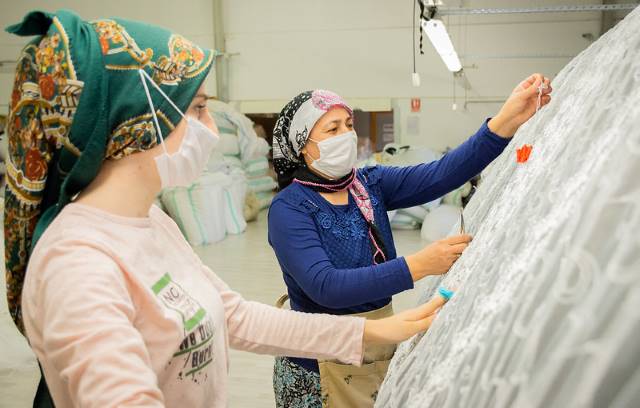
Women in Kurdistan

Incidents of violence against women are rampant in Kurdistan. Many advocates and women’s rights activists continue to speak out against gender-based violence to lobby for change. Many of the protests and advocation for expanding women’s rights stem from a series of honor killings, domestic violence and human trafficking. Much of the violence thus begins at the family level and the law shrouds it. In a nation where forced marriage is a common practice, a woman’s refusal can thus lead to her death.

Honor killings are justified as a way to quiet a rebellious woman who refuses the will of the man who controls her life. Additionally, these women end up in unmarked graves as a symbol of shame. The Sophia Society aims to put an end to honor killings and other injustices experienced by women, including sexual violence.

Women in Government

The Kurdish government continues to work toward the expansion of rights and the integration of women into leading roles. With a 30% quota of women in parliament and a complete High Council of Women’s Affairs, it appears that the Kurdish government is well advanced on integration. However, critics argue that many of these women serve only as a token and their roles hold no substantial political power.

Political inclusion is a great success for Kurdish women, yet there continue to be cultural aspects that need improvement. From an outsider’s perspective, the number of women in political positions tells a tale of growth and modernization but the lack of domestic safety also makes this questionable.

The Sophia Society

Lanje Khawe established the Sophia Society in 2016, primarily to increase the literacy of Kurdish girls. Since then, the scope of this organization has expanded because it looks to address the multidimensional struggles of women. The members of this Society travel to remote villages via bicycle to deliver books to young girls and women so that they can become literate, educated and empowered in a country that oppresses them. Furthermore, the Society aims to raise awareness about sexual violence against women.

In a patriarchal society, others often deny girls access to books and education because of the misguided fear that they might rebel against patriarchal expectations. However, in many cases, it is this patriarchal society that threatens the security and safety of these girls, as one can see through honor killings.

Impact of the Sophia Society

The Sophia Society continues to use its voice to highlight the horror of honor killings and challenge the status quo within the Kurdish region. The Society, therefore, pushes for acknowledging women’s voices both politically and socially.

The challenge these women face in organizing this group is that if they do anything to bring shame to their families, death becomes a potential outcome.

What Needs to Change?

The most challenging aspect of change in these Kurdish regions is the transformation of societal normalities and cultural expectations. This will therefore require progressive laws and policies as well as public gender equality campaigns. Women learn to be passive and submissive. Because of this, the Sophia Society, therefore, wants to uplift and educate women as the feminine voices of the nation.

The national growth is slow-moving yet hope exists for the future of women’s rights as the Sophia Society commits to change. This group creates an organization of role models for other women who no longer want gender norms to define them. The Sophia Society stands alongside Kurdish women to prepare for a changed future.

– Kate Lucht
Photo: Flickr

April 24, 2021
https://borgenproject.org/wp-content/uploads/borgen-project-logo.svg 0 0 Kim Thelwell https://borgenproject.org/wp-content/uploads/borgen-project-logo.svg Kim Thelwell2021-04-24 07:30:112021-04-22 19:19:39The Sophia Society Empowers Women in Kurdistan
Women's Rights

The Istanbul Convention: Turkey’s Withdrawal

Istanbul ConventionIn 2010, the Council of Europe drafted the “Preventing and Combating Violence Against Women and Domestic Violence” treaty, commonly known as the Istanbul Convention. The Convention aims to address violence against women and femicide. In total, 45 European countries signed the convention and support for the treaty was nearly universal. However, the withdrawal of Turkey marks a turning point in the perceived political meaning of the convention. Concerns are that if other countries follow suit, this would potentially leave millions of women without essential legislative protections.

The Development of the Convention

According to the EU, violence against women is a universal phenomenon, pervasive among all classes, nationalities and cultures. Data collection on gender-based violence has long been an issue due to underreporting and societal pressures for women to remain silent. Prior to the legal implementation of the Istanbul Convention in 2014, violence against women in Europe was a significant worry, even with incomplete data. In 2012, a survey of women between 18 and 74 who experienced violence at least once in their lifetime revealed that Denmark, the United Kingdom and Finland ranked the highest in this regard in the European region. Nearly 50% of the Danish women surveyed endured physical violence at least once in their lifetime, with that percentage being closer to 40% for both the United Kingdom and Finland.

After rising political pressure from multiple EU Ministers of Justice, especially with regards to partner and relationship violence against women, the Council of Europe decided in favor of forming a committee of experts. The committee called CAHVIO would go on to draft and finalize the Istanbul Convention in late 2010. In May 2011, the treaty was adopted. The convention was signed by 45 European countries. The signing of the convention took place in Istanbul, with the city becoming the namesake of the convention. After the 10th ratification of the convention by Andorra in 2014, the Istanbul Convention went on to become legally binding that same year.

The Protections of the Istanbul Convention

More than 60 pages long, the Istanbul Convention states a wide range of protections for women, particularly women who are victims of domestic abuse. The Convention mandates governmental aid for women in need, ranging from financial aid, shelter and professional guidelines for workplaces. Additionally, the Convention mentions supportive action for children living in abusive environments and encourages further holistic research into the issue of violence against women.

Chapter five of the Convention is where firm policies and legislation come into play. The Convention specifically states legislative action that member nations must take. Psychological violence, sexual harassment, stalking, physical violence, female genital mutilation, honor killings and more, are all considered forms of violence against women. Countries that ratify the convention are then responsible for developing hotlines, women’s shelters, medical resources, counseling and other essential services to protect women. The Group of Experts on Action Against Violence Against Women and Domestic Violence investigates whether or not ratifying countries are upholding the Convention.

Since entering into force in 2014, the Istanbul Convention has prompted many policy changes in Europe. With particular regards to Turkey, the parliament adopted serious policy changes in 2012 largely based on the wording of the Istanbul Convention the country signed in 2011.

Turkey’s Withdrawal and its Subsequent Impact

In March 2021, Turkey suddenly withdrew from the Istanbul Convention. Turkey’s president claims that the treaty threatens traditional family values. Responding to the sudden decision, many international organizations expressed dismay. In a statement from the United Nations,  senior experts on violence against women and domestic violence labeled the decision a “misinterpretation” of the text of the convention, insisting that Turkey reconsiders the stance.

Additionally, the statement emphasizes that women are even more at risk of domestic violence due to the COVID-19 pandemic, pointing to Turkey’s rising femicide rates in recent years. With news of Poland also reconsidering its position regarding the Istanbul Convention, women in both nations are now faced with the reality of weakening legislative protections.

Critics from around the world have pointed out that it is a significant step back from the standardization of basic women’s rights. The Deputy chairperson for Turkey’s main opposition party, Gokce Gokcen, tweeted that the decision means women will in essence continue to be classified as second-class citizens.

Organizational Efforts in the Fight Against Violence

With the withdrawal has come a wave of movement from international and domestic women’s groups, NGOs and governmental organizations alike. Turkish organizations like the We Will Stop Femicide Platform contribute to public awareness in Turkey through social media campaigns and exhibitions. The platform takes legal action on behalf of victims, in addition to organizing community events and protests in local branches across Turkey. With continued support, platforms and organizations will persist in calling for the legal protection of women in the hope that Turkey will reconsider its decision.

– Maddie Youngblood
Photo: Flickr

April 21, 2021
https://borgenproject.org/wp-content/uploads/borgen-project-logo.svg 0 0 Kim Thelwell https://borgenproject.org/wp-content/uploads/borgen-project-logo.svg Kim Thelwell2021-04-21 06:26:002021-05-31 06:27:28The Istanbul Convention: Turkey’s Withdrawal
Page 17 of 41«‹1516171819›»

Get Smarter

  • Global Poverty 101
  • Global Poverty… The Good News
  • Global Poverty & U.S. Jobs
  • Global Poverty and National Security
  • Innovative Solutions to Poverty
  • Global Poverty & Aid FAQ’s
Search Search

Take Action

  • Call Congress
  • Email Congress
  • Donate
  • 30 Ways to Help
  • Volunteer Ops
  • Internships
  • Courses & Certificates
  • The Podcast
Borgen Project

“The Borgen Project is an incredible nonprofit organization that is addressing poverty and hunger and working towards ending them.”

-The Huffington Post

Inside The Borgen Project

  • Contact
  • About
  • Financials
  • President
  • Board of Directors
  • Board of Advisors

International Links

  • UK Email Parliament
  • UK Donate
  • Canada Email Parliament

Get Smarter

  • Global Poverty 101
  • Global Poverty… The Good News
  • Global Poverty & U.S. Jobs
  • Global Poverty and National Security
  • Innovative Solutions to Poverty
  • Global Poverty & Aid FAQ’s

Ways to Help

  • Call Congress
  • Email Congress
  • Donate
  • 30 Ways to Help
  • Volunteer Ops
  • Internships
  • Courses & Certificates
  • The Podcast
Scroll to top Scroll to top Scroll to top