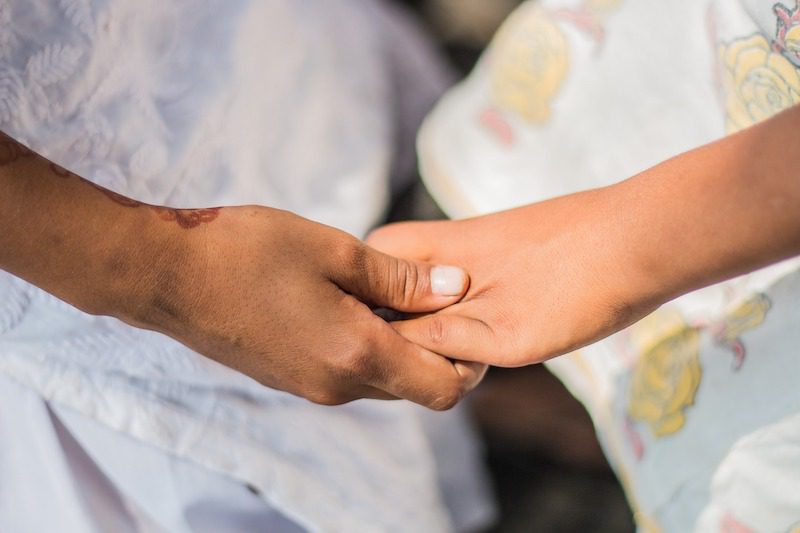
Emotional support programs for children and pregnant women in low-income communities can improve participants’ mental and physical health. Daily challenges of living below the poverty line often result in high-stress levels that can lead to a variety of health complications in children, pregnant women and babies. Emotional support programs save lives in low-income communities by reducing stress and resultant health issues.
The Benefits for Pregnant Women and Babies
Emotional support groups for pregnant women can make impactful differences in their lifestyles and health. A study by psychologist Greg Miller found that pregnant women who took part in a support group called Centering Pregnancy had less inflammation in their placentas than pregnant women who received standard prenatal care. Inflammation within the placenta can restrict the flow of nutrients, oxygen and blood from mother to child, potentially leading to health complications. Within Centering Pregnancy, pregnant women received guidance on nutrition, stress management and parenting. As a result, they had lower stress levels and less inflammation in their placentas, allowing them to have more relaxed and healthy pregnancies.
Groups like Centering Pregnancy can be particularly valuable in low-income communities where women experience high-stress levels from everyday challenges linked to poverty. For example, a study that a teaching hospital in Lahore, Pakistan conducted found that during their pregnancies, 25% of women in the antenatal clinic experienced depression and 34.5% experienced anxiety. In developing countries like Pakistan, emotional support programs save lives by improving pregnant women’s health and, in turn, the health of their babies.
The Benefits for Children
According to the National Scientific Council on the Developing Child, conditions with links to poverty, such as “‘overcrowding, noise, substandard housing, separation from parent(s), exposure to violence, [and] family turmoil’” can have toxic effects on the developing human brain, just like drug abuse and alcoholism. Cortisol, a hormone that helps manage stress, can be overly abundant in children who grow up in poverty, which can lead to stunted brain development over time. As a solution, mentorship programs for children in low-income communities can improve kids’ emotional and physical wellbeing. A study by Miller and fellow Psychologist Edith Chen found that a single supportive, high-quality relationship with someone like a teacher, friend or mentor can substantially minimize a child’s risk of cardiovascular disease in a low-income community. Mentorship programs help children relieve stress and resolve social conflicts, potentially leading to fewer long-term health concerns.
Organizations at Work
Mental health organizations work across the globe to help people of every age improve their mental, emotional and sometimes even physical health. For example, United for Global Mental Health is an international organization that began in 2017 to improve mental health around the world, including in Pakistan, Nigeria, France, Canada and Japan. The website provides an extensive list of international mental health resources, including organizations that specifically focus on supporting children. United for Global Mental Health’s goal is to improve mental health globally and make mental health resources accessible to everyone, despite socioeconomic status. The organization works alongside partners such as UNICEF and the World Health Organization (WHO) to advocate for rights, financing, systems and educational resources that improve mental health around the world.
Organizations like Mothers2Mothers (M2M) also work to help pregnant women and new mothers to achieve the best mental and physical health possible in developing countries. M2M began in 2001 when South Africa was facing a record number of HIV infections. The organization employs women with HIV in nine African countries, including Ghana, Kenya and South Africa, to work as Mentor Mothers. Mentor Mothers are community health workers who serve women and adolescents in 10 countries across Africa by providing support, education and medical services. M2M has created more than 11,000 jobs for women with HIV and has provided over 13.5 million people in sub-Saharan Africa with crucial health services. The organization models how emotional support programs save lives in developing countries.
Spread around the world with a variety of causes, emotional support programs save lives by relieving stress and the health complications that result from it. People experiencing poverty often experience heightened levels of stress, so emotional support programs can be particularly useful to people in low-income areas.
– Cleo Hudson
Photo: Pixabay

 Domestic violence is a global issue affecting
 On March 20, 2021, Turkey announced its
  As a recent Mastercard Foundation Scholar and computer science master’s graduate at UC Berkley,
 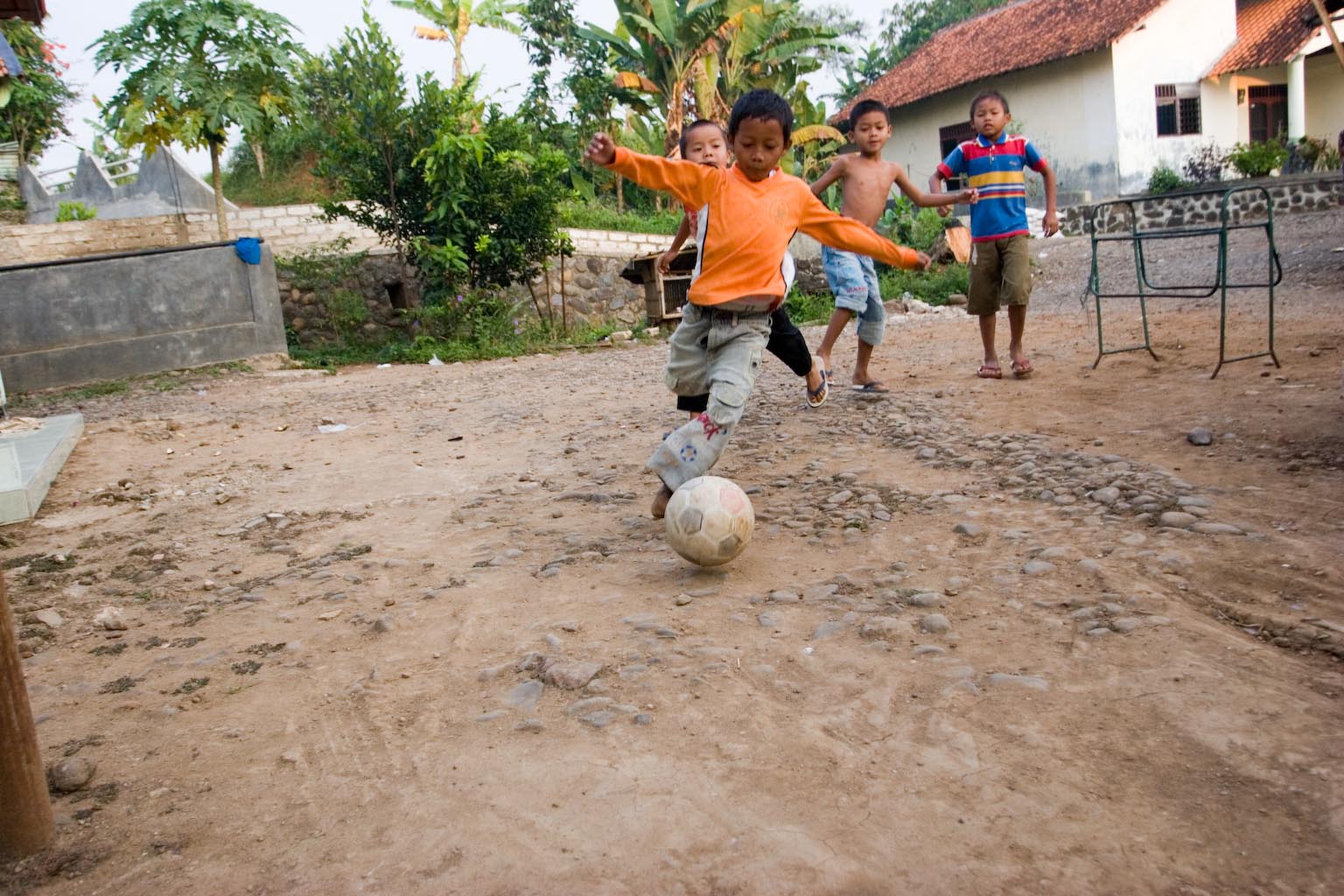 Soccer is one of the most popular sports on the international stage, with more than four billion fans. Additionally, roughly 30 billion people watch the FIFA World Cup. This proves that soccer can bring many people together despite different linguistic or cultural backgrounds. With this in mind, soccer programs across the world are harnessing people’s love for the game to help the impoverished. Three particular soccer programs are addressing global poverty and are making the world a better place.
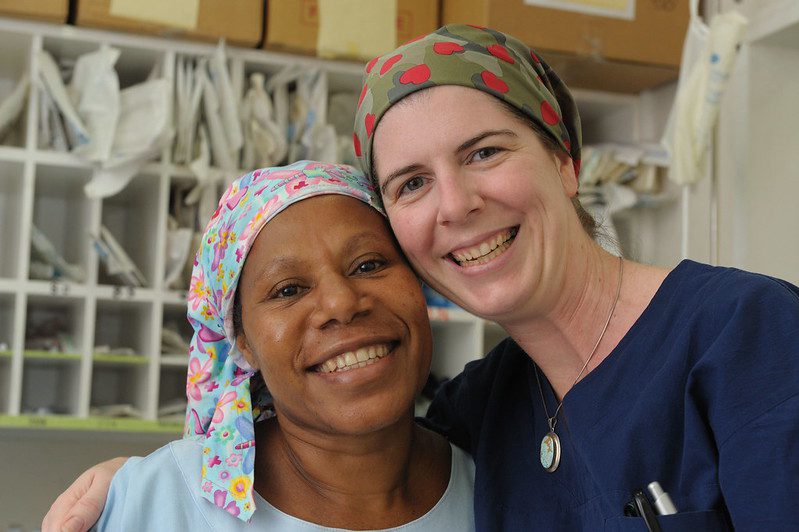 Women’s health in Papua New Guinea is wrought with struggles, stemming from both inadequate healthcare centers and the country’s law. The gender inequity of the situation sees men receiving more comprehensive medical care than women. Unfortunately, Papua New Guinea’s adherence to its healthcare policies does not include extending further care to women. Many of those who identify as women on official documents get pushed under the general term of “population,” resulting in a lack of gender-specific reports on women’s overall medical conditions. Women’s health in Papua New Guinea needs prioritizing, especially in the maternity category. With
  For more than 60 years, the