• Link to X
  • Link to Facebook
  • Link to Instagram
  • Link to TikTok
  • Link to Youtube
  • About
    • About Us
      • President
      • Board of Directors
      • Board of Advisors
      • Financials
      • Our Methodology
      • Success Tracker
      • Contact
  • Act Now
    • 30 Ways to Help
      • Email Congress
      • Call Congress
      • Volunteer
      • Courses & Certificates
      • Be a Donor
    • Internships
      • In-Office Internships
      • Remote Internships
    • Legislation
      • Politics 101
  • The Blog
  • The Podcast
  • Magazine
  • Donate
  • Click to open the search input field Click to open the search input field Search
  • Menu Menu

Archive for category: Women’s Empowerment

Global Poverty, Hunger, Women's Empowerment

Sustainable Farming Initiatives Empower Women

Sustainable Farming Initiatives Empower Women
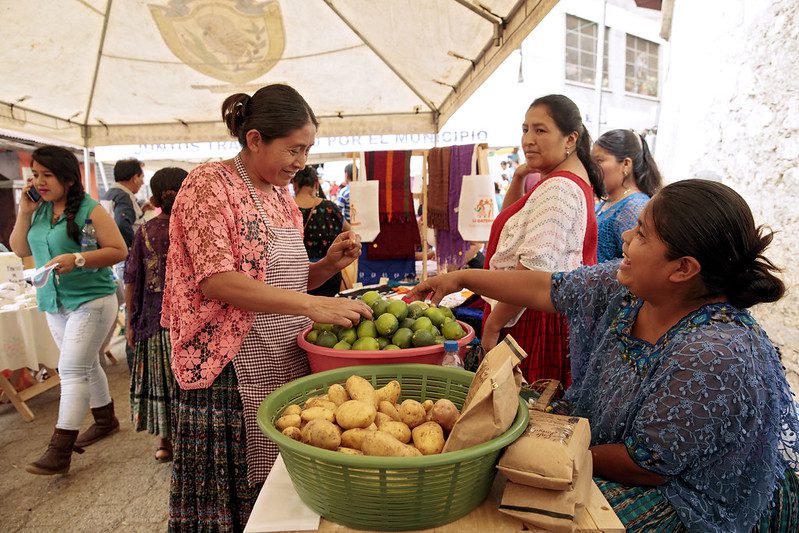
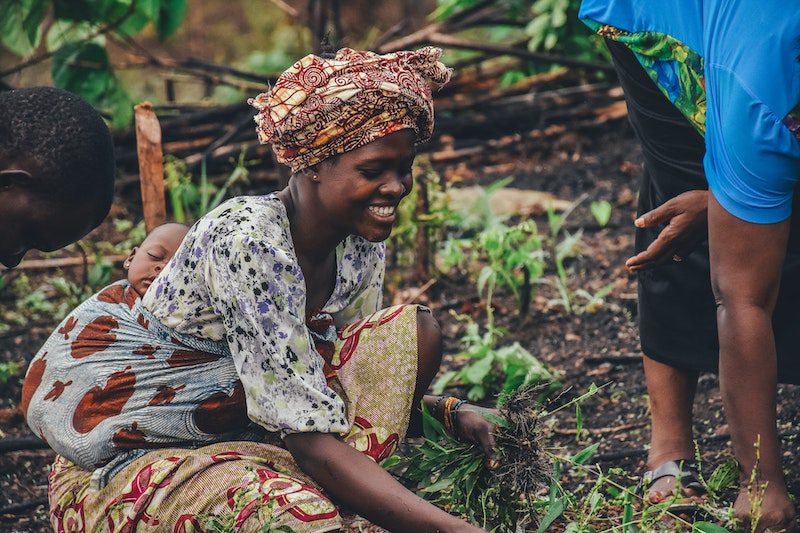
In developing nations, females make up only 10%-20% of landholders, which leads to gender disparities in the farming industry. When female farmers lack power over land, they have less agency to occupy leadership positions and earn higher incomes. The United Nations Refugee Agency (UNHCR) launched a program in April 2020 in Ouallam, Niger, to help women adopt sustainable farming practices and support themselves financially through agriculture. The program supports local women from Ouallam, women who faced displacement due to conflict in other parts of Niger and refugees from the neighboring country of Mali. Sustainable farming initiatives empower women in developing countries by helping women to establish their own businesses, fight hunger and boost local economies.

Women in the Farming Industry

According to the World Bank, in 2020, almost 43% of Niger’s people endured extreme poverty, which equates to more than 10 million people. Many global organizations recognize that women account for the majority of the world’s impoverished due to barriers arising through gender equality.

Gender roles make it difficult for many female farmers in developing countries to manage their own crops and handle their own finances. In some cases, even when a woman runs the land and makes important farming decisions, male farmers only ask to do business with a female farmer’s husband.

Female farmers also face obstacles with funding. Female-operated farms yield up to 30% less than male-operated farms because women tend to lack access to credit for funding. Without adequate capital, women farmers are less inclined to purchase and utilize “fertilizer, drought-resistant seeds, sustainable agricultural practices and other advanced farming tools and techniques that increase crop yields.”

Public and private organizations recognize the extent of gender disparities in agriculture and many have launched initiatives to address these issues. UNHCR’s work in Niger is one of many programs that show how sustainable farming initiatives empower women and help close the gender gap in agriculture.

UNHCR and Desert Farming in Niger

Farmers in Ouallam, Niger, must use tactical farming and irrigation practices to sustain crops in the desert. Around 450 female farmers work the land in Ouallam and many of them are refugees only recently entering the world of agriculture. The women grow crops like potatoes, watermelons, cabbage and onions to support themselves and their families. UNHCR’s initiative in 2020 helped the women adopt drip irrigation, which helps preserve water in the desert instead of letting it evaporate or go to waste. Female farmers in Ouallam benefit from UNHCR initiative by adopting efficient irrigation methods that maximize water use and crop yields.

Hunger and Poverty Reduction

Sustainable farming initiatives empower women, reduce hunger and combat poverty in communities around the world. If female farmers had the funding and resources to produce as many crops as male farmers, world hunger could decrease by roughly 17%, according to Oxfam International. Educational initiatives can also teach women highly efficient farming methods that they may not learn otherwise. As productivity and yields increase among female farmers, the incomes of women will increase along with their economic independence. Female farmers increase access to food and contribute to local markets, so they can benefit their communities at large by reducing hunger and poverty.

Public and private initiatives to uplift female farmers can lead to monumental changes in developing countries. Funding and education help women succeed in agriculture, gain financial independence and improve the quality of life in local communities overall.

– Cleo Hudson
Photo: Unsplash

April 13, 2022
https://borgenproject.org/wp-content/uploads/borgen-project-logo.svg 0 0 Kim Thelwell https://borgenproject.org/wp-content/uploads/borgen-project-logo.svg Kim Thelwell2022-04-13 07:30:492024-05-30 22:25:56Sustainable Farming Initiatives Empower Women
Global Poverty, Women, Women's Empowerment

How LakeHub is Bridging the Gender Digital Divide in Kenya

Gender Digital Divide in Kenya
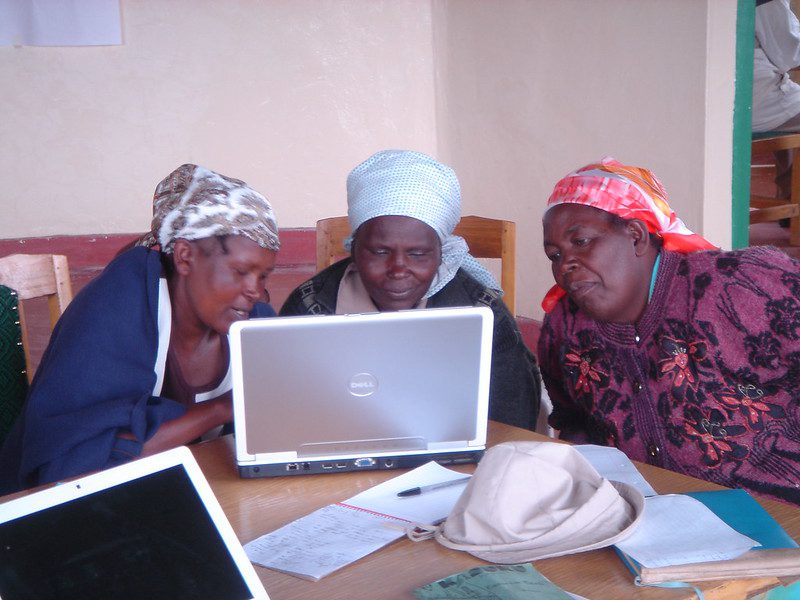
In March 2022, LakeHub, a “Kenyan tech innovation hub,” partnered with the United Nations Development Programme (UNDP) to equip 300 Kenyan girls with “digital literacy and technical skills.” As the Kenyan government has been making strong efforts to improve digital literacy, this partnership will be useful in bridging the gender digital divide in Kenya.

Digital Literacy in Kenya

In recent years, Kenya has made efforts to grow its digital economy and empower Kenyans with digital literacy skills. For example, in 2016, Kenya launched its Digital Literacy Programme, an initiative dedicated to providing digital devices to primary school children and training educators to give lessons through “digital learning content.”

These devices are “pre-loaded with interactive digital content in Math, English, Science and Kiswahili” in order to facilitate learning. Within the first phase of the initiative, the program distributed more than one million devices to more than “23,000 public primary schools” across Kenya.

Additionally, approximately 81,000 Kenyan educators received through the program. With such progress, the Digital Literacy Programme began its second phase in July 2019.

The Gender Digital Divide in Kenya

Despite the commendable strides of the Kenyan government in promoting digital literacy, there are concerns about equal access to digital devices and knowledge, particularly in the area of gender inclusivity. As the GSMA Mobile Gender Gap Report of 2019 reports, “women in Kenya are 39% less likely than men to have access to mobile internet” and “are also 23% less likely to own a smartphone.”

Moreover, this gender digital divide appears to be growing with the gender gap in mobile internet use increasing from 34% in 2019 to 42% in 2020.

A 2021 study titled “Kenya’s Digital Economy: A People’s Perspective,” also found that only “35% of women use advanced digital services compared to 54% of men.” The factors that contribute to this gender digital divide in Kenya include “discrimination, harmful social norms, the education divide, geography and lack of motivation.”

LakeHub’s Partnership with the United Nations

LakeHub is one organization that is striving to close the gender digital divide in Kenya. In June 2020, LakeHub launched its FemiDev program which aims to “bridge the gender gap within the digital sphere.” The program provides incentives such as full scholarships to females to learn skills in “back-end web development, design thinking, entrepreneurship[and] graphic design,” among many other skills.

LakeHub’s partnership with the United Nations forms part of its FemiDev program. During the 12-month training program, participants receive “laptops and internet access in order to attend in-person training across three counties in Kenya — Kisumu, Busia and Migori.”

The program recruits participants through an online application that is released every three months “on all social media platforms.” So far, the program has “sponsored 200 girls between the ages of 18 to 35” with 80% of them achieving “relevant job placement and paid internships, both in the private and public sectors.”

The Importance of Gender Inclusivity in Digital Transformation

With the onset of the COVID-19 pandemic, the importance of digital technology and connectivity has become even greater. Technology use has become the new normal with digital platforms becoming particularly handy in “facilitating remote learning, work-from-home, business and service provisions such as health, banking, market access and entertainment.”

Thus, for many female workers, the lack of digital literacy skills, to understand and gain access to new markets has led to a loss of income and livelihood. With the majority of Kenyan women working in manual jobs, characterized by “low pay and poor working conditions,” the restrictions and shutdowns from the pandemic hit female-dominated sectors hardest, meaning that women began losing their jobs first.

In addition, the 2021 Finance Corporation report indicates that 230 million employment opportunities in the African region “will require digital skills by 2030.” Therefore, equipping Kenyan women with digital literacy skills will grant them access to new employment opportunities and increase overall gender equality in Kenya.

While there is still work to do to fully close the digital gender divide in Kenya, initiatives like the FemiDev program lead the way to achieving gender equality in the digital arena.

– Divine Adeniyi
Photo: Flickr

April 12, 2022
https://borgenproject.org/wp-content/uploads/borgen-project-logo.svg 0 0 Kim Thelwell https://borgenproject.org/wp-content/uploads/borgen-project-logo.svg Kim Thelwell2022-04-12 07:30:172022-04-05 08:34:38How LakeHub is Bridging the Gender Digital Divide in Kenya
Global Poverty, Women, Women and Female Empowerment, Women's Empowerment

Skateboarding Girls in Bolivia

Skateboarding Girls in Bolivia
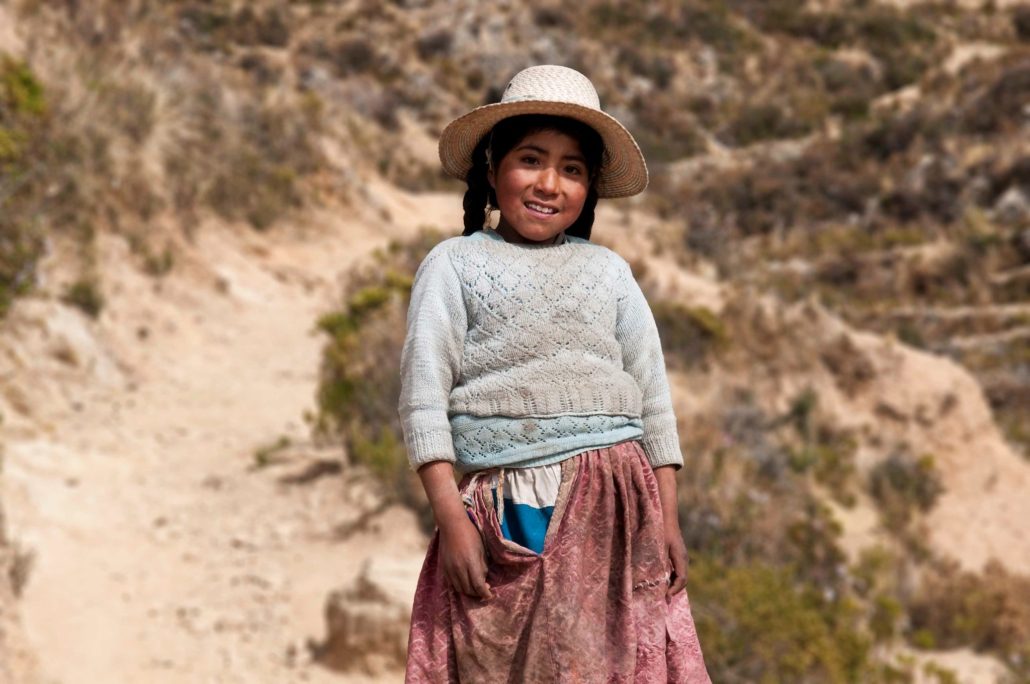
Skateboarding girls in Bolivia are challenging gender norms and stereotypes. Skateboarding is predominantly a male sport around the world. However, girls in Bolivia are trying to change that by learning to skateboard. They are not only learning how to skateboard but they are also doing it in traditional clothes.

Traditional Clothes

The traditional clothes of Bolivia include bright colored shirts, hats and long colored skirts. Some might find it difficult to skateboard in a skirt but these girls embrace it. These traditional clothes are a part of their culture.

This allows the girls to bring their culture into the world of skateboarding while also helping them connect to their culture. These colorful skirts are called “pollera.” They have learned from their grandmothers to wear these skirts with pride and they do so while skateboarding.

ImillaSkate

ImillaSkate is a female collective that three friends created in 2018. This collective has empowered women in one of the largest cities in Bolivia, Cochabamba. Dani Santivanez is one of the founders of ImillaSkate. They formed the female collective as a way to reclaim their roots and as a “cry for inclusion.”

“Imilla means “young girl” in Aymara and Quechua, two of the most widely spoken languages in Bolivia,” according to The Guardian. ImillaSkate also uses hairstyle as a part of cultural identity for skateboarding girls in Bolivia.

While brushing each other’s hair, the girls form a connection to each other. “The Imillias” the collective’s nickname compete in local competitions while empowering women and creating an acceptance of diversity.

Poverty in Bolivia

Bolivia has some of the highest poverty rates in South America and this is largely due to the lack of basic necessities. These basic necessities include a lack of food and clean water. This has greatly affected the children of Bolivia including young girls.

In Bolivia, one in three children suffers from stunted growth which prevents them from growing. This is due to the lack of healthcare systems and malnutrition. Skateboarding has become an outlet for many young girls as well as a way to empower them.

Empowering Women

According to the Economic Commission for Latin America and the Caribbean, Bolivia has the highest proportion of Indigenous people in the region. This means that more than half of Bolivia’s population is Indigenous. However, these skateboarding girls are not only looking for a way to connect to their roots but also a way to empower women.

Skateboarding emerged in Bolivia over two decades ago, according to National Geographic. Dani Santivanez, one of the founders of ImillaSkate, shares a similar experience with many young girls in Bolivia. As a young girl, she learned how to skateboard and made it her hobby. However, as she grew older, her mother started complaining about her bruises which led her to quit skateboarding.

After college, she rediscovered her passion and started skateboarding again. This led to the discovery that many other girls also had a passion for skateboarding. It also brought to attention that while boys in Bolivia often get together to skateboard, girls rarely do. The question of why arose and this led to the creation of Imillskate which helps empower young girls to continue skateboarding. Many of the young girls in the group have stated they never imagined girls skateboarding.

ImillaSkate wants young girls to feel empowered to skate and it is no longer rare to see girls skateboarding. ImillaSkate hopes to see more skateboarding girls in Bolivia.

– Sierrah Martin
Photo: Flickr

March 1, 2022
https://borgenproject.org/wp-content/uploads/borgen-project-logo.svg 0 0 Jennifer Philipp https://borgenproject.org/wp-content/uploads/borgen-project-logo.svg Jennifer Philipp2022-03-01 01:30:252024-05-29 22:53:42Skateboarding Girls in Bolivia
Global Poverty, Women's Empowerment, Women's Rights

The Mujerprospera Challenge in Central America

MujerProspera Challenge
The United States Agency for International Development (USAID) introduced MujerProspera (WomanProsper) Challenge on January 13, 2022. The challenge encourages applicants to propose innovative ways to promote gender equality in Guatemala, El Salvador and Honduras. Overall, this project addresses the relationship between gender and poverty and forms part of a long list of ongoing USAID projects that bolster the opportunities of the world’s impoverished.

Gender and Poverty

Guatemala, El Salvador and Honduras noted high levels of extreme poverty even prior to the COVID-19 pandemic, although the spread of the virus prompted rises in poverty levels throughout the region. According to the Center for Strategic and Management Studies, the Northern Triangle, of which Guatemala, El Salvador and Honduras form part, stands as “one of the [most impoverished] regions in the Western Hemisphere.” Migration patterns and environmental disasters also exacerbate the struggles of those living below the poverty line. As of August 12, 2021, USAID estimated that 8.3 million citizens across these three countries require humanitarian aid.

These facts do not exist in isolation of gender inequality. In fact, Guatemala, El Salvador and Honduras stand out as nations where gender and poverty intertwine. Data from the Gender Equality Observatory shows that extremely high percentages of women in Guatemala (51%), El Salvador (39.4%) and Honduras (43.5%) had no “incomes of their own.” All of these rates are higher than the regional average, which stood at 27.8% as of 2019.

Evidence proves that changing these statistics leads to positive change. A World Bank report on women’s role in Latin American and the Caribbean (LAC) economies notes that “an increase in the number of women in paid work between 2000 and 2010 accounted for around 30% of the overall reduction in poverty and income inequality.” Women in these countries receive fewer opportunities and face more challenges than many men in the same social and economic situation. As such, U.S. efforts to combat global poverty must also combat global gender inequality.

Developments in Central American Women’s Rights

Local activists, politicians and international organizations in Guatemala, El Salvador and Honduras continue to make significant progress in women’s rights. One group, the IM-Defensoras, has launched several campaigns throughout Guatemala, El Salvador and Honduras since 2016 to protect women and provide a cooperative network for female humanitarian activists.

In addition, the Regional Office of U.N. Women for LAC launched the Women, Local economy and Territories (WLEaT) program in 2018 with a specific focus on the Northern Triangle countries. WLEaT “contributes to the creation of new and better employment and income opportunities for women entrepreneurs and businesswomen” by strengthening their access to business services and promoting inclusive financial practices in the private sector. The program, therefore, contributes to multiple Sustainable Development Goals (SDGs), such as ending global poverty (SDG 1),  combating gender inequality (SDG 5) and promoting “decent work” and economic expansion (SDG 8).

In response to the COVID-19 pandemic, in June 2021, USAID and several partner organizations provided resources for women in need of humanitarian aid. This includes a total of $60 million spread across the three Northern Triangle countries to encourage employment, train Indigenous women for midwife careers, prevent gender-based violence and more. Most recently, on January 13, 2022, USAID introduced another important program: the MujerProspera Challenge.

What is the MujerProspera Challenge?

The MujerProspera Challenge stands as one of many U.S. programs pushing against multiple levels of inequality. The program’s official request for applications documents states that the project seeks to “advance women’s economic security, employment, and/or entrepreneurship” in Guatemala, El Salvador and Honduras.

The lofty document lists different types of solutions that draw from training initiatives in the private sector to the implementation of gender-inclusive legislation. However, overall, MujerProspera provides another way for women in these countries to protect their agency and independence.

Applicants can win funding awards ranging from $150,000 to $500,000 in value. Through these awards, applicants can fund necessary initiatives or solutions that acknowledge the relationship between gender and poverty and promote women’s involvement in the economic sector. The MujerProspera Challenge thus empowers women, local activists, entrepreneurs and organizations to develop solutions to improve situations of gender inequality and poverty in their home countries.

– Lauren Sung
Photo: Flickr

February 8, 2022
https://borgenproject.org/wp-content/uploads/borgen-project-logo.svg 0 0 Jennifer Philipp https://borgenproject.org/wp-content/uploads/borgen-project-logo.svg Jennifer Philipp2022-02-08 07:30:252024-05-30 22:25:43The Mujerprospera Challenge in Central America
Global Poverty, Women and Female Empowerment, Women's Empowerment, Women's Rights

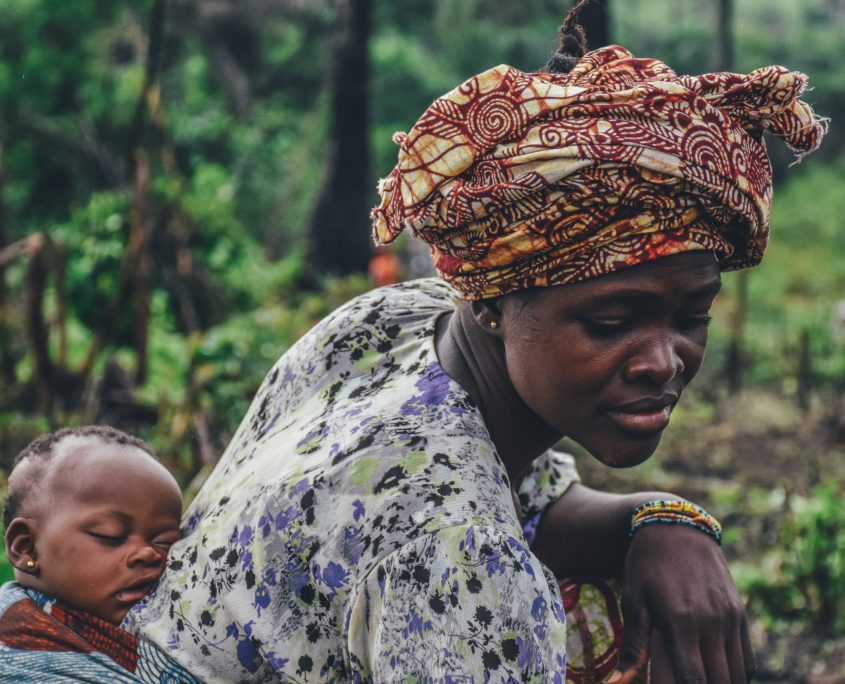
The Challenges of Women in Sierra Leone

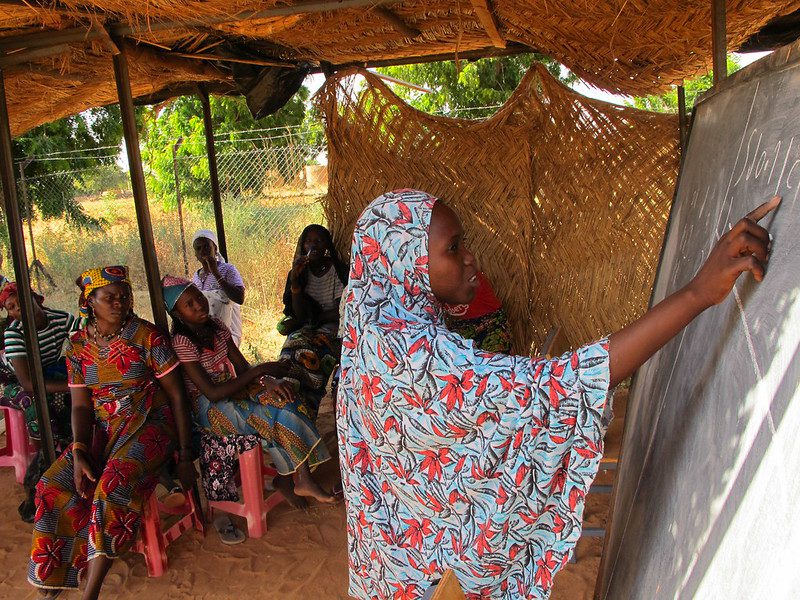
Women in Sierra LeoneGender-based violence, discrimination and genital mutilation are some of the many challenges that women in Sierra Leone face. In comparison to males within the nation, a woman’s “voice, visibility, participation and representation in elective and appointment positions” is substantially less. Women in Sierra Leone face severe marginalization despite their significant “contributions to the economy” and the sustenance of their households.
Genital Mutilation

Active membership in “secret societies” has detrimental impacts on girls and women in Sierra Leone. These inconspicuous societies stand as  significant “cultural institutions” steeped in ancient rituals that Sierra Leoneans believe “protect communities against evil and guide adolescent girls to womanhood.” Sierra Leone holds “one of the highest rates of [female genital mutilation]” globally with 90% of girls and women aged 15 to 49 enduring the violating procedure. Female community members often perform genital mutilation procedures “without anesthetic,” using knives, razors and even shards of glass. Female genital mutilation, in addition to risks of extensive hemorrhaging, can result in a multitude of medical problems ranging “from infections and cysts to infertility and complications in childbirth.”

Gender-Based Violence

Almost 50% of Sierra Leonean females endure “sexual or physical violence during their lifetime.” Throughout the Sierra Leone Civil War, “widespread and systematic sexual violence against women and girls” was a common occurrence. This extreme brutality, often at the hands of rebel groups and Civil Defense Forces, affected girls and women of all ages. In terms of violence within domestic relationships, several factors play a role.

The first is that Sierra Leonean society sees certain types of violence in a relationship as warranted and acceptable. In addition, women who report cases of domestic violence face harsh judgment and shame from the community, which is why many choose to remain silent. The legal system also does not see cases of violence involving married women as a priority, but rather, a personal matter that requires a resolution within the confines of a home. In general, many citizens do not have faith in the legal system. The lack of competency within the fragmented legal system continues to generate leniency for perpetrators, contributing to the prevalence of abuse toward women.

Marginalization in the Workforce

Women in Sierra Leone have long generated significant advances in the economy and frequently serve a key part in ensuring their households’ survival. In rural Sierra Leone, women perform more than 60% of the agricultural work necessary for food production in the nation. Males, however, continue to have stronger opportunities for management and influence of the industry, ultimately demoting females to inferior jobs, according to USAID.

Barriers to Education

Girls are less likely to remain in school in comparison to boys due to factors such as child marriage, early pregnancy and gender roles that dictate a female must take on household responsibilities. Additionally, it is extremely rare for a female to continue her education after marriage or pregnancy — “less than 2%” of married females between the ages of 15 and 19 attend school. Due to these cultural norms, women in Sierra Leone are chronically undereducated, a factor that has far-reaching impacts.

Lack of Political Representation

Women in Sierra Leone confront significant challenges when joining the political arena. They face difficulty when navigating disproportionately male-dominated political structures, such as in “accessing male-dominated political networks and making allies, in financing election campaigns and in commanding respect.” Women also often face gender-based discrimination within the political domain. Lower levels of literacy as well as inadequate knowledge of rights and “political processes” further limits females’ capacity to participate on an equal ground alongside males and successfully advocate for fellow women.

The Good News

The Lady Ellen Women’s Aid Foundation (LEWAF-SL) is an autonomous, international non-governmental organization developed in 2008 but formally “established in 2014.” This group was formed in remembrance of Ellen Pauline Kise, a philanthropic humanitarian who died of cancer in 2008. LEWAF’s objective is to eradicate gender-based violence in Sierra Leone, dissolve inequality and ensure that societies treat women as valuable contributors deserving of dignity and respect. To accomplish this, the organization supports women through a four-pronged response:  prevention, protection, response and advocacy. LEWAF seeks to help women in Sierra Leone achieve equality and become empowered.

Despite the discrimination they endure, women in Sierra Leone can look to a brighter future as organizations empower them with the resources and skills to rise up against women’s rights violations and lift themselves out of poverty.

– Tiffany Lewallyn
Photo: Unsplash

February 5, 2022
https://borgenproject.org/wp-content/uploads/borgen-project-logo.svg 0 0 Jennifer Philipp https://borgenproject.org/wp-content/uploads/borgen-project-logo.svg Jennifer Philipp2022-02-05 01:30:062022-01-24 07:25:50The Challenges of Women in Sierra Leone
Child Marriage, Children, Global Poverty, Women & Children, Women's Empowerment, Women's Rights

Consequences of Child Marriage in Niger 

Child Marriage in Niger 
Niger, one of the largest countries in West Africa, holds the highest rate of child marriages compared to the rest of the world. In fact, 75% of young girls marry before turning 18. This is because the nation’s legal marital age is 15 for girls and 18 for boys. Although Niger has made efforts to reduce child marriage, the country has noted only minimal progress in the last 20 years. As a result, many consequences have arisen from child marriage.

Why Does Niger Have a High Child Marriage Rate?

First, child marriage in Niger harshly affects girls deprived of attending school because they need to rely on others to survive. In addition, many young girls choose to drop out of school because of the unsafe learning environments. As a result, they cannot live an independent life due to the lack of income and confidence to make rational decisions. Due to few other options for their futures, many families decide to marry their daughters off for financial stability.

According to the World Bank, Niger has a poverty rate of 42.9%. However, Niger’s population continues to increase, causing the number of people in poverty to grow. Currently, many families are struggling financially, so they view child marriage as a way to alleviate their financial burdens. Because of this, marriage becomes “a strategy for economic survival” due to the lack of social protection, according to Save the Children.

Moreover, child marriage in Niger is common because many communities believe a woman’s purpose is to become a housewife and bear children. Due to this belief, families tend to prioritize the education of sons over daughters. To add, marrying young is a way that Niger communities attempt to prevent pregnancy before marriage, which is “a source of shame for the family,” Save the Children reports.

Consequences of Child Marriage in Niger

Although families aim to avoid pregnancy before marriage and look for financial stability by marrying their daughters off at a young age, this only causes more damage in the long run. For example, without education, young girls are unaware of the risks of early pregnancy. In fact, these young girls are at greater risk because 30% of the young girls show signs of malnutrition. As a result, “maternal mortality constitutes 35% of all adolescent deaths between ages 15 and 19,” according to Save the Children.

Not only do women face physical challenges but they also face mental health challenges caused by marrying at a young age. This is because young girls have to abruptly transition to adult life and take on responsibilities they are not mentally prepared to tackle. They are still at an age that requires guidance from a guardian. In a BMC Public Health study, many Nigerian girls expressed emotional distress and depression due to fulfilling their marital responsibilities and sexual demands from their husbands.

Due to the common practice of child marriage in Niger, young girls do not have the opportunity to have a childhood and face threats to their lives and health. For instance, some experience domestic violence and cannot return to school to escape these living conditions. Unfortunately, young married girls “have worse economic health outcomes than their unmarried peers, which are eventually passed down [sic] to their own children,” UNICEF reported.

How is Niger Receiving Help to End Child Marriage?

UNICEF is working to help implement laws and policies to help end child marriage and work within Nigerian communities to address the social norms that encourage child marriage. UNICEF partnered with the Niger Traditional Leaders and Association and the Islamic Congregation because they are well respected in their communities and can create new rules for people to follow.

Due to these advocacy efforts, the Niger Government created a national action plan, “Towards the End of Child Marriage in Niger,” that convenes every month to discuss what the community needs to do to advocate for better treatment of young boys and girls. Fortunately, “Education sessions by the Village Child Protection Committees were able to prevent cases of child marriage through direct mediation with parents and assisted girls to return to school,” UNICEF reported.

Lastly, Plan International Niger is helping girls establish confidence to fight child marriage in their communities. As a result, the young girls are using their voices and asking their leaders to end child marriage and provide them with an education to gain independence through employment. The Plan International Niger placed child protection committees throughout Niger and provided them with the tools to protect the rights of young girls to ensure change.

Child marriage is common in Niger, but it has far-reaching negative impacts on girls, such as emotional stress and depression. To add, young girls are at risk of domestic violence and pregnancy complications due to their age and malnutrition. These young girls have to become adults at an early age, which strips them of their childhood experiences. Fortunately, many young Nigerian girls are receiving help in an attempt to end the cycle of child marriage.

– Kayla De Alba
Photo: Flickr

January 30, 2022
https://borgenproject.org/wp-content/uploads/borgen-project-logo.svg 0 0 Jennifer Philipp https://borgenproject.org/wp-content/uploads/borgen-project-logo.svg Jennifer Philipp2022-01-30 01:30:242022-03-04 04:22:49Consequences of Child Marriage in Niger 
Global Poverty, Women's Empowerment, Women's Rights

The Inequalities That Women Waste Collectors Face

Women Waste Collectors
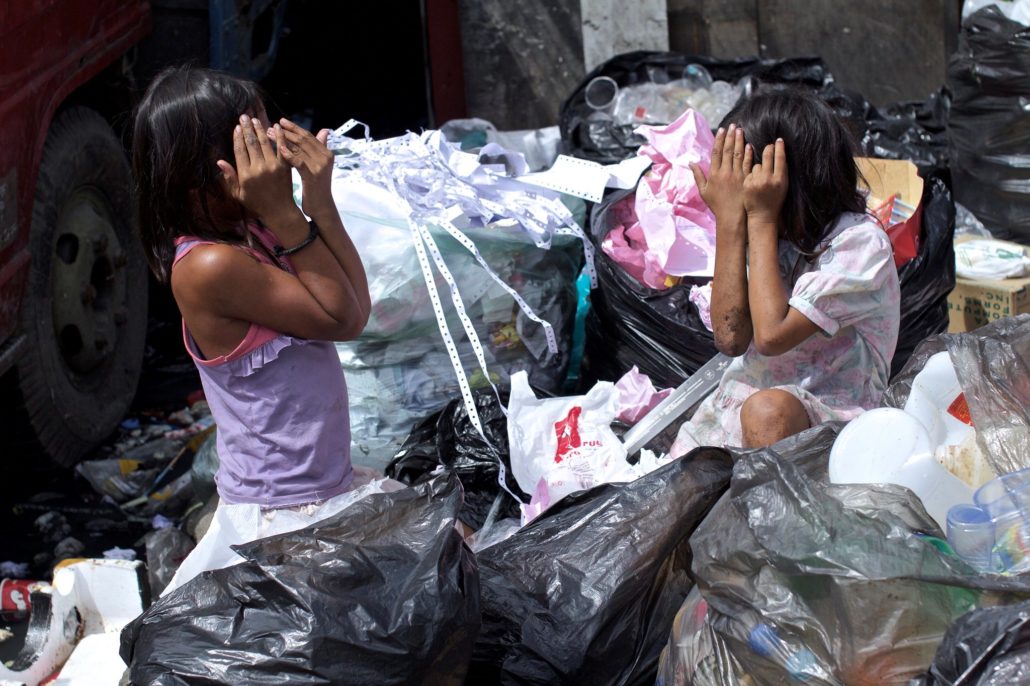
In developing countries where the most impoverished people live alongside garbage heaps and landfills, many earn livings as waste collectors. Although women waste collectors significantly outnumber male waste collectors, they face inequalities and disproportionate economic and health impacts in comparison to their male counterparts.

Plastic Waste Exports to Developing Countries

Wealthy countries often export their plastic waste to developing countries. The United States shipped close to “1.5 billion pounds of plastic waste to 95 countries” in 2019 alone. Developing countries welcome this waste as these nations receive trade incentives for accepting plastic waste exports from other countries. Plastic waste, therefore, stands as a source of income and a way to ease the suffering of a country’s most impoverished populations.

However, many developing countries lack the facilities and recycling programs to manage plastic waste effectively. The consequence is that the waste piles up and pollutes the surrounding environment. Individuals also resort to burning the waste, a practice that emits harmful dioxins into the air.

The environmental and health consequences of plastic waste disproportionately impact people who live and work in or around plastic waste dumps. In many countries, the informal waste collecting industry goes unregulated because they do not recognize waste-collecting as official employment. Because of this, there are often no protocols in place to ensure that waste collectors conduct their jobs safely.

The situation intensified in 2018 upon China’s refusal to accept foreign plastic waste, prompting countries to divert waste to other nations in Asia and Africa. The world openly burns roughly “41% of waste,” however, in some cities in Africa, as much as 75% of waste disposal consists of burning rather than recycling.

Waste Collecting as a Livelihood

The low value of plastic waste means women waste collectors remain stuck in a cycle of extreme poverty. In Nakuru, Kenya, waste collectors average a daily income of less than $2 per day “before accounting for expenses such as storage or transportation.” In terms of plastic specifically, in Nairobi, Kenya, waste pickers receive less than $0.05 per kilogram of plastic.

Although informal industries such as waste-collecting are challenging to monitor, according to a study in Ghana of women waste collectors in the plastic value chain, women who work as plastic waste collectors typically earn less than men. These women also have less power in the workplace, compete with men for the most valuable recyclables and lack equipment such as pushcarts, storage facilities and personal protective equipment. In Ghana, 74% of women working in plastic waste facilities have the lowest-paying positions (such as washing and sorting) and only 7% of women work in positions that allow them to make decisions.

Chemicals in Plastics Disproportionately Harm Women

The chemicals added to plastics during manufacturing come with known human health risks and some that disproportionately harm women. Body fat is an ideal storage site for bioaccumulating and lipophilic chemicals, and because women’s bodies store more fat than men’s, exposure to these chemicals leads to higher concentrations of absorption in women, even when the exposure rate is the same.

Chemicals that cause endocrine disruption (a process that changes the body’s hormonal system) can cause cancers, congenital disabilities, immune disorders, reproductive disorders, neurological disorders and developmental problems in women, fetuses and children. Endocrine disruptors (EDCs) such as bisphenol A, phthalates, dioxins, lead and cadmium are present in plastics used for food packaging, electronics, textiles, cosmetics and more. EDCs are an urgent international health issue, especially for developing countries where people are unable to protect themselves against high levels of exposure.

WIEGO Empowers Women Waste Collectors

Women in Informal Employment: Globalizing and Organizing (WIEGO) is an international organization dedicated to improving the conditions of people (especially women) who work in informal industries, such as women waste collectors. WIEGO has formed a partnership with Latin American waste collector movements, as well as organizations and institutions, to form the Gender & Waste project, “a collaborative project involving waste pickers.”

The Gender & Waste project works to empower women by highlighting gender-related discrimination among waste collectors and addressing the needs of women who work in this role. The Gender & Waste project offers educational workshops, toolkits and videos to both raise awareness and empower women waste collectors. The Gender & Waste project has empowered women waste collectors in Latin America to “mobilize more collectively and demand that gender be a key issue on the agenda of the national movement.”

In areas of the world where the government recognizes and supports waste collecting, such as in Belo Horizonte, Brazil, waste collectors generally “have higher incomes than other informal workers.” By empowering women waste collectors to unionize, initiatives like the Gender & Waste project help to improve working conditions, promote personal safety and ensure higher incomes. Safer working environments and higher incomes for women waste collectors safeguard the health and well-being of women and empower them to rise out of poverty.

– Jenny Rice
Photo: Flickr

January 17, 2022
https://borgenproject.org/wp-content/uploads/borgen-project-logo.svg 0 0 Kim Thelwell https://borgenproject.org/wp-content/uploads/borgen-project-logo.svg Kim Thelwell2022-01-17 05:03:242022-01-17 14:04:52The Inequalities That Women Waste Collectors Face
Gender Equality, Global Poverty, Women's Empowerment

The Importance of Empowering Women in India

Empowering Women in India
India has become “the fastest-growing major economy in the world” with growth expected to continue upward over the next decade. However, despite India’s recent economic development, women and girls find themselves at the tail end of this progress. With a population of more than a billion, a National Family and Health Survey between 2019 and 2021 points out that there are more women in India than men — “1,020 women for every 1,000 men.” Despite women constituting a majority of the population, women in India face challenges that largely stem from societal perceptions of gender roles. The impacts of this discrimination and gender inequality are far-reaching. To address this issue, organizations are dedicating efforts to empowering women in India.

The Current State of Gender Equality

On the World Economic Forum’s Global Gender Gap Index of 2021, India ranks 140th among 153 nations, “becoming the third-worst performer in South Asia.” India fell 28 places from its 2020 rank of 112th. The report cites several reasons for this fall. In terms of political empowerment, the number of female ministers declined from about 23% in 2019 to just 9% in 2021. The female workforce participation rate also decreased “from 24.8% to 22.3%.”

Additionally, the “share of women in senior and managerial positions also remains low.” The report also indicates that women in India earn just one-fifth of what men earn. Furthermore, “one in four women” endure “intimate violence” at least once in their lifetime. Although India has achieved gender parity with regard to educational attainment, illiteracy rates among women remain high. The report indicates that just 65.8% of women in India are literate in 2021 in comparison to 82.4% of men.

Women also endure inequality with regard to land and property rights. A 2016 UNICEF report noted that only 12.7% of properties in India “are in the names of women” despite 77% of women in India depending on agricultural work as a core source of income.

Benefits of Empowering Women in India

As the majority of India’s population, women represent a significant portion of the nation’s untapped economic potential. As such, empowering women in India through equal opportunities would allow them to contribute to the economy as productive citizens. With higher literacy rates and equal pay for equal work, women are able to thrive economically and rise out of poverty.

Protecting women and girls from violence and abuse while challenging the stigmas against reporting crimes would overall create a much safer society. Improving the female political representation rate would enable more women to serve as role models for young girls and allow a platform to bring awareness to the issues affecting women in India. Overall, gender equality allows for women to live a better quality of life, allowing them to determine their futures beyond traditional expectations.

Women Of Worth (WOW)

According to its website, “Women Of Worth exists for the growth, empowerment and safety of girls and women” standing “for justice, equality and change.” WOW began in 2008, created by a group of women who longed for change in a society rife with gender discriminatory practices. Its ultimate vision is “to see women and girls live up to their fullest potential.” With a mission of empowering women in India, the organization has three focal areas:

  • Advocacy Work: WOW utilizes social media platforms to raise awareness on gender inequality and “change attitudes and behavior.”
  • Training and Health Services: WOW provides training to both men and women in schools, tertiary institutions and companies on women’s safety and rights. It also presents lectures and “keynote addresses” on the topic. Furthermore, WOW provides counseling sessions to improve mental health.
  • Rehabilitation and Restoration: WOW offers “counseling, life skills training and therapy” to children and women who are victims of abuse, neglect and trafficking.

WOW’s efforts have seen success. The organization helped to rescue 200 girls from abusive backgrounds, providing them with rehabilitation services. WOW also gave 11 girls scholarships to continue their education. WOW provided training on gender equality to about 800 working people and “1500 students” along with “200 parents” and 300 educators.

Gender equality is a crucial cornerstone in the advancement of any society or nation as it affects all areas of society from economic growth to education, health and quality of life. Gender inequality in India is a deep-rooted, complex and multi-layered issue but it is also an essential battle to overcome to see the fullest potential of the nation.

– Owen Mutiganda
Photo: Flickr

January 14, 2022
https://borgenproject.org/wp-content/uploads/borgen-project-logo.svg 0 0 Kim Thelwell https://borgenproject.org/wp-content/uploads/borgen-project-logo.svg Kim Thelwell2022-01-14 01:30:492021-12-17 12:37:31The Importance of Empowering Women in India
Global Poverty, Women's Empowerment, Women's Rights

Women in Yemen: A Fight for Rights in 3 Major Areas

Women in Yemen
Yemen’s ongoing conflict has driven the nation progressively nearer to socioeconomic disintegration since violence erupted in 2015. Inflationary pressures have put the cost of fundamental needs beyond reach for the majority of people. The conflict in Yemen continues to significantly damage the position of women, resulting in a near-elimination of their safety protocols and increasing their susceptibility to assault and exploitation. Yemen has a deeply ingrained patriarchy that severely limits the quality of life for women. Yemeni women face some of the world’s most heinous despotism and are fighting for their rights in three key areas: workplace possibilities, gender discrimination and political underrepresentation.

Fight for Rights in the Workplace

According to Article 40 of Yemen’s Personal Status Law, a woman cannot acquire employment in the same capacity as a male and “the work must have been agreed by her husband.” The most recent figure from 2019 is the 6.04% employment rate for women in Yemen. In comparison, the global average in 2019 was 51.96% based on 181 nations.

Additionally, there is no legislation prohibiting sexual harassment in the workplace, nor are there legal sanctions or civil recourse for workplace sexual misconduct. Because of the unspoken societal consensus that females are often at fault, women are less likely to submit a sexual misconduct complaint due to concerns around receiving accusations of soliciting men’s attention. Women in Yemen have to fight for rights in the workplace because no law requiring equivalent compensation for the labor of equivalent merit exists.

USAID promotes women’s financial freedom in Yemen by providing career development, allocation and guidance to help women boost competitive engagement in the workforce. Additionally, technological guidance and strategic initiatives aid females in obtaining investment and job options, hence improving take-home pay. In 2020 alone, USAID helped more than 1,300 Yemeni women.

The Fight Against Gender Discrimination

Yemen sees women as secondary to males. Because of that, many women in Yemen cannot make important family decisions. In Yemen, there is no particular statute regarding spousal abuse. Females do not disclose abuse instances because they are afraid of arrest or further abuse.

According to Articles 51-72 of Yemen’s Personal Status Law, men can obtain a divorce with significantly fewer limitations than women. Furthermore, men’s rights to the guardianship of kids exceed that of women in the event of divorce.

According to UNICEF, 80% of the nation is reliant on relief aid. Therefore, impoverished Yemeni households resort to marrying their daughters off young in an attempt to ease the economic burden and obtain bare necessities. Fathers sell their daughters into marriage, and consequently, abruptly end their adolescence. This is a basic breach of human freedoms. In 2020, USAID-funded initiatives aimed to prevent forced child marriages by equipping more than 6,000 girls with essential competencies such as “problem-solving and decision-making.”

The Fight for Women’s Rights in the Political Arena

In the 2011 protest, women were key participants and continued to be throughout the subsequent domestic discourse. When the uprisings’ effect dissolved, the women ultimately experienced abandonment and could not promote their beliefs. Yemen does not have a policy that safeguards women. Instead, Yemeni legislation disparages them if they undermine any political organization.

Women in Yemen have virtually no authority to sway legislation in order to strengthen their roles. They do not have widespread popular political support due to the fact that a disproportionate number of men participate in politics. The men exclude women who promote or show any political interest.

U.N. Women works in Yemen to increase women’s civic involvement. It firmly supports encouraging engagement in community affairs and political judgment. U.N. Women values the significance of equitable participation of both sexes in diplomatic discussions and crisis settlement.

Because of the importance of increasing political dialogue for women in Yemen, U.N. Women established the Yemeni Women’s Pact for Peace and Security platform. U.N. Women advocates for the inclusion of women in all political conversations.

Despite the marginalization of Yemeni girls and women, they are receiving assistance from major global organizations. These efforts have been essential in effectively working to promote women’s rights in Yemen.

– Tiffany Lewallyn
Photo: Flickr

December 23, 2021
https://borgenproject.org/wp-content/uploads/borgen-project-logo.svg 0 0 Jennifer Philipp https://borgenproject.org/wp-content/uploads/borgen-project-logo.svg Jennifer Philipp2021-12-23 01:30:192024-05-30 22:25:36Women in Yemen: A Fight for Rights in 3 Major Areas
Global Poverty, Women, Women's Empowerment

Poverty and Bride Kidnapping in Kyrgyzstan

Bride Kidnapping in Kyrgyzstan
Kyrgyzstan, formally the Kyrgyz Republic, is a country in Central Asia. Kyrgyzstan has a population of approximately 6.5 million people, with more than 60% of the population living in rural areas. A practice of the Kyrgyz people, most prevalent in the country’s poor rural areas, is bride kidnapping, which occurs when men abduct women and force them into marriage with or without the consent of the woman’s family. Kyrgyzstan’s government and USAID are working to tackle this issue. However, one of the most effective ways to combat the practice of bride kidnapping in Kyrgyzstan is addressing poverty in rural Kyrgyzstan.

The Connection Between Poverty and Bride Kidnapping

Because some of Kyrgyzstan’s population regard bride kidnapping as a traditional and romantic practice, men may “kidnap” brides with consent from the bride and her family. This is known as consensual bride kidnapping. However, bride kidnappings that occur without the bride’s knowledge or agreement are non-consensual bride kidnapping. The U.N. has condemned this practice of forced marriage as a violation of human rights.

Poverty and unemployment in recent years provide a source of frustration for young men in rural Kyrgyzstan seeking to marry. One characteristic of traditional Kyrgyz marriage is kalym, or the “bride price,” by which a man seeking to marry must pay the bride’s family in cash and livestock.

Poor men in rural Kyrgyzstan often do not have the money or resources to pay this price. Additionally, these men face pressure from their communities to marry before they reach a certain age. Thus, the quickest and cheapest way to do so is to kidnap a bride.

Other Factors in Bride Kidnapping

Aside from poverty, many other factors can also help explain why bride kidnappings occur. One reason why a man may kidnap a bride is simply that he cannot otherwise obtain her consent or because he is worried she may marry someone else.

Another factor that explains bride kidnapping is the dissolution of the Soviet Union. Once the Soviet Union collapsed and Kyrgyzstan gained its independence, the young country sought to assert its nationalist dignity and separate its identity from the Soviet Union by reviving traditional practices, such as bride kidnapping.

The U.N. estimates that one in five marriages in Kyrgyzstan is the result of bride kidnapping. Poverty is one factor that incentivizes bride kidnapping. However, bride kidnapping can also cause further poverty, particularly for the few women who manage to escape their marriages. Often uprooted in the middle of their pursuit of education or professional opportunity, these women return to a society where they lack the skills they need to support themselves and their children.

Additionally, the state does not register marriages that are a product of bride kidnapping, as Girls Not Brides reported. Therefore, these women are not entitled to any assets or support they might have otherwise received in the case of legal divorce. Along with driving women further into poverty, negative effects of bride kidnapping on women also include domestic abuse, denial of educational or economic opportunities, high rates of depression and suicide.

What is the Government Doing About It?

In 2013, Kyrgyzstan’s government increased the prison sentence for bride kidnapping from a maximum of three years to a maximum of 10 years. The state also set forth a Criminal Code that prohibits bride kidnapping and forced kidnapping.

The government’s efforts to criminalize bride kidnapping are worth noting and encouraging further. Still, it needs to more consistently and effectively enforce laws that address bride kidnapping. Women who manage to file a complaint against their kidnappers often find that the crime remains unprosecuted. Additionally, the government does not yet sufficiently fund services for survivors of bride kidnappings and the domestic abuse that can result from such a practice.

The Five-Year Enterprise Competitiveness Project

However, the state is not alone in its efforts. Several USAID projects focus on helping the poorest regions of Kyrgyzstan by supporting job creation and economic growth. Since poverty is one factor that can potentially motivate bride kidnapping, efforts to relieve poverty may translate into deterrence from bride kidnapping.

For example, in 2018 USAID started the five-year Enterprise Competitiveness Project. It focuses on growing sectors that can quickly create more jobs such as the agricultural, manufacturing and apparel sectors. The project provides businesses in regions with high levels of poverty and unemployment with grants and technical advice, funds research and creates partnerships with financial institutions. USAID expects the project to create 19,000 new jobs.

The USAID Business Growth Initiative

USAID also works to support and empower the women of Kyrgyzstan in a variety of ways. The USAID Business Growth Initiative supports women-owned businesses in sectors such as tourism and apparel. Thus far, the project has provided 2,000 women with new technical skills.

USAID also provides professional training for female Members of Parliament. The agency sponsors conferences between these women and political activists. It is fostering connections that strengthen support for legislation that combats bride kidnapping and prioritizes women’s rights. Furthermore, USAID partners with civil society organizations to raise awareness about criminal liability for bride kidnapping. It also advocates for laws protecting women from domestic violence.

Thus, providing greater economic opportunity for men in rural Kyrgyzstan is one way to decrease the risk of bride kidnapping. Men who are more secure in their finances and assured of their employment will have less incentive to kidnap brides.

Additionally, providing greater state protections and services for victims of bride kidnapping as well as a greater guarantee for prosecution can also serve to deter this practice and rehabilitate the victims of this human rights violation. Finally, raising awareness for women’s rights could help dismantle traditional, misogynistic practices such as bride kidnapping.

– Savannah Algu
Photo: Flickr

December 17, 2021
https://borgenproject.org/wp-content/uploads/borgen-project-logo.svg 0 0 Jennifer Philipp https://borgenproject.org/wp-content/uploads/borgen-project-logo.svg Jennifer Philipp2021-12-17 01:30:002021-12-07 10:57:30Poverty and Bride Kidnapping in Kyrgyzstan
Page 18 of 54«‹1617181920›»

Get Smarter

  • Global Poverty 101
  • Global Poverty… The Good News
  • Global Poverty & U.S. Jobs
  • Global Poverty and National Security
  • Innovative Solutions to Poverty
  • Global Poverty & Aid FAQ’s
Search Search

Take Action

  • Call Congress
  • Email Congress
  • Donate
  • 30 Ways to Help
  • Volunteer Ops
  • Internships
  • Courses & Certificates
  • The Podcast
Borgen Project

“The Borgen Project is an incredible nonprofit organization that is addressing poverty and hunger and working towards ending them.”

-The Huffington Post

Inside The Borgen Project

  • Contact
  • About
  • Financials
  • President
  • Board of Directors
  • Board of Advisors

International Links

  • UK Email Parliament
  • UK Donate
  • Canada Email Parliament

Get Smarter

  • Global Poverty 101
  • Global Poverty… The Good News
  • Global Poverty & U.S. Jobs
  • Global Poverty and National Security
  • Innovative Solutions to Poverty
  • Global Poverty & Aid FAQ’s

Ways to Help

  • Call Congress
  • Email Congress
  • Donate
  • 30 Ways to Help
  • Volunteer Ops
  • Internships
  • Courses & Certificates
  • The Podcast
Scroll to top Scroll to top Scroll to top