• Link to X
  • Link to Facebook
  • Link to Instagram
  • Link to TikTok
  • Link to Youtube
  • About
    • About Us
      • President
      • Board of Directors
      • Board of Advisors
      • Financials
      • Our Methodology
      • Success Tracker
      • Contact
  • Act Now
    • 30 Ways to Help
      • Email Congress
      • Call Congress
      • Volunteer
      • Courses & Certificates
      • Be a Donor
    • Internships
      • In-Office Internships
      • Remote Internships
    • Legislation
      • Politics 101
  • The Blog
  • The Podcast
  • Magazine
  • Donate
  • Click to open the search input field Click to open the search input field Search
  • Menu Menu

Archive for category: Women’s Empowerment

Gender Equality, Global Poverty, Women's Empowerment

Gender Wage Gap in Pakistan

Gender Wage Gap in Pakistan
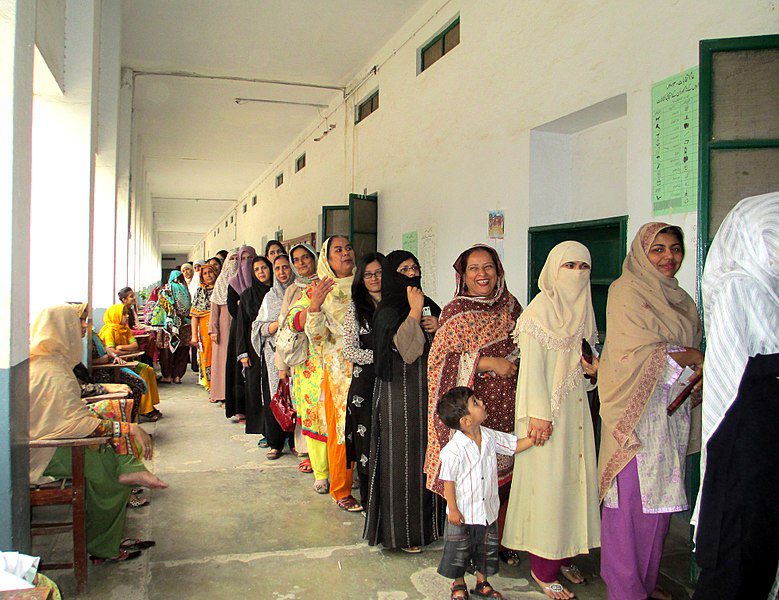
The gender wage gap exists across a multitude of nations, sectors and professions, disproportionality affecting low-income women. Pakistan is the epicenter of this inequity. According to the Global Wage Report 2018/19 (ILO), women in Pakistan earn 34% less than men on average. The same report also found women in Pakistan constitute 90% of the bottom 1% of wage earners in the country. Below are ways to bridge the gender wage gap in Pakistan.

Increased Access to Education

Half of the women in Pakistan have not attended school and 90% of women do not have a post-secondary education. This education gap is detrimental to the gender wage gap in Pakistan as the pay of women with post-secondary education increases threefold in comparison to women with just primary education.

The Zindagi Trust is working to improve girls’ education in Pakistan on the grassroots level by improving the infrastructure, academic innovation and quality of government schools. It has transformed two schools and thus changed the lives of more than 2,500 young girls who otherwise would have dropped out of primary school.

Decreasing Unpaid Care Work

Unpaid care work and domestic work are non-market, unpaid activities carried out in households, such as care of persons, cooking, cleaning or fetching water. These time commitments are often not quantitative, and therefore, go overlooked. According to McKinsey Global Institute (MGI) report, unpaid care work globally is worth around $10 trillion a year.

Not only does unpaid care work not compensate women for their work but it is so time-consuming that women do not have the time to focus on gaining skills and pursuing economic opportunities. Gender norms further this structure due to the expectation that women must take care of the home.

One way to ease the impacts of unpaid care work is by reducing hazardous tasks, such as cooking with unsafe fuel sources. Jaan Pakistan is working to reduce open flame cooking in rural Pakistan. It has sold nearly 1,500 units to date and hopes to sell 1 million cookstoves across off-grid Pakistan by 2025.

Increased Representation in STEM Fields

Women currently make up less than 18% of STEM professionals in Pakistan. One can attribute this gap to the literacy rate of women and the societal pressure for women to pursue a more female-dominated field. The literacy rate for women is 47% in comparison to 71% for men, which further exacerbates the gender wage gap in Pakistan. The rate of workplace harassment only adds to the inability of employers to meet the needs of educated and qualified women and deters women from contributing to STEM fields.

According to a report of Pakistan’s National Commissioner of Children and Women, around 93% of Pakistani women had experienced sexual violence and harassment in public spaces or workplaces in their lifetimes. Private sector organizations such as Women Engineer’s Pakistan are working to increase the representation of women in STEM fields by connecting college girls to a network of 1,988 women engineers. These mentorship resources build a community of women in STEM in Pakistan and provide support and encouragement. It has helped more than 4,000 college students.

In order to combat workplace harassment, U.N. Women and the Office of the Ombudsperson KP in Pakistan joined together to effectively implement and monitor current laws to address harassment at the workplace. It has developed a Toolkit on “Understanding Sexual Harassment, Legal Provisions, Roles of Duty Bearers and Rights Holders.” Officially launched on June 25, 2020, the Toolkit “provides a comprehensive resource to train and build the capacity of inquiry committee members and other stakeholders on the law and redressal mechanisms for dispensation of justice to the complainants.”

The gender wage gap in Pakistan exists due to the traditional structures in place, but with the support of local and international nonprofits, there are new solutions and resources to successfully implement them.

– Imaan Chaudhry
Photo: Wikipedia Commons

November 29, 2021
https://borgenproject.org/wp-content/uploads/borgen-project-logo.svg 0 0 Jennifer Philipp https://borgenproject.org/wp-content/uploads/borgen-project-logo.svg Jennifer Philipp2021-11-29 01:30:502024-05-30 22:25:31Gender Wage Gap in Pakistan
Gender Equality, Global Poverty, Women, Women & Children, Women and Children, Women's Empowerment, Women's Rights

The Gender Wage Gap In Namibia

Gender Wage Gap In Namibia
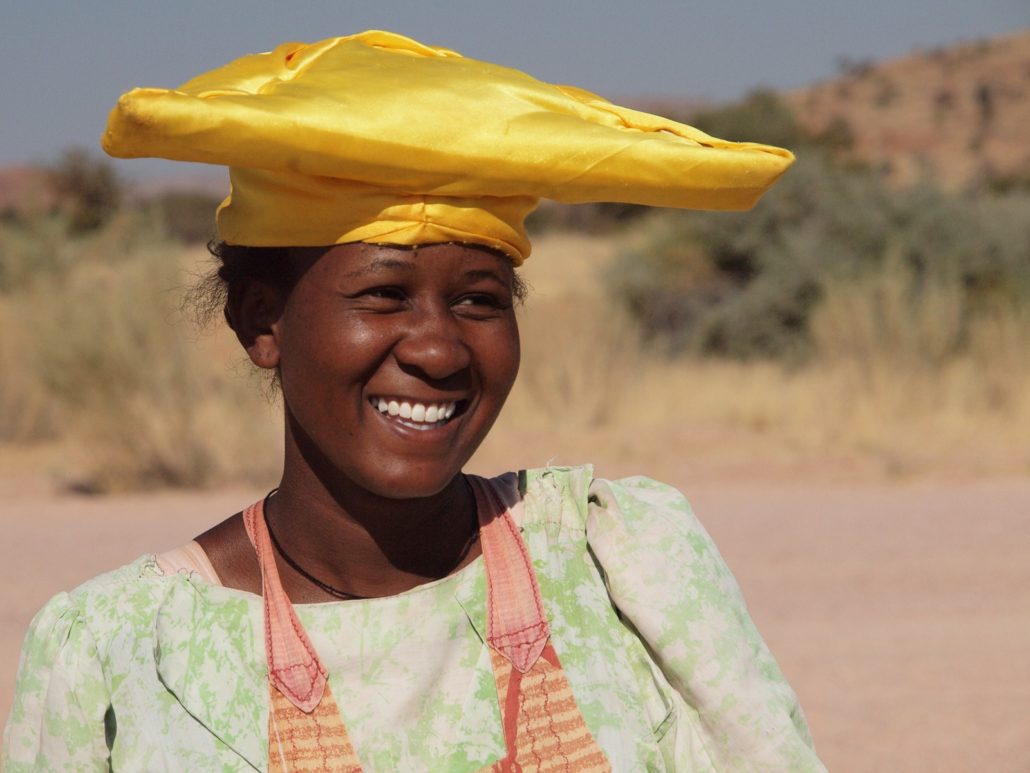
Namibia ranks sixth in the Global Gender Gap Report of 2021, the highest-ranked African country for bridging the gap between women and men economic opportunity, educational attainment, health and political empowerment measure. In just nine years, Namibia has climbed 35 spots, excelling past Canada and the United States in the Global Gender Gap Report. A closer look at Namibia’s history provides insight into actions taken to bridge this gap and how the gender wage gap in Namibia still plays a role in society today.

Post-Independence Namibia Focuses on Gender Equality

Prior to Namibia gaining independence, many considered women the property of men. When Namibia gained full independence from South Africa in 1990, it implemented numerous changes aimed at improving gender equality, as well as equality for all, in the new constitution. Article 10 states that “[n]o persons shall be discriminated against on the grounds of sex, race, color, ethnic origin, religion, creed or social or economic status,” emphasizing Namibia’s commitment to equality.

Also, the Married Persons Equality Act became law in 1996. The act allows women to sign contracts, register a property in their name and act as directors of companies. Women in Namibia hold about 44% of the managerial professions.

In the year 2013, “Namibia’s ruling party, the South West Africa People’s Organisation (SWAPO),” implemented a 50/50 gender policy that requires “equal representation of men and women” in parliament. At the time of the policy creation, women filled only 25% of the positions in parliament. Currently, women occupy 44% of the seats in parliament, proving that the gender policy has been effective in adding more women to work in government roles. The government’s adoption of these policies aid in creating a more inclusive environment for women in Namibia, particularly in political and urban settings.

More Women Seek an Education

Women in Namibia are leading their male counterparts in post-secondary education with a tertiary education enrollment rate of 30% for women and 15% for men. At the largest university in Namibia, the University of Namibia (UNAM), 64% of the students are women while only 36% are men. Many women continue on to obtain their master’s degrees or doctoral degrees. Once out of school, the labor force participation rate for women drops below men at 57% and 64% respectively. Even though more women seek secondary education than men, women earn less than men in several industries.

While the gender wage gap in Namibia is less prominent than that of many other countries, the distribution of wealth is immensely unequal. According to the Gini index, which measures the degree of inequality in the distribution of family income, Namibia ranks second-highest in comparison to all other countries in the world. Namibia has one of the highest Gini index ratings because of its high unemployment rate, with women more likely to experience unemployment. About 64% of Namibians survive on less than $5.55 per person per day, which equates to slightly more than $2,000 a year. The average amount U.S. citizens spend on a summer vacation is roughly the same.

Namibians Continue to Reach for Gender Equality

Much like other patriarchal societies, when women and men reach for equality, there are often roadblocks along the way. While women in Namibia now occupy 44% of the positions in parliament, they are still shy of the 50% goal of the 50/50 gender policy. The gender wage gap in Namibia has narrowed significantly, but there is still massive inequality concerning family income distribution. There is also an underlying dialogue in Namibia that women are inferior to men. Sexual and gender-based violence is prevalent due to societal and cultural norms. In fact, among the age group of 15 to 49, 28% of women and 22% of men in Namibia believe a husband beating his wife as a form of discipline constitutes a justifiable act. These beliefs contribute to a culture of gender inequality, which often proliferates inequalities in the workplace and perpetuates traditional gender roles.

Fortunately, the government is continuing to implement policies beneficial to gender equality. Additionally, women are pursuing secondary education at astounding rates, which is crucial in combating gender-based disparities as well as decreasing the gender wage gap in Namibia.

– Amy Helmendach
Photo: Flickr

November 26, 2021
https://borgenproject.org/wp-content/uploads/borgen-project-logo.svg 0 0 Jennifer Philipp https://borgenproject.org/wp-content/uploads/borgen-project-logo.svg Jennifer Philipp2021-11-26 07:30:372024-06-06 01:05:43The Gender Wage Gap In Namibia
Development, Education, Global Poverty, Health, Women, Women's Empowerment, Women's Rights

Domestic Violence Against Women in Venezuela

Domestic Violence Against Women in Venezuela
The fight to reduce domestic violence against women in Venezuela still needs improvement. In the past few decades, the country has faced severe political turmoil. The COVID-19 pandemic further exacerbated the violence women in Venezuela face. In most cases, women still have to rely on their domestic abusers for financial support. Currently, the country still presents many challenges and obstacles for women to obtain justice against their attackers. Recognizing the dire need for changes, domestic and international non-governmental organizations (NGOs) are working hard to protect Venezuelan women’s rights and safety. Here are some NGOs leading the fight for reducing domestic violence against women in Venezuela.

Centro de Justicio y Paz (Cepaz)

Cepaz is a nongovernmental organization that works to promote democratic values, human rights and the culture of peace in Venezuela. The idea was born in a context that a great institutional crisis and generalized violence characterized. Cepaz focuses on the empowerment of citizens and women, activism networks and promotion of the culture of peace in the country. The organization aims to reduce violence against Venezuelan women by developing specialized work for vulnerable demographics. With its combined program in Human Rights and Humanitarian Action, the organization serves women victims of gender violence.

It accompanies grassroots women in impoverished areas to boost their leadership and awareness of rights. Cepaz is also supporting them in the generation of organizational processes that generate well-being. It provides assistance in the community in areas such as water, food, violence, sexual and reproductive health, among others. Through these works, Cepaz hopes to educate the country to recognize the immense danger Venezuelan women are facing due to domestic violence and gender inequality.

Prepara Familia

Prepara Familia is a nongovernmental organization committed to serving women and families. It is contributing to the construction of a solidary and a fairer society, as well as accompanying the defense and awareness of women’s rights. It began as a grassroots organization, working hand in hand with doctors, family members and children hospitalized at the J.M de los Ríos Hospital. Since its foundation, Prepara Familia has worked intensively for the rights of mothers, children and teenagers. The organization develops training and empowerment programs for Women Caregivers in the hospital and assists women who have suffered domestic violence. Through their works, the organization hopes to reduce violence against Venezuelan women and aid those in need.

Tinta Violeta

Tinta Violeta is a feminist nongovernmental organization that aims to use artistic expressions, such as the media and cinema, as mobilization tools. The organization seeks to mainstream feminism in all communication content and cultural discourses in Venezuela. Tinta Violeta wants to create a Venezuela with gender equality and free of domestic violence against women. Providing psychological and legal help the organization also accompanies the victim to the police station or the Prosecutor’s Office to file the complaint. Volunteers from Tinta Violeta have offered their own homes as safe houses and often listened to all those Venezuelan women that get in touch with them through their website, as well as their Facebook and Instagram accounts.

FundaMujer

FundaMujer is a nongovernmental organization that seeks to create a safe space for feminist leaders to discuss and advocate for gender equality and reducing violence against women in Venezuela. Created when the aggravated situation regarding violence affecting women in Venezuela has escalated, FundaMujer supports the protection of women’s rights defenders. It is monitoring any threat against feminist organizations or women’s groups and providing security for any individual who is at risk. The organization also promotes the right of women to a life free of domestic violence. It mobilizes national and international resources to support women. FundaMujer holds local, regional and national authorities accountable for any violation of women’s rights.

Together, these four NGOs are all fighting for reducing domestic violence against women in Venezuela in addition to efforts made by the government. Through these combined efforts, domestic violence against women in Venezuela has substantially declined and women’s rights have continued to strengthen.

– Tri Truong
Photo: Flickr

November 24, 2021
https://borgenproject.org/wp-content/uploads/borgen-project-logo.svg 0 0 Kim Thelwell https://borgenproject.org/wp-content/uploads/borgen-project-logo.svg Kim Thelwell2021-11-24 01:30:002024-06-06 01:05:43Domestic Violence Against Women in Venezuela
Global Poverty, NGOs, Women, Women & Children, Women's Empowerment, Women's Rights

Women’s Rights in Nicaragua

Women's Rights in Nicaragua
Nicaragua is the largest country in Central America, with a population of 6.6 million inhabitants. Women in Nicaragua face many challenges such as increased poverty and violence. The following will present several areas where women’s rights in Nicaragua require improvement.

Violence Against Women

In Nicaragua, violence against women in the form of abuse is one of the most serious social issues that the country faces. Among married women in Nicaragua, 52% have reported cases of spousal abuse, with a median duration of five years. Additionally, 21% of these women reported an overlap between both emotional and sexual violence, with 31% of these women being sexually and/or violently abused during their pregnancy.

Needless to say, these statistics are disheartening and scary. With such high rates of abuse around the country, there seems to be little or no hope for Nicaraguan women to escape this abusive cycle. However, there are several organizations that have contributed to the decrease of sexual abuse in southern countries, such as Self-Help International. It is the largest global organization that works to prevent torture and abuse of all sorts by educating and empowering women in developing countries. Misinformation about abusive relationships is very common among Nicaraguan women. Organizations like this allow women to escape this kind of relationship.

The Gender Gap

The Human Development Report has ranked Nicaragua 124 out of 189 countries based on Gender Equality Index in 2017. Additionally, women are more likely to face poverty in Nicaragua than men. With facts like these, it is evident that there is a disparity between men and women in Nicaragua.

Family members are often the ones who push women in Nicaragua to the sex trafficking industry. Additionally, 28% of Nicaraguan women give birth before they are 18, which is mostly due to sexual violence. This is the issue of society not discouraging violence against women.

Women’s Rights and Poverty

The 2016 poverty rate in Nicaragua was 24.9% with an average salary being $265. A large number of women in Nicaragua experience pregnancy at a young age. They usually stay at home and care for their children rather than working and garnering an income. However, the income that their male counterparts provide for their families is frequently insufficient. In fact, about 78% of households in Nicaragua live in ‘substandard’ conditions, the highest rate in all of Latin America.

This problem returns to the roots of the gender gap and women’s treatment in Nicaragua. It means that the cycle of women having children at a young age and caring for them with a low household income will only continue across the years, even affecting future generations. This means that one of the most important places to start with solving this problem is encouraging education about abuse.

Solutions

Though there are certain difficult cases that prevent the maximum execution of women’s rights in Nicaragua, hope still exists for the country. With a declining number of abuse cases due to the exposure of organizations like Self-Help International, women’s rights in Nicaragua are beginning to solidify. Self-Help has been working to solve global issues like hunger and poverty since 1999, and it provides education and opportunities for women in these countries. In 2019, Self-Help was able to offer clean drinking water to 3,600 Nicaraguan residents in nine communities. With this preceding success, it is likely that Self-Help’s initiative to alleviate the women’s rights issues in Nicaragua will quickly gain traction.

Self-Help is currently working on a project to educate and empower 200 Nicaraguan women through workshops and microloans. This could lead to a reduction in young women entering and staying in abusive relationships. It is the success of the organizations like this one that can bring hope to women and influence the policymakers when spreading awareness about women’s rights.

Though Nicaragua’s statistics regarding women’s rights and abuse are not yet within positive measures, the work of NGOs should result in the improvement of conditions for women in Nicaragua over the next decades.

– Andra Fofuca
Photo: Flickr

November 19, 2021
https://borgenproject.org/wp-content/uploads/borgen-project-logo.svg 0 0 Kim Thelwell https://borgenproject.org/wp-content/uploads/borgen-project-logo.svg Kim Thelwell2021-11-19 01:30:422024-05-30 22:25:20Women’s Rights in Nicaragua
Children, Developing Countries, Development, Education, Global Poverty, Health, Women and Children, Women and Female Empowerment, Women's Empowerment, Women's Rights

The Evolution of Women’s Rights in Liberia

Women’s Rights in Liberia
Although there have been steps toward equal rights for women, some countries are struggling more than others. In Liberia, gender disparities and imbalances are common. To put it another way, there is little appreciation or recognition for the contributions of women to the Liberian community. However, progress has occurred in regard to improving women’s rights in Liberia and gender equality.

The Root of Inequality

In Liberia, traditional and religious insight impacts gender inequality and the neglect of women. This leaves women underrepresented, uneducated and undermined. Gender inequality plays a major role in the rights of women. They have no one to advocate for their rights but themselves. This would not be as unfortunate if women had a right to equal education. While contributing all of their time to family and working, women have less time to focus on education and social life. Furthermore, the stringent roles and responsibilities of women have prevented them from being able to partake in society and benefit development.

The Roles of Women

Women account for more than 50% of the labor in agriculture, cash production and food crop production, along with marketing and trading in Liberia. Despite their heavy role in the workforce, private and public sectors do not even honor the law of allowing pregnant women to go on maternity leave. They are also responsible for taking care of the household and doing additional work on the side, such as gathering wood and water. Despite their roles in agriculture, women own less property and have no other option than to be dependent on male relatives. The discrimination in land ownership is due to biases in the formal legal framework and customary law. Men are also more likely than women to inherit the land, control decision-making, allocation, management and the use of land.

Besides a woman’s role economically, they also experience a high risk of violent behavior against them in Liberia. These acts of violent behavior can include female genital mutilation, wife burning, dowry-related violence, rape, incest, wife battering, female femicide, female infanticide, trafficking, early marriage, teenage pregnancy, execution and prostitution. Any violence against women is a human rights violation according to the Geneva Conventions. The Geneva Conventions and their protocols provide protection against discrimination against women, allowing women to be equal to men under the Humanitarian Law, subsequently improving women’s rights in Liberia.

Aid and Hope

Another aid established is the 2009 National Gender Policy, which fights to abolish all gender issues. The main goal is to form a fair society where girls and boys along with women and men enjoy their human rights equally on a basis of non-discrimination. In other words, where the full potentials of all, regardless of sex, are harassed toward achieving unprejudiced rapid economic growth which includes equal access to social, financial and technological resources.

Inconsistency in the national legislature has delayed the implementation of the National Gender Policy. After President Ellen Johnson-Sirleaf became Africa’s first female president, men began to recognize the possibility of a woman in power. As the President of Liberia from 2006 to 2018, she secured millions of dollars in foreign investment. She also formed a Truth and Reconciliation Committee to investigate corruption and heal ethnic tensions.

The history and roles of women in Liberia are what drive the ongoing evolution of women’s rights. The more women who have representation, the better the chances are for their rights. Changes start as small policies and fill bigger shoes such as presidencies. Although improvements are still necessary, any is better than none at all.

– Destiny Jackson
Photo: Flickr

November 12, 2021
https://borgenproject.org/wp-content/uploads/borgen-project-logo.svg 0 0 Kim Thelwell https://borgenproject.org/wp-content/uploads/borgen-project-logo.svg Kim Thelwell2021-11-12 01:30:412021-11-08 14:49:29The Evolution of Women’s Rights in Liberia
Development, Education, Global Poverty, Health, Women's Empowerment, Women's Rights

Aiding Women in Afghanistan

Aiding Women in Afghanistan
Afghanistan has been experiencing challenges economically, socially and politically. While these situations are affecting its citizens and the world, children and women are the most vulnerable members of the community, leading to many being impoverished, but there are ways that people/organizations are aiding women in Afghanistan.

About the Situation

Uncertainty has been governing Afghanistan since the outbreak of the crisis. Many escalations in violence have occurred since the impositions of new authorities. Over half a million of the population have demanded humanitarian assistance.

After 40 years of social crisis, poverty, several natural disasters and the outbreak of COVID-19 and the Taliban rule have increased poverty rates drastically. Both factors are a deadly combination for people in Afghanistan. About “50% of those in need in Afghanistan are women and girls.” Summing up, the outbreak of COVID-19 has pushed thousands of people to poverty, especially women and girls, affecting global poverty rates.

Women and girls are the most vulnerable group in society. The International Rescue Committee (IRC) is highly worried about how women and girls will overcome the situation in  Afghanistan. As a fundamental human right, women’s rights must receive respect. By consequence, all services must undergo proper delivery, ensuring all women and girls have access to health services, to freely work and go to school.

The Concerns of the International Community

The international community is aware that as the crisis escalates, women living in poverty in Afghanistan increase too. Levels of domestic violence, abuse and exploitation are dramatically increasing as global poverty rates are tremendously increasing. Elinor Raikes, IRC vice president and head of program delivery states, “We know that during times of crisis, violence against women and girls increases. With uncertainty mounting throughout Afghanistan, the IRC is concerned that we could see an increase in violence against women as well as an increase in child marriage.”

The international community is heavily working on reducing global poverty on reducing poverty in Afghanistan. It is essential for world leaders to drive an international plan and work on the solution. Since August 2021, the international humanitarian response plan for Afghanistan has received only 38% of its necessary funding. According to data “the shortfall could mean that 1.2 million children will lose specialized protection services, making them more vulnerable to violence, recruitment, child labor, early and forced marriages, and sexual exploitation.”

Challenges for Women in Afghanistan

Data has demonstrated that women are the most vulnerable group in society. Since the outbreak of the crisis, “1.4 million women, many of them survivors of violence, will be left without safe places to receive comprehensive support.”

Several attacks have been taking place in small villages and schools. As a result, many girls will lack access to education. According to the report published by UNICEF, “An estimated 3.7 million children are out-of-school in Afghanistan. 60% of them are girls.” Undoubtedly, girls are the ones suffering the major consequences of the crisis in Afghanistan, impacting global poverty.

The challenge of women in Afghanistan is a significant topic across the world today. The Taliban is constantly oppressing women and limiting women’s rights. Thus, gender equality which had been progressing in the country has suddenly diminished as the new authorities are pushing back all the effort done. As mentioned above, many girls are not going to school and women have been limited the rights they had. As a consequence, women in Afghanistan fall into poverty as they cannot access a job.

How Some are Aiding Women in Afghanistan

The World Bank has highlighted a few of the national programs established in Afghanistan to help women and mobilize social groups. Women Economic Empowerment Rural Development Project (WEE-RDP) is the most popular national approach in Afghanistan. As the World Bank reported, “These groups help their members access financial services and start small businesses. During the COVID-19 pandemic, self-help groups have also provided critical support for health and livelihoods.”

In conclusion, the Taliban’s rule is becoming a major concern for the world. Undoubtedly, national and international approaches have undergone implementation with the purpose of aiding women in Afghanistan and reducing poverty.

– Cristina Alvarez
Photo: Flickr

October 29, 2021
https://borgenproject.org/wp-content/uploads/borgen-project-logo.svg 0 0 Lynsey Alexander https://borgenproject.org/wp-content/uploads/borgen-project-logo.svg Lynsey Alexander2021-10-29 07:30:362021-10-27 14:46:45Aiding Women in Afghanistan
Global Poverty, Women, Women's Empowerment, Women's Rights

The Past and Present of Women’s Rights in Iran

The Past and Present of Women’s Rights in Iran
The state of women’s rights in Iran has fluctuated throughout the past century. From the early to late 20th century, there was steady progress for gender equality. However, in 1979, during the Iranian Revolution, women’s rights in Iran took a drastic step back. Currently, activists are trying to restore fundamental rights for women within Iran.

History Before the Revolution

In the 1920s, women’s rights in Iran began to make significant progress toward gender equality. Education was more accessible to girls when it became free for both girls and boys. In addition, Iran’s first university allowed the enrollment of women. By the mid-1900s, the suffrage movement made significant headway, especially politically. Women’s organizations underwent implementation and the Iranian Women Party began in 1942. Despite the large opposition and obstacles, women’s organizations and the Women’s Party lobbied for improvements in women’s rights.

It was also helpful that the Shah of Iran (Mohammad Reza Pahlavi) had a twin sister, Ashraf Pahlavi. She worked in the High Council of Women’s Organizations of Iran. At the beginning of 1963, the Shah proposed a reform program “primarily aimed at land reform” but also incorporating “a provision for extending suffrage to women.”

He allowed women to vote on the referendum, which passed. This monumental moment eventually led to Iranian women gaining the right to vote. A handful of laws passed around this decade, including raising the minimum age of marriage from 13 to 18, the ability to request for a divorce, gaining the ability to fight for child custody and other marriage and child custody rights under the Family Protection Law.

By the late 1970s, several women served in Iran’s parliament and hundreds took up positions in local councils. Iranian women were also a considerable part of the workforce. However, in 1979, Iran’s revolution led to a regression of women’s rights in Iran that is present to this day.

After the Revolution

The change in political structure in Iran also changed women’s rights in the country. Rollbacks in family law rights occurred. Iran enforced strict laws and punishment regarding Islamic dress codes. Itan reduced the legal marriage age to just 9 years old and women had to leave several government positions. Women “held on to the right to vote and run for parliament,” however, officials ignored their voices.

Even with severely stricter laws, activists still persevered and fought for women’s rights in Iran throughout the years. Because of this activism, more women attended schools, there was a slight increase in women in office and the minimum age of marriage increased to 13 years old. However, even though women gained some rights, they continue to suffer misogyny and discrimination under Iranian law.

Men continue to have significant legal authority over women. The government disregards violence and sexual assault against women. Women experience punishment for standing up for themselves and, in some cases, they even experience execution. Despite women making up more than half of the student body at universities, they only make up 15.2% of the Iranian workforce. From these facts, it is clear that there is a dire need to improve women’s rights in Iran.

The Atena Women Life Quality Improvement Institute

The risk of facing punishment does not deter activists from fighting for gender equality within the country. One NGO that has made a significant impact on women in Iran is the Atena Women Life Quality Improvement Institute. It began in 2006 unofficially, however, after years of work and recognition, in 2013, it officially underwent registry under the State Welfare Organization of Iran. The organization empowers women in several different ways, including supporting them in different fields of work and increasing public awareness for women’s rights. The organization’s impact is widespread, currently supporting more than 200 families with its services and even helping domestic violence victims through education and support. One of Atena’s current projects includes an entrepreneurship initiative that focuses on helping Iranian women earn an income through entrepreneurship. Atena is one of the many impactful NGOs that empower women in Iran.

While activists can face severe punishment in Iran, the fight for women’s rights is essential and advocates stand strong in their commitment to advance women’s rights.

– Karuna Lakhiani
Photo: Flickr

October 24, 2021
https://borgenproject.org/wp-content/uploads/borgen-project-logo.svg 0 0 Kim Thelwell https://borgenproject.org/wp-content/uploads/borgen-project-logo.svg Kim Thelwell2021-10-24 01:30:562021-10-21 09:33:41The Past and Present of Women’s Rights in Iran
Child Poverty, Children, Global Poverty, Women and Children, Women and Female Empowerment, Women's Empowerment

How Emotional Support Programs Save Lives

Emotional Support Programs Save Lives in Low-Income Communities
Emotional support programs for children and pregnant women in low-income communities can improve participants’ mental and physical health. Daily challenges of living below the poverty line often result in high-stress levels that can lead to a variety of health complications in children, pregnant women and babies. Emotional support programs save lives in low-income communities by reducing stress and resultant health issues.

The Benefits for Pregnant Women and Babies

Emotional support groups for pregnant women can make impactful differences in their lifestyles and health. A study by psychologist Greg Miller found that pregnant women who took part in a support group called Centering Pregnancy had less inflammation in their placentas than pregnant women who received standard prenatal care. Inflammation within the placenta can restrict the flow of nutrients, oxygen and blood from mother to child, potentially leading to health complications. Within Centering Pregnancy, pregnant women received guidance on nutrition, stress management and parenting. As a result, they had lower stress levels and less inflammation in their placentas, allowing them to have more relaxed and healthy pregnancies.

Groups like Centering Pregnancy can be particularly valuable in low-income communities where women experience high-stress levels from everyday challenges linked to poverty. For example, a study that a teaching hospital in Lahore, Pakistan conducted found that during their pregnancies, 25% of women in the antenatal clinic experienced depression and 34.5% experienced anxiety. In developing countries like Pakistan, emotional support programs save lives by improving pregnant women’s health and, in turn, the health of their babies.

The Benefits for Children

According to the National Scientific Council on the Developing Child, conditions with links to poverty, such as “‘overcrowding, noise, substandard housing, separation from parent(s), exposure to violence, [and] family turmoil’” can have toxic effects on the developing human brain, just like drug abuse and alcoholism. Cortisol, a hormone that helps manage stress, can be overly abundant in children who grow up in poverty, which can lead to stunted brain development over time. As a solution, mentorship programs for children in low-income communities can improve kids’ emotional and physical wellbeing. A study by Miller and fellow Psychologist Edith Chen found that a single supportive, high-quality relationship with someone like a teacher, friend or mentor can substantially minimize a child’s risk of cardiovascular disease in a low-income community. Mentorship programs help children relieve stress and resolve social conflicts, potentially leading to fewer long-term health concerns.

Organizations at Work

Mental health organizations work across the globe to help people of every age improve their mental, emotional and sometimes even physical health. For example, United for Global Mental Health is an international organization that began in 2017 to improve mental health around the world, including in Pakistan, Nigeria, France, Canada and Japan. The website provides an extensive list of international mental health resources, including organizations that specifically focus on supporting children. United for Global Mental Health’s goal is to improve mental health globally and make mental health resources accessible to everyone, despite socioeconomic status. The organization works alongside partners such as UNICEF and the World Health Organization (WHO) to advocate for rights, financing, systems and educational resources that improve mental health around the world.

Organizations like Mothers2Mothers (M2M) also work to help pregnant women and new mothers to achieve the best mental and physical health possible in developing countries. M2M began in 2001 when South Africa was facing a record number of HIV infections. The organization employs women with HIV in nine African countries, including Ghana, Kenya and South Africa, to work as Mentor Mothers. Mentor Mothers are community health workers who serve women and adolescents in 10 countries across Africa by providing support, education and medical services. M2M has created more than 11,000 jobs for women with HIV and has provided over 13.5 million people in sub-Saharan Africa with crucial health services. The organization models how emotional support programs save lives in developing countries.

Spread around the world with a variety of causes, emotional support programs save lives by relieving stress and the health complications that result from it. People experiencing poverty often experience heightened levels of stress, so emotional support programs can be particularly useful to people in low-income areas.

– Cleo Hudson
Photo: Pixabay

October 24, 2021
https://borgenproject.org/wp-content/uploads/borgen-project-logo.svg 0 0 Lynsey Alexander https://borgenproject.org/wp-content/uploads/borgen-project-logo.svg Lynsey Alexander2021-10-24 01:30:232021-10-21 09:05:35How Emotional Support Programs Save Lives
Food Insecurity, Global Poverty, Women, Women's Empowerment, Women's Rights

How the UN is Aiding Nepalese Women

Aiding Nepalese Women
Landlocked between India and China and considered the modern-day birthplace of Gautama Buddha, Nepal is one of the poorest countries in the world. One in four families lives in poverty in a country where food shortages, natural disasters and severe weather are extremely common. Women’s rights in Nepal are also limited due to lack of education, high rates of violence against women and historical patriarchal practices within their government. Here is more information about the situation in Nepal and how some are aiding Nepalese women.

The Situation

The United Nations recognizes Nepalese women’s need for aid. As a result, it has implemented volunteer programs centered around solving food insecurity and improving health education and much more to provide assistance and sustainable, long-term solutions to Nepalese communities.

Because of COVID-19 and the lockdown, approximately 41% of women in Nepal lost their jobs and main sources of income. Women who were once financially independent now faced a reality that meant relying on others to provide for their families. Seeing this widespread problem, the women of Nepal united during this trying time and established women-managed community kitchens centered around aiding Nepalese women in poverty and eliminating the food insecurity crisis the country has been facing.

UN Women

U.N. Women and the Government of Finland are working with local women to develop these community kitchens and provide a sustainable source of food. Only 20% of land in Nepal is capable of being cultivated. These community kitchens are not only providing food for the people of Nepal, but they are also empowering these women to combat local food insecurity due to their weather conditions.

The meals include “rice, daal (lentil soup), spinach, vegetable, pickle, fruits, ladoo (sweets), and a bottle of water.” Daily, these community kitchens cook up to 250 meals, but sometimes they have even produced more than 500 requested meals in a day. Women for Human Rights, Maiti Nepal, Nagarik Aawaz and Nari Bikas Sangh have all created women-run community kitchens in Nepal serving 95,000 meals and providing baby food to 30,000 people since June 2020.

In total, more than 100 women work for and run the Nepal community kitchens and are making a real impact in their communities through their work. By building trust and uniting a community, vulnerable groups of women like migrants, dwellers, ill or sick women, pregnant women or women with disabilities have been able to find leadership roles in their communities. Nepal’s women-run community kitchens show the impact women can have against poverty in their own country.

The Female Community Health Volunteers (FCHV)

The Female Community Health Volunteers (FCHVs) program began in 1988 in Nepal. The all-female volunteers are also advocates and educators on maternal health, newborn caretaking, childhood health and nutrition. The implementation of programs like the “National Immunization Program, Birth Preparedness Package, Community-Based Integrated Management of Neonatal and Childhood Illness (CB-IMNCI), Integrated Management of Acute Malnutrition, Infant and Young Child Feeding, and Family Planning program” are all possible because of the U.N.’s FCHV program. The program also provides frontline workers during polio vaccine campaigns and other communicable disease advocacy efforts.

Clean cooking is also a problem in Nepal, so besides community kitchens, Nepal has rerouted the FCHV program to help combat this issue. FCHVs go from home to home to educate local women on the harms of certain fuels used when cooking. Alternating from wood and kerosene with an open flame to biogas, petroleum gas and electric stoves lowers blood pressure and decreases the risk of pneumonia. The long-term health effects are detrimental, and these volunteers are working hard to keep their communities safe and healthy through their FCHV programs.

Maiti Nepal

Besides providing food for the community and a living wage for the women running the kitchens, groups like Maiti Nepal have used these community kitchens as an opportunity to educate locals on the dangers of COVID-19. Providing masks and sanitizer along with the meals has also promoted better public health for the country which the COVID-19 pandemic hit hard. Women in the FCHV program aid in any area of the community that needs help, so they became frontline workers and educators during the pandemic.

Looking Ahead

The U.N. is constantly working to improve women’s leadership and empowerment in countries facing low rates of women’s involvement in politics and places of power. By 2022, Nepal is aiming to graduate from the least developed country status, and the work these women are doing is directly contributing to the completion of this goal.

The United Nations is aiding Nepalese women in more ways than one and is constantly developing programs like the community kitchens and the FCHV program to fit the needs of each specific community. The women volunteering in these programs are working towards a better tomorrow for their local people and nation as a whole.

– Annaclaire Acosta
Photo: Flickr

October 23, 2021
https://borgenproject.org/wp-content/uploads/borgen-project-logo.svg 0 0 Lynsey Alexander https://borgenproject.org/wp-content/uploads/borgen-project-logo.svg Lynsey Alexander2021-10-23 07:30:402024-05-30 22:25:16How the UN is Aiding Nepalese Women
Global Poverty, Women's Empowerment

Underprivileged brides and Rainbow

Inside Rainbow: The Women’s Outfit for Underprivileged Brides
In 2020, after the COVID-19 pandemic hit, the highest global poverty increase occurred in India. Experts estimate that the number of those in poverty has increased from 60 million to 134 million people in under a year. With the poverty rate in India growing due to the pandemic, weddings are a luxury that some women cannot afford. However, a group of female entrepreneurs is working to provide free bridal wear to women in need, giving underprivileged brides a chance at their dream weddings.

Starting a New Idea

Rainbow: The Women’s Outfit is a boutique that Sabitha Nasar runs. She is a female entrepreneur opening her first boutique in Pappinisseri town in Kerala’s Kannur district. She first began her donation project after noticing some women were struggling to afford clothes for their weddings. As weddings in India can last around three to four days, bridal wear can be quite expensive.

Women typically only wear bridal wear once, so many consider it an extravagant, luxury expense. However, Nasar feels that everyone deserves a chance at the perfect wedding. Thus, she opened her boutique for exclusively donated outfits during the COVID-19 pandemic, a devastating time for the underprivileged in India.

After coming up with the concept of donated bridal wear, Nasar decided to reach out to friends and family on social media, asking for their unused clothes. She created a YouTube video that has since gone viral, garnering over a million views. Since then, designers and the wealthy have donated their wedding clothes and jewelry to Nasar’s shop. Due to the success of her outreach, donations arrived from Mumbai, Delhi, Dubai and even the U.K. Women were eager to help out, contributing clothes, footwear, handbags, jewelry, bedsheets and makeup sets.

The Process and the Impact

After the video’s release, Nasar continued her mission with the help of more than 20 other women. The women use a WhatsApp group called Agora and organize drives to raise money and donations for underprivileged women. Since they began their work, the women have collected hundreds of dresses, helping underprivileged brides and promoting sustainable practices. Nasar ensures that each of the dresses is of the utmost quality.

She dry cleans the dresses and provides the brides with alteration facilities. Nasar does not believe in compromising the quality of the dresses. She wants to make every bride feel like a queen. If a regular customer is interested in one of the donated dresses, Nasar negotiates with the bride to donate the price of the dress to an underprivileged woman.

The effects of a sustainable and female-led business are productive in combating global poverty and befitting the impoverished. Donating and upcycling practices to promote ethical fashion is important as many large clothing companies do not pay employees a living wage and force them to work in unethical conditions. Additionally, supporting women entrepreneurs helps reduce poverty as high levels of female economic participation lead to fewer slowdowns in economic growth.

Looking Forward

Planning a wedding can be stressful for any bride. However, thanks to Rainbow: The Women’s Outfit, more underprivileged brides do not have to worry about the expenses of bridal wear. In addition to helping the brides to be, Nasar’s boutique promotes a progressive culture of female entrepreneurship and ethical fashion. Nasar’s mission helps to make the world a better place, one bride at a time.

– Carly Johnson
Photo: Pixabay

October 20, 2021
https://borgenproject.org/wp-content/uploads/borgen-project-logo.svg 0 0 Lynsey Alexander https://borgenproject.org/wp-content/uploads/borgen-project-logo.svg Lynsey Alexander2021-10-20 07:30:152021-10-18 08:52:07Underprivileged brides and Rainbow
Page 19 of 54«‹1718192021›»

Get Smarter

  • Global Poverty 101
  • Global Poverty… The Good News
  • Global Poverty & U.S. Jobs
  • Global Poverty and National Security
  • Innovative Solutions to Poverty
  • Global Poverty & Aid FAQ’s
Search Search

Take Action

  • Call Congress
  • Email Congress
  • Donate
  • 30 Ways to Help
  • Volunteer Ops
  • Internships
  • Courses & Certificates
  • The Podcast
Borgen Project

“The Borgen Project is an incredible nonprofit organization that is addressing poverty and hunger and working towards ending them.”

-The Huffington Post

Inside The Borgen Project

  • Contact
  • About
  • Financials
  • President
  • Board of Directors
  • Board of Advisors

International Links

  • UK Email Parliament
  • UK Donate
  • Canada Email Parliament

Get Smarter

  • Global Poverty 101
  • Global Poverty… The Good News
  • Global Poverty & U.S. Jobs
  • Global Poverty and National Security
  • Innovative Solutions to Poverty
  • Global Poverty & Aid FAQ’s

Ways to Help

  • Call Congress
  • Email Congress
  • Donate
  • 30 Ways to Help
  • Volunteer Ops
  • Internships
  • Courses & Certificates
  • The Podcast
Scroll to top Scroll to top Scroll to top